Global
 English
 中文简体
 русский
 Español
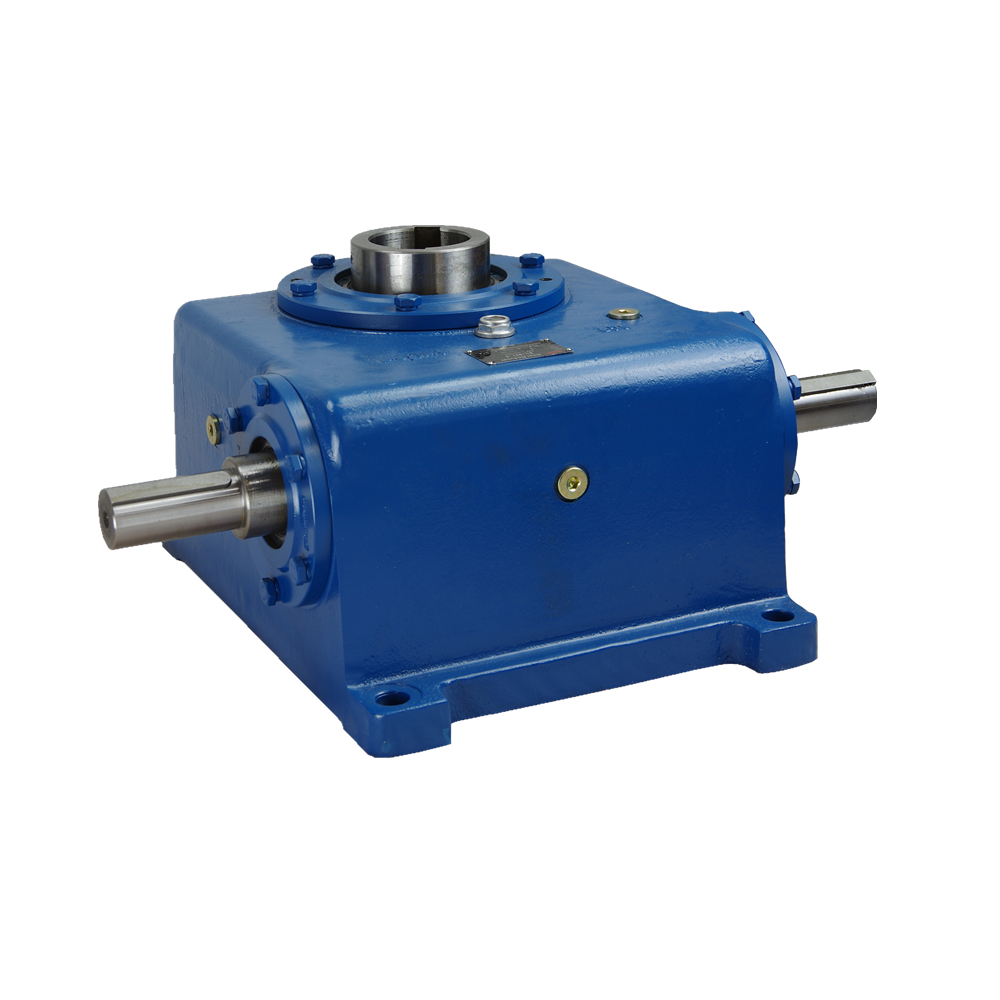
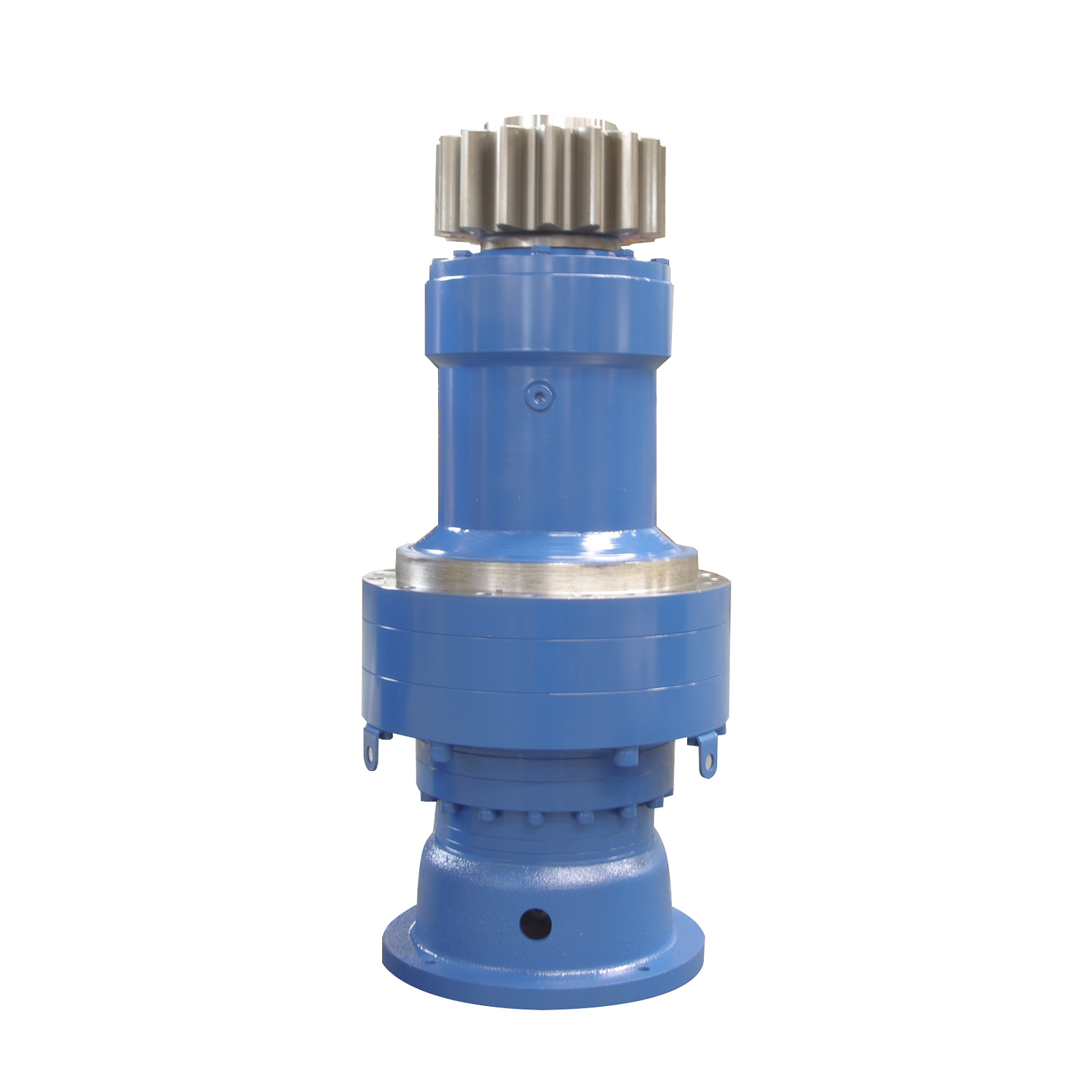
Product Description Series C double enveloping worm gearModel: 100 - 500Ratio: 10 -63Output Torque ...
See Details
News Directory
An indexing table on a packaging line drifts by nearly a millimeter over an eight-hour shift. The standard planetary reducer meets its catalog torque rating, but the replacement flange sits 15 mm away from the old one, so the mounting plate has to be re-machined. When a catalog unit no longer fits the machine's dynamic load, interface, or backlash requirement, the practical answer is a custom gearbox for automation equipment - a transmission engineered around the actual motion profile instead of the other way around.
A custom gearbox for automation equipment is a speed reducer engineered around a specific motor interface, mounting envelope, torque demand, and backlash limit that no standard catalog unit can satisfy.
Customization is rarely about exotic materials or one-off machining. It is about fitting the gearbox to the motor, the frame, and the duty cycle. Automation builders order custom units when the standard range cannot combine flange pattern, output shaft, ratio, and positioning accuracy in one product.
Gearbox specialists such as Shanghai SGR Heavy Industry Machinery Co., Ltd. (SGR) treat this as routine engineering, starting from the load profile instead of a catalog page. Read how to choose planetary gearbox parameters before freezing the specification.
Five parameters define almost every custom automation gearbox specification: rated output torque, reduction ratio, backlash, input speed, and mounting interface.
| Parameter | Typical automation range | Design impact |
| Rated output torque | 50-5,000 Nm | Frame size, bearing selection, and service factor |
| Reduction ratio | 3:1 to 500:1 | Stage count, efficiency, and motor input speed |
| Backlash | 3-30 arcmin | Positioning repeatability and system stiffness |
| Input speed | 500-6,000 rpm | Heat generation and lubrication method |
| Mounting interface | Flange, foot, hollow bore | Machine integration and maintenance access |
Torque and ratio decide unit size; backlash and interface decide whether the machine holds position and whether the gearbox fits the frame. Thermal behavior follows from input speed and duty cycle. A supplier without measured values for these five parameters should not be shortlisted.
Planetary gearboxes deliver the highest torque density and the lowest achievable backlash in a coaxial layout; double-enveloping worm gearboxes provide high single-stage ratios, right-angle output, and strong shock resistance; combined reducers cover the cases where neither principle alone fits the installation envelope.
Planetary reducers dominate automation because they pack torque into a compact coaxial package with backlash available from 10 arcmin down to precision range. The SGR high-torque planetary gear reducer covers the 50-5,000 Nm band with standard and precision backlash options for servo axes, indexing tables, and slewing drives.
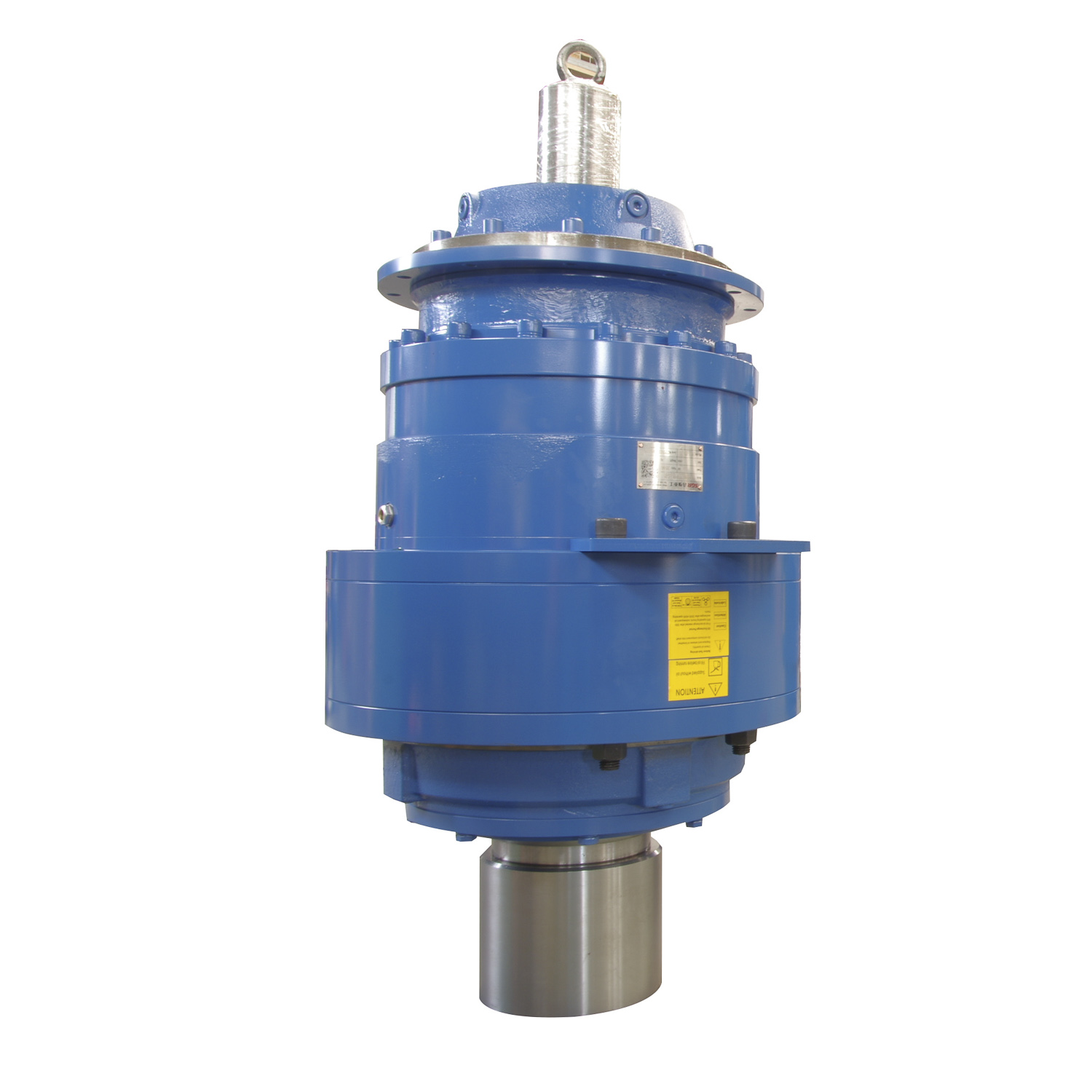 Custom Planetary Gear Reducer with High Torque Manufacturers, CompanyShanghai SGR Heavy Industry Machinery Co., Ltd is China Planetary Gear Reducer with High Torque Manufacturers, OEM/ODM Planetary Gear Red...View Product →
For a direction change or a very high ratio in one stage, the double-enveloping worm gearbox absorbs shock loads that would fatigue a planetary stage. The SGR double-enveloping worm gearbox speed reducer is the reference point for this architecture in compact right-angle layouts.
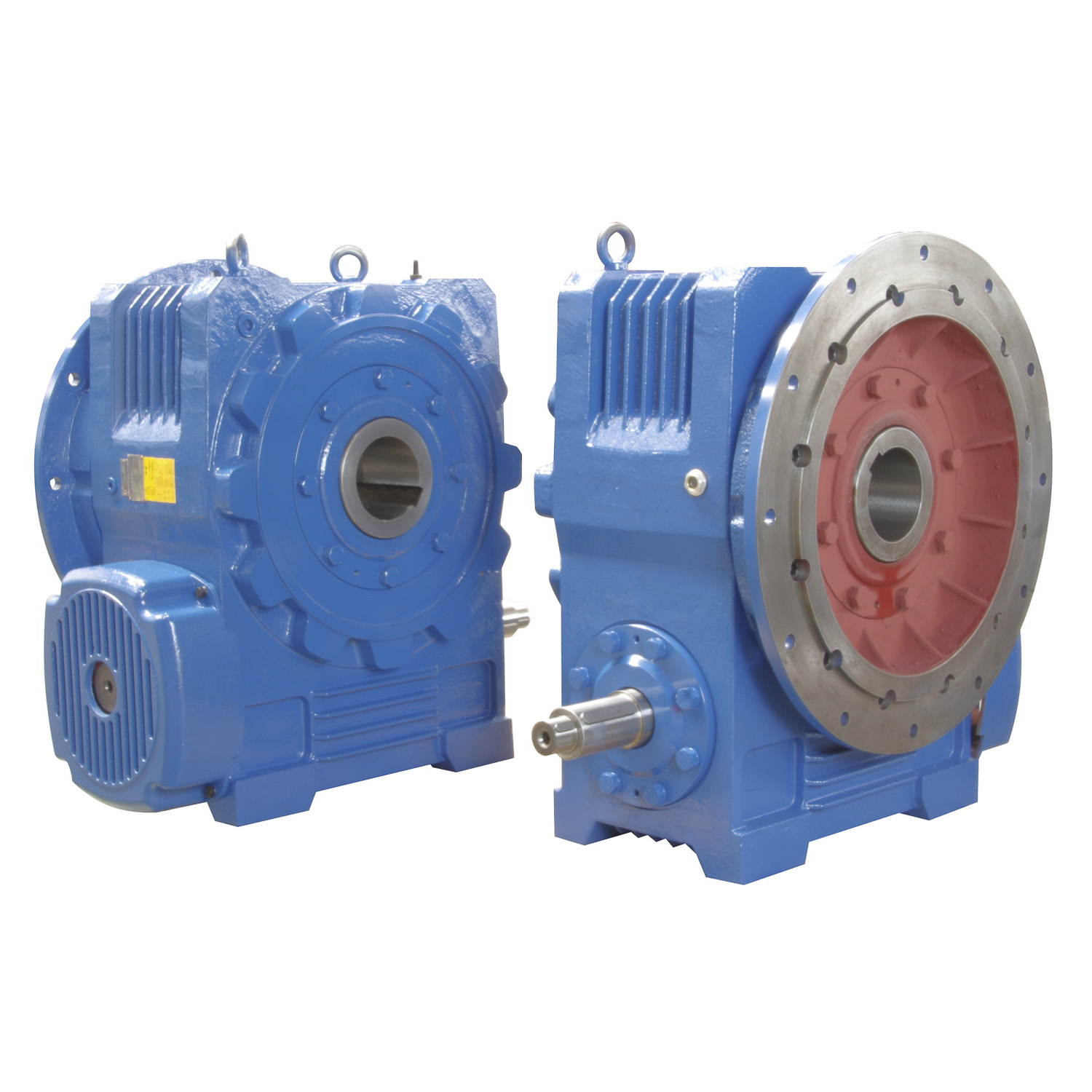 Custom Double Enveloping Worm Gearbox Speed Reducer Manufacturers, CompanyShanghai SGR Heavy Industry Machinery Co., Ltd is China Double Enveloping Worm Gearbox Speed Reducer Manufacturers, OEM/ODM Double Envelo...View Product →
When the ratio demand exceeds what one principle can deliver efficiently, combined designs merge planetary stages with a toroidal worm final stage. The SGR combined planetary and toroidal worm reducer delivers very large ratios with a direction change in one housing.
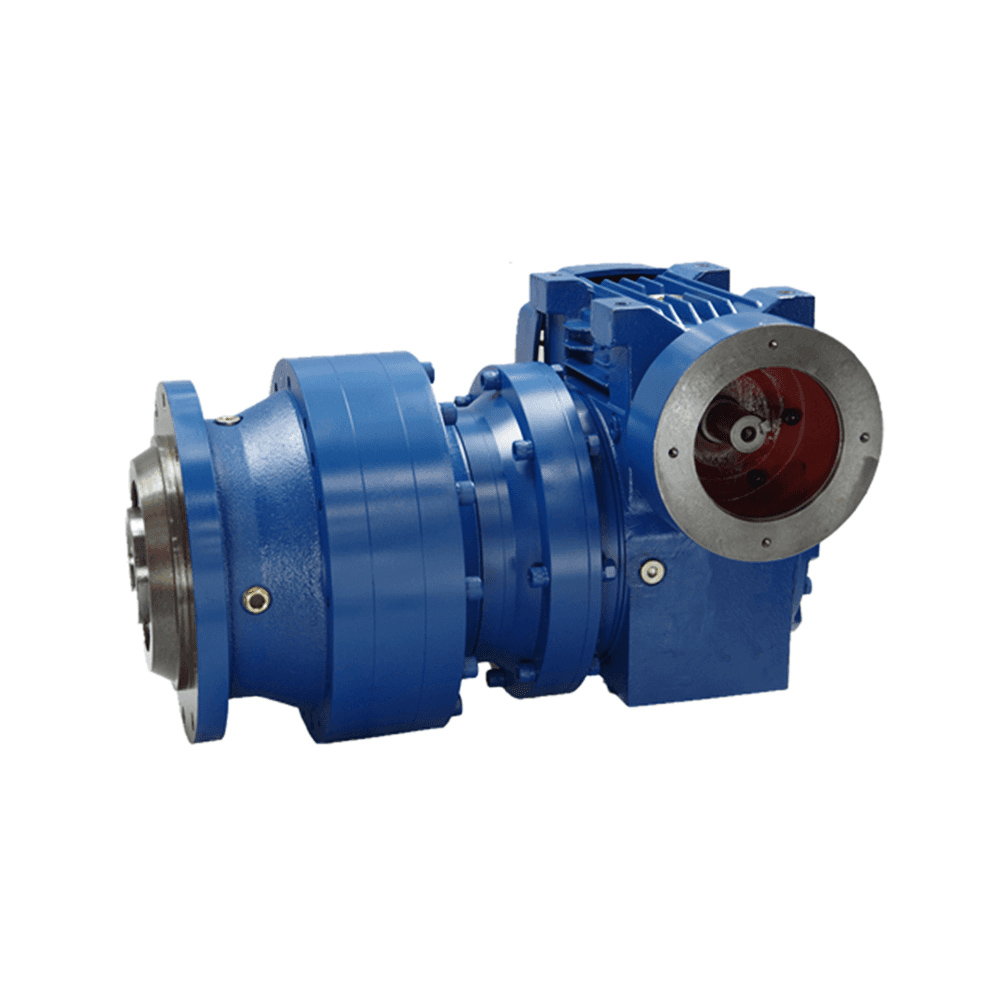 SGR Innovative Gearbox And Gear Reducer ManufacturersThe Innovative Gearbox Manufacturers SGR Is Capable Of Providing You With Various Types Of Gearboxes. You Can Get Compact, Modular, Stand...View Product →
Typical full-load efficiency by gearbox architecture, single-stage reduction
Automation drives typically run 6,000-8,000 hours per year, so a five-point efficiency difference changes both energy cost and heat load inside the machine enclosure. For motor-integrated builds, the input flange and feedback mounting follow the pattern described in this guide to planetary worm gear modular design and motor integration.
Supplier qualification for custom automation gearboxes comes down to measurable capability: precision measurement instruments, full-load efficiency and temperature testing, and engineers who can redesign an interface instead of offering a catalog adapter.
Ask any candidate supplier for their instrument list, test rig capacities, and sample reports. Measured backlash, temperature rise, and noise data from a comparable custom unit matter more than the number of product series in the catalog. The profile of what a custom gearbox manufacturer in China can deliver shows how SGR organizes the full chain from drawing to test stand.
A disciplined custom gearbox project moves from load profile to validated prototype in five stages, and skipping any of them is the most common cause of field failure.
Request the validation report in the same format used for incoming inspection. When efficiency, backlash, and thermal results match the agreed targets, the series batch can be released with predictable performance.
A custom gearbox for automation equipment is a speed reducer engineered around a defined motor interface, mounting envelope, torque profile, and backlash limit, with housing and gearing dimensioned for one machine or one machine family.
Standard automation duty typically accepts 15-30 arcmin. Precision positioning axes need 3-7 arcmin, and indexing or inspection machines may demand 1-3 arcmin with preload. Specify backlash together with the output load direction and operating temperature.
Yes. The gearbox designer starts from the motor flange pattern, shaft diameter, key or spline geometry, and torque-speed curve, then engineers the input section around that interface. No adapter plate is required when the flange is designed directly into the housing.
A typical project runs 6 to 10 weeks for prototype design and sample machining, followed by full-load validation and production planning. Measurement reports and test data are delivered before series production begins.
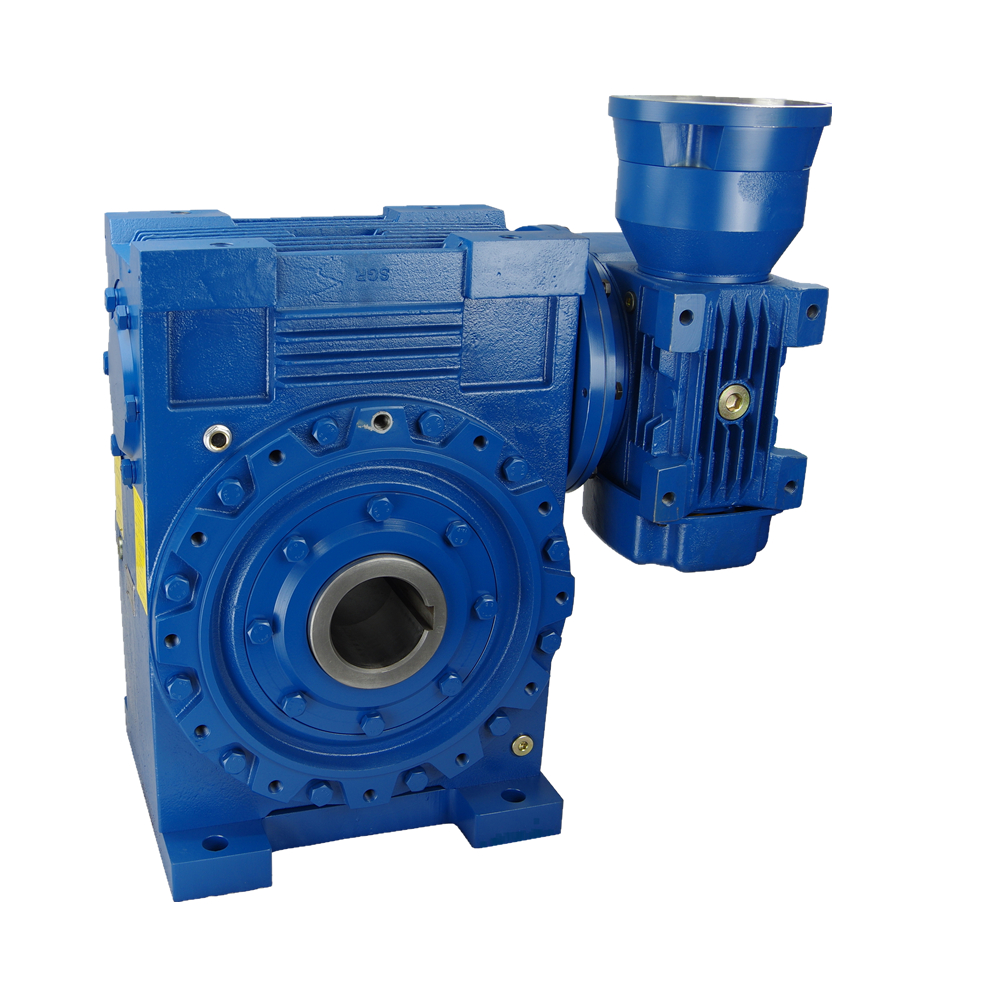
Product Description Series C double enveloping worm gearModel: 100 - 500Ratio: 10 -63Output Torque ...
See Details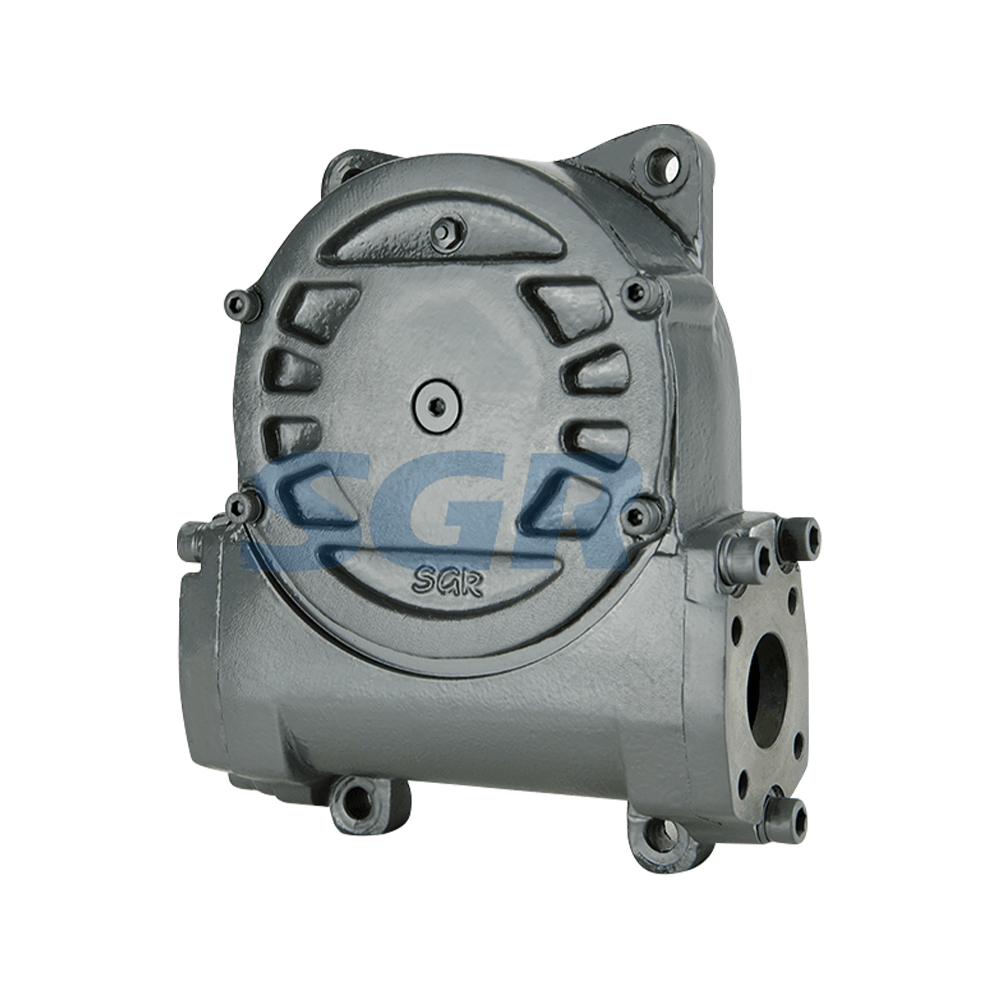
SGR develops and manufactures specialized worm gear reducers for logistics machinery attachments. T...
See Details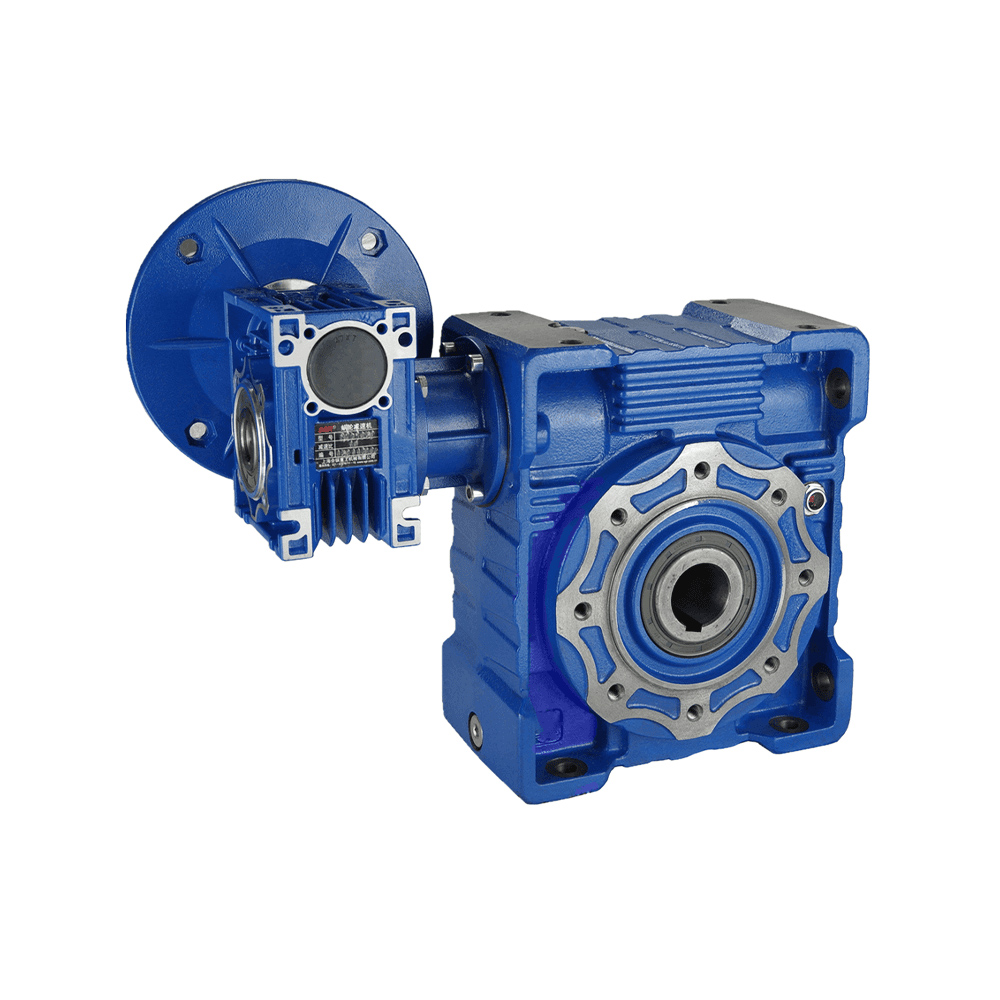
SGR develops and manufactures specialized worm gear reducers for logistics machinery attachments. T...
See Details
Model: 200-885Ratio: 3.15-7800Output Torque :1500Nm-540000NmRating Power :0.25KW-200kwDescription : ...
See Details
Description :1, High torque double enveloping worm gear adjust toughest working condition .2,Univers...
See Details
Product Description Series C double enveloping worm gearModel: 100 - 500Ratio: 10 -63Output Torque ...
See Details
SGR is an ISO 9001 certified, DNV-accredited industry gearbox manufacturer since 1996. We supply different gear reducers to brands worldwide.