 Global
  English
 中文简体
中文简体 русский
 Español
SGR develops and manufactures specialized worm gear reducers for logistics machinery attachments. T...
See Details
News Directory
As industrial machinery continues to move toward higher efficiency, greater load capacity, and more compact transmission systems, worm gear reducers remain an important power transmission solution for heavy-duty and high-ratio applications.
A worm gear reducer converts high-speed motor input into lower-speed, higher-torque output through the interaction between a worm shaft and worm wheel. Compared with many conventional transmission solutions, worm gearboxes are valued for their compact structure, high reduction ratios, smooth operation, and, under appropriate design conditions, self-locking characteristics.
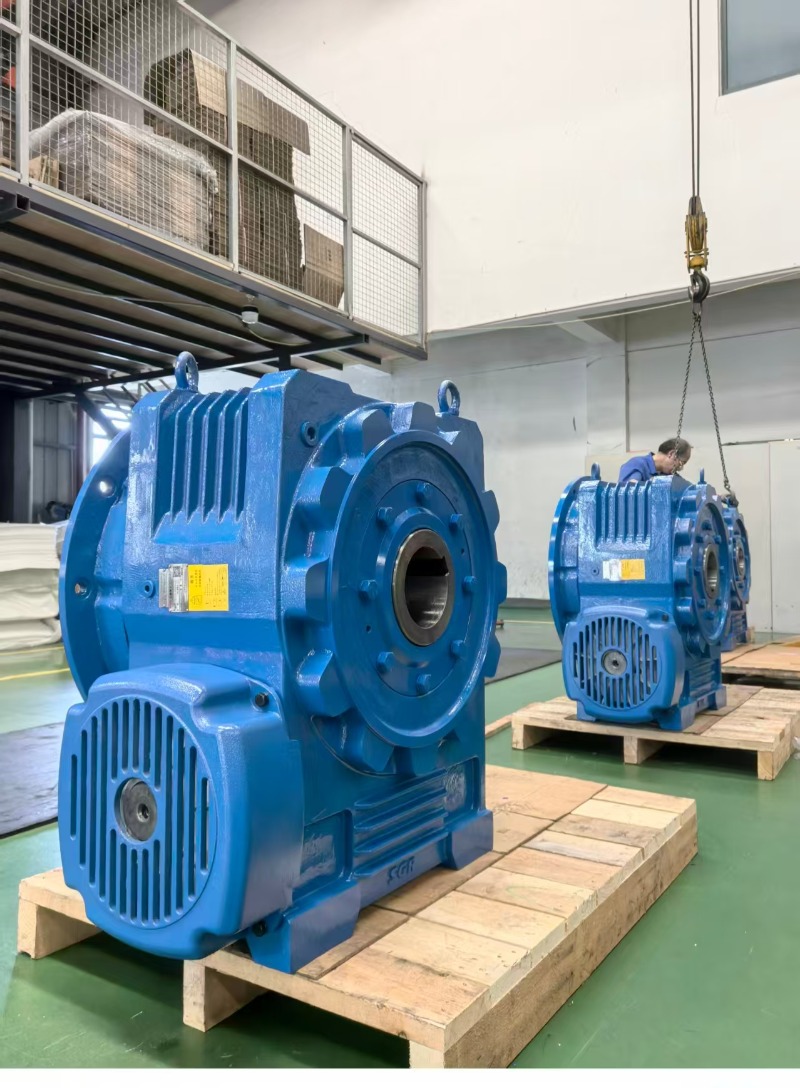
At the same time, conventional cylindrical worm gear technology faces increasing challenges in applications requiring higher torque, longer service life, and improved transmission efficiency.
This is one reason why double-enveloping worm gearboxes are attracting increasing attention in industrial power transmission.
With more than a decade of experience in worm gear transmission technology, Shanghai SGR Heavy Industry Machinery Co., Ltd. has developed its C Series double-enveloping worm gearbox to provide high-torque transmission solutions for demanding industrial applications.
Worm gear reducers are widely used across industrial sectors where speed reduction, torque multiplication, compact installation, and reliable power transmission are required.
Typical applications include:material handling equipment,conveyors,lifting and hoisting machinery,mining equipment,metallurgical machinery, industrial mixers,marine equipment,packaging machinery,production lines and heavy-duty industrial machinery.
As industrial equipment becomes larger and more automated, gearbox manufacturers are facing increasingly demanding requirements.
Customers are no longer looking only for a basic worm speed reducer. They increasingly require:higher output torque,greater load-carrying capacity,longer service life,stable operation under continuous duty,lower vibration and noise,flexible mounting configurations,better transmission efficiency and customized input and output arrangements.
These requirements are driving the development of higher-performance worm gear transmission technologies.
Among them, the double-enveloping worm gearbox has become an important solution for applications where conventional cylindrical worm gear reducers may not provide sufficient load capacity.
A double-enveloping worm gearbox is a specialized type of worm gear transmission designed to increase the contact area between the worm and worm wheel.
In a conventional cylindrical worm gear set, the worm generally has a cylindrical geometry, while the worm wheel is designed to partially wrap around the worm.
In a double-enveloping worm gear system, both the worm and worm wheel have enveloping geometries. The worm has an hourglass-like profile, allowing the worm wheel to surround the worm more effectively.
This geometry creates a larger effective contact area and allows multiple teeth to participate in load transmission simultaneously.
As a result, the transmission system can achieve improved load distribution and higher torque transmission capability.
SGR's technical information describes its C Series double-enveloping worm gear transmission as a multi-tooth meshing system, with the worm manufactured from hardened 20CrMnTi material and the worm wheel made from high-performance alloy bronze.
This design is particularly valuable for industrial machinery operating under high loads and demanding working conditions.
The key advantage of a double-enveloping worm gearbox is not simply its structure, but the way the structure changes the distribution of transmission loads.
The enveloping tooth profile increases the contact area between the worm and worm wheel.
Instead of concentrating the load on a relatively limited contact area, multiple teeth can participate in torque transmission.
This helps distribute the load more effectively and can reduce localized tooth stress.
For heavy-duty machinery, output torque is one of the most important gearbox selection parameters.
SGR's C Series product range includes double-enveloping worm gearboxes with output torque specifications reaching up to 160,000 N·m, depending on configuration.
This makes the technology suitable for applications where high torque and relatively low output speed are required.
Material selection and heat treatment are also critical to worm gearbox service life.
SGR uses 20CrMnTi for its worm components and high-performance alloy bronze for the worm wheel. The worm is subjected to carburizing, hardening and precision grinding processes to improve surface hardness and wear resistance.
According to SGR's product information, the worm tooth hardness can reach HRC 58–62.
The combination of hardened steel and alloy bronze is intended to provide a suitable balance between strength, wear resistance and reliable sliding contact.
Worm gear transmission is naturally suitable for applications requiring smooth speed reduction.
The multi-tooth meshing characteristics of double-enveloping worm gears can further improve load distribution and contribute to stable transmission.
This makes the technology suitable for industrial machinery where vibration, noise and mechanical shock need to be controlled.
SGR has developed its C Series double-enveloping worm gearbox as a high-torque industrial transmission solution.
According to SGR's current product information, the C Series covers center distances from 100 to 710 mm, with modular and serialized design concepts. Specific configurations can be customized according to customer requirements.
Key specifications and features include:
|
Parameter |
SGR C Series |
|
Gear Type |
Double-Enveloping Worm Gear |
|
Center Distance |
100–710 mm |
|
Typical Gear Ratio |
i = 10–63 for single-stage configurations |
|
Output Torque |
Up to 160,000 N·m |
|
Worm Material |
20CrMnTi |
|
Worm Wheel |
High-Performance Alloy Bronze |
|
Mounting |
Chassis, flange, face mounting and customized |
|
Input |
Motor flange, cylindrical shaft, spline shaft and customized |
|
Output |
Cylindrical shaft, spline shaft, hollow shaft and customized |
The actual gearbox configuration should be selected according to motor power, input speed, required output torque, reduction ratio, duty cycle, mounting arrangement and operating environment. SGR also provides customized input and output configurations for different machinery designs.
Developing a high-performance double-enveloping worm gearbox requires considerably more than simply machining a worm and worm wheel.
The complex tooth geometry requires specialized design, manufacturing and inspection capabilities.
SGR has established an R&D team consisting of PhDs and senior engineers and has developed its own planar double-enveloping worm gear optimization design system. The company also operates CNC machining equipment, 3D measuring machines, gearbox power and efficiency testing systems, and a toroidal worm and hob measuring instrument.
These capabilities allow SGR to control multiple stages of gearbox development, including:
This integrated approach is particularly important for double-enveloping worm gears because tooth-profile accuracy directly affects meshing performance, load distribution and service life.
A high-torque worm gearbox is particularly suitable for machinery that requires significant torque at relatively low rotational speeds.
Mining equipment frequently operates under heavy loads, dust, vibration and continuous-duty conditions.
A high-torque industrial worm gearbox can be used in suitable conveying, lifting and material-handling systems where reliable torque transmission is required.
Steel and metallurgical machinery often requires robust transmission systems capable of operating under high loads.
Double-enveloping worm gear technology can provide a compact transmission solution for selected heavy-duty drives.
Conveyor systems require stable and continuous power transmission.
Depending on the load and speed requirements, a worm gear reducer can provide the necessary reduction ratio and output torque while maintaining a relatively compact installation footprint.
Lifting machinery places high demands on gearbox reliability and load control.
Worm gear reducers can be used in appropriate lifting mechanisms where high reduction ratios and holding characteristics are required. However, the gearbox's self-locking behavior should always be verified against the actual load, ratio, lubrication, efficiency and safety requirements rather than assumed solely from the gearbox type.
Industrial marine equipment, winches and other specialized machinery may require customized gearbox configurations.
SGR provides customized shaft, mounting and input/output arrangements to adapt the gearbox to specific equipment layouts.
For equipment designers, the choice between a conventional worm gearbox and a double-enveloping worm gearbox should be based on actual operating requirements.
A conventional worm gearbox may be sufficient for applications with moderate torque and standard operating conditions.
A double-enveloping worm gearbox, however, becomes more attractive when the application requires:
The more complex double-enveloping geometry also means that manufacturing and quality control requirements are higher.
Therefore, selecting a double-enveloping worm gearbox is not simply a matter of choosing a larger gearbox. The tooth profile, material, heat treatment, lubrication, alignment, thermal conditions and operating cycle all need to be considered together.
For industrial gearbox buyers, the gearbox manufacturer's engineering capability can be just as important as the product specification.
SGR focuses on industrial gear transmission and has more than 15 years of experience in gearbox R&D and manufacturing. Its product portfolio includes planetary gearboxes, double-enveloping worm gearboxes, cylindrical worm gear reducers and customized transmission solutions.
SGR's strengths include:
Professional R&D Team
PhDs and senior engineers participate in gearbox design and transmission technology development.
Specialized Worm Gear Technology
SGR has developed a planar double-enveloping worm gear optimization design system.
Precision Manufacturing
CNC machining and specialized equipment are used for complex gear components.
Inspection and Testing
SGR uses 3D measuring equipment, worm and hob measuring equipment, and gearbox power and efficiency testing systems.
Customized Solutions
Input shafts, output shafts, mounting methods, ratios and other key transmission components can be customized according to application requirements.
OEM & Replacement Solutions
SGR states that the mounting dimensions of its double-enveloping worm gear units can be interchangeable with CAVEX® Worm-Gear Units, while customized transmission components can also be supplied.
The development of industrial machinery is pushing gearbox technology toward higher torque density, better efficiency, longer service life and greater customization.
For worm gear reducers, the future is not simply about increasing gearbox size.
Instead, technological development is increasingly focused on optimized tooth profiles,advanced materials,precision manufacturing,better lubrication systems,improved thermal management,digital quality inspection,customized gearbox configurations and higher transmission efficiency.
Double-enveloping worm gear technology provides an important pathway toward these objectives because its multi-tooth meshing structure allows manufacturers to optimize load distribution and torque transmission.
For gearbox manufacturers, this means that R&D capability, precision manufacturing and testing technology will increasingly become important competitive factors.(Author,SGR, Angie Zhang)
WhatsApp: +86 188 1807 0282
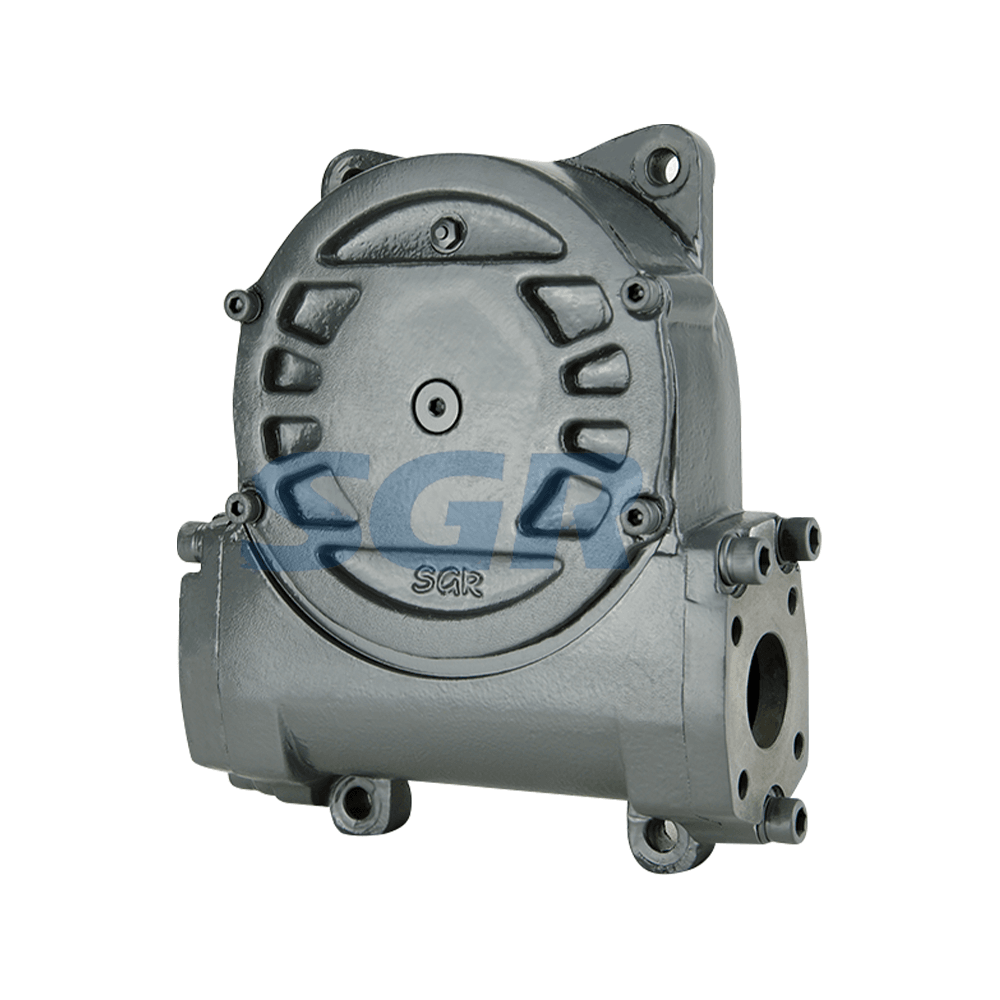
SGR develops and manufactures specialized worm gear reducers for logistics machinery attachments. T...
See Details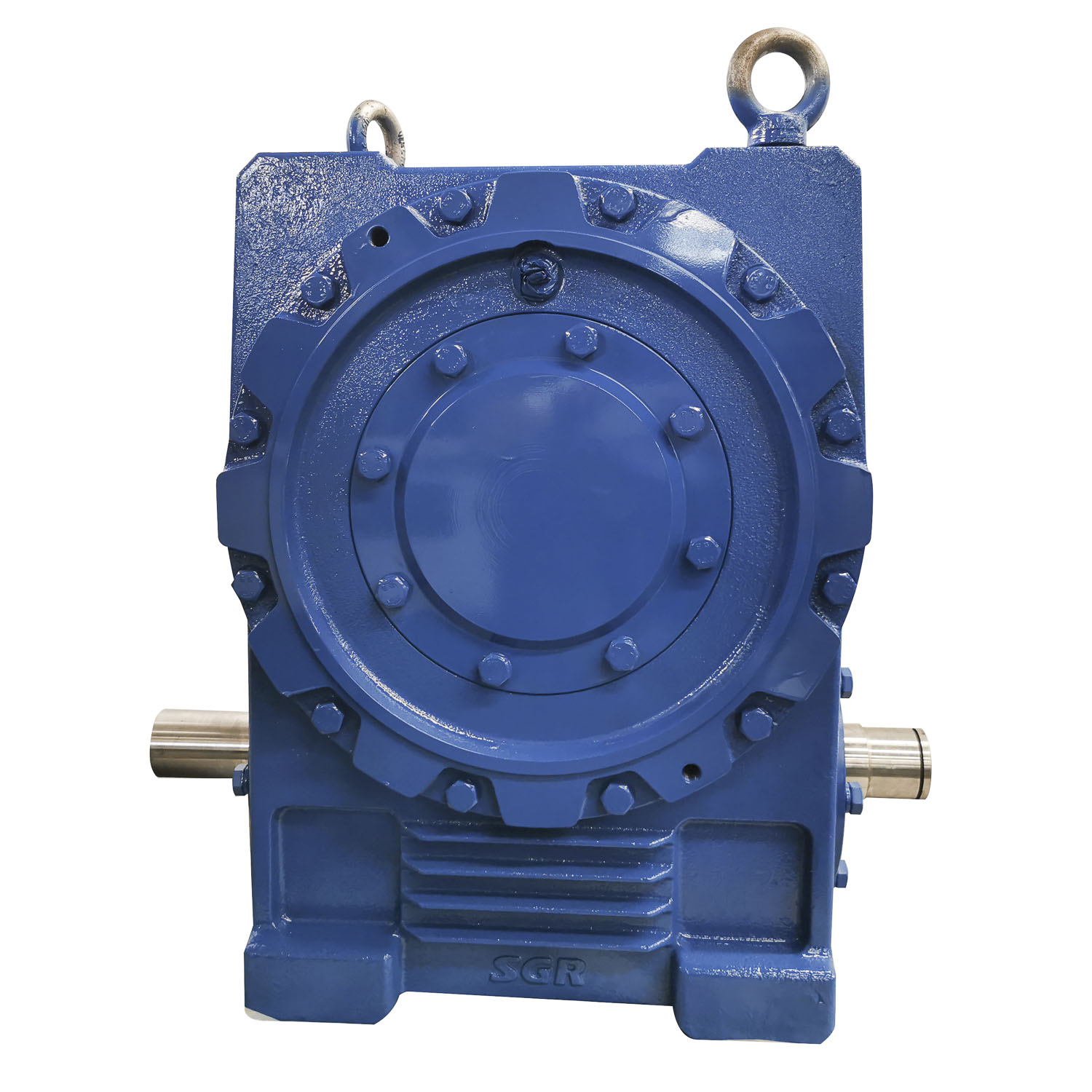
SGR's C Series double enveloping worm gear reducerModel: 100 - 500Ratio: 10 -63Output Torque : 683...
See Details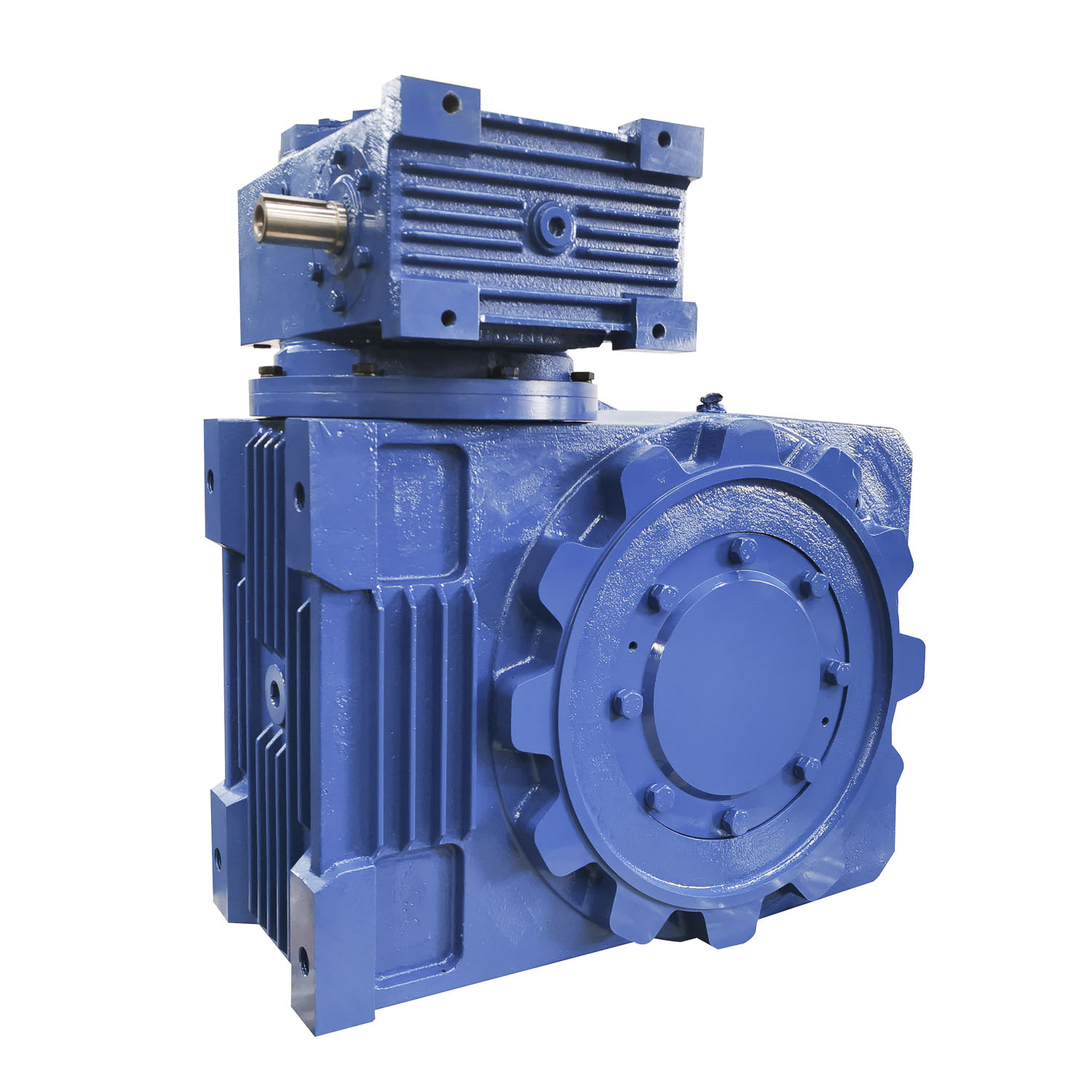
Parameters of SGR's Cast Iron Reducer Double Enveloping Worm Gearbox: Output Torque : 683 - 51180 N....
See Details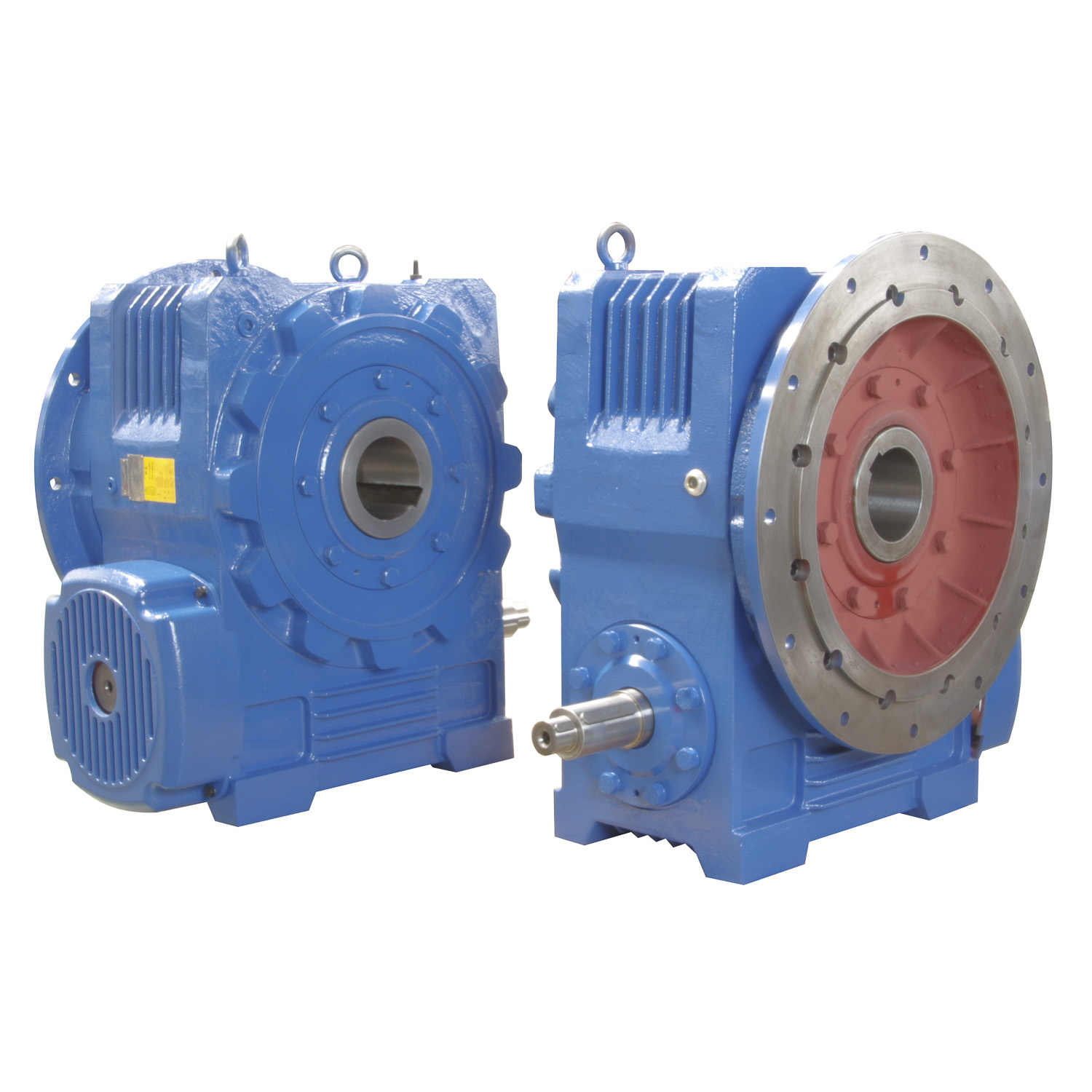
In term of difference of double enveloping worm gear design and traditional worm gear design , do...
See Details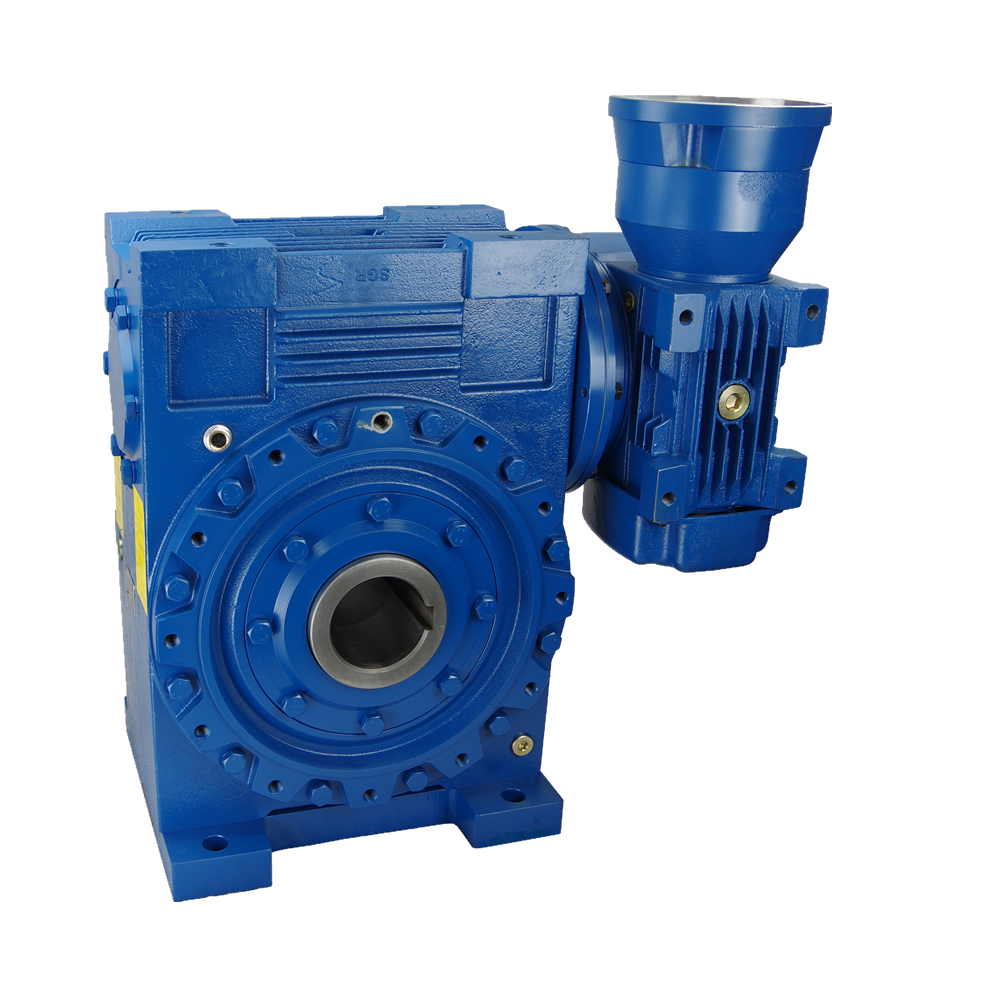
Product Description Series C double enveloping worm gearModel: 100 - 500Ratio: 10 -63Output Torque ...
See Details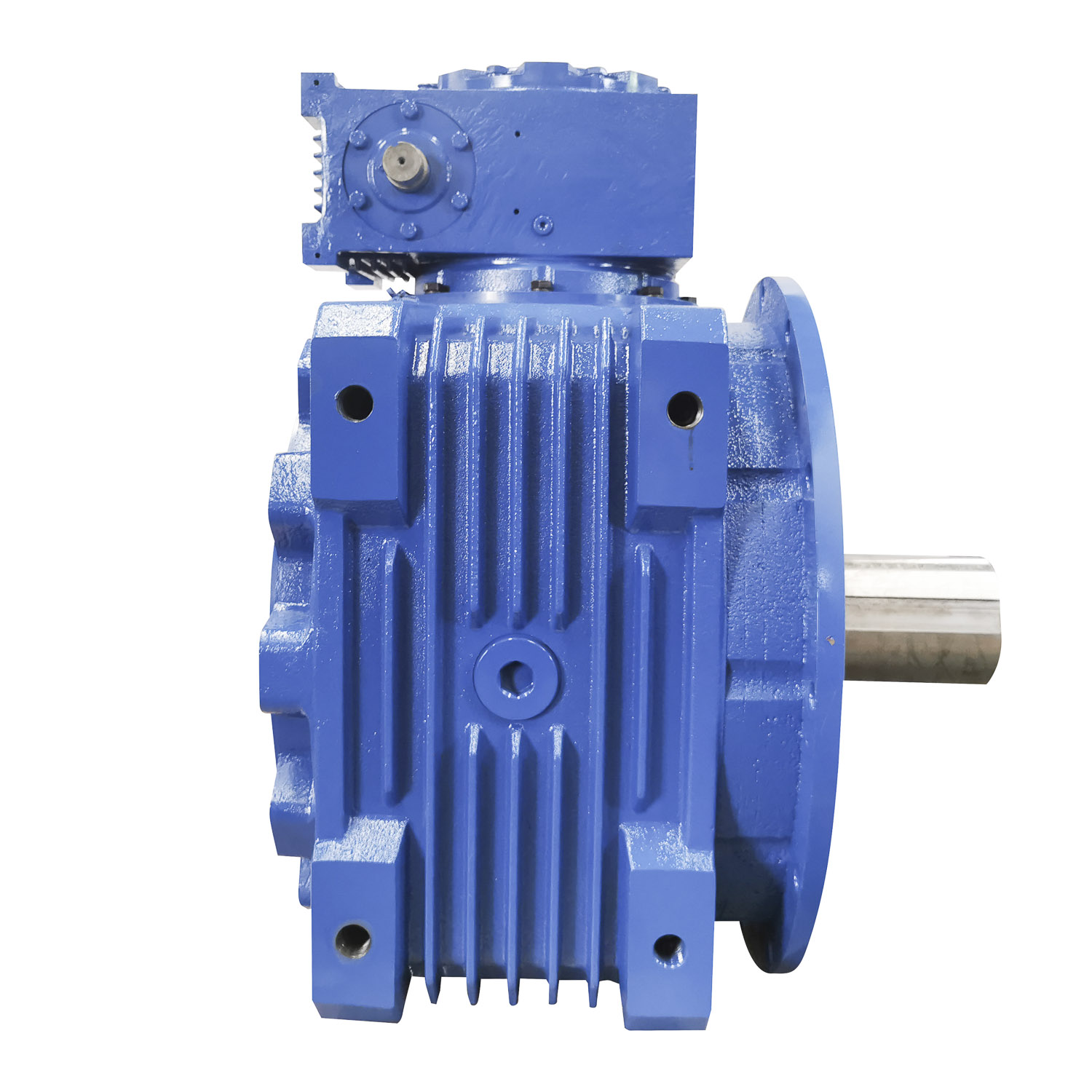
Description :1, High torque double enveloping worm gear adjust toughest working condition .2,Univers...
See Details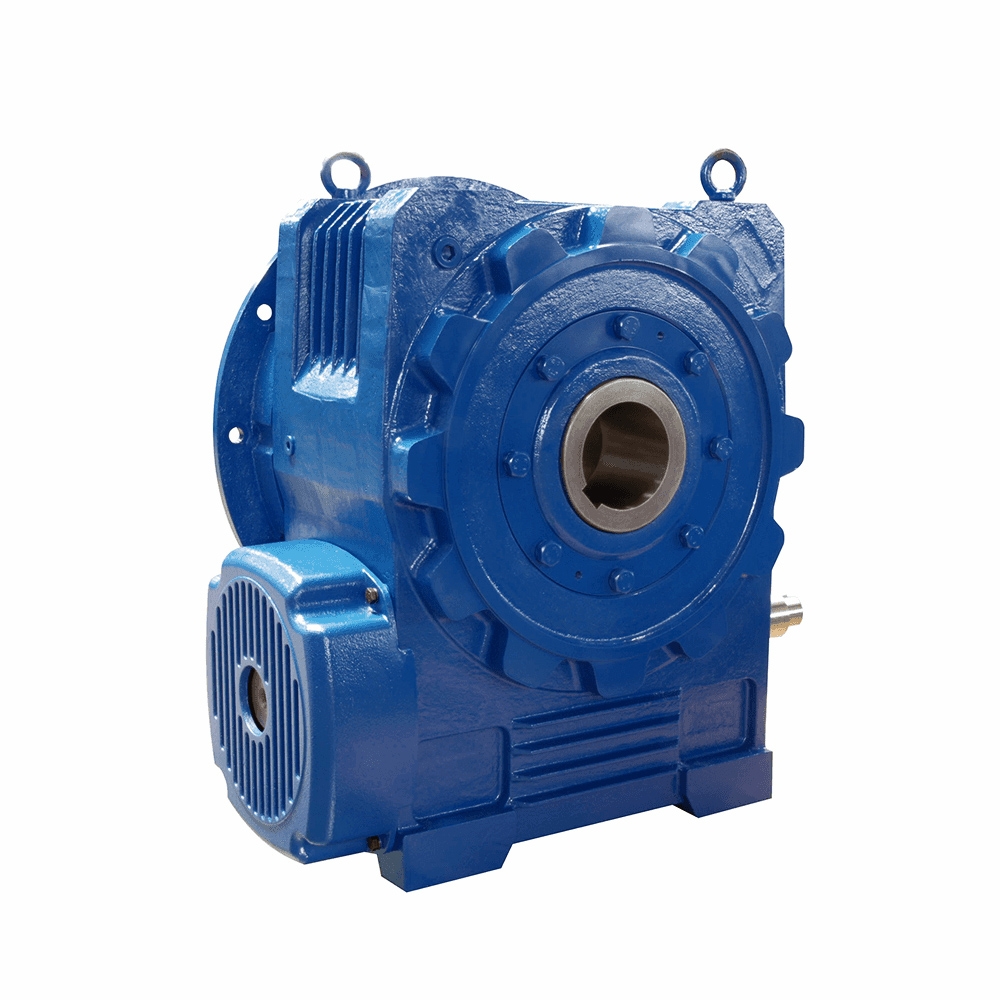
Center distance: 100~710 mm Speed ratio: i ≥ 10. Design modularization, specification serialization,...
See Details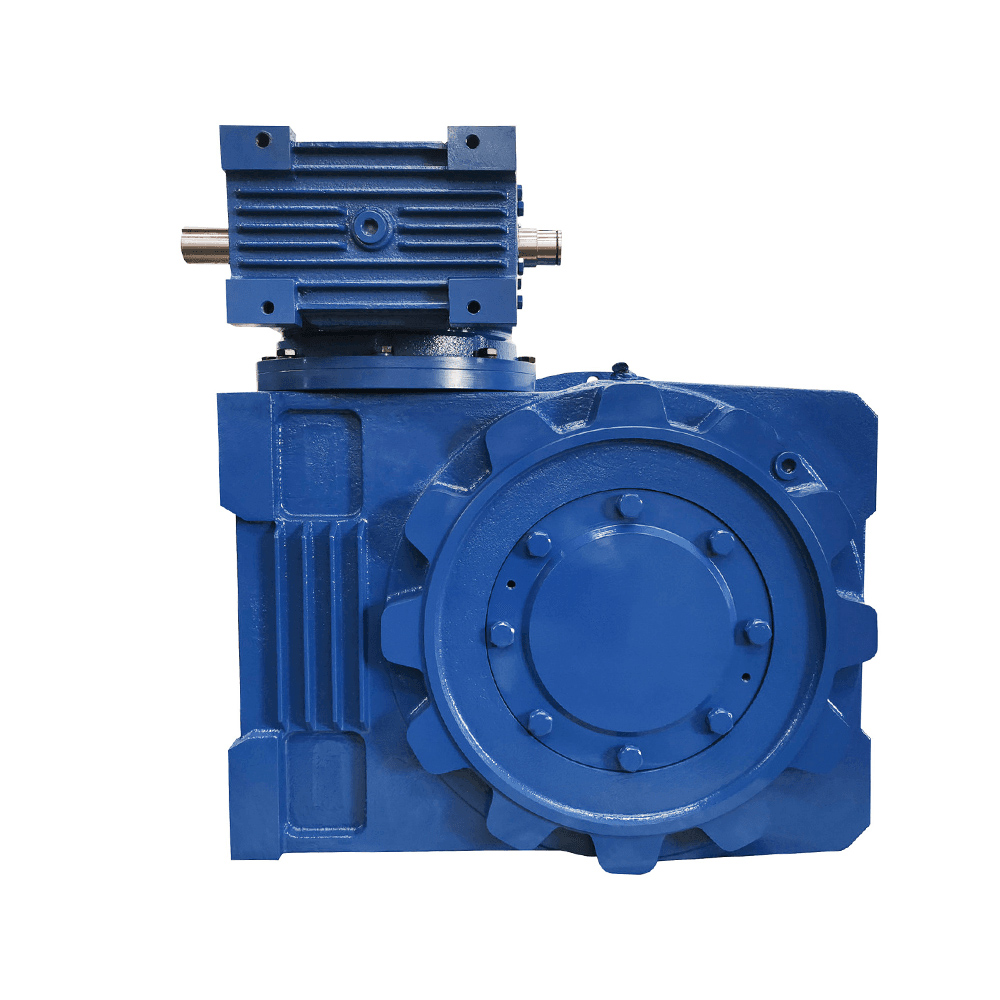
Center distance: 100~710 mm Speed ratio: i ≥ 10. Design modularization, specification serialization,...
See Details
SGR is an ISO 9001 certified, DNV-accredited industry gearbox manufacturer since 1996. We supply different gear reducers to brands worldwide.

