Global
 English
 русский
 Español
Model: 200-885Ratio: 3.15-7800Output Torque :1500Nm-540000NmRating Power :0.25KW-200kwDescription : ...
See Details
News Directory
A 400 kW crusher drive rarely fails because its average torque was too high. It fails in the two seconds when a stalled crushing cavity clears and the final planetary stage absorbs roughly twice its rated load. Mining duty is defined by those seconds, not by the steady number printed on the motor nameplate. Every torque figure below is a figure for a specific load case, and the gearbox has to be selected against the worst one rather than the average.
A planetary gearbox for mining equipment is selected against three separate torque figures - continuous rated torque, peak or starting torque at 2.0 to 2.5 times rated, and the shock torque generated by the working machine - and the highest of the three decides the frame size.
Motor power on its own says almost nothing about the load the final stage sees. Torque at the output shaft depends on output speed and on how much motor power survives the gearing, and a mining drive that looks comfortable on a power calculation can be marginal on a torque calculation.
Rated output torque: T2 = 9550 x P1 x E / n2, where P1 is motor power in kW, n2 is output speed in rpm, E is total gearbox efficiency, and T2 is measured in Nm. A three-stage planetary unit at 97% per stage returns E = 0.97 x 0.97 x 0.97 = 0.913.
Run the numbers on a 200 kW motor at 1,480 rpm driving a 25:1 three-stage unit. Output speed is 59 rpm and ideal output torque is about 32,300 Nm; after the 0.913 efficiency factor the shaft delivers roughly 29,500 Nm. Apply a 1.75 service factor for cone crusher duty and the gearbox must be rated at 51,600 Nm, not the 32,300 Nm a nameplate-only estimate would produce.
Peak torque is the second number. Direct-on-line starting, a loaded conveyor restart, or a hydraulic motor at relief pressure can push two times rated torque for several seconds, and the planetary stage has to carry that without tooth surface distress. Shock torque is the third: a tramp metal event in a crusher or a boulder landing on an apron feeder produces a short spike that is passed straight through the gears and into the output bearing.
Service factors applied to mining planetary drives run from 1.25 for a uniformly loaded belt conveyor to 2.00 for a SAG mill inching drive, and the factor is always applied to the peak torque of the working machine rather than to its average running torque.
Two machines of identical installed power can land three frame sizes apart once load character is taken into account. A conveyor that starts empty behaves nothing like a crusher that starts with a cavity full of ore, even when both are driven by the same 200 kW motor.
| Machine | Dominant load character | Minimum service factor | Torque used for sizing |
| Belt conveyor, uniform feed | Steady running, elevated breakaway torque | 1.25 | Loaded belt breakaway torque |
| Apron feeder | Heavy shock, frequent starts under load | 1.50 | Drive motor stall torque |
| Stacker-reclaimer slewing | Reversing duty, wind and bucket impact | 1.60 | Peak slew torque at full boom reach |
| Cone crusher | Cyclic shock, tramp metal events | 1.75 | Motor breakdown torque |
| SAG mill inching drive | Very high breakaway torque at low speed | 2.00 | Static friction breakaway of the mill charge |
The output bearing and the thermal power rating, not the gear teeth, limit most mining planetary gearboxes, and both are assessed against ISO 281 basic rating life and a defined heat balance rather than against peak torque alone.
The output bearing on a mining drive carries the gear reaction torque plus whatever external radial load the machine hangs on the shaft - a head pulley, a pinion, a bucket wheel. Continuous mining duty specifications commonly call for an L10 basic rating life of 20,000 hours or more at rated load, and that target is what fixes the bearing series and the housing bore.
Basic rating life falls with the cube of the load ratio for a rolling bearing. A transient that doubles the bearing load removes roughly eight times the life of the equivalent period at rated load, which is why a drive that survives on torque margin alone can still fail inside two seasons.
Thermal rating is the second limit. Heat generated inside the box is motor power multiplied by (1 - E), and it has to leave through the housing and the oil cooler faster than it arrives. A unit that is thermally rated at 40 C site ambient and then installed in a covered transfer house at 52 C loses roughly a fifth of its usable capacity before it ever reaches its mechanical rating. Lubricant choice follows the same logic: ISO VG 320 mineral or PAO oil holds film thickness in a warm open pit, while a cold climate installation at -20 C needs a pour point and a viscosity that still allow the oil pump to prime at start-up.
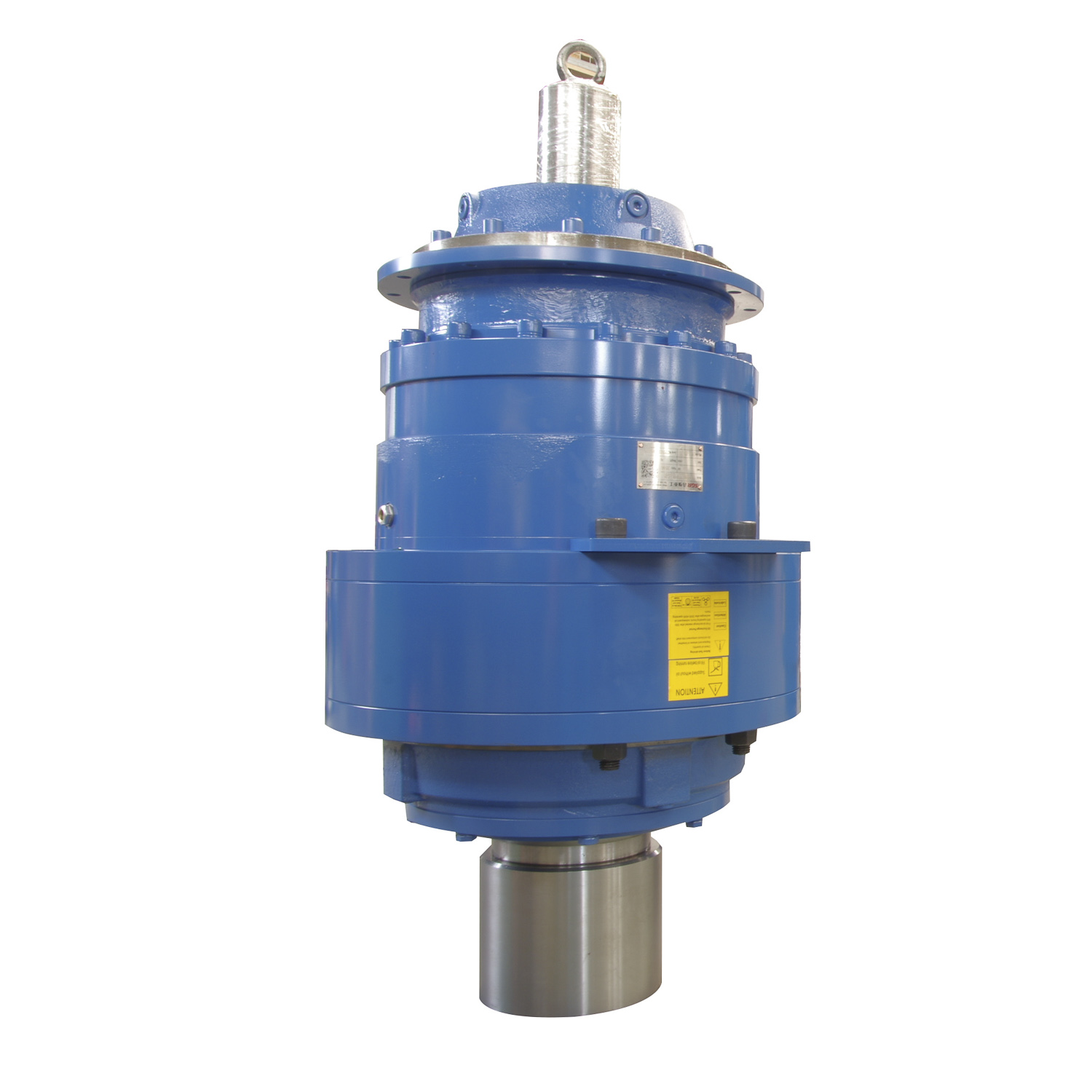 SGR N Series High Torque Planetary GearboxHigh-torque planetary reducer for heavy-duty machinery, with up to 800,000 N·m permissible torque and 1–5 stages for mining and industrial drives.View Product →
Mining planetary gear sets are rated to ISO 6336 Method B or AGMA 2101-D04 with a minimum pitting safety factor of 1.5 and a bending safety factor of 1.0 at the design load case, on carburized teeth of 58 to 62 HRC.
Those two numbers are the ones worth writing into a purchase specification, because they are checkable. A supplier that cannot produce the rating calculation is asking the buyer to accept a catalogue claim in place of a load capacity statement.
Shanghai SGR Heavy Industry Machinery Co., Ltd. (SGR) builds planetary units across a published range of 1,500 Nm to 540,000 Nm output torque and 3.15:1 to 7,800:1 ratio, and its production chain includes three-coordinate metrology plus a gearbox power and efficiency test bench - the two instruments that turn a rating calculation into a verified number. Buyers who need the paperwork trail can review SGR's honors and certifications alongside the technical file.
Mining planetary units are specified with IP65 sealing at the output shaft, breathers that do not ingest plant air, and gear oil to ISO 3448 viscosity grade 320 for ambient temperatures above 10 C, because airborne dust between 1 and 10 microns behaves like a lapping compound once it reaches a bearing.
The failure mode is slow and quiet. Contamination raises oil viscosity at the mesh, oil temperature climbs, film thickness drops, and the first visible symptom is usually a magnetic drain plug loaded with fine grey paste at the first 500 hour oil sample. Sampling at 500 hours, then at 2,000 hour intervals, catches the trend long before a tooth surface fails.
Where the prime mover is hydraulic - drill rigs, apron feeders, breaker booms - the planetary stage sees pressure spikes that a motor curve does not show. The gearbox must be rated for the relief valve setting, not for the nominal motor displacement, and the input spline or flange has to match that interface exactly.
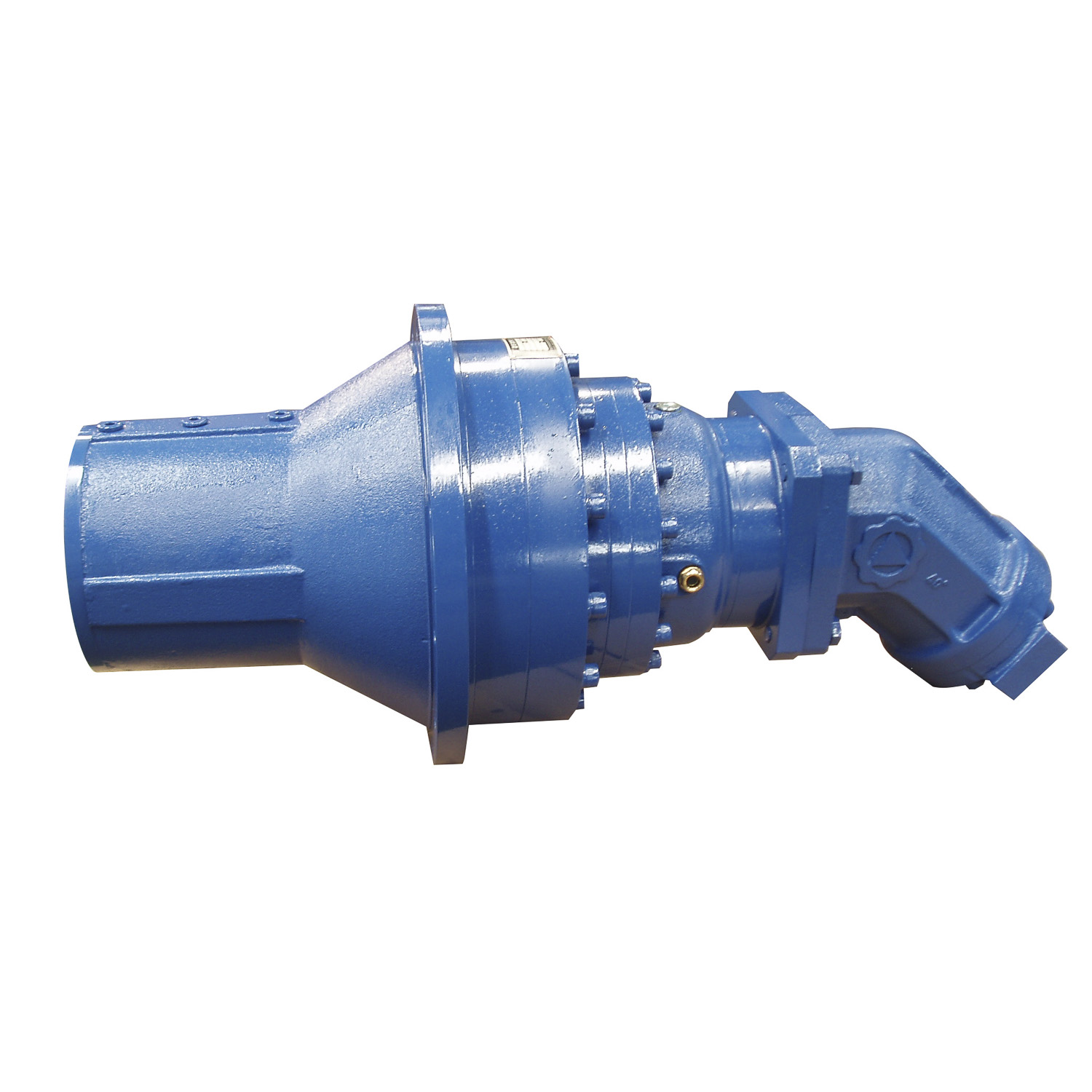 Planetary Gearbox with Hydraulic MotorModular planetary gearbox for hydraulic motor combinations, with involute gearing, nodular cast iron housing, 16 models and ratios from 3.15 to 9000.View Product →
A mining planetary gearbox specification is complete when it fixes six values: peak torque, service factor, thermal rating at site ambient, L10 bearing life, the gear rating standard, and the mechanical interface.
SGR's own application notes on planetary gearboxes for mining equipment selection follow the same sequence, and the checks map directly onto the data sheets a buyer should request. On stacker-reclaimers and other slewing machines, the same torque logic applies to the slew drive, where reversing duty and wind load replace crushing shock as the governing case.
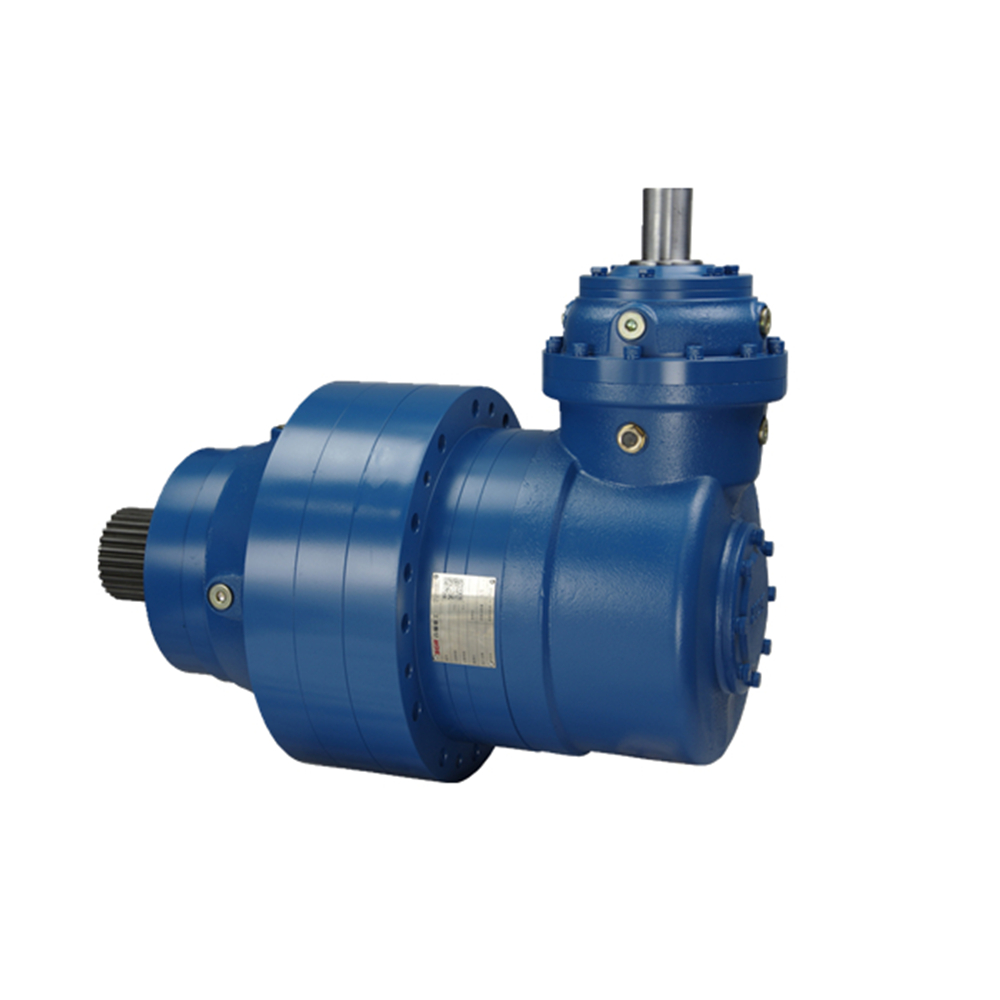 Planetary Gearbox for Slewing Drive ApplicationsPlanetary gearbox for slewing drives with ratios 3.15–3000, permissible torque up to 200,000 N·m and flange, foot or shaft mounting options.View Product →
Use a minimum of 1.75 applied to motor breakdown torque, and move to 2.00 where tramp metal or a blocked crusher cavity is credible. The factor is applied to the highest torque the machine can produce, not to the running torque on the duty cycle chart.
Rated output torque is T2 = 9550 x P1 x E / n2, with power in kW and output speed in rpm. A 200 kW input at 59 rpm output and 0.913 efficiency gives about 29,500 Nm, which is the figure a service factor is then applied to.
Name ISO 6336 Method B or AGMA 2101-D04 for gear load capacity, ISO 281 for bearing rating life, ISO 1328 grade 6 for tooth accuracy, and ISO 3448 for the lubricant viscosity grade. Each one produces a document the buyer can check against the delivered unit.
When the motor has to sit at 90 degrees to the driven shaft for space reasons, as on many underground loaders and compact feeders. The trade is 1 to 2 percentage points of efficiency per right-angle stage and an additional bevel set that must be rated for the same shock load as the planetary stages behind it.
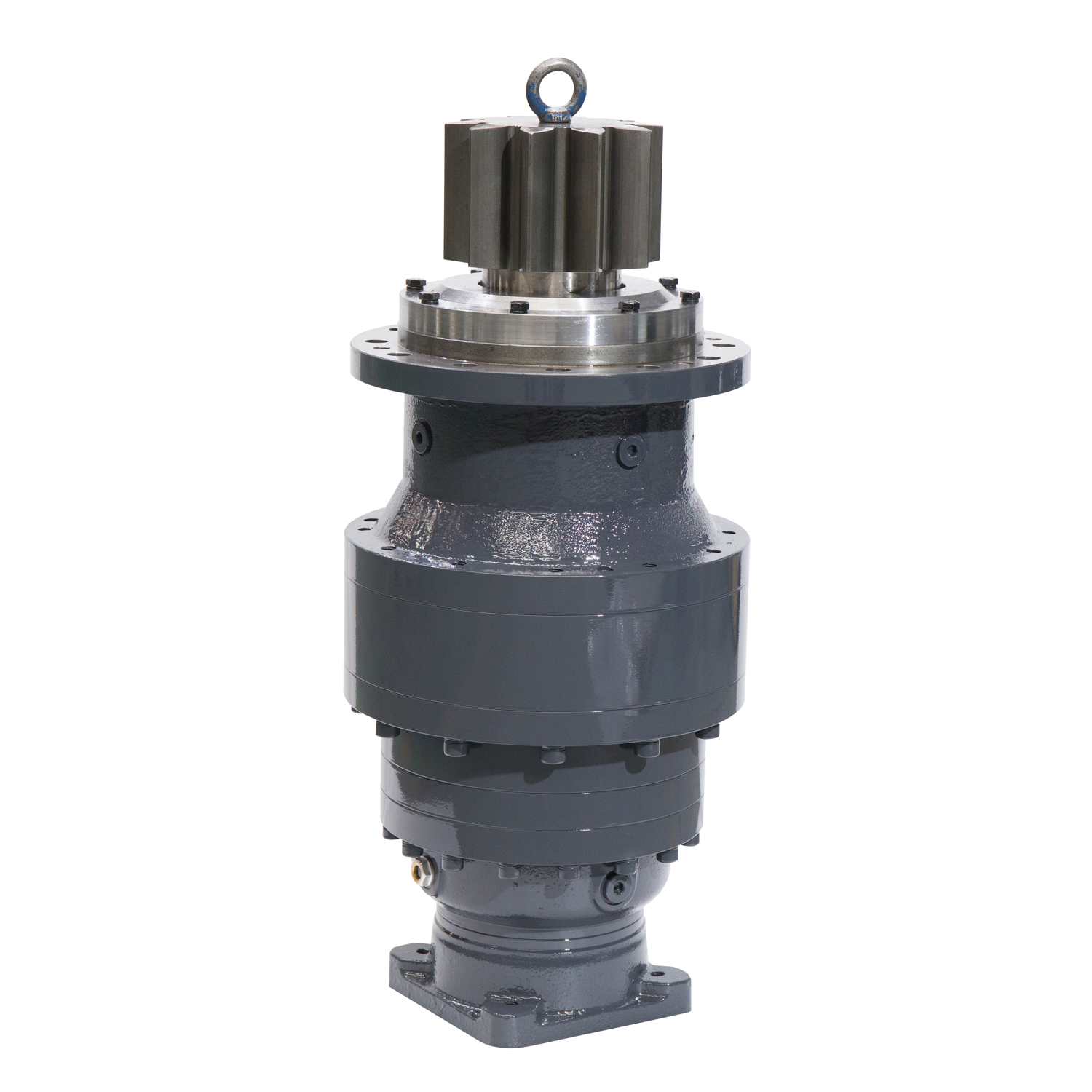
Model: 200-885Ratio: 3.15-7800Output Torque :1500Nm-540000NmRating Power :0.25KW-200kwDescription : ...
See Details
Key feature:Planetary gearbox is produced by modular design, and can be combined according to client...
See Details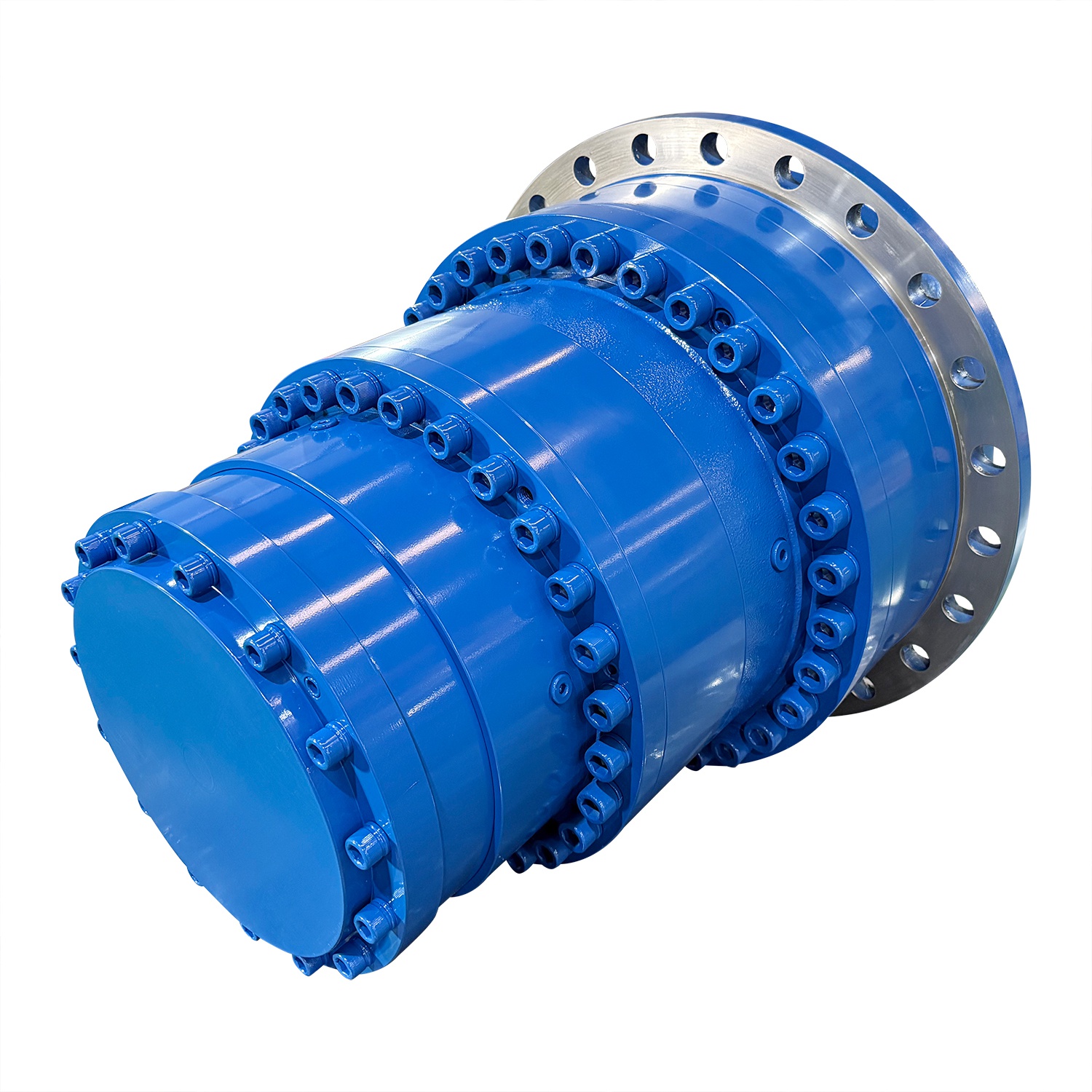
Planetary gear reducers serve as key transmission parts for sightseeing boats sailing along Russia’s...
See Details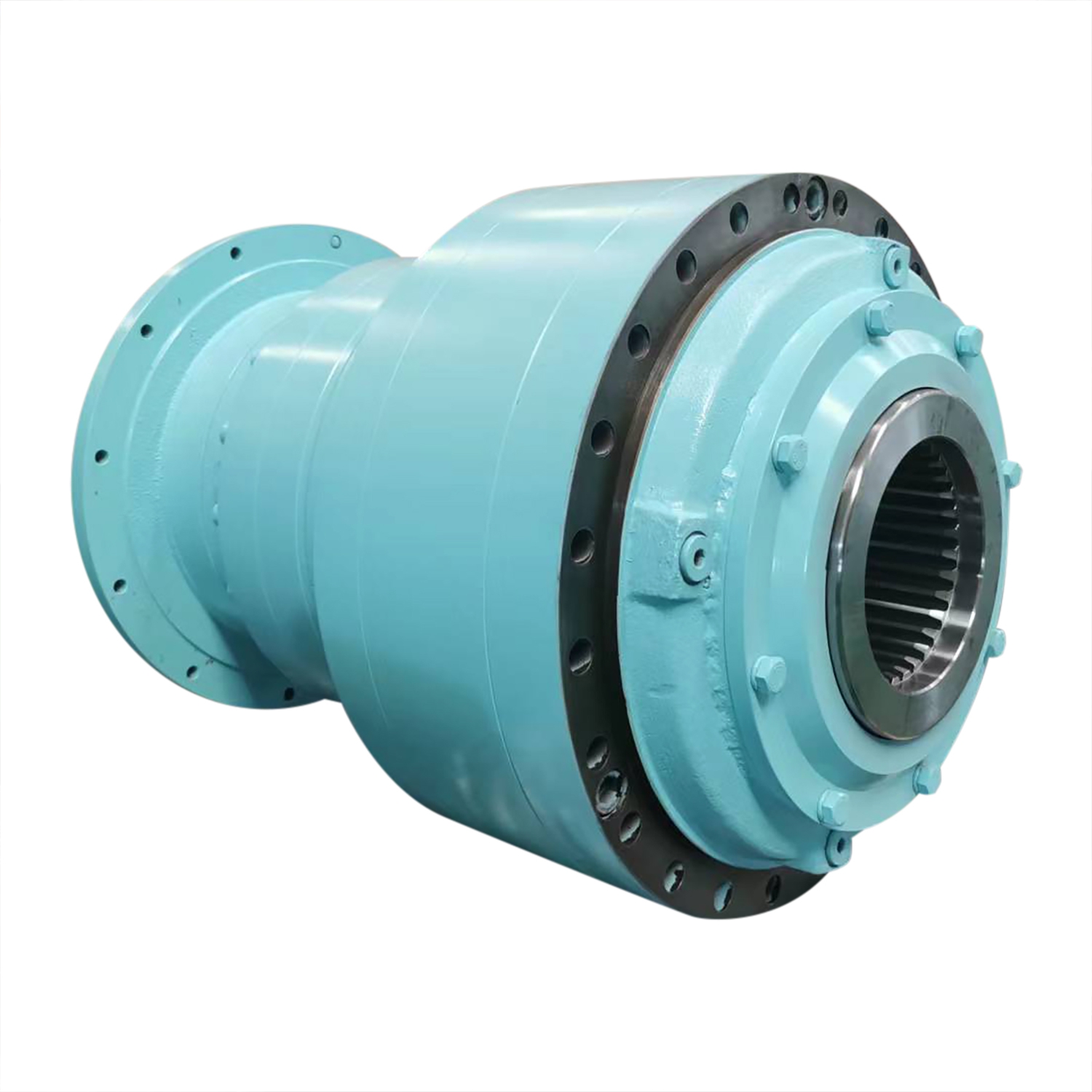
Planetary Gearbox Application For In Electric Drive Model: 200-885Ratio: 3.15-7800Output Torque :15...
See Details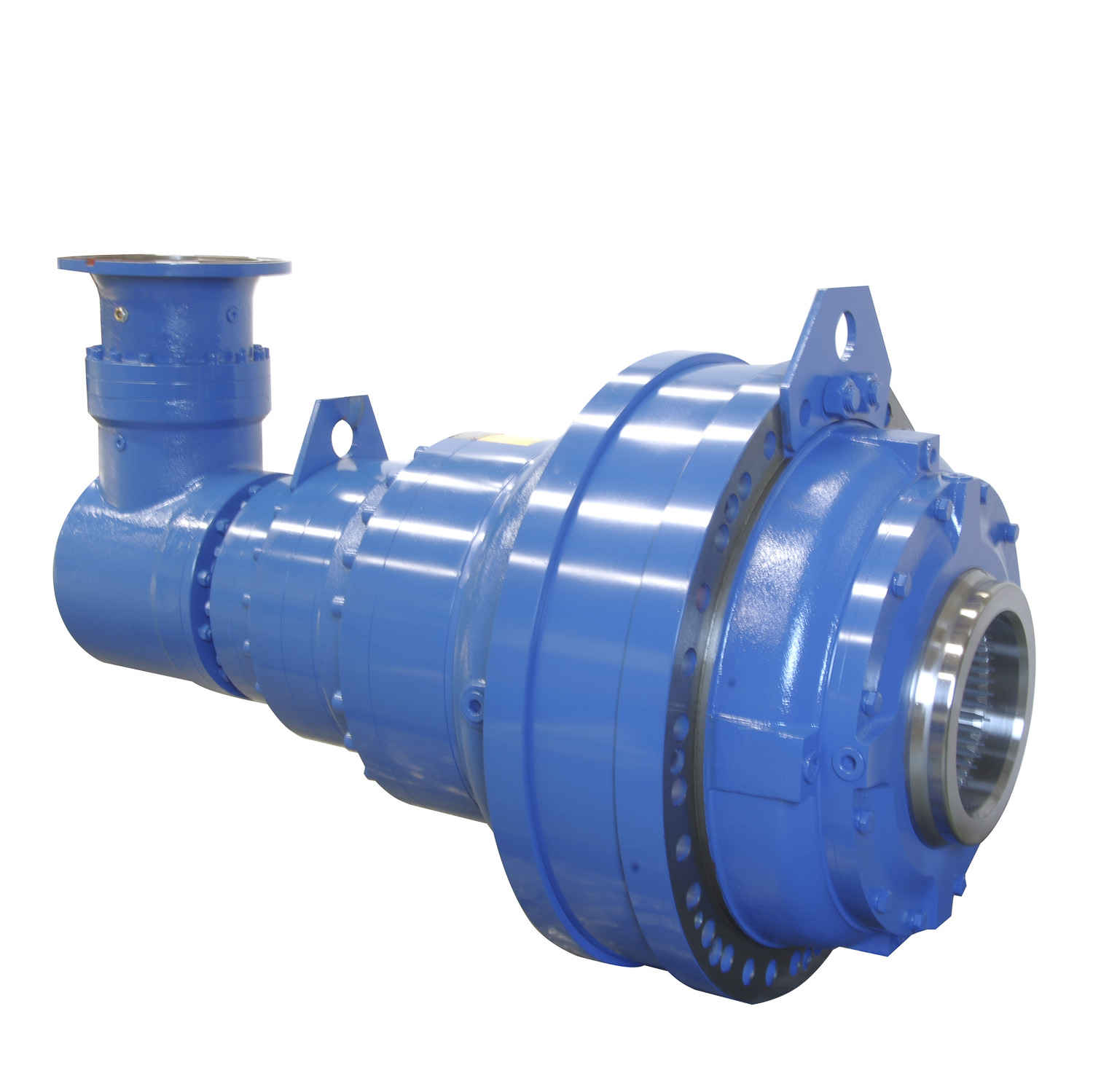
Planetary gearbox is produced by modular design, and can be combined according to client's request H...
See Details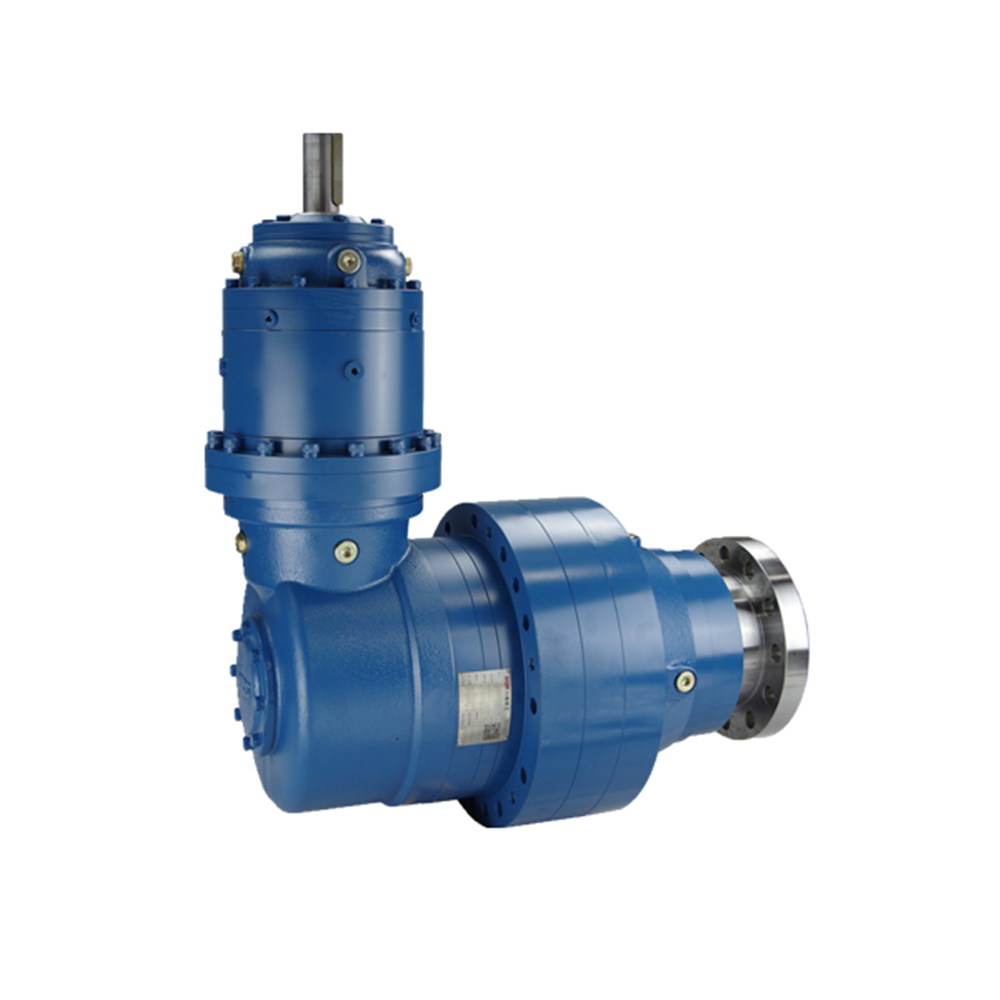
Technical data: 1. Ratio range: 3.15-30002. Input power: 0.25-55KW3. Permit torque rang: ≤ 200000N. ...
See Details
SGR is an ISO 9001 certified, DNV-accredited industry gearbox manufacturer since 1996. We supply different gear reducers to brands worldwide.