Global
  English
 中文简体
中文简体 русский
 Español
News Directory
Mining equipment operates in some of the most demanding industrial environments. Heavy loads, high torque, continuous operation, dust, vibration, shock loads, and limited installation space all place significant demands on the transmission system.
For this reason, the gearbox is one of the most critical components in mining machinery. A properly selected gearbox can help transmit high torque reliably, maintain stable operation, and reduce the risk of unexpected downtime.
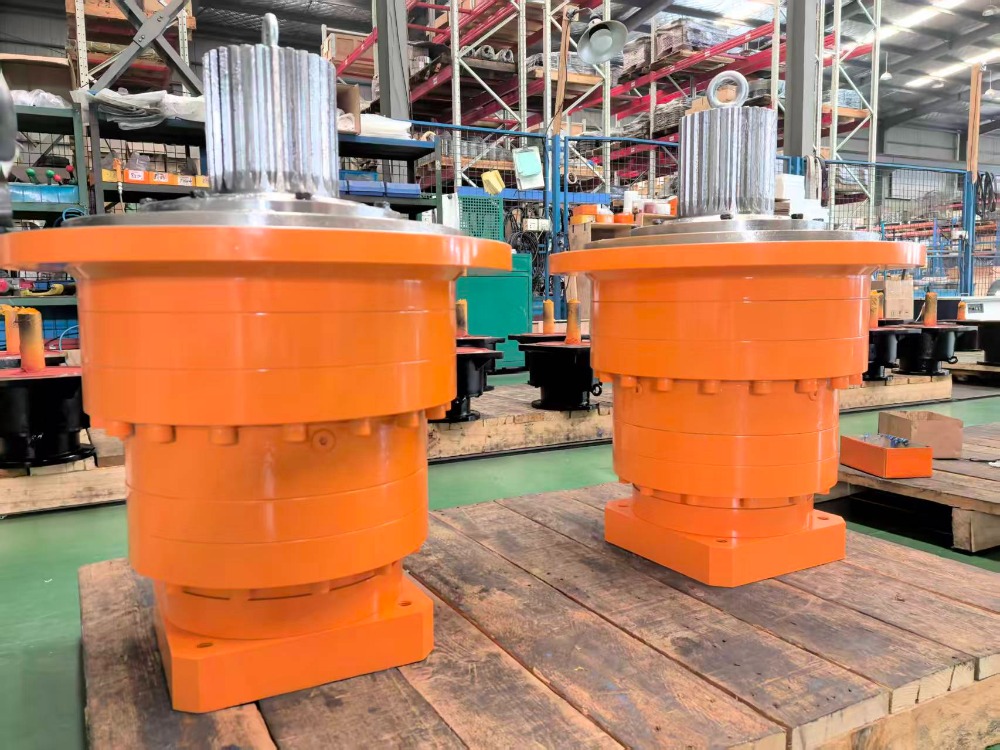
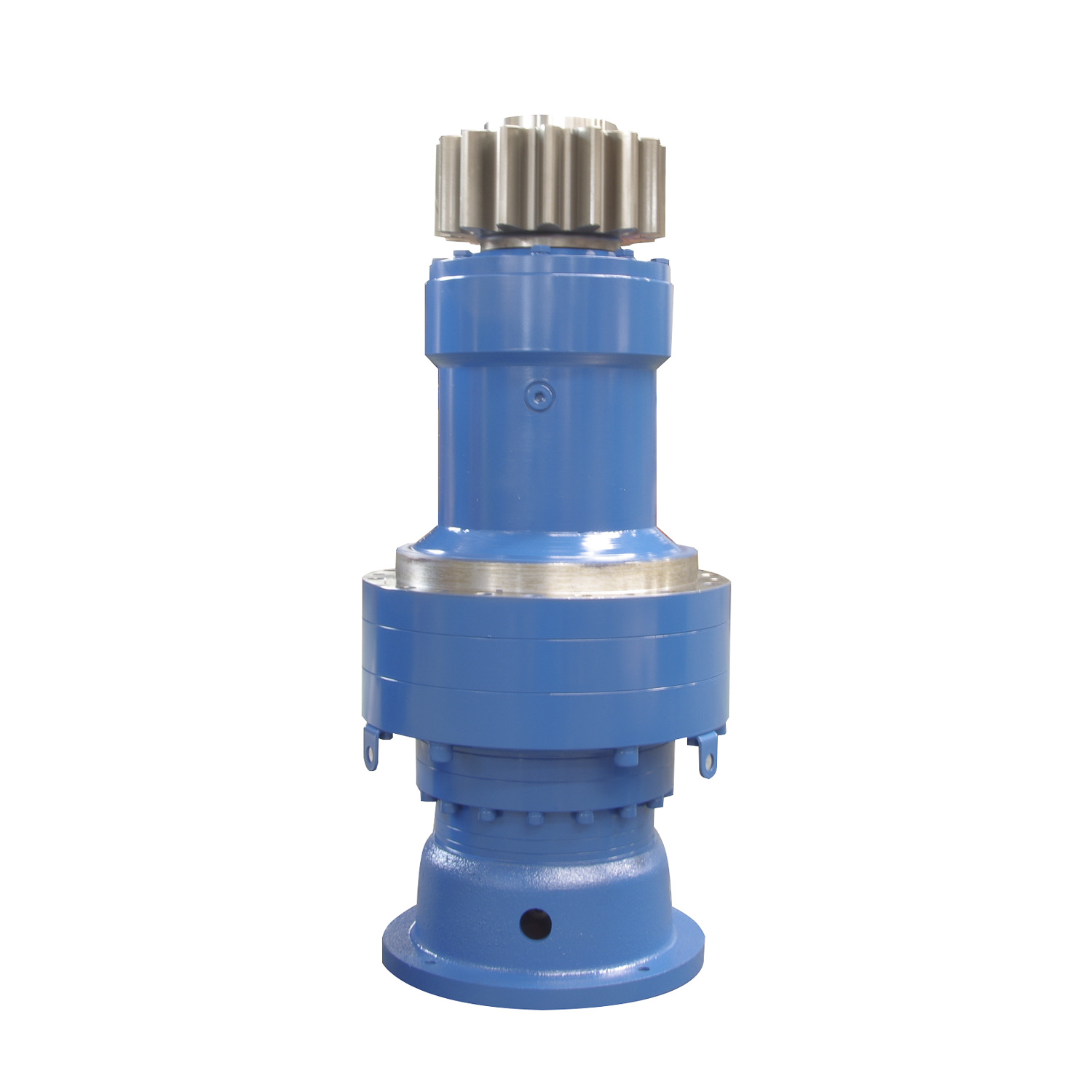
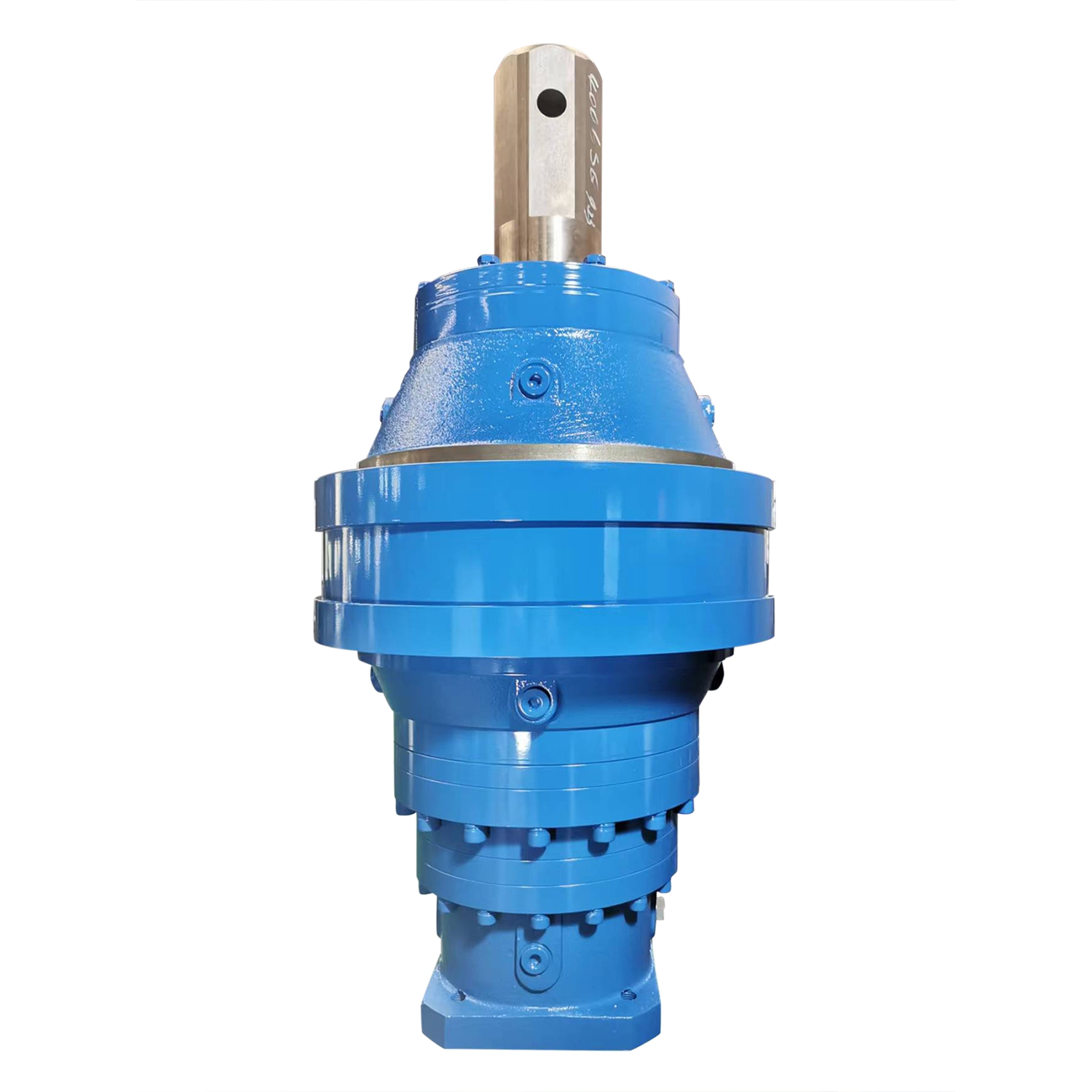
Among different industrial gearbox technologies, the planetary gearbox is widely considered for heavy-duty applications because of its high torque density, compact structure, efficient power transmission, and ability to distribute loads across multiple planetary gears.
But how should a planetary gearbox be selected for mining equipment? And which mining applications can benefit from planetary transmission technology?
This article explains the major considerations for selecting planetary gearboxes for mining machinery and explores their typical applications.
Mining machinery often requires high output torque while operating continuously under demanding conditions.
A planetary gearbox consists of a sun gear, multiple planetary gears, a planet carrier, and a ring gear. Instead of transmitting the entire load through a single gear pair, the planetary gears share the transmitted load.
This architecture provides several advantages for heavy-duty mining applications.
Mining equipment often needs high torque at relatively low output speeds.
The load-sharing structure of a planetary gearbox allows multiple gear meshes to transmit torque simultaneously. This makes planetary gearboxes suitable for applications where high torque is required within a relatively compact gearbox package.
Mining machines can be large and powerful, but the available installation space for the gearbox is not always unlimited.
A planetary gearbox can provide high torque transmission capacity without requiring the same overall size as some conventional gearbox configurations with comparable torque requirements.
This high torque density is particularly useful when gearbox weight and installation space need to be controlled.
Mining equipment can experience fluctuating loads and mechanical shocks during operation.
Because multiple planetary gears participate in torque transmission, the load can be distributed across several gear meshes. Properly designed planetary systems can therefore provide the structural characteristics required for demanding heavy-duty applications.
Many mining machines operate for long periods with limited opportunities for maintenance.
A planetary gearbox designed for the appropriate duty cycle, lubrication system, thermal conditions, and load requirements can provide reliable transmission for continuous industrial operation.
However, gearbox selection remains critical. A planetary gearbox is not automatically suitable for every mining machine simply because it is a planetary design.
Planetary gearboxes can be used in a wide range of mining and mineral-processing equipment.
The specific gearbox configuration depends on the machine, required torque, speed, mounting arrangement, and operating conditions.
Belt conveyors are widely used to transport ore, coal, minerals, and other bulk materials.
Conveyor drive systems may require high starting torque and reliable continuous operation. A planetary gearbox can provide high torque transmission in a relatively compact package, making it suitable for demanding conveyor drive applications.
For conveyor systems, engineers should consider:
The gearbox should be selected according to the actual conveyor load rather than motor power alone.
Drilling equipment requires controlled torque and speed while working under variable ground conditions.
Electric or hydraulic drilling systems may experience significant load fluctuations during drilling. The gearbox therefore needs to withstand repeated loading while maintaining stable power transmission.
Planetary gearboxes are particularly suitable for drilling applications where high torque, compact dimensions, and robust construction are important.
Depending on the machine design, the gearbox may be configured for rotary drive, travel drive, or other transmission functions.
Mining operations often use large excavation and construction machines that require powerful transmission systems.
Planetary gearboxes can be considered for various drive mechanisms where high torque and compact transmission are required.
For these applications, engineers need to evaluate not only the nominal torque but also the actual operating conditions, including acceleration, shock loading, duty cycle, and external radial or axial loads.
Crushing and material-processing equipment can experience substantial fluctuations in load when processing hard or irregular materials.
The transmission system must therefore be designed to accommodate the machine's actual torque and shock-load characteristics.
A planetary gearbox can be used when high torque density and robust transmission are required, although the gearbox configuration must be carefully matched to the specific machine.
Choosing the right planetary gearbox involves more than simply matching the motor power.
Several technical parameters should be evaluated.
Torque is one of the most important selection parameters.
The required gearbox torque should be determined from the actual machine load, not simply the motor's rated power.
Engineers should consider:
For heavy-duty mining machinery, insufficient torque capacity can result in accelerated gear wear, overheating, or premature failure.
The required reduction ratio depends on the motor speed and desired output speed.
For example:
Gear Ratio = Input Speed / Output Speed
A planetary gearbox can be configured with different numbers of stages to achieve different reduction ratios.
A single-stage planetary gearbox is generally used where a relatively moderate reduction ratio is required, while two-stage or multi-stage planetary gearboxes can provide higher reduction ratios when the application requires a greater speed reduction.
The number of stages should be selected based on the required ratio, torque, efficiency, dimensions, and operating conditions.
Gearbox selection should also consider the motor's rated power and input speed.
Two motors may have the same power but different operating speeds, resulting in different gearbox torque requirements.
Therefore, the gearbox manufacturer should receive complete motor information rather than only the power rating.
Mining equipment rarely operates under ideal conditions.
The gearbox may be exposed to:
These factors need to be considered during gearbox selection.
The lubrication system, sealing design, housing configuration, bearings, and gear materials should all be appropriate for the intended operating environment.
The gearbox must physically fit the machine.
Before selecting a model, engineers should confirm:
For OEM projects, customized input and output configurations may be necessary.
Mining applications place significant mechanical demands on gearboxes, so the quality of the internal components matters.
For heavy-duty planetary gearboxes, gear materials such as 20CrMnTi alloy steel can be used together with appropriate heat-treatment and machining processes.
SGR planetary gearboxes, for example, use processes including carburizing, quenching, and precision grinding for gears.
Carburizing and quenching can improve the surface hardness and wear resistance of gears, while precision grinding can improve tooth surface quality and gear meshing accuracy.
Manufacturing quality is particularly important because a gearbox may look almost identical externally to another product while having very different internal manufacturing standards.
For industrial buyers, it is therefore useful to ask suppliers about:
These factors can have a significant influence on gearbox reliability and service life.
There is no single planetary gearbox configuration suitable for every mining machine.
Depending on the application, manufacturers may provide different configurations, including:
The input and output shafts are arranged on the same axis.
This configuration can provide a compact transmission arrangement and is suitable for various industrial drive systems.
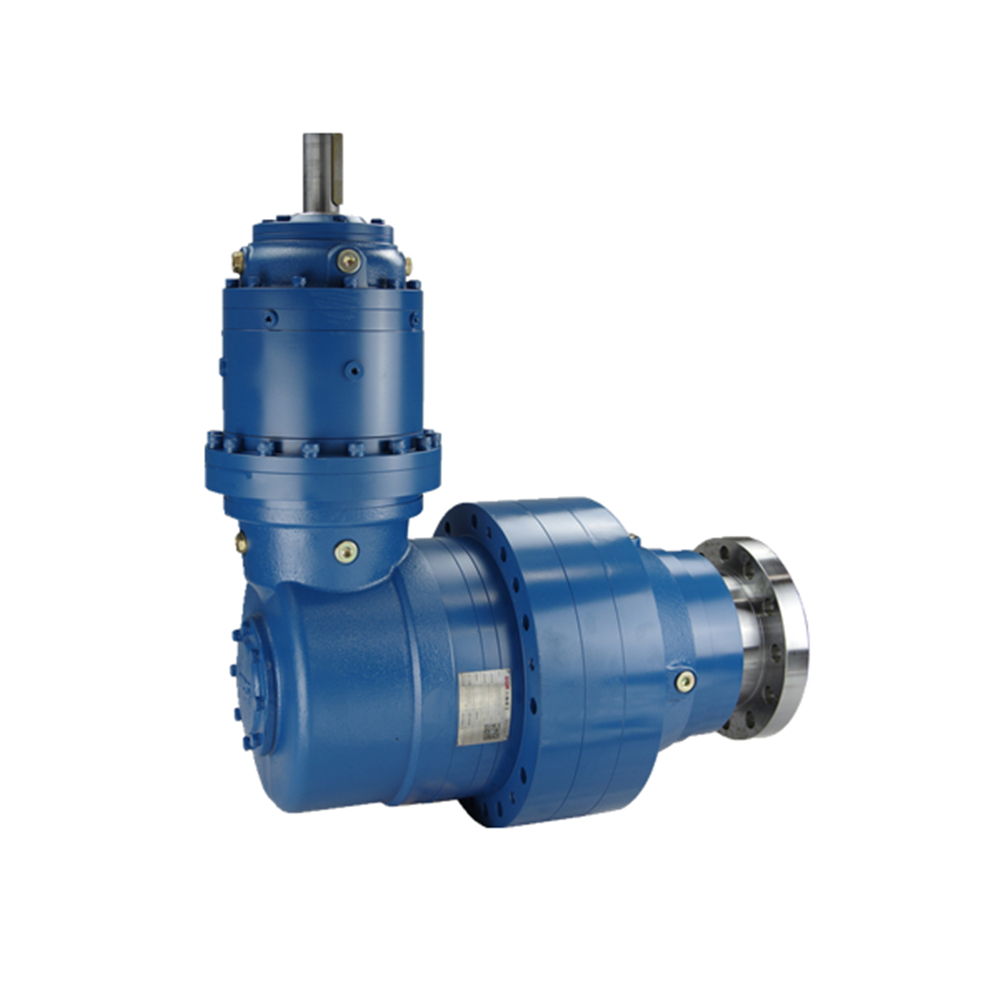
Right-angle configurations can be used when the machine layout requires the input and output directions to be arranged at an angle.
This can help engineers optimize gearbox installation in space-constrained equipment.
When a higher reduction ratio is required, multiple planetary stages can be combined.
This makes multi-stage planetary gearboxes suitable for applications requiring high torque and significant speed reduction.
The final configuration should be determined according to the actual operating requirements rather than selected solely based on gearbox size.
SGR develops and manufactures planetary gearboxes for demanding industrial applications, including mining, drilling, lifting, metallurgy, agriculture, and other heavy-duty machinery.
For mining applications, SGR focuses on several key factors:
High torque transmission: Planetary structures allow multiple gears to share the transmitted load, supporting high torque applications.
Robust gear construction: SGR planetary gearboxes can use high-strength gear materials such as 20CrMnTi, combined with carburizing, quenching, and precision grinding processes.
Flexible configurations: Different stages, ratios, input arrangements, output configurations, and mounting options can be considered according to machine requirements.
OEM customization: For equipment manufacturers, gearbox specifications can be adapted to the actual mechanical design and operating conditions.
Technical support: SGR can assist customers with gearbox selection, technical communication, configuration, and application-related requirements.
For mining equipment manufacturers, the objective is not simply to find a gearbox that fits the machine.
The goal is to find a transmission solution that matches the machine's torque, speed, duty cycle, installation conditions, and operating environment.
Before placing an order, mining equipment manufacturers and engineers should prepare the following information:
Providing complete operating information allows the gearbox manufacturer to recommend a more appropriate configuration. (Author,SGR, Angie Zhang)
WhatsApp: +86 188 1807 0282
Technical data: 1. Ratio range: 3.15-30002. Input power: 0.25-55KW3. Permit torque rang: ≤ 200000N. ...
See Details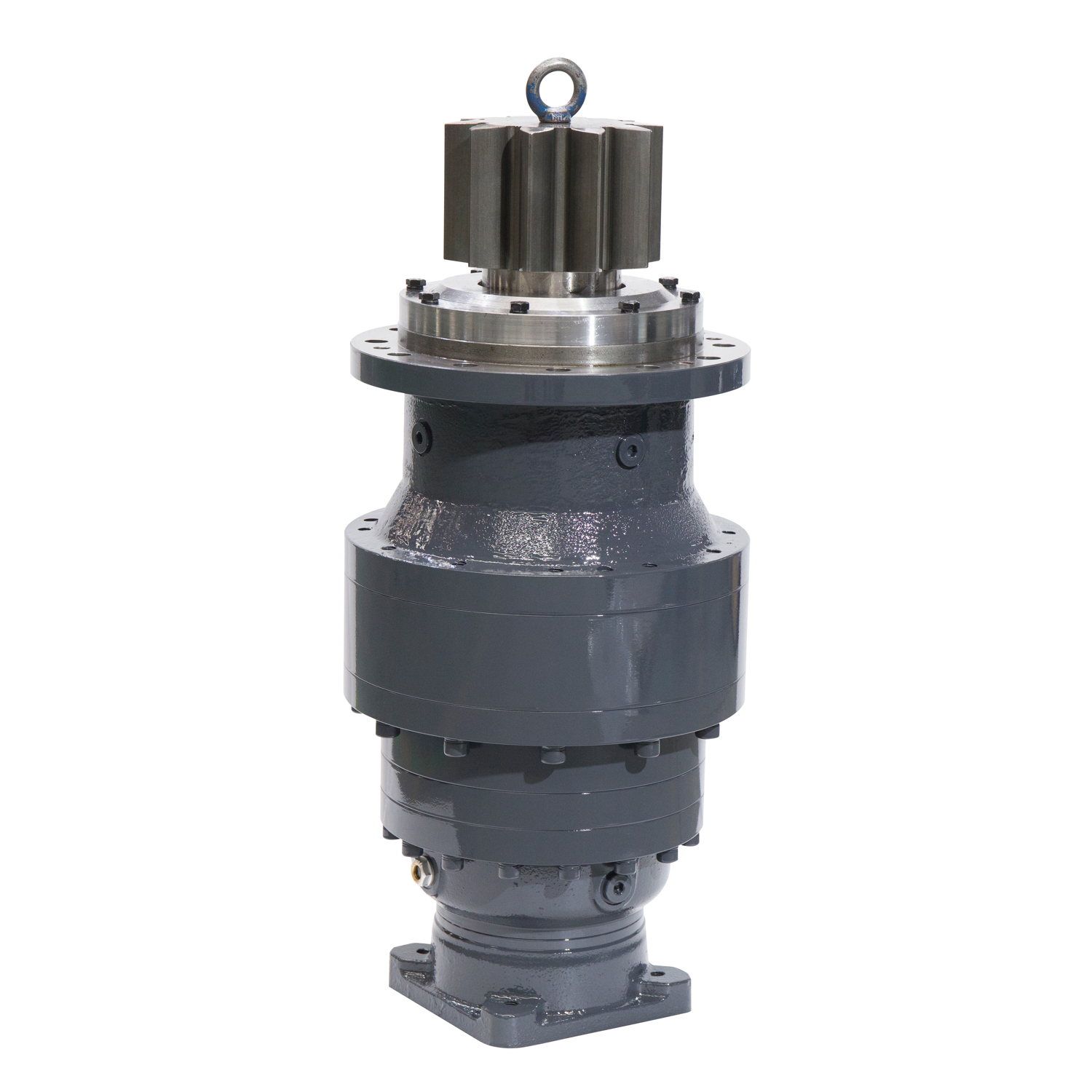
Model: 200-885Ratio: 3.15-7800Output Torque :1500Nm-540000NmRating Power :0.25KW-200kwDescription : ...
See Details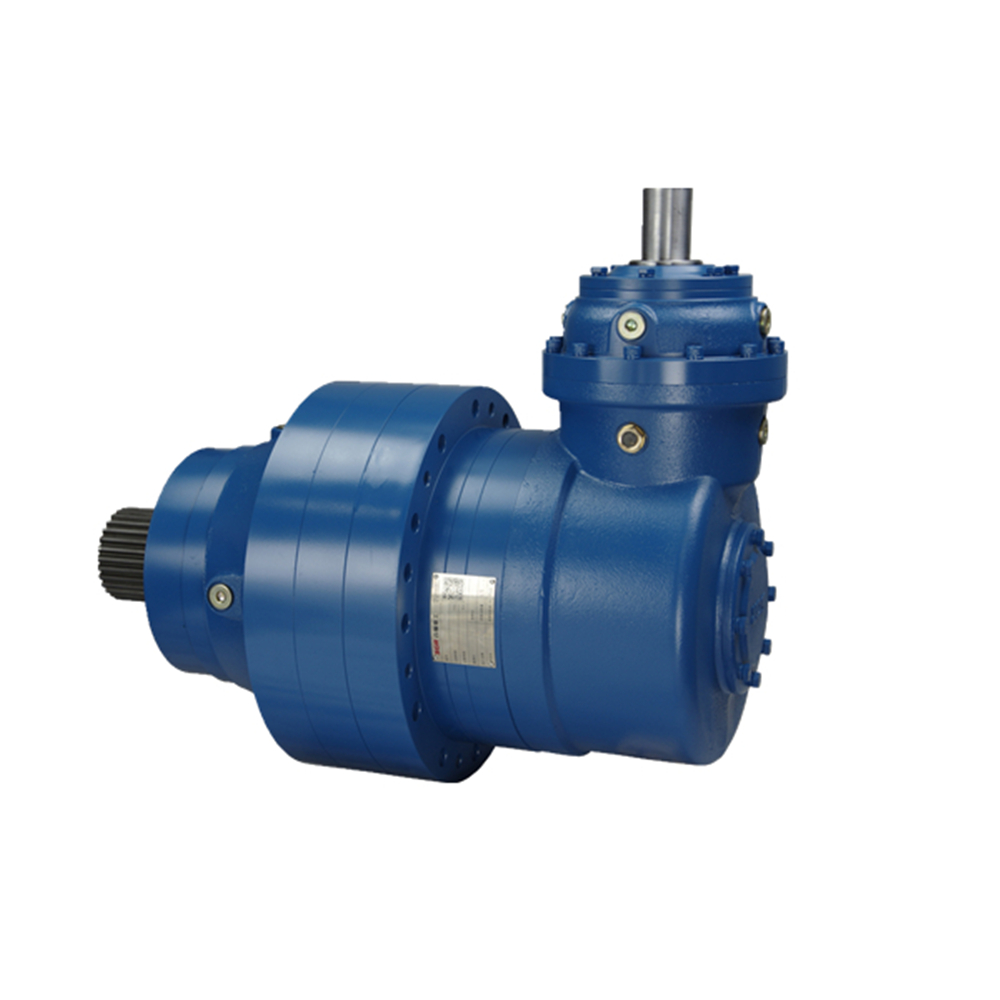
Technical data: 1. Ratio range: 3.15-30002. Input power: 0.25-55KW3. Permit torque rang: ≤ 200000N. ...
See Details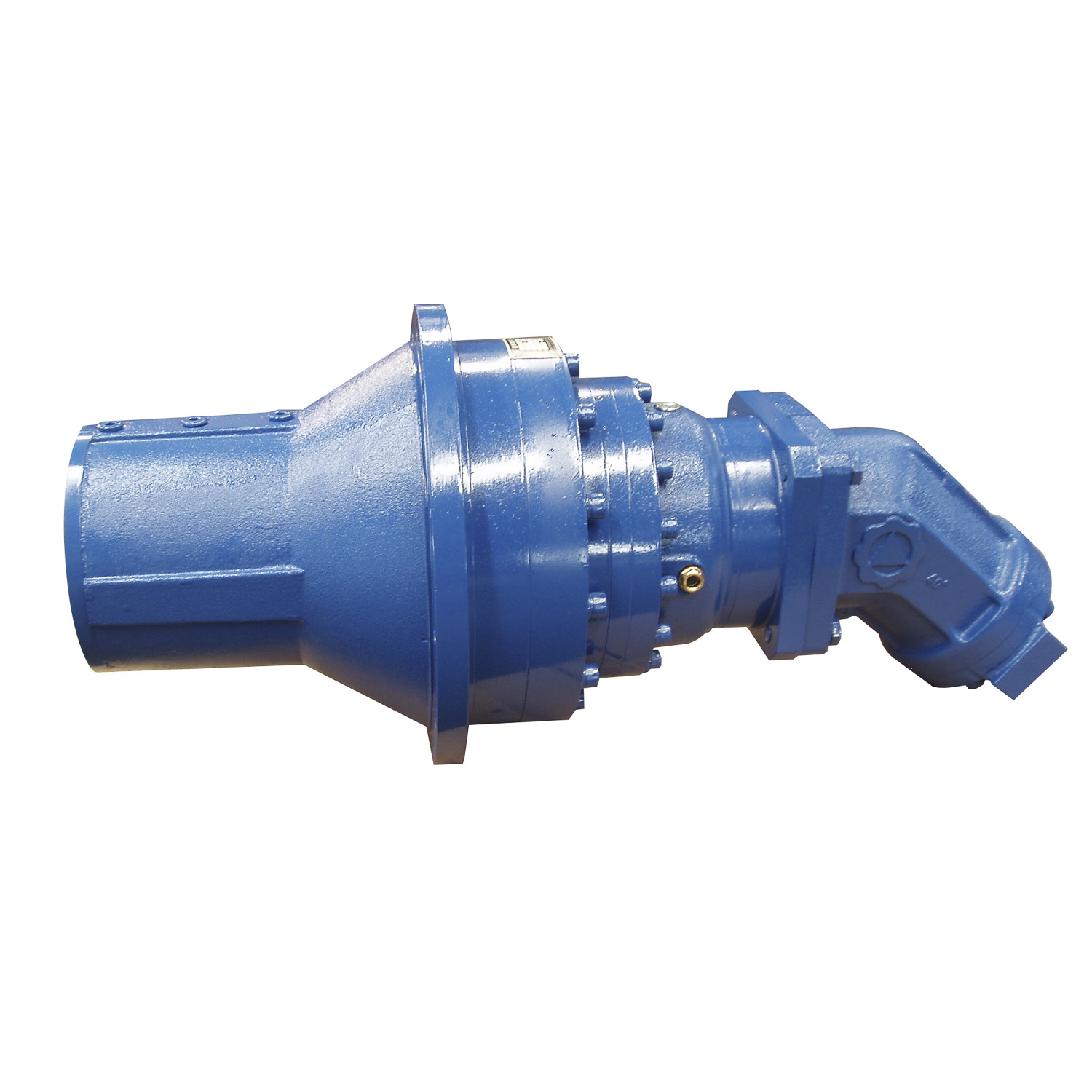
Key feature:Planetary gearbox is produced by modular design, and can be combined according to client...
See Details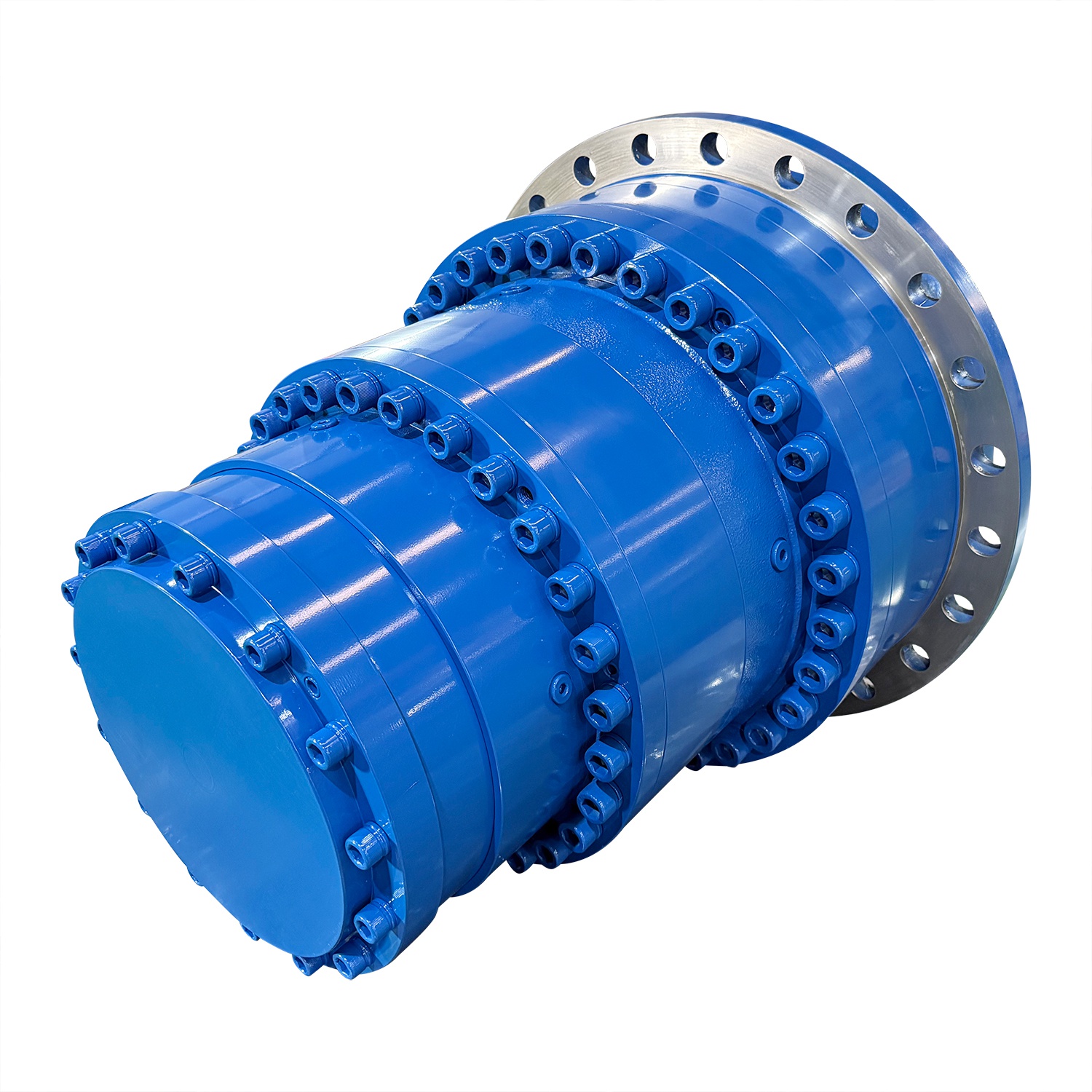
Planetary gear reducers serve as key transmission parts for sightseeing boats sailing along Russia’s...
See Details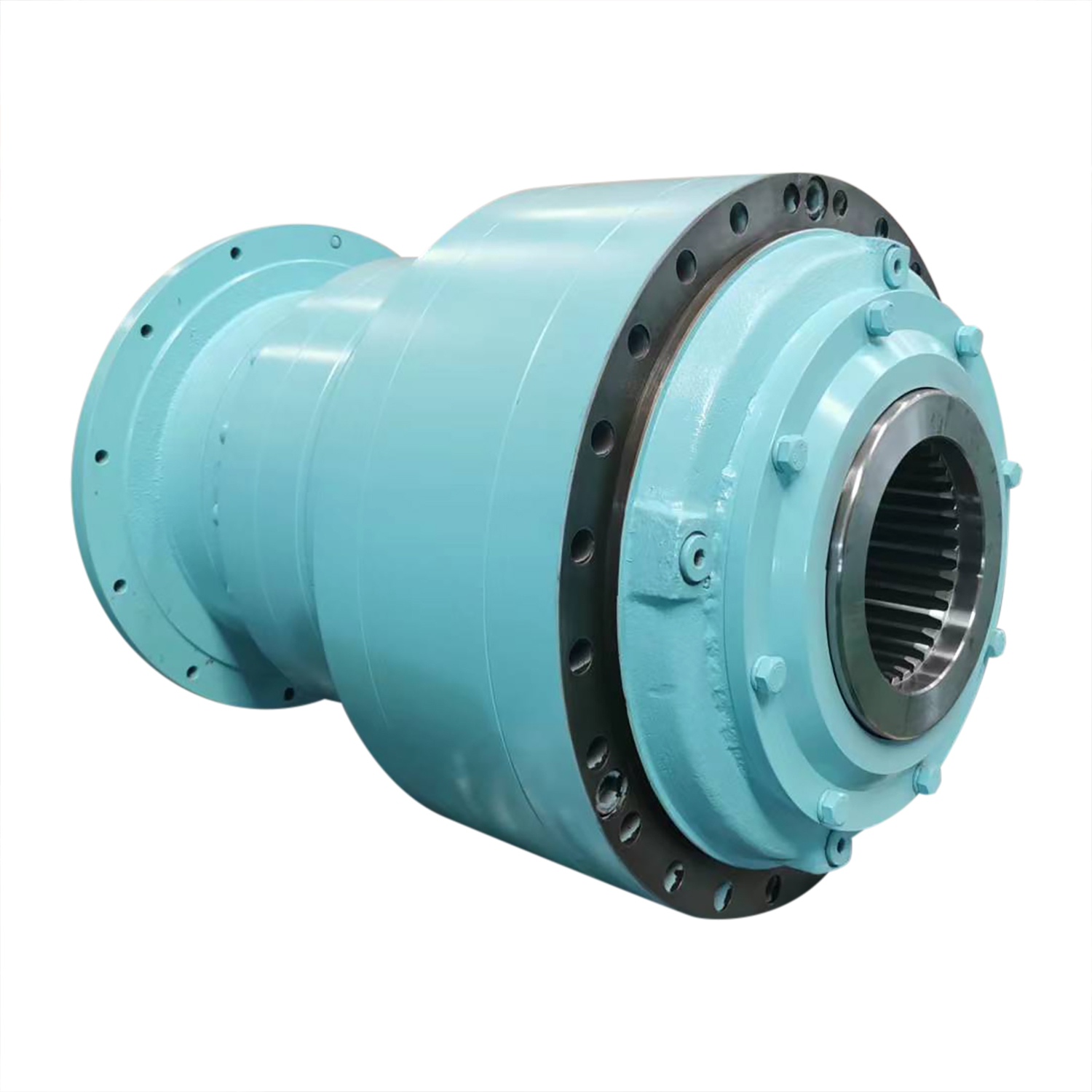
Planetary Gearbox Application For In Electric Drive Model: 200-885Ratio: 3.15-7800Output Torque :15...
See Details
SGR is an ISO 9001 certified, DNV-accredited industry gearbox manufacturer since 1996. We supply different gear reducers to brands worldwide.