 Global
  English
 中文简体
中文简体 русский
 Español
Product Info: The MNC3E400 series high speed and high torque industrial planetary gear reducers are ...
See Details
News Directory
A mixer manufacturer approached SGR with a specification that no catalog reducer could satisfy: 12,000 Nm of output torque, 43 rpm output speed, and a vertical flange mount inside a tight envelope. The drive that eventually passed their acceptance test was not a standard gearbox with modified dimensions. It was engineered from the duty profile outward, using the same disciplined process that applies to any custom gearbox.
A custom gearbox differs from a modified standard reducer in one fundamental way: traceability. Tooth geometry, material grade, heat treatment cycle, machining tolerances, and testing procedures all follow from a written operating specification. Nothing is assumed. This article explains how that process works in practice, from the first design calculation to the final load test.
A custom gearbox project starts with data collection, not CAD work. The manufacturer needs the input speed and motor power, the required output speed or reduction ratio, rated and peak torque, duty cycle, mounting orientation, ambient conditions, noise limits, and expected service life. A careful engineer asks for more than a nameplate rating. If the machine applies shock loads during startup or reversing, the gearbox must absorb them. If it runs 24 hours a day, the thermal rating becomes a constraint. The table below lists the minimum design inputs and what each one influences.
| Design input | What it determines | Example value |
|---|---|---|
| Rated output torque | Gear module, face width, bearing size | 12,000 Nm |
| Input speed and motor power | Pitch-line velocity, lubrication method | 1,450 rpm, 55 kW |
| Peak and shock loads | Service factor, case depth, tooth-root design | Twice the rated torque at start-up |
| Duty cycle | Thermal capacity, cooling system | 24 h/day, continuous |
| Mounting orientation | Bearing arrangement, oil-flow path | Vertical, flange output |
| Ambient temperature | Seal type, lubricant grade | 45 °C maximum |
Each input changes the design. A peak load of three times the rated torque forces the tooth-root stress and bearing life calculations to be repeated at the higher value. A vertical mounting changes how oil reaches the upper bearing and whether a separate lubrication system is needed. An ambient temperature of 45 °C may require a larger housing or a cooling fan. When these parameters are missing, the engineer either makes assumptions or refuses to quote. Both are better than guessing.
Once the duty profile is agreed, the engineer selects the gearing arrangement. The decision depends on reduction ratio, torque density, available space, and the direction of the output axis. Three architectures cover most custom work.
Planetary gearboxes deliver high torque in a coaxial, compact package. Because the load is shared among several planet gears, each tooth carries less stress than in an equivalent parallel-shaft design. Applications that demand sustained high torque at low speed often call for a high-torque planetary gearbox with hardened and ground gears and a housing sized for the peak load.
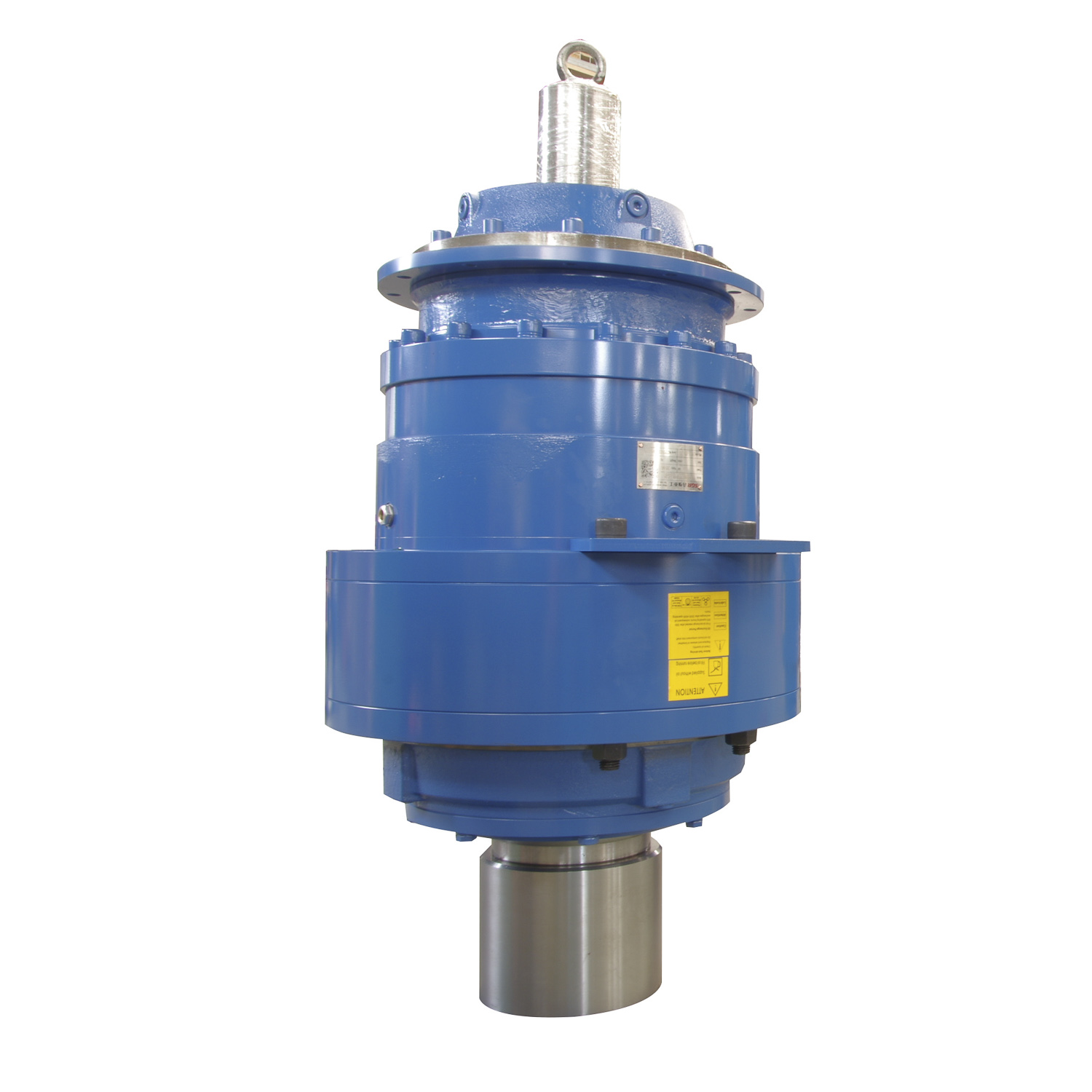 Custom Planetary Gear Reducer with High Torque Manufacturers, CompanyShanghai SGR Heavy Industry Machinery Co., Ltd is China Planetary Gear Reducer with High Torque Manufacturers, OEM/ODM Planetary Gear Red...View Product →
Double-enveloping worm gearboxes are the usual choice when the output shaft must turn 90 degrees from the motor axis and the load includes shock or vibration. The concave worm surface wraps around the worm wheel, producing a larger contact area than a cylindrical worm. In mixer service, where agitator blades meet changing fluid resistance, a double-enveloping worm gearbox for mixer applications absorbs those variations while keeping the drive compact.
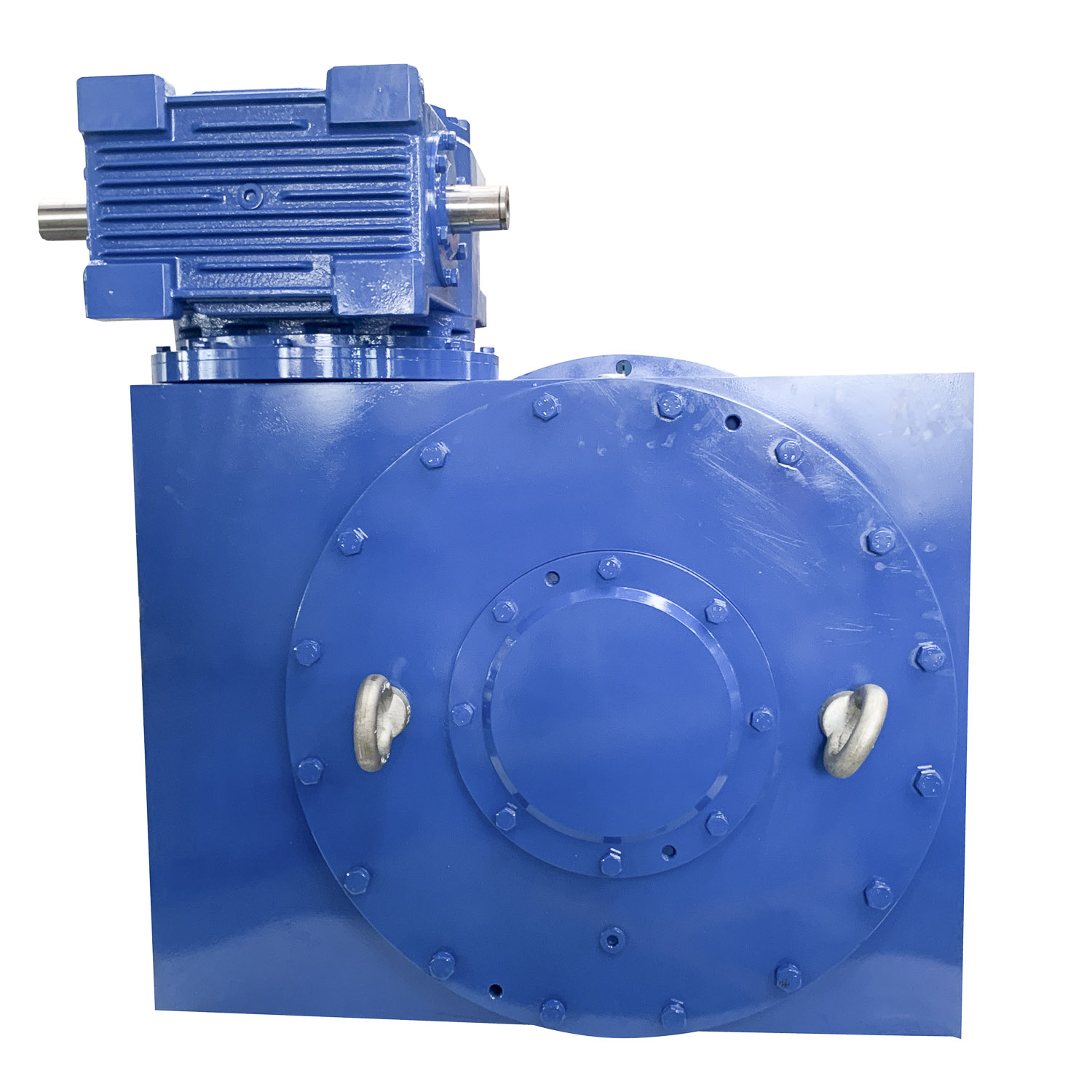 Custom Double Enveloping Worm Gearbox Appilcation For Mixer Manufacturers, CompaShanghai SGR Heavy Industry Machinery Co., Ltd is China Double Enveloping Worm Gearbox Appilcation For Mixer Manufacturers, OEM/ODM Doubl...View Product →
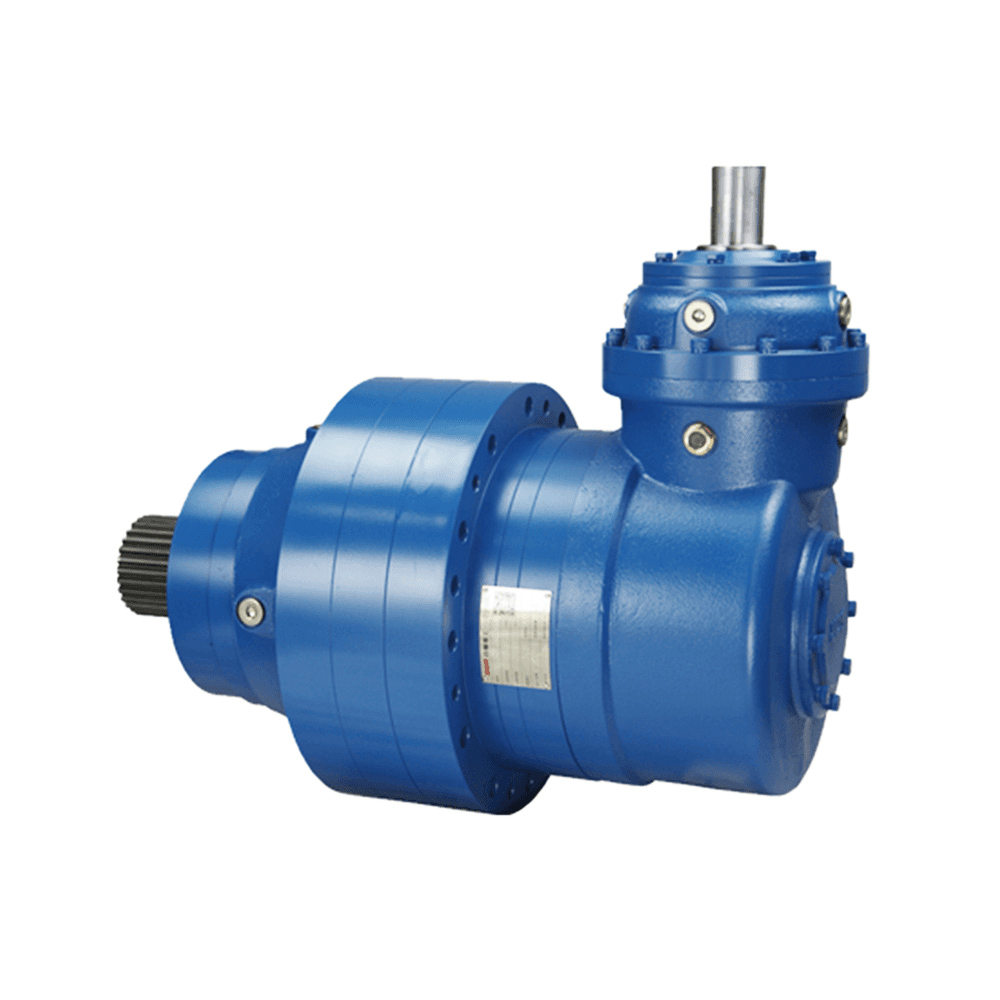
For ratios beyond the practical range of one stage, or when both a large ratio and a right-angle output are needed, engineers combine a planetary stage with a toroidal worm stage in one housing. The planetary stage provides the ratio; the worm stage reorients the output axis.
The detailed stage calculation fixes the tooth numbers, module, helix angle, center distance, face width, and backlash range. Load capacity is checked for tooth bending and surface durability using rating methods such as ISO 6336 and AGMA 2001, with a service factor applied for the duty cycle and shock loads. This step determines whether the chosen architecture can meet the required life — typically 20,000 to 50,000 hours for industrial equipment — without exceeding the envelope.
Gear performance is decided by metallurgy as much as by geometry. Planetary and cylindrical gears are usually made from case-hardening alloy steel. The blanks are carburized to a case depth of roughly 0.8 to 1.2 mm, hardened to 58 to 62 HRC on the flank, and then ground to final geometry. The hard case gives wear resistance; the tough core gives bending strength. Skipping or incorrectly controlling any of these steps leads to early pitting or tooth fracture.
Double-enveloping worm gearboxes use a different material pair. The worm is case-hardened and ground, while the worm wheel is machined from a bronze alloy. Bronze tolerates the sliding contact inherent to worm drives and embeds small particles without damaging the worm. In custom work, the material certificate and heat-treatment records should be delivered with the gearbox so the buyer can verify that the specified grade and treatment were actually used.
Custom gearbox manufacturing combines general machining with specialized gear production. Housings are milled and bored on CNC machines. Gear blanks are turned, and teeth are cut by hobbing or shaping. After heat treatment, precision gears are profile-ground on CNC gear grinders to correct the distortion caused by hardening. The complete sequence — from cutting to grinding to final inspection — is covered in our earlier article on the secrets of gearbox manufacturing.
Tolerances separate a custom gearbox from a commodity reducer. Standard industrial gears are often produced to DIN quality 7 or 8. A custom low-noise gearbox is typically ground to DIN quality 5 or better, with tighter pitch and profile deviation limits. Housing bore positions are held within a few microns, because misalignment directly reduces bearing life and increases noise.
The toroidal surfaces of double-enveloping worms need a dedicated grinding process; a conventional gear grinder cannot produce that curved profile. The machine that does this work has to be as precise as the part it produces. SGR developed a four-axis linkage complex-contour grinding machine for toroidal worm profiles and uses a dedicated worm-and-hob measuring instrument to check the result. That combination of custom tooling and custom inspection makes repeatable double-enveloping worm production possible.
Assembly is where the design intent meets the machined parts. Bearings are preloaded to the specified range, backlash is set to the agreed value, and the tooth contact pattern is checked. Seals and lubrication paths are verified according to the mounting orientation. When the customer specifies a geared-motor configuration, such as a planetary gearbox for gear motors, the motor flange and input bore are measured against the drawing so the motor fits without field modification.
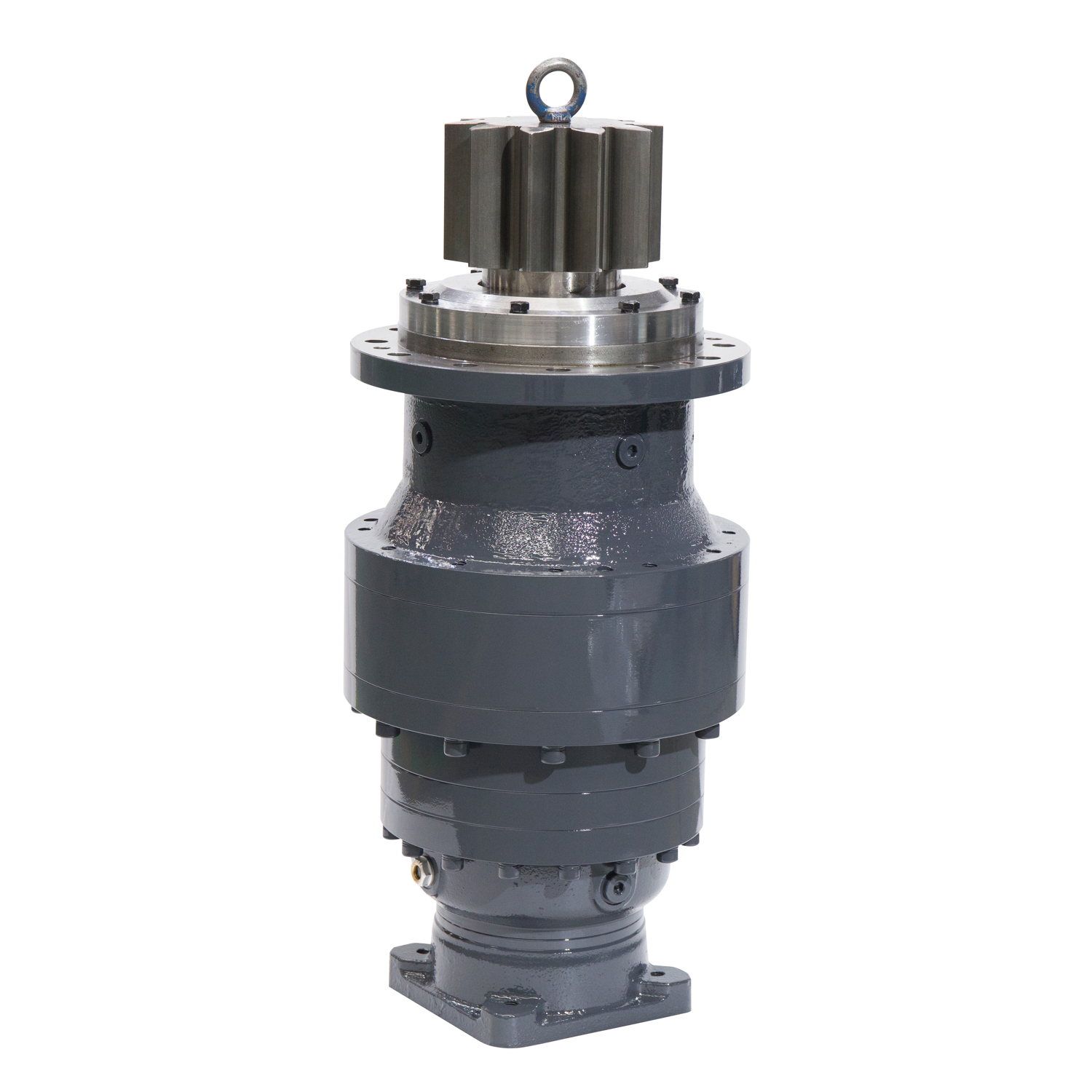 Custom Planetary Gearbox for Gear Motors Manufacturers, CompanyShanghai SGR Heavy Industry Machinery Co., Ltd is China Planetary Gearbox for Gear Motors Manufacturers, OEM/ODM Planetary Gearbox for Ge...View Product →
After assembly, the gearbox runs on a test bench. A reputable manufacturer measures, under load:
Measurement equipment is the difference between checking a gearbox and proving it. A coordinate measuring machine verifies housing and gear geometry; a gearbox power-and-efficiency test system verifies the assembled unit under load; a back-to-back test rig can run the unit in both directions. For regulated industries, the whole chain may require certification. SGR has passed the Russian Maritime Register of Shipping requirements for its reducers, which forces documented material and testing procedures. The practical side of this subject is explained in our guide on how to choose the right gearbox for your project.
Because a custom gearbox carries a long service-life commitment, the manufacturer's capability deserves the same scrutiny as the gear design. Four checks separate capable suppliers from resellers and light assembly shops.
First, engineering depth. Look for a design team that asks for the duty profile before quoting. A reference to ISO 6336 calculations and a willingness to discuss tooth contact analysis are signs that engineering leads the project, not the sales sheet.
Second, in-house manufacturing. Gear cutting and grinding should happen in the supplier's own plant, with CNC machine tools and gear grinders on the floor. A manufacturer that outsources every machining step cannot control tolerances or delivery time.
Third, inspection and testing. The plant should own its measuring instruments and test systems. If measurement is outsourced, the feedback loop that improves quality is broken.
Fourth, application experience. Ask for reference installations in similar machinery and for documented lessons learned from those projects. A custom gearbox supplier with a decade of design and production experience will name the critical details without hesitation.
The custom gearbox process is not a mystery, but it is unforgiving of shortcuts. Define the duty profile honestly, verify the calculation, control the material and heat treatment, measure the gears, and test the assembled unit under load. When all five steps are taken seriously, the custom gearbox becomes one of the most reliable parts of the machine it drives.
Product Info: The MNC3E400 series high speed and high torque industrial planetary gear reducers are ...
See Details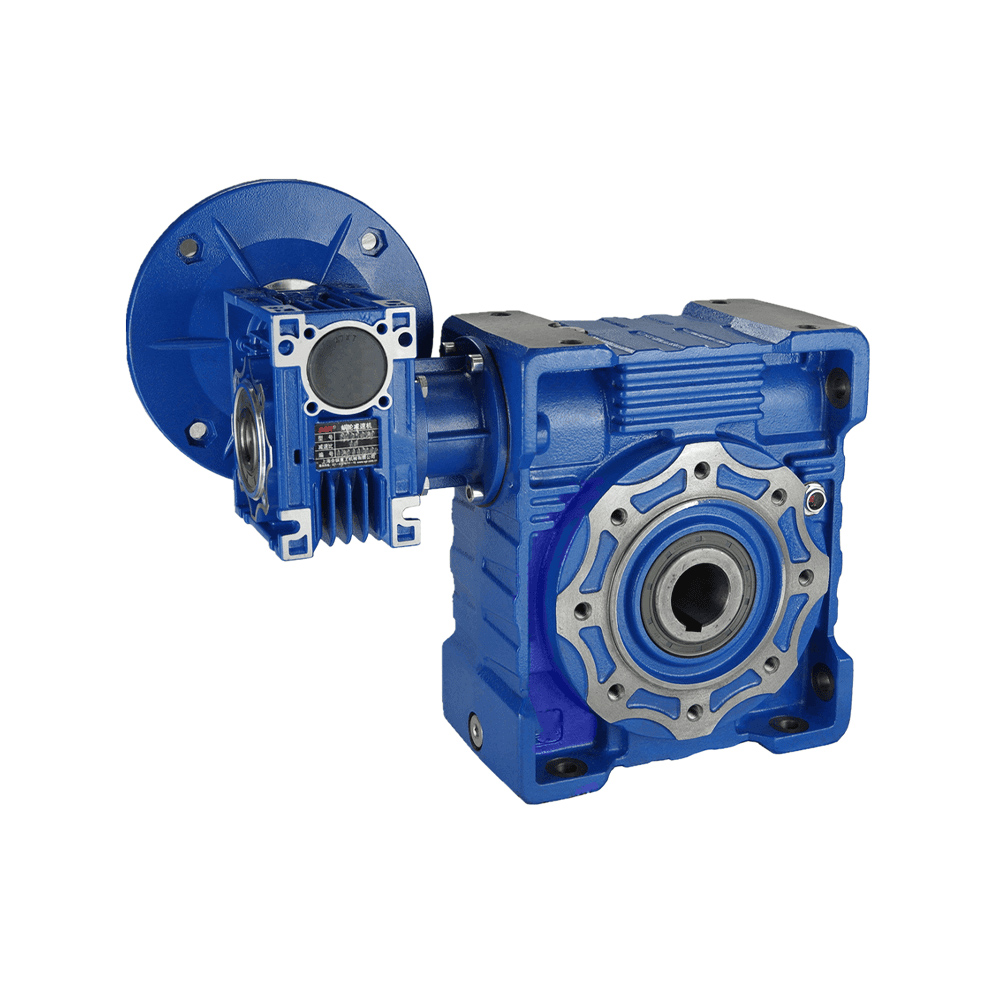
SGR develops and manufactures specialized worm gear reducers for logistics machinery attachments. T...
See Details
Model: 200-885Ratio: 3.15-7800Output Torque :1500Nm-540000NmRating Power :0.25KW-200kwDescription : ...
See Details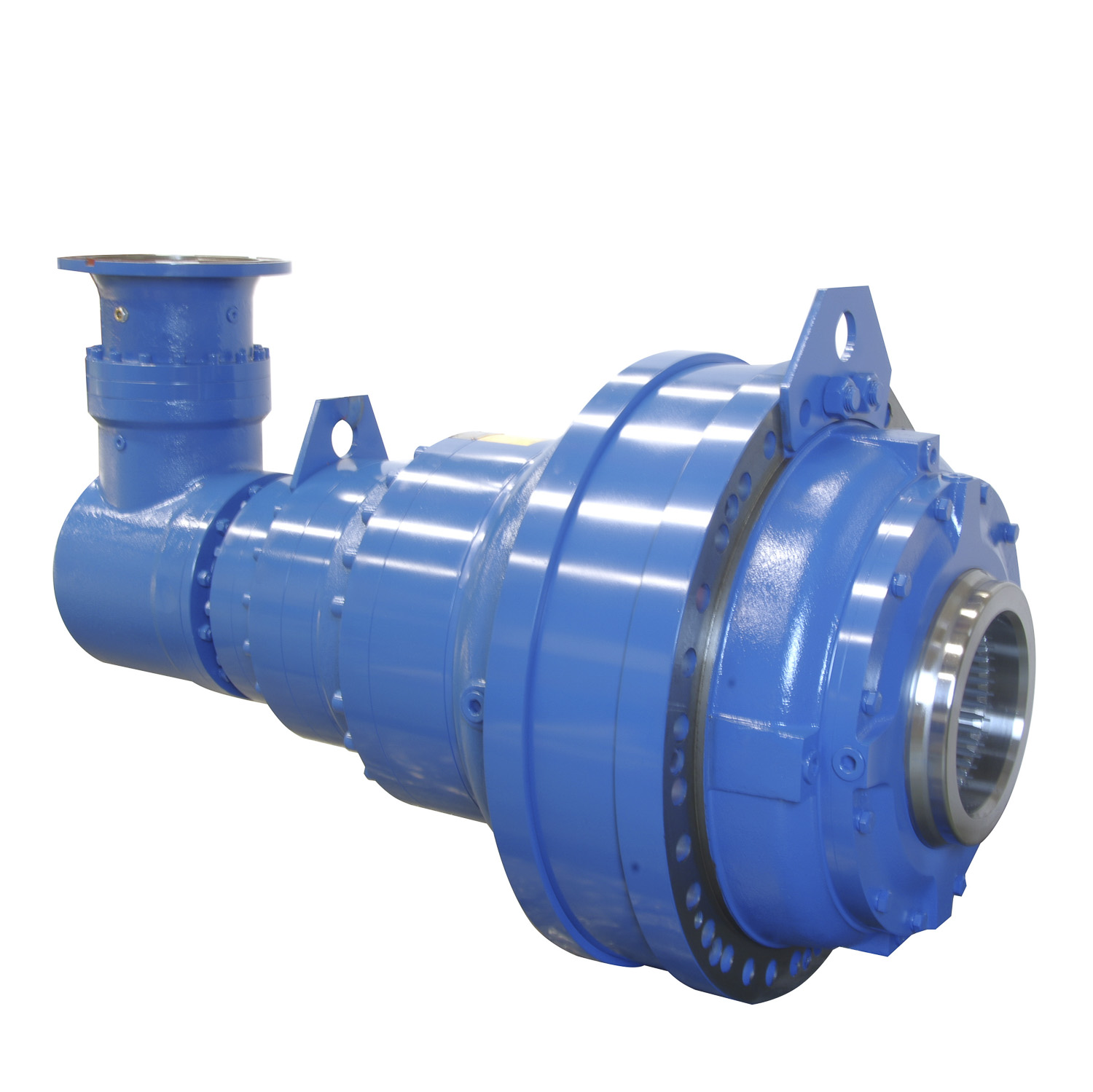
Planetary gearbox is produced by modular design, and can be combined according to client's request H...
See Details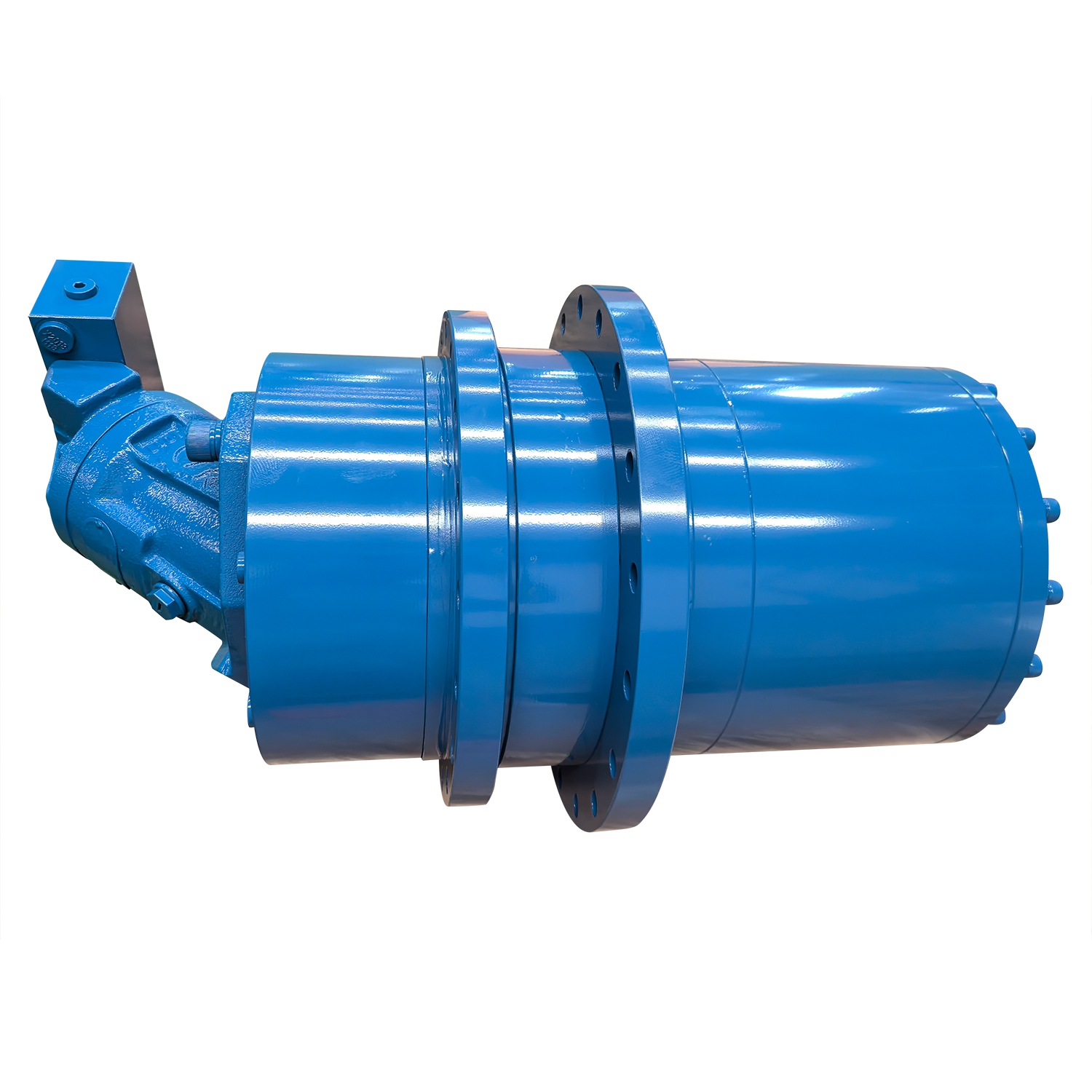
Model: 200-885 Ratio: 3.15-7800 Output Torque :1500Nm-540000Nm Rating Power :0.25KW-200kw Descripti...
See Details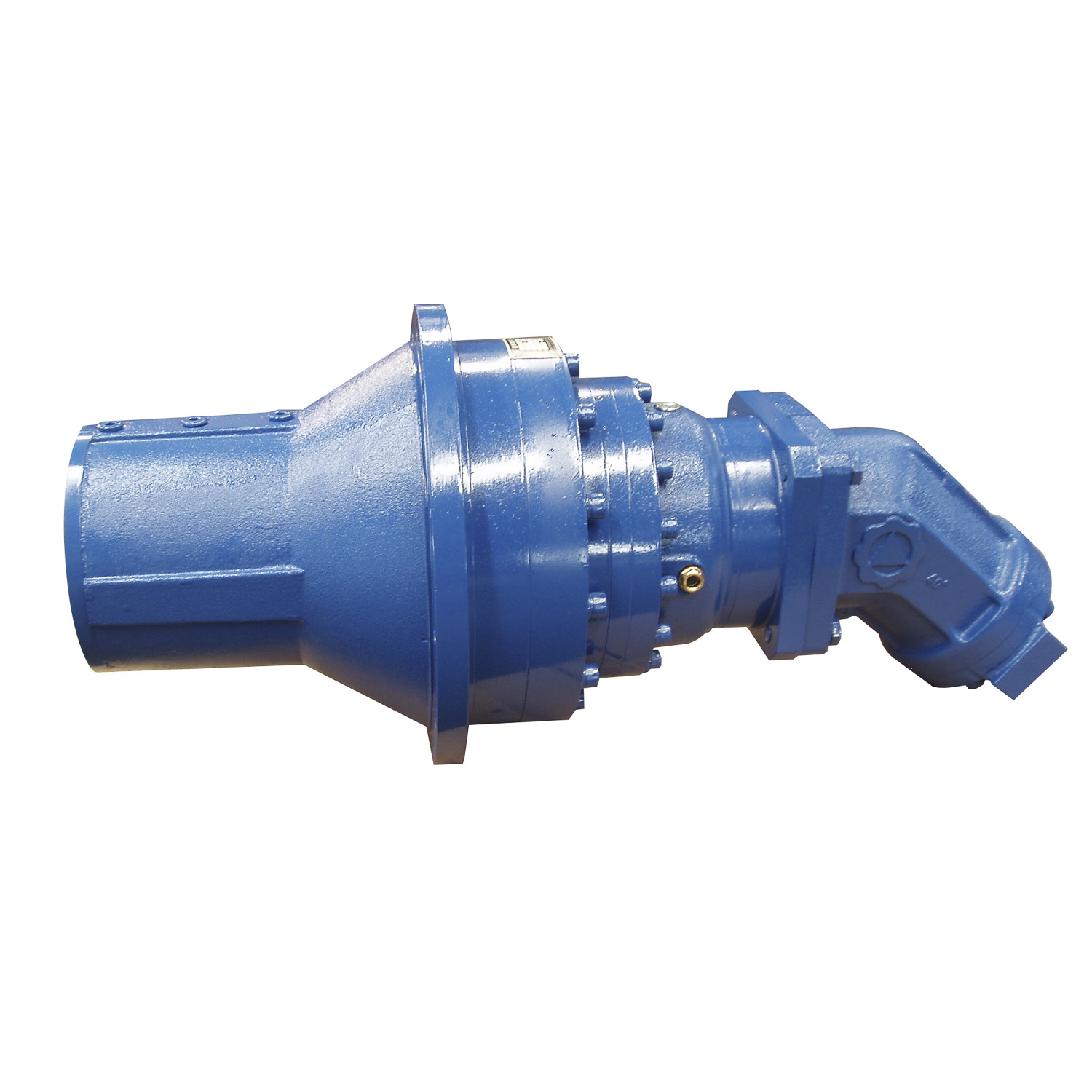
Key feature:Planetary gearbox is produced by modular design, and can be combined according to client...
See Details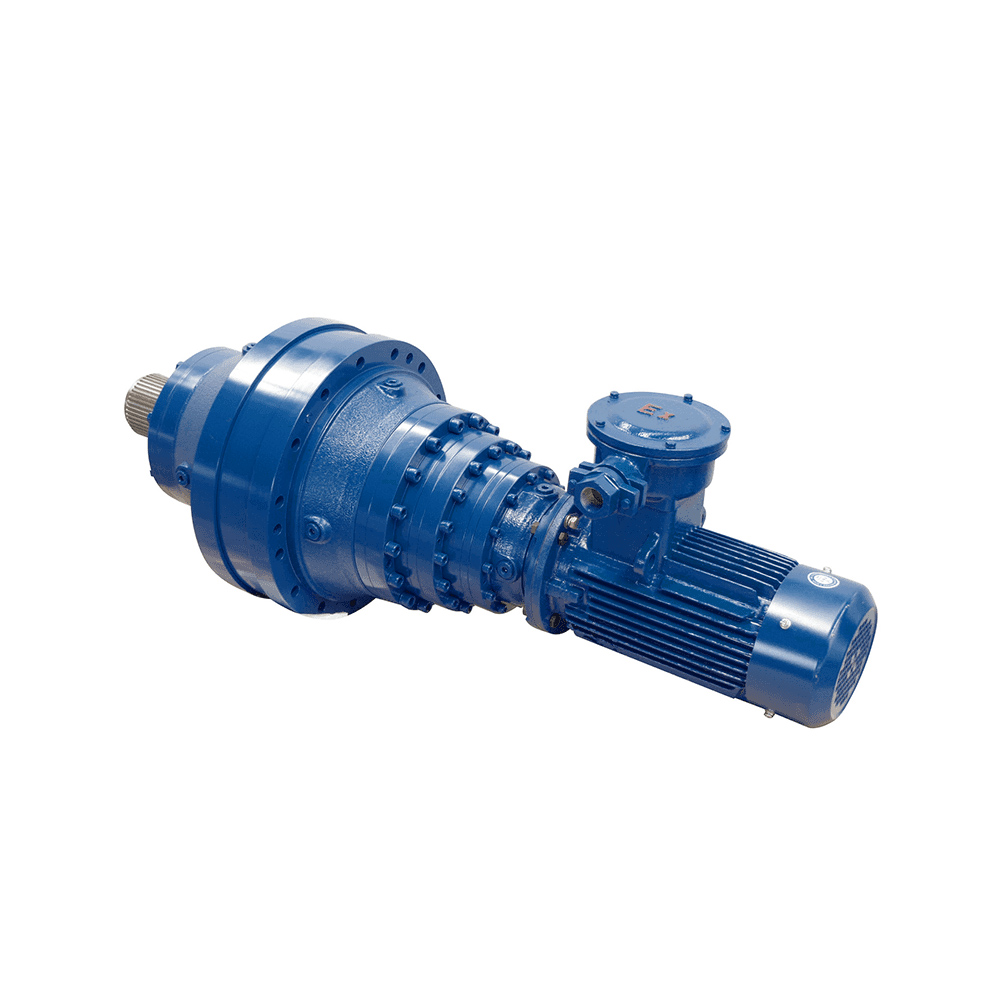
SGR's N Series high torque coaxial planetary gearbox Input forms: N standard shaft input, MN flange ...
See Details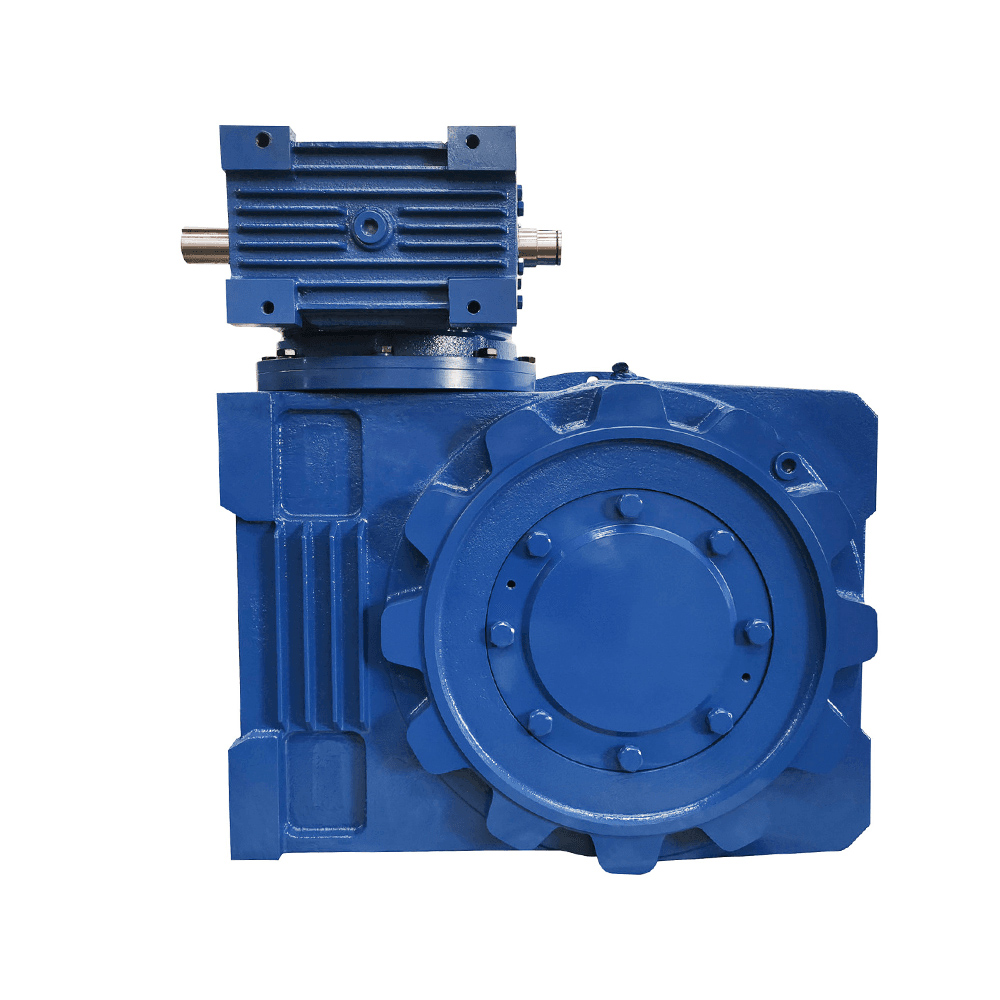
Center distance: 100~710 mm Speed ratio: i ≥ 10. Design modularization, specification serialization,...
See Details
SGR is an ISO 9001 certified, DNV-accredited industry gearbox manufacturer since 1996. We supply different gear reducers to brands worldwide.

