Global
  English
 中文简体
中文简体 русский
 Español
Model: 200-885 Ratio: 3.15-7800 Output Torque :1500Nm-540000Nm Rating Power :0.25KW-200kw Descripti...
See Details
News Directory
A custom gearbox that passes every static load calculation on paper can still fail in service at 6,000 hours instead of its designed 20,000-hour life. Field data from industrial gearbox rebuilders attributes roughly 60 percent of premature failures to lubrication deficiencies, 20 percent to alignment and installation errors, and the remaining 20 percent to overload events, contamination, and manufacturing defects. For anyone specifying or operating a custom speed reducer, the practical conclusion is the same: service life is decided less by the gear geometry on the drawing board and more by the disciplines applied before and during operation.
Custom gearbox service life is the number of operating hours a gearbox delivers at its specified load, speed, and duty cycle before a gear, bearing, or seal requires replacement. It is a design target, an operating budget, and a maintenance contract all at once.
The service life potential of a custom gearbox is locked in during design, before the first gear tooth is cut. Material selection leads the list: case-hardened alloy steels such as 18CrNiMo7-6 for gear teeth, through-hardened alloy shafts, and housing castings stiff enough to hold gear meshes within tolerance under full torque. A minimum safety factor of 1.25 on contact stress and 1.4 on bending stress is the accepted baseline for continuously rated industrial duty; shock-loaded applications should carry higher margins.
Thermal rating is equally decisive. Many field failures begin when oil temperature crosses 90 degrees Celsius, because the oil oxidation rate doubles for every additional 10 degrees. If the custom gearbox will run at high ambient temperature or under full load for long cycles, the design must include a larger sump, forced lubrication, or an external cooling loop - decisions that are expensive to retrofit after installation.
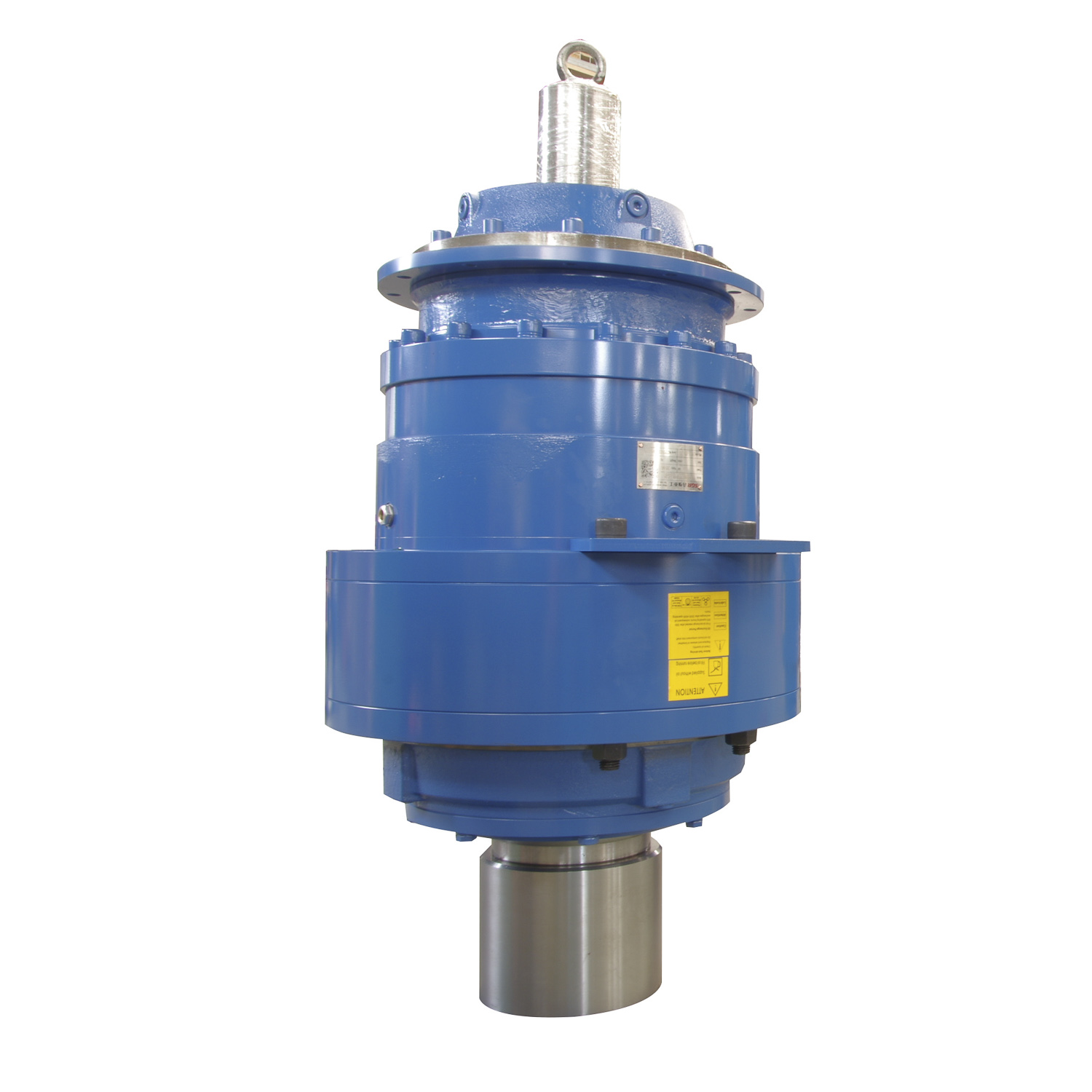 SGR N-Series High-Torque Planetary Gear ReducerA compact planetary reducer with case-hardened gearing and robust bearing support, suited for heavy-duty drives where thermal and load ratings must be validated before selection.View Product →
In high-torque applications, planetary gear trains distribute load across several meshes, which lowers the stress per tooth set and extends service life under equal output torque. Shanghai SGR Heavy Industry Machinery Co., Ltd. (SGR) builds planetary reducers around case-hardened gearing and oversize bearing sets, which is why a high-torque planetary design is a common reference point when buyers compare custom proposals for compact, heavy-duty drives.
"Specify the duty cycle honestly. A gearbox sized for a steady load will fail prematurely when the real process delivers repeated peak loads that never appeared in the enquiry document."
SGR Engineering Practice Note
Lubrication discipline will extend or destroy a custom gearbox faster than any other operational variable. More than 60 percent of gearbox failures trace back to lubricant-related causes: the wrong viscosity grade, low oil level, particle contamination, or water ingress. Synthetic oils with a high viscosity index are recommended for continuous industrial service because they maintain film thickness at elevated temperatures and resist oxidation far longer than mineral oils.
Viscosity must follow the manufacturer's selection table, not habit. An ISO VG 320 oil in a gearbox designed for ISO VG 220 increases churning losses and running temperature; an oil one grade too thin produces boundary contact and micropitting. If ambient temperature swings more than 20 degrees Celsius across the year, a seasonal grade change is justified.
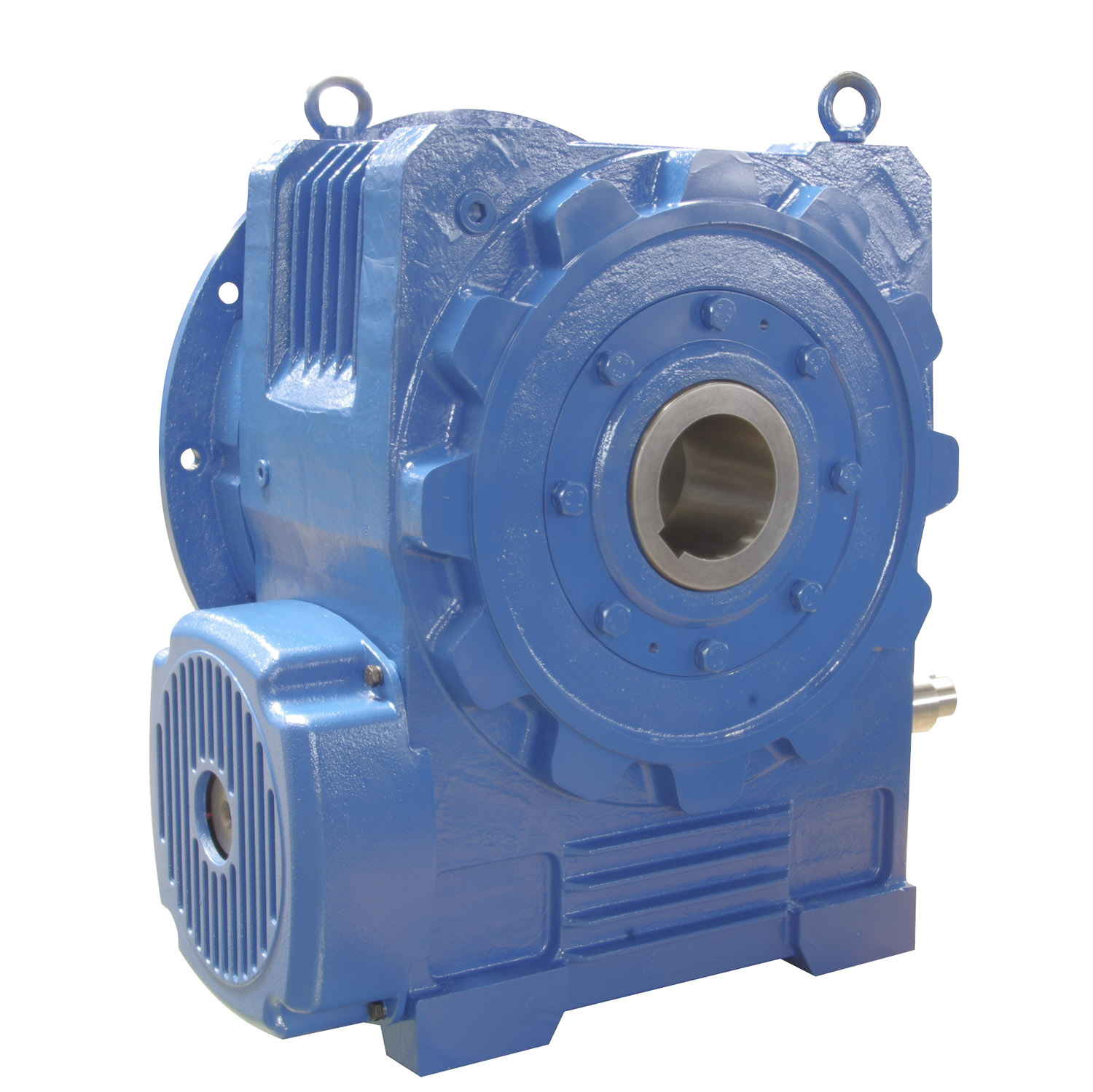 SGR Double-Enveloping Worm Gearbox with High Output TorqueA high-performance worm reducer with multi-tooth contact for increased load capacity, but its service life depends on proper lubrication and contamination control.View Product →
Worm gear reducers deserve special attention because sliding velocity at the tooth mesh is high and the oil film must separate a large contact area. A high-performance double-enveloping worm gearbox from SGR uses a multi-tooth contact pattern that increases load capacity, but the design only delivers its rated service life when the oil is changed on schedule and contamination is filtered out.
Oil analysis is not a maintenance expense. It is the trip odometer for gearbox wear.
Alignment and installation errors cause roughly one in five gearbox failures, and every one of those cases is avoidable. Misalignment imposes cyclic loads on bearings and teeth that reduce calculated bearing life by as much as 50 percent, even when the deviation sits inside the coupling manufacturer's acceptable band. Angular misalignment should be held below 0.0005 inches per inch of coupling separation; parallel offset below 0.002 inches.
Baseplate preparation determines whether alignment holds. Grout voids, soft feet, and distorted flanges allow the gearbox to settle out of alignment during the first weeks of service. Use laser alignment on every drive above 10 kW, and re-check alignment after the unit reaches thermal equilibrium, because housing growth shifts shaft centers.
Thermal growth allowance
The difference between cold and hot shaft center positions caused by casing expansion. Ignoring it converts a perfectly aligned cold gearbox into a misaligned hot one within the first hour of operation.
A custom gearbox is engineered for a declared duty cycle, and deviations from that cycle are the leading cause of unexplained field failures. Heavier loads, faster cycles, more frequent starts, or higher ambient temperatures than the specification document will accumulate damage that no maintenance plan can cancel.
Where Gearbox Service Life Is Lost
Shock loading is the most damaging deviation. A single event at 200 percent of rated torque can cut gear contact fatigue life by an order of magnitude. Where shock loads are possible, add torque limiters, shear couplings, or electronic current-based protection, and record load events so that the original custom gearbox specification can be re-evaluated.
Alert limit rule: Define the alarm threshold in writing before the first data point is collected. Thresholds set after trends appear are biased by the evidence they are supposed to judge.
Condition monitoring detects wear patterns at the 20 to 30 percent damage stage, when repairs can be scheduled around production instead of after a catastrophe. Vibration analysis, oil sampling, and temperature trend logging form the three pillars of an effective monitoring program for custom gearboxes.
| Method | Recommended frequency | Primary failure mode detected |
| Vibration analysis | Monthly or continuous | Bearing wear, gear mesh damage, imbalance |
| Oil analysis | Quarterly | Particle contamination, water, viscosity loss |
| Temperature trending | Weekly | Overload, cooling loss, lubricant breakdown |
| Visual walkaround | Monthly | Leaks, fretting corrosion, fastener looseness |
A structured walkaround program catches many problems before instrumentation does. Operators should follow a regular reducer inspection and maintenance schedule, covering oil level, breathers, fasteners, and abnormal noise on every visit.
When failures do appear, identifying the failure mode matters. Bearing spalling, tooth pitting, scuffing, and oil leakage have distinct signatures; a practical field guide to judging planetary gear reducer failures helps maintenance teams isolate the root cause before re-commissioning.
The most expensive gearbox repair is the one performed after the gearbox announces its failure through a seized shaft.
With correct design margins, proper lubrication, and controlled operating conditions, an industrial custom gearbox typically delivers 20,000 to 50,000 hours of service life. Bearing L10 life and gear contact fatigue life are the two limiting elements, and both depend on loading, speed, and lubricant quality.
Manufacturers typically specify oil changes between 2,000 and 8,000 operating hours, depending on oil type, operating temperature, and duty cycle. Oil analysis can extend the safe interval by up to two times, but never exceed the manufacturer's absolute maximum interval.
Lubrication-related causes dominate, accounting for more than 60 percent of premature gearbox failures. Installation and alignment errors account for roughly 20 percent, followed by overload events and contamination.
Yes. Raising the safety factor on contact stress, upgrading bearing ratings, specifying case-hardened gear materials, and adding thermal capacity all extend calculated service life. The trade-off is size, weight, and cost, which is why the duty cycle must be defined accurately at the design stage.
Bottom line: A custom gearbox is only as good as the duty cycle it was designed for, the oil it runs on, and the alignment it is mounted in. Master those three, and the rated life becomes a realistic target.
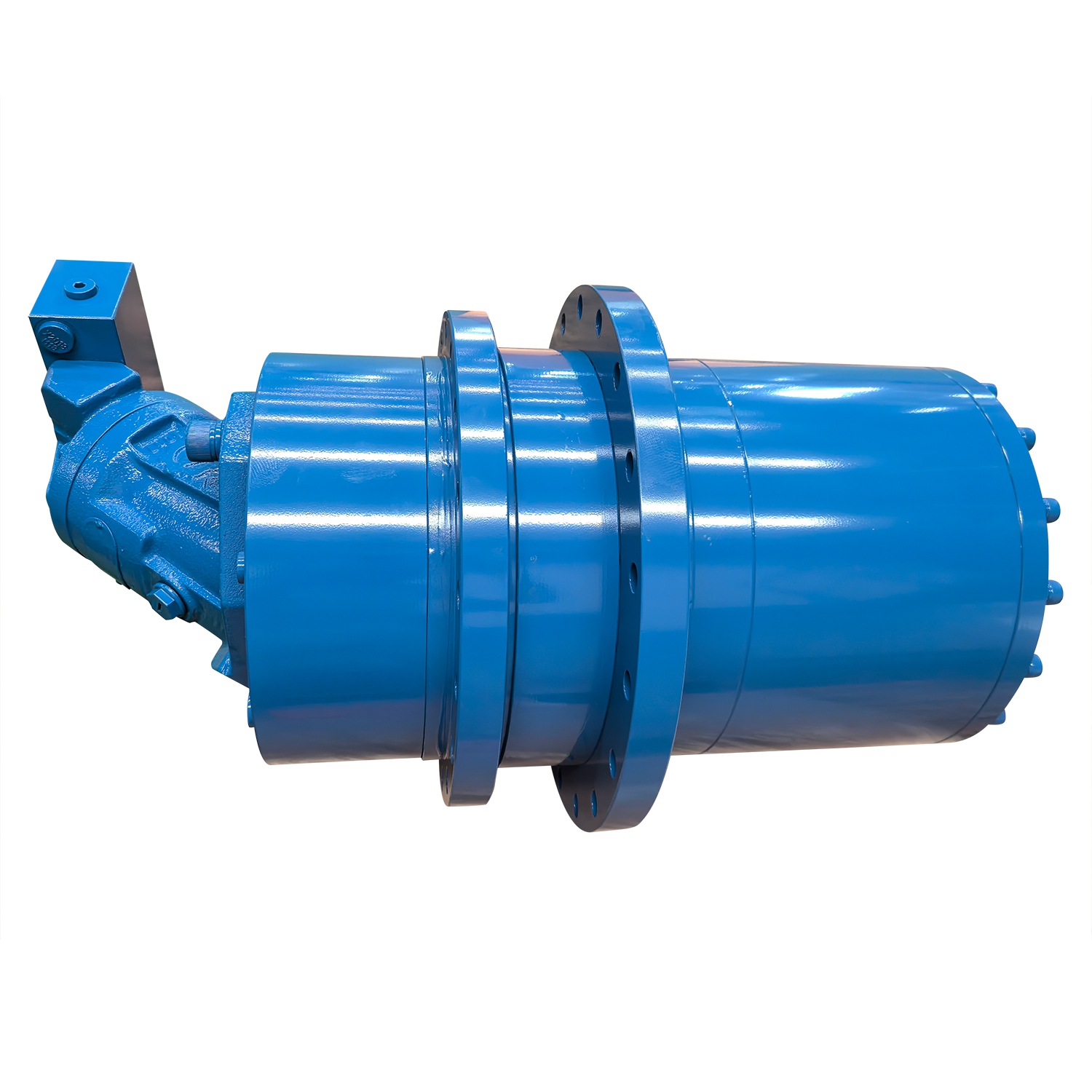
Model: 200-885 Ratio: 3.15-7800 Output Torque :1500Nm-540000Nm Rating Power :0.25KW-200kw Descripti...
See Details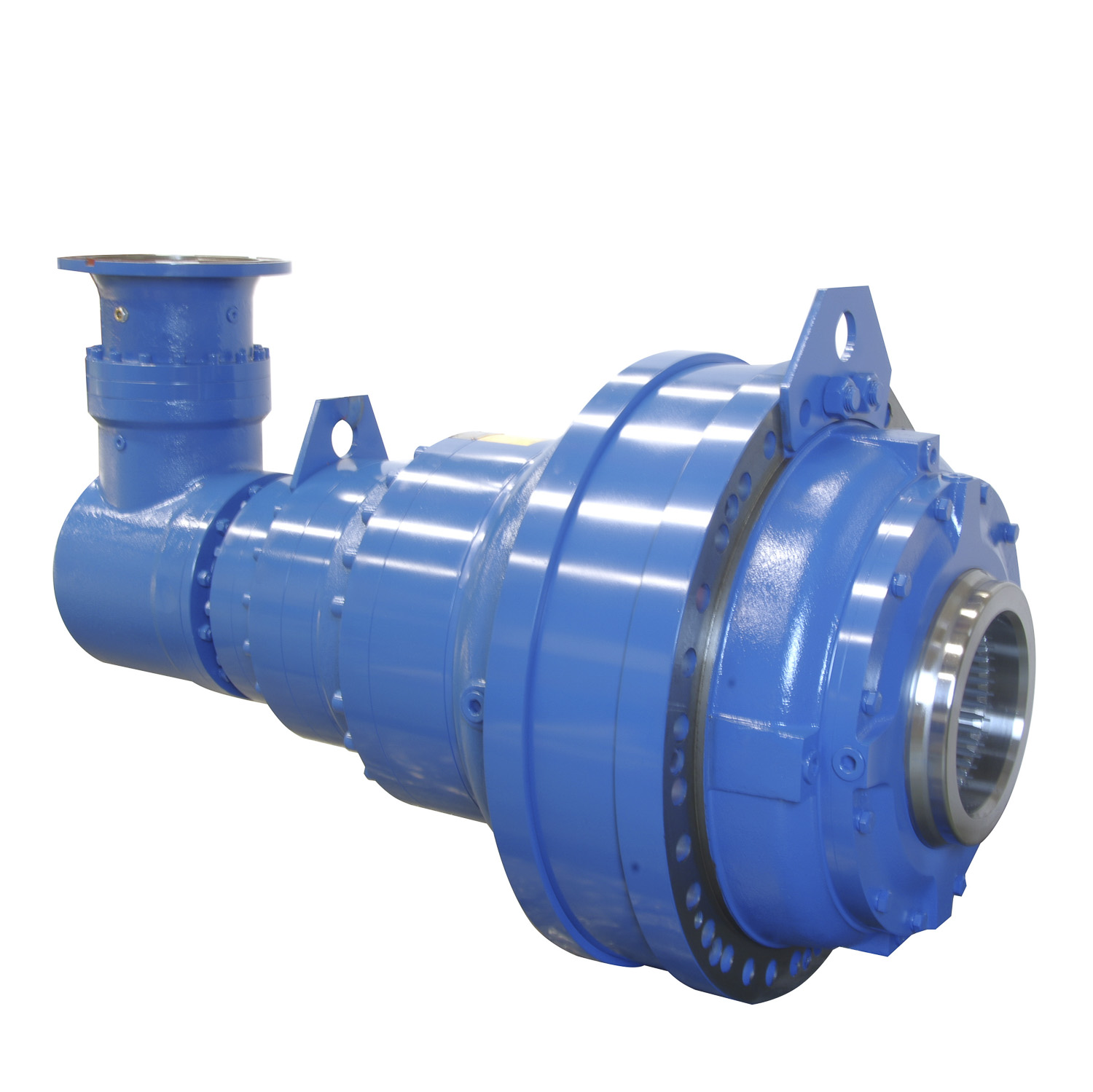
Planetary gearbox is produced by modular design, and can be combined according to client's request H...
See Details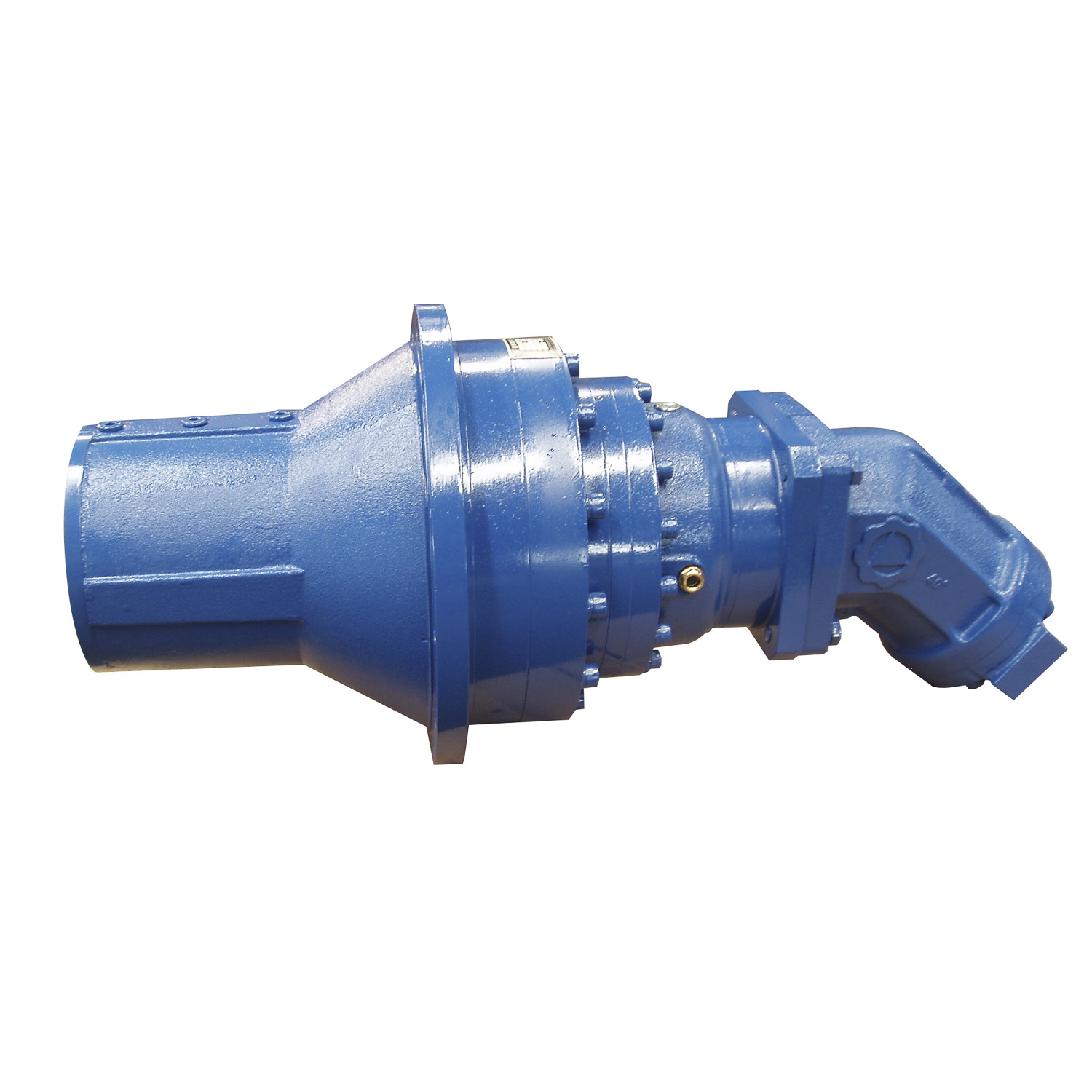
Key feature:Planetary gearbox is produced by modular design, and can be combined according to client...
See Details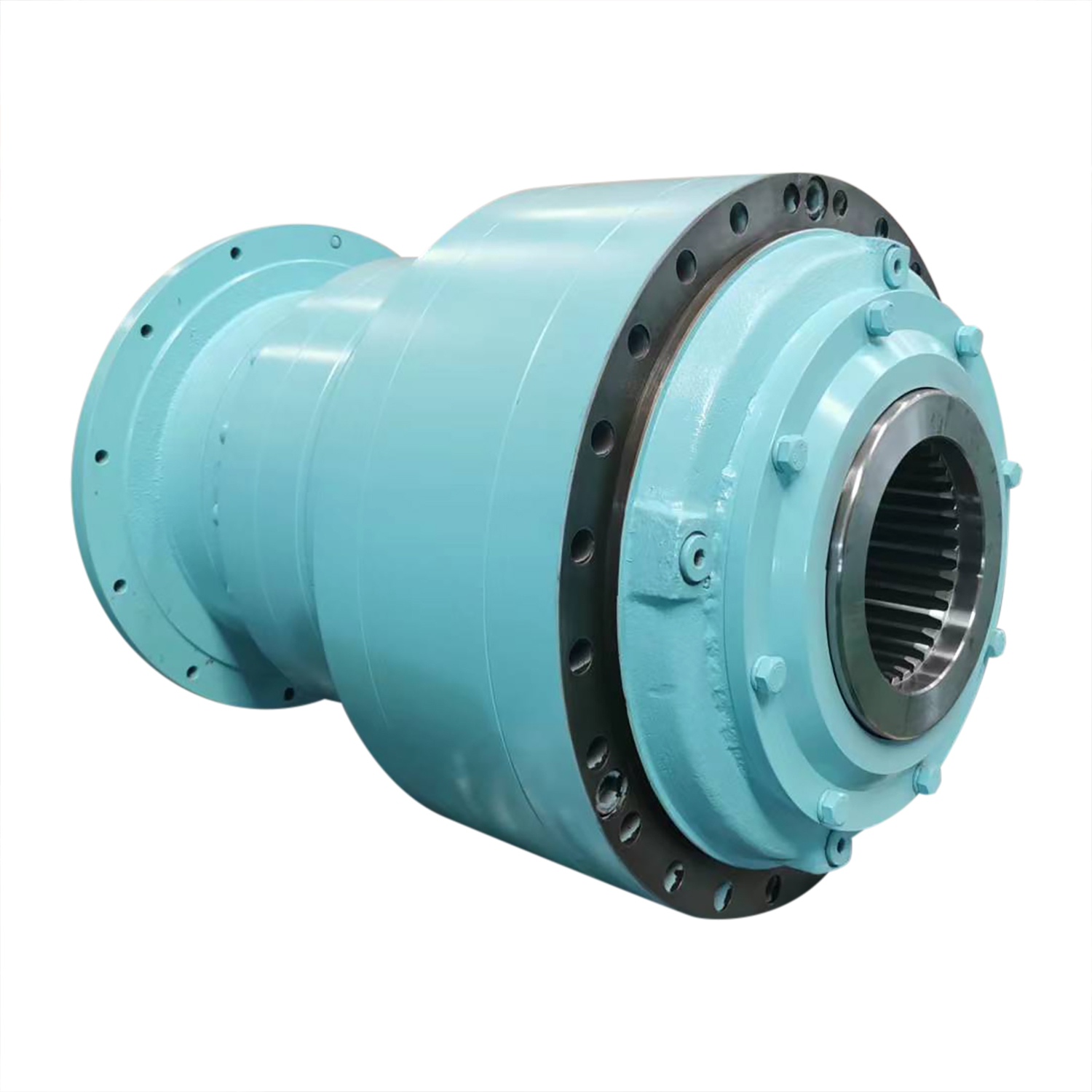
Planetary Gearbox Application For In Electric Drive Model: 200-885Ratio: 3.15-7800Output Torque :15...
See Details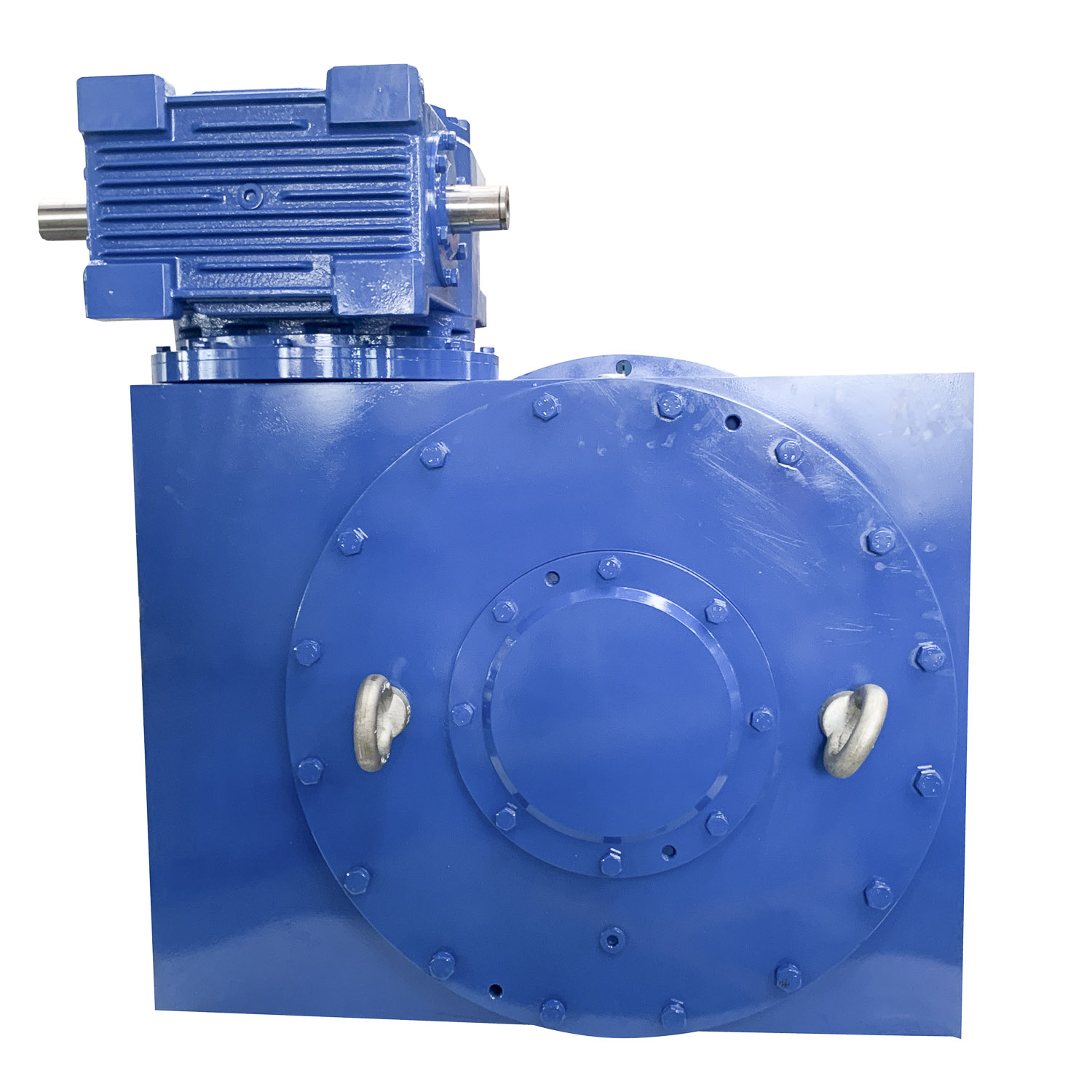
As one of famous double enveloping worm gear manufacturers,SGR's double throated worm gear has adva...
See Details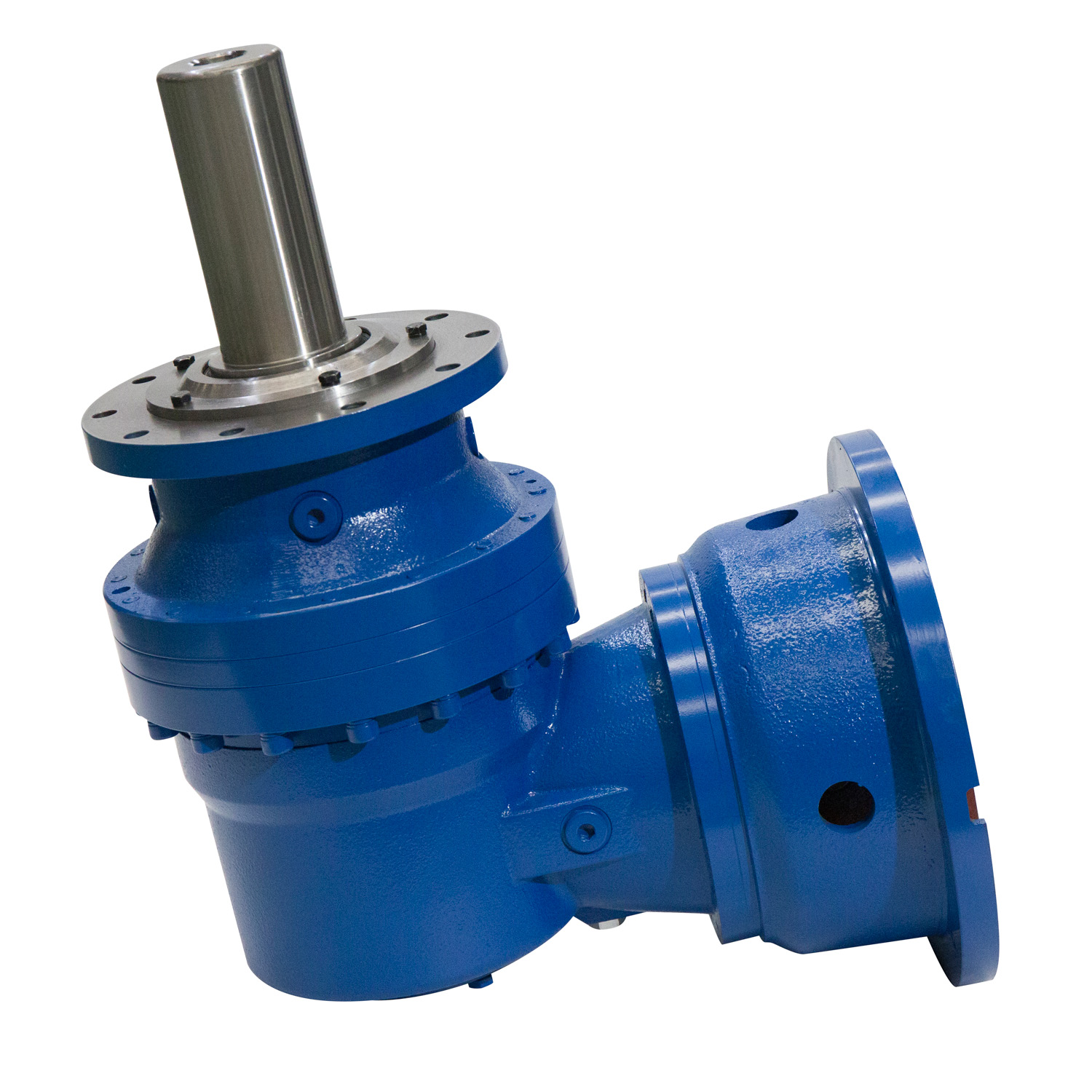
Technical data: 1. Ratio range: 3.15-90002. Input power: 0.25-55KW3. Permit torque rang: ≤ 800000N. ...
See Details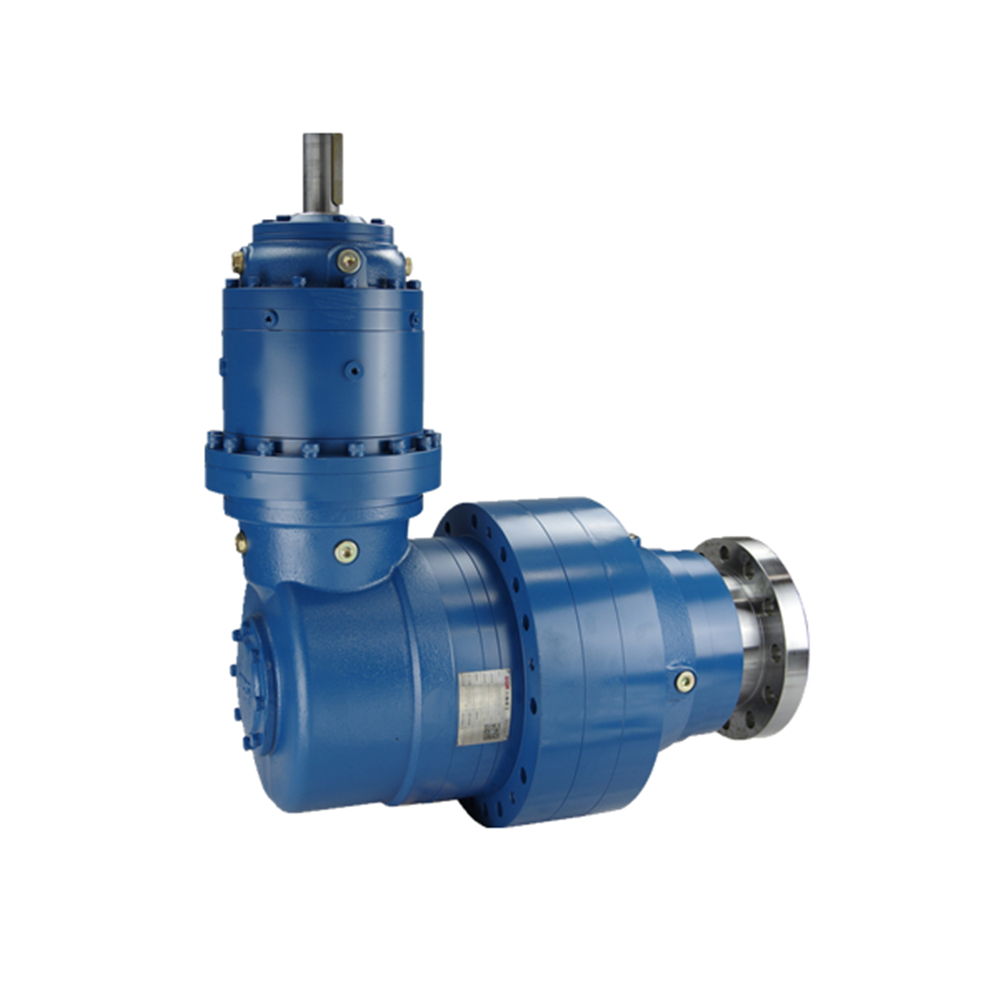
Technical data: 1. Ratio range: 3.15-30002. Input power: 0.25-55KW3. Permit torque rang: ≤ 200000N. ...
See Details
SGR is an ISO 9001 certified, DNV-accredited industry gearbox manufacturer since 1996. We supply different gear reducers to brands worldwide.