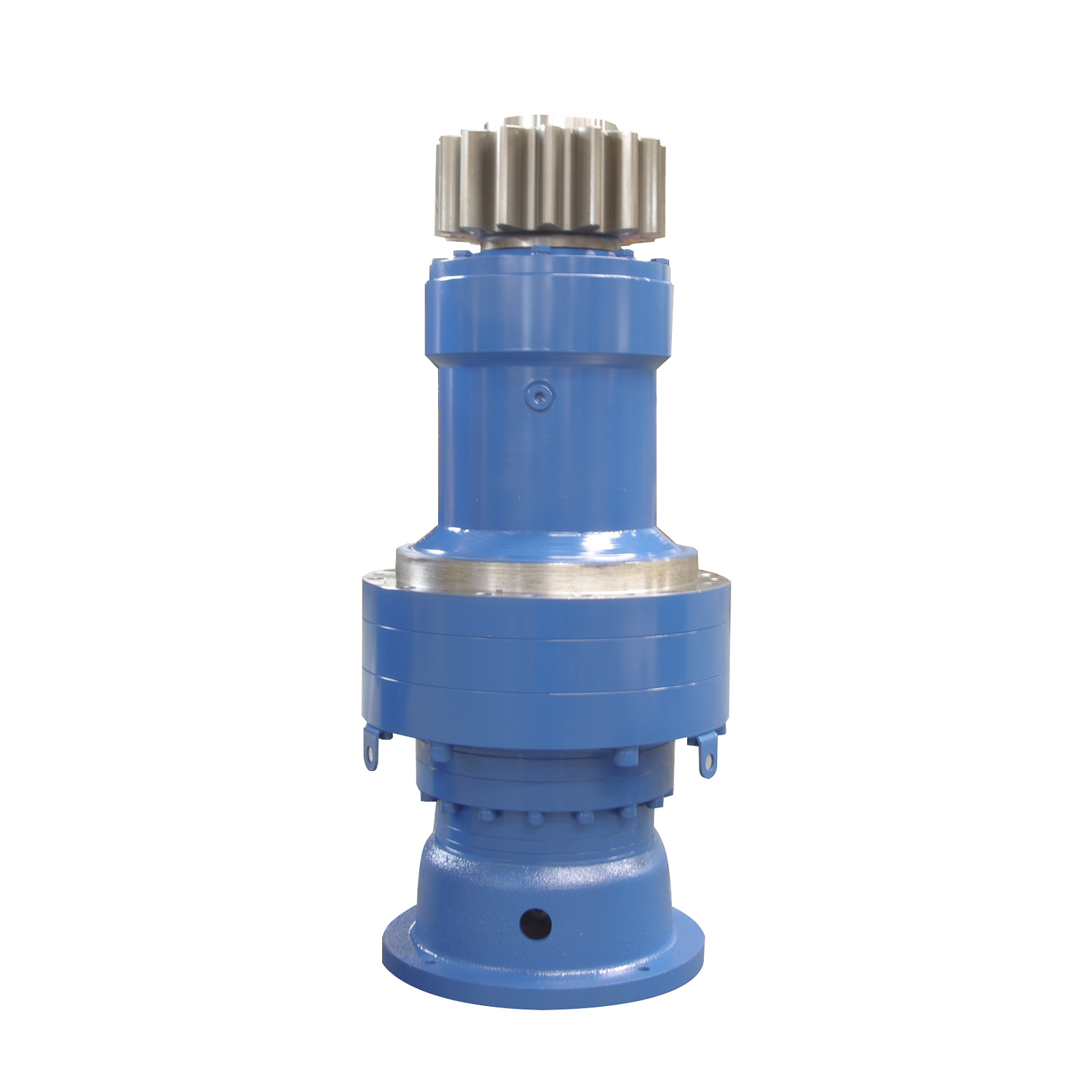
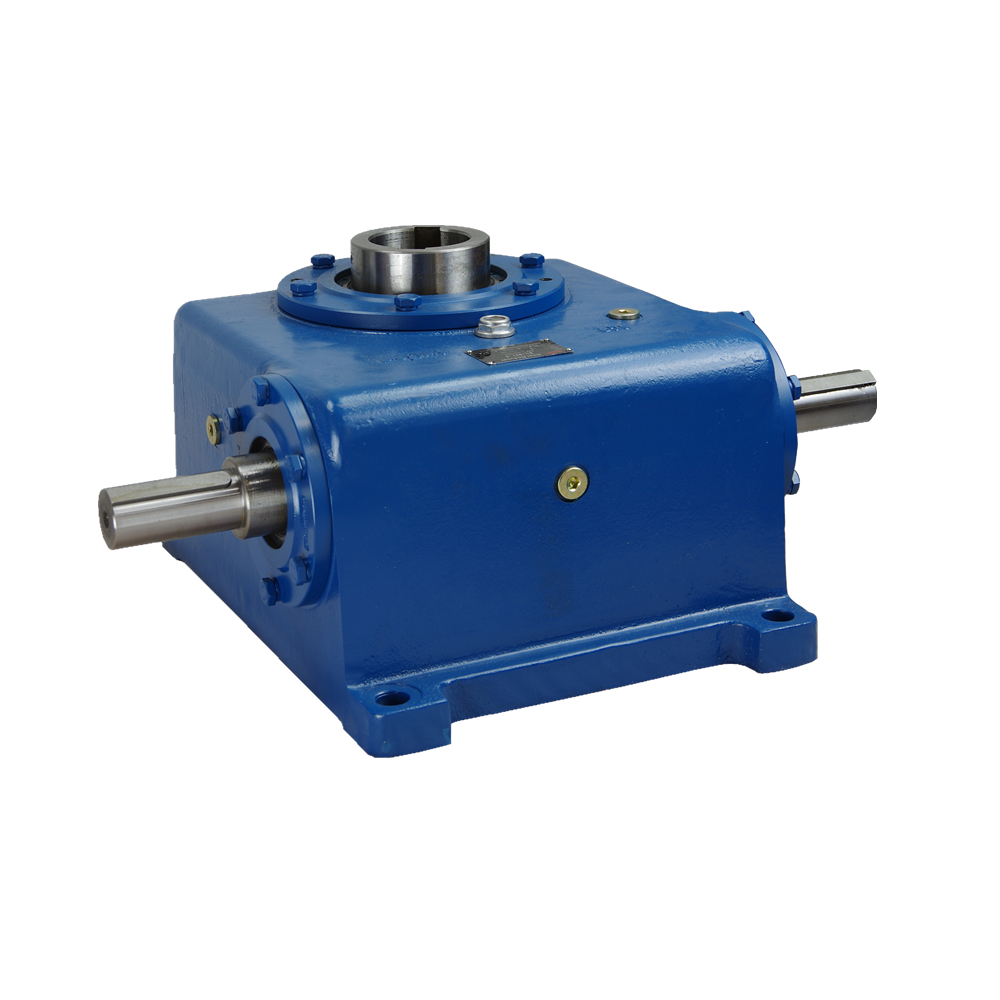
Global
 English
 中文简体
 русский
 Español
Product Description Series C double enveloping worm gearModel: 100 - 500Ratio: 10 -63Output Torque ...
See Details
News Directory
Every season, equipment builders discover that a catalog gearbox does not survive on a tractor, sprayer, or feed mixer. The loads are erratic, the duty cycle is harsh, and the interfaces are specific. Custom gearboxes for agricultural machinery close that gap by matching gear geometry, ratio, bearings, seals, and housing to a documented field-load profile instead of a generic sales curve.
Standard industrial reducers are rated for steady loads, clean air, and constant speed. Agricultural drivetrains break all three assumptions. Tillage tools and balers produce torque spikes; power take-off (PTO) speed changes with engine rpm; dust, wet crop, washdown water, and ambient temperatures from -30 to +50 C attack seals, bearing cavities, and lubricant films.
The practical outcome is straightforward. A gearbox picked from a catalog table often fails mid-season, while a gearbox sized from measured field data keeps running through harvest. The difference is not luck. It is the service factor, the bearing selection, and the sealing arrangement.
When the standard catalog stops at the wrong ratio, wrong mounting, or wrong seal, the cost of retrofitting on the machine frame is higher than the cost of letting a custom gearbox manufacturer in China design the unit correctly on the first pass. In practice, the same machine fitted with a correctly rated box will outlast a catalog unit by two to three seasons at comparable first cost.
Each architecture trades torque density, efficiency, noise, and backlash differently. The table below compresses the comparison for typical agricultural duty.
| Attribute | Planetary Gearbox | Double-Enveloping Worm | Cylindrical Worm |
| Usable ratio range | 3:1 to 500:1 multi-stage | 5:1 to 60:1 single stage, up to 360:1 double stage | 5:1 to 100:1 total |
| Peak efficiency | 96 to 98 percent | 80 to 90 percent | 50 to 75 percent |
| Torque density | Highest | High | Moderate |
| Shock-load tolerance | Excellent | Good | Fair |
| Typical agricultural use | Rotary tillers, baler drives, slewing arms | Feed mixers, agitators, augers | Light conveyors, gates, positioning |
For feed mixers and fertilizer agitators, a double-enveloping worm gearbox for mixers provides the high single-stage ratio and shock resistance that keep mixing paddles turning through dense, uneven material.
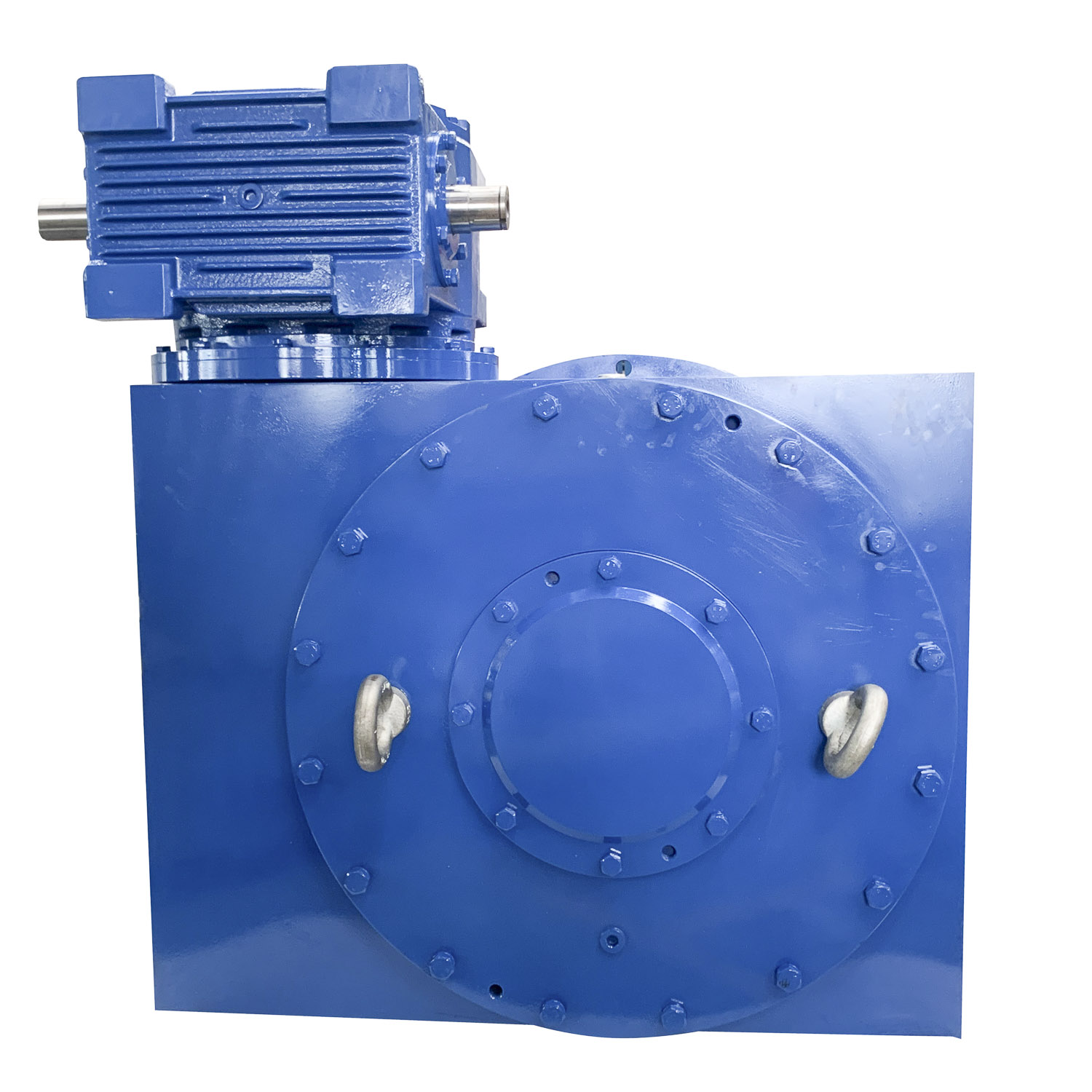 Custom Double Enveloping Worm Gearbox Appilcation For Mixer Manufacturers, CompaShanghai SGR Heavy Industry Machinery Co., Ltd is China Double Enveloping Worm Gearbox Appilcation For Mixer Manufacturers, OEM/ODM Doubl...View Product →
The gearbox is defined by its inputs, not by its housing. If these values are wrong, every later decision is wrong too.
When the machine is weight-sensitive and the drive must deliver maximum torque per kilogram, a high-torque planetary gear reducer is usually the first option. For a complete specification workflow, read this guide on choosing the right gear reducer for your project.
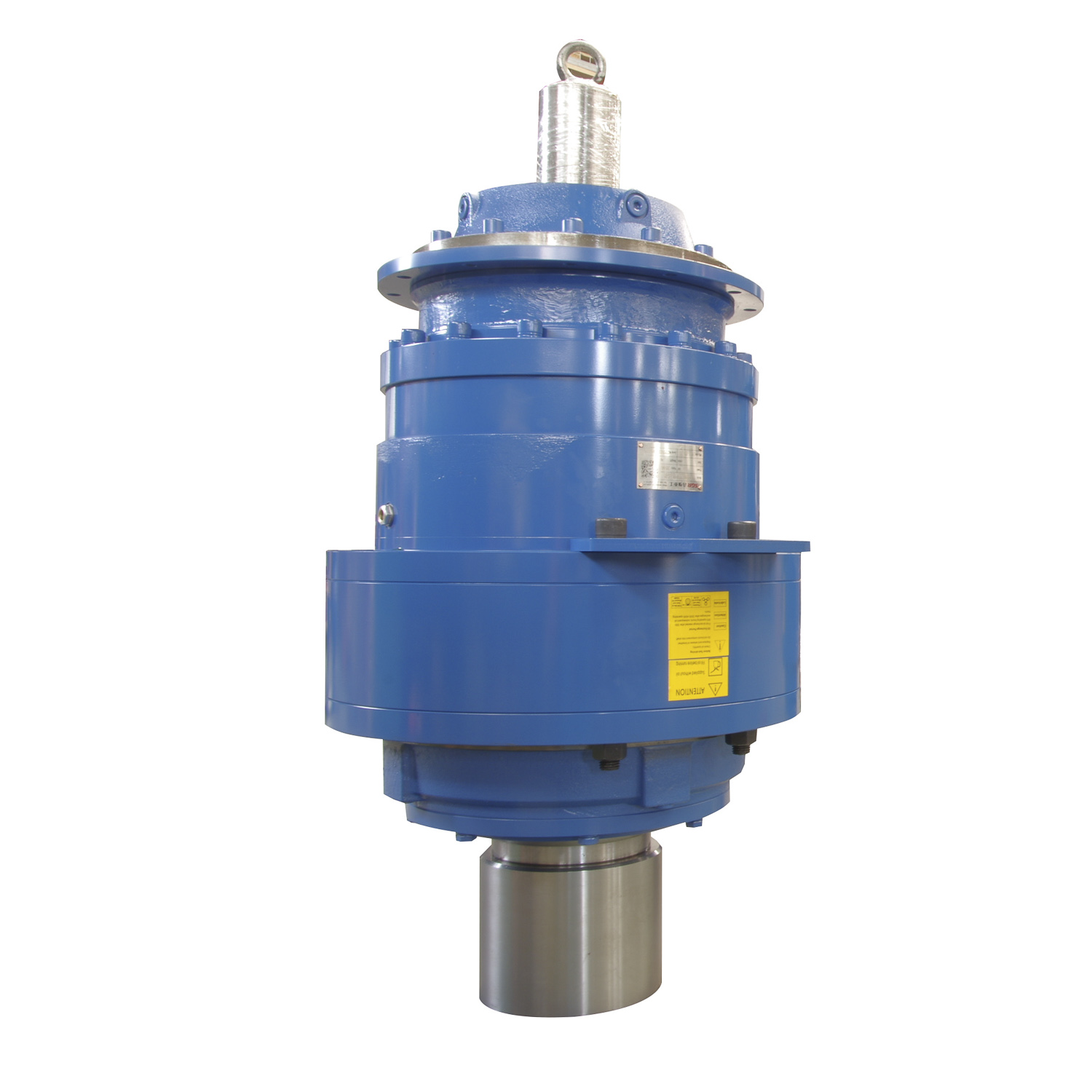 Custom Planetary Gear Reducer with High Torque Manufacturers, CompanyShanghai SGR Heavy Industry Machinery Co., Ltd is China Planetary Gear Reducer with High Torque Manufacturers, OEM/ODM Planetary Gear Red...View Product →
Gear life is decided on the factory floor, not in the sales brochure. For heavy agricultural machinery, gears are typically made from case-hardening steel such as 20CrMnTi, carburized to a controlled case depth, and ground after hardening. Worm wheels are phosphor-bronze, and housings are nodular iron or cast iron with machined bearing bores.
Heat treatment is the most common hidden failure point. A practical rule: case depth should be roughly 10 to 20 percent of the tooth module for heavy gearing, with core hardness maintained to support the case. If a supplier cannot state the case depth and hardness range, the heat treatment is not controlled.
At Shanghai SGR Heavy Industry Machinery Co., Ltd., quality control includes a domestic-first toroidal worm and hob measuring instrument, a three-coordinate measuring machine for housing geometry, and a gearbox power-and-efficiency test system. Every critical dimension is measured, and the assembled unit is run under load before release.
Before placing a volume order, audit the supplier's test records with the same discipline you apply to any critical bought-in part. A practical list of methods to identify whether a reducer is good or not is worth keeping in the sourcing file.
When the ratio target is extreme and the envelope is fixed, one option is a planetary and toroidal worm combined reducer, which stacks two transmission principles in one housing to reach ratios beyond what either architecture delivers alone.
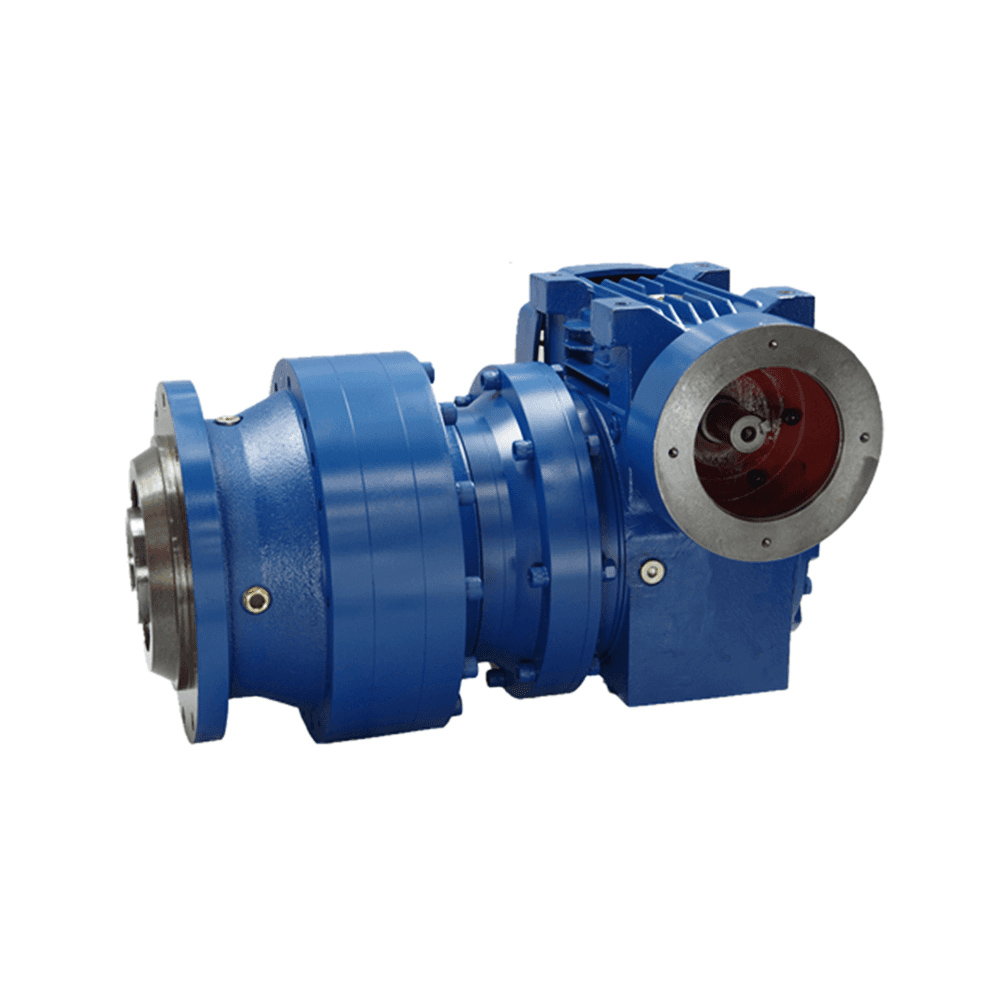 Wholesale Planetary And Toroidal Worm Combined Reducer Suppliers, ExporterAs China Planetary And Toroidal Worm Combined Reducer Suppliers, Exporter, Shanghai SGR Heavy Industry Machinery Co., Ltd. Wholesale Plan...View Product →
Allow eight to fourteen weeks for the first custom unit, plus four to six weeks of field validation before a full production series. These are typical numbers for a well-tooled factory with in-house design and testing.
Expect eight to fourteen weeks for the first custom prototype, including design, machining, and bench testing. Production series after field validation usually run on a rolling schedule agreed with the factory.
Yes. The input can be designed for a PTO shaft at 540 or 1,000 rpm, a hydraulic motor flange, or an electric motor. The flange, spline, and shaft layout are defined during the design review.
The housing is sealed with multi-lip or labyrinth seals, the breather is pressure-compensated, and exposed surfaces are protected against corrosion. For pressure-wash regimes, state the water pressure and duration so the seal groove geometry can be matched correctly.
Send the duty cycle, worst-case output torque, input speed range, target ratio, mounting orientation, and ambient conditions. With those variables defined, an experienced gearbox supplier can size and price the unit in the first review.
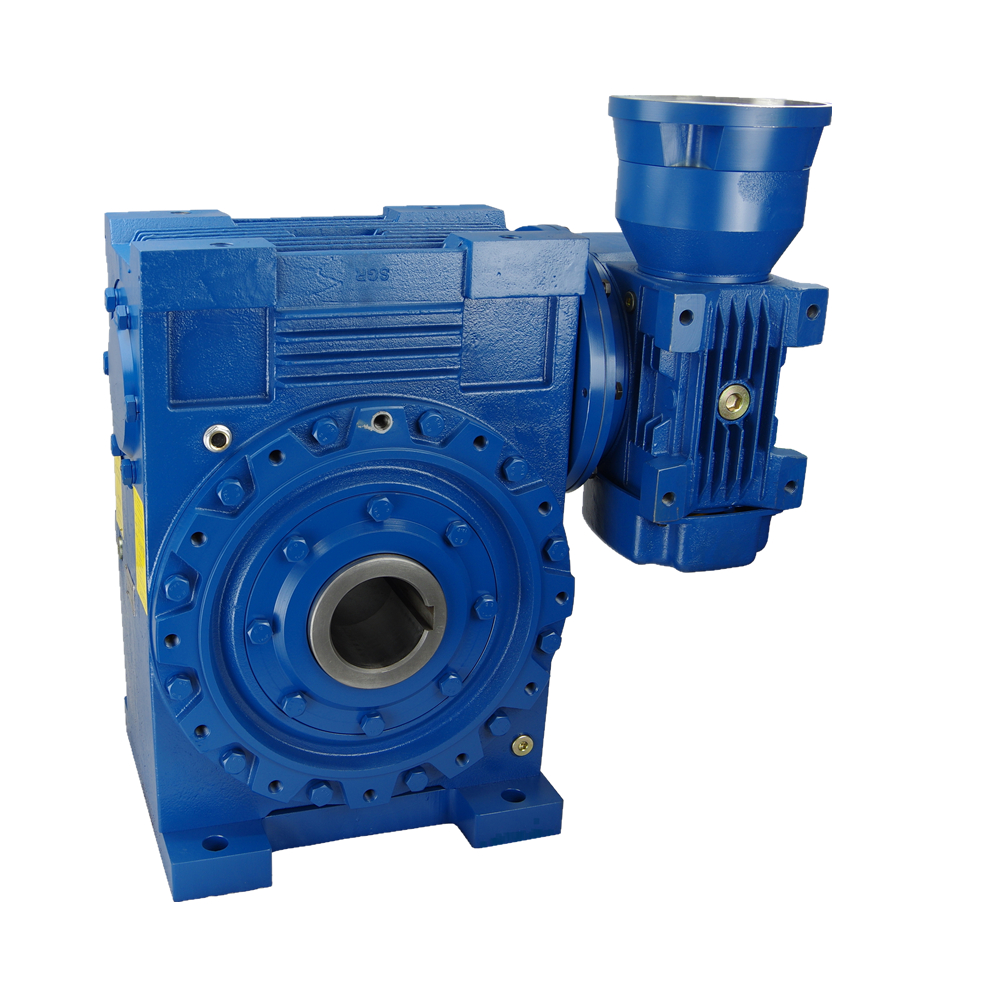
Product Description Series C double enveloping worm gearModel: 100 - 500Ratio: 10 -63Output Torque ...
See Details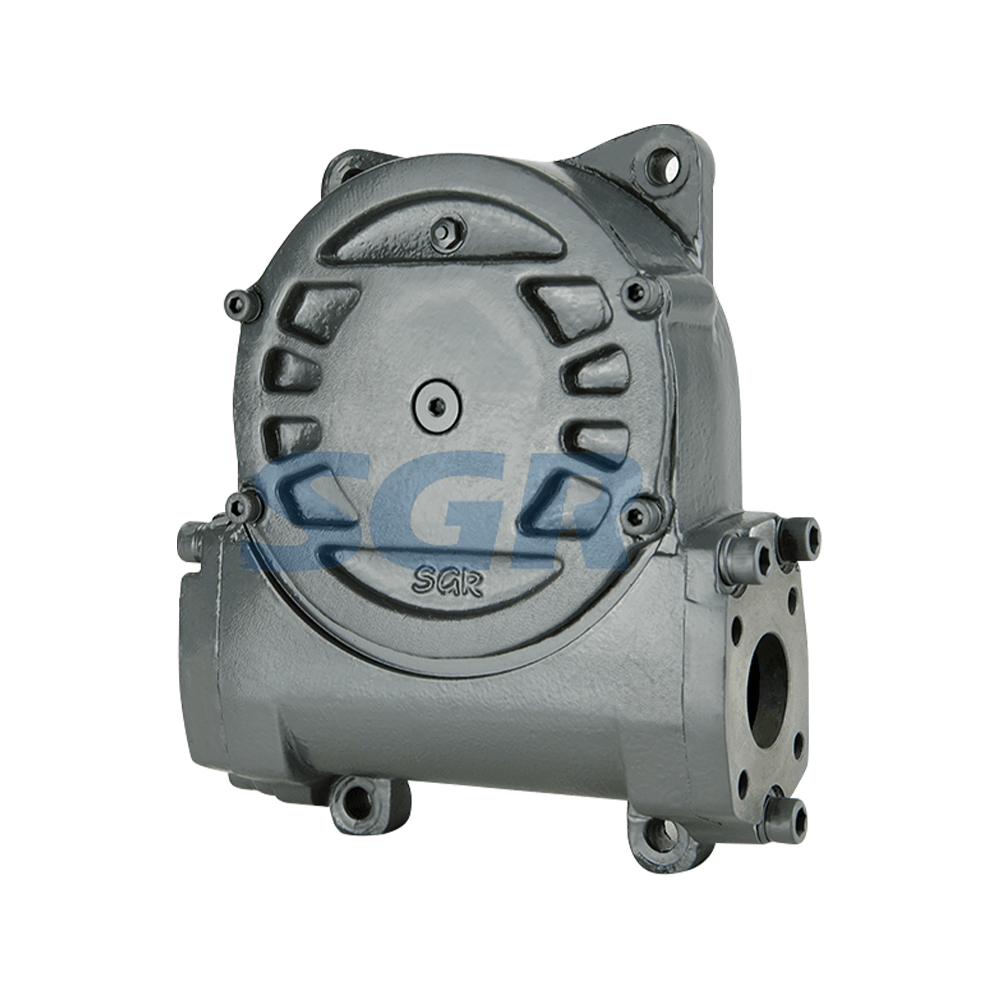
SGR develops and manufactures specialized worm gear reducers for logistics machinery attachments. T...
See Details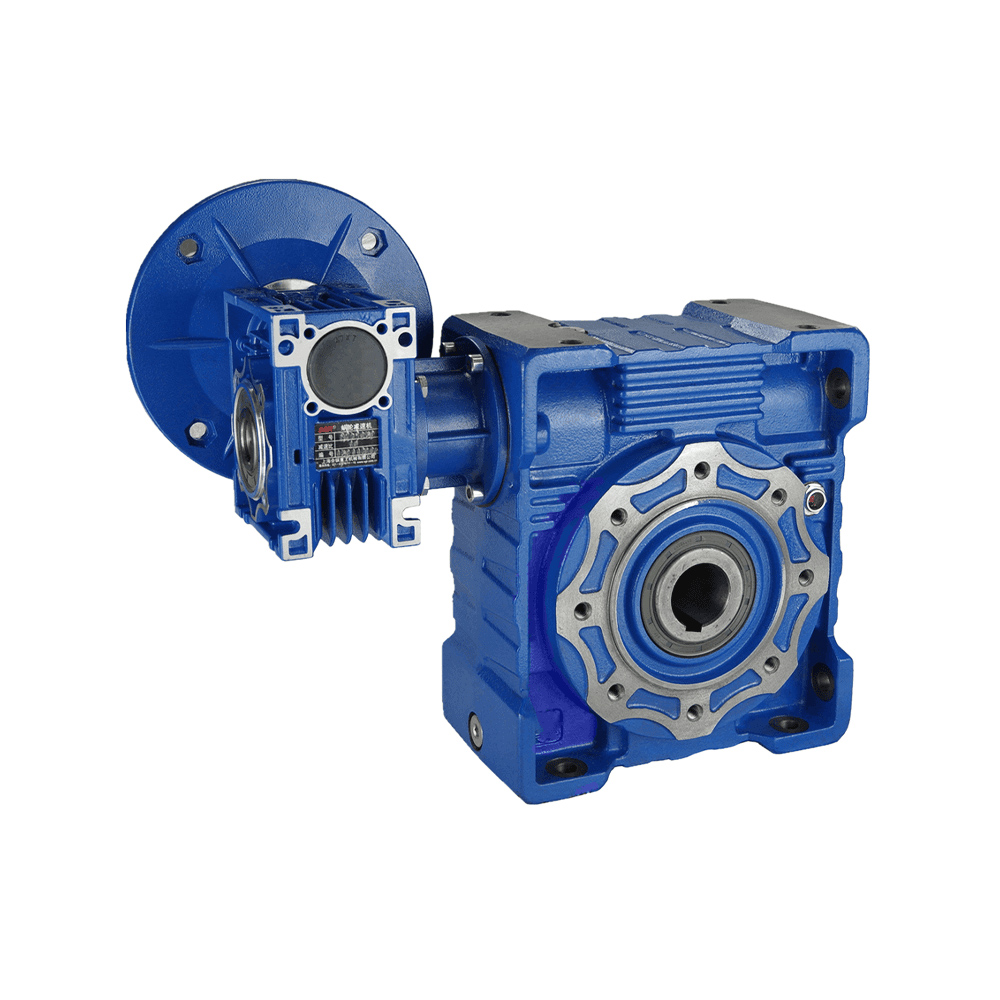
SGR develops and manufactures specialized worm gear reducers for logistics machinery attachments. T...
See Details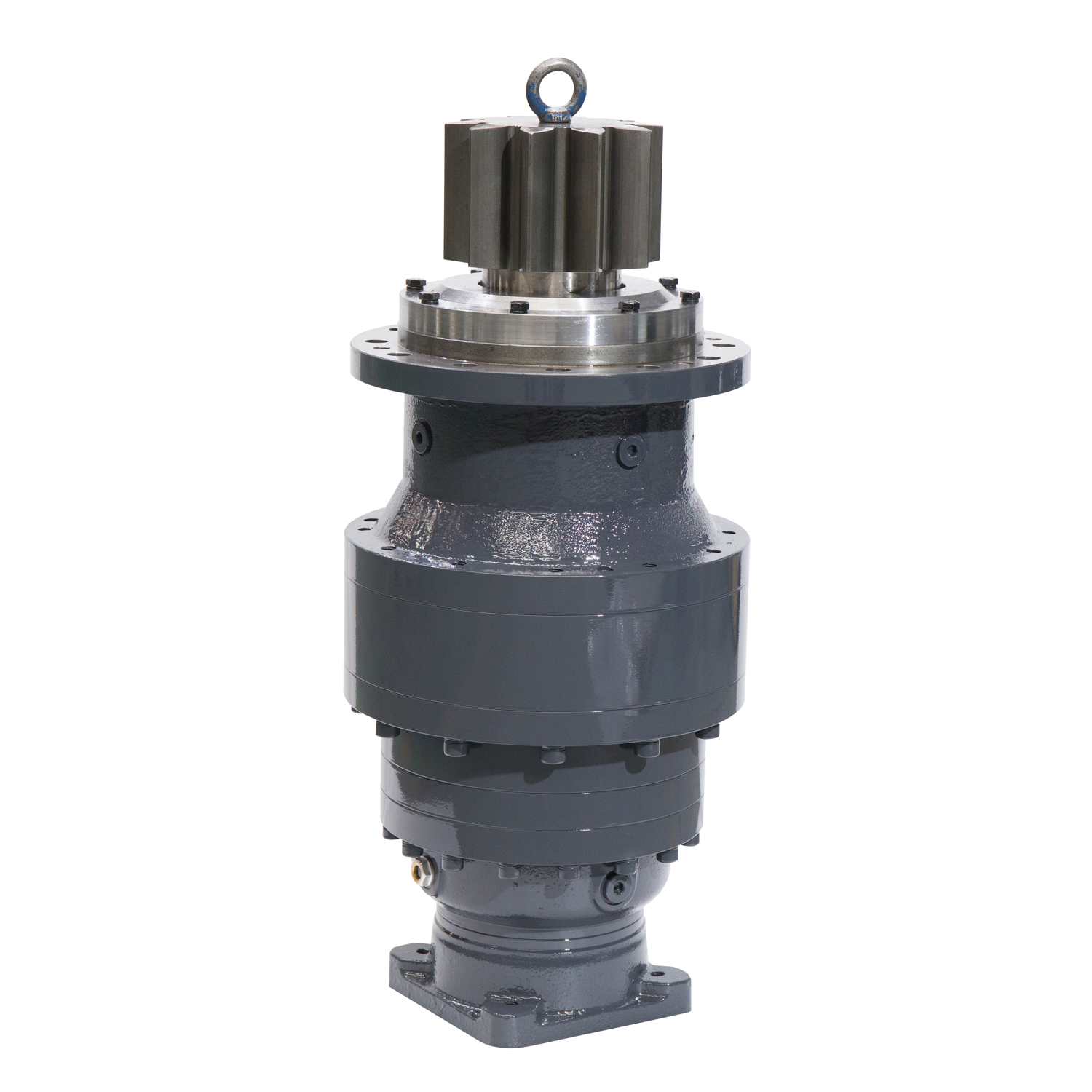
Model: 200-885Ratio: 3.15-7800Output Torque :1500Nm-540000NmRating Power :0.25KW-200kwDescription : ...
See Details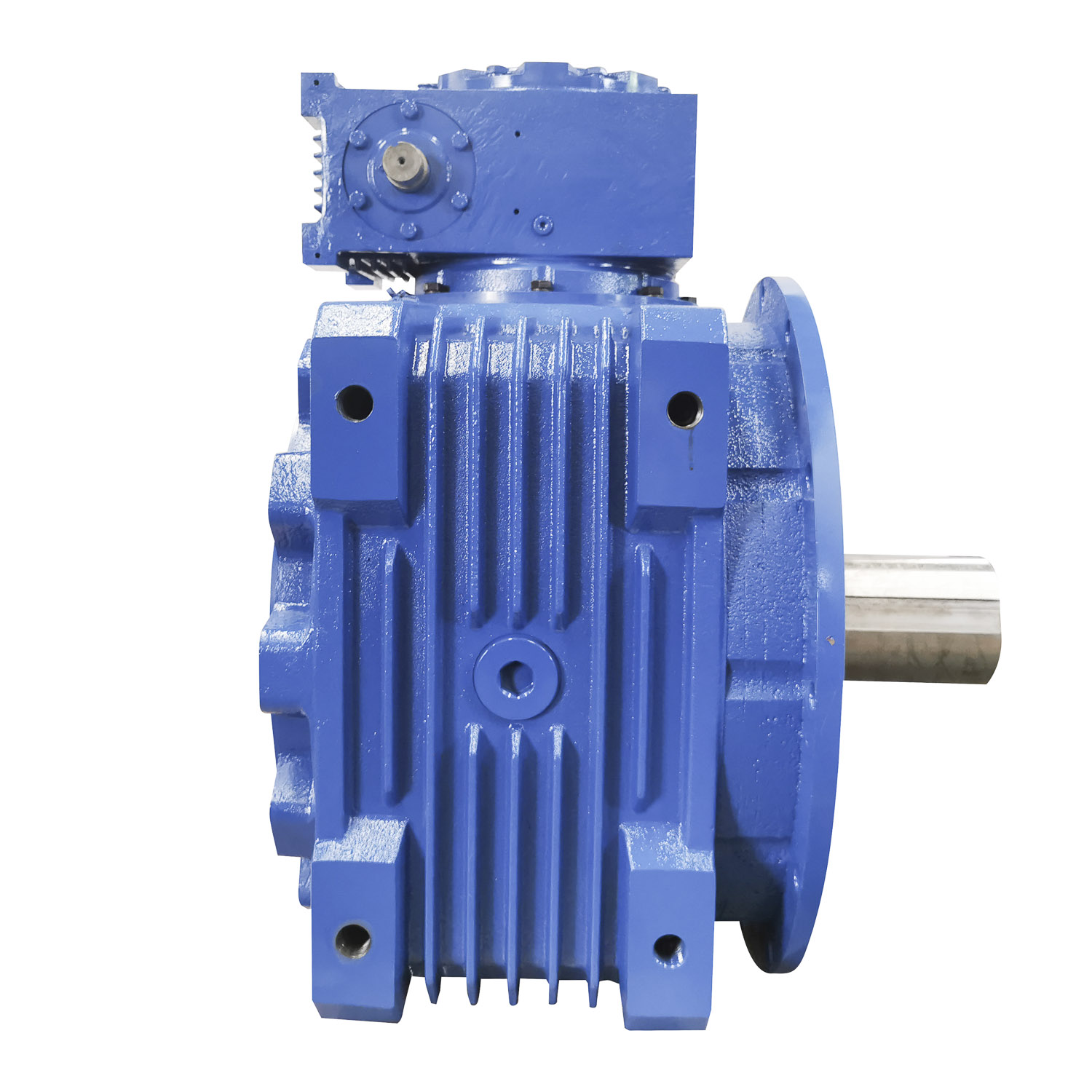
Description :1, High torque double enveloping worm gear adjust toughest working condition .2,Univers...
See Details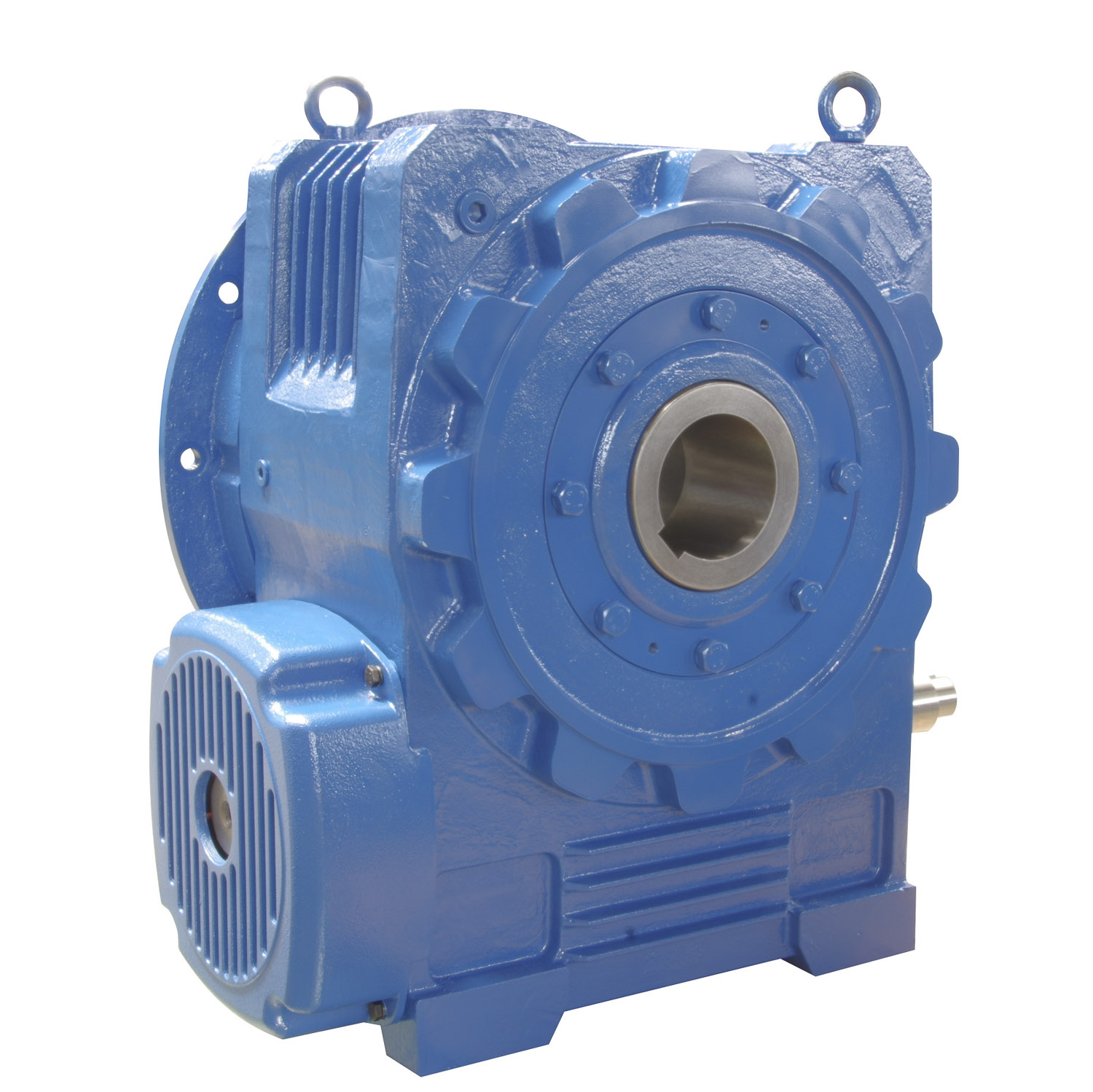
Product Description Series C double enveloping worm gearModel: 100 - 500Ratio: 10 -63Output Torque ...
See Details
SGR is an ISO 9001 certified, DNV-accredited industry gearbox manufacturer since 1996. We supply different gear reducers to brands worldwide.