Global
  English
 中文简体
中文简体 русский
 Español
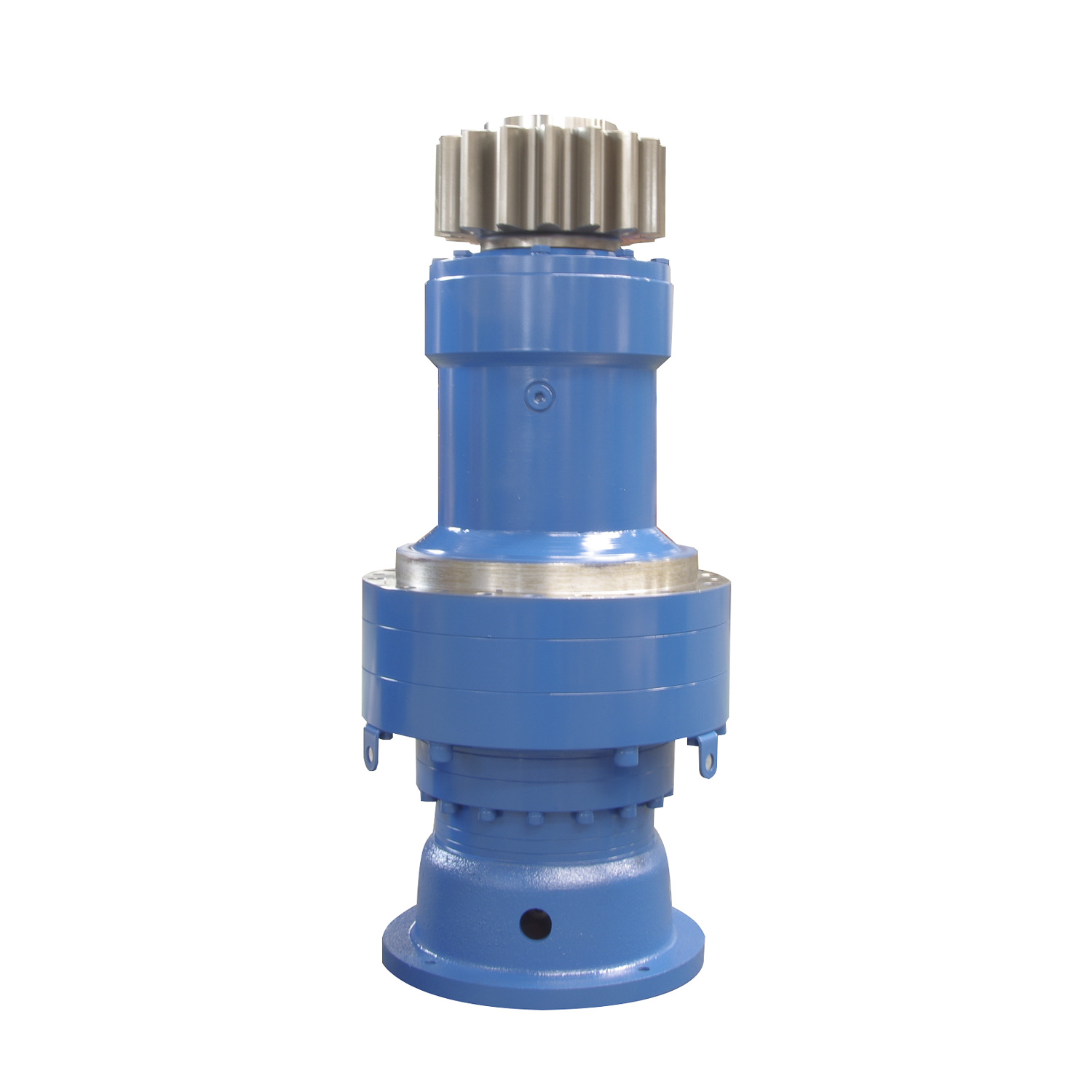
Technical data: 1. Ratio range: 3.15-30002. Input power: 0.25-55KW3. Permit torque rang: ≤ 200000N. ...
See Details
News Directory
A mixer drive transmitting 12,000 Nm at 30 rpm failed three times in one season because the reducer was sized on average torque instead of peak torque and starting frequency. For most industrial machines, the gearbox type decision is a load-profile decision first and a price decision second. This guide walks the selection process in the order that prevents rework: load definition, architecture matching, ratio and backlash confirmation, interface checks, service-risk assessment, and supplier verification.
The load profile determines the required torque rating, service factor, and thermal capacity, and it must be quantified before any gearbox architecture comparison makes sense.
Start with the duty cycle of the driven machine: record or estimate the output speed, the torque drawn during normal running, the peak torque during startup or stall, the number of starts per hour, and the hours per day of continuous operation. A machine that runs 24 hours under steady load and a machine that cycles 10 times per minute place completely different demands on the gearbox.
Capture the actual torque values from the driven equipment data sheet or from a current measurement on an existing machine. If the machine is new, apply a shock factor from the driven-equipment class rather than guessing.
Planetary reducers deliver the highest torque density and efficiency for a given envelope, double-enveloping worm reducers combine right-angle output with high shock resistance, and combination reducers extend the usable ratio range beyond what either architecture delivers alone.
The three architectures differ in how the gears transmit load. A planetary reducer splits torque across several planet gears, which is why it packs high torque into a small diameter. A worm reducer uses a screw-like worm driving a wheel, creating sliding contact and self-locking potential. A double-enveloping worm reducer wraps both members around each other to increase contact area. A combination reducer couples a planetary stage with a toroidal worm stage to join the strengths of both.
For motor-integrated drives where space is tight, a planetary gearbox for gear motors is the most direct solution.
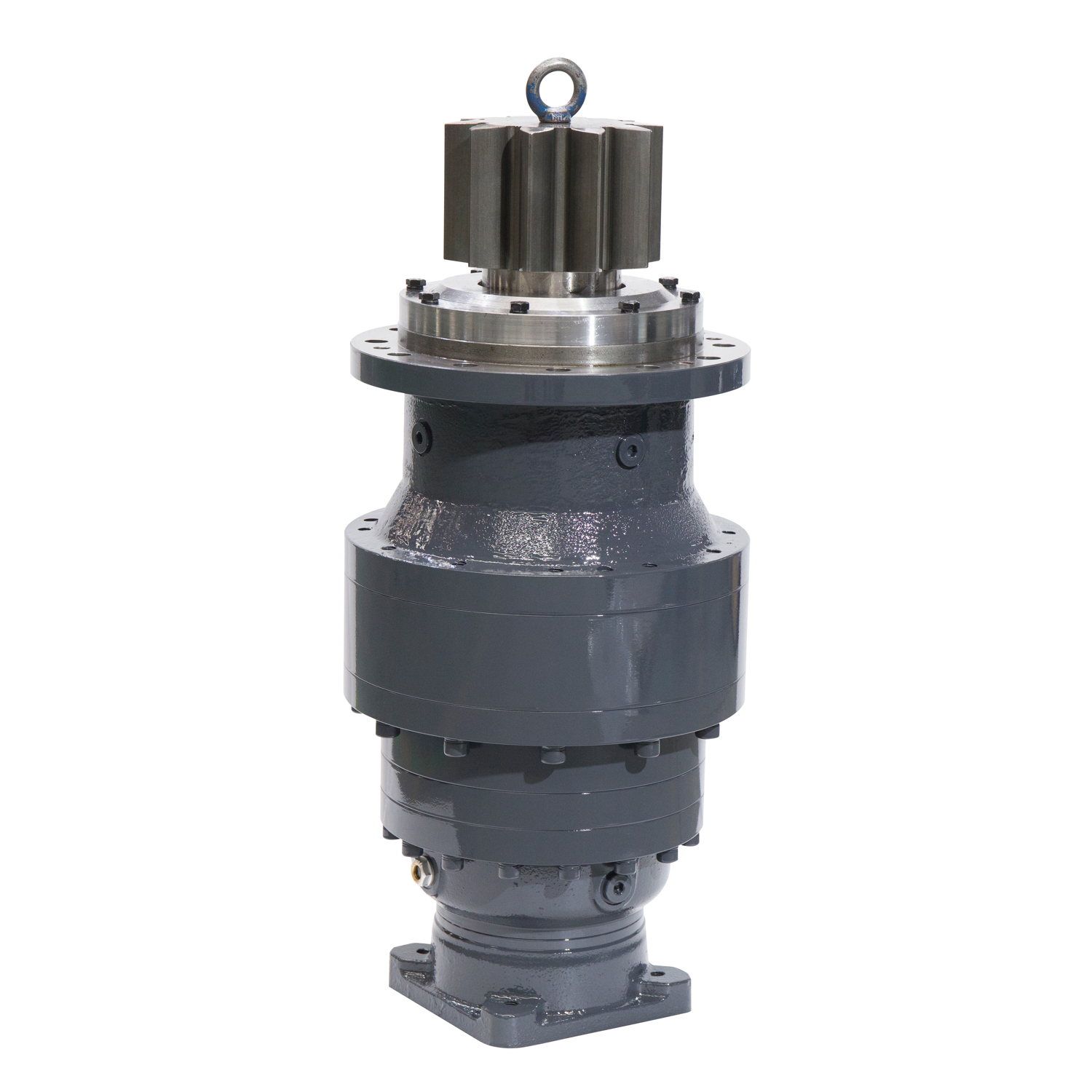 Custom Planetary Gearbox for Gear Motors Manufacturers, CompanyShanghai SGR Heavy Industry Machinery Co., Ltd is China Planetary Gearbox for Gear Motors Manufacturers, OEM/ODM Planetary Gearbox for Ge...View Product →
| Type | Efficiency at 25:1 | Torque density | Backlash | Best suited for |
| Planetary | 95-98% per stage | Highest per volume | Low (3-5 arcmin) | Servo axes, conveyors, high-cycle drives |
| Double-enveloping worm | 85-92% | High shock capacity | Medium | Mixers, crushers, right-angle duty |
| Cylindrical worm | 60-85% | Medium | Medium to high | Light to moderate right-angle drives |
| Combination (planetary + worm) | 82-90% cascade | High | Medium | Extreme ratios, rotary tables |
A full comparison of three common types of industrial gear reducers covers the same trade-offs in more detail.
Efficiency varies with ratio, lubrication, and tooth treatment; use these values for initial screening only.
The total reduction ratio is calculated from the required output speed, the available input speed, and the allowable slip; every added stage multiplies ratio but also adds backlash and reduces efficiency.
Mounting and motor interface constraints eliminate gearbox candidates before torque does, because the drive must fit the machine frame and accept the existing motor flange, shaft, and output orientation.
Decide whether the output shaft must be coaxial with the motor or at a right angle. Coaxial planetary reducers keep input and output on the same axis and simplify frame design. Right-angle layouts save height but add a worm or bevel set; the practical differences are covered in the coaxial versus right-angle planetary gearbox comparison.
Then check the mounting style. Foot-mounted units need a machined base, flange-mounted units locate directly on the machine bore, and shaft-mounted units hang on the driven shaft. A right-angle flange-mounted planetary gearbox is a frequent answer for slewing drives where the motor must sit beside the gearbox.
Self-locking ability, thermal dissipation, and contamination resistance determine whether a worm, double-enveloping worm, or planetary design is safe for the application, even when the torque rating is equal.
Worm reducers can be self-locking at ratios above roughly 30:1, meaning the output cannot back-drive the input; that is a safety advantage for lifting and holding duties, but it also means the drive cannot be turned manually for adjustment. Double-enveloping worm reducers increase the contact area and load capacity of the worm set, which is why they are specified for mixers and other high-shock, continuous-duty machines. For mixer and agitator duty, a double-enveloping worm gearbox built for mixer applications is a proven starting point.
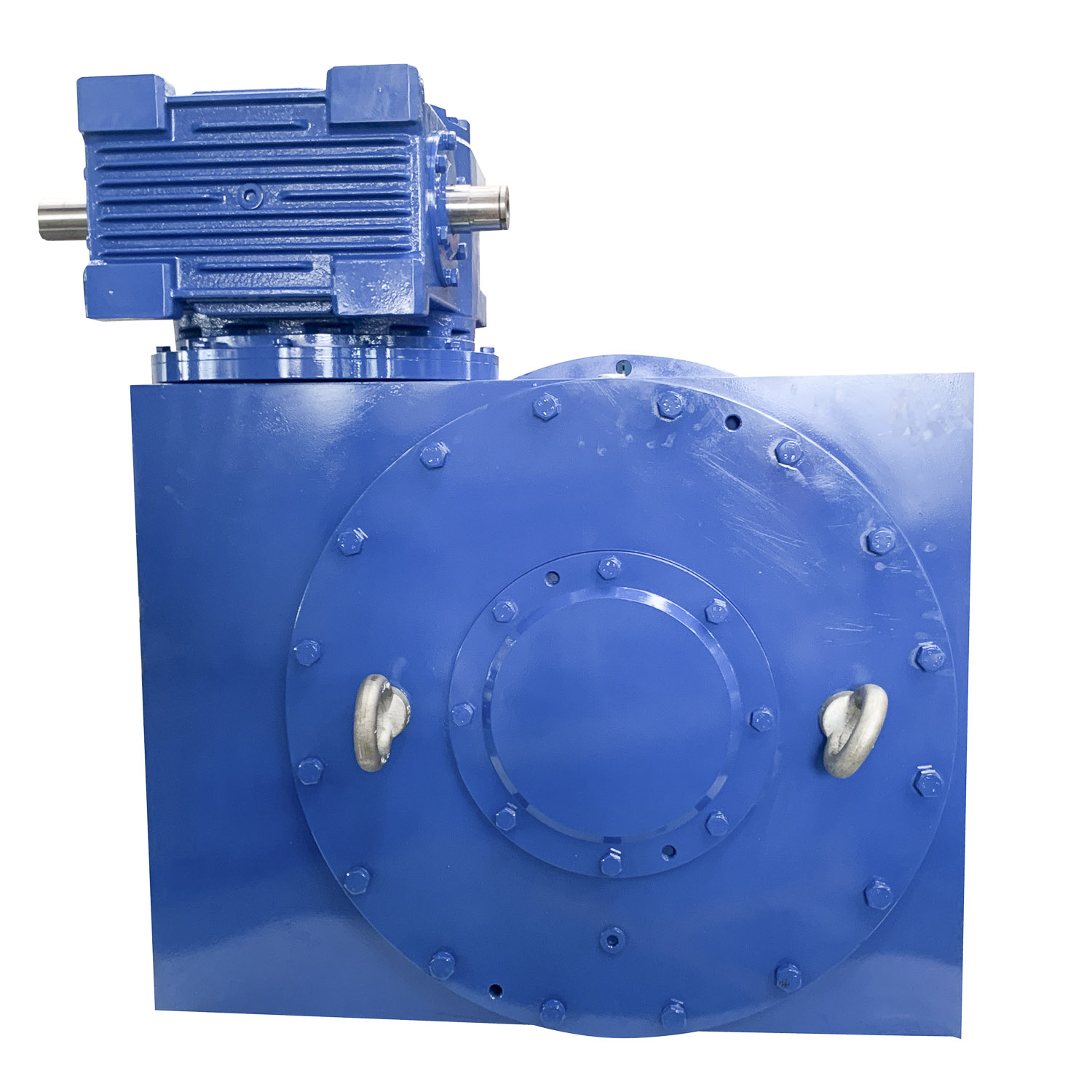 Custom Double Enveloping Worm Gearbox Appilcation For Mixer Manufacturers, CompaShanghai SGR Heavy Industry Machinery Co., Ltd is China Double Enveloping Worm Gearbox Appilcation For Mixer Manufacturers, OEM/ODM Doubl...View Product →
Thermal limits matter for worm drives because sliding contact generates heat. Check the thermal rating at the actual ambient temperature; a worm reducer rated for 40 C ambient may need a fan, oil cooler, or larger frame at 50 C.
A technically correct gearbox type will still fail early if the supplier cannot measure the worm profile, control heat treatment, and verify efficiency under load.
Ask three questions before ordering: What measuring equipment is used for the worm and gear profiles? Is there a loaded power-and-efficiency test bench? Do the delivered drawings include backlash, torque, and service factor recommendations? A manufacturer with coordinate measuring machines and a worm-and-hob measuring instrument can document what a catalogue sheet only promises.
Shanghai SGR Heavy Industry Machinery Co., Ltd. (SGR), a Shanghai-based gear transmission manufacturer, applies this kind of verification in its production system, from design and machining to measurement and loaded testing. For a broader view of the same decision process, the step-by-step guide to selecting the right gear reducer for your project walks through the complete workflow.
When the required ratio exceeds what a single architecture delivers efficiently, a combination unit couples a planetary stage with a toroidal worm stage; the annular worm angle planetary gear reducer is one example of a combined layout for extreme-ratio, right-angle applications.
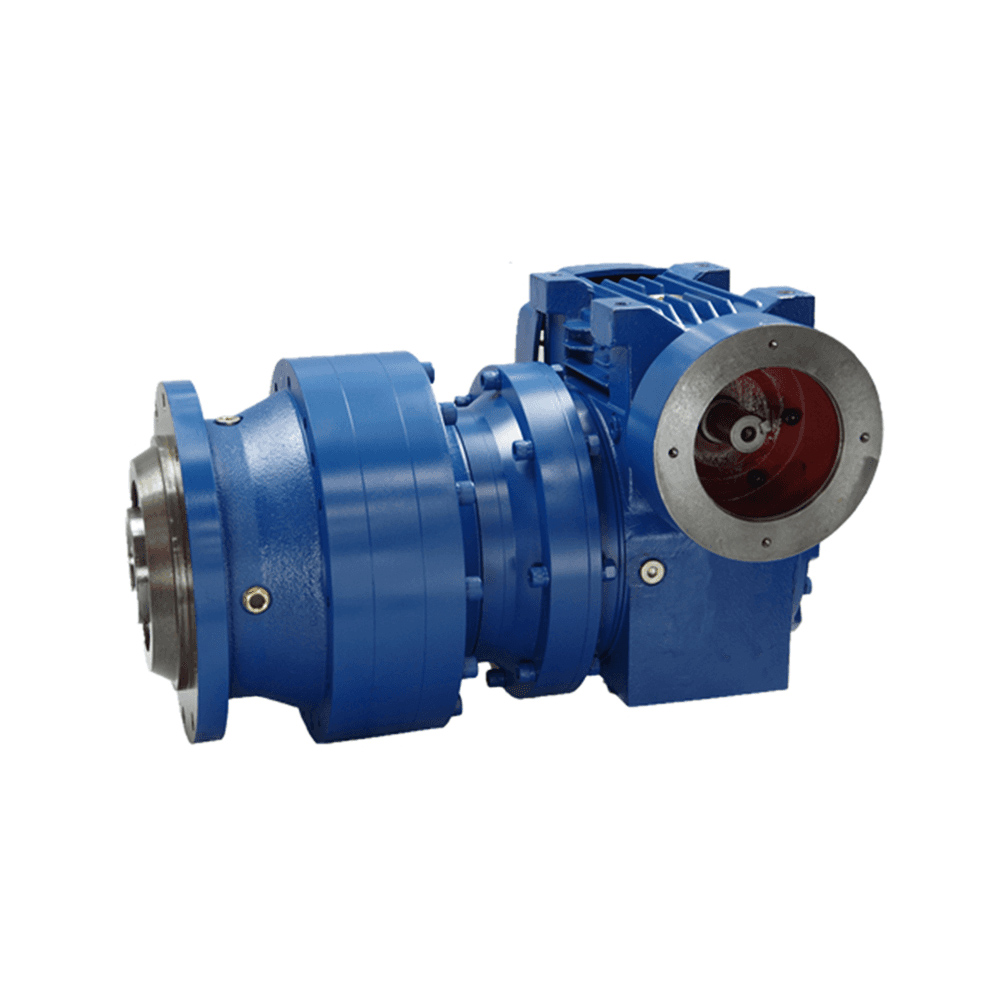 SGR Innovative Gearbox And Gear Reducer ManufacturersThe Innovative Gearbox Manufacturers SGR Is Capable Of Providing You With Various Types Of Gearboxes. You Can Get Compact, Modular, Stand...View Product →
The four most common gearbox selection questions have direct answers.
Planetary gearboxes have the highest efficiency, typically 95-98% per stage, because the load is shared by multiple planet gears and rolling contact dominates. Worm reducers are less efficient, with single-stage values ranging from 60% to 92% depending on ratio and tooth geometry.
Choose a worm reducer when you need a right-angle output, self-locking behaviour at high ratios, or a lower-cost compact unit for moderate duty. Choose planetary when torque density, efficiency, or low backlash is the priority.
Divide the input speed by the required output speed. A 1450 rpm motor driving a 50 rpm drum needs a 29:1 ratio; verify the ratio at full-load speed if there is slip in the drive.
A single-stage reducer uses one gear set; a multi-stage reducer uses two or more in series. Multi-stage units reach higher ratios but add length, backlash, and a small efficiency drop per stage.
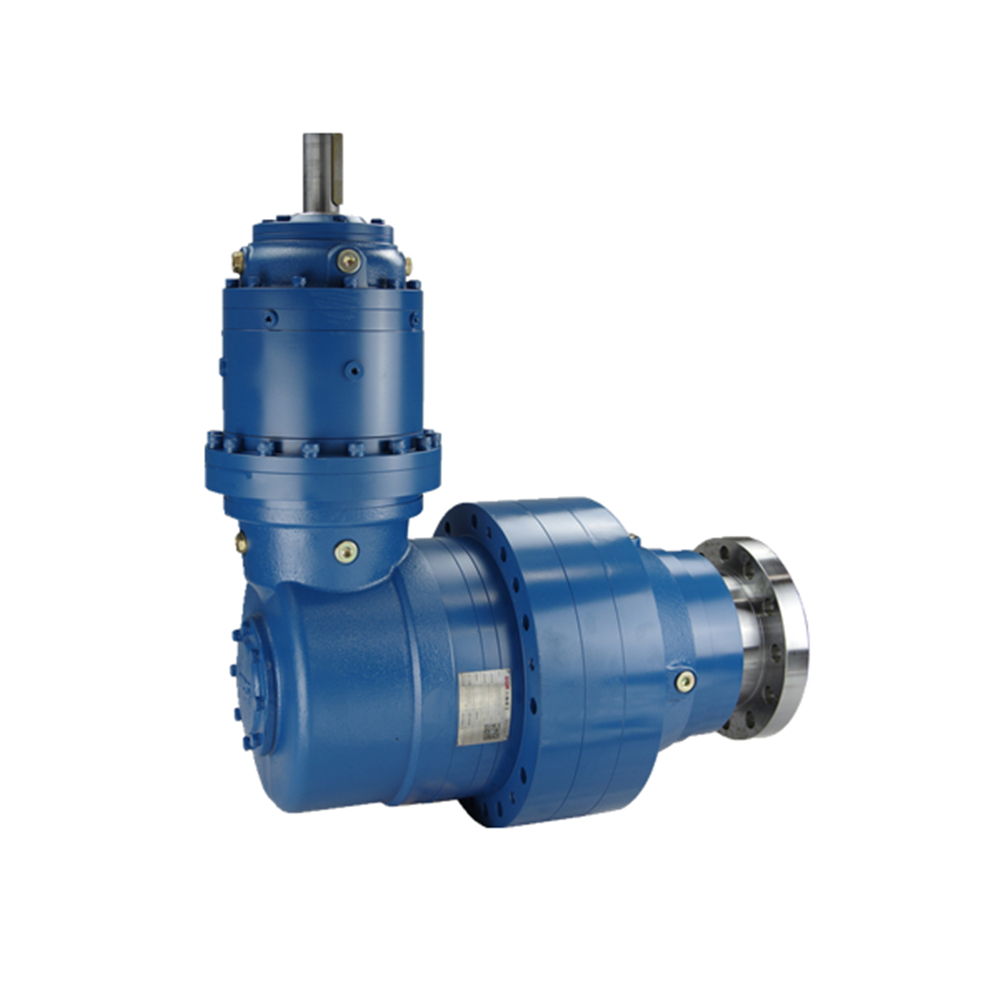
Technical data: 1. Ratio range: 3.15-30002. Input power: 0.25-55KW3. Permit torque rang: ≤ 200000N. ...
See Details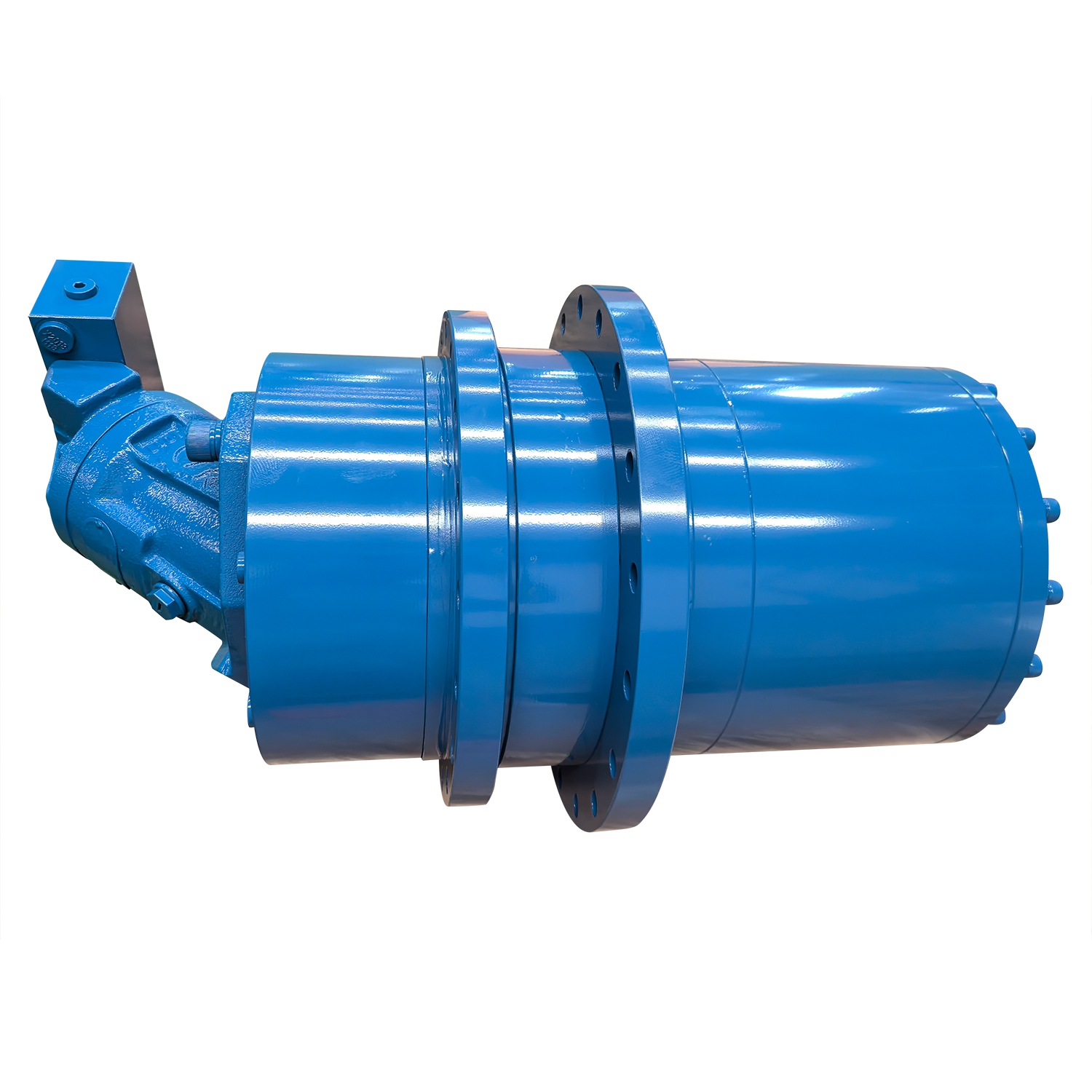
Model: 200-885 Ratio: 3.15-7800 Output Torque :1500Nm-540000Nm Rating Power :0.25KW-200kw Descripti...
See Details
Model: 200-885Ratio: 3.15-7800Output Torque :1500Nm-540000NmRating Power :0.25KW-200kwDescription : ...
See Details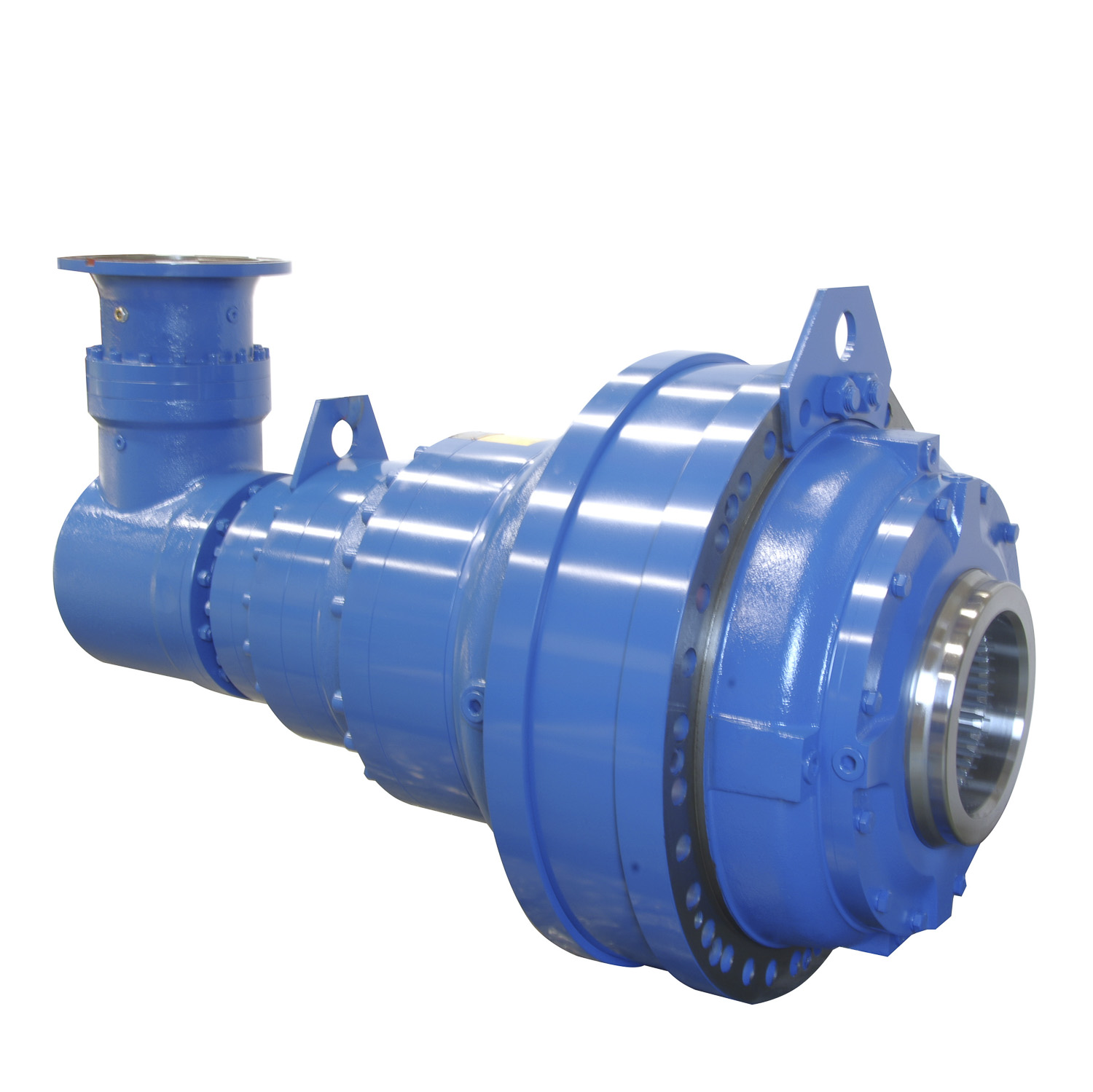
Planetary gearbox is produced by modular design, and can be combined according to client's request H...
See Details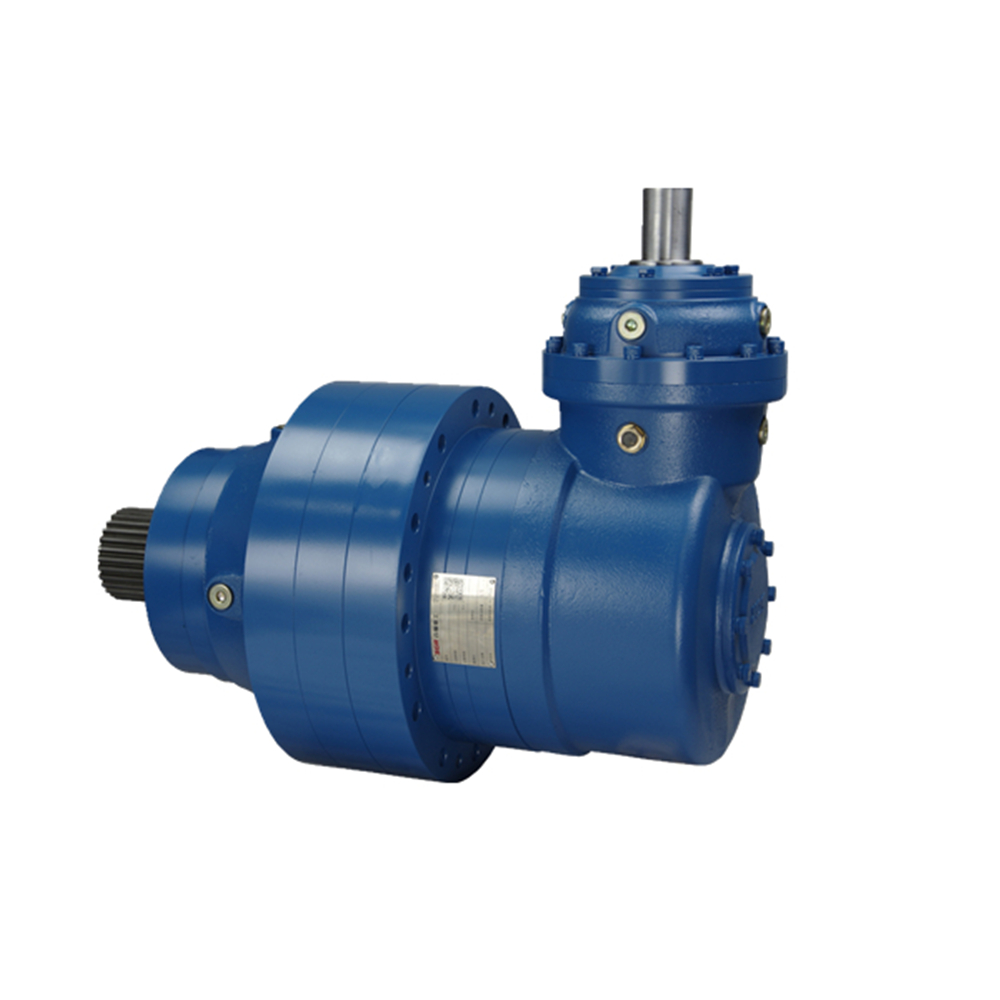
Technical data: 1. Ratio range: 3.15-30002. Input power: 0.25-55KW3. Permit torque rang: ≤ 200000N. ...
See Details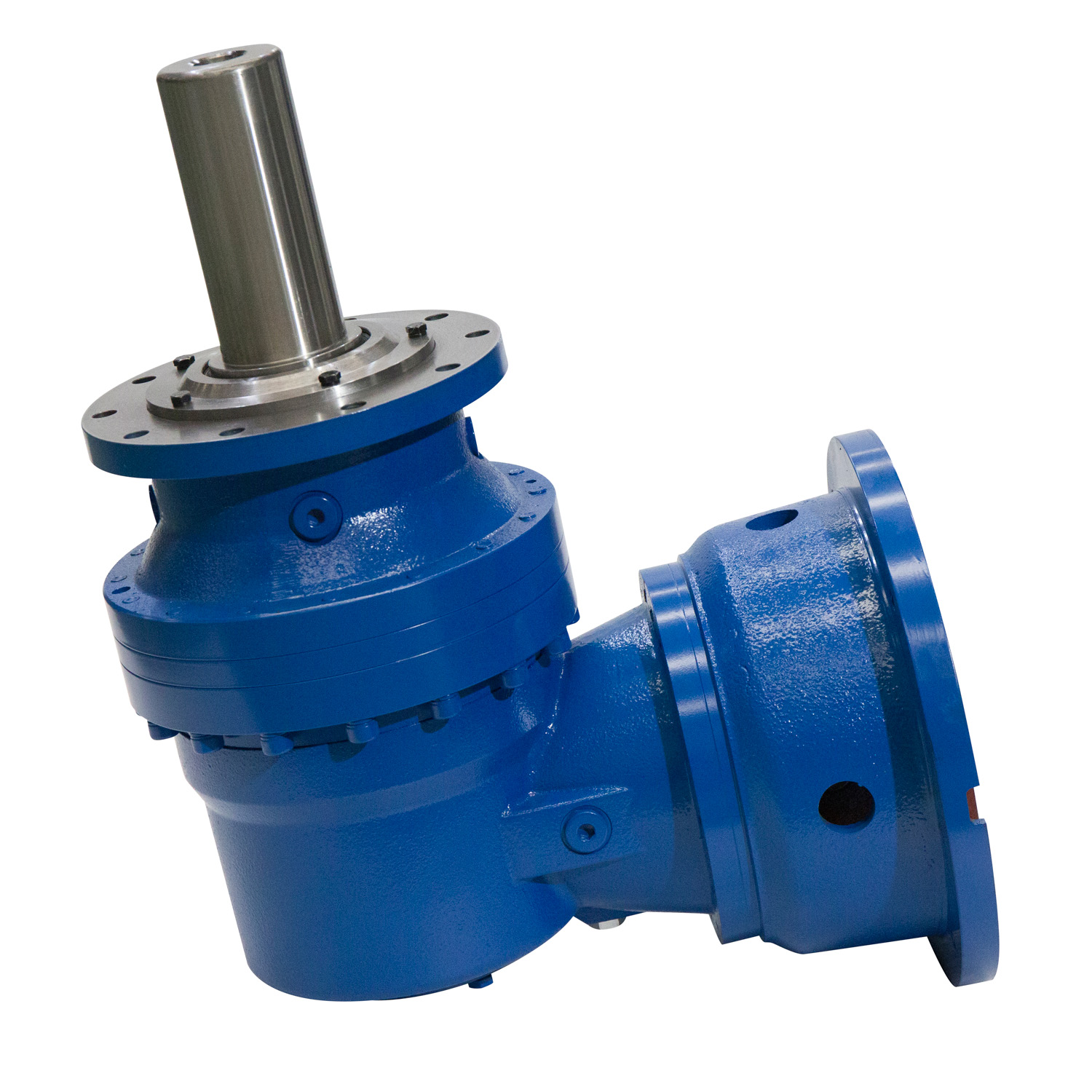
Technical data: 1. Ratio range: 3.15-90002. Input power: 0.25-55KW3. Permit torque rang: ≤ 800000N. ...
See Details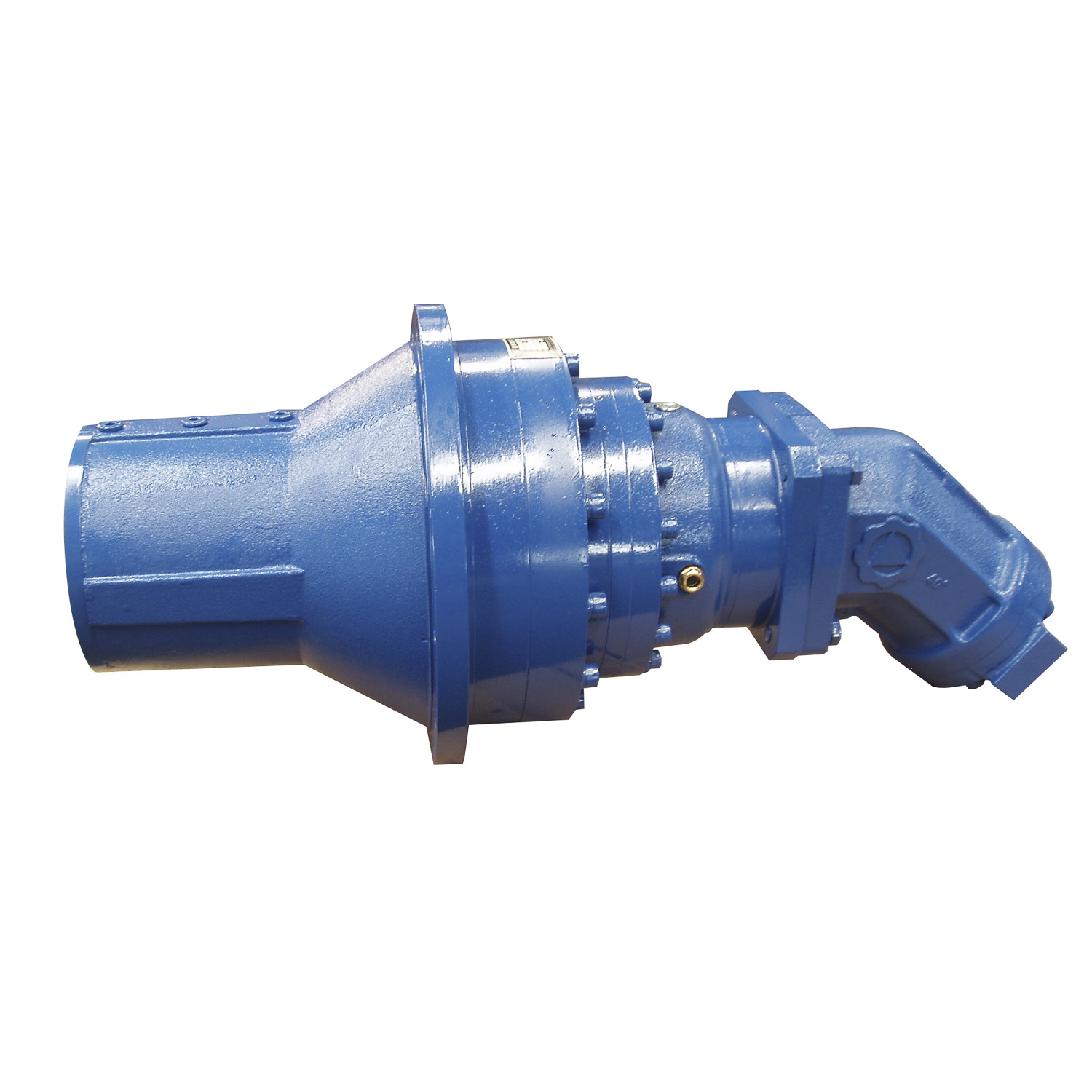
Key feature:Planetary gearbox is produced by modular design, and can be combined according to client...
See Details
SGR is an ISO 9001 certified, DNV-accredited industry gearbox manufacturer since 1996. We supply different gear reducers to brands worldwide.