Global
  English
 中文简体
中文简体 русский
 Español
Description :1, High torque double enveloping worm gear adjust toughest working condition .2,Univers...
See Details
News Directory
There is no honest single figure. A customised gearbox can survive 10,000 operating hours or 50,000 hours, five calendar years or more than twenty, depending on how it is designed, built, loaded and maintained. The realistic range for a well-executed customised gearbox is 10,000 to 50,000 operating hours under normal industrial service.
Take a mixer drive in a chemical plant. One unit runs reliably for fifteen years; another with the same nominal specification fails before its scheduled overhaul. The difference is usually not the gearbox alone. It is the load spectrum, ambient temperature, lubrication quality, alignment, and operating habits around the machine.
Before estimating service life, you need to separate three different definitions of “life”. Each one matters for a different reason.
Bearing life is usually expressed as L10: the number of operating hours at which 90 percent of an identical population is expected to survive. Gear-tooth life is calculated from contact stress and bending stress against material fatigue curves. Both are sensitive to load, speed, and lubrication.
A gearbox can be strong enough mechanically but still fail early if it runs too hot. Thermal rating defines the power the unit can transmit continuously without exceeding a safe oil temperature, normally around 80 to 90 °C at the oil sump, depending on the lubricant. Continuous operation requires both mechanical and thermal ratings to be checked together.
For a customised unit, these ratings should be calculated from the real duty cycle, not from a generic catalogue table.
Service life is not a single number printed on a nameplate. It is an outcome produced by several interacting decisions made before and after commissioning.
| Factor | Effect on life | What to check |
|---|---|---|
| Design margin | A low service factor translates into high contact and bending stress, leading to pitting or tooth breakage. | Confirm the actual load spectrum, including starts, stops, shock loads, and reversals. |
| Materials and heat treatment | Case depth, core hardness, and residual stress decide how long gear teeth resist surface fatigue. | Specify alloy steel, controlled carburising or induction hardening, and finish grinding. |
| Lubrication | Wrong viscosity, low oil level, or contamination can cut gear and bearing life dramatically. | Use the manufacturer’s oil grade, maintain level, and follow change intervals. |
| Operating environment | Dust, humidity, high ambient temperature, and washdown chemistry attack seals, bearings, and oil. | Choose appropriate sealing, filtration, ventilation, and surface protection. |
| Maintenance quality | Most early failures are triggered by misalignment, loose bolts, overheating, or unnoticed vibration. | Check alignment, torque, temperature, and vibration on a fixed schedule. |
A standard gearbox is engineered for an average user. A customised gearbox is engineered for your loads, mounting arrangement, and operating profile. That is why a well-executed custom design can outlast a catalogue selection: it avoids the compromises built into a generic product.
For instance, a high-torque coaxial planetary gearbox designed for continuous duty may be selected with a specific number of planets, tooth flank modification, and housing stiffness that a standard model cannot offer. The result is lower stress concentration and a longer calculated life.
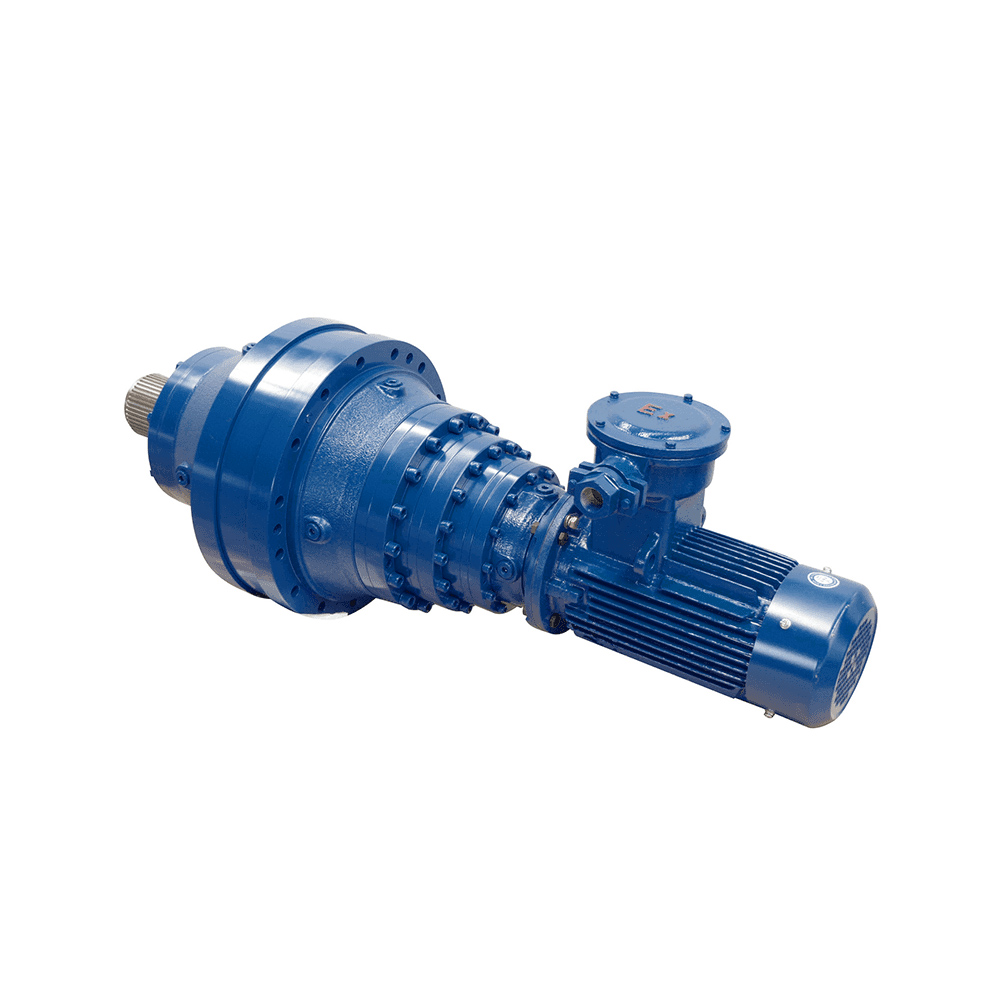 Custom High Torque Coaxial Base-Mounted Planetary Gear Box Manufacturers, CompanShanghai SGR Heavy Industry Machinery Co., Ltd is China High Torque Coaxial Base-Mounted Planetary Gear Box Manufacturers, OEM/ODM High T...View Product →
This is meaningful only if the manufacturer has the engineering team and production control to turn that design into hardware. More detail on how SGR organises that process is available in this explanation of SGR’s custom gearbox supply process.
Design life is calculated under assumed conditions. If the real conditions differ, the life changes in a non-linear way. A modest overload on paper can reduce calculated gear or bearing life by far more than the overload percentage suggests, because fatigue life follows a power curve.
A double-enveloping worm gearbox for mixer service is a good example. Mixers often run continuously with changing media viscosity, occasional jamming, and no chance to inspect internals without stopping production. The design must include a realistic service factor, oil capacity, and sealing strategy. The same type of gearbox on a lightly loaded indexing table would be expected to last far longer.
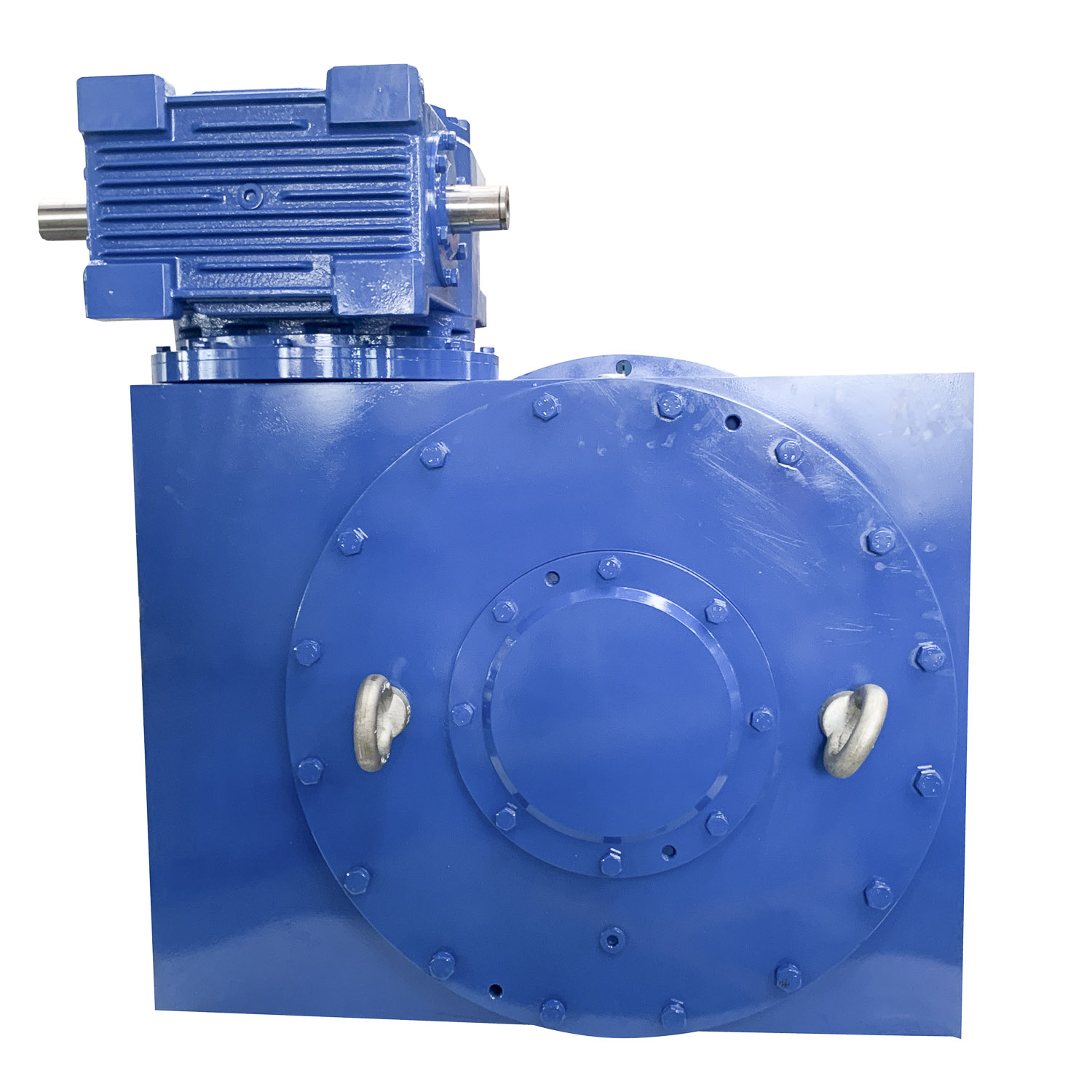 Custom Double Enveloping Worm Gearbox Appilcation For Mixer Manufacturers, CompaShanghai SGR Heavy Industry Machinery Co., Ltd is China Double Enveloping Worm Gearbox Appilcation For Mixer Manufacturers, OEM/ODM Doubl...View Product →
Be honest about the duty cycle during the enquiry stage. A customised gearbox is only as good as the operating data supplied to the engineer who calculates the rating.
Even the best customised gearbox will not reach its calculated life if it is starved of oil or driven with a misaligned input shaft. Maintenance matters more than most buyers expect.
A gearbox that is protected by the right lubrication plan is far more likely to reach the upper end of its 10,000 to 50,000-hour range.
A well-designed gearbox can still fail early if material quality, heat treatment, or machining accuracy is not controlled. Hardened and ground tooth flanks, accurate housing bores, and correct bearing preload contribute as much to life as the initial calculation.
SGR validates quality on three levels: incoming material control, in-process machining, and final loaded testing. The company’s inspection equipment includes a coordinate measuring machine, a toroidal worm and hob measuring instrument, and a gearbox power and efficiency test system. These tools catch deviations that reduce contact patterns and shorten bearing life.
Independent certificates and factory audits are also part of the picture. SGR’s quality-related honours and certifications give buyers an additional layer of assurance when the gearbox is going into a critical production line.
Service life is also affected by the choice of transmission principle. Planetary designs offer compact, high torque density; double-enveloping worm designs provide high load capacity with smooth, quiet operation; combination reducers cover very high ratios where one stage cannot handle the range efficiently. If the topology is wrong, the unit may be oversized, overheating, or operating outside its efficient range, all of which shorten life.
For very high ratio applications, a planetary and toroidal worm combined reducer can deliver the ratio without forcing one stage to absorb excessive stress. Selecting this based on the required duty cycle is exactly the kind of decision that keeps a gearbox running for decades.
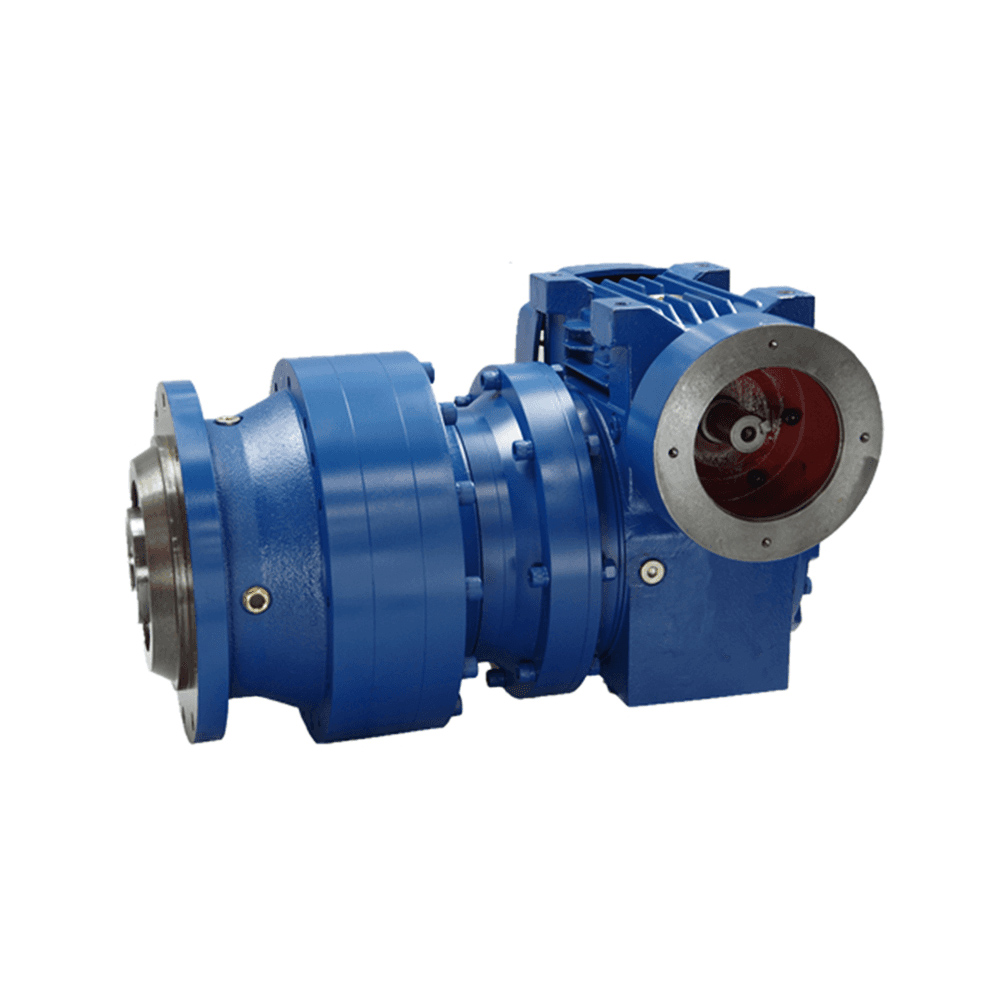 Wholesale Planetary And Toroidal Worm Combined Reducer Suppliers, ExporterAs China Planetary And Toroidal Worm Combined Reducer Suppliers, Exporter, Shanghai SGR Heavy Industry Machinery Co., Ltd. Wholesale Plan...View Product →
Before committing to any topology, review the full guide to choosing the right gear reducer for your project and compare rated torque, efficiency, backlash, and service factors against your real operating data.
When you ask for a customised gearbox, ask for the service-life calculation, design assumptions, and maintenance plan in writing. A gearbox is not a commodity. It is a calculation, and its real life begins with the quality of that calculation.
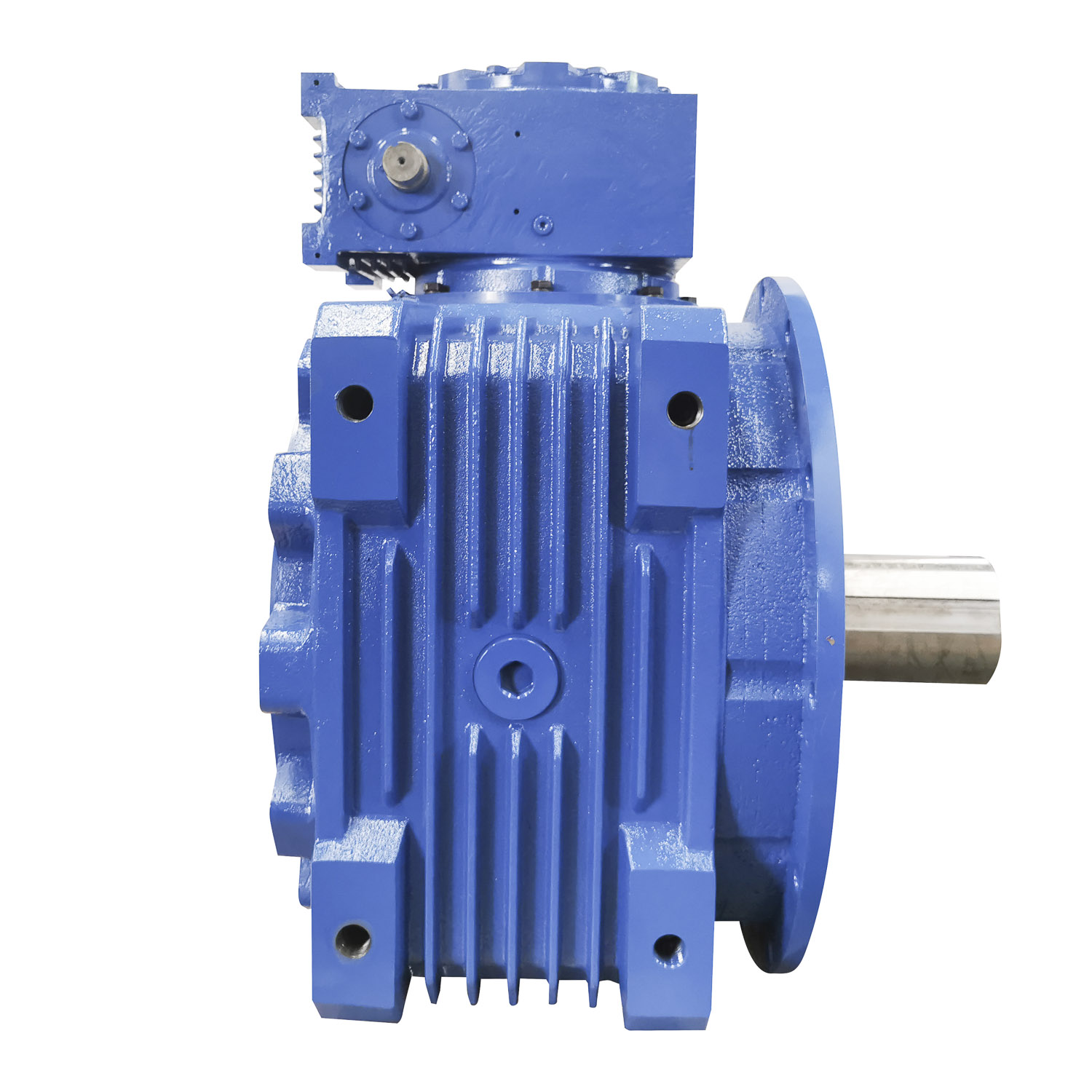
Description :1, High torque double enveloping worm gear adjust toughest working condition .2,Univers...
See Details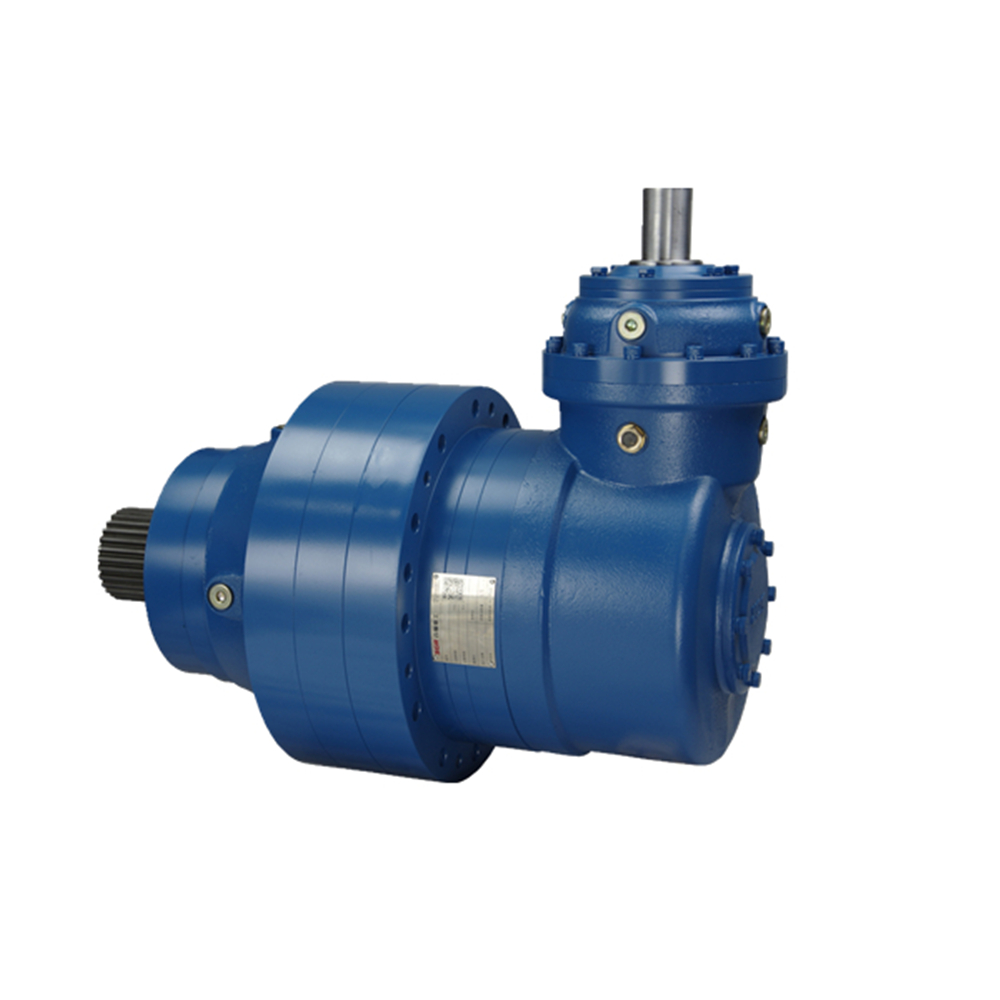
Technical data: 1. Ratio range: 3.15-30002. Input power: 0.25-55KW3. Permit torque rang: ≤ 200000N. ...
See Details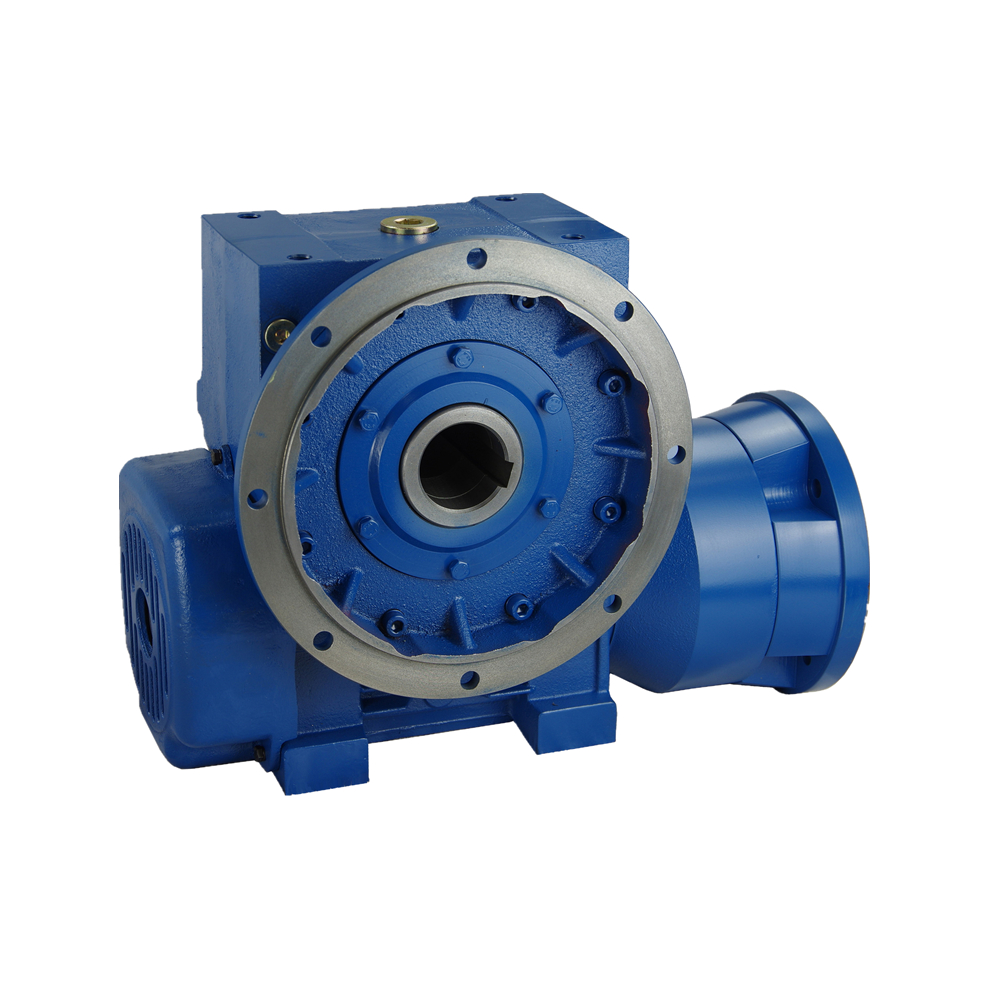
Product Description Series C double enveloping worm gearModel: 100 - 500Ratio: 10 -63Output Torque ...
See Details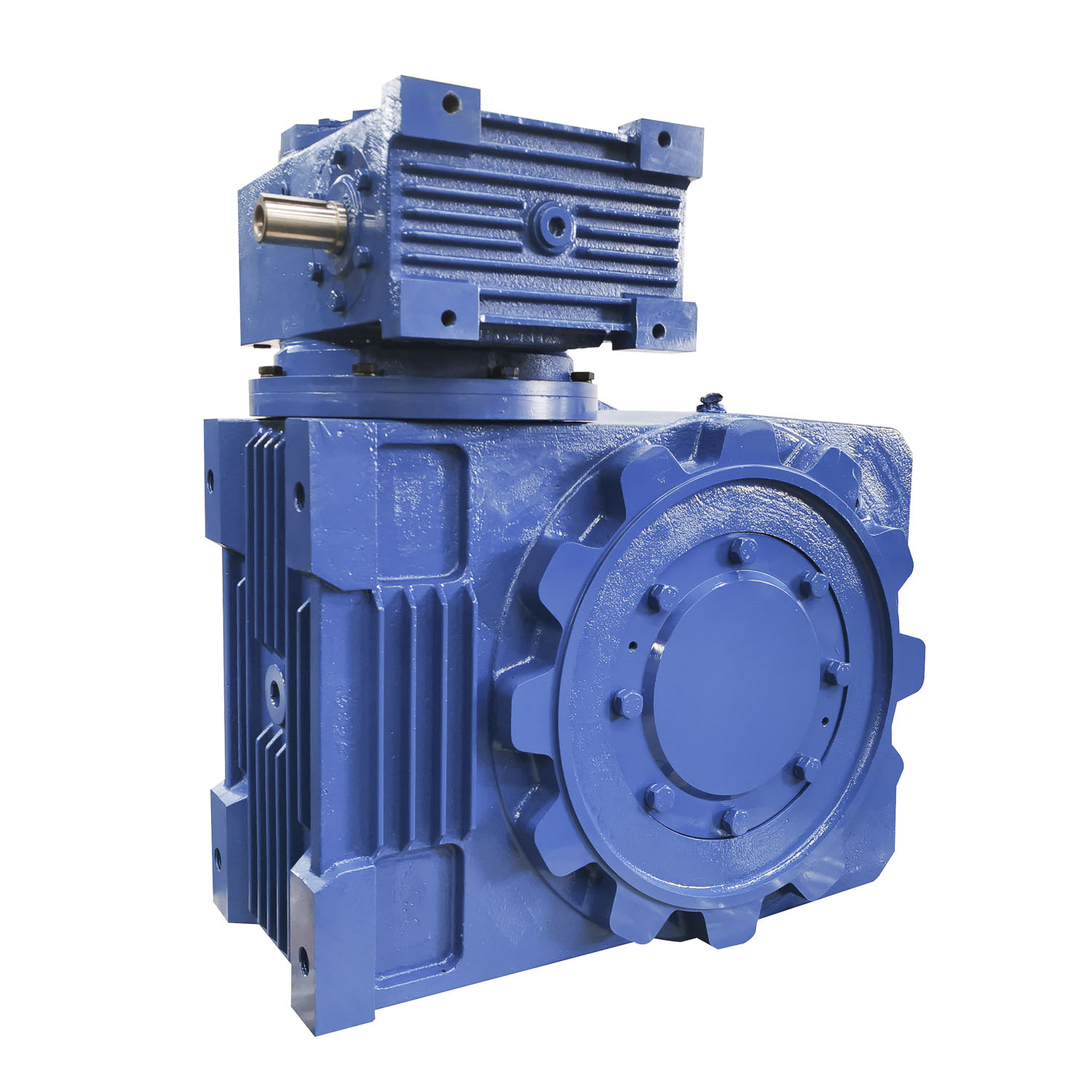
Parameters of SGR's Cast Iron Reducer Double Enveloping Worm Gearbox: Output Torque : 683 - 51180 N....
See Details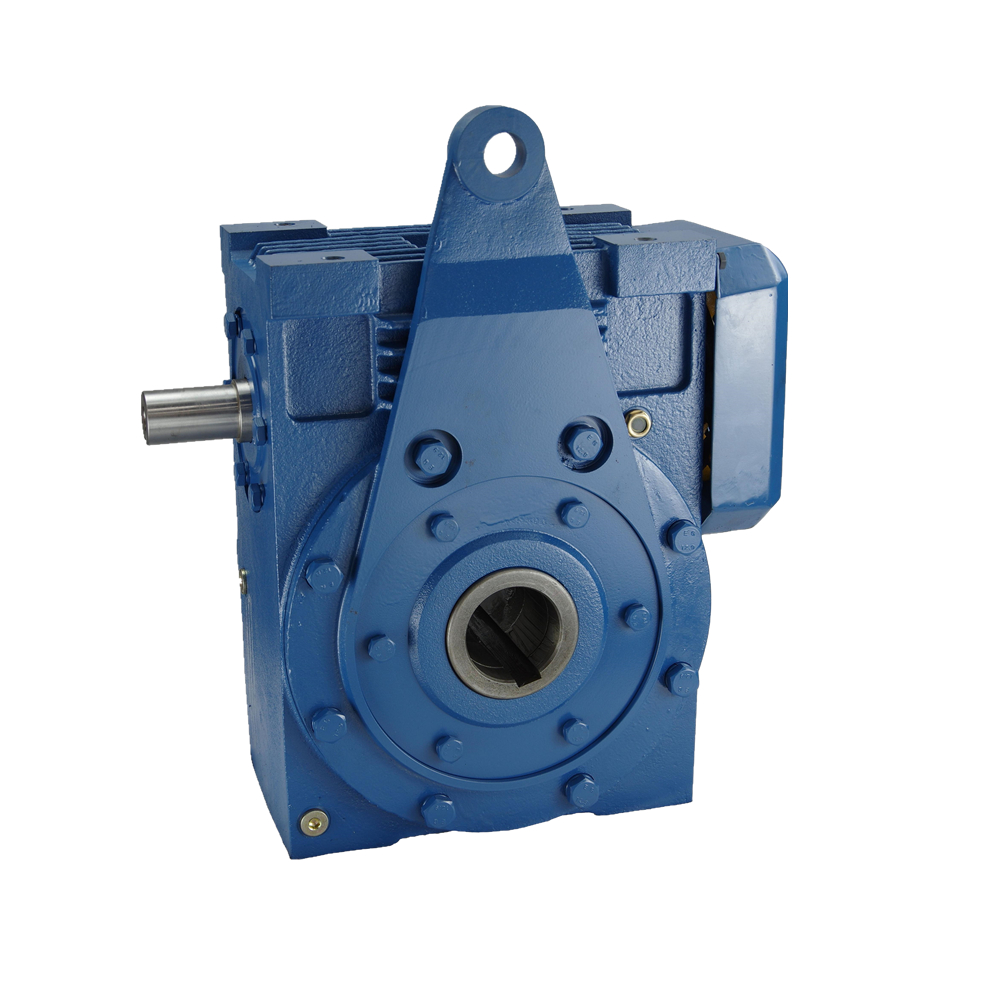
Product Description 1, High torque double enveloping worm gear adjust toughest working condition .2,...
See Details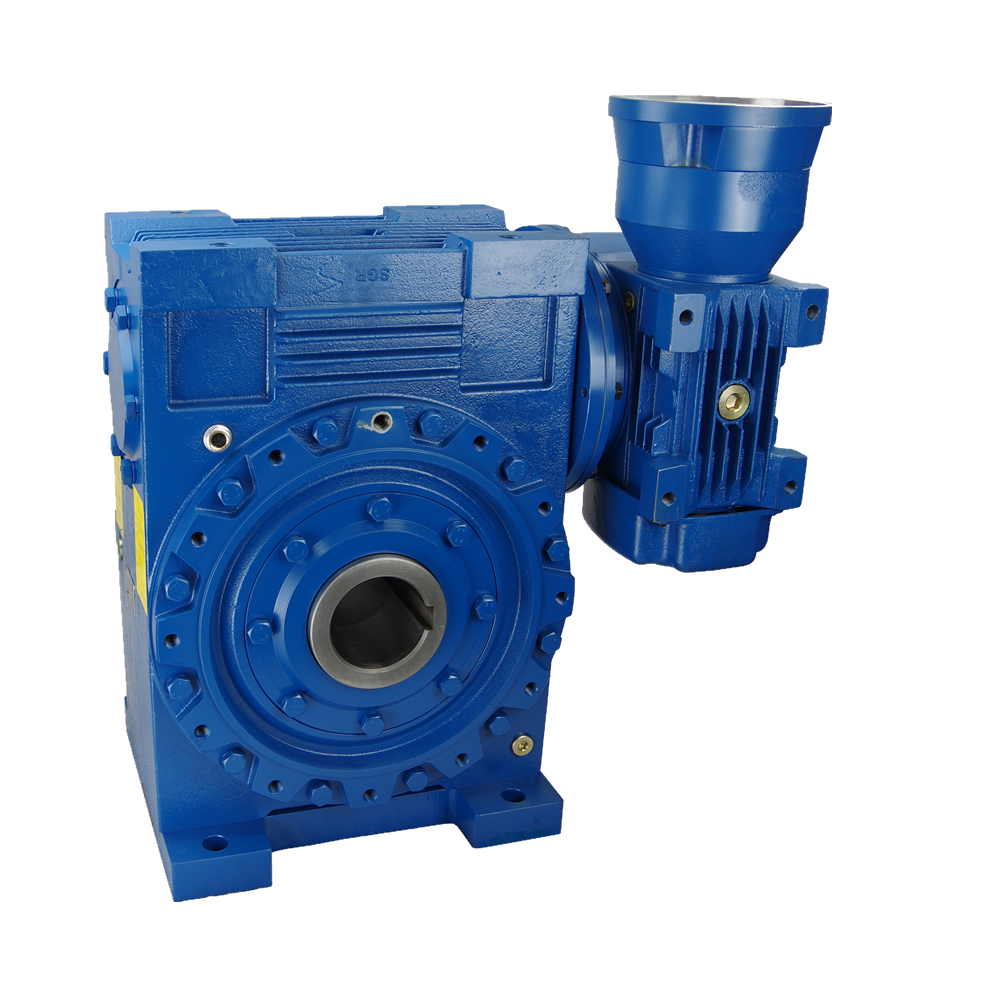
Product Description Series C double enveloping worm gearModel: 100 - 500Ratio: 10 -63Output Torque ...
See Details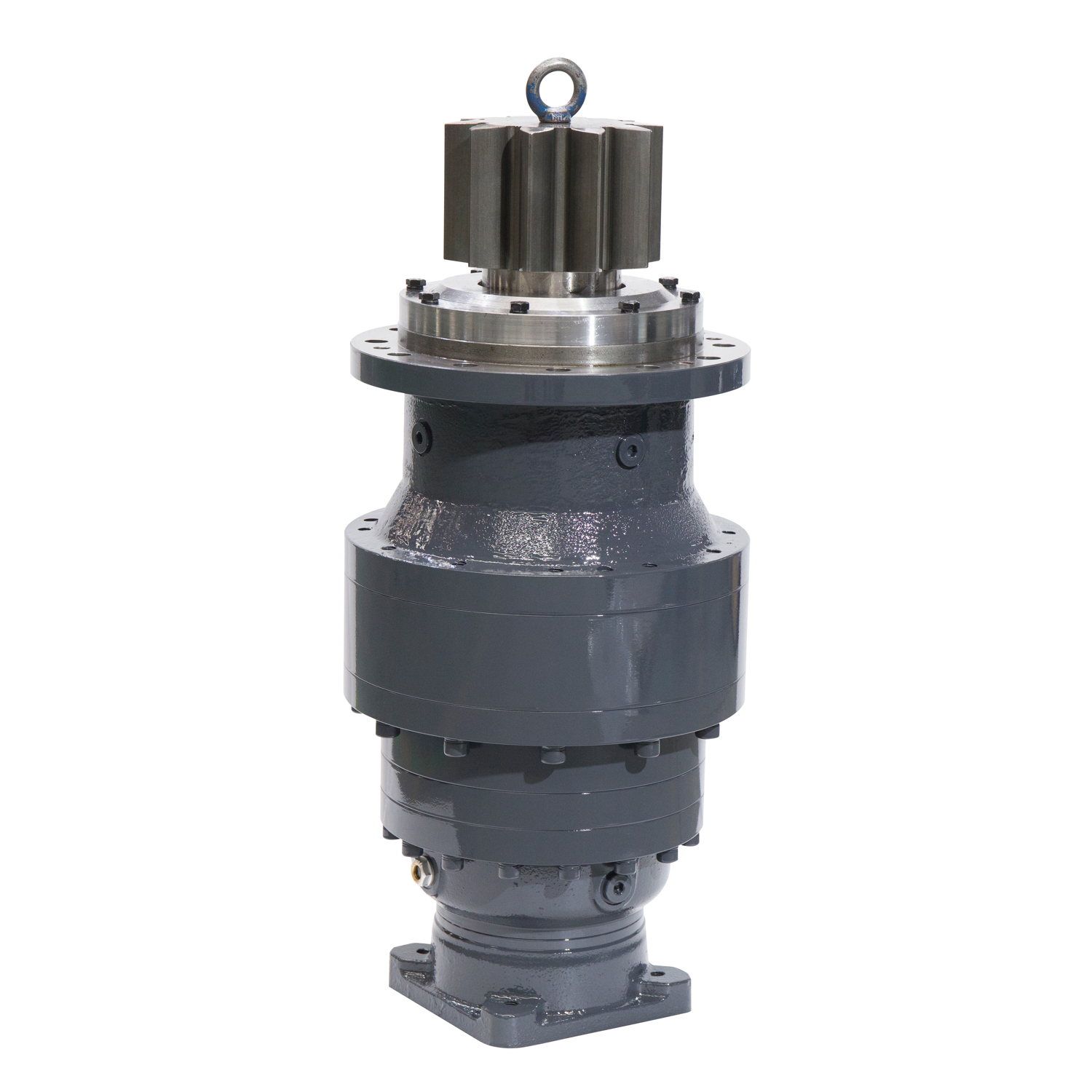
Model: 200-885Ratio: 3.15-7800Output Torque :1500Nm-540000NmRating Power :0.25KW-200kwDescription : ...
See Details
SGR is an ISO 9001 certified, DNV-accredited industry gearbox manufacturer since 1996. We supply different gear reducers to brands worldwide.