Global
  English
 中文简体
中文简体 русский
 Español
Product Info: The MNC3E400 series high speed and high torque industrial planetary gear reducers are ...
See Details
An industrial gearbox refers to a self-contained unit consisting of gear drives, worm drives, or gear-worm drives enclosed in a rigid housing. The main function of an industrial gearbox is to change speed and output torque, providing high torque and low rotational speed.
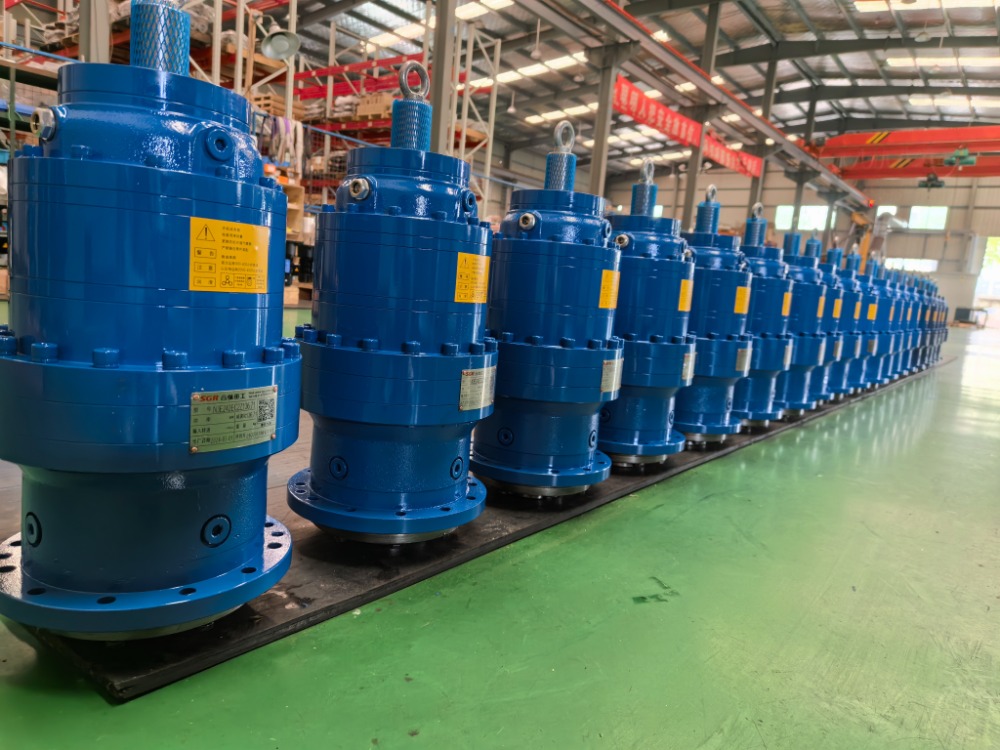
Common industrial gear reducers mainly include: gear reducers, worm gear reducers, and planetary gear reducers. In this article, the gear reducer supplier SGR will provide a comprehensive comparison of these three common types of gear reducers to help you understand them quickly.
Common types of gear reducers include cylindrical gear reducers, bevel gear reducers, and bevel-cylindrical gear reducers. Among these, cylindrical gear reducers are the most widely used and have the broadest range of applications. Cylindrical gear reducers can be further classified into single-stage, double-stage, and three-stage cylindrical gear reducers, among others.
Single-stage cylindrical gear reducers are suitable for reduction ratios of 3 to 5. The gear teeth can be straight, helical, or herringbone. The housing is usually made of cast iron, but can also be fabricated from welded steel plates. Rolling bearings are commonly used, with sliding bearings only being used for heavy loads or very high speeds.
Two-stage cylindrical gear reducers can be further divided into three types: expanded type, split-flow type, and coaxial type, with applicable reduction ratios ranging from 8 to 40.
In two-stage cylindrical gear reducers, the gears of the two-stage parallel-shaft cylindrical gear reducer are arranged asymmetrically relative to the bearings, requiring a high degree of shaft rigidity. The torque input and output ends are positioned away from the gears to reduce uneven load distribution along the gear width caused by shaft bending deformation. The parallel-shaft two-stage cylindrical gear reducer has a simple structure and is the most widely used type.
In a split-path two-stage cylindrical gear reducer, the gears are arranged symmetrically relative to the bearings, resulting in more uniform stress distribution on the gears and bearings. To minimize the total axial force on the shaft, the helix directions of the two pairs of gears should be opposite. Split-path two-stage cylindrical gear reducers have a more complex structure and are often used in applications involving high power and variable loads.
Coaxial two-stage cylindrical gear reducers have a large axial dimension, a long intermediate shaft, and relatively poor rigidity. When the immersion depth of the two large gears in the lubricating oil is similar, the load-carrying capacity of the high-speed stage gears cannot be fully utilized. Coaxial two-stage cylindrical gear reducers are commonly used in applications where the input and output shafts are on the same axis.
In general, gear reducers have high transmission efficiency, reliable operation, long service life, and are easy to maintain. They are widely used in industries such as metallurgy, mining and coal extraction, agricultural machinery, and textile printing and dyeing.
Worm gear reducers are mainly divided into cylindrical worm gear reducers, involute worm gear reducers, conical worm gear reducers, and worm-gear reducers.
Worm gear reducers are suitable for reduction ratios of 10 to 80. Worm gear reducers have a compact structure, a large transmission ratio, smooth operation, and low noise, but their transmission efficiency is low, making them suitable for low-power, intermittent applications.
Furthermore, worm gear reducers have a self-locking function in reverse, making them ideal for applications requiring prevention of load reversal and ensuring safe operation in vertical lifting and heavy-duty holding equipment. Typical applications include: lifting and hoisting equipment, mining and metallurgical equipment, valve actuators, automation and specialized machinery, etc.
For example, the worm and worm wheel of SGR’s worm gear reducers engage with multiple teeth, with the worm made of 20CrMnTi steel, carburized, hardened, and then ground, and the worm wheel made of high-performance alloy bronze, ensuring long-lasting wear resistance, high transmission efficiency, and long service life.
Compared to cylindrical worm gear sets of the same specifications, the load capacity and transmission efficiency are significantly improved. It also exhibits mechanical self-locking properties at high gear ratios, effectively enhancing the safety performance of lifting machinery. Our company has collaborated with relevant universities to conduct systematic research on design, manufacturing processes, assembly, and testing methods, hoping to contribute to the development and promotion of this novel transmission technology invented by Chinese engineers.
Planetary gear reducers include involute planetary gear reducers, cycloidal pinwheel reducers, and harmonic gear reducers. Among these, the involute planetary gear reducer is the most widely used, technologically mature, and industrially adaptable type.
Due to its unique planetary gear transmission structure, the minimum single-stage reduction ratio of a planetary gearbox is 3, and the maximum generally does not exceed 10. Common reduction ratios are: 3/4/5/6/8/10. The number of stages in a gearbox generally does not exceed 3, but some custom-made gearboxes can achieve 4 stages of reduction.
Compared to other gear reducers, planetary gear reducers offer advantages such as high rigidity, high precision, high transmission efficiency, high torque, compact size, power splitting, multi-tooth meshing, long service life, and smooth operation. Furthermore, planetary gear reducers are mostly installed on stepper motors and servo motors to reduce speed, increase torque, and match inertia. They are widely used in core areas such as industrial automation, precision machinery, new energy equipment, construction machinery, and high-end manufacturing equipment.
For example,SGR’s planetary gear reducers features gears made of 20CrMnTi steel, which are carburized, quenched, and then precision-ground. They offer advantages such as multi-tooth load sharing, smooth and reliable operation, and high mechanical efficiency.
The product is positioned as a "replacement for imported reducers of the same type" (it can replace similar products from foreign brands such as Brevini, Dynamic, Rossi, and Bonfiglioli). Its design concept and manufacturing technology are on par with international standards. Due to localized service and a favorable price-performance ratio, it has gained recognition from users in various industrial fields, including construction machinery, marine auxiliary equipment, mining machinery, and textile and printing machinery.(Author,SGR, Angie Zhang)
WhatsApp: +86 188 1807 0282
Related Video Link:https://www.tiktok.com/@gear.reducer/video/7455630850676296991
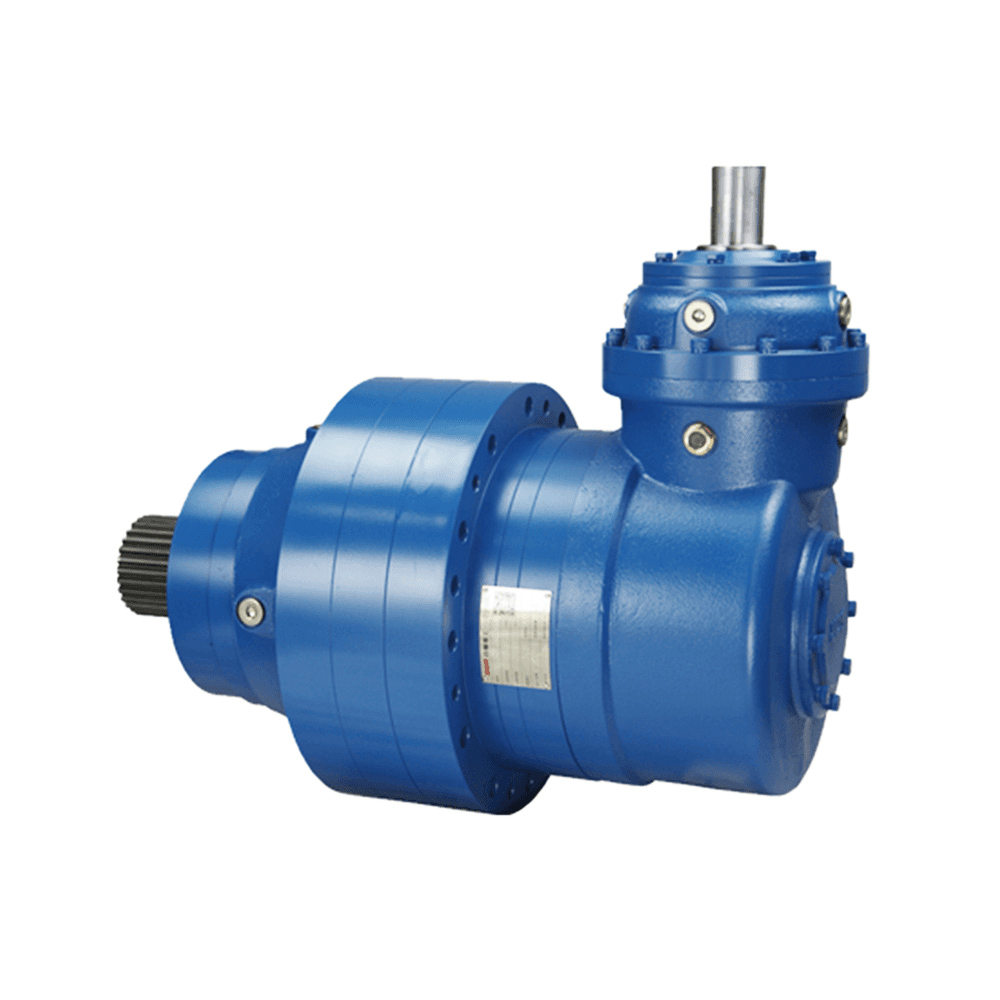
Product Info: The MNC3E400 series high speed and high torque industrial planetary gear reducers are ...
See Details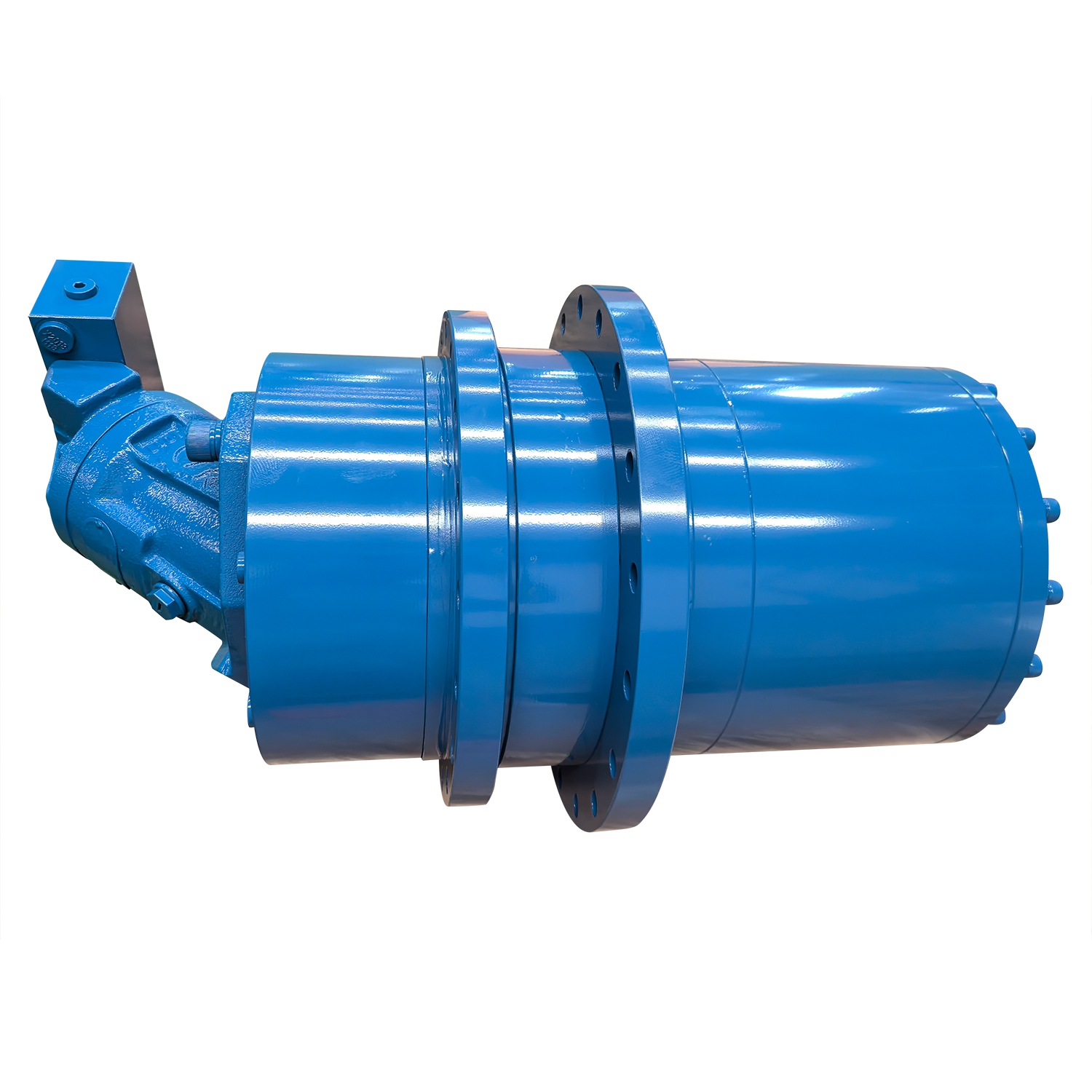
Model: 200-885 Ratio: 3.15-7800 Output Torque :1500Nm-540000Nm Rating Power :0.25KW-200kw Descripti...
See Details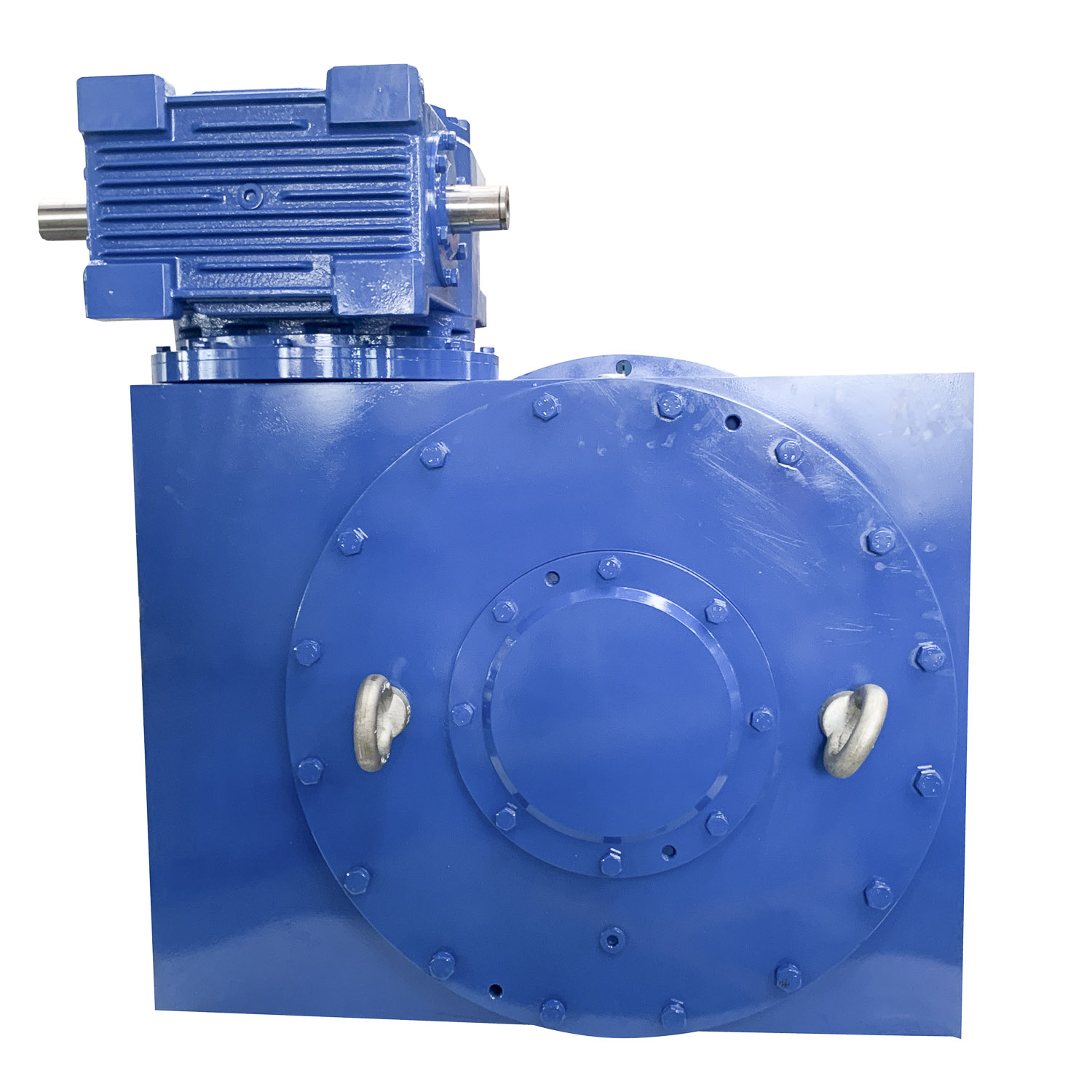
As one of famous double enveloping worm gear manufacturers,SGR's double throated worm gear has adva...
See Details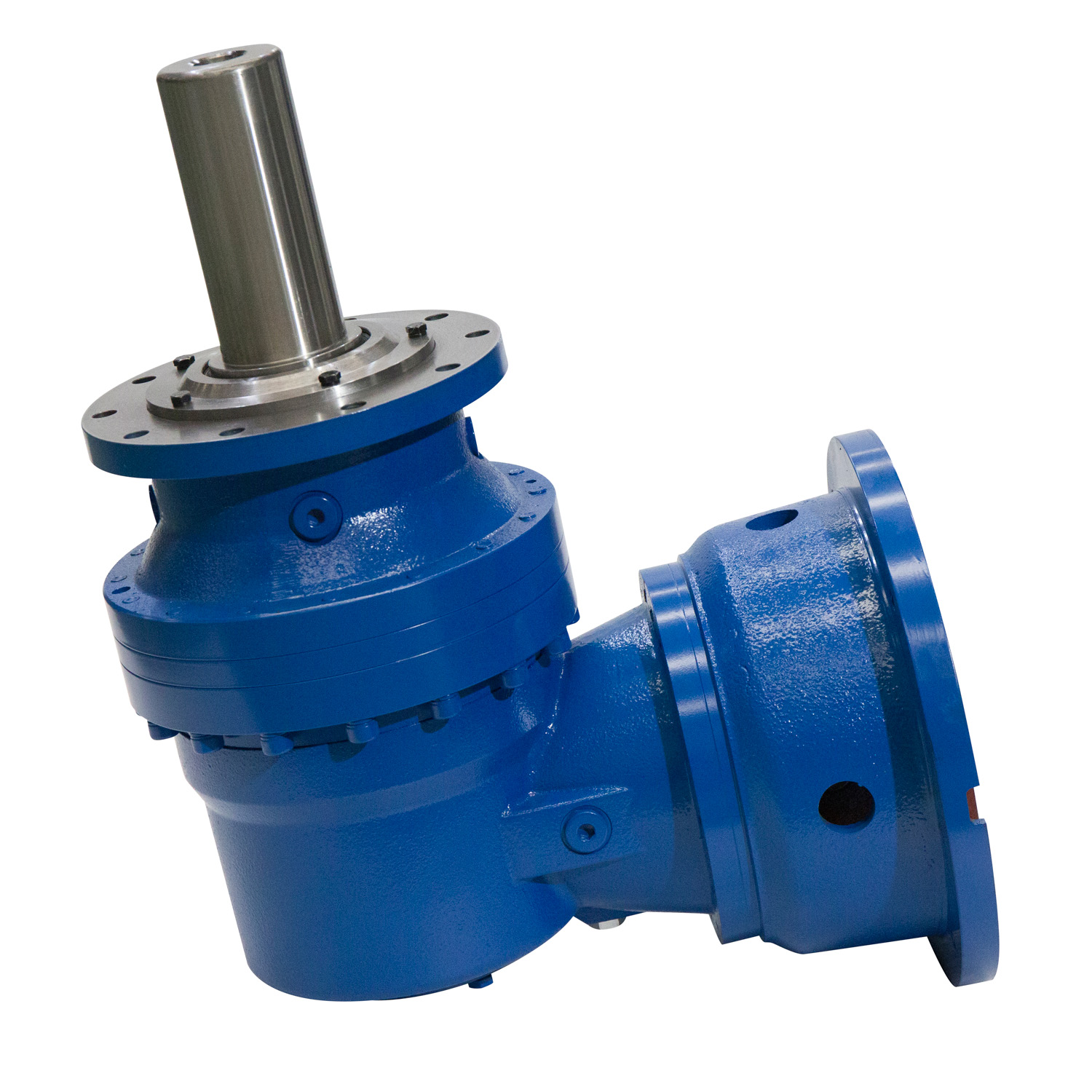
Technical data: 1. Ratio range: 3.15-90002. Input power: 0.25-55KW3. Permit torque rang: ≤ 800000N. ...
See Details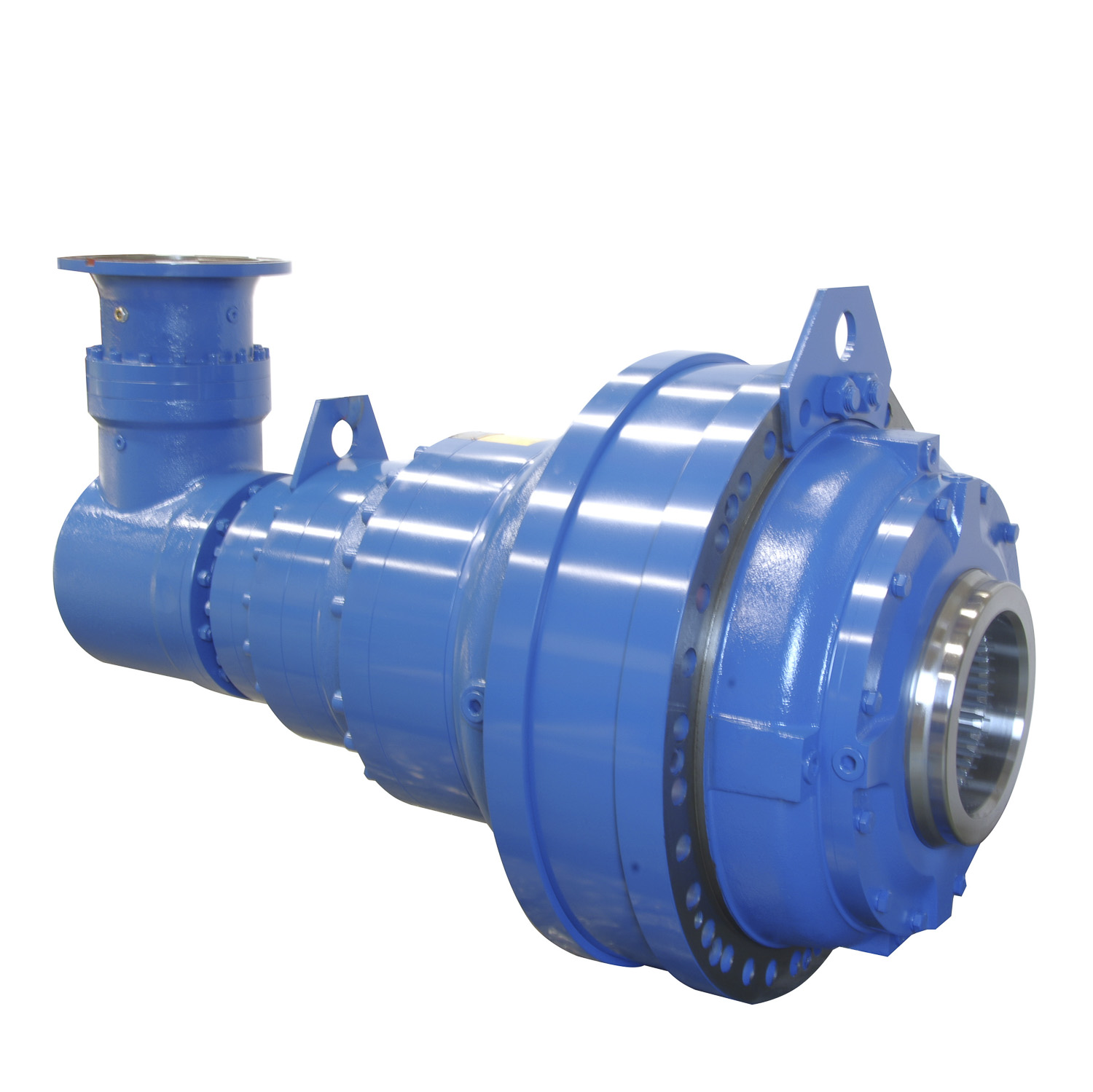
Planetary gearbox is produced by modular design, and can be combined according to client's request H...
See Details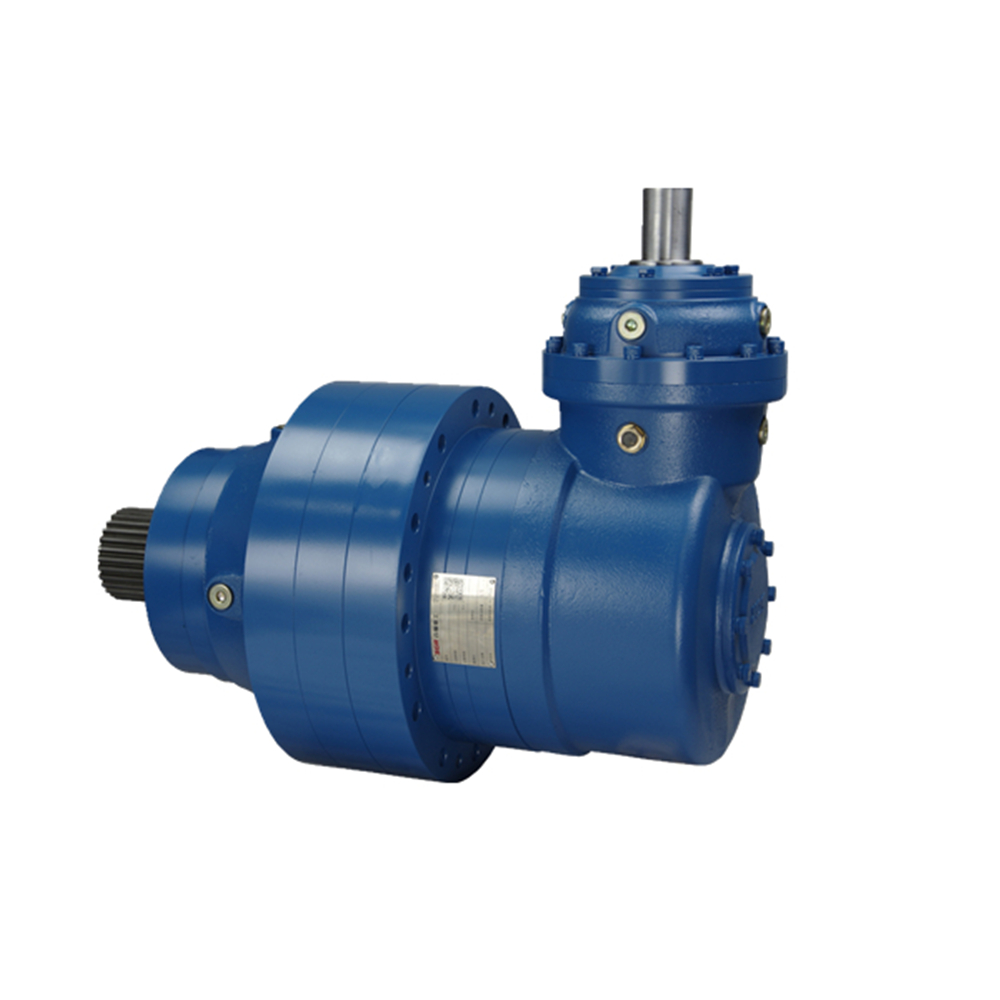
Technical data: 1. Ratio range: 3.15-30002. Input power: 0.25-55KW3. Permit torque rang: ≤ 200000N. ...
See Details
SGR is an ISO 9001 certified, DNV-accredited industry gearbox manufacturer since 1996. We supply different gear reducers to brands worldwide.