Global
 English
 中文简体
 русский
 Español
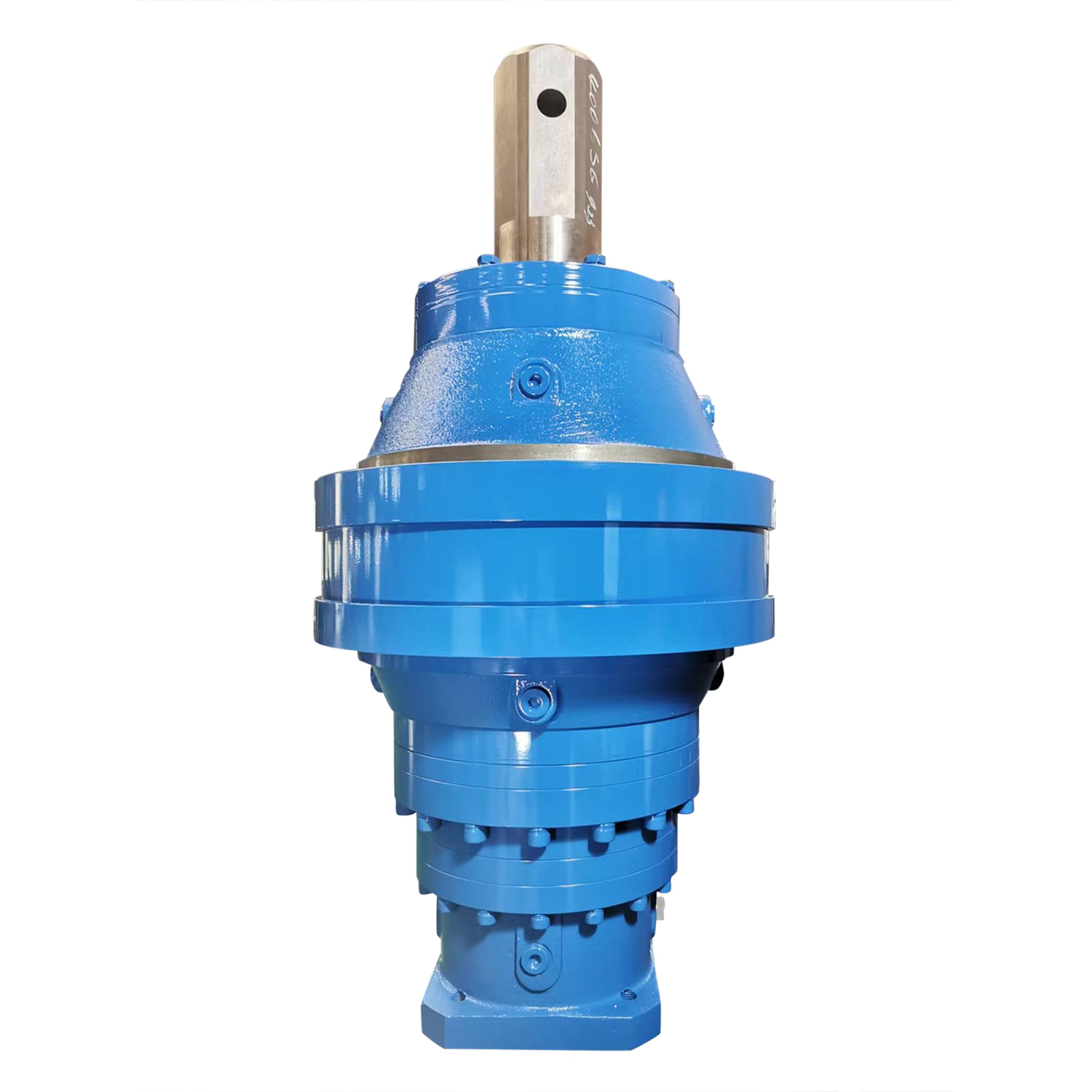
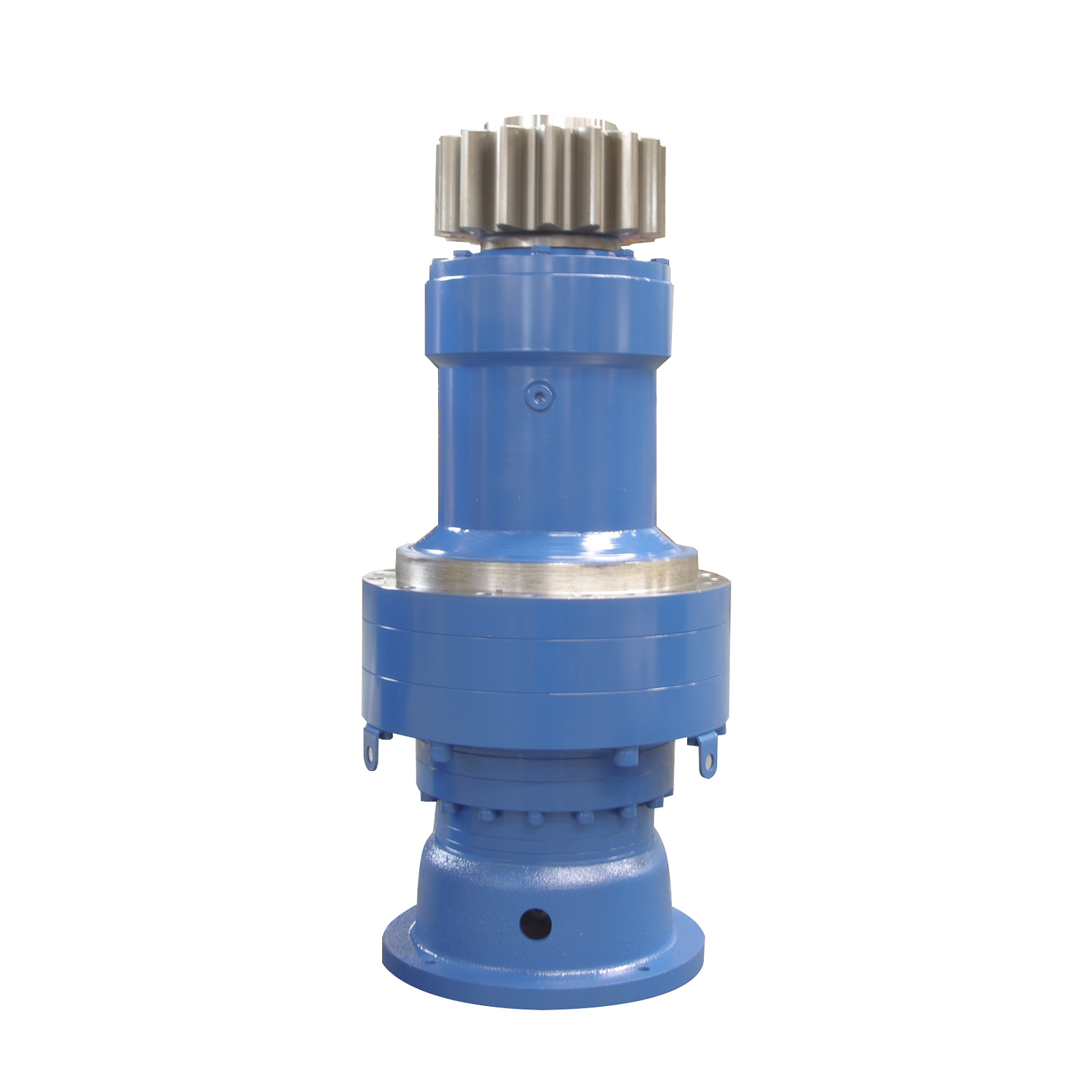
Model: 200-885Ratio: 3.15-7800Output Torque :1500Nm-540000NmRating Power :0.25KW-200kwDescription : ...
See Details
News Directory
Smart manufacturing is redefining how customised gearbox production gets done, replacing manual guesswork with digital design, real-time data, and automated precision. For manufacturers building gearboxes to unique load, speed, and installation requirements, this shift is the difference between a six-week prototype cycle and a six-day one.
Smart manufacturing is the use of connected digital systems, real-time data, and automated equipment to plan, produce, and inspect industrial components without relying on manual coordination. In customised gearbox production, this means every stage, from CAD modeling to final testing, runs on shared production data rather than isolated paper travelers or spreadsheets.
Traditional custom gearbox runs are slow because each order is effectively a new product: unique gear ratios, housing dimensions, and mounting patterns that reset the shop floor every time. Smart systems solve this by treating customization as a data problem, not a labor problem, letting the same machines and software handle order 1 and order 100 with equal precision.
Every avoidable machining error in gearbox production traces back to a design assumption that was never tested. Digital design closes that gap before a single tool touches steel.
Engineering teams that simulate load distribution and gear stress digitally routinely catch design flaws that would otherwise surface only after a physical prototype failed a bench test, saving weeks per custom order.
A gearbox is only as customised as its weakest simulated variable. Digital load testing turns "should work" into "verified to work" before a single part is cut.
Once a design is verified, precision machining and automated assembly determine whether that design becomes a reliable physical part. CNC systems handle gear hobbing, grinding, and shaping with tolerances manual machining cannot consistently hit, while robotic assembly stations manage repetitive positioning tasks that fatigue human operators.
Customised gearbox orders are typically small-batch by nature, which makes production visibility more important, not less. Connected sensors on CNC machines, inspection stations, and assembly lines feed a shared data layer that shows exactly where every order stands.
Smart inspection systems now measure gear dimensions, shaft accuracy, and component tolerances automatically, then feed those results into performance tests covering noise, vibration, temperature, and transmission efficiency. Manufacturers analyzing this data across production runs can predict likely defects before a gearbox ever leaves the factory floor, rather than discovering them in the field.
| Inspection Type | What It Verifies | Typical Method |
| Dimensional | Gear and shaft tolerances | Automated coordinate measurement |
| Performance | Noise, vibration, heat | Sensor-based bench testing |
| Predictive | Failure risk trends | Historical data analysis |
The payoff from smart manufacturing shows up most clearly in industries that cannot tolerate inconsistency: robotics platforms needing compact, high-precision transmissions; automotive production lines running automated assembly equipment; and heavy industrial machinery, such as mining and material handling systems, that demands high torque capacity and continuous-duty durability.
The next phase of customised gearbox production layers artificial intelligence on top of the data smart factories already collect, using it to predict defects and optimize processes automatically. Digital twin technology extends this further by creating live virtual models of physical gearboxes, letting manufacturers monitor real equipment conditions and test design changes without touching the production line. Combined with IoT-connected factories and cloud-based data systems, these tools point toward gearbox production that adjusts itself in near real time.
It is the use of digital design, automated machining, real-time data collection, and intelligent inspection to plan and produce gearboxes with less manual intervention and higher consistency than traditional methods.
Yes. Because programming and inspection are digital rather than manual, switching between small custom orders adds far less setup time and error risk than it does in traditional production.
By analyzing dimensional, performance, and historical production data together, manufacturers can flag likely failure points before final assembly, rather than relying solely on post-production testing.
Digital twins let manufacturers simulate performance and monitor real equipment conditions through a virtual model, making it possible to optimize a gearbox design or catch a developing issue without interrupting physical production.
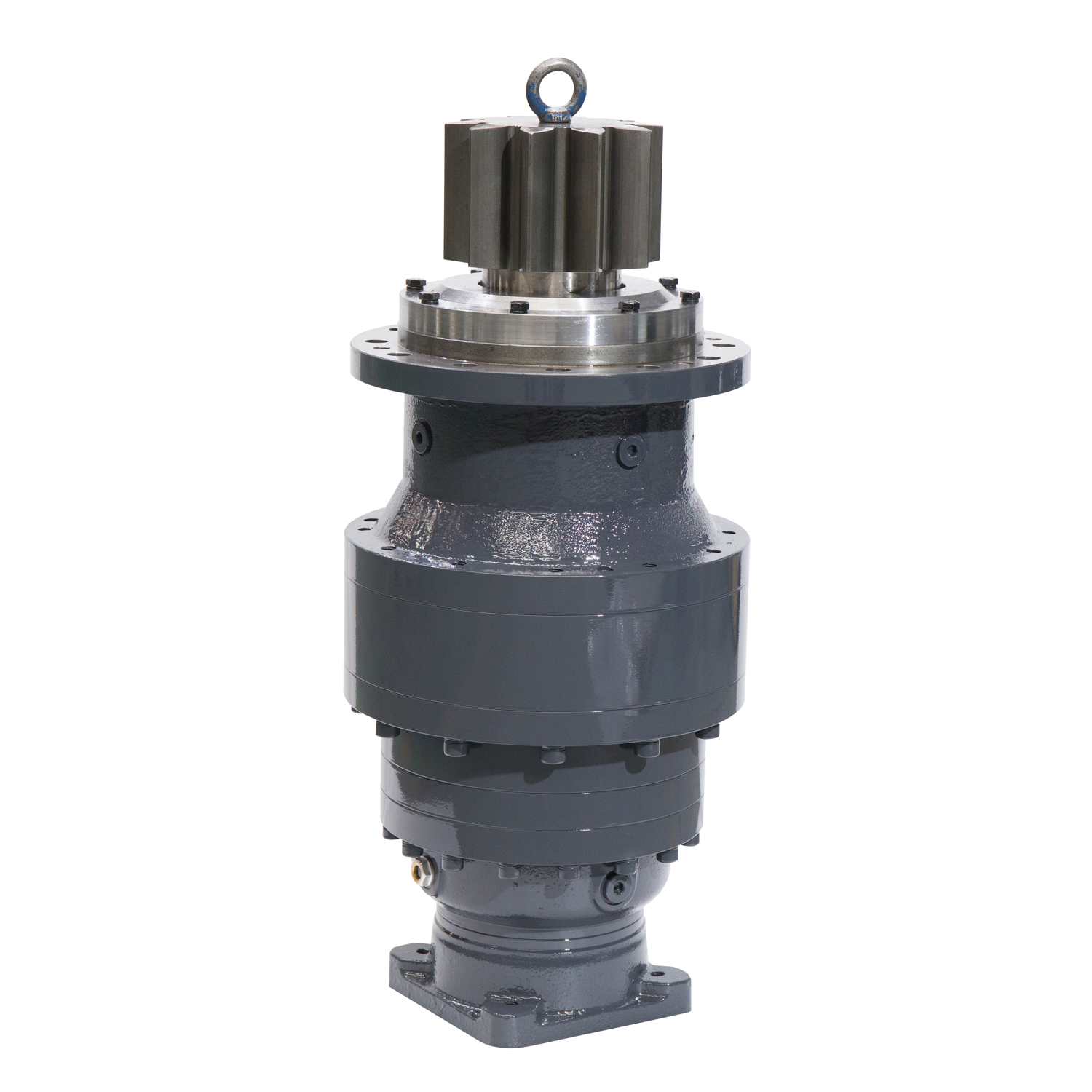
Model: 200-885Ratio: 3.15-7800Output Torque :1500Nm-540000NmRating Power :0.25KW-200kwDescription : ...
See Details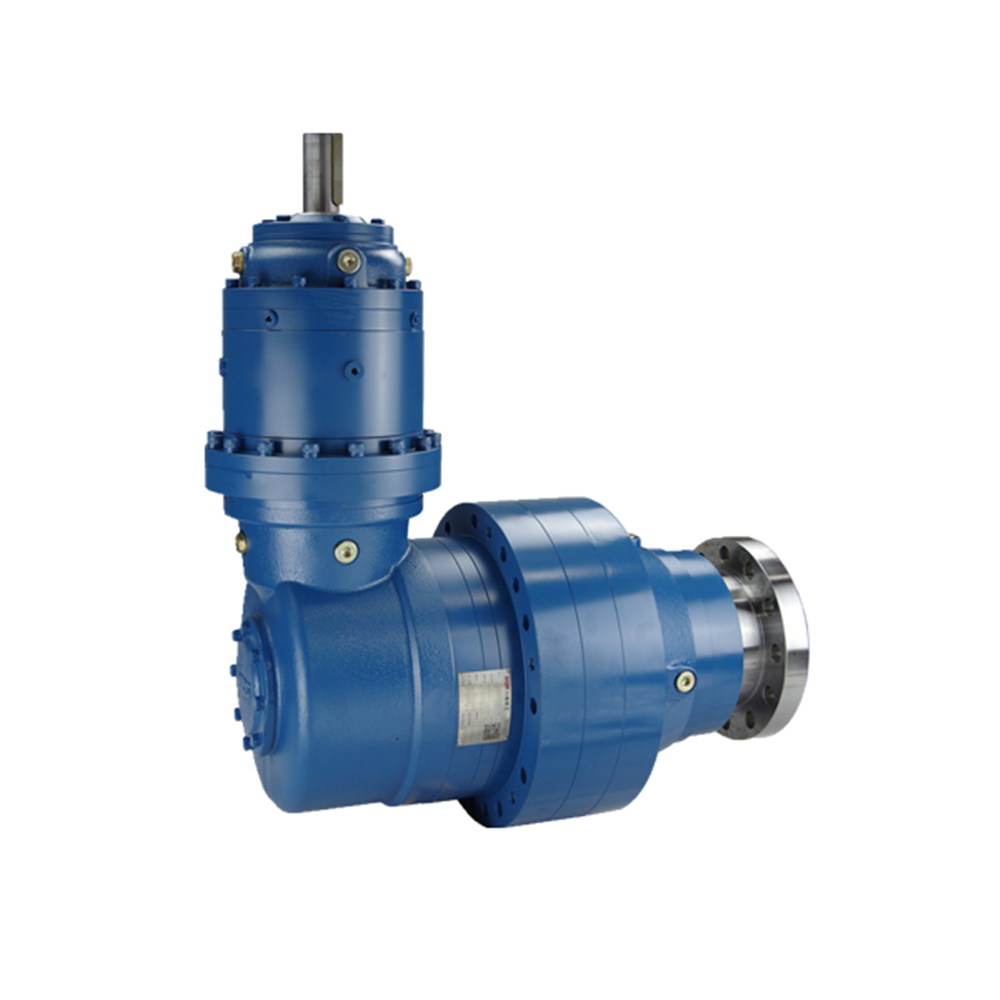
Technical data: 1. Ratio range: 3.15-30002. Input power: 0.25-55KW3. Permit torque rang: ≤ 200000N. ...
See Details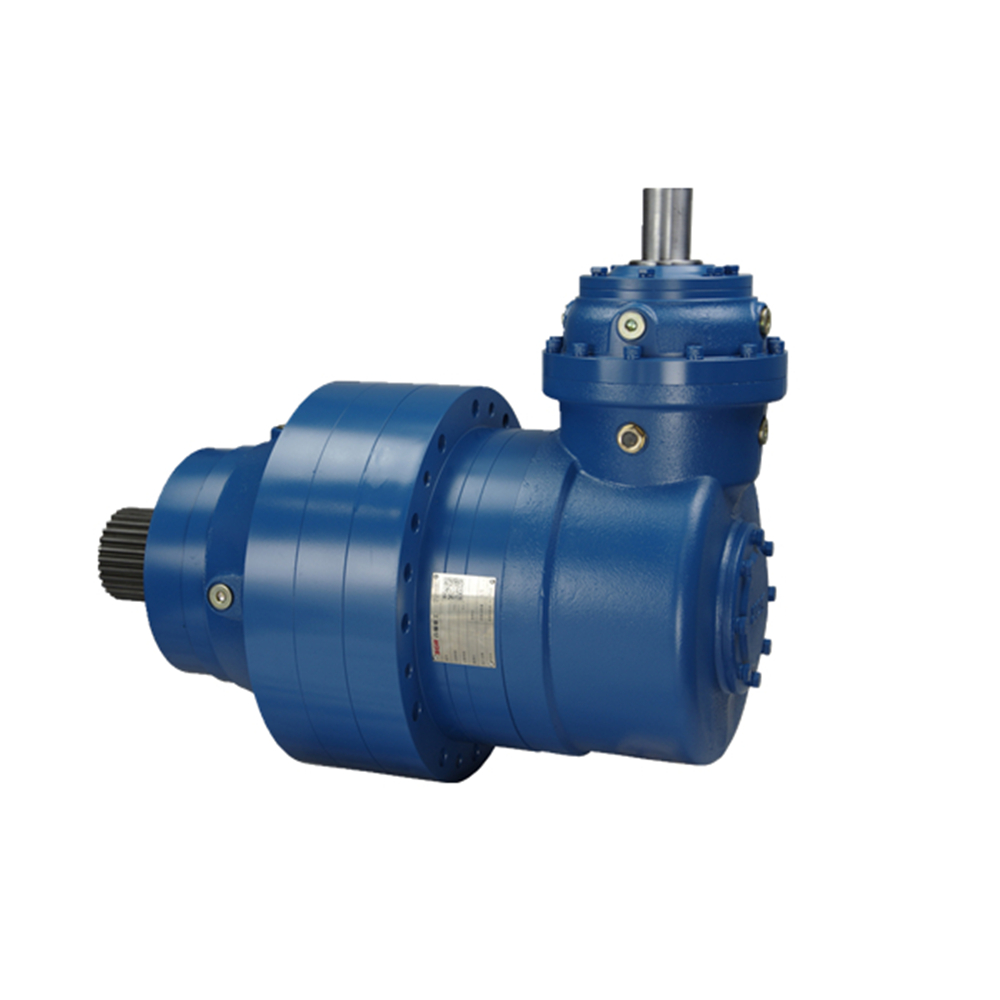
Technical data: 1. Ratio range: 3.15-30002. Input power: 0.25-55KW3. Permit torque rang: ≤ 200000N. ...
See Details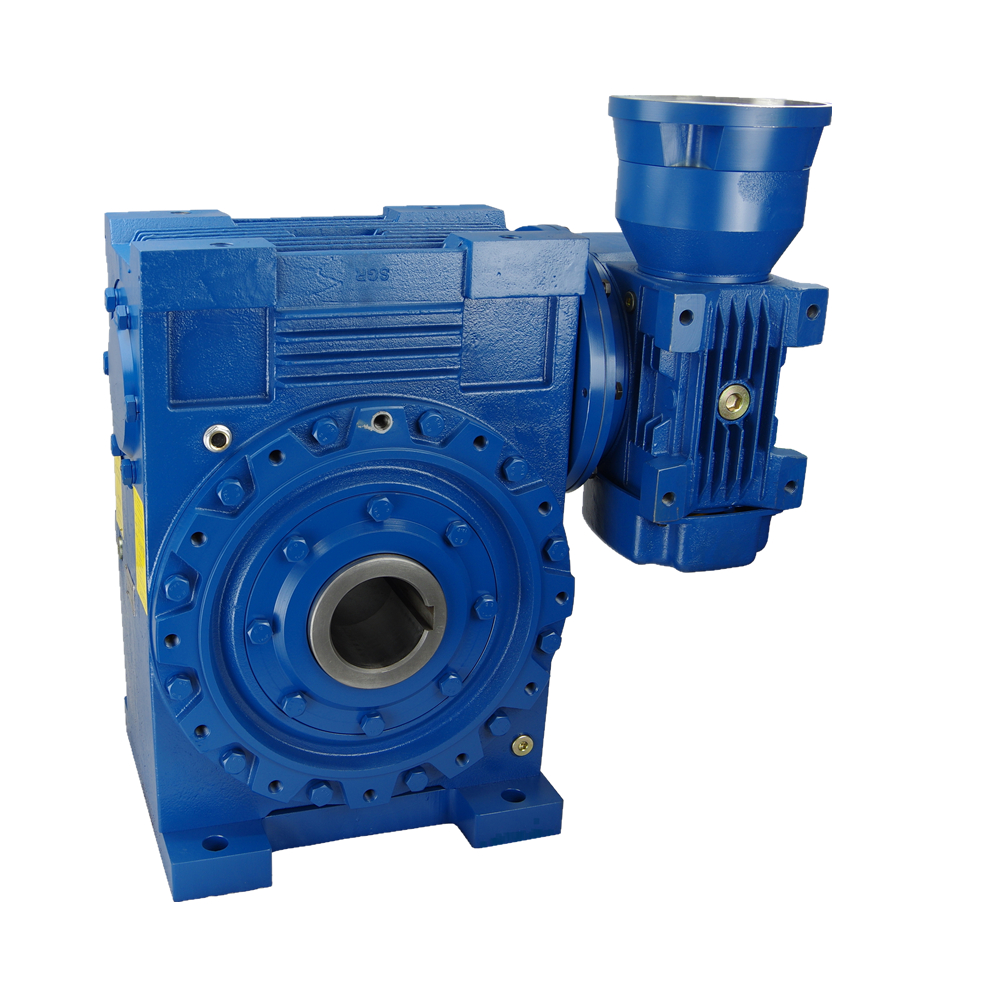
Product Description Series C double enveloping worm gearModel: 100 - 500Ratio: 10 -63Output Torque ...
See Details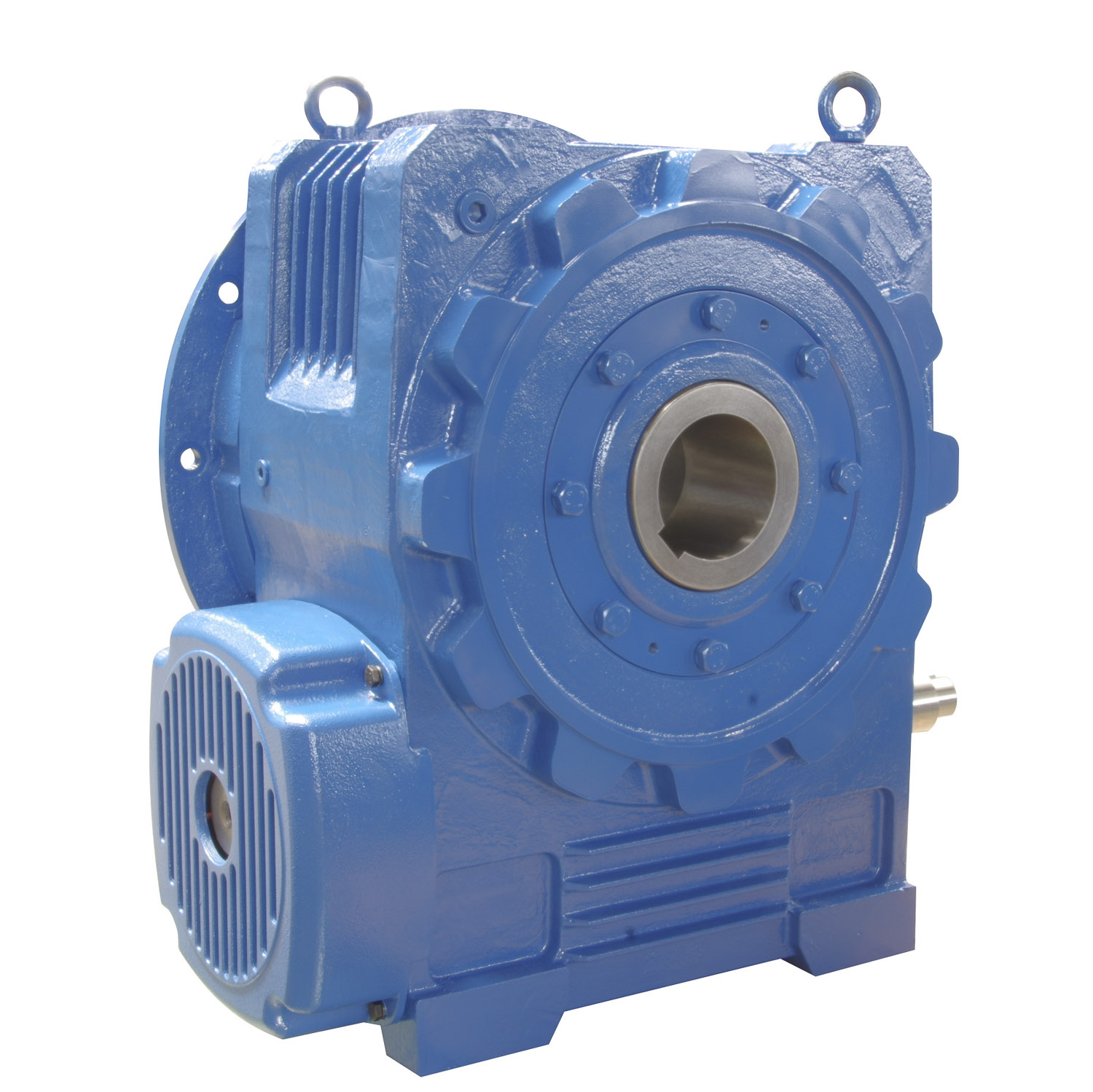
Product Description Series C double enveloping worm gearModel: 100 - 500Ratio: 10 -63Output Torque ...
See Details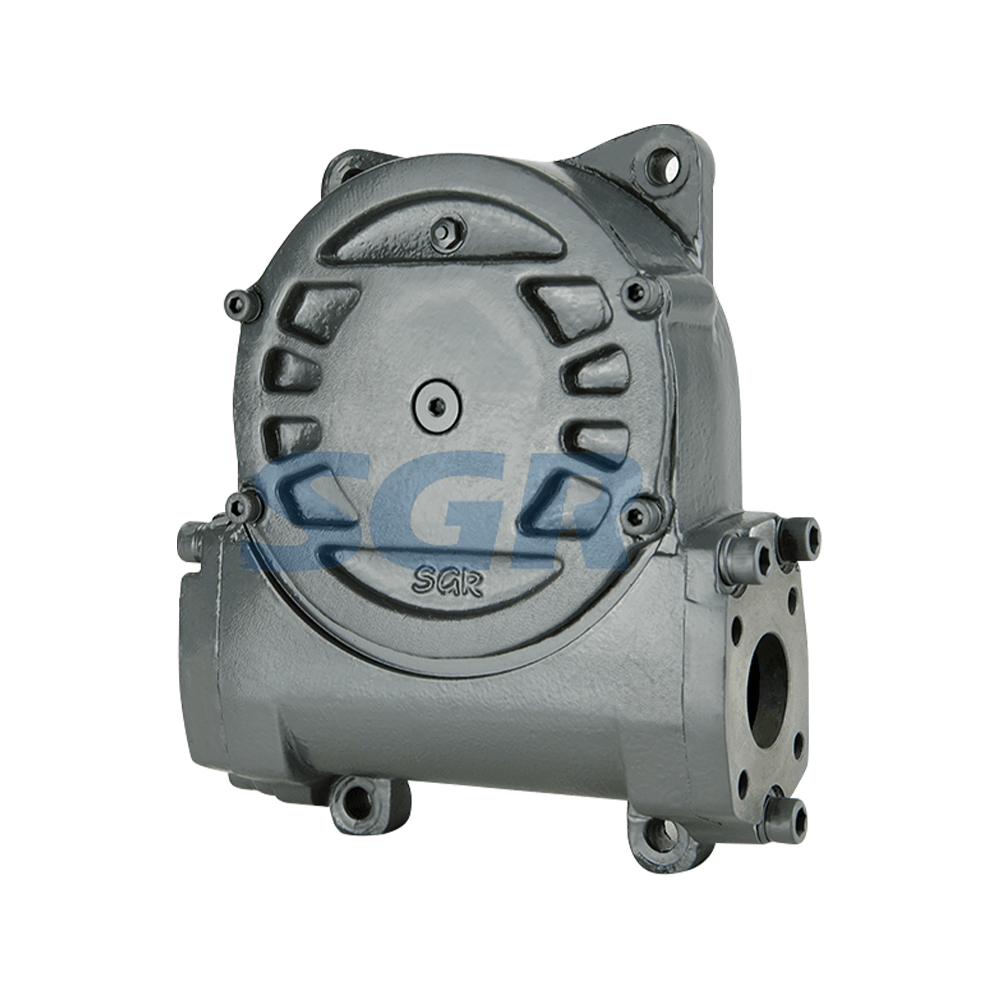
SGR develops and manufactures specialized worm gear reducers for logistics machinery attachments. T...
See Details
SGR is an ISO 9001 certified, DNV-accredited industry gearbox manufacturer since 1996. We supply different gear reducers to brands worldwide.