Global
 English
 中文简体
 русский
 Español
SGR develops and manufactures specialized worm gear reducers for logistics machinery attachments. T...
See Details
News Directory
In industrial machinery and mechanical transmission systems, operating conditions can vary significantly from one application to another. Factors such as load characteristics, working environment, installation space, operating speed, and duty cycle all influence gearbox performance and service life.
For example, mining machinery requires gearboxes capable of handling heavy loads, mechanical shock, dust, and continuous operation. Equipment such as crushers, scraper conveyors, and tunneling machinery may experience sudden overloads and demanding working cycles, placing high requirements on gear strength, thermal performance, and sealing protection.
Agricultural and livestock machinery faces a different set of challenges. Gearboxes may need to operate in muddy fields, on uneven terrain, and under frequent start-stop conditions, where reliable torque transmission and environmental protection are essential.
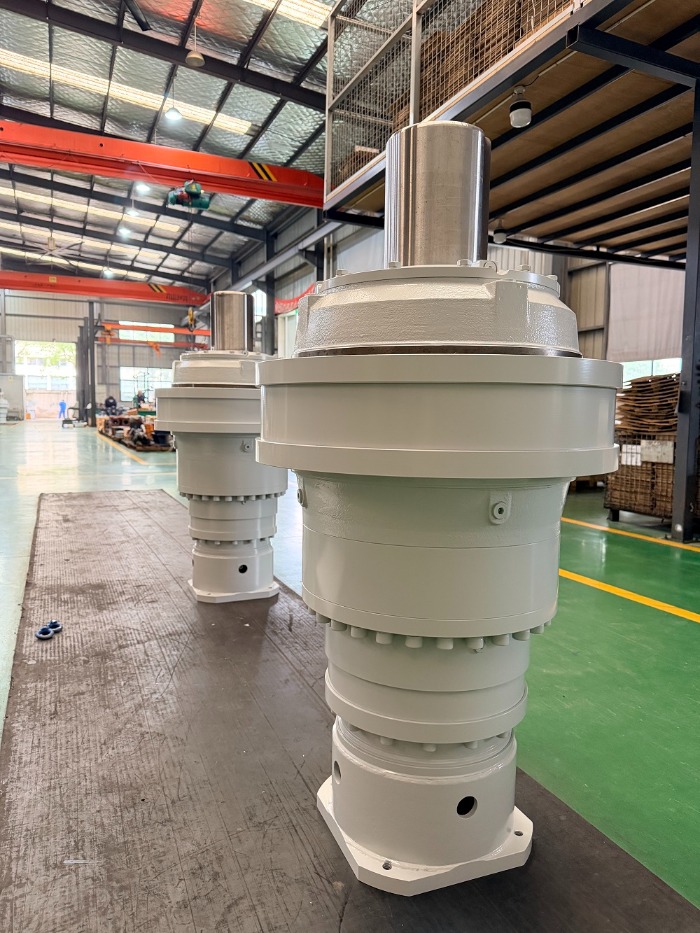
A standard planetary gearbox may not fully meet these specialized requirements because its torque rating, reduction ratio, materials, mounting dimensions, and structural configuration are generally fixed within a product series.
This is why more equipment manufacturers are considering custom planetary gearboxes. By optimizing gear parameters, material selection, lubrication, sealing, and housing structures, manufacturers can develop transmission solutions that better match the actual operating conditions of their equipment.
For industrial buyers, customization is not simply about making a gearbox different. It is about achieving a better match between the transmission system and the machine.
A custom planetary gearbox is a transmission solution designed or configured according to the specific operating requirements of a machine or industrial application.
Unlike a standard gearbox selected from an existing product catalog, a customized planetary gearbox may involve adjustments to its transmission parameters, internal components, materials, lubrication system, housing, and mounting interfaces.
The main objective is to ensure that the gearbox can deliver the required output torque and speed while fitting the equipment's mechanical structure and working environment.
The following factors are commonly considered during planetary gearbox customization.
Torque and reduction ratio are among the most important parameters in planetary gearbox selection.
A gearbox must be capable of handling the equipment's rated torque as well as peak torque during starting, braking, reversing, or sudden load changes.
During customization, engineers evaluate required input power and input speed,
rated output torque,peak or shock torque,required reduction ratio,output speed,operating cycle and load characteristics, and appropriate service factor.
Proper torque and ratio matching helps prevent overloading, excessive wear, and premature gearbox failure.
For equipment with frequent starts and stops or fluctuating loads, the gearbox should be evaluated according to the actual load profile rather than rated torque alone.
Gear material and heat-treatment processes have a direct influence on load capacity, wear resistance, and fatigue life.
For industrial planetary gearboxes, alloy carburizing steels such as 20CrMnTi may be selected according to the design requirements. Depending on the material specification and manufacturing process, carburizing, quenching, tempering, and precision gear grinding can help improve tooth-surface hardness, wear resistance, and dimensional accuracy.
For applications involving frequent starts, heavy loads, or mechanical shock, engineers may need to pay particular attention to:gear tooth strength,surface hardness,core toughness,contact fatigue resistance,bending fatigue strength and gear machining accuracy.
The appropriate material and heat-treatment process should be determined according to the actual gearbox design and operating conditions.
Different working environments require different levels of gearbox protection.
Food processing, pharmaceutical production, and cleaning environments may require enhanced sealing, suitable corrosion-resistant materials, and food-grade lubricants where the application demands them.
Mining and construction machinery, on the other hand, often operates in dusty, muddy, or moisture-exposed environments. These applications may require improved oil seals, sealing structures, and housing protection to reduce the risk of contamination and lubricant leakage.
For marine auxiliary equipment, salt spray and humidity are additional factors that must be considered.
A customized sealing solution helps the gearbox better withstand its actual working environment.
Limited installation space is a common challenge in machinery design.
In some cases, the dimensions or connection interfaces of standard planetary gearboxes do not match the equipment structure. Customization may therefore involve customized input and output flanges,solid or hollow output shafts,special shaft connections,compact housing designs,customized mounting interfaces and special installation orientations.
For applications requiring a right-angle transmission arrangement, an appropriate right-angle gearbox configuration may also be considered, depending on the product design.
A suitable mounting structure can reduce unnecessary adapters and help simplify the overall transmission system.
Continuous-duty equipment places additional demands on gearbox lubrication and heat dissipation.
If a gearbox operates under high loads or at elevated speeds for extended periods, excessive temperature rise may accelerate lubricant degradation and affect component service life.
Depending on the application, engineers may optimize:lubricant type and viscosity,
grease or oil lubrication arrangements,lubrication capacity,oil seals and sealing structures,housing heat-dissipation features,cooling arrangements where required.
The purpose is to maintain suitable lubrication conditions and operating temperatures throughout the expected duty cycle.
The greatest advantage of a custom planetary gearbox is that its configuration can be matched to the actual requirements of the equipment.
Different machines have different transmission challenges. A gearbox designed for a packaging line may not be suitable for a mining crusher, while a marine auxiliary gearbox requires different protection considerations from an agricultural machinery gearbox.
Here are four typical applications where customized planetary gearboxes can provide practical benefits.
Food packaging lines often involve frequent starts and stops, repeated positioning, and continuous production. Gearboxes used in these systems may need low backlash, stable output, suitable lubrication, and appropriate sealing.
A customized planetary gearbox can be configured according to the machine's positioning requirements, installation dimensions, and operating environment.
For food-related applications, food-grade lubricant and suitable sealing arrangements should be specified where required by the equipment's hygiene standards.
Mining and lifting equipment frequently operates under heavy loads, vibration, dust, and sudden load changes.
Standard gearboxes may not provide sufficient torque capacity or environmental protection for certain demanding applications.
Customized planetary gearboxes can be designed or configured with appropriate torque ratings, gear strength, bearing capacity, sealing arrangements, and mounting structures to meet these requirements.
Typical applications include mining conveyors, crushers, hoisting equipment, and heavy-duty lifting machinery.
Filling and capping machines often operate through repeated acceleration, deceleration, and positioning cycles.
The transmission system must provide stable output torque and speed while maintaining reliable operation under frequent starts and stops.
Depending on the machine design, a customized planetary gearbox may feature low backlash,suitable torsional rigidity,compact mounting dimensions,reliable torque transmission,appropriate input and output interfaces.
These features help the gearbox match the machine's motion-control and installation requirements.
Marine auxiliary machinery operates in humid, salt-laden environments and may experience vibration and impact caused by vessel movement.
In addition, installation space inside vessels is often limited.
A customized planetary gearbox for marine equipment may require enhanced sealing, appropriate corrosion protection, high load capacity, and a compact coaxial transmission structure.
Typical applications include marine winches, anchor-handling mechanisms, gangway lifting systems, and other auxiliary drive systems.
Although customized planetary gearboxes offer greater flexibility, customization is not necessary for every application.
If the operating conditions are relatively stable, the load is predictable, installation space is sufficient, and standard product specifications meet the technical requirements, a standard planetary gearbox may be more economical and faster to deliver.
However, customization should be considered when one or more of the following situations occur.
The existing installation space may be limited, or the input and output interfaces may not match the equipment structure.
In this case, customized flanges, shaft configurations, housing dimensions, or mounting arrangements may be necessary.
Some machines require higher output torque, lower backlash, greater torsional rigidity, or a specific reduction ratio that is not available in standard product configurations.
A customized solution can help match the gearbox specifications to the actual mechanical requirements.
Frequent starts and stops, shock loads, dust, moisture, high temperatures, and continuous heavy-duty operation can accelerate gearbox wear if the transmission system is not properly selected.
Customization may be required to optimize materials, heat treatment, sealing, lubrication, and thermal performance.
Many equipment manufacturers and industrial operators use imported planetary gearboxes in their existing machinery.
When considering a replacement, buyers may want to retain the original installation dimensions, input and output connections, reduction ratio, and required performance characteristics.
A customized replacement gearbox can be developed after evaluating the original gearbox model, technical drawings, nameplate information, and actual operating conditions.
This approach can help reduce unnecessary equipment modifications and simplify the replacement process.
For machinery manufacturers producing multiple units of the same equipment, a standardized customized gearbox solution can help unify transmission configurations across the product range.
This may simplify spare-parts management, maintenance procedures, equipment assembly, and long-term procurement.
It is especially useful when the machine has non-standard transmission requirements that cannot be fully met by catalog products.
There is no universal answer. The right choice depends on the machine's operating conditions and technical requirements.
|
Evaluation Factor |
Standard Planetary Gearbox |
Custom Planetary Gearbox |
|
Product configuration |
Existing catalog specifications |
Adjusted to application requirements |
|
Delivery time |
Usually shorter |
May require additional engineering and production time |
|
Initial cost |
Generally more economical |
May involve higher development and manufacturing costs |
|
Installation |
Standard mounting interfaces |
Customized mounting and connection options |
|
Torque and ratio |
Limited to available models |
Can be configured for specific requirements |
|
Operating environment |
Suitable for defined standard conditions |
Can be optimized for demanding conditions |
|
Replacement projects |
Suitable when dimensions and parameters match |
Useful for non-standard or imported gearbox replacement |
A practical selection principle: Choose a standard gearbox when its specifications fully meet the equipment requirements. Consider customization when standard products cannot provide the required performance, installation compatibility, or environmental protection.
Customization should create measurable technical or operational value rather than simply add complexity.
Selecting a customized planetary gearbox requires close communication between the equipment manufacturer and gearbox supplier.
To help SGR's engineering team evaluate your application, it is useful to provide the following information:
Describe the machine, its application, and the function of the gearbox in the transmission system.
Provide the input power, input speed, required output speed, and reduction ratio if available.
Specify the rated torque, peak torque, load variations, starts and stops, and expected operating cycle.
Provide the gearbox outline drawing, mounting dimensions, input and output shaft or flange details, and available installation space.
Describe ambient temperature, dust, moisture, vibration, corrosion exposure, and other relevant operating conditions.
For replacement projects, provide the original gearbox brand and model, nameplate information, technical drawings, and photographs whenever possible.
Based on these details, SGR can evaluate the application requirements and discuss a suitable planetary gearbox configuration.
SGR specializes in industrial transmission products, including N-series planetary gearboxes and double-enveloping worm gear reducers.
With experience in planetary transmission applications across mining, drilling, agricultural machinery, marine auxiliary equipment, material handling, and other industrial sectors, SGR understands that different machines require different gearbox configurations.
SGR can support customers with:
Application-based gearbox selection: Evaluating torque, speed, reduction ratio, load characteristics, and operating conditions.
Flexible configuration options: Discussing input and output arrangements, mounting structures, and reduction-stage configurations.
Material and manufacturing considerations: Selecting suitable gear materials and manufacturing processes according to application requirements.
Customized transmission solutions: Supporting non-standard equipment and specific installation requirements.
Imported gearbox replacement evaluation: Assessing original gearbox specifications and compatibility requirements.
Whether you are developing new machinery, upgrading existing equipment, or looking for an alternative to an imported planetary gearbox, SGR can work with your engineering team to evaluate a suitable transmission solution.(Author,SGR,Angie Zhang)
WhatsApp: +86 188 1807 0282
SGR develops and manufactures specialized worm gear reducers for logistics machinery attachments. T...
See Details
Key feature:Planetary gearbox is produced by modular design, and can be combined according to client...
See Details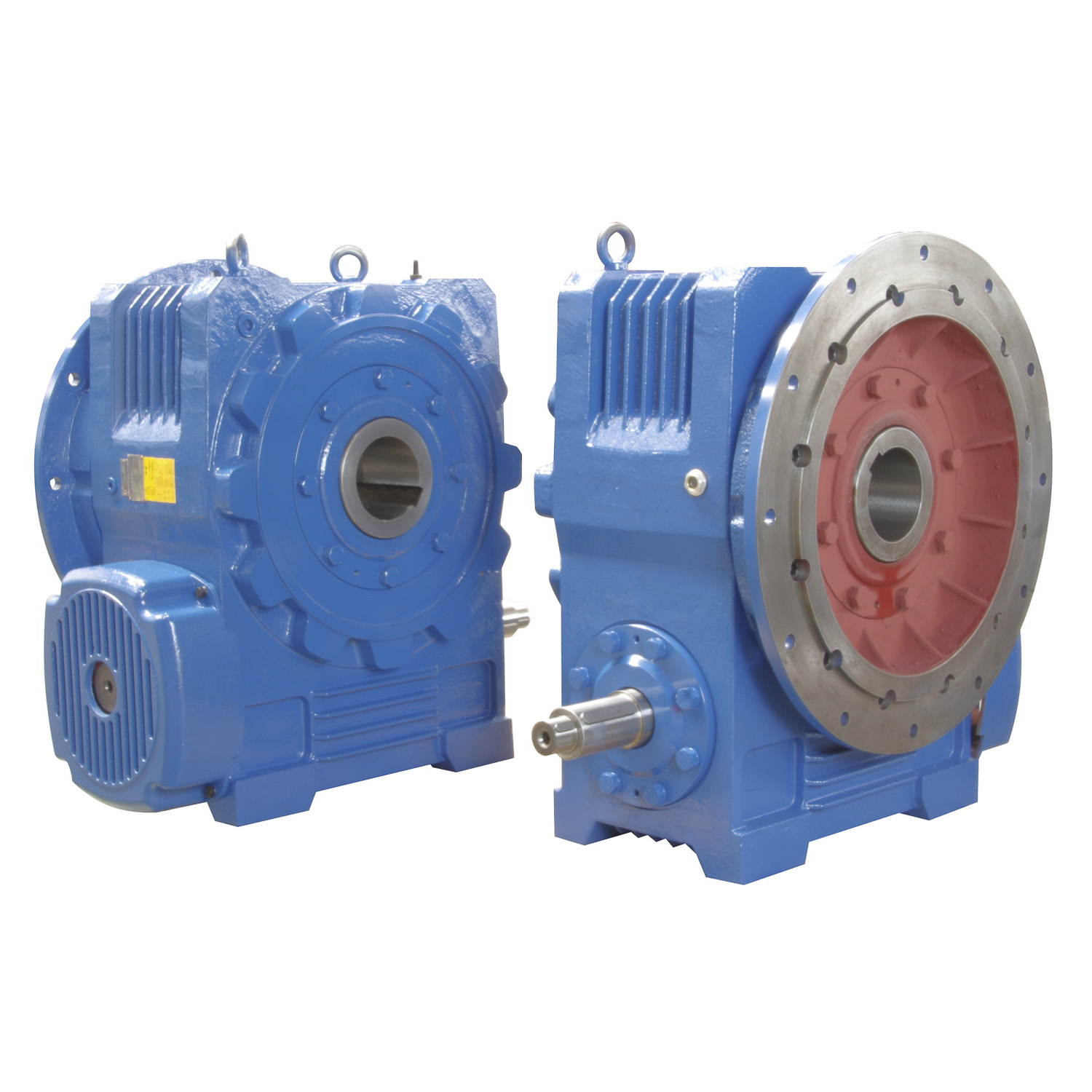
In term of difference of double enveloping worm gear design and traditional worm gear design , do...
See Details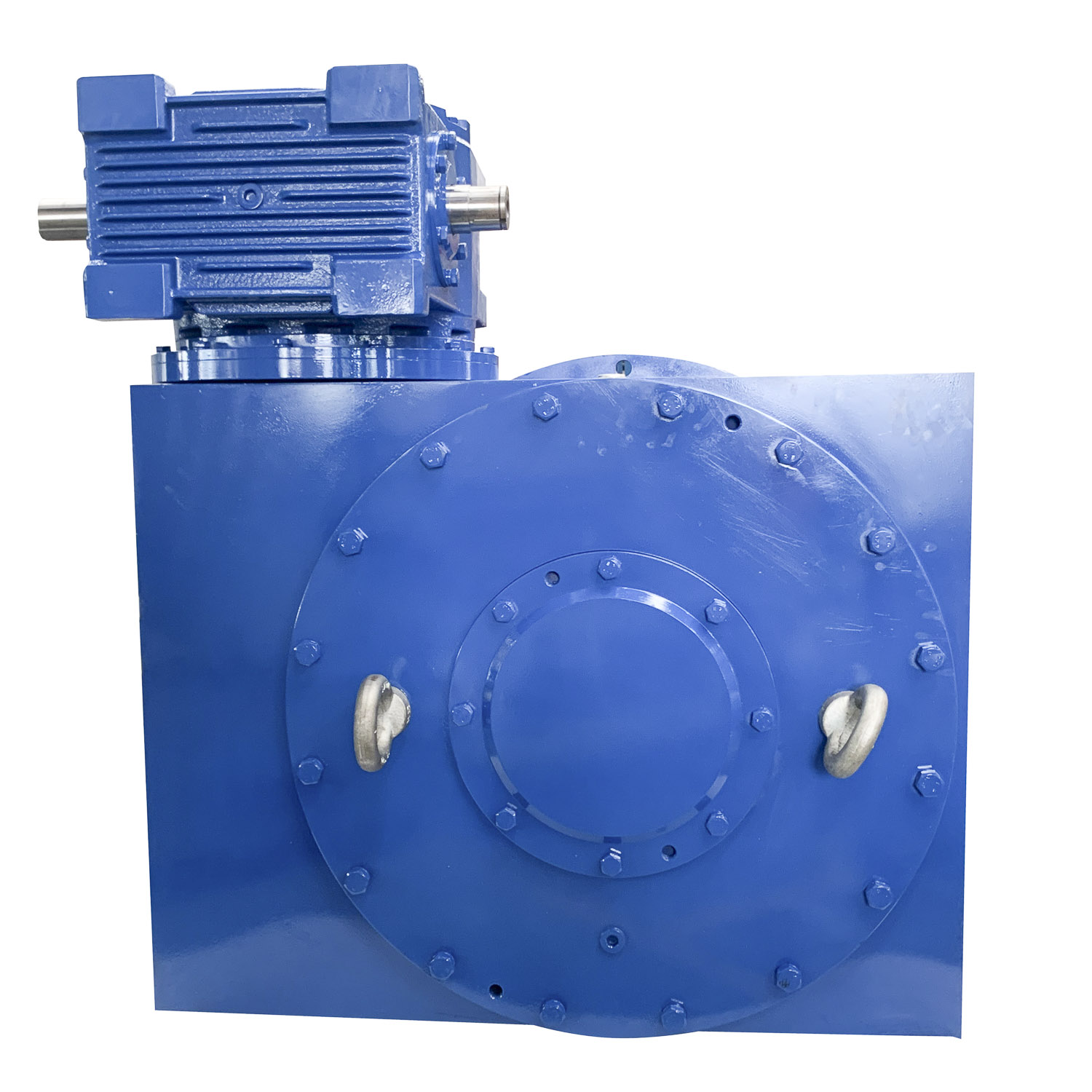
As one of famous double enveloping worm gear manufacturers,SGR's double throated worm gear has adva...
See Details
Shanghai SGR Heavy Industry Machinery Co., Ltd. is a high tech enterprise, it was selected in the li...
See Details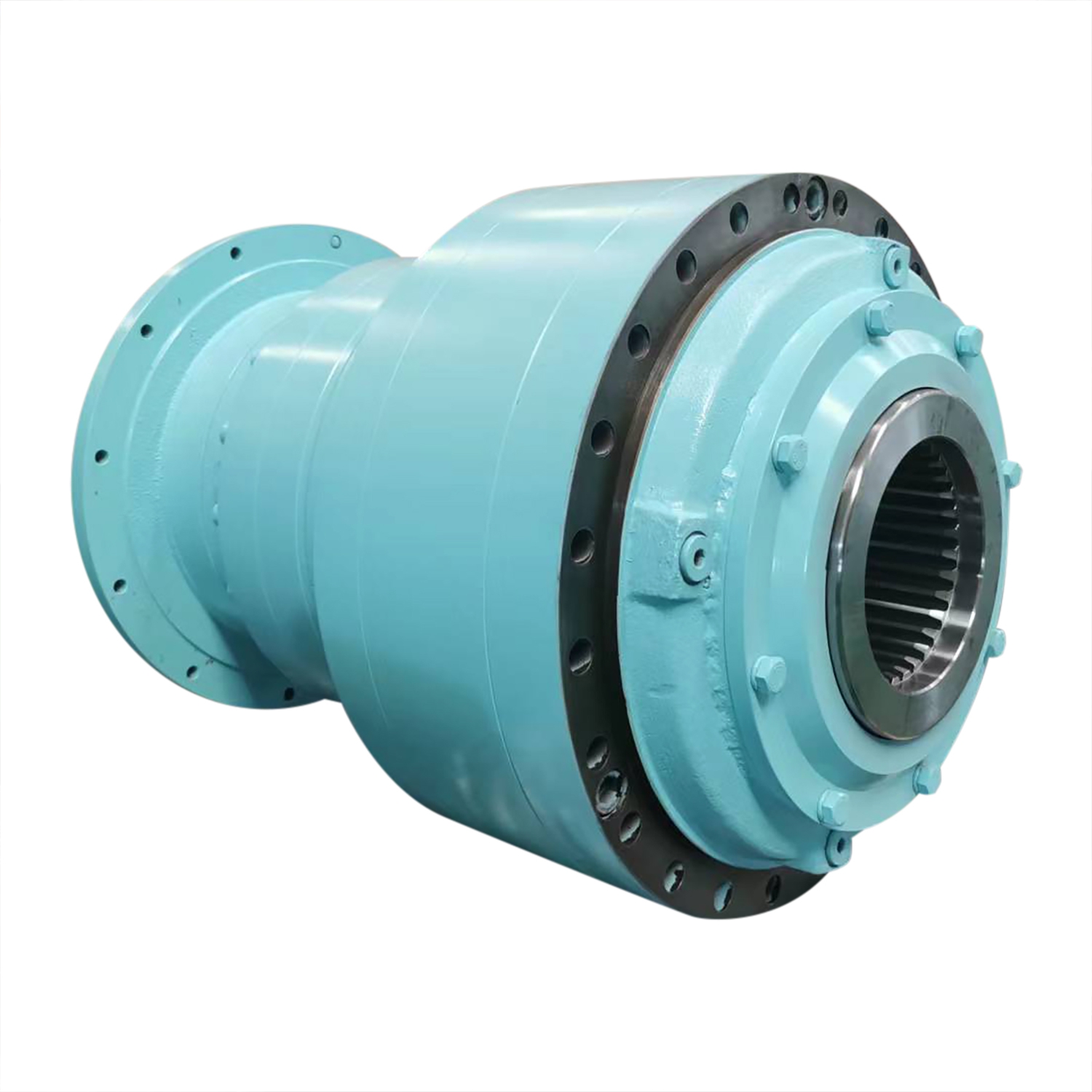
Planetary Gearbox Application For In Electric Drive Model: 200-885Ratio: 3.15-7800Output Torque :15...
See Details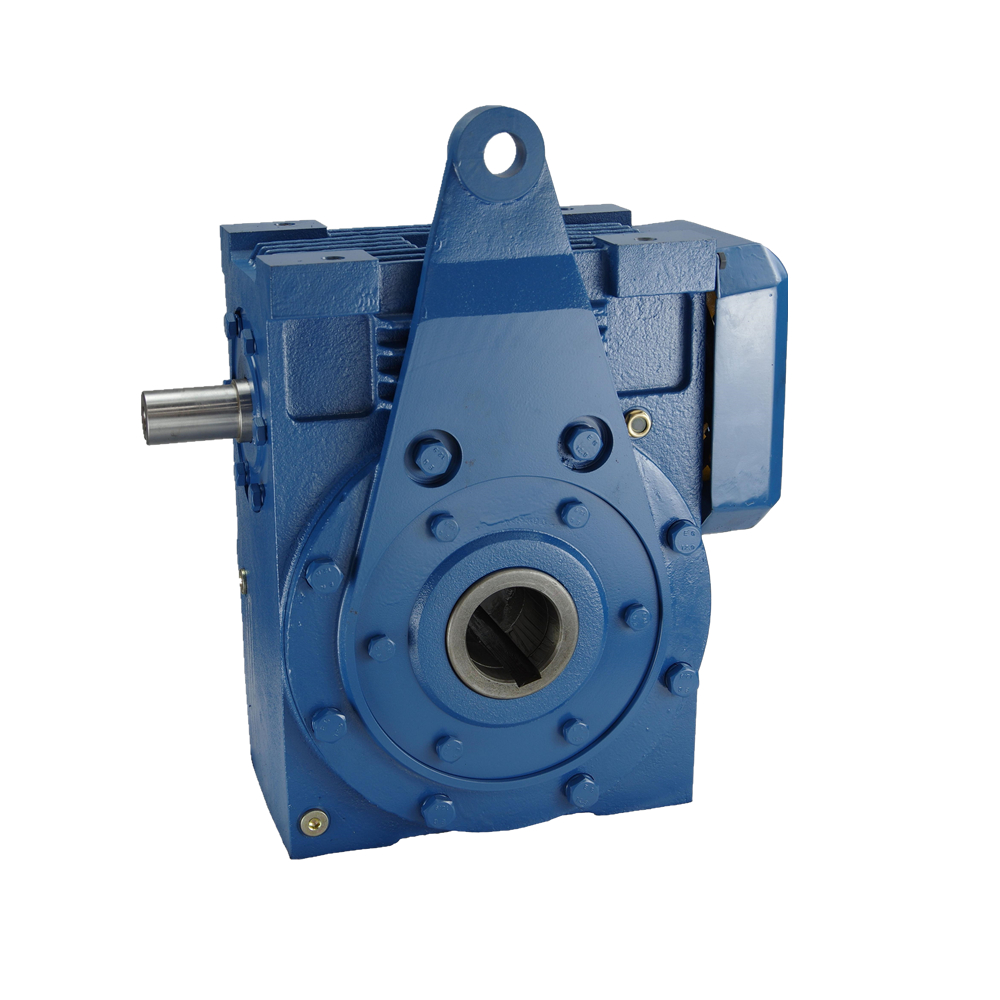
Product Description 1, High torque double enveloping worm gear adjust toughest working condition .2,...
See Details
SGR is an ISO 9001 certified, DNV-accredited industry gearbox manufacturer since 1996. We supply different gear reducers to brands worldwide.