Global
  English
 中文简体
中文简体 русский
 Español
News Directory
The planetary worm gear system is a sophisticated hybrid drive, blending the high-ratio capability of a worm stage with the high torque density of a planetary stage. The engineering challenge in selecting such a system for B2B applications lies in ensuring long-term operational integrity and acoustic stability. Key selection criteria—material composition, noise emission, and vibration performance—are intertwined. Material choice directly governs wear and heat (which cause noise), while manufacturing precision dictates the final noise and vibration profile. The industry trend demands compact, high-power solutions that maintain low acoustic output.
Shanghai SGR Heavy Industry Machinery Co., Ltd., a high-tech enterprise, specializes in gear transmission, focusing specifically on achieving low vibration and low noise in our designs. Our R&D group, composed of PhDs and senior engineers, leverages advanced machinery and proprietary design systems, such as the Planar Double-Enveloping Worm Gear Optimization Design System, to meet these stringent industry requirements.
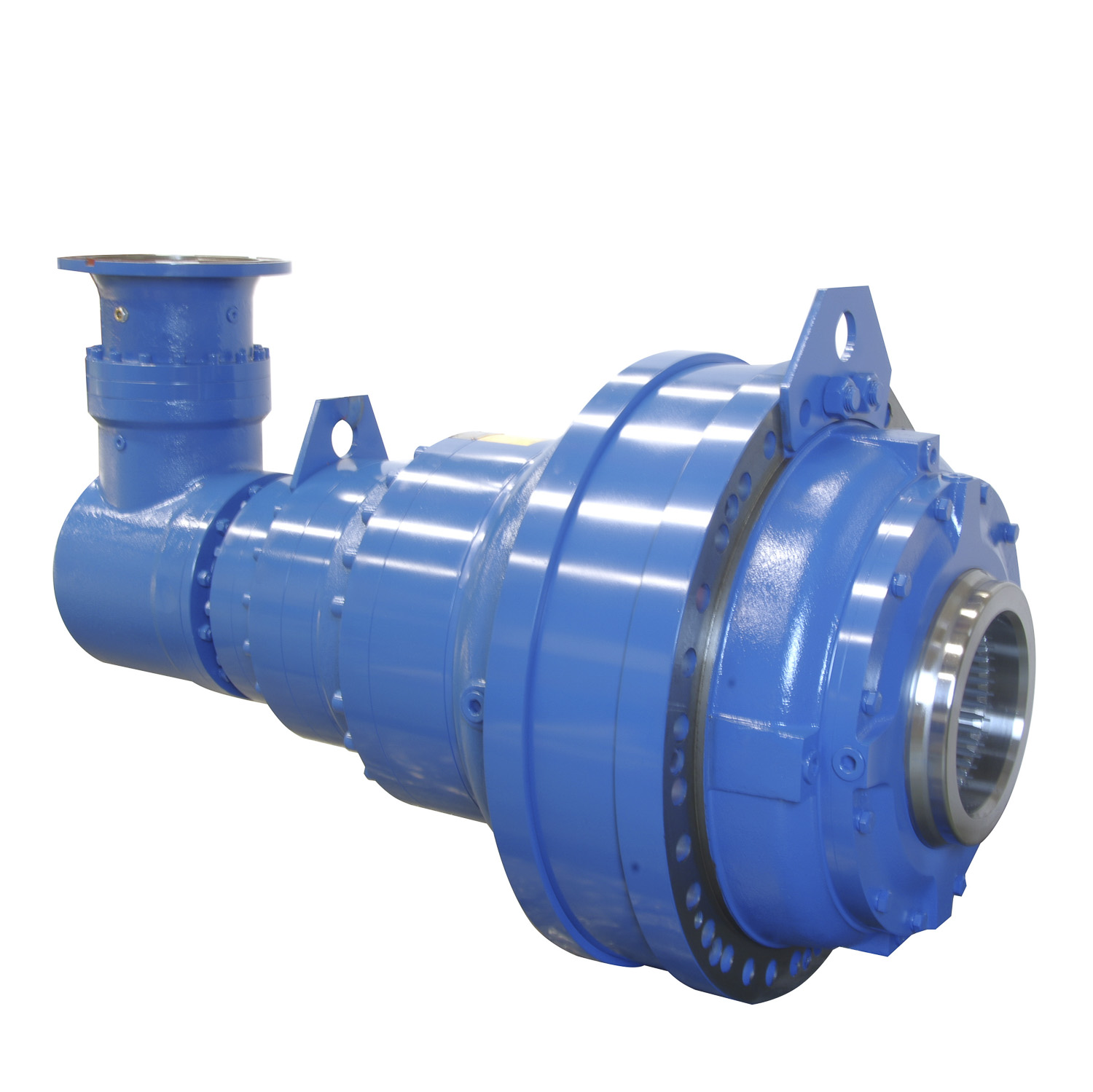
Due to the inherently different contact mechanisms (sliding in the worm stage and rolling in the planetary stage), the planetary worm gear demands a precise and differentiated material strategy for optimal performance and wear life.
For the worm stage, the worm wheel requires a specific alloy—typically centrifugally cast or chill-cast bronze/copper alloys (like phosphor bronze) to handle the extreme sliding friction while minimizing coefficient of friction and heat generation. In contrast, the worm shaft must be made from high-strength, case-hardened steel (e.g., 20CrMnTi) and precision ground to a surface roughness (Ra) typically less than 0.8. This combination is crucial for Optimizing planetary worm gear material for low wear and ensuring thermal stability.
The planetary stage and gearbox housing demand materials optimized for compressive strength and structural rigidity. High-strength alloy steels (e.g., 42CrMo) are used for the planetary gear set, subjected to specialized heat treatments to achieve high core toughness and high surface hardness (HRC > 58). The gearbox housing is often made from high-rigidity ductile iron or precision-machined cast iron to minimize housing deflection under high output torque, a key part of the Material selection criteria for planetary worm gear.
| Component | Primary Function & Contact Type | Material Selection Criterion |
|---|---|---|
| Worm Wheel | Sliding Contact, Torque Transfer | High-quality Bronze/Copper Alloy (Optimized friction & wear) |
| Planetary Gears | Rolling Contact, Load Distribution | High-strength Alloy Steel (e.g., 42CrMo) (High rigidity & fatigue life) |
| Worm Shaft | Sliding Contact, Input Drive | Case-hardened Steel, Ultra-low Surface Roughness (Low friction) |
Low noise and vibration are critical factors in automation, medical, and stage machinery applications. They are achieved not by accident, but by precision design and manufacturing.
Noise is primarily generated by gear tooth meshing errors and housing resonance. Noise reduction techniques in industrial gearboxes for the worm stage include optimizing the lead angle and profile to ensure smooth sliding engagement across the contact zone. For the planetary stage, utilizing high-contact-ratio spur gears or precision helical gears, combined with profile and lead crown modifications, minimizes shock loading and dampens acoustic output. Precision grinding to DIN 5 or 6 quality is a non-negotiable step to reduce profile error and maintain quiet operation.
Vibration is the symptom of dynamic imbalance, bearing runout, and gear mesh error. Gearbox manufacturers must adhere to Vibration analysis standards for hybrid gear drives such as ISO 10816-1, classifying the gearbox's health based on measured vibration velocity (mm/s). For premium, compact reducers, the target must fall into the 'Good' (Class 1) or 'Acceptable' (Class 2) region, typically requiring vibration levels significantly below the maximum allowable limit. This involves balancing all rotating components and ensuring ultra-precise alignment of the worm and planetary axes to consistently achieve Achieving low vibration in compact gear reducers.
Consistent, high-quality performance in planetary worm gear systems is enabled by investment in specialized production and testing capabilities.
SGR utilizes advanced metrology equipment, including 3D Measuring Machines and the Domestically Innovated Toroidal Worm and Hob Measuring Instrument. These tools verify the microscopic accuracy of the worm's lead, profile, and the gear wheel's tooth contact pattern. This control over geometry is the foundation for low noise, as it directly reduces transmission error—a key source of vibration.
Before delivery, every gearbox undergoes testing on our Power and Efficiency Test System. This validates not only the thermal performance but also acoustic emissions (measured in dB) and adherence to Vibration analysis standards for hybrid gear drives. This final, comprehensive verification ensures the B2B client receives a product where theoretical design optimization is proven in physical performance.
The selection of a superior planetary worm gear system hinges on three pillars: material science, acoustic engineering, and manufacturing precision. Commitment to high-performance Material selection criteria for planetary worm gear, effective Noise reduction techniques in industrial gearboxes, and strict adherence to Vibration analysis standards for hybrid gear drives collectively assure the gearbox's longevity, reliability, and quiet operation in demanding industrial settings. For B2B partners, this engineering commitment represents a critical competitive edge.
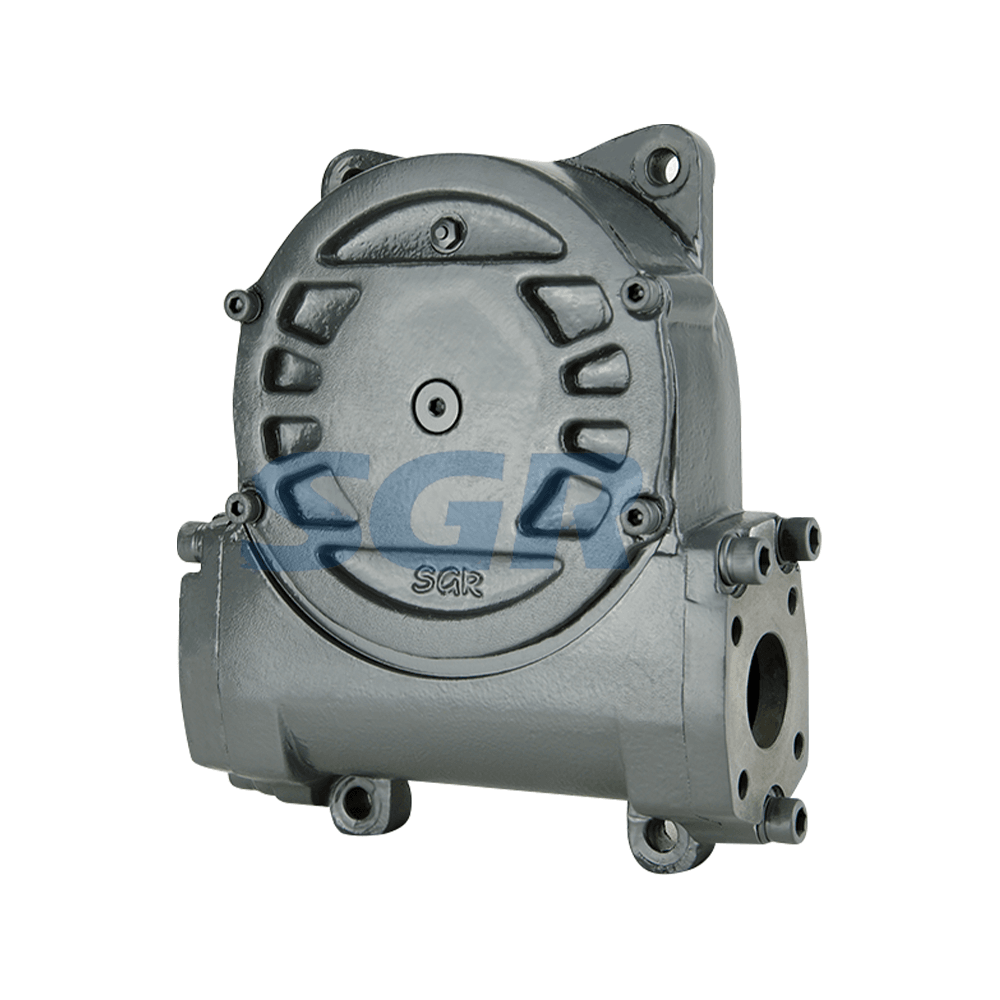
SGR develops and manufactures specialized worm gear reducers for logistics machinery attachments. T...
See Details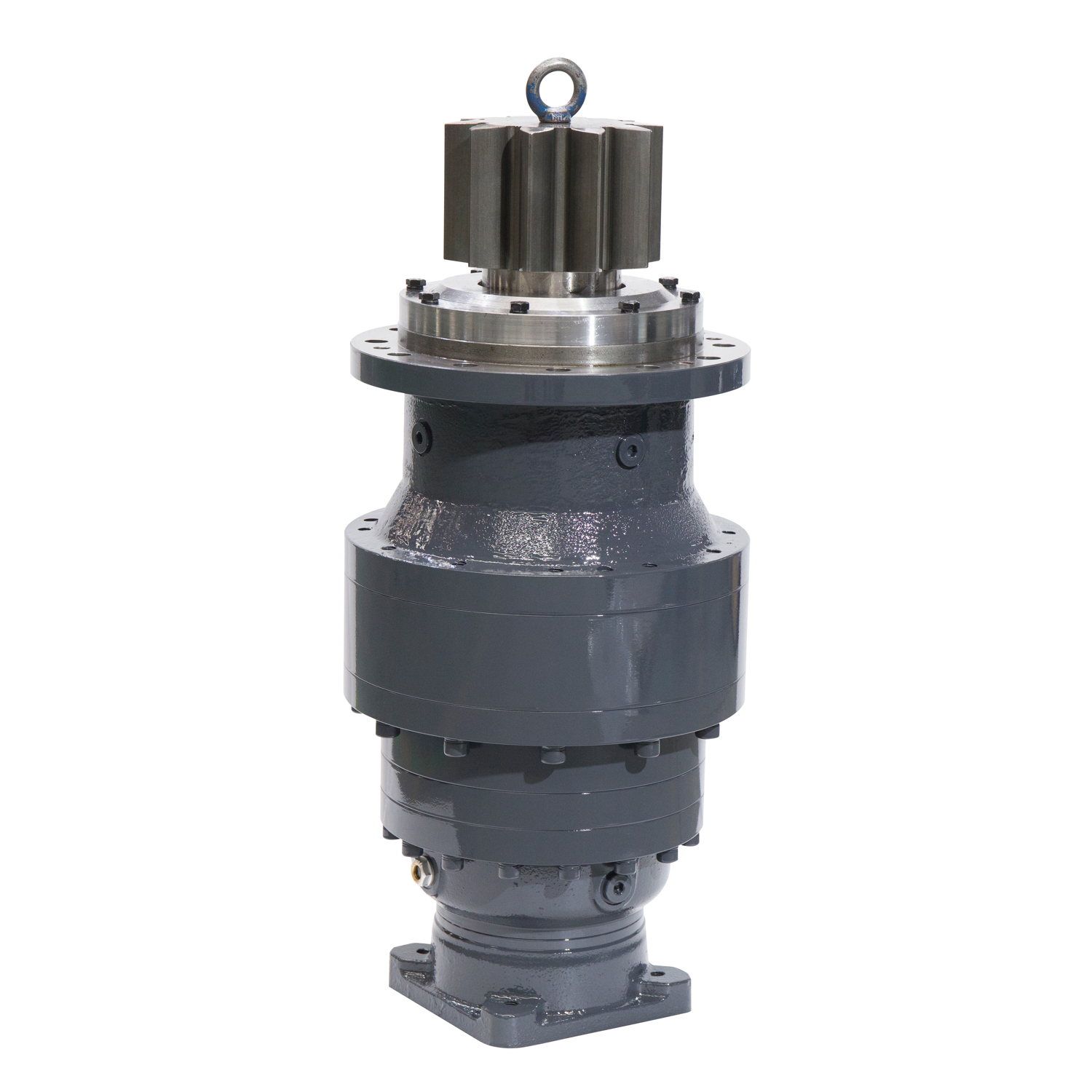
Model: 200-885Ratio: 3.15-7800Output Torque :1500Nm-540000NmRating Power :0.25KW-200kwDescription : ...
See Details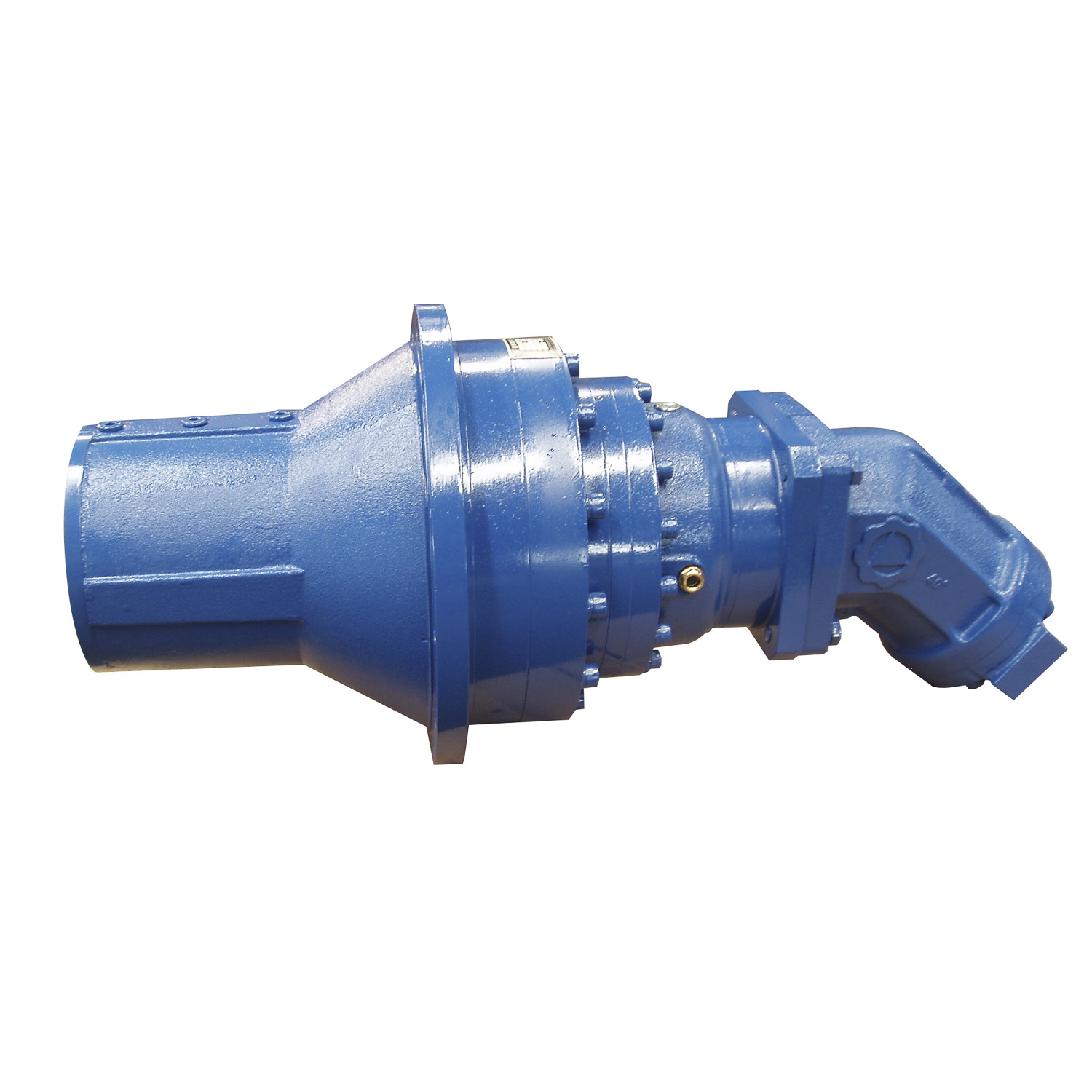
Key feature:Planetary gearbox is produced by modular design, and can be combined according to client...
See Details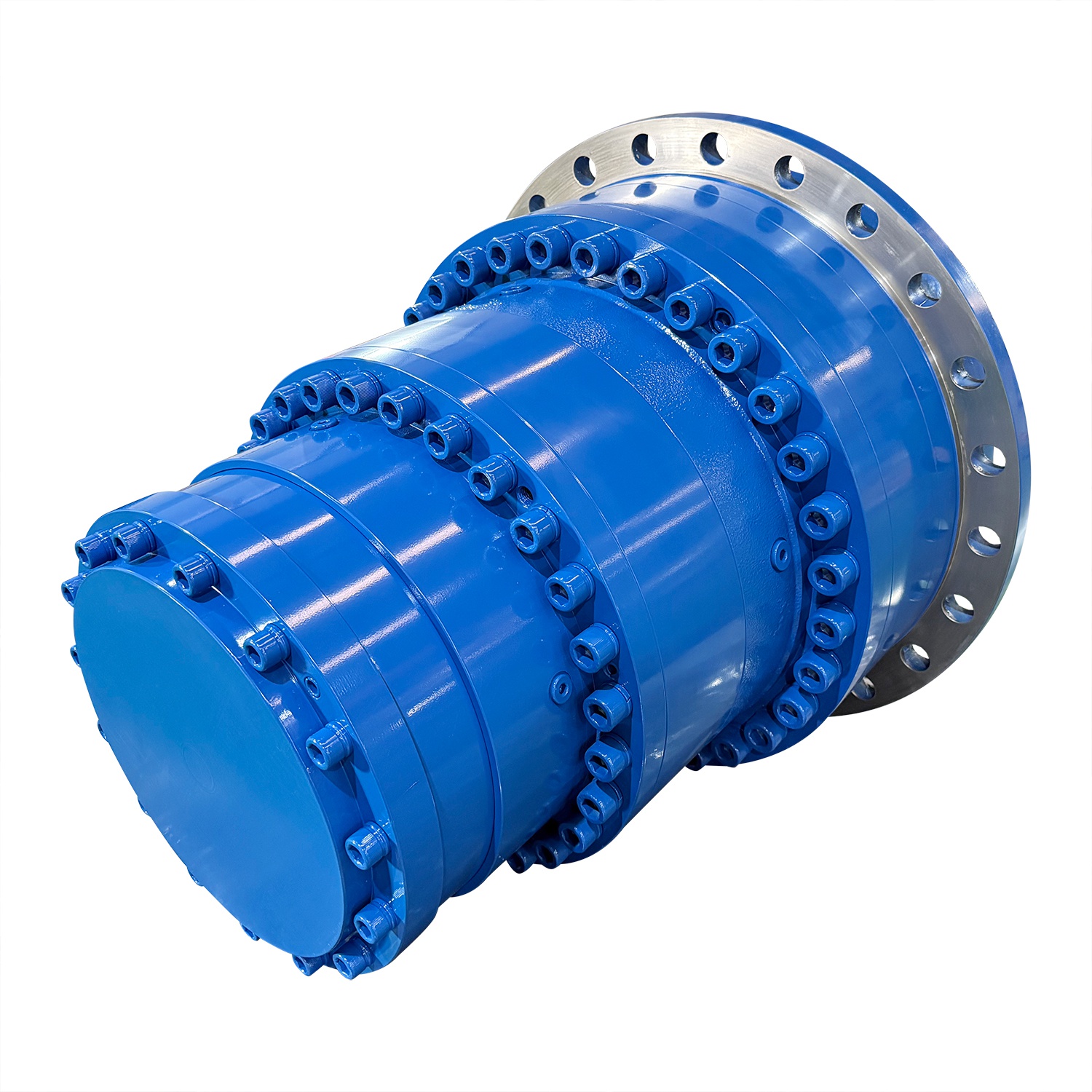
Planetary gear reducers serve as key transmission parts for sightseeing boats sailing along Russia’s...
See Details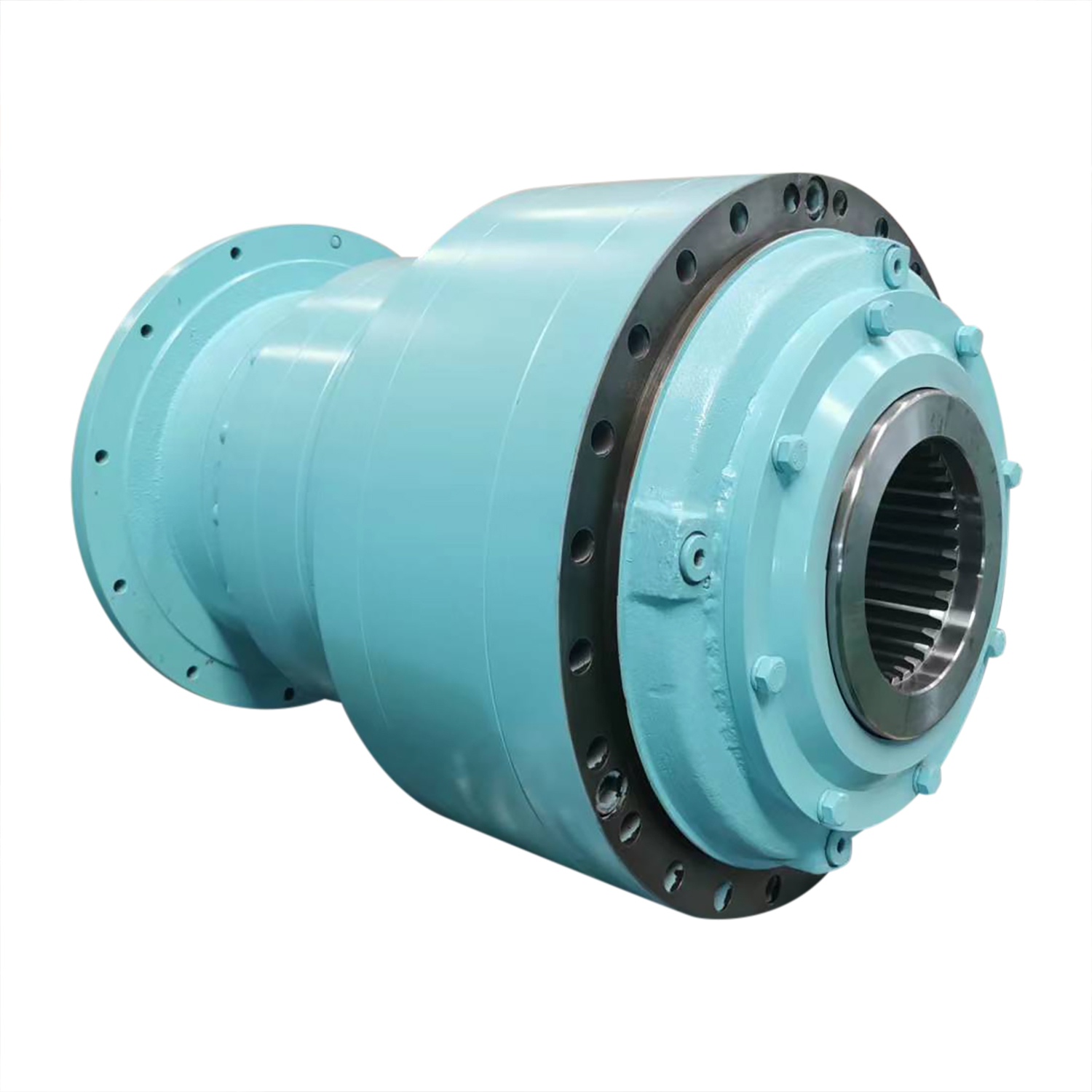
Planetary Gearbox Application For In Electric Drive Model: 200-885Ratio: 3.15-7800Output Torque :15...
See Details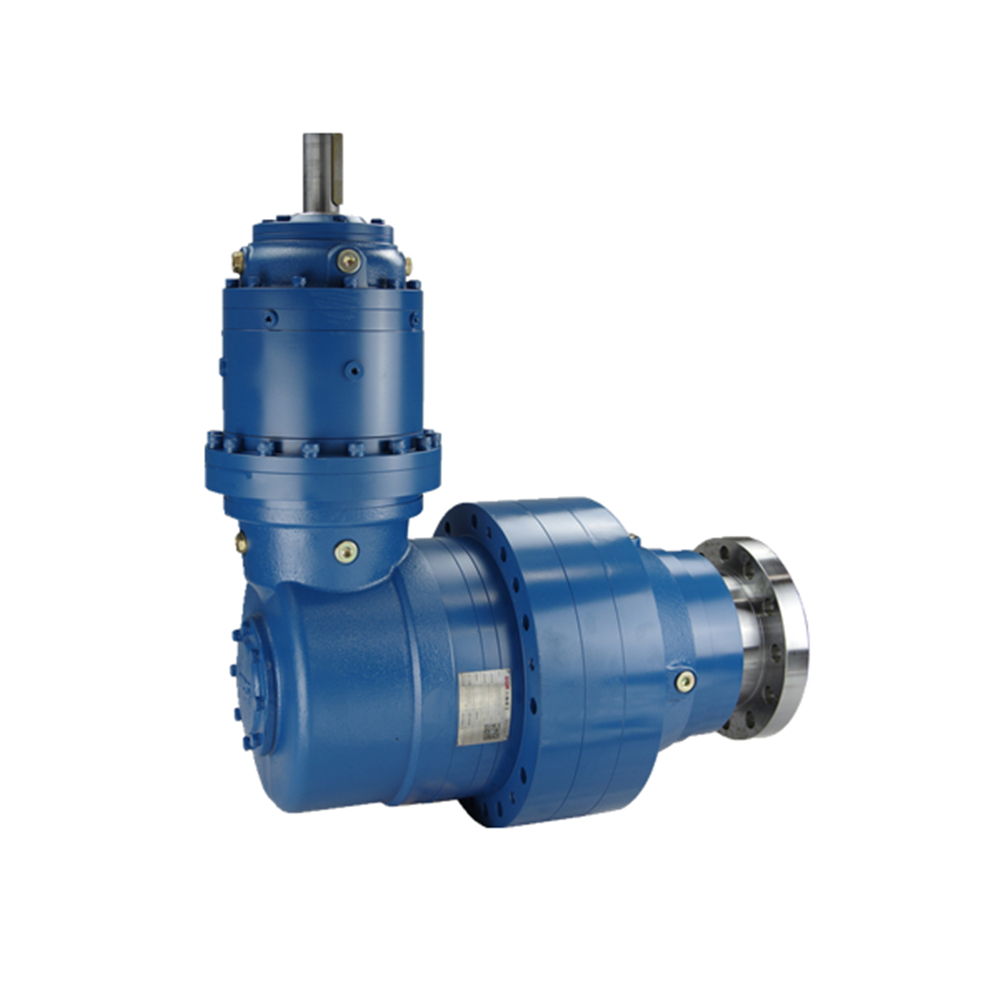
Technical data: 1. Ratio range: 3.15-30002. Input power: 0.25-55KW3. Permit torque rang: ≤ 200000N. ...
See Details
SGR is an ISO 9001 certified, DNV-accredited industry gearbox manufacturer since 1996. We supply different gear reducers to brands worldwide.