Global
  English
 中文简体
中文简体 русский
 Español
The planetary and toroidal worm combined reducer developed by SGR features a compact structure, with...
See Details
News Directory
A planetary reducer is a compact, coaxial gear system in which multiple planet gears orbit a central sun gear while meshing simultaneously with a fixed outer ring gear — distributing load across all contact points to achieve exceptionally high torque density, rigid backlash control, and transmission efficiencies above 97% in a package far smaller than any equivalent parallel-shaft or worm gearbox.
A planetary reducer — also called a planetary gearbox or epicyclic reducer — converts the high-speed, low-torque output of a motor into low-speed, high-torque rotation suitable for driving industrial loads. It achieves this through a three-component gear arrangement that operates on the epicyclic principle.
The central input gear, connected directly to the motor shaft. Rotates at motor speed and drives the planet gears surrounding it.
Typically 3–5 gears mounted on a rotating carrier. Each planet meshes with both the sun gear and the ring gear simultaneously, dividing the input torque across multiple load paths.
A fixed internal-tooth gear forming the outer boundary of the system. The planet gears roll along its inner surface, forcing the carrier — and output shaft — to rotate at a reduced speed.
The output element. As planet gears orbit the sun, the carrier rotates at a speed determined by the gear ratio, delivering multiplied torque to the driven load.
Because load is shared across all planet gears simultaneously, a three-planet unit distributes torque across three gear mesh points rather than one — tripling effective load capacity relative to tooth size. This is the fundamental reason planetary reducers achieve higher torque density than any other gearbox topology.
Planetary reducers dominate high-torque, space-constrained applications because their coaxial architecture packs sun gear, planets, ring gear, and output shaft all along a single axis — eliminating the offset shaft arrangement that makes parallel-shaft gearboxes physically wide.
In robotics, servo-driven conveyors, and machine tool rotary axes, installation envelope is as critical as torque capacity. A planetary reducer with a 100 mm flange diameter can deliver torques that a worm gearbox would require a 200 mm housing to achieve — a decisive advantage in tight machinery frames.
Gearbox efficiency determines motor sizing, heat generation, and long-term energy cost. Across all common industrial gearbox types, the planetary reducer consistently leads on efficiency — particularly at higher gear ratios where alternatives suffer progressive losses.
| Gearbox Type | Typical Efficiency | Torque Density | Backlash | Best Application |
| Planetary Reducer | 97–99% per stage | Very High | 1–5 arc-min (precision) | Servo systems, robotics, high-cycle automation |
| Helical Parallel Shaft | 96–98% per stage | Medium | 5–15 arc-min | General industrial drives, conveyors |
| Worm Gearbox | 50–90% (ratio-dependent) | Medium-Low | 10–30 arc-min | Low-speed, infrequent-duty applications |
| Bevel Gearbox | 93–97% | Medium | 5–20 arc-min | Right-angle drives, mixed-axis systems |
| Cycloidal Reducer | 90–95% | High | 1–3 arc-min | High-shock-load robotics, heavy AGVs |
Efficiency in Practice
A worm gearbox running at a 50:1 ratio may operate at only 55–60% efficiency, meaning 40–45% of motor input power is dissipated as heat. A two-stage planetary at the same 50:1 ratio (two 7:1 stages) operates at 94–98% efficiency — cutting energy loss by a factor of 8 and allowing a significantly smaller motor to drive the same load.
Matching a planetary reducer to a servo motor requires evaluating six interdependent parameters. Selecting on gear ratio alone — the most common error — leads to premature bearing failure, missed positioning accuracy, or thermal overload.
Planetary reducers are among the most robust gearbox types available for heavy-load and continuous-duty service. Their multi-mesh load distribution means individual gear teeth and bearings carry a fraction of the total torque — the primary reason planetary units outlast equivalent parallel-shaft gearboxes under sustained high-load conditions.
Planetary reducers appear wherever a drive system must be powerful, precise, compact, and reliable over millions of operating cycles. Across industrial automation, their combination of high efficiency and low backlash makes them the default choice for motion-critical axes.
All six axes of articulated robots use planetary or cycloidal reducers. Joint-axis planetary units handle the continuous reversing loads and precise positioning demands of welding, assembly, and palletizing robots operating at 60–120 cycles per minute.
Rotary tables, pallet changers, and tool magazine drives rely on precision planetary reducers with backlash below 3 arc-min. Positioning repeatability of 0.005 mm or better is achievable through the combination of a servo motor and a matched precision planetary stage.
High-throughput e-commerce and parcel sorting lines use compact inline planetary drives at each transfer point. Their small footprint allows motorized roller installations in 50–75 mm pitch spacing that parallel-shaft drives cannot physically achieve.
Autonomous guided vehicles require wheel drives that fit within the vehicle chassis while delivering 500–3,000 Nm of drive torque. Hollow-shaft planetary reducers mount directly to the wheel hub, eliminating external chain or belt drives.
Plastic extruder screws and industrial mixers run at low speed under sustained high torque. Heavy-duty planetary reducers in frame sizes from 200 to 1,000 mm handle output torques from 10 to over 500 kNm on continuous 24-hour production cycles.
Wind turbine pitch control systems and solar tracker drives use planetary reducers for their combination of high torque, self-locking capability under back-drive loads, and multi-decade service life with minimal maintenance in remote installations.
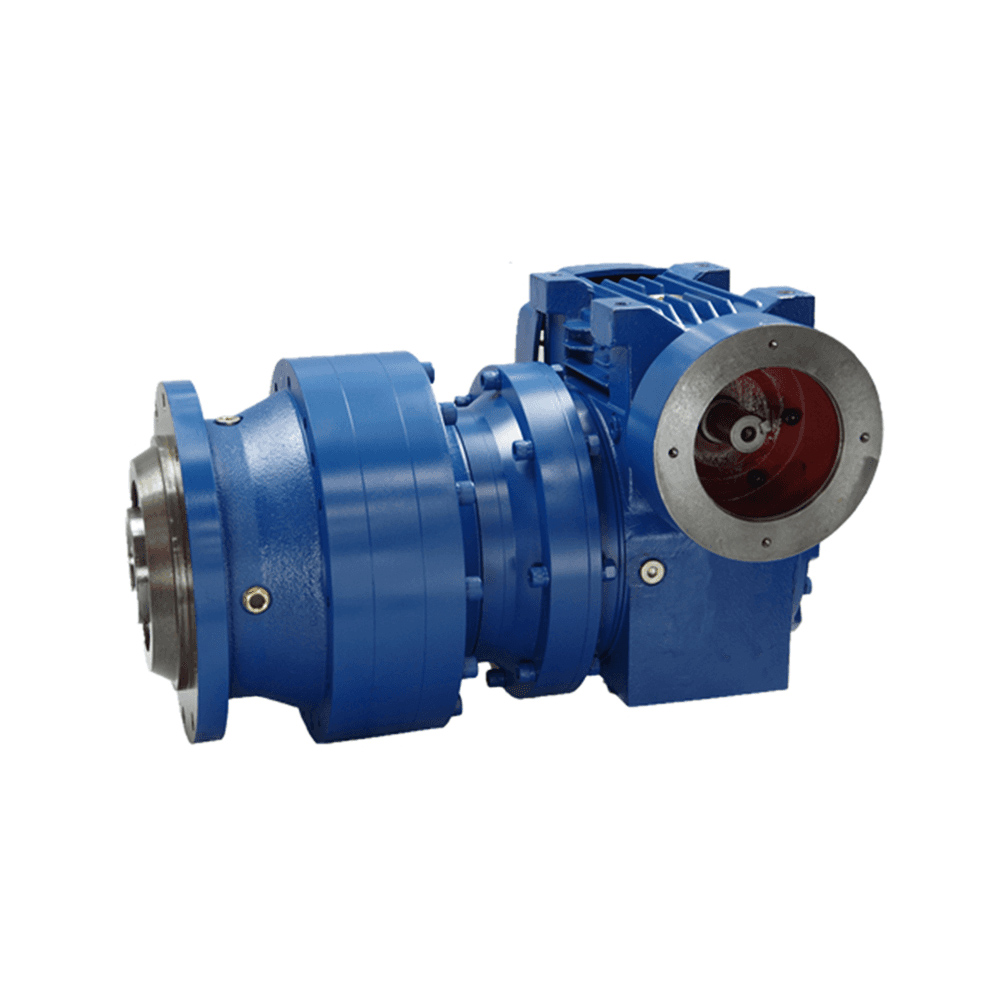
The planetary and toroidal worm combined reducer developed by SGR features a compact structure, with...
See Details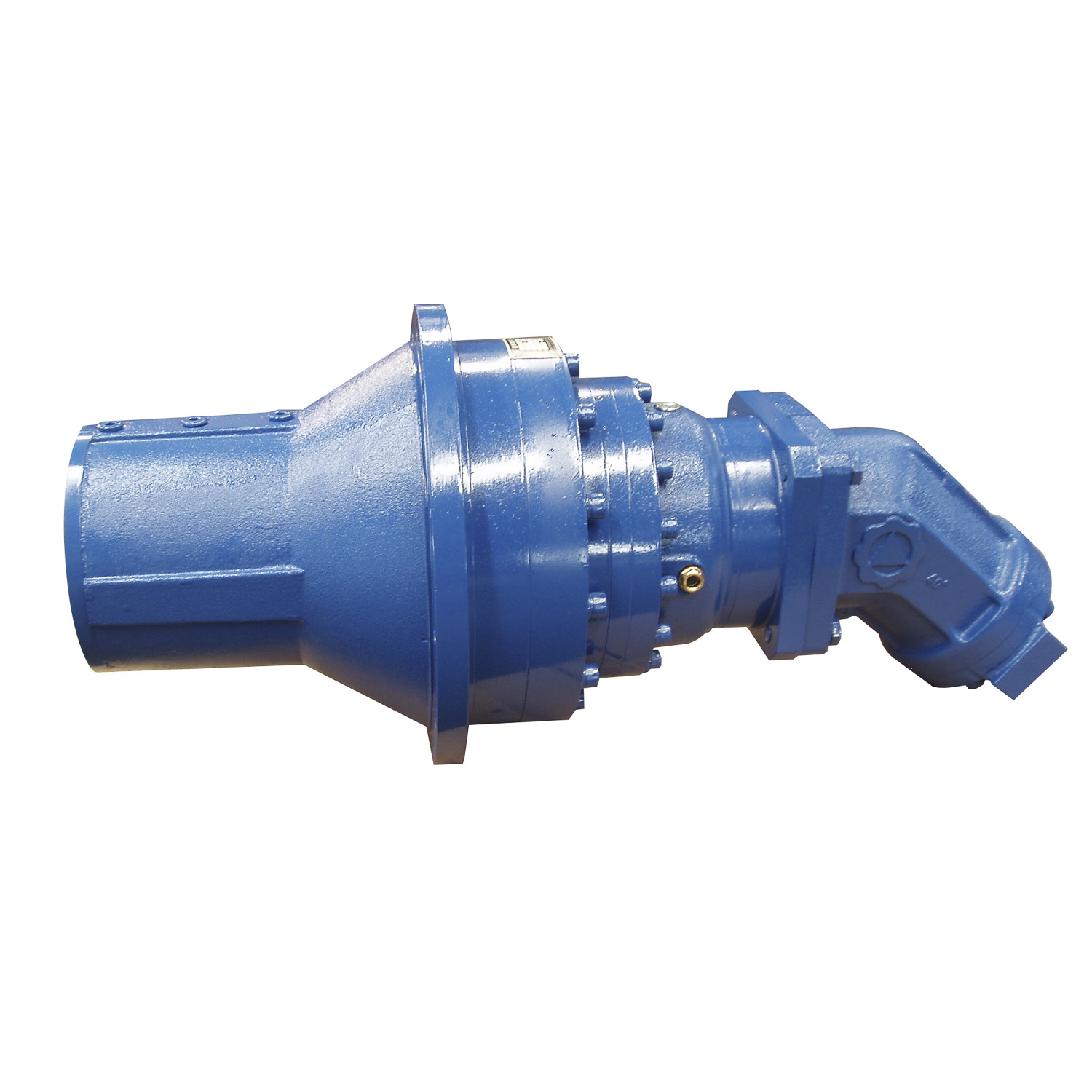
Key feature:Planetary gearbox is produced by modular design, and can be combined according to client...
See Details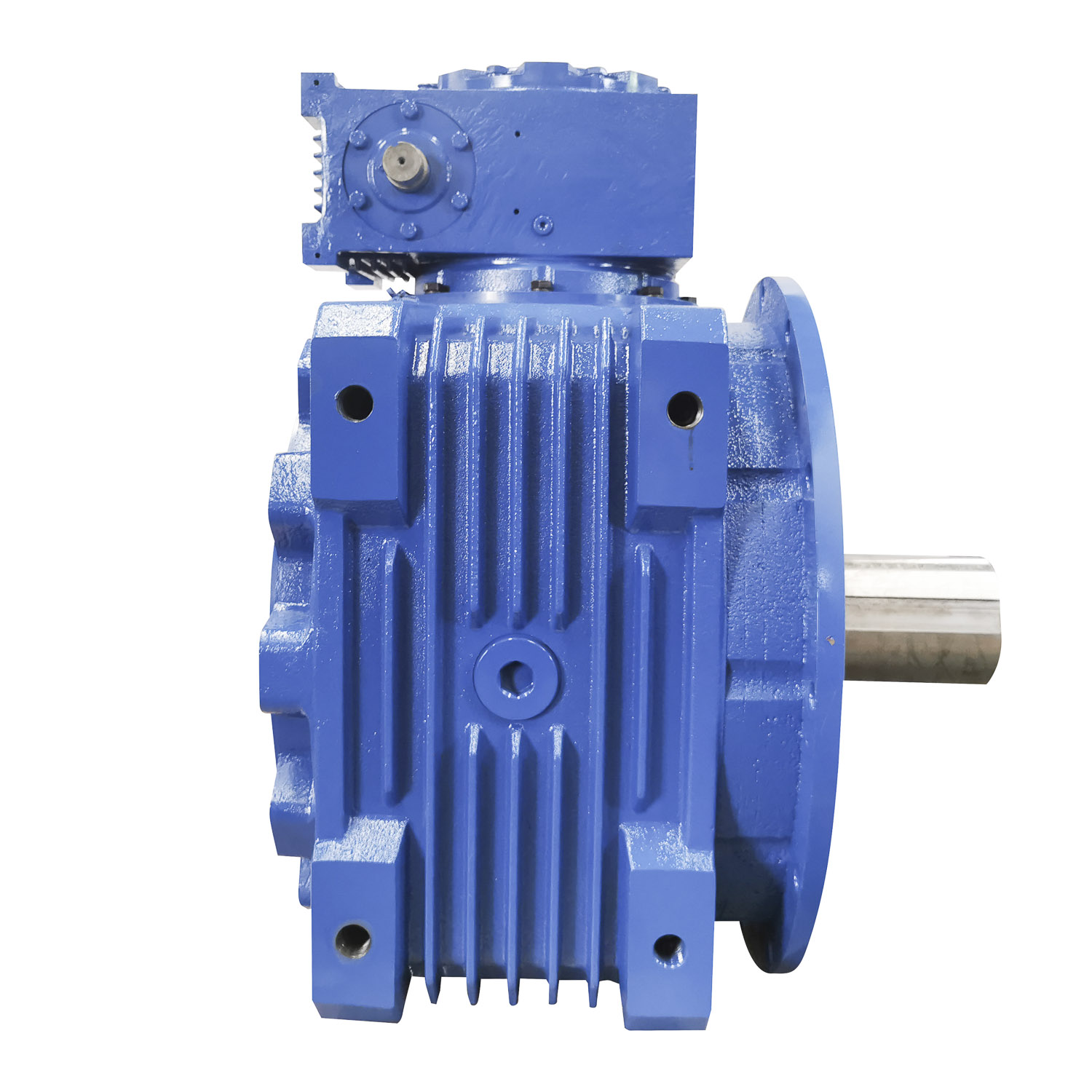
Description :1, High torque double enveloping worm gear adjust toughest working condition .2,Univers...
See Details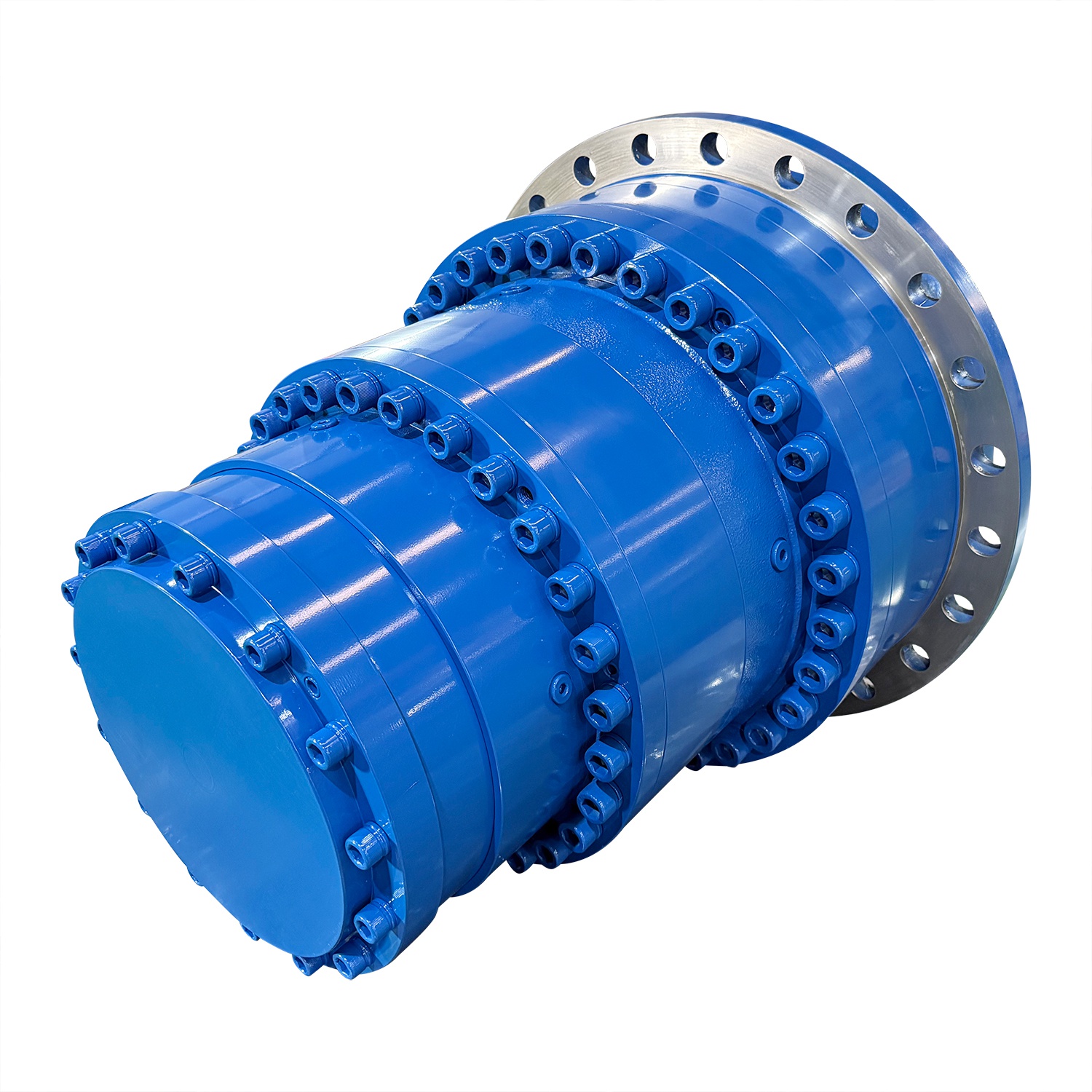
Planetary gear reducers serve as key transmission parts for sightseeing boats sailing along Russia’s...
See Details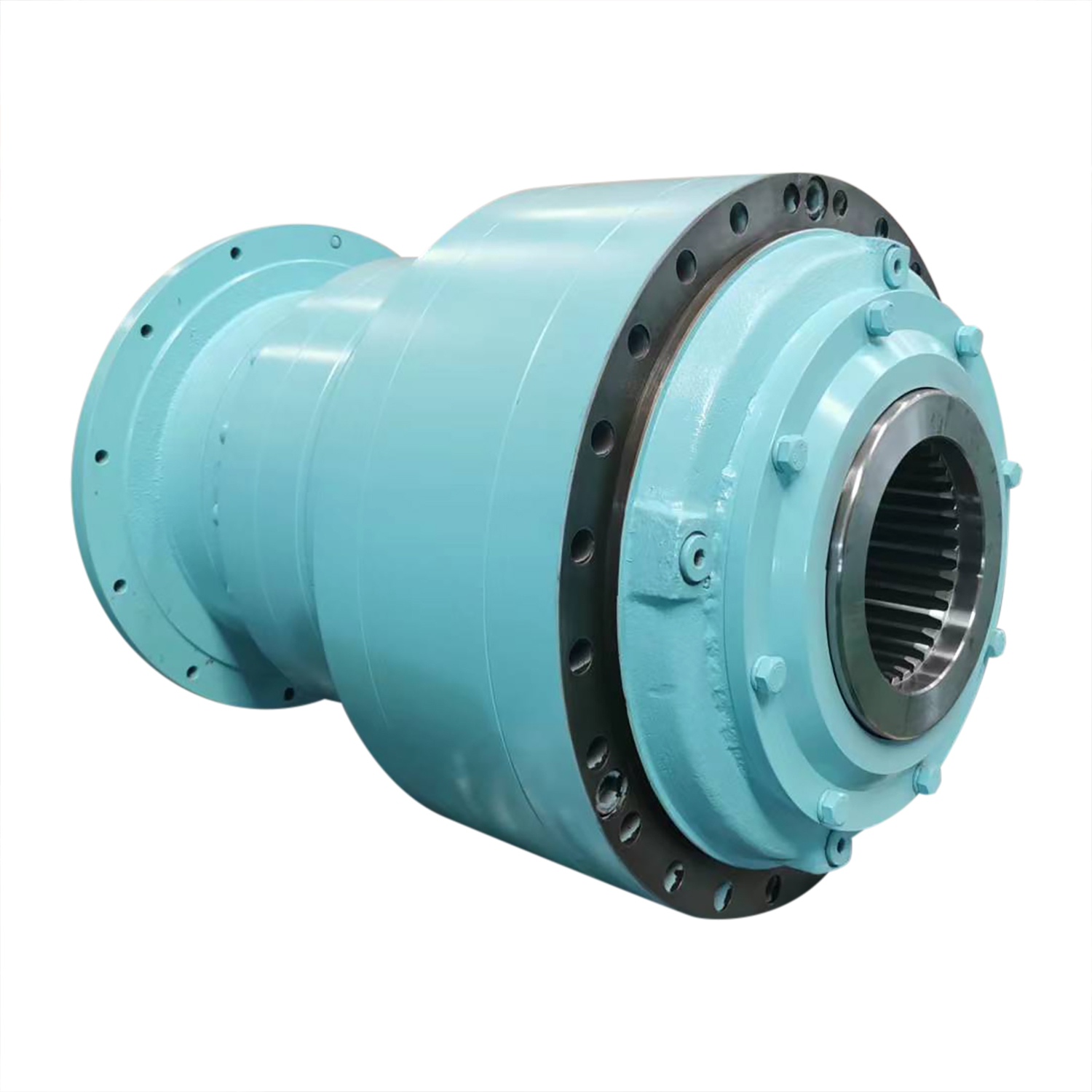
Planetary Gearbox Application For In Electric Drive Model: 200-885Ratio: 3.15-7800Output Torque :15...
See Details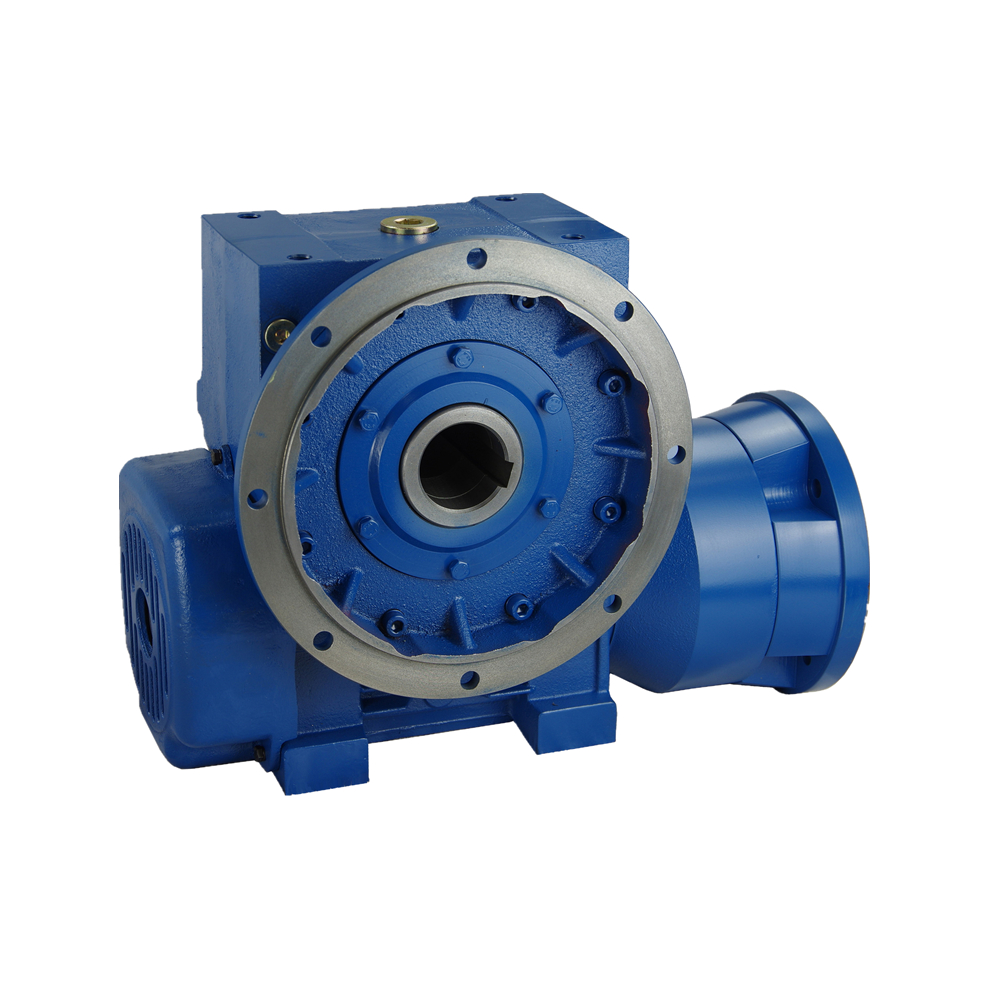
Product Description Series C double enveloping worm gearModel: 100 - 500Ratio: 10 -63Output Torque ...
See Details
SGR is an ISO 9001 certified, DNV-accredited industry gearbox manufacturer since 1996. We supply different gear reducers to brands worldwide.