 Global
  English
 中文简体
中文简体 русский
 Español
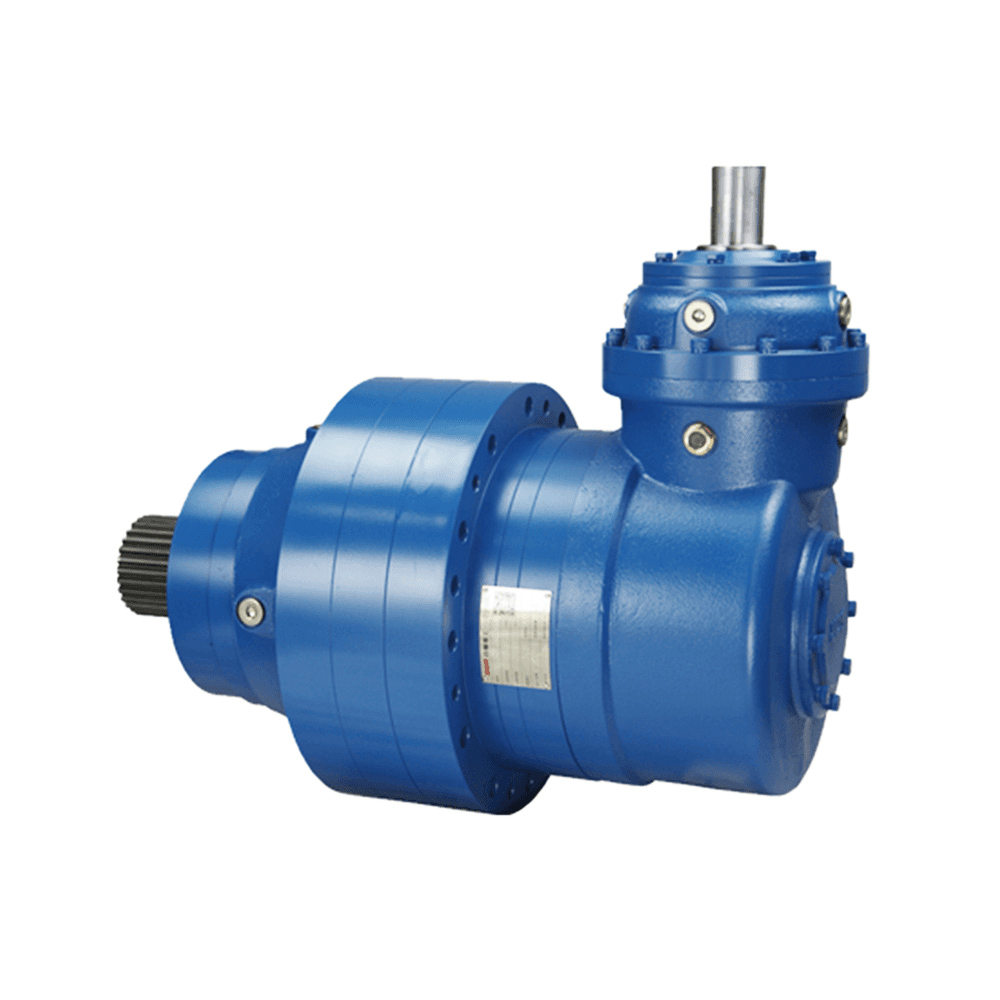
Product Info: The MNC3E400 series high speed and high torque industrial planetary gear reducers are ...
See Details
In the field of industrial drive systems, speed reducers serve as critical components. While they come in various types—each with its own distinct characteristics,they all perform the same fundamental function: converting the high-speed, low-torque output of a motor into the low-speed, high-torque output required by the equipment, while simultaneously matching inertia and enhancing system rigidity.
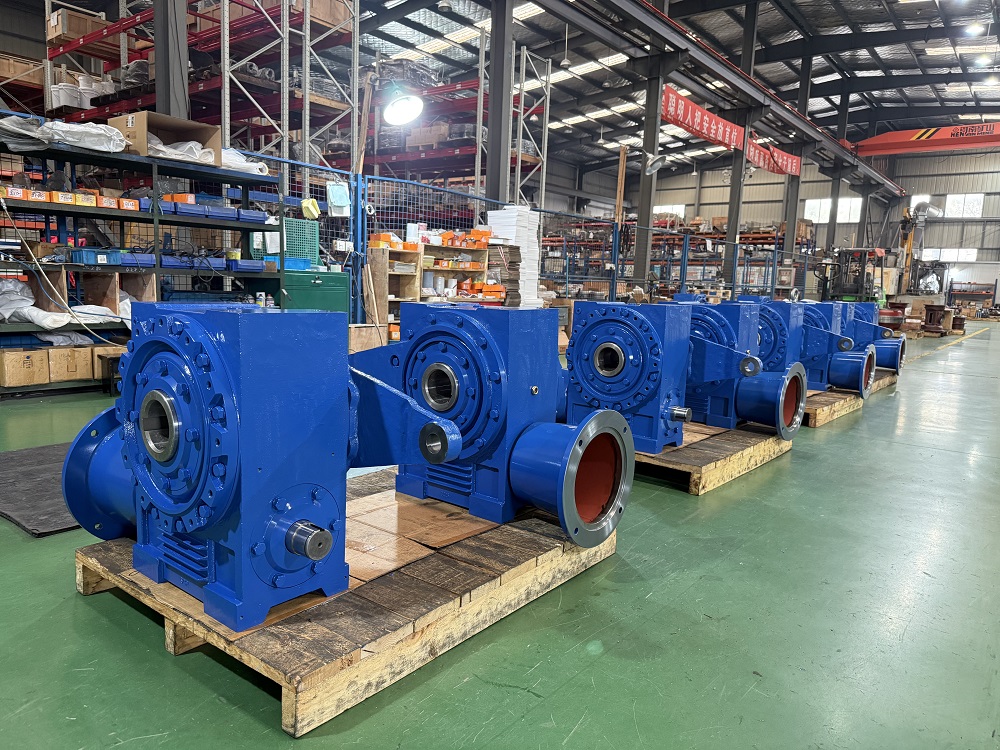
Faced with the vast array of speed reducers available on the market, how can you quickly identify and select the one best suited to your needs? Today, let us walk you through the three most common types of speed reducers.
We will show you the comparison of the three types of reducers first.
|
Feature |
Standard Gear Reducer
|
Planetary Gear Reducer |
Worm Gear Reducer |
|
Transmission Efficiency |
95% – 98% |
90% – 97% (per stage) |
50% – 70% (lower at high ratios) |
|
Torque Density |
Moderate |
Very High |
Moderate to Low |
|
Reduction Ratio Range |
3:1 – 200:1 (multi-stage) |
3:1 – 100:1 (single stage); up to 1000:1 multi-stage |
5:1 – 100:1+ (single stage) |
|
Self-Locking Capability |
No |
No |
Yes (typically when ratio >25:1) |
|
Noise Level |
Low to Moderate |
Very Low |
Low |
|
Heat Generation |
Low |
Low |
High (due to sliding friction) |
|
Maintenance Needs |
Low |
Low |
Moderate (requires lubrication; bronze wear) |
|
Installation Space |
Larger (longitudinal layout) |
Compact & Coaxial |
Compact (right-angle output) |
|
Shock/Overload Resistance |
Moderate |
Excellent |
Poor to Moderate |
|
Cost |
Low |
High |
Low to Moderate |
|
Common Applications |
Conveyors, mixers, fans, machine tools |
Robotics, AGVs, CNC axes, wind turbines, mining hoists |
Elevators, lifts, conveyors (inclined), gates, presses |
Gear reducers typically employ helical or bevel gears and feature single-, double-, or even triple-stage transmission arrangements. They are characterized by relatively simple structures and a high degree of standardization. Speedreduction is achieved through gear-to-gear meshing, yielding transmission efficiencies of 95%–98%.
The transmission ratio is defined by the ratio of the number of teeth between the driving and driven gears. These units offer low manufacturing costs and ease of maintenance, making them suitable for high-speed, moderate-load applications such as machine tool spindles, conveyor belts, and packaging machinery. However, gear reducers are relatively bulky and space-consuming. They also possess limited resistance to shock and overload, rendering them unsuitable for operations involving frequent start-stop cycles or heavy-load impacts.
Currently, gear reducers are primarily used in general industrial applications characterized by limited budgets, stable operating conditions, and moderate precision requirements.
Based on the structure of a planetary gear set, planetary gear reducers achieve synchronous multi-tooth power transmission and symmetrical load distribution through the meshing of the sun gear, planet gears, and internal ring gear; they are characterized by a compact structure, high rigidity, and high precision. These reducers offer extremely high torque density, delivering output torque far exceeding that of conventional gear reducers of the same size.
Additionally, planetary gear reducers feature high transmission efficiency, precision, rigidity, and rapid response, while supporting high-speed operation and a wide temperature range. They are widely used in applications such as trenchless horizontal directional drilling rigs, mine hoists, AGV drive systems, and wind power generation.
Planetary gear reducers demand extremely high precision in manufacturing and installation, as well as rigorous production processes; inferior products are prone to issues such as uneven planet gear loading and component fatigue. Planetary reducers from leading manufacturers—such as SGR (Hezong Heavy Industry)—utilize gears made of 20CrMnTi steel that undergo carburizing, quenching, and precision gear grinding. These gears benefit from load sharing across multiple teeth, ensuring smooth, reliable operation and high mechanical efficiency.
Currently, planetary gear reducers are primarily suited for industrial, mechanical, and manufacturing applications that require high precision, high dynamic response, operation within space constraints, or continuous heavy-load performance.
Worm gear reducers operate by having a worm drive a worm gear, transmitting power through the sliding friction of helical tooth surfaces. They offer high reduction ratios—achieving 10:1 to 100:1 or even higher in a single stage—and possess inherent self-locking capabilities; the load will not back-drive when power is cut, ensuring high safety. Additionally, their structure is simple, making maintenance convenient.
However, worm gear reducers have limitations, notably relatively low transmission efficiency (ranging from 50% to 70%). They are best suited for applications requiring high reduction ratios, self-locking protection, and low-speed, heavy-load operation, but are not ideal for high-precision applications.
In terms of manufacturing, units from leading manufacturers like SGR (Hezong Heavy Industry) feature multi-tooth meshing between the worm and the gear. The worm is made of 20CrMnTi steel, undergoing carburizing, quenching, and gear-tooth grinding, while the worm gear utilizes high-performance alloy bronze to ensure long-lasting wear resistance. These design choices result in high transmission efficiency and a long service life, offering significantly improved load-bearing capacity and efficiency compared to standard cylindrical worm gear sets of the same specifications.
Currently, worm gear reducers are widely used in sectors requiring vertical transmission, such as elevators, material handling and lifting, mining, and chemical plant construction.
Each of these three common types of reducers has its own advantages and disadvantages. If the application prioritizes efficiency and cost-effectiveness, gear reducers are the recommended choice. If precision, rigidity, and compactness are the priorities, planetary reducers are preferable. If the primary requirements are a high reduction ratio and self-locking capability, worm gear reducers are the best option.(Author, SGR, Angie Zhang)
Product Info: The MNC3E400 series high speed and high torque industrial planetary gear reducers are ...
See Details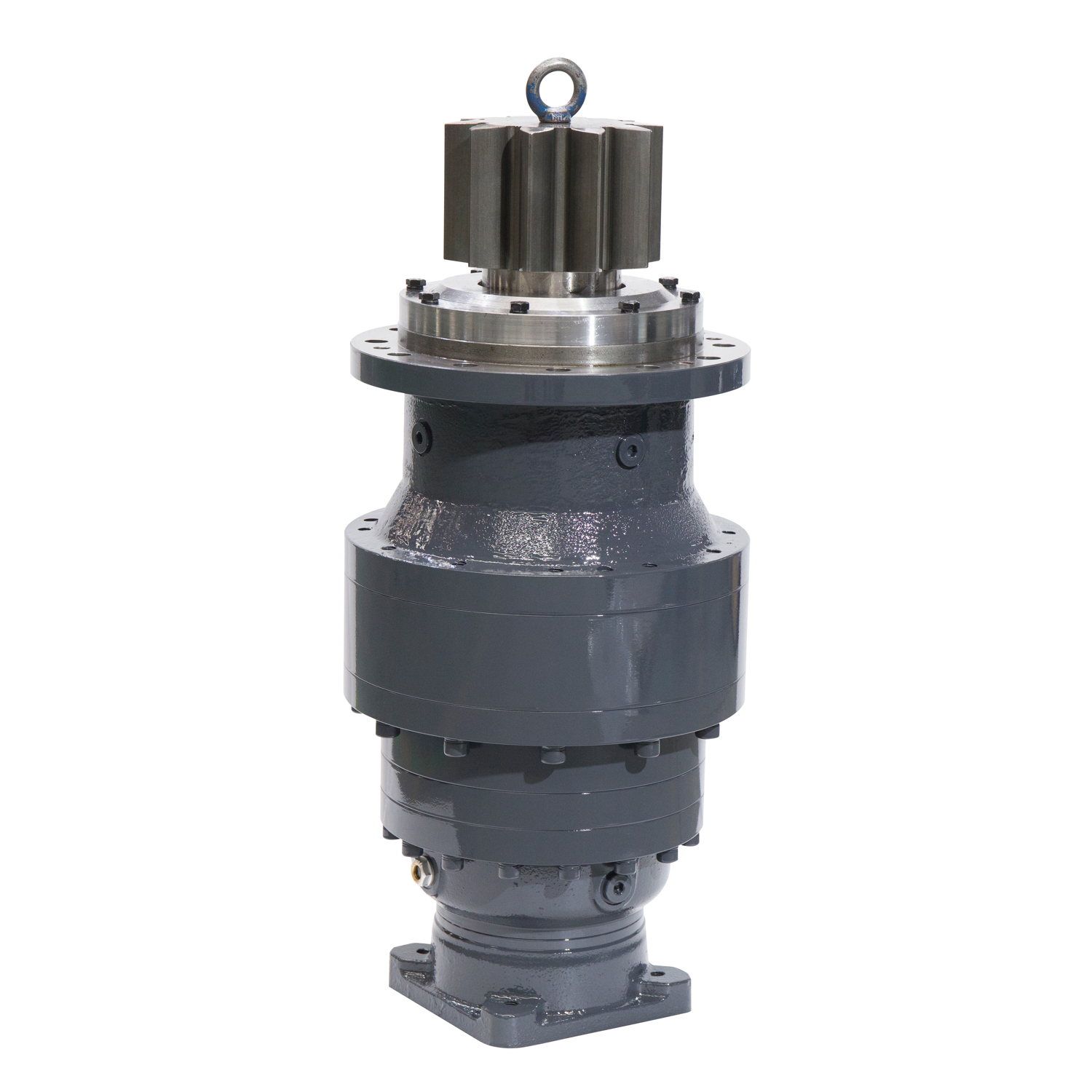
Model: 200-885Ratio: 3.15-7800Output Torque :1500Nm-540000NmRating Power :0.25KW-200kwDescription : ...
See Details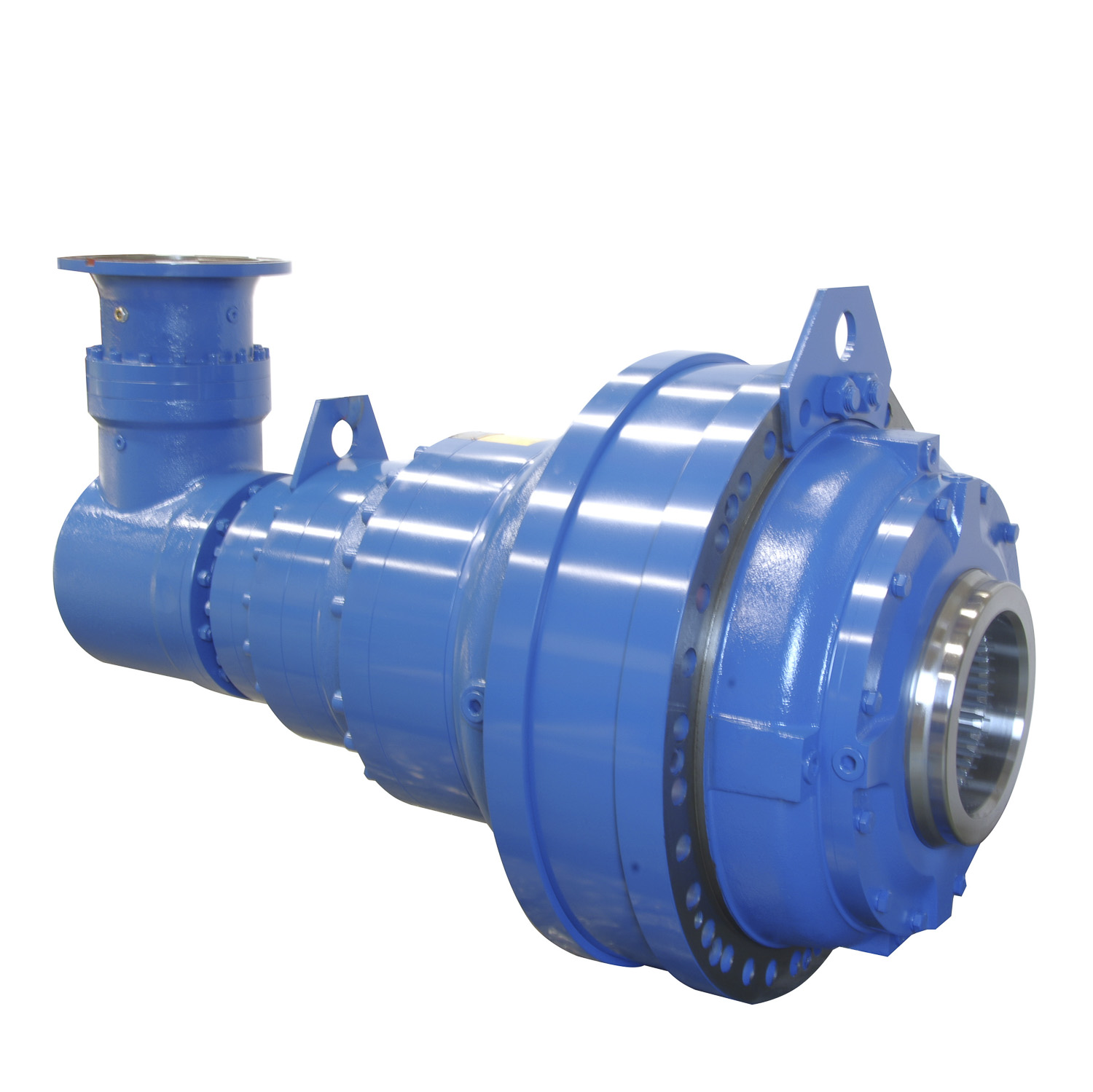
Planetary gearbox is produced by modular design, and can be combined according to client's request H...
See Details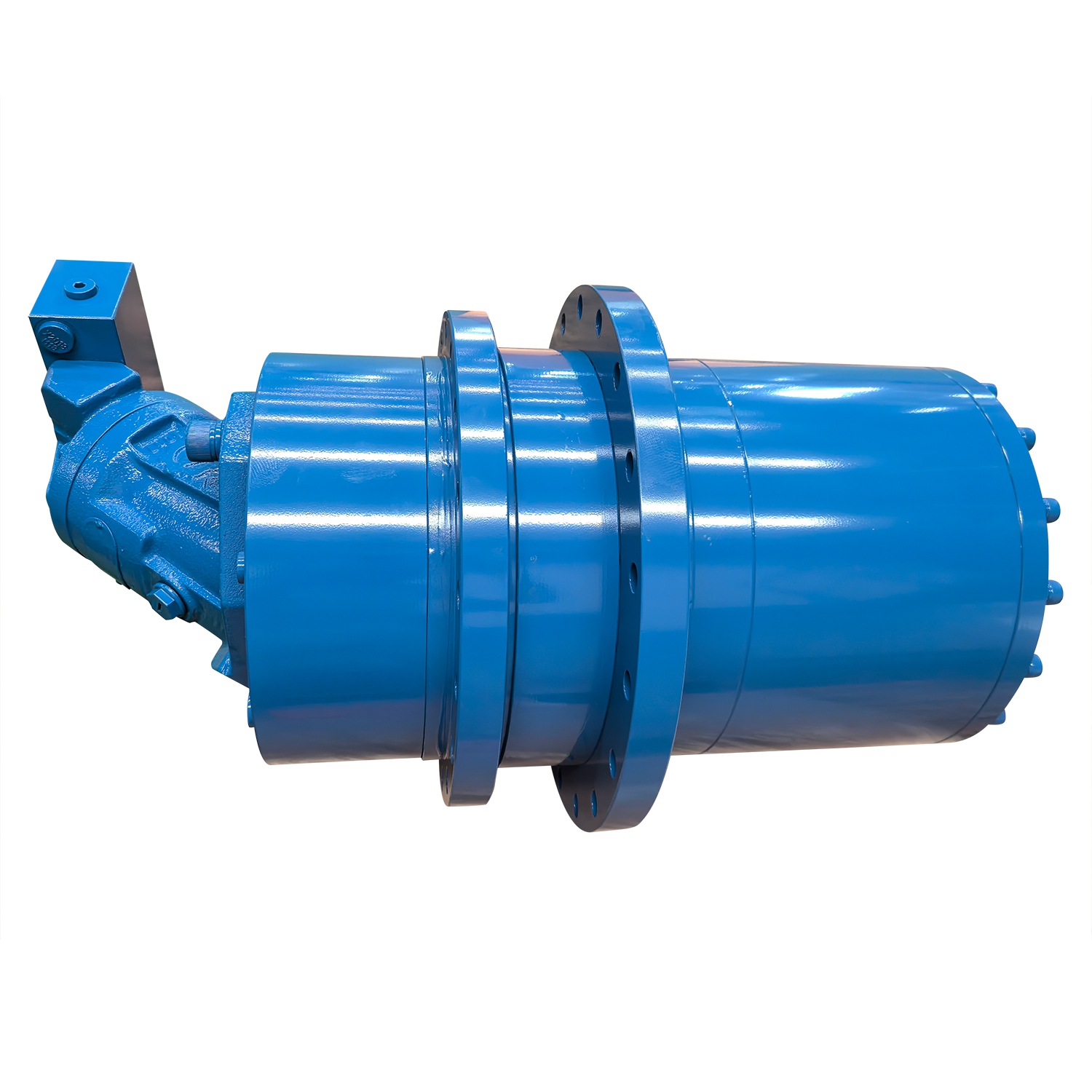
Model: 200-885 Ratio: 3.15-7800 Output Torque :1500Nm-540000Nm Rating Power :0.25KW-200kw Descripti...
See Details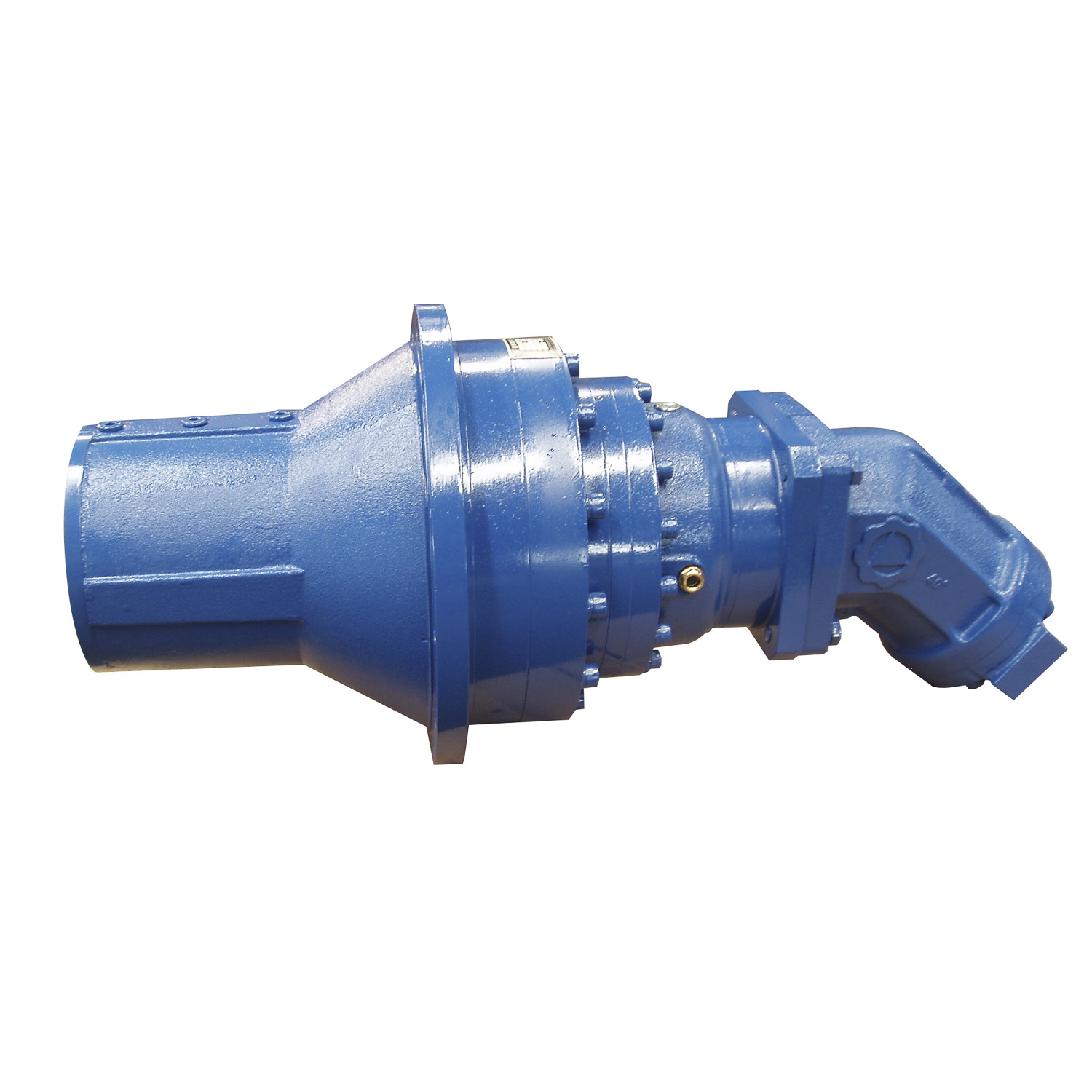
Key feature:Planetary gearbox is produced by modular design, and can be combined according to client...
See Details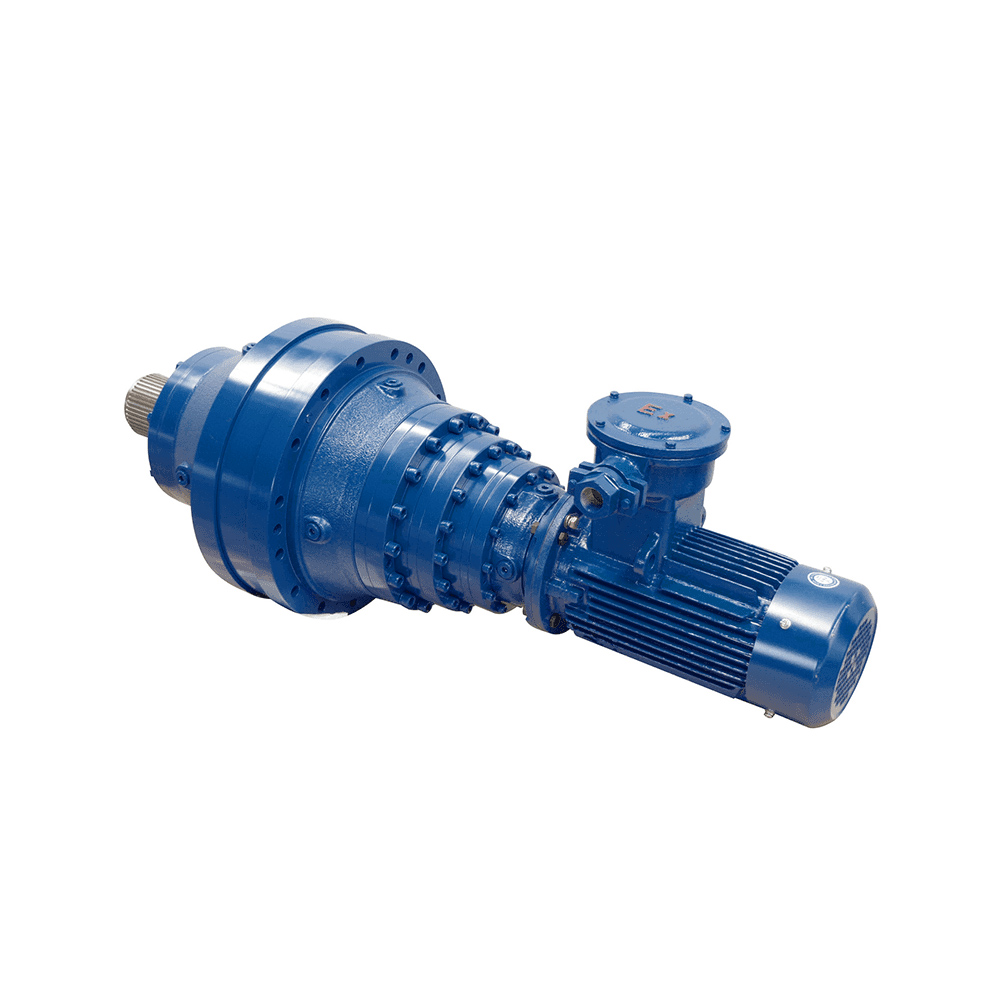
SGR's N Series high torque coaxial planetary gearbox Input forms: N standard shaft input, MN flange ...
See Details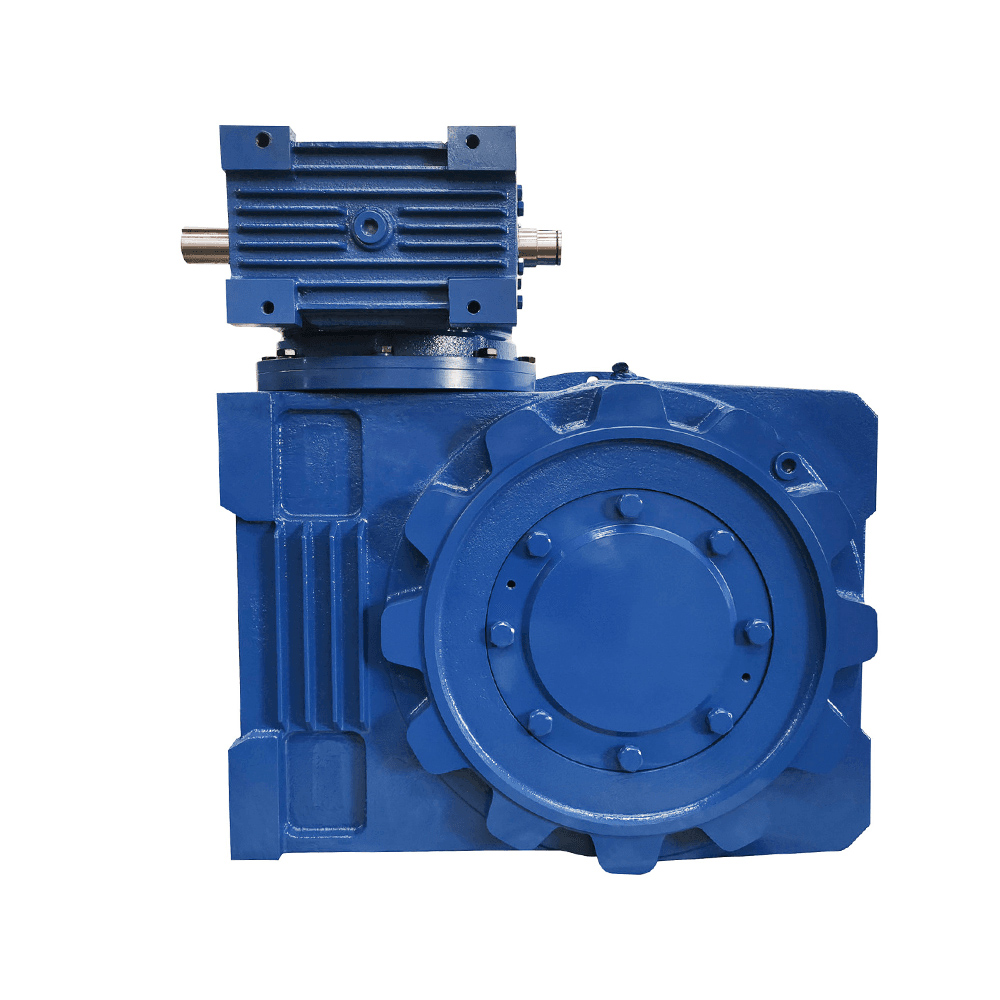
Center distance: 100~710 mm Speed ratio: i ≥ 10. Design modularization, specification serialization,...
See Details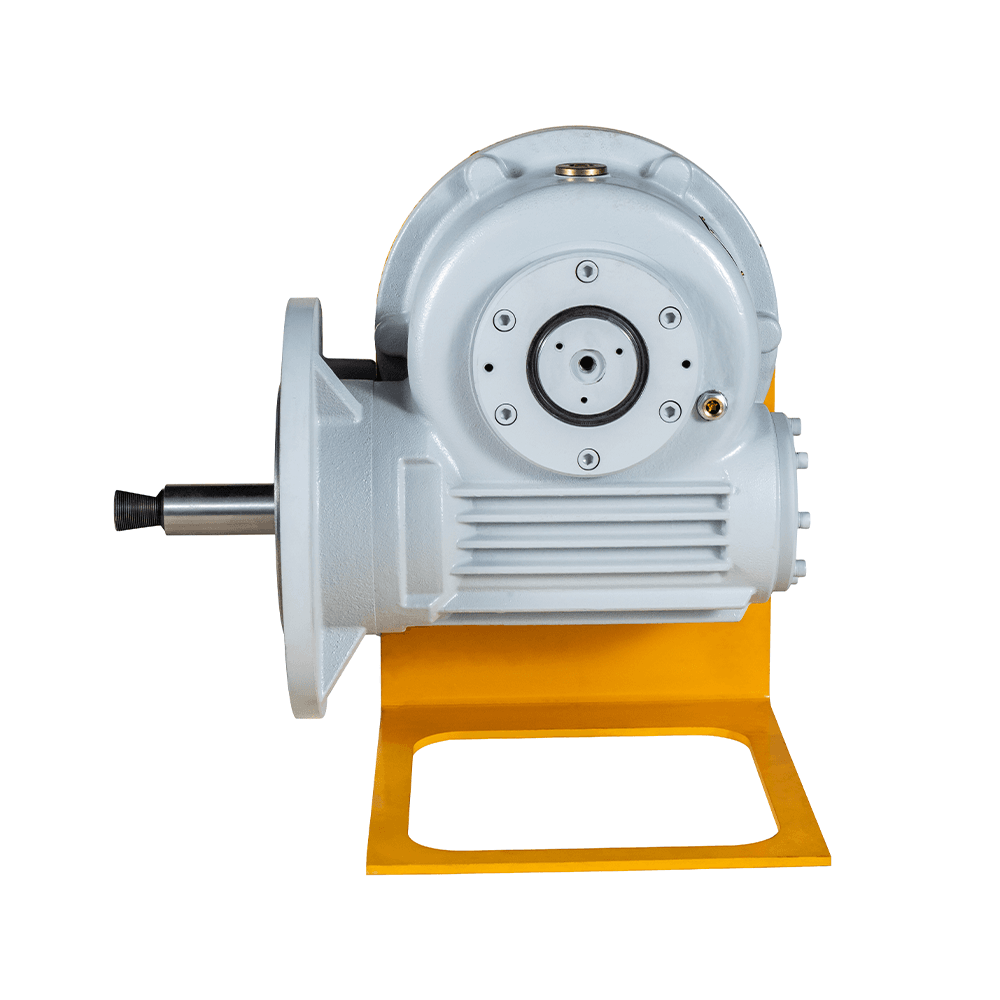
Facing the stringent requirements of the pharmaceutical, food, chemical, and electronics industries ...
See Details
SGR is an ISO 9001 certified, DNV-accredited industry gearbox manufacturer since 1996. We supply different gear reducers to brands worldwide.

