Global
  English
 中文简体
中文简体 русский
 Español
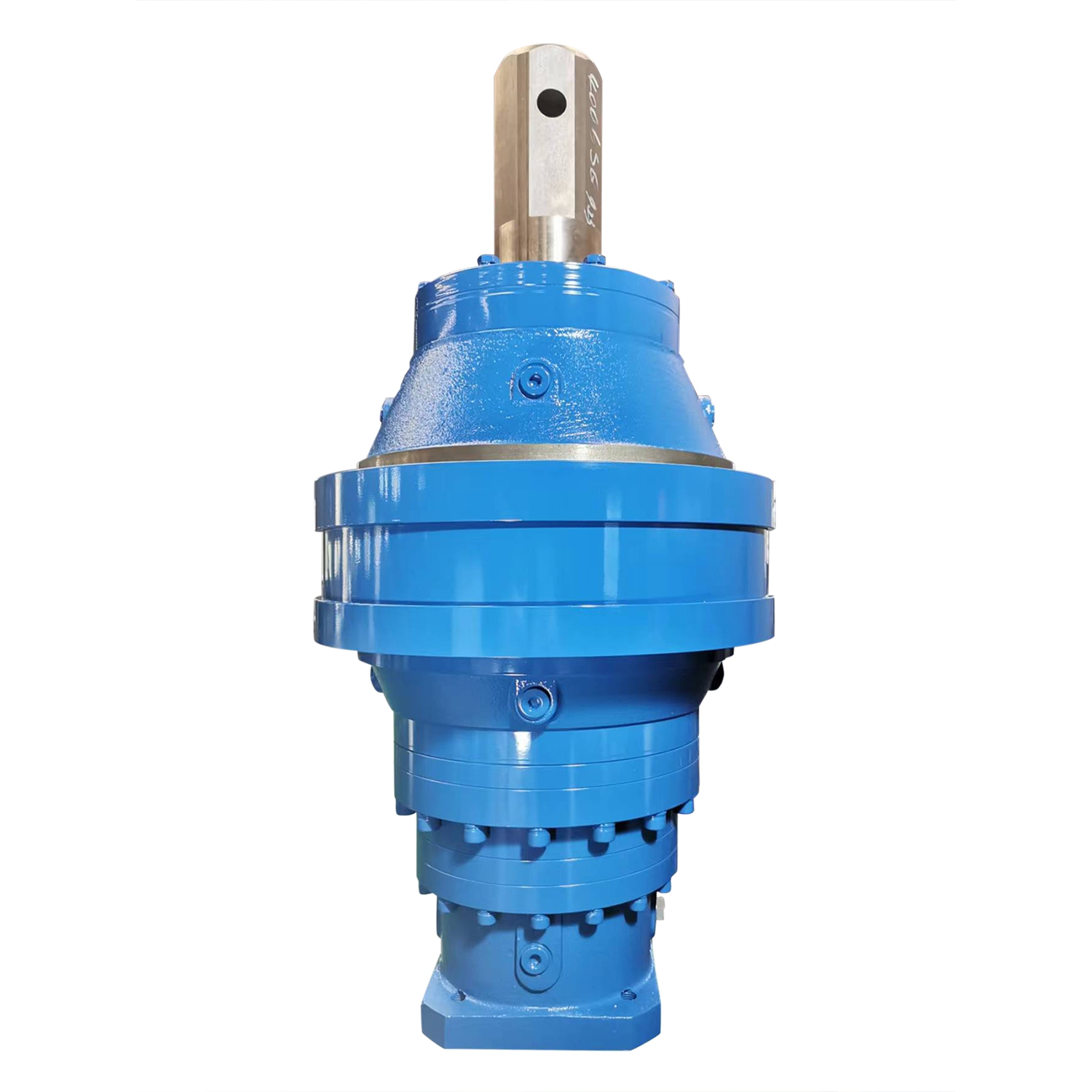
Key feature:Planetary gearbox is produced by modular design, and can be combined according to client...
See Details
News Directory
A planetary gearbox delivers the highest torque density of any gearbox type — making it the default choice for construction equipment, industrial conveyors, wind turbines, and precision robotics. Understanding which configuration matches your machine, what torque range you need, and how to maintain the unit determines whether your drivetrain runs for 20,000 hours or fails at 5,000.
The right gearbox model depends on three machine-level factors: load type (constant vs. cyclic), mounting orientation, and environment. A planetary gearbox integrates a sun gear, multiple planet gears, and a ring gear into a coaxial housing — this architecture distributes load across all planet gears simultaneously, eliminating the lateral shaft forces that limit parallel-shaft designs.
Best for conveyor drives, mixers, and agitators. Input and output shafts share the same axis, simplifying integration into tight mechanical envelopes. Common in food processing lines and aggregate handling.
Used where a 90-degree power turn is required — pallet shuttles, slewing drives, and crane hoists. A bevel input stage precedes the planetary stages. Efficiency drops by roughly 2% per bevel stage versus inline.
For mobile machinery — excavators, boring machines, wheel motors — compact multi-stage planetary units rated to IP65 or higher are the standard. For servo-driven automation, zero-backlash precision variants (backlash below 3 arcmin) are required to hold positional accuracy under reversing loads.
Planetary gearbox torque ratings span from under 100 Nm for servo actuators to over 50,000 Nm for industrial mill drives. The output torque is the key selection parameter — not input speed or motor size alone.
| Application Class | Output Torque Range | Typical Ratio | Common Use |
| Light Servo | 10 – 500 Nm | 3:1 – 10:1 | Robotics, CNC axes |
| Medium Industrial | 500 – 5,000 Nm | 5:1 – 50:1 | Conveyors, mixers, pumps |
| Heavy Industrial | 5,000 – 25,000 Nm | 20:1 – 200:1 | Extruders, hoists, compactors |
| High-Torque Drive | 25,000 – 50,000+ Nm | 50:1 – 500:1 | Wind turbines, tunnel borers |
Always calculate the required output torque with a service factor applied. For shock-load applications — jaw crushers, vibrating screens — apply a service factor of 1.5 to 2.0 over the nominal torque requirement. Undersizing by even 15% under cyclic shock loading reduces bearing life by up to 50% according to SKF bearing lifecycle models.
Among all gear arrangements, planetary designs consistently deliver the highest efficiency because load is shared across three or more planet gears simultaneously. A single-stage planetary gearbox achieves 97–98% efficiency at rated load. Multi-stage units lose approximately 1–2% per added stage, so a three-stage unit operates at 93–95% — still superior to worm gears (50–90%) and comparable to premium helical parallel-shaft designs.
Helical-tooth planetary variants add a further efficiency gain of 0.5–1% over spur-tooth versions by reducing sliding contact and distributing load more evenly across tooth flanks. For energy-intensive 24/7 operations — such as aggregate conveyors running 8,000 hours per year — that difference translates directly to measurable electricity cost savings.
A planetary gearbox maintained on schedule will outlive the machine it drives. The three maintenance-critical areas are lubrication, seal integrity, and carrier bearing condition.
Drain and refill synthetic gear oil every 10,000 operating hours or annually, whichever comes first. Use ISO VG 220 or VG 320 synthetic lubricant unless the manufacturer specifies otherwise. Contaminated or oxidized oil accounts for over 50% of premature planetary gearbox failures in industrial settings.
Radial shaft seals degrade from UV, heat cycling, and shaft runout. Inspect every 2,500 hours. A clogged breather valve raises internal pressure, accelerating seal failure and forcing lubricant past the lip. Replace breathers annually regardless of visible condition.
Install a vibration baseline at commissioning using a handheld accelerometer. A rise of more than 2 mm/s RMS above baseline at the output bearing indicates wear or misalignment. Operating temperature above 90°C at the housing surface requires immediate investigation — typical running temperature should stay below 80°C.
Measure output shaft backlash annually. For precision servo units, replace when backlash exceeds 6 arcmin. For industrial drives, backlash above 0.3 degrees under no-load conditions signals planet carrier pin wear. Address carrier wear before it propagates to ring gear tooth damage, which requires a full housing replacement.
Proper lubrication alone extends planetary gearbox service life by 30–40% compared to units running on degraded oil. Scheduled maintenance is not optional — it is the lowest-cost performance upgrade available.
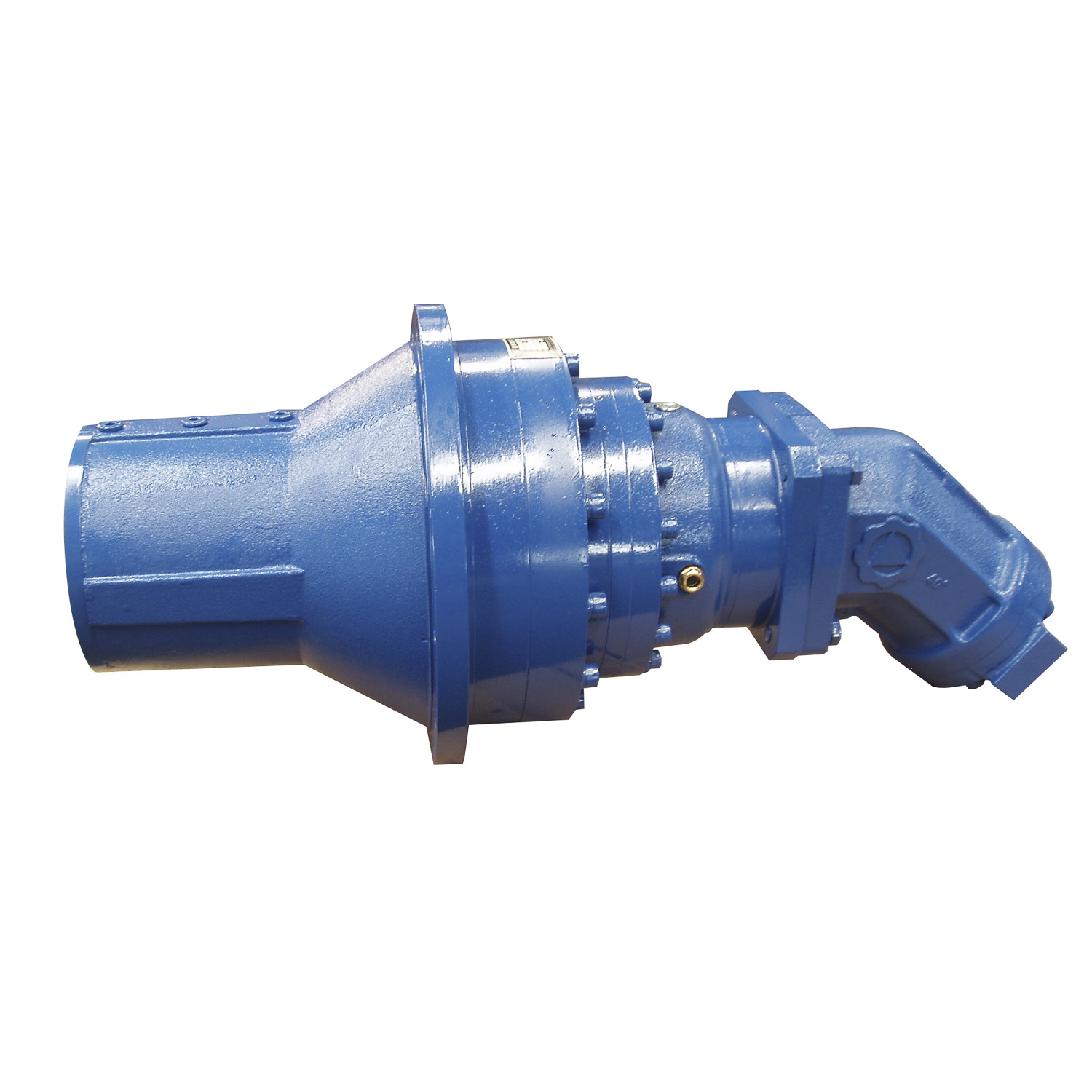
Key feature:Planetary gearbox is produced by modular design, and can be combined according to client...
See Details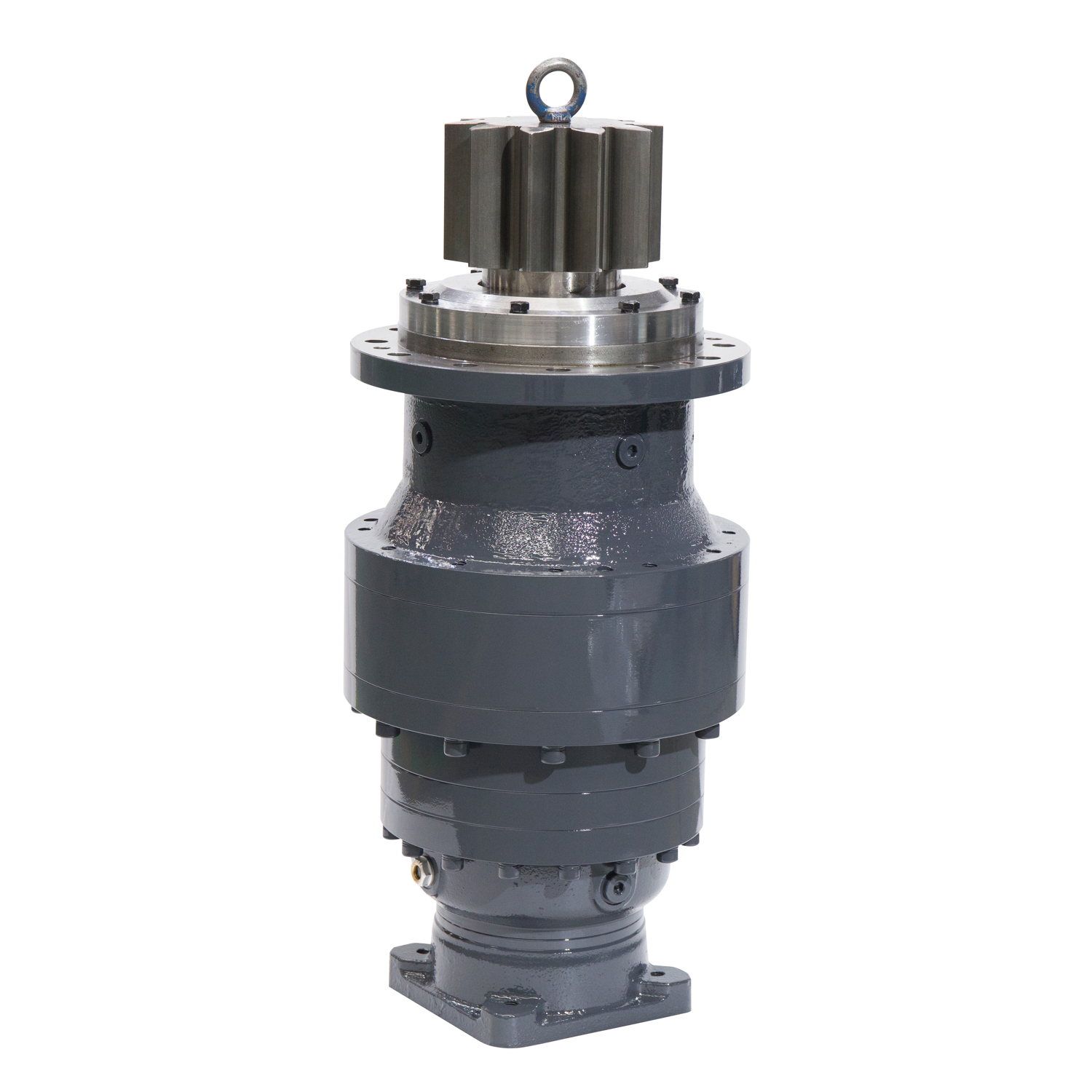
Model: 200-885Ratio: 3.15-7800Output Torque :1500Nm-540000NmRating Power :0.25KW-200kwDescription : ...
See Details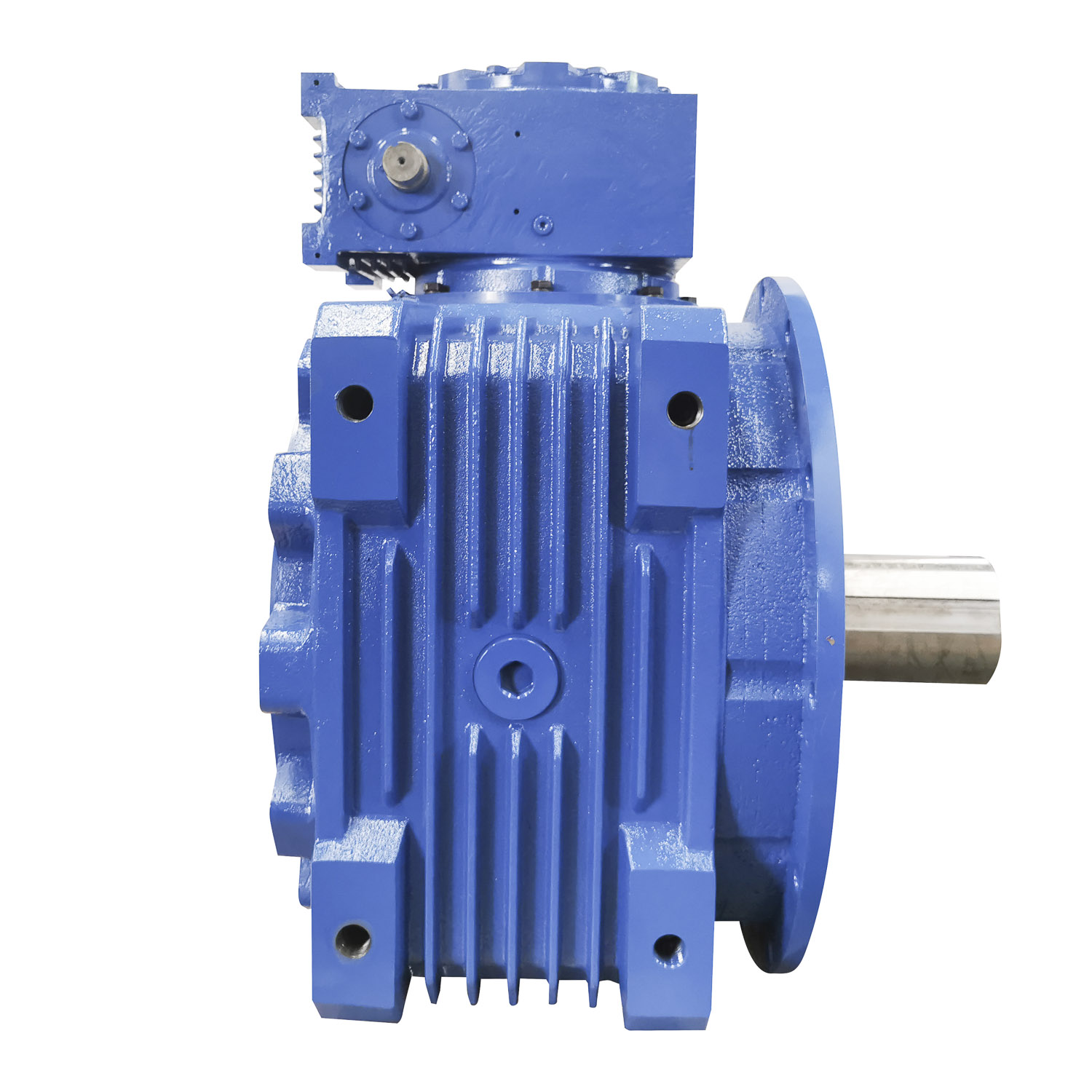
Description :1, High torque double enveloping worm gear adjust toughest working condition .2,Univers...
See Details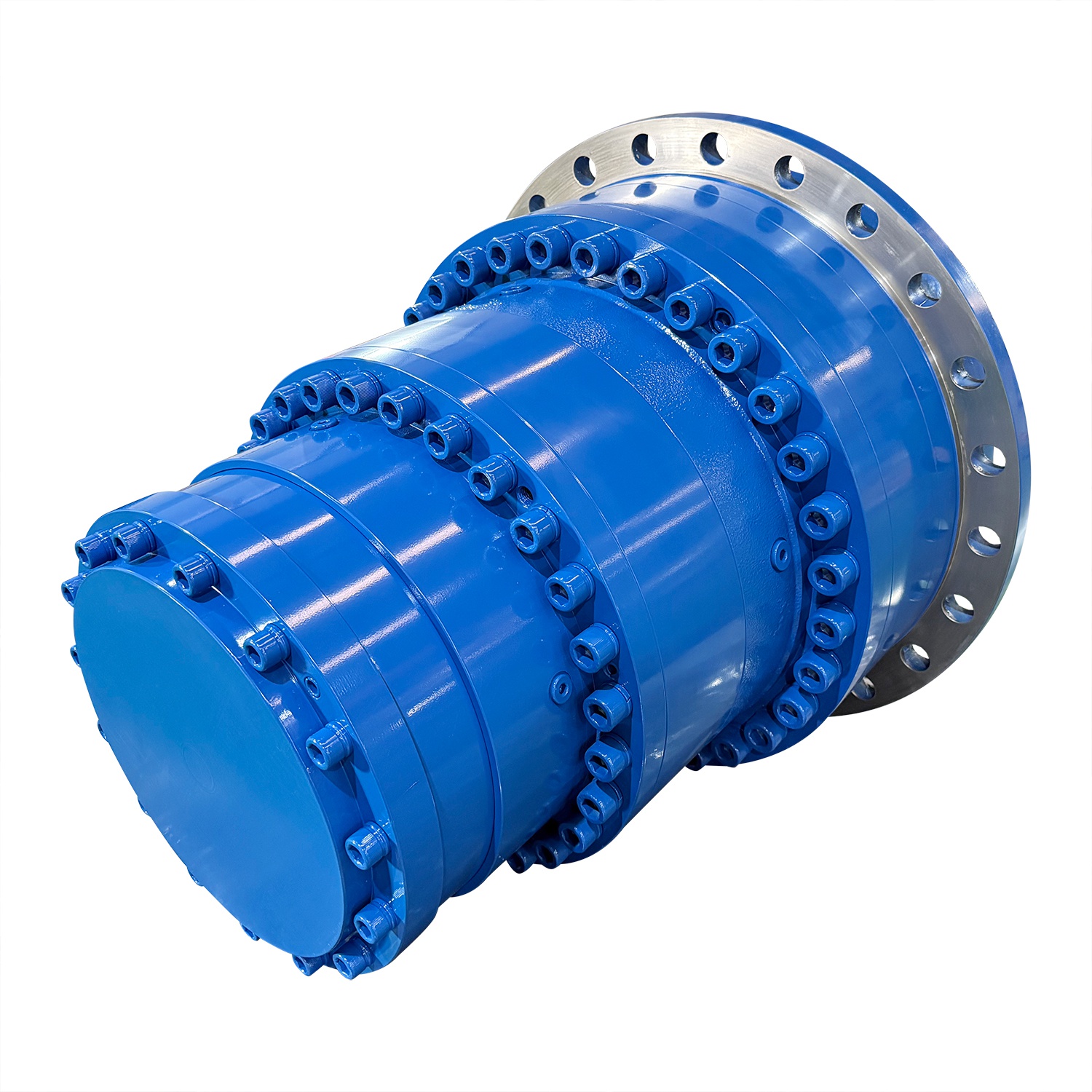
Planetary gear reducers serve as key transmission parts for sightseeing boats sailing along Russia’s...
See Details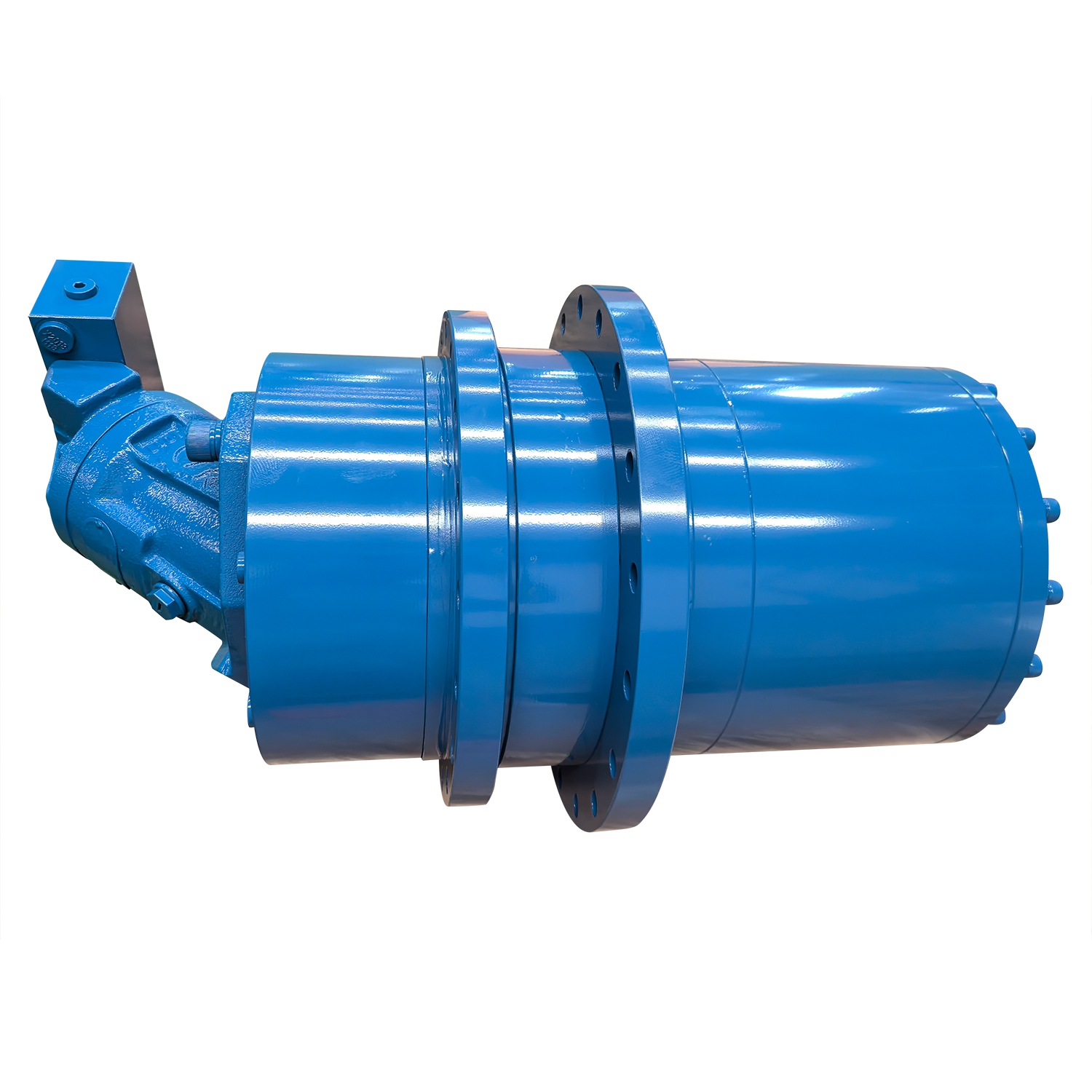
Model: 200-885 Ratio: 3.15-7800 Output Torque :1500Nm-540000Nm Rating Power :0.25KW-200kw Descripti...
See Details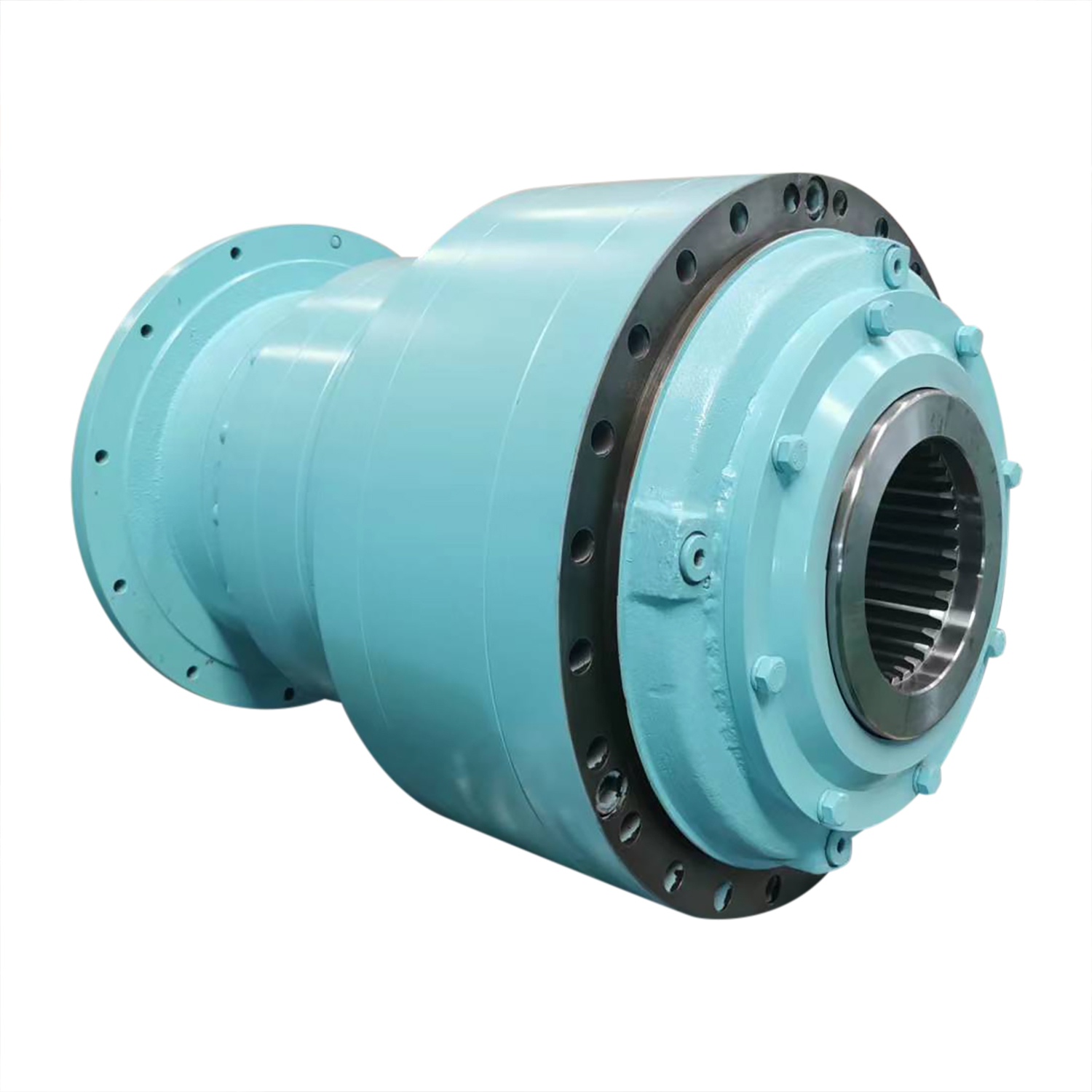
Planetary Gearbox Application For In Electric Drive Model: 200-885Ratio: 3.15-7800Output Torque :15...
See Details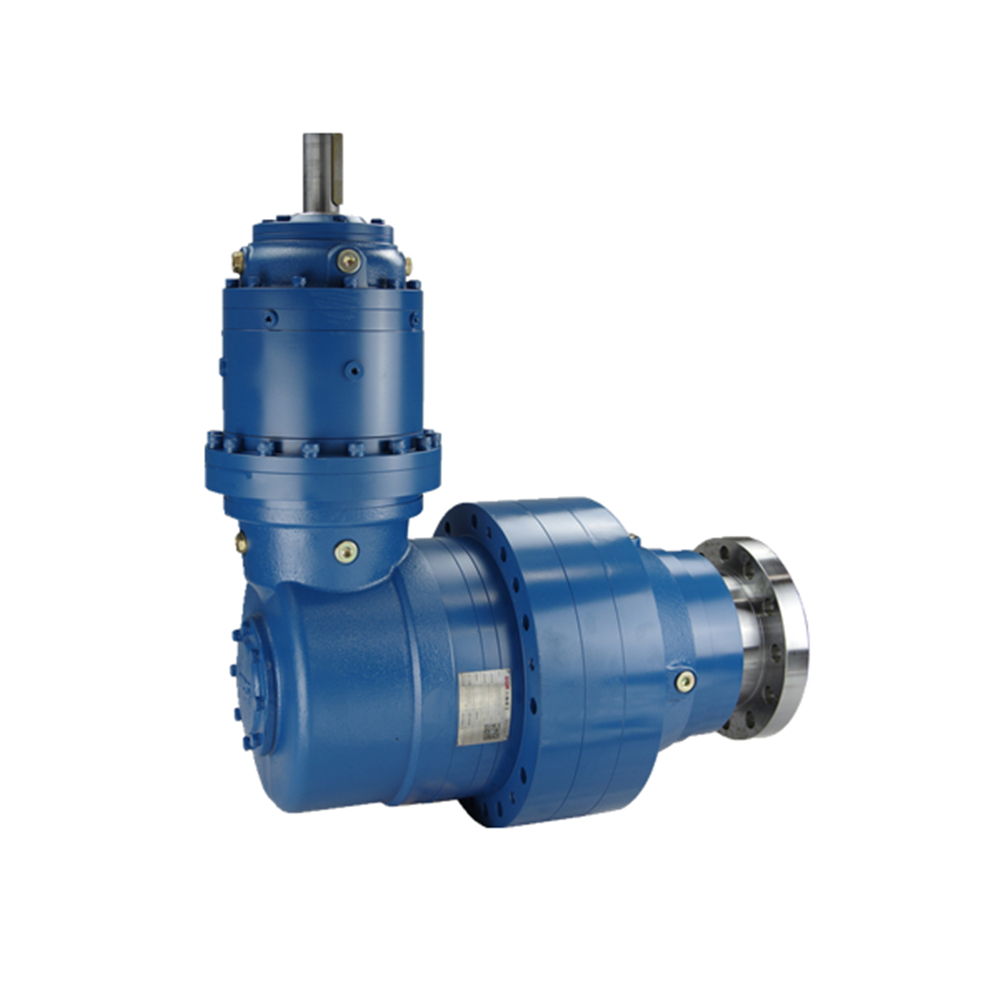
Technical data: 1. Ratio range: 3.15-30002. Input power: 0.25-55KW3. Permit torque rang: ≤ 200000N. ...
See Details
SGR is an ISO 9001 certified, DNV-accredited industry gearbox manufacturer since 1996. We supply different gear reducers to brands worldwide.