Global
  English
 中文简体
中文简体 русский
 Español
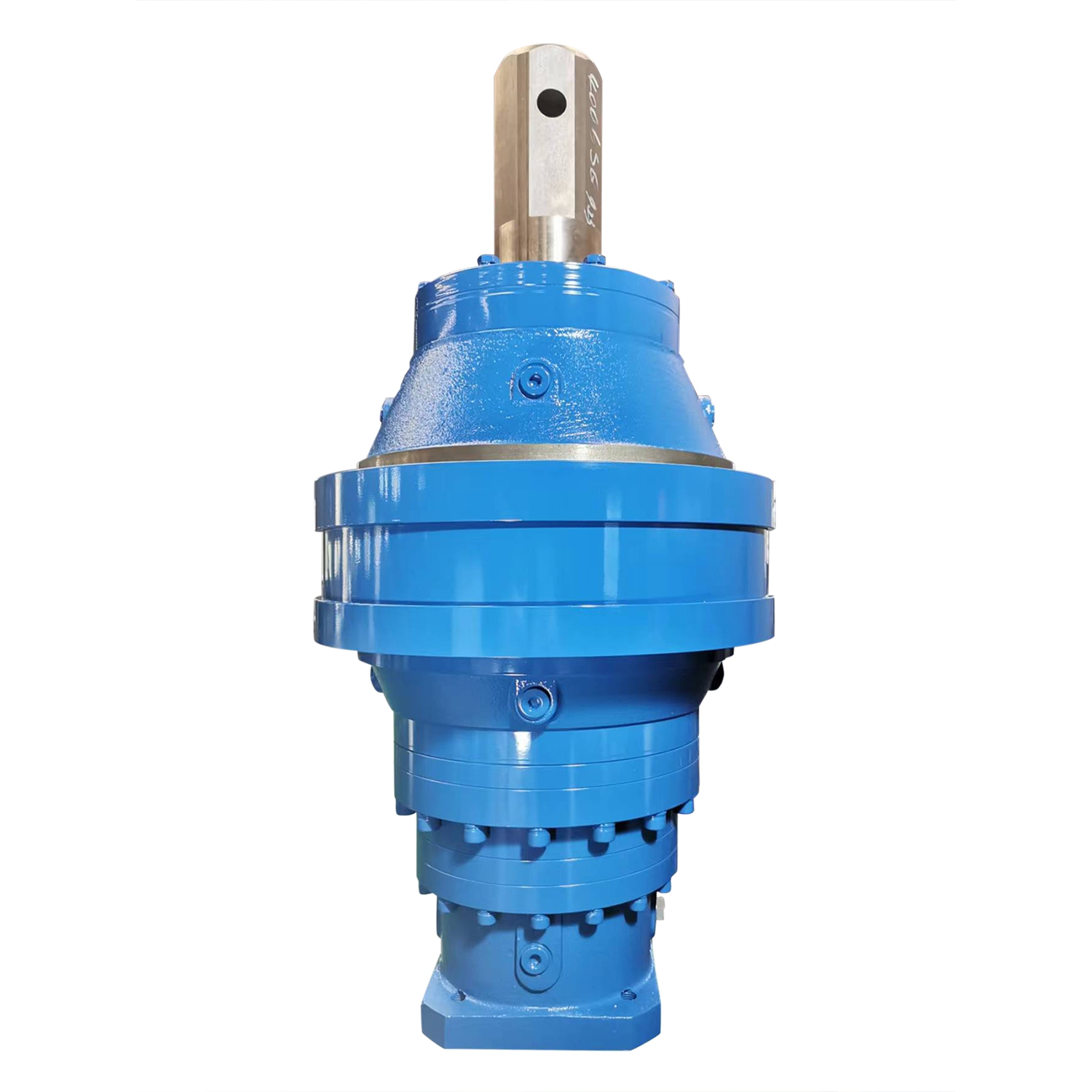
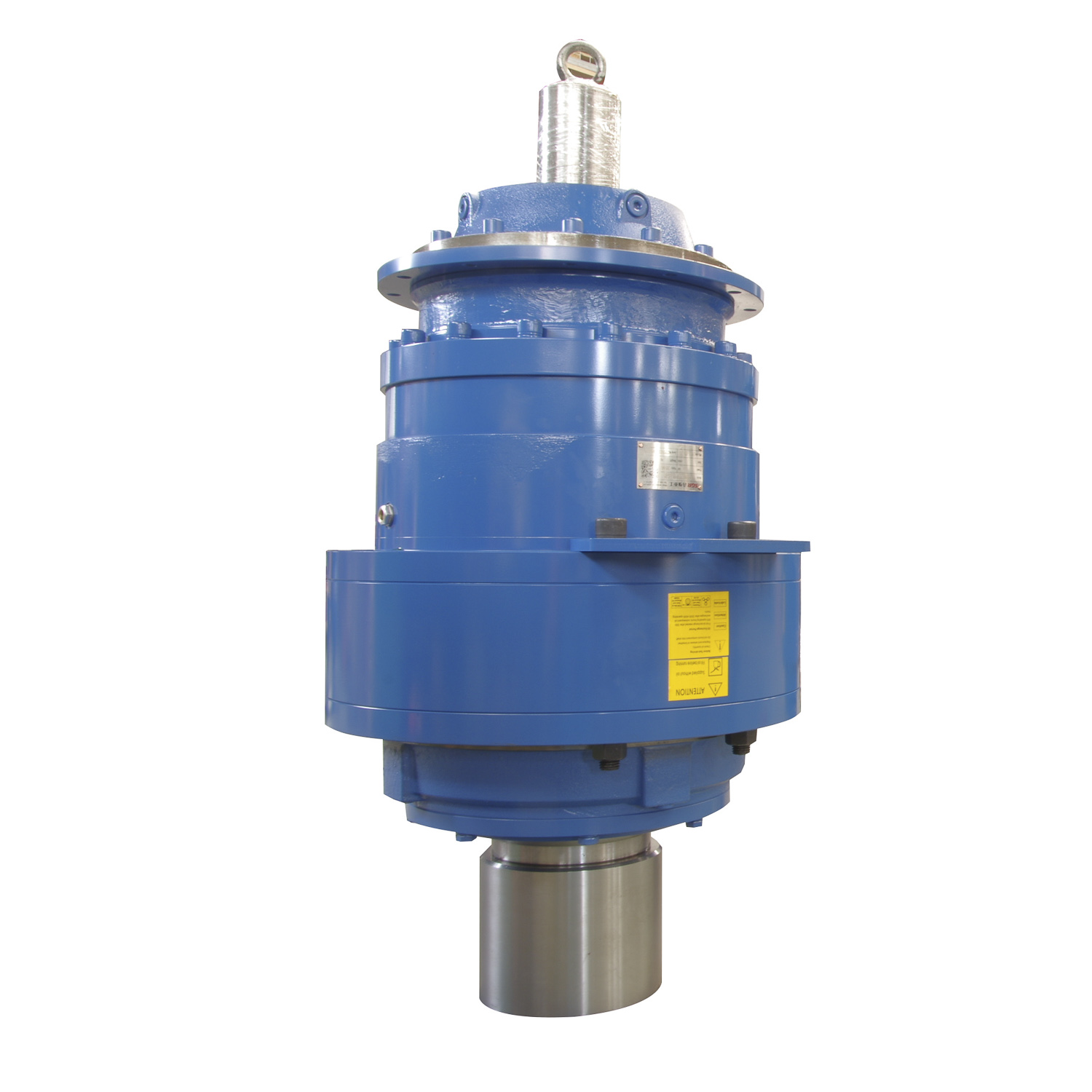
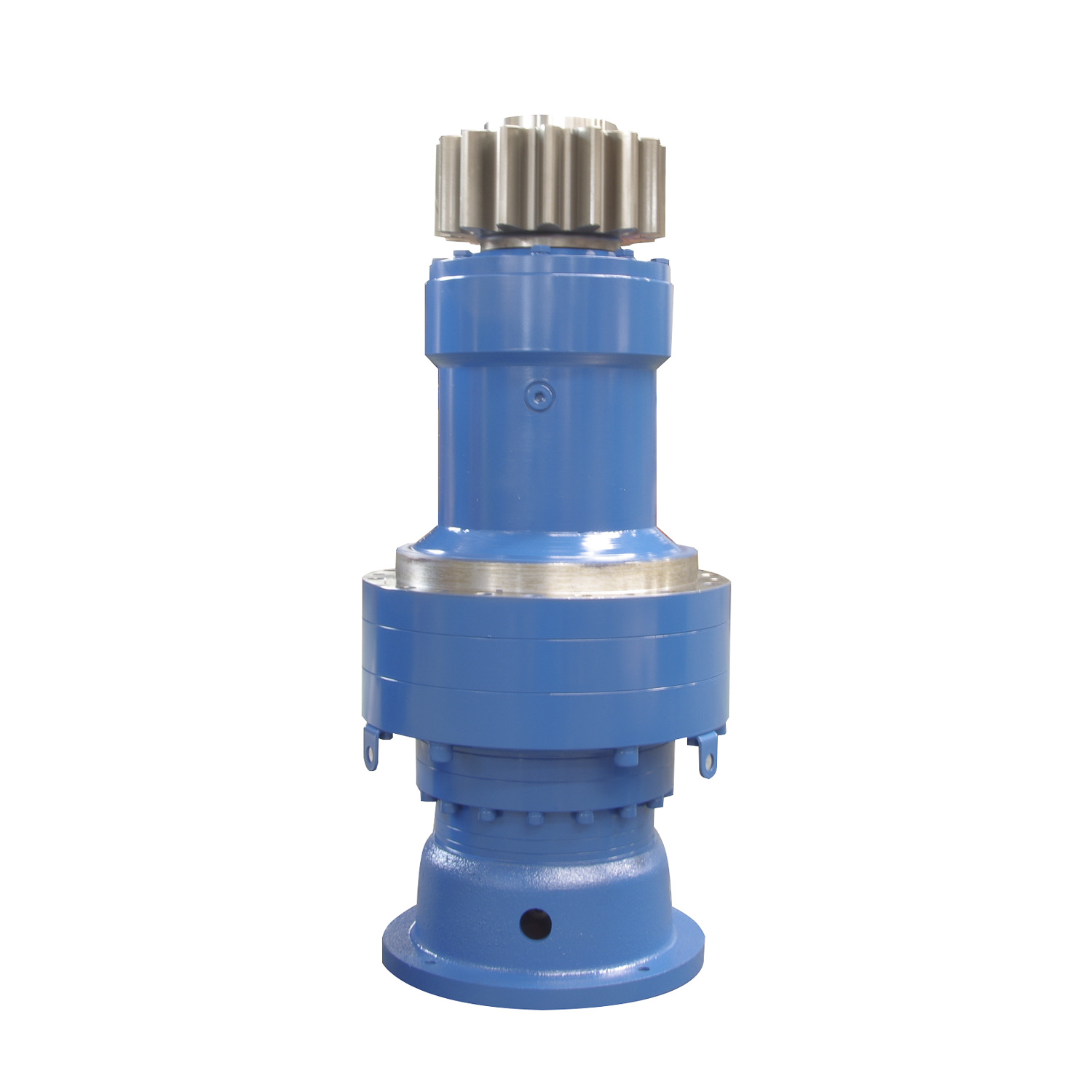
Key feature:Planetary gearbox is produced by modular design, and can be combined according to client...
See Details
News Directory
A planetary gearbox is a gear system in which one or more outer gears (planet gears) revolve around a central sun gear, all enclosed within a ring gear — delivering exceptional torque density, compact form, and coaxial shaft alignment in a single integrated unit.
A planetary gearbox is used wherever high torque, compact packaging, and reliable power transmission must coexist. Because load is shared across multiple planet gears simultaneously, the design handles far greater torque than a conventional parallel-shaft gearbox of the same diameter — making it indispensable across dozens of industries.
Automatic transmissions in passenger cars rely on stacked planetary sets. Each gear ratio is achieved by locking or releasing different members of the system — the same physical components produce every forward gear and reverse.
Robot joint actuators require high torque in a slim profile. A planetary gearbox mounted directly on a servo motor delivers the torque multiplication needed without adding arm length or inertia.
Multi-megawatt turbines use planetary stages to step up low rotor RPM (10–20 rpm) to generator speed (1,500+ rpm). The distributed load across planet gears is critical for handling the enormous, variable torque of the rotor.
Excavator swing drives, wheel loaders, and drill heads all use planetary reducers. The sealed, coaxial design tolerates shock loads and contamination that would destroy lighter gearbox types.
Landing gear, flap actuators, and satellite dish positioning systems need precision, zero-backlash reduction. High-precision planetary gearbox variants deliver arc-minute-level positioning accuracy.
Surgical robots and centrifuge drives demand smooth, repeatable motion. Low-backlash planetary units provide the positioning resolution that stepper and servo-based medical systems require.
Torque multiplication in a planetary gearbox is governed by the gear ratio between the sun gear and the ring gear, with the planet carrier acting as the output. The fundamental relationship is: Output Torque = Input Torque x Gear Ratio x Efficiency.
Torque increases because multiple planet gears share the load simultaneously. A system with three planet gears distributes the tangential force across three mesh points — tripling load capacity versus a single gear mesh at the same pitch diameter. This is why a planetary gearbox achieves torque densities of 3 to 5 times that of conventional helical gearboxes at equivalent size.
When the ring gear is held stationary and the sun gear is the input, the ratio is calculated as:
| Configuration | Input | Output | Fixed Member | Result |
| Standard reduction | Sun gear | Planet carrier | Ring gear | Speed down / Torque up |
| Overdrive | Planet carrier | Sun gear | Ring gear | Speed up / Torque down |
| Direct drive (1:1) | Any two members locked together | Third member | None locked | No ratio change |
| Reverse | Sun gear | Ring gear | Planet carrier | Direction reversal |
A single planetary stage typically yields ratios from 3:1 to 10:1. By placing two or three stages in series — each stage's carrier driving the next stage's sun gear — a planetary gearbox can achieve ratios exceeding 100:1 while keeping the overall length compact. Each additional stage multiplies the ratio: a 5:1 first stage paired with a 7:1 second stage produces 35:1 total reduction with output torque increased proportionally (minus efficiency losses).
Shifting in a planetary gearbox is achieved by selectively locking or releasing one of the three main members — the sun gear, the planet carrier, or the ring gear — using clutches, brakes, or band mechanisms. The same gear set produces entirely different ratios depending on which member is held and which is driven.
A multi-plate clutch pack locks the ring gear to the housing. The sun gear receives engine torque. The planet carrier turns slowly, delivering maximum torque multiplication to the output shaft — ideal for launch and heavy loads.
The transmission control unit (TCU) signals hydraulic pressure changes. The first clutch pack releases the ring gear while a second clutch simultaneously engages the planet carrier or locks the sun gear. The overlap is timed in milliseconds to prevent torque interruption — this is the "shift quality" feel in modern automatics.
When any two of the three members are locked together, the entire planetary set rotates as one solid unit, producing a 1:1 ratio. This eliminates internal gear sliding losses and maximizes highway fuel efficiency.
A band brake or clutch clamps the planet carrier stationary. The sun gear input now drives the ring gear in the opposite direction, reversing output shaft rotation without any separate reverse gear mechanism.
In industrial planetary gearbox units used in automation and robotics, "shifting" takes a different form: the ratio is fixed by design, and speed changes are made at the motor level via variable frequency drives (VFDs) or servo controllers. The planetary stage provides a fixed mechanical advantage while the electronics handle variable output speed.
The primary advantage is torque density. Because load is distributed across multiple planet gears in parallel mesh, a planetary gearbox achieves torque outputs 3 to 5 times higher than a helical or worm gearbox of equivalent housing diameter — making it the preferred choice when space and weight are constrained.
Most industrial units are single-stage (ratios 3:1 to 10:1) or two-stage (ratios up to 100:1). Three-stage configurations extend the range beyond 1,000:1, though efficiency loss per stage means three-stage units are selected only when the ratio genuinely cannot be met with two stages plus a motor with wider speed range.
Backlash is the angular play between meshing gear teeth and arises from necessary manufacturing clearances. In precision planetary gearbox designs, it is minimized through tight tooth tolerance grades (ISO 5 or better), spring-loaded split sun gears, or preloaded planet assemblies. Low-backlash models rated at 1–3 arc-minutes are standard in servo robotics and CNC positioning applications.
Yes. By reversing the power flow — feeding torque into the planet carrier and extracting it from the sun gear — a planetary gearbox operates as a speed multiplier (overdrive). This configuration is used in wind turbine drivetrains and generator test rigs where rotor torque must be converted to high-speed, lower-torque shaft power for the generator.
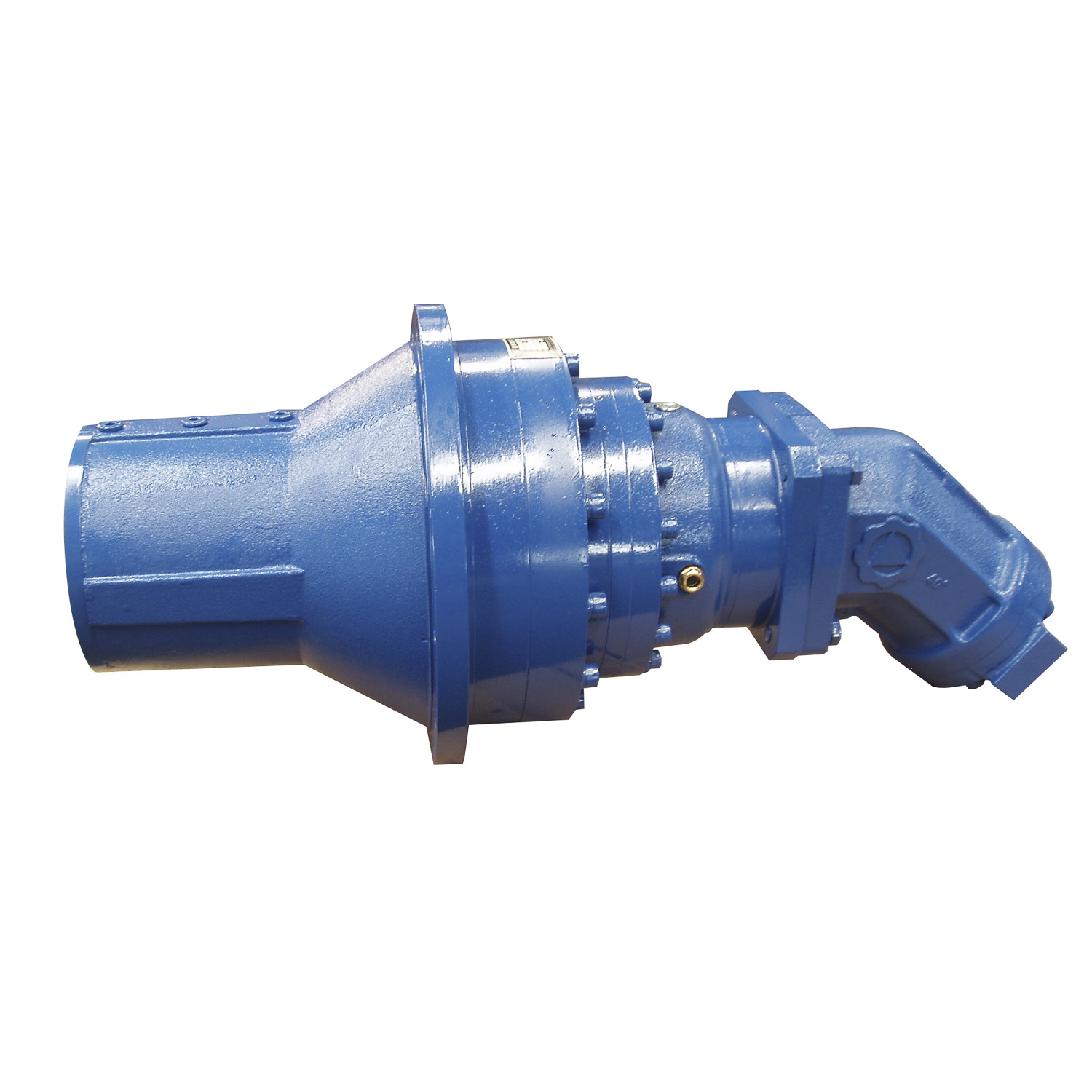
Key feature:Planetary gearbox is produced by modular design, and can be combined according to client...
See Details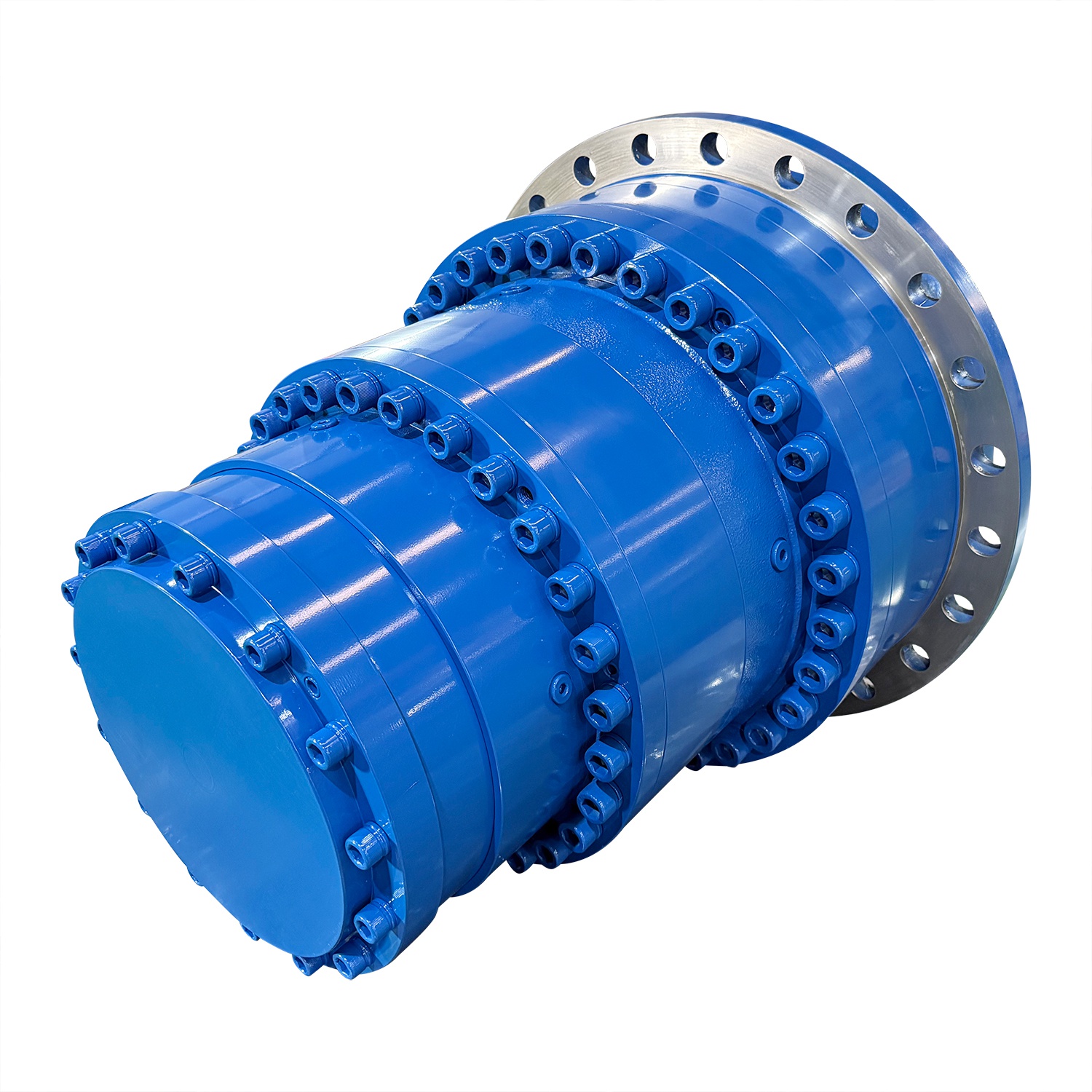
Planetary gear reducers serve as key transmission parts for sightseeing boats sailing along Russia’s...
See Details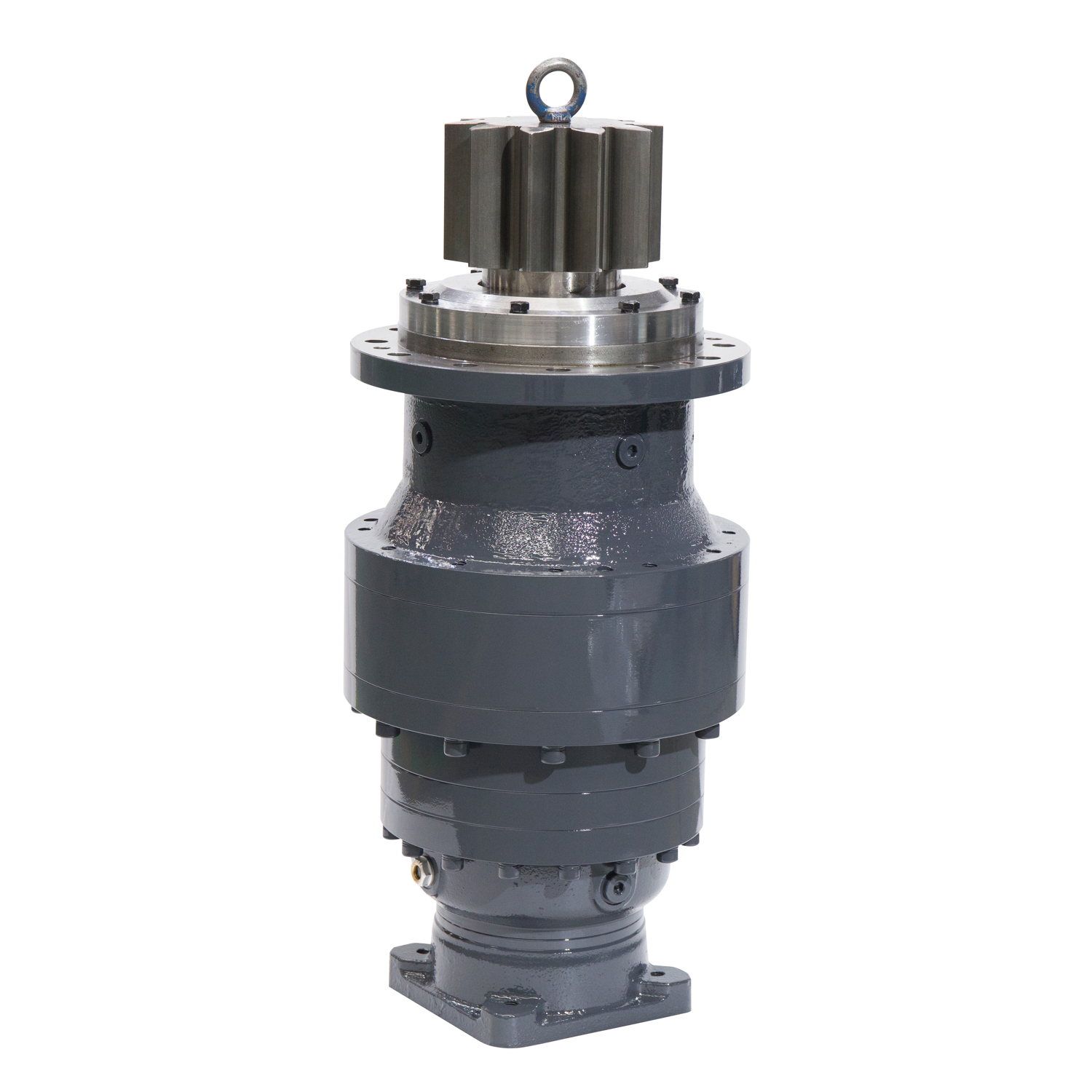
Model: 200-885Ratio: 3.15-7800Output Torque :1500Nm-540000NmRating Power :0.25KW-200kwDescription : ...
See Details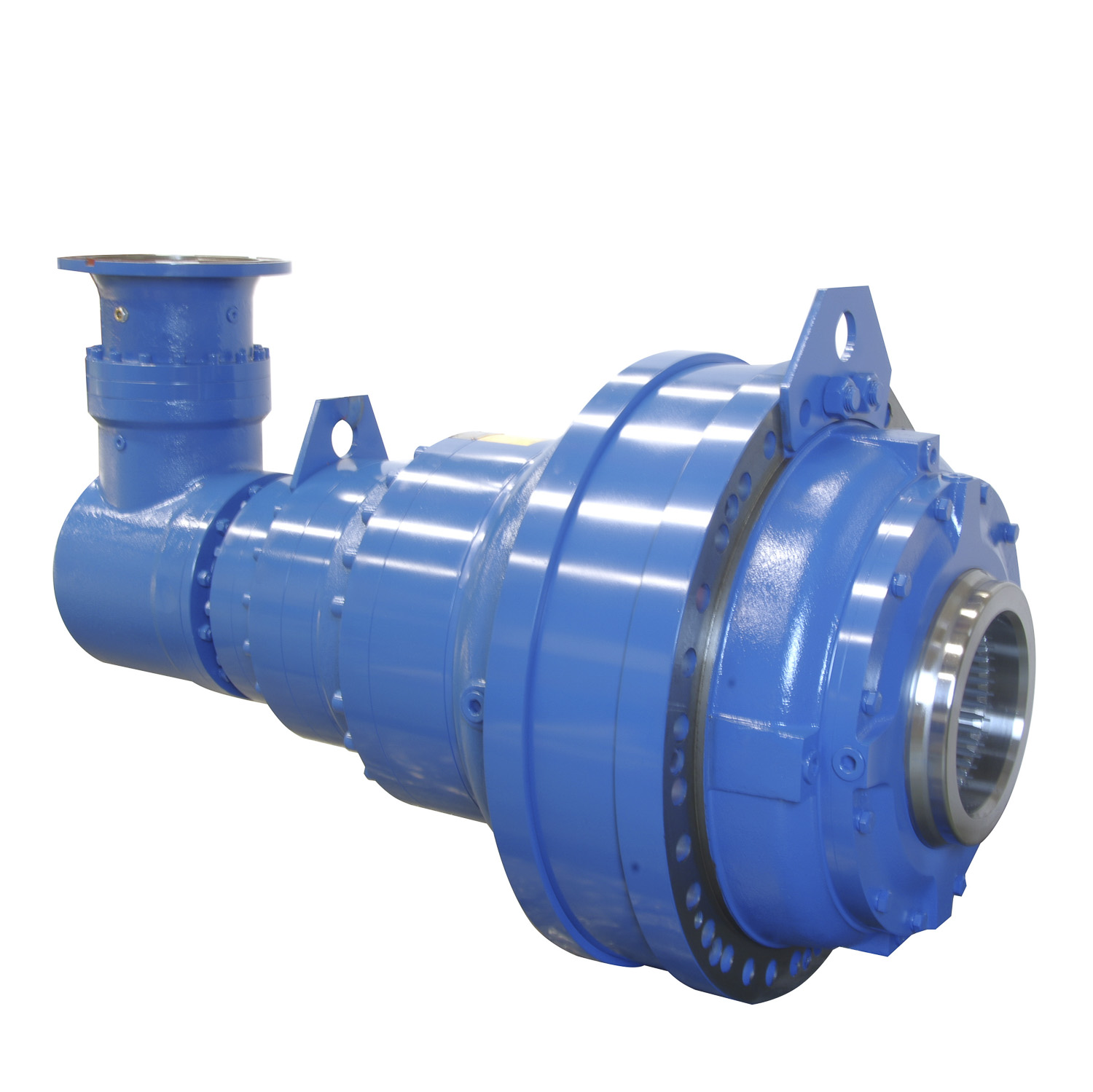
Planetary gearbox is produced by modular design, and can be combined according to client's request H...
See Details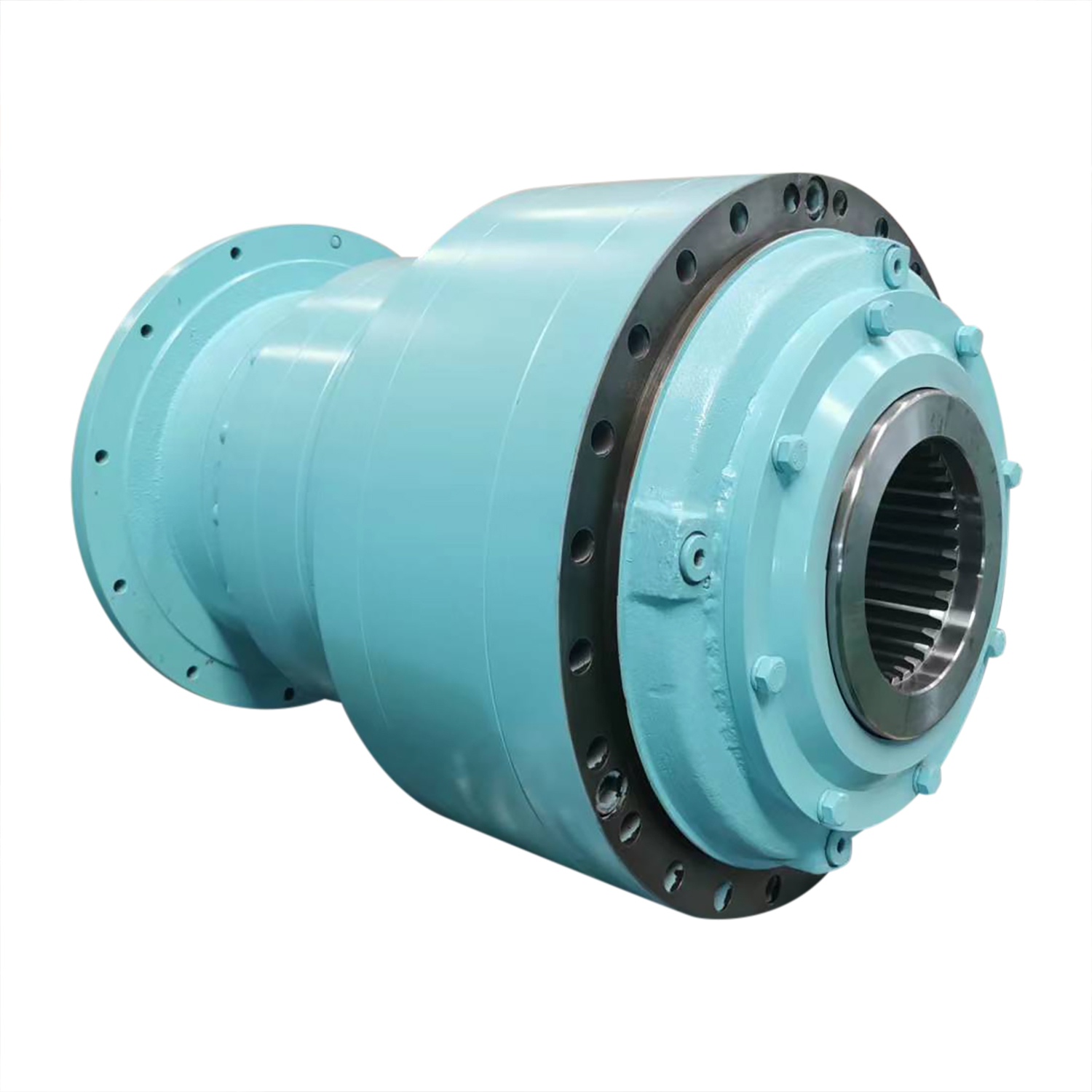
Planetary Gearbox Application For In Electric Drive Model: 200-885Ratio: 3.15-7800Output Torque :15...
See Details
SGR is an ISO 9001 certified, DNV-accredited industry gearbox manufacturer since 1996. We supply different gear reducers to brands worldwide.