Global
 English
 中文简体
 русский
 Español
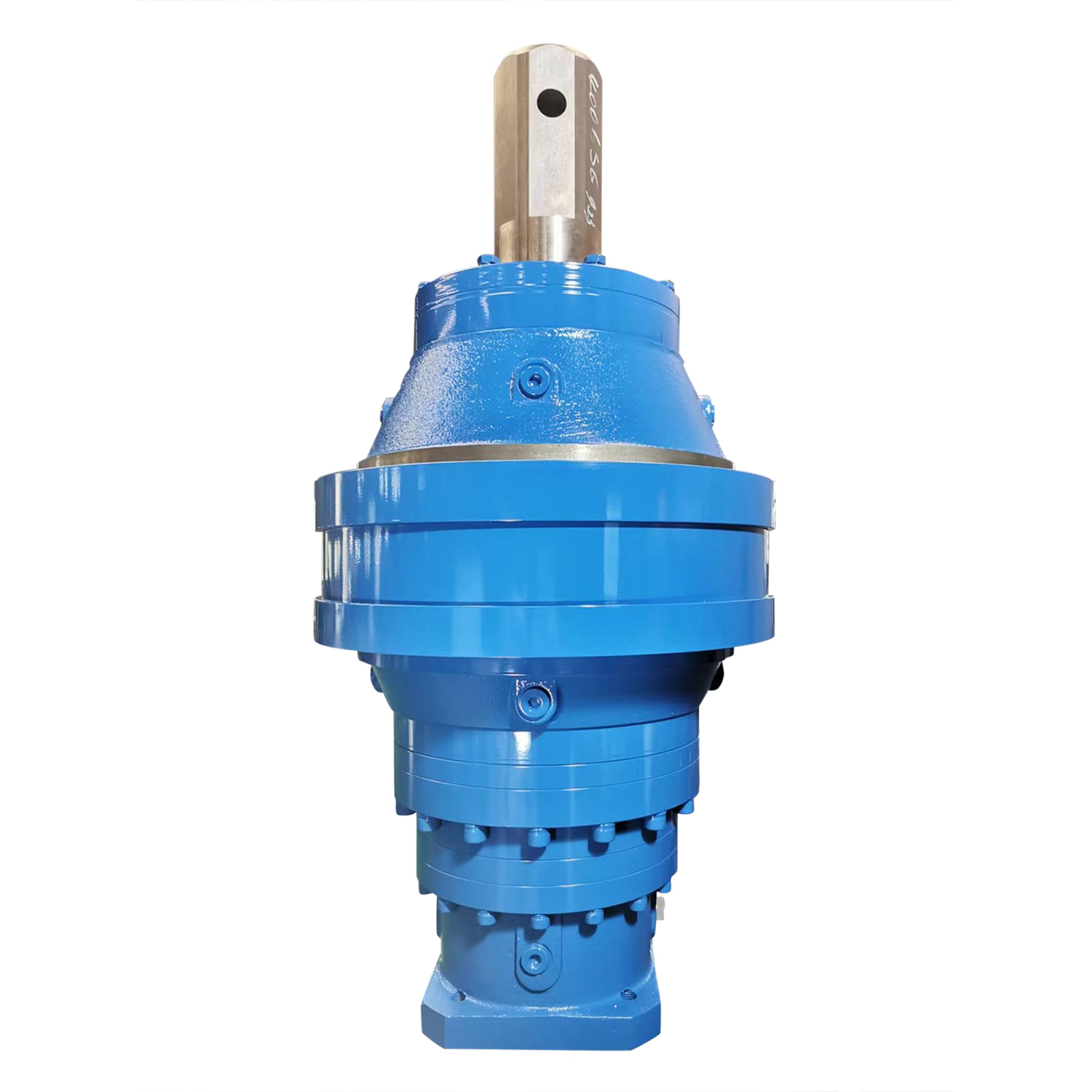
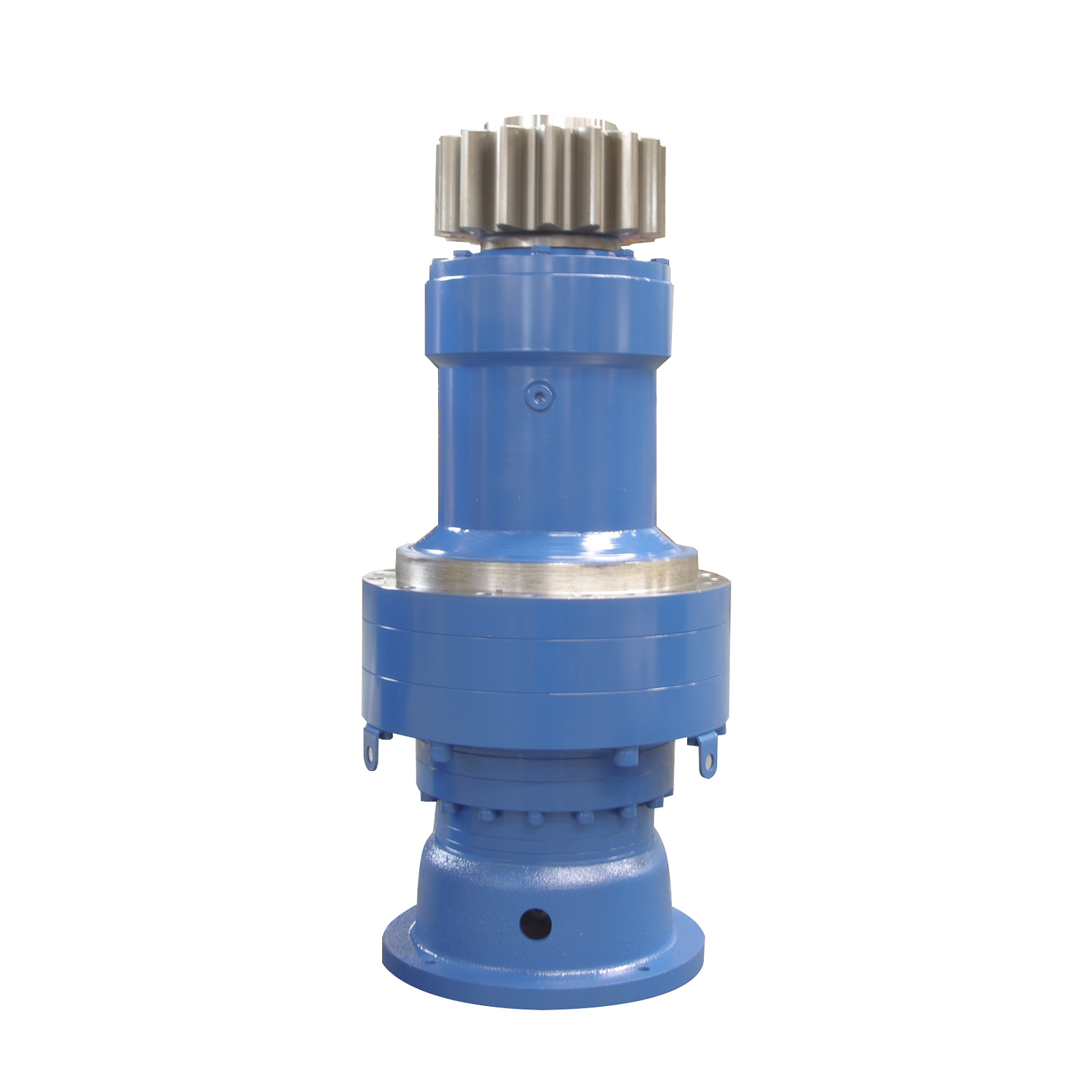
Model: 200-885Ratio: 3.15-7800Output Torque :1500Nm-540000NmRating Power :0.25KW-200kwDescription : ...
See Details
News Directory
A bulk planetary gearbox order is won or lost on the specification sheet, not on the price list. When an enquiry lists only ratio, output torque and flange size, the technical offers that come back can differ by 20 to 40 percent in mass, service factor and unit price, because every manufacturer fills the missing parameters with its own assumptions about duty cycle, bearing life and backlash.
Two suppliers can both quote "25:1, 3,000 Nm, four-bolt flange" and deliver units whose bearings last 8,000 hours and 35,000 hours respectively on the same conveyor. Nothing in the quotation reveals which one is which, and nothing in the receiving inspection will catch it either, because both units will pass a no-load run-in.
This guide covers the specifications that must be fixed before a bulk request for quotation is released, the tolerances that decide acceptance at goods-in, and the commercial terms that set landed unit cost at 20, 200 and 2,000 units.
Seven parameters determine whether bulk planetary gearbox quotations are technically comparable: rated output torque, service factor, nominal ratio, backlash class, output interface tolerance, L10 bearing life and lubrication. If any one of them is missing, suppliers will price against different assumptions and the lowest bid will usually be the one that assumed the least.
The table below lists the seven, the values that appear in normal bulk orders, and the cost line each one moves.
| Specification | Typical bulk-order value | Reference or test condition | What it drives in the price |
| Rated output torque | 500 to 20,000 Nm | Verified at 100 percent rated torque, with momentary overload stated separately | Gear module, shaft diameter and bearing size |
| Service factor | 1.25 to 2.0 | Application load class per ISO 6336 and AGMA 6013 | Frame size, housing mass and cooling |
| Nominal ratio | 3:1 to 100:1 per unit, up to 1,000:1 in three stages | Ratio deviation normally held below 1 percent | Number of stages, efficiency and overall length |
| Backlash class | 8 to 15 arcmin industrial, 3 to 5 arcmin precision | Measured at the output shaft with the input locked | Gear grinding time and matched assembly |
| Output interface | Pilot diameter H7, bolt circle at +/-0.05 mm | ISO 9409-1 for robotic flanges, customer drawing for others | Fixtures and machining passes |
| L10 bearing life | 20,000 to 50,000 h | Basic rating life per ISO 281 at rated load | Bearing grade and unit price |
| Lubrication and sealing | Synthetic PAO or mineral oil, grease-for-life in some frames, IP55 to IP65 | Ambient -20 C to +40 C, mounting orientation stated | Sealing design, maintenance interval and warranty |
A specification that omits service factor and L10 life is not a specification. ISO 6336 and AGMA 6013 both require the application load class to be declared before a rated torque can be verified, so a supplier that quotes without asking for it is quoting an assumption, not a product.
Service factor is the multiplier applied to the true application torque to obtain the gearbox's required rated torque. For uniform conveyor duty the accepted minimum is 1.25, mixers and agitators normally sit at 1.5, and shock-loaded duties such as crushers call for 1.75 or higher under the load classifications used in ISO 6336 and AGMA 6013.
The number is not academic. A 3,000 Nm conveyor application selected at a service factor of 1.25 requires a 3,750 Nm rated unit; the same application specified at 1.75 requires 5,250 Nm. That step usually moves the order up one or two frame sizes, adds 15 to 30 kg per unit, and changes the mounting bolt pattern, which in turn changes the customer's baseplate drawing. On a 200-unit release order, the difference is a six-figure sum.
Minimum service factor by application class
Torque density is rated output torque divided by gearbox mass, expressed in newton-metres per kilogram. A 2,000 Nm planetary unit weighing 28 kg delivers roughly 71 Nm/kg, while a worm gearbox of the same rated torque typically reaches 15 to 25 Nm/kg, because sliding contact limits worm efficiency to 60 to 90 percent against 94 to 97 percent for a two-stage planetary drive.
Torque density is the parameter that decides whether a bulk order can be installed at all. On mobile equipment, a handling arm or a machine with a defined baseplate, a 30 percent mass increase per unit may be unbuildable even when the price is acceptable. Buyers who fix torque and service factor but leave mass open will receive a technically compliant, commercially unusable offer. For a closer look at how the bearing life calculation and torque density interact during sourcing, SGR's technical note on planetary gearbox torque density and L10 life walks through the arithmetic.
Ratio, backlash and interface tolerances must appear as numbers with defined measurement conditions, because a 200-unit order is accepted or rejected on measured values rather than on catalogue ranges. A catalogue that says "backlash 8 to 15 arcmin" is describing a population; a purchase order needs a limit that applies to every serial number shipped.
Three practical points follow from that. First, each planetary stage adds ratio and subtracts efficiency, so a three-stage 1,000:1 unit loses roughly 3 to 6 percent more input power than a single-stage unit of the same frame. Second, gear accuracy grade matters more than backlash for noise and life: industrial planetary gearing is normally produced to ISO 1328 grade 6 to 8, and one grade step changes cutting time per gear. Third, the output interface is the cheapest place to prevent a costly field failure, since a pilot diameter outside H7 or a bolt circle outside +/-0.05 mm will not mate with a jig-bored baseplate.
The catalogue range is a marketing number; the drawing tolerance is a contract. Bulk buyers should convert the first into the second before tooling is released, because after the fixtures are cut, the tolerance is whatever the fixture produces.
Bulk planetary gearbox economics turn on order quantity, because tooling and setup costs are fixed. A dedicated output-flange fixture costing USD 4,000 adds USD 200 per unit across a 20-unit trial order, but only USD 20 per unit across a 200-unit release order, and USD 2 per unit at 2,000 units. That arithmetic, not supplier goodwill, is what separates the price breaks.
Most manufacturers set a practical minimum of 20 to 50 units per ratio per frame size for economic batch machining, and a first production batch typically runs 8 to 12 weeks from drawing approval, with repeat orders at 4 to 6 weeks. Two contract clauses protect the buyer at this stage: a first-article approval step that freezes the drawing and the inspection plan before volume production, and a price-validity window that covers the full delivery schedule rather than the first shipment only.
Bulk shipments are accepted on sampling plans and recorded measurements, not on a single bench test. ISO 2859-1, inspection level II, with an acceptance quality limit of 1.0 for major defects is the contractual baseline normally written into gearbox purchase orders; for a 200-unit lot that translates into a sample of 50 units for visual and dimensional checks, with critical characteristics verified on every unit.
A complete document pack for a bulk planetary gearbox order contains the following items, and any missing line is a future warranty dispute:
One measurement per characteristic per lot is not inspection, it is sampling theatre. The buyer who writes 100 percent backlash recording and sampled dimensional verification into the order receives data that can be trended across shipments, which is the only way to see a process drifting before the field sees it.
Manufacturing capability is the other half of the argument. Shanghai SGR Heavy Industry Machinery Co., Ltd. operates a toroidal worm and hob measuring instrument, a coordinate measuring machine and a gearbox power and efficiency test system, which together cover gear geometry, housing geometry and loaded performance. Documentation samples and the underlying certificates are listed on SGR's quality certifications and honors page.
Shanghai SGR Heavy Industry Machinery Co., Ltd. (SGR) designs, manufactures and tests planetary, worm and combination reducers at its Shanghai facility, with an in-house development team and a stated pipeline that includes planetary gearboxes, a four-axis complex profile grinding machine and a toroidal worm optimization design system. For bulk buyers, that combination matters in two places: the same engineering group handles the selection calculation and the manufacturing drawing, and the measurement equipment needed to prove compliance already sits on the shop floor.
The product range covers coaxial and right-angle planetary reducers, double-enveloping worm gearboxes, cylindrical worm reducers, combination units that pair planetary and toroidal worm stages, and gearbox accessories such as hydraulic brakes. Three frame families are used most often in bulk procurement programmes.
Built for orders where the rating is set by service factor rather than by nominal torque, this family covers the 1.25 to 1.75 duty classes described above and is the usual starting point for conveyor, mixer and crusher duty selections.
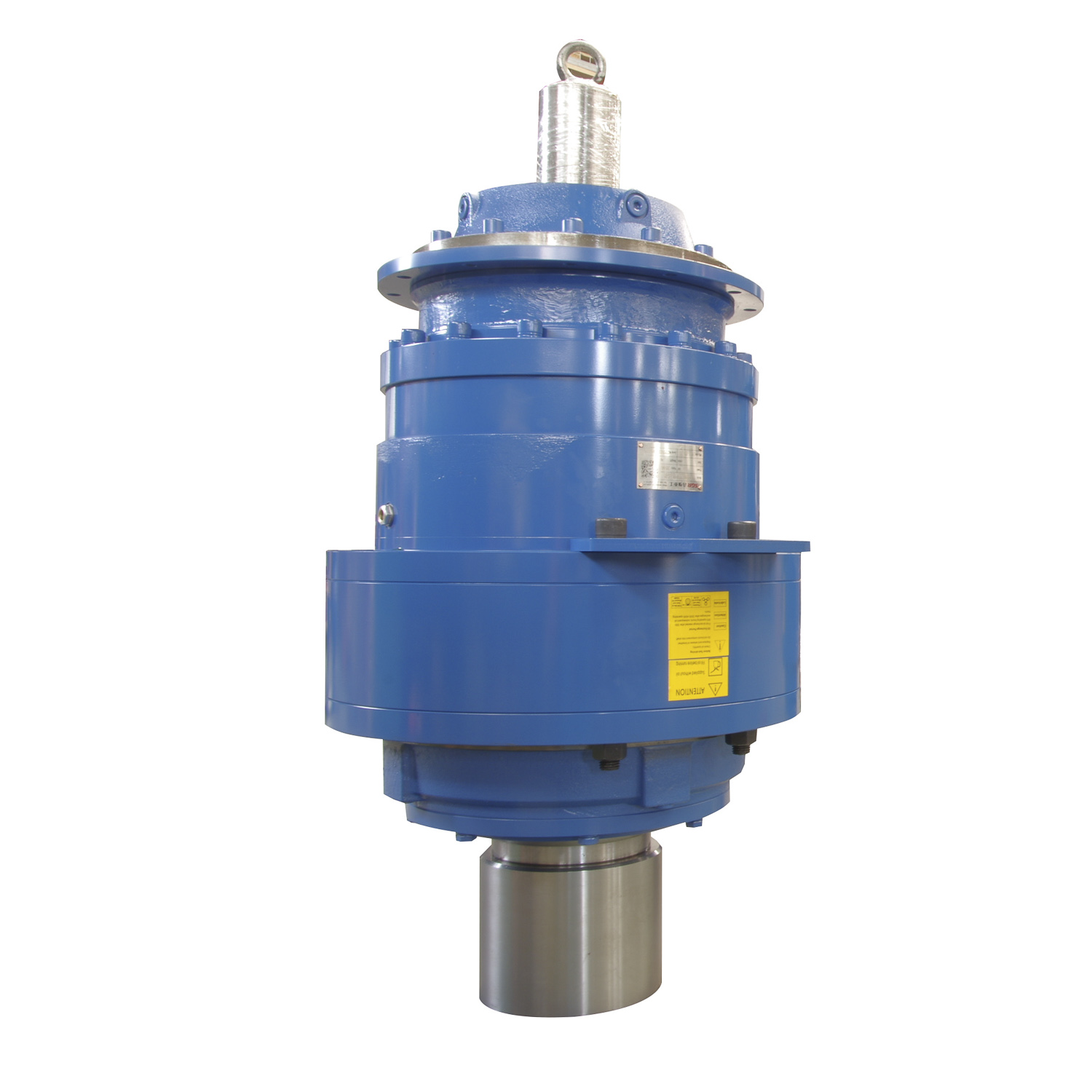 SGR N Series High Torque Planetary GearboxCovers heavy-duty conveyor, mixer, crusher and slewing duties with high torque, multiple ratios and customizable mounting, making it worth reviewing before specifying a gearbox.View Product →
Slewing and rotary duties combine high radial loads at the output with reversing operation, which changes both the bearing selection and the backlash specification compared with a purely rotational drive.
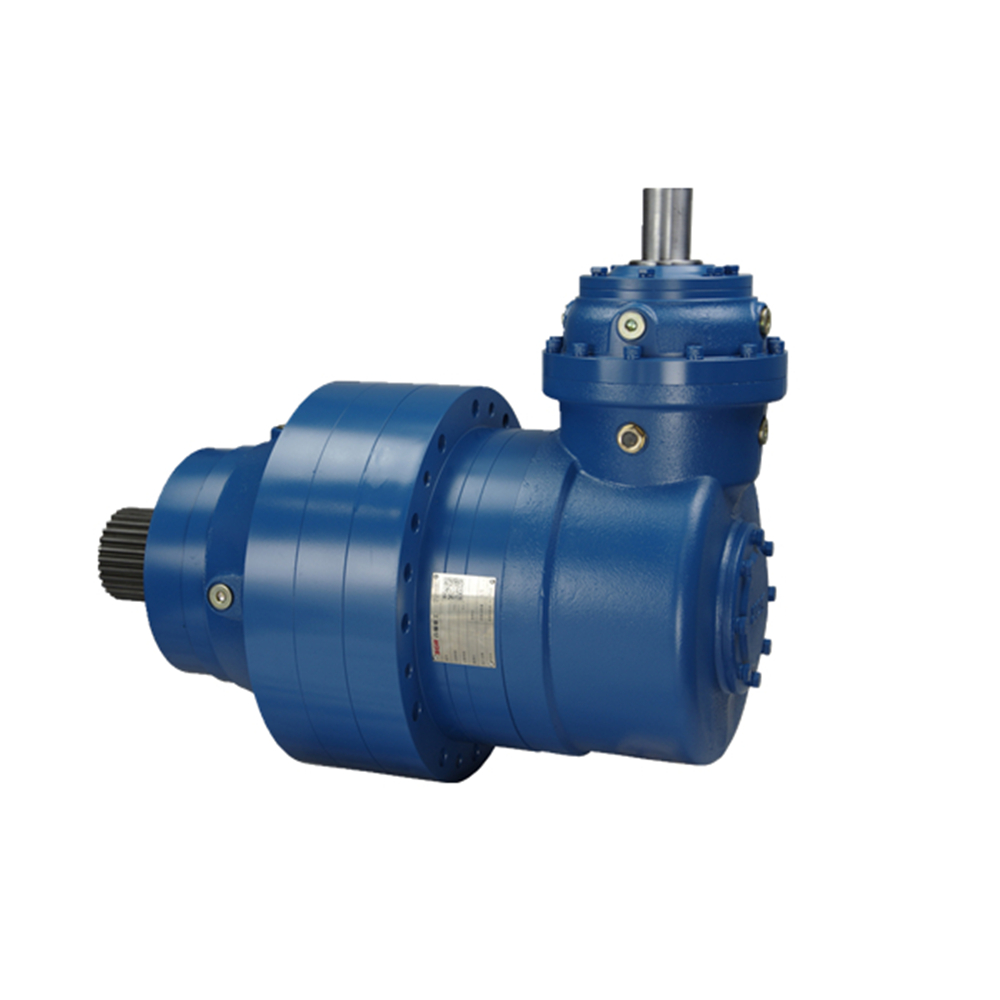 N Series Planetary Gearbox for Slewing DrivesFor slewing and rotary duties with reversing operation, this N-series gearbox is worth reviewing for its multiple shaft and mounting options and rigid casing.View Product →
Base-mounted coaxial frames suit bulk orders where the gearbox is bolted to a fabricated baseplate and driven by a separate motor, with the output interface controlled to the customer drawing.
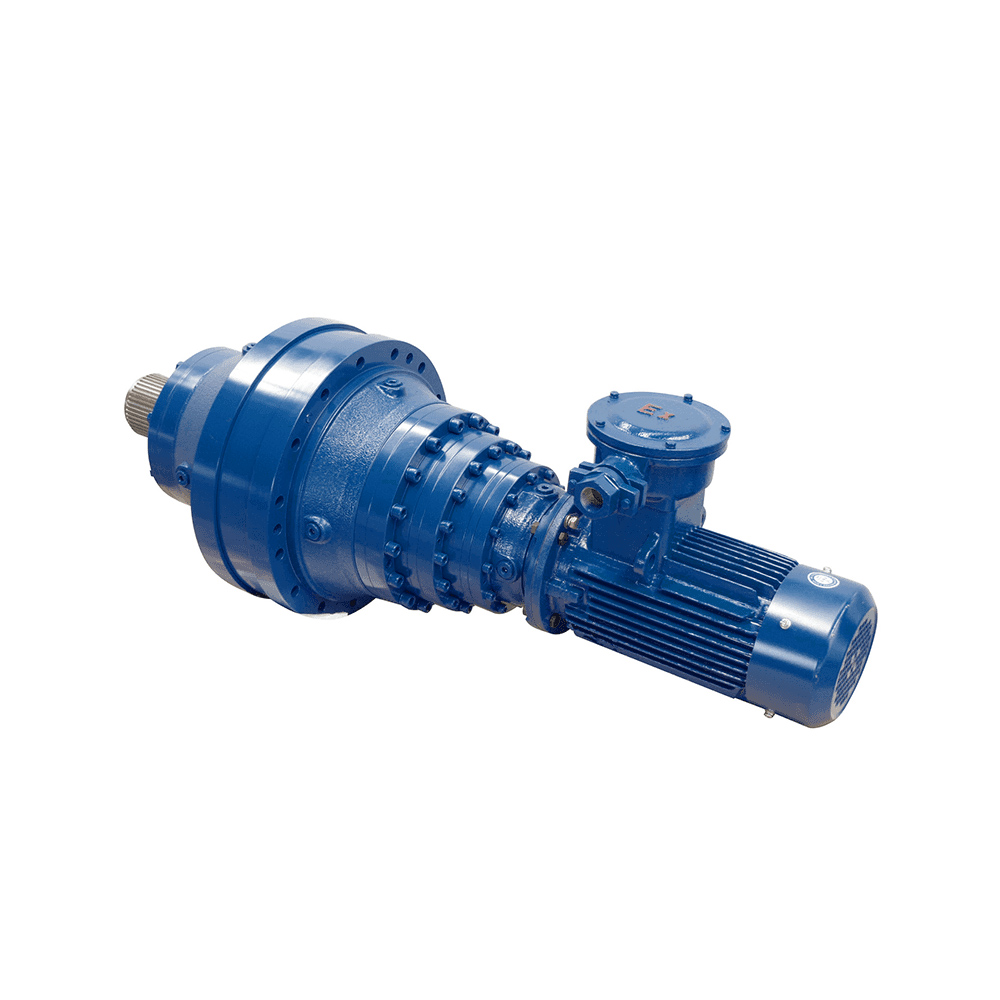 N Series Coaxial Base-Mounted Planetary GearboxFor bulk base-mounted installations, this coaxial N-series gearbox supports high torque, multiple shaft and mounting options, and documented interface review before quoting.View Product →
Bulk orders are quoted against a completed application data sheet rather than a catalogue page, so that the service factor, L10 life and interface tolerances are agreed in writing before the price is fixed.
Economic batch machining typically starts at 20 to 50 units per ratio and frame size. Below that level, setup and tooling dominate the price: a USD 4,000 dedicated fixture spread across 20 units adds USD 200 per unit, against USD 20 per unit at 200 units and USD 2 per unit at 2,000 units.
State the application class, not only the torque. Uniform conveyor and slewing duty take 1.25 as a minimum, mixers and agitators 1.5, and shock-loaded duties such as crushers 1.75 or higher, following the load classifications set out in ISO 6336 and AGMA 6013. A 3,000 Nm conveyor application therefore requires a 3,750 Nm rated unit at minimum and 5,250 Nm at a 1.75 factor.
Production industrial planetary units are normally held at 8 to 15 arcmin, while precision-graded units reach 3 to 5 arcmin through gear grinding and matched assembly. Backlash should always be specified with its measurement condition, namely at the output shaft with the input locked.
Require material certificates to EN 10204 3.1, heat-treatment records, gear accuracy reports to ISO 1328, per-unit backlash records, and noise measured in dB(A) at 1 m. Inspection sampling should follow ISO 2859-1 at inspection level II with an acceptance quality limit of 1.0 for major defects.
Bulk planetary gearbox procurement becomes repeatable when seven specifications, a set of drawing tolerances and a sampling plan are agreed before the first quotation is compared. Buyers who fix service factor and L10 life at the enquiry stage receive offers that can be compared line by line, and suppliers who cannot meet the stated life can be excluded on the calculation rather than on the price.
The order of operations is consistent: define the duty, convert the duty into a service factor, convert the service factor into a rated torque, then into a frame size, a mass and an interface. Everything after that, from tooling to inspection, is a consequence of those first four steps.
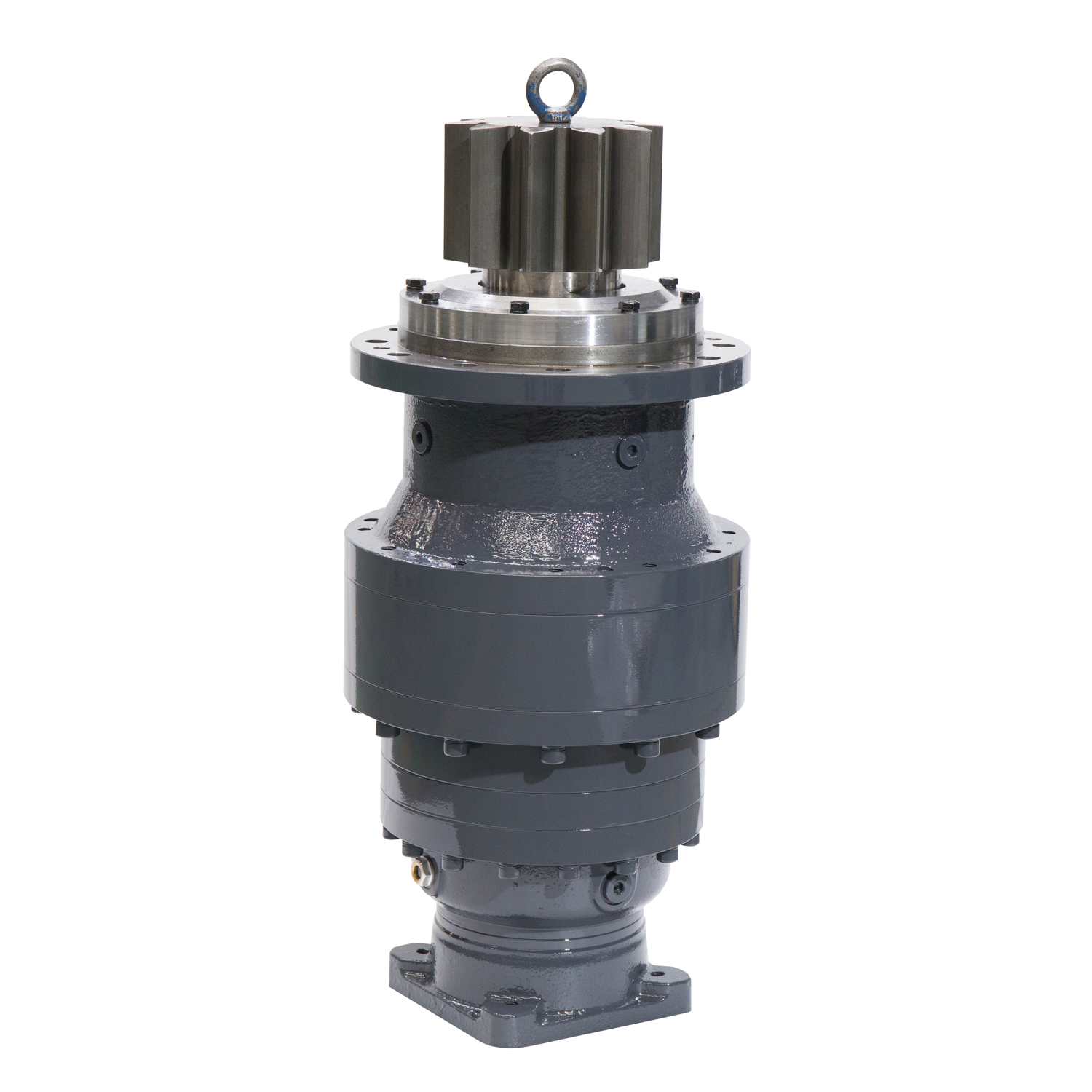
Model: 200-885Ratio: 3.15-7800Output Torque :1500Nm-540000NmRating Power :0.25KW-200kwDescription : ...
See Details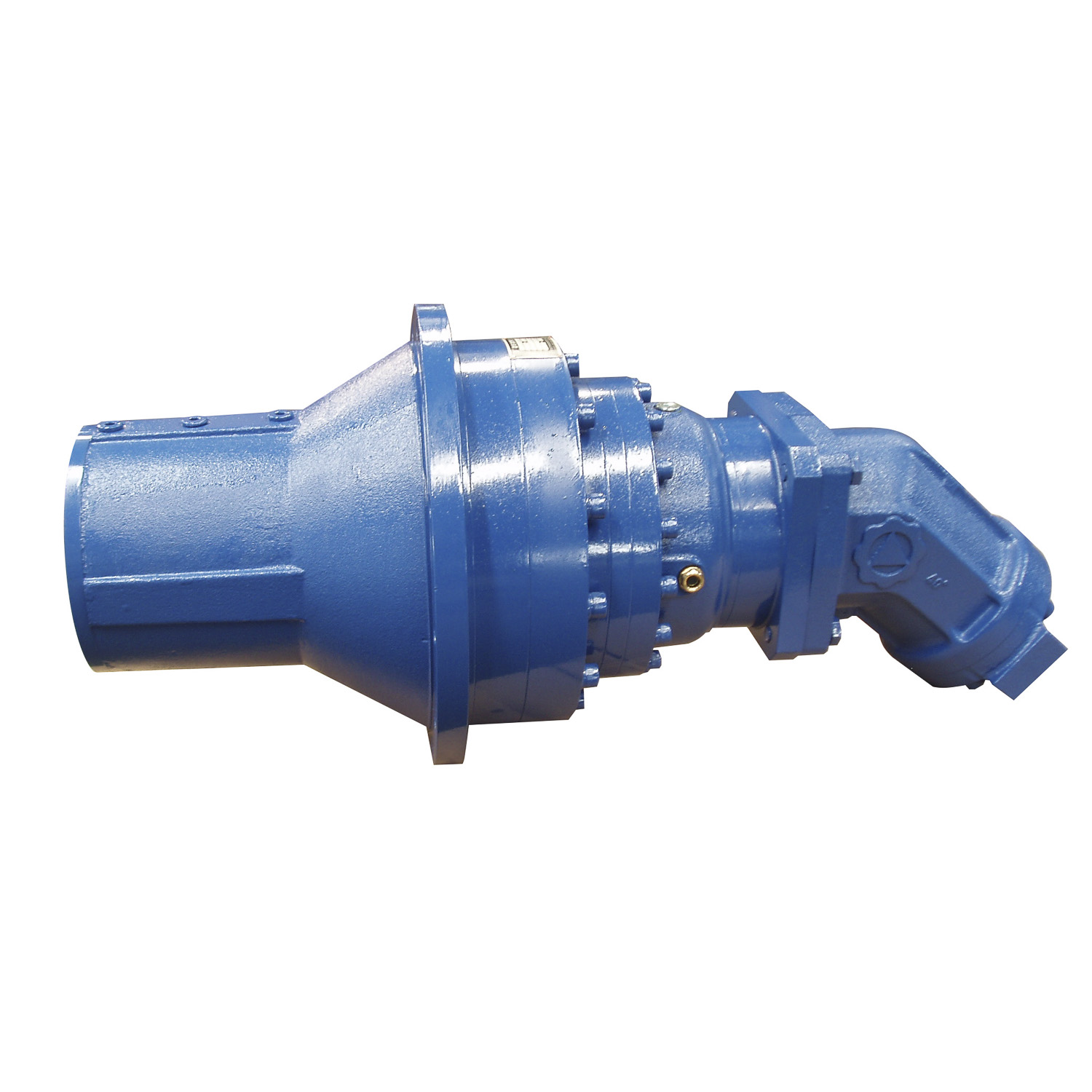
Key feature:Planetary gearbox is produced by modular design, and can be combined according to client...
See Details
Technical data: 1. Ratio range: 3.15-30002. Input power: 0.25-55KW3. Permit torque rang: ≤ 200000N. ...
See Details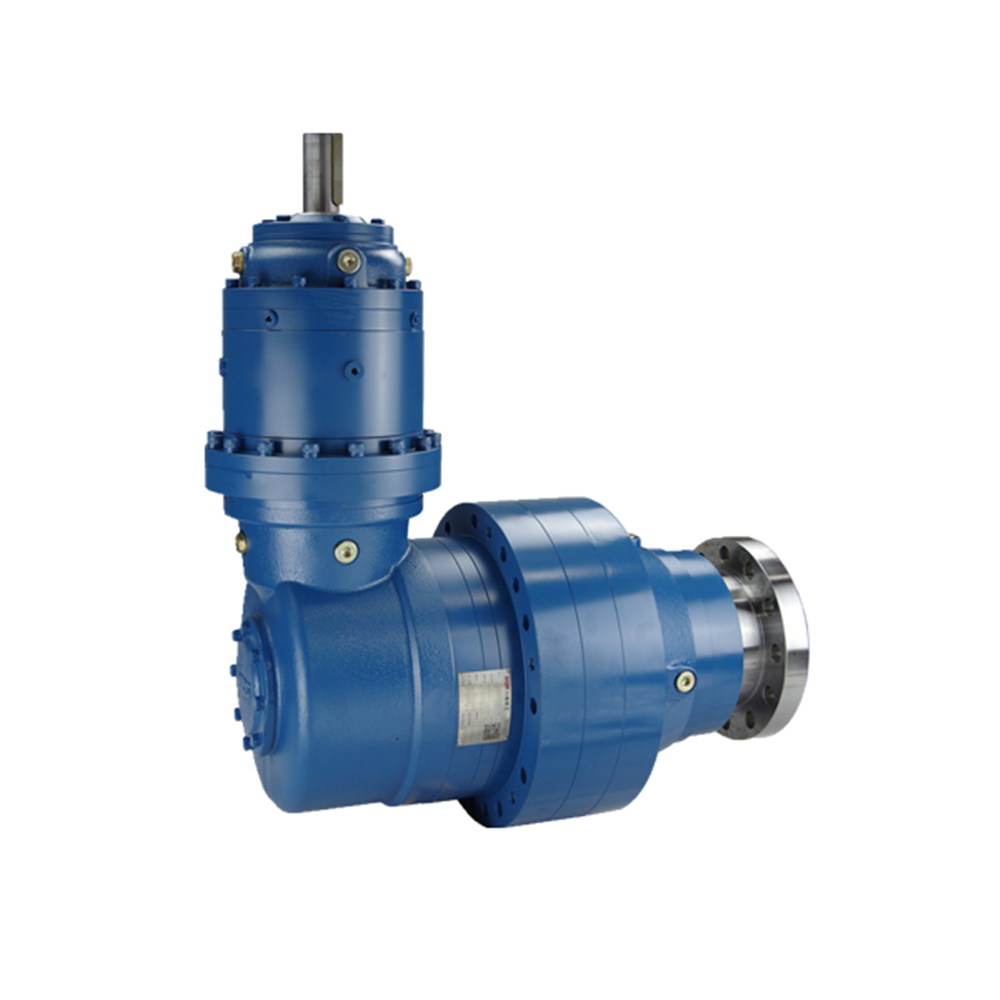
Technical data: 1. Ratio range: 3.15-30002. Input power: 0.25-55KW3. Permit torque rang: ≤ 200000N. ...
See Details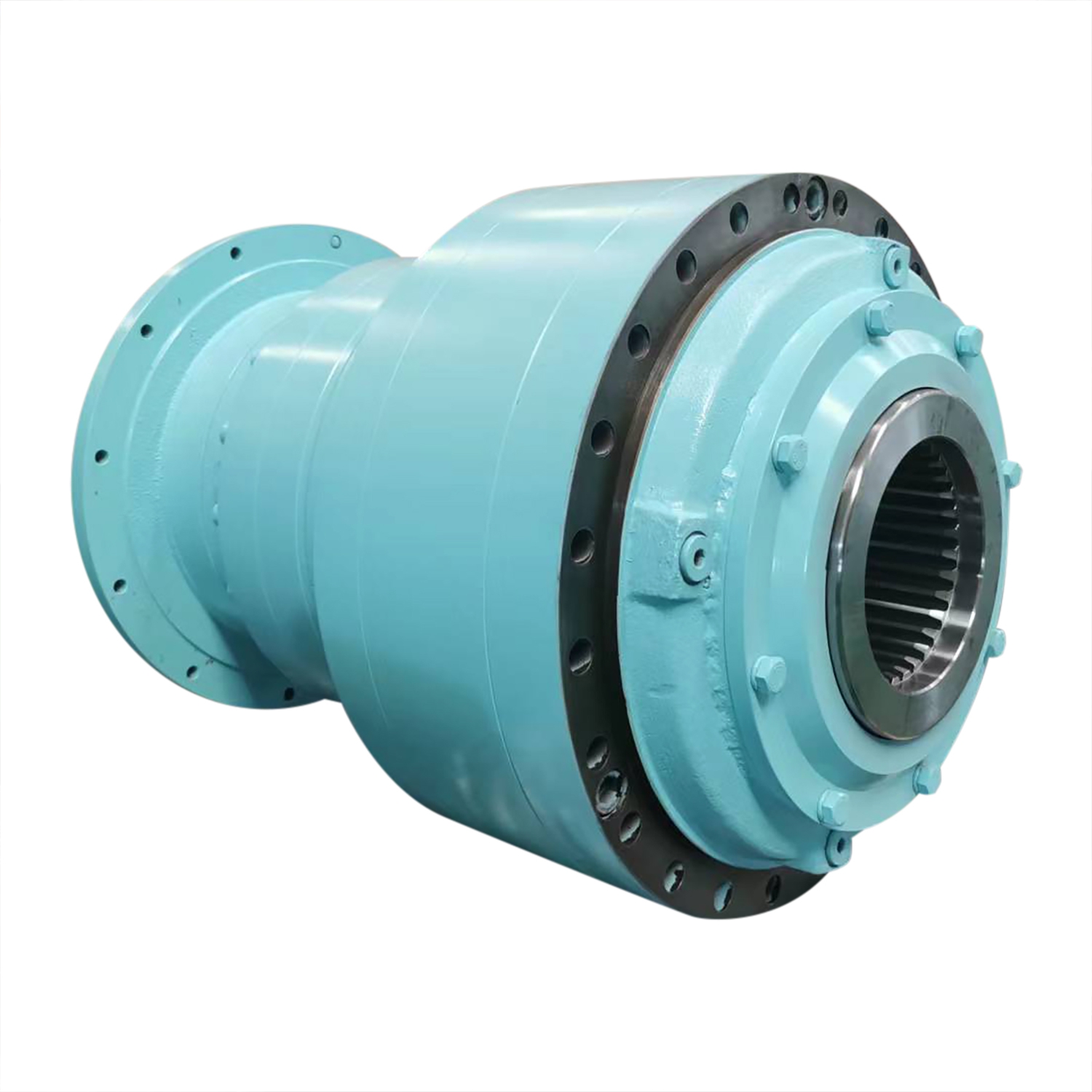
Planetary Gearbox Application For In Electric Drive Model: 200-885Ratio: 3.15-7800Output Torque :15...
See Details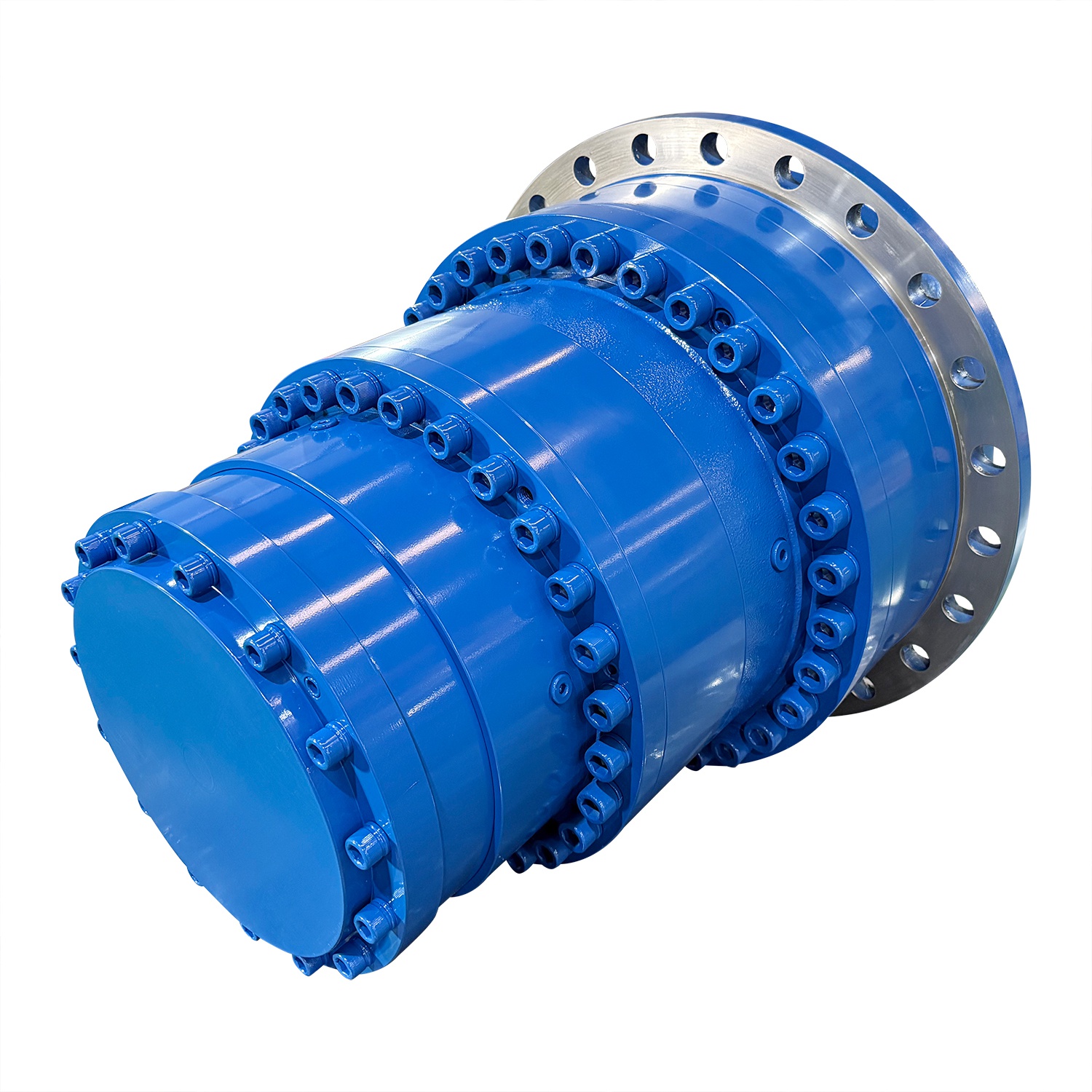
Planetary gear reducers serve as key transmission parts for sightseeing boats sailing along Russia’s...
See Details
SGR is an ISO 9001 certified, DNV-accredited industry gearbox manufacturer since 1996. We supply different gear reducers to brands worldwide.