Global
 English
 中文简体
 русский
 Español
Model: 200-885Ratio: 3.15-7800Output Torque :1500Nm-540000NmRating Power :0.25KW-200kwDescription : ...
See Details
News Directory
On a pick-and-place gantry, a 750 W servo motor running at 3,000 rpm has to deliver 25 to 30 Nm at the output shaft and stop within 0.05 mm of its taught position, 90 times a minute, three shifts a day. The drive supplies the speed and the control loop. The planetary gearbox bolted to the motor flange decides whether that 0.05 mm is still 0.05 mm after twelve months of production or has opened up to 0.4 mm.
Five performance factors decide the outcome: backlash and torsional stiffness, torque density measured against the real service factor, efficiency loss per stage and the heat it generates, output bearing life under radial load, and the sealing and lubrication package matched to the plant environment. Misjudge two of them on the sizing sheet and the axis gets re-engineered on the shop floor instead of on paper.
Shanghai SGR Heavy Industry Machinery Co., Ltd., known as SGR, builds planetary gearboxes, double-enveloping worm gearboxes and combined reducers for industrial automation and heavy machinery, so the criteria below are written around what actually fails, wears or drifts on a running line.
A planetary gearbox multiplies torque and divides input speed by sharing load across three or more planet gears that contact the sun gear and the internal ring gear at the same time, and that simultaneous mesh drives every advantage and every sizing trap that follows.
A planetary gearbox is a coaxial reducer in which a central sun gear drives several planet gears mounted on a rotating carrier; the planets roll inside a ring gear, so the transmitted load is divided among multiple tooth pairs instead of one single mesh.
Three consequences matter on an automated axis:
Those same properties create the failure modes. A unit sized on average torque alone will pit its planet teeth long before the output bearing reaches its rated life.
Backlash is the angular play measured at the output shaft when the input reverses direction, and it converts straight into positioning error: 1 arcmin equals about 0.15 mm at a 500 mm arm, 3 arcmin equals 0.44 mm, and the 8 to 12 arcmin of a general-purpose industrial unit equals 1.16 mm or more.
ISO 1328-1:2013 defines gear accuracy grades 0 to 12, and automation-grade planetary sets are normally cut to grade 6 or grade 7, which is what allows a 3 arcmin guarantee without hand-lapping every unit. A grade 5 set can be ordered for 1 arcmin, at a price premium and a longer lead time.
Stiffness is the second half of the same specification. Backlash tells you how far the axis travels before the load path engages; torsional stiffness, quoted in Nm per arcmin, tells you how far it deflects once the load is applied. Both numbers belong on the selection sheet, and the interaction between them on a servo axis is examined in this review of backlash determinants in robotic positioning.
Size a planetary gearbox on peak torque rather than nominal torque, because a servo axis routinely applies 200% to 300% of rated torque for a few hundred milliseconds during acceleration and braking. A rating that covers only continuous torque will pit planet teeth inside the first year of a high-cycle machine.
Apply a service factor of at least 1.5 for single-shift automation and 2.0 for 24/7 duty, then check the result against the ratio you actually need. Ratio, backlash class and stage count are not independent choices: adding a stage to reach a higher ratio costs roughly 3 percentage points of efficiency and adds backlash at every mesh.
| Axis duty | Ratio range | Backlash target | Stages |
| Pick-and-place gantry | 3:1 to 10:1 | 3 arcmin or less | 1 |
| Rotary indexing table | 10:1 to 50:1 | 1 arcmin or less | 2 |
| Servo press or forming axis | 20:1 to 100:1 | 5 arcmin or less | 2 |
| Conveyor or pump drive | 50:1 to 200:1 | 10 arcmin or less | 3 |
| Slewing or winch axis | 100:1 to 1,000:1 | 12 arcmin, high radial load | 3 or more |
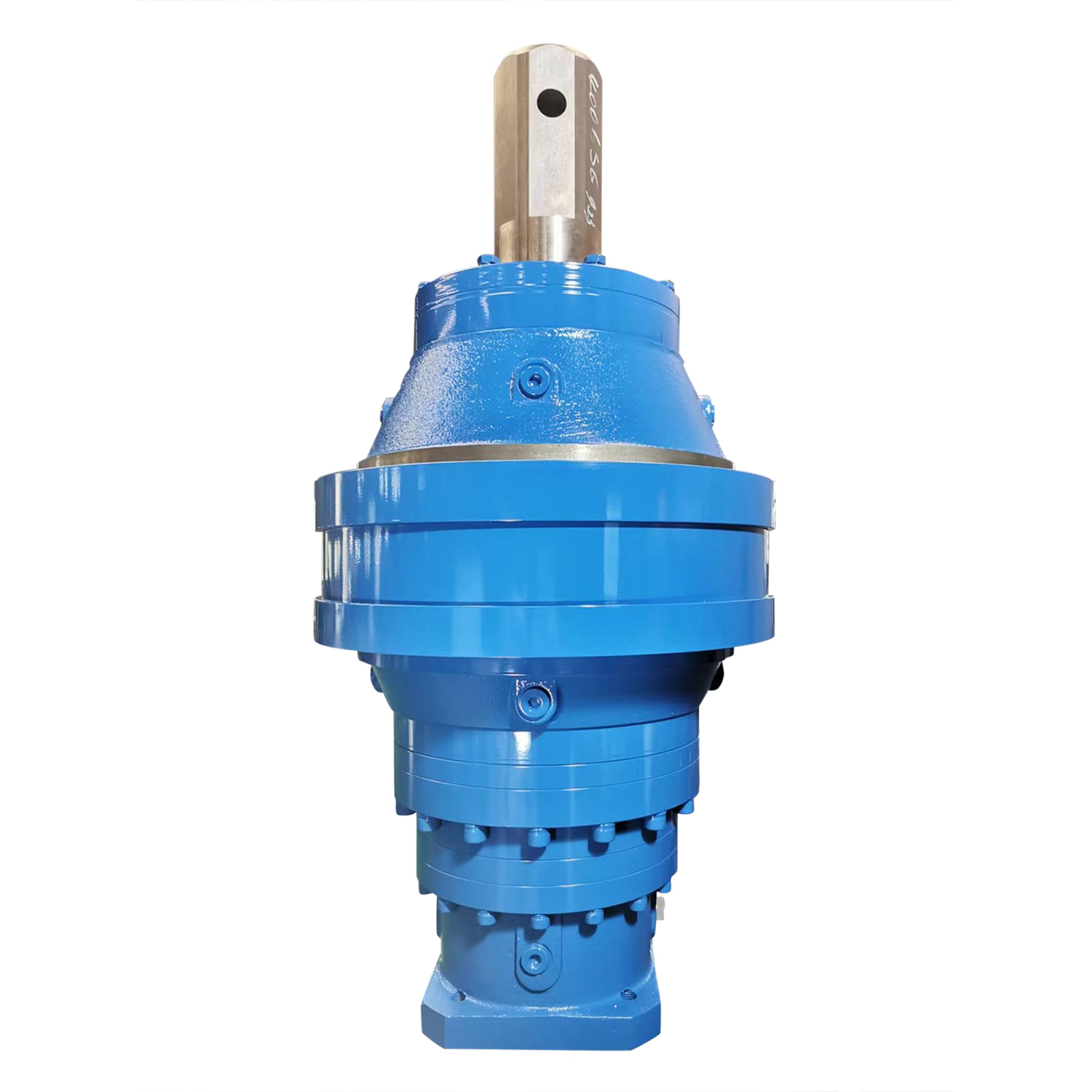
 N Series High Torque Planetary GearboxReview this N Series unit when matching service factor, ratio, backlash and stage count before confirming peak torque and ISO 6336 duty calculations.View Product →
Where the duty cycle includes frequent reversing or high reflected inertia, confirm the peak torque, the number of peak cycles per hour and the tooth root and flank safety factors calculated to ISO 6336 before the order is released.
Each planetary stage loses roughly 2% to 3% of the power passing through it, so a single-stage unit returns about 97%, two stages about 94% and three stages about 91%. The missing percentage does not disappear; it leaves the housing as heat.
Three stages at 97% each return 0.97 x 0.97 x 0.97 = 91.3% of input power. On a 5.5 kW drive that is roughly 480 W of continuous heat the housing and lubricant must reject.
Thermal ratings are quoted at a defined ambient, commonly 40 degrees, and a defined mounting position. A unit that is thermally adequate in still air can overheat inside a sealed enclosure, and a higher service factor is the cheapest fix: it selects the next frame size, which increases radiating area before it increases cost by much.
The output bearing, not the gear teeth, is the first component to run out of margin on a belt-driven, chain-driven or pinion-driven axis. Catalog bearing life is calculated to ISO 281 and normally quoted as an L10 rating of 20,000 hours at rated load, the point at which 90% of a population survives that duration.
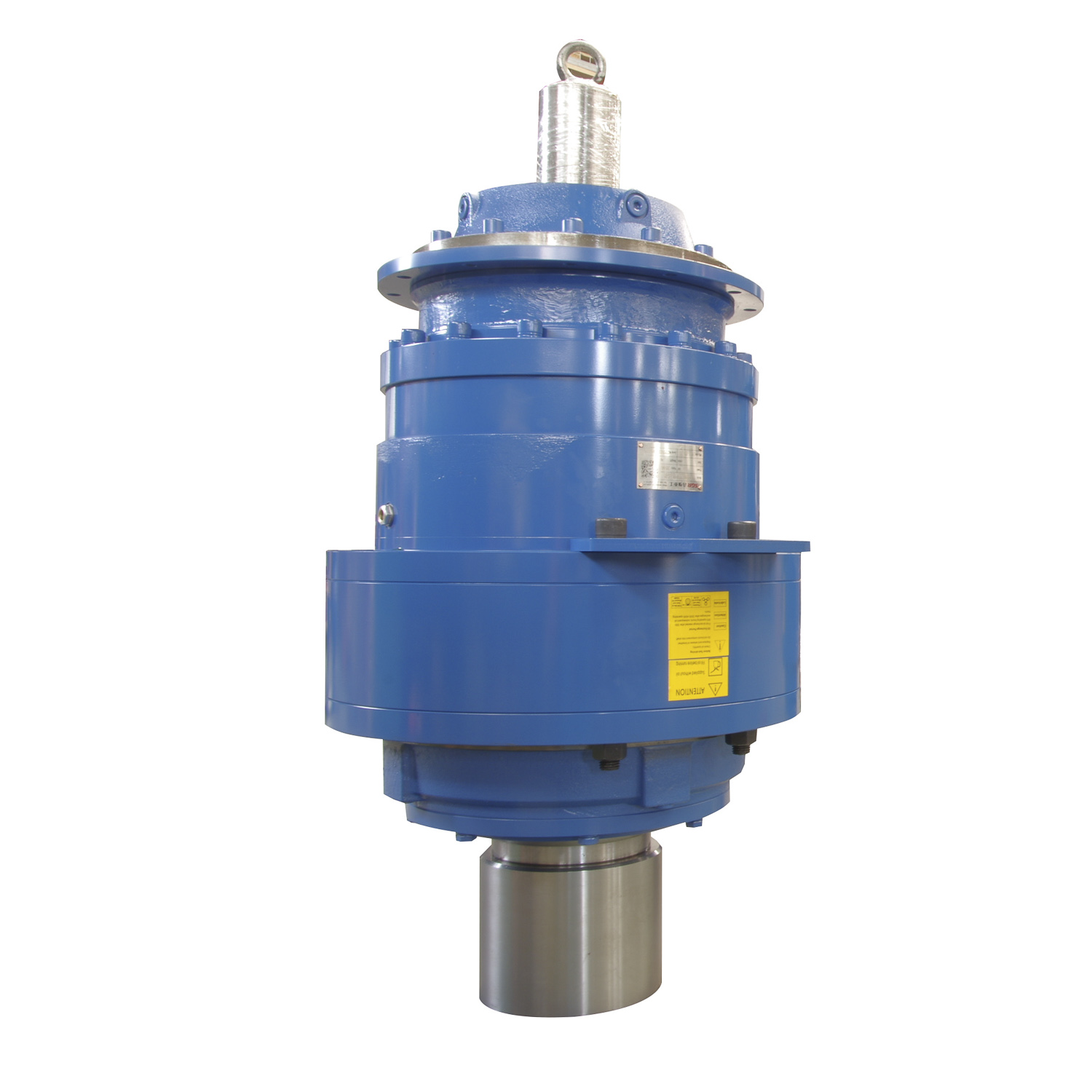
 N Series Coaxial Base-Mounted High Torque Planetary GearboxConsider this coaxial base-mounted unit when output bearing life, overhung load, axial load and starts per hour govern the driven axis.View Product →
Give the manufacturer three numbers: the radial load and its point of application along the output shaft, the axial load, and the starts per hour. An overhung load applied 25 mm further out than assumed can halve the calculated bearing life.
Protection class and lubrication are decided by the plant, not by the catalog page. IP65 to IEC 60529 is the practical minimum where washdown, dust or metal fines are present.
Match the gearbox to the duty cycle in six steps, and record the number behind each step so a later change can be traced to a decision rather than a guess.
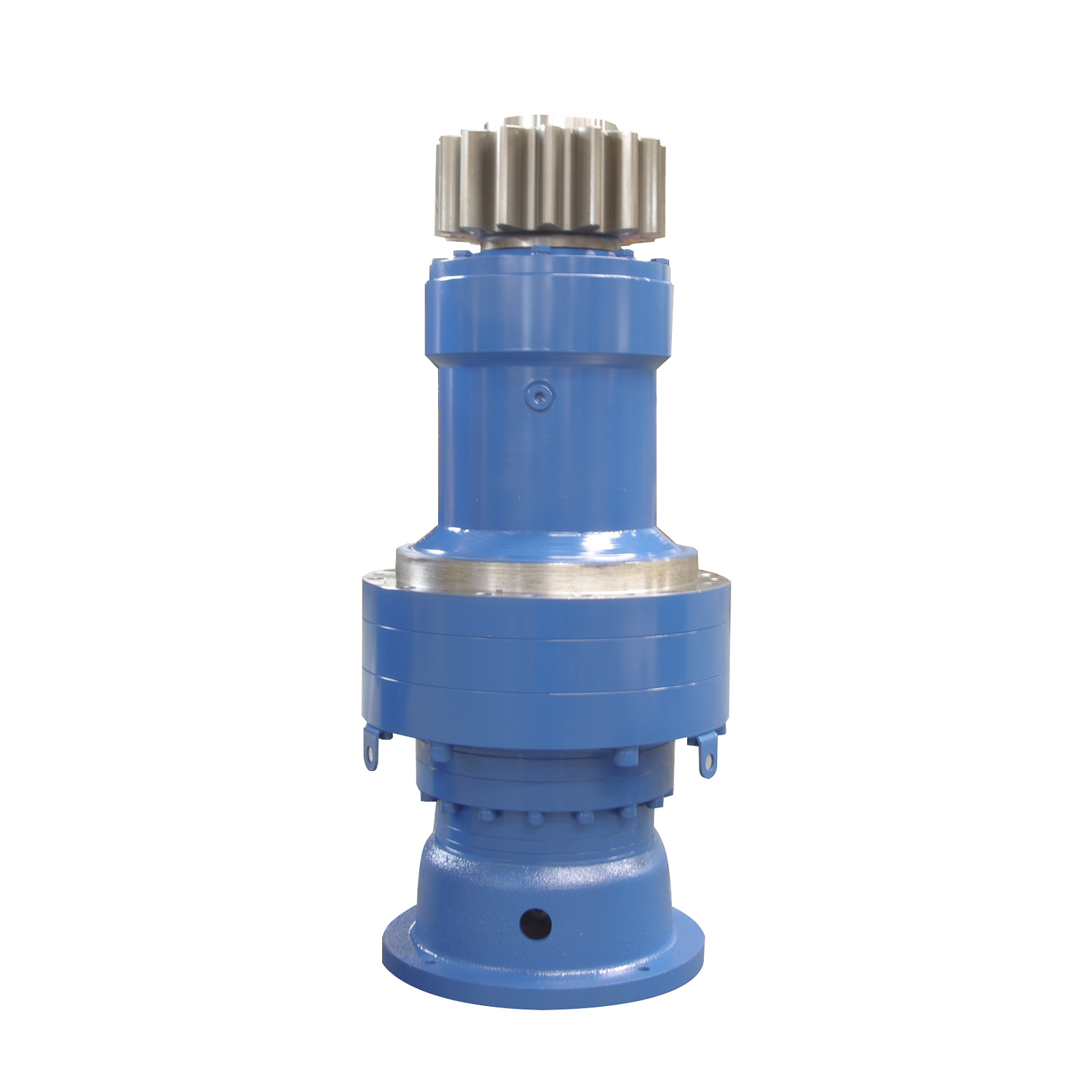
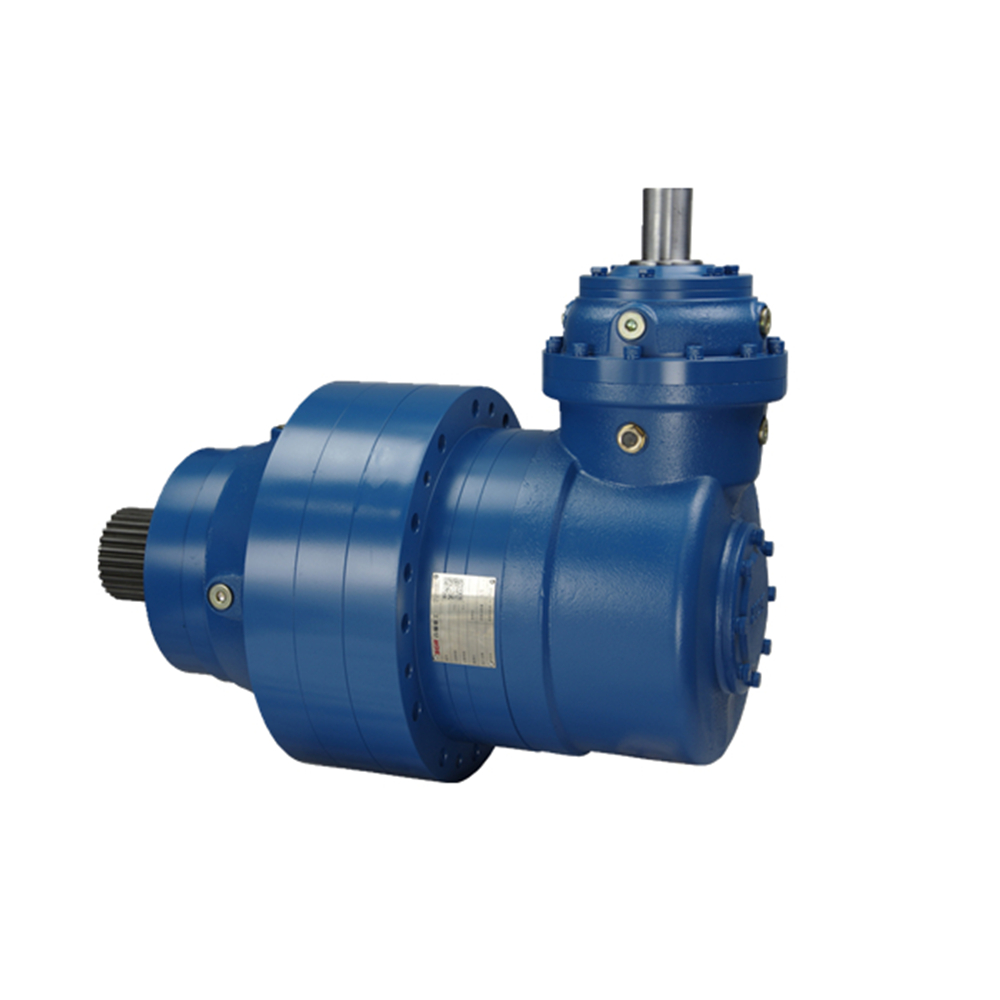 Planetary Gearbox for Slewing Drive ApplicationsUse this planetary gearbox when matching duty cycle steps; if a check fails, consider a larger frame before changing to a lower ratio.View Product →
If a step fails, move up a frame size before moving to a lower ratio; oversizing the frame is reversible, undersizing the ratio is not.
Work backwards from the error budget. At a 300 mm arm, 3 arcmin of backlash produces about 0.26 mm of play and 1 arcmin produces about 0.09 mm, so a machine that must hold 0.1 mm of repeatability needs the 1 arcmin grade or closed-loop correction in the drive.
Two stages. A 10:1 first stage combined with a 10:1 second stage reaches 100:1 at about 94% efficiency, while a three-stage route to the same ratio drops to roughly 91% and adds a third backlash contribution to the load path.
Thermal rise tracks lost power, not load. A 5.5 kW drive behind a three-stage unit at 91% efficiency rejects about 480 W into the housing, and that figure must sit below the thermal rating for the actual ambient and mounting position, not the test bench conditions.
Backlash, torque density, efficiency, bearing life and sealing are the five factors that separate a planetary gearbox holding tolerance for a decade from one that becomes a line item in the maintenance log. Specifying all five against the real duty cycle takes an afternoon; correcting them after commissioning takes a shutdown.
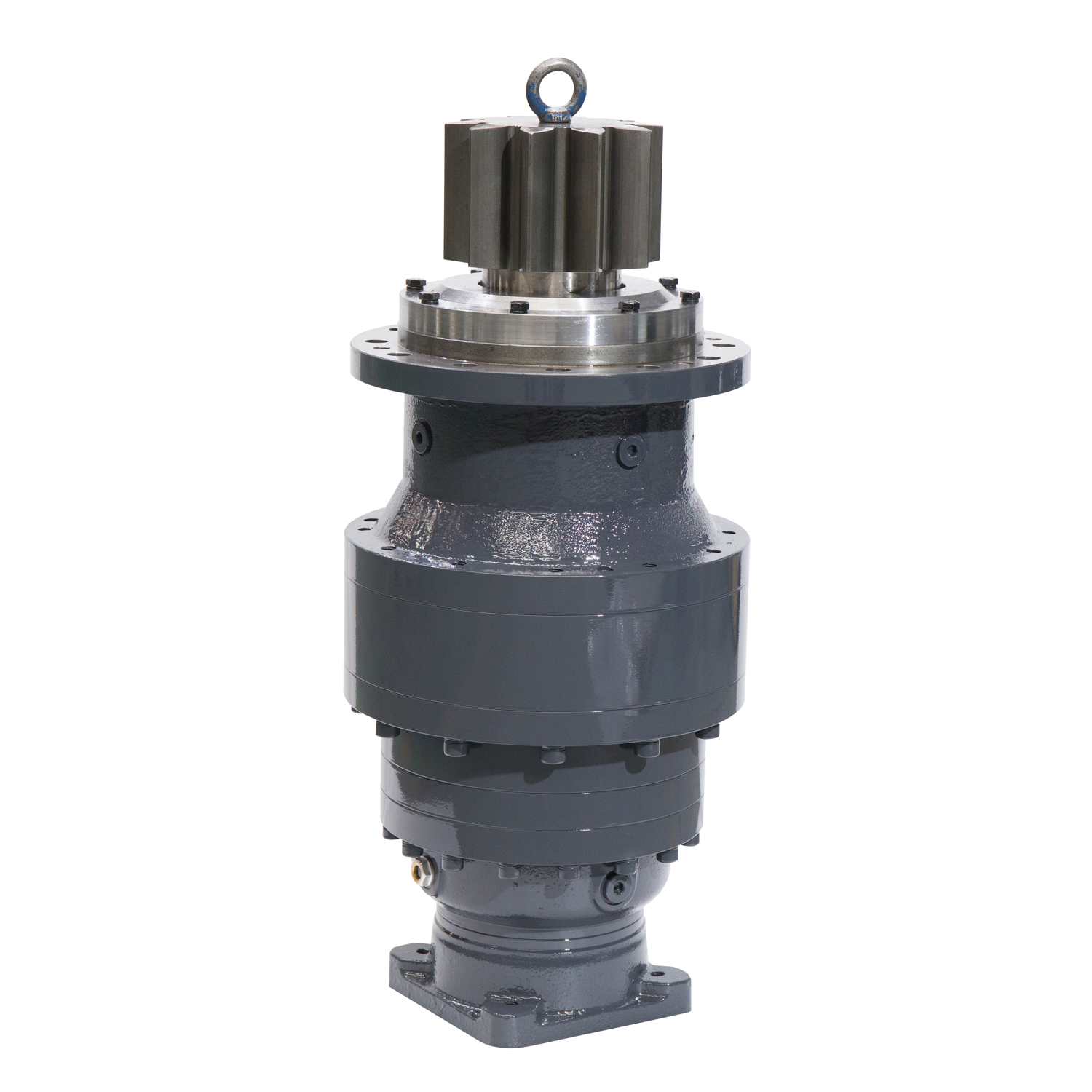
Model: 200-885Ratio: 3.15-7800Output Torque :1500Nm-540000NmRating Power :0.25KW-200kwDescription : ...
See Details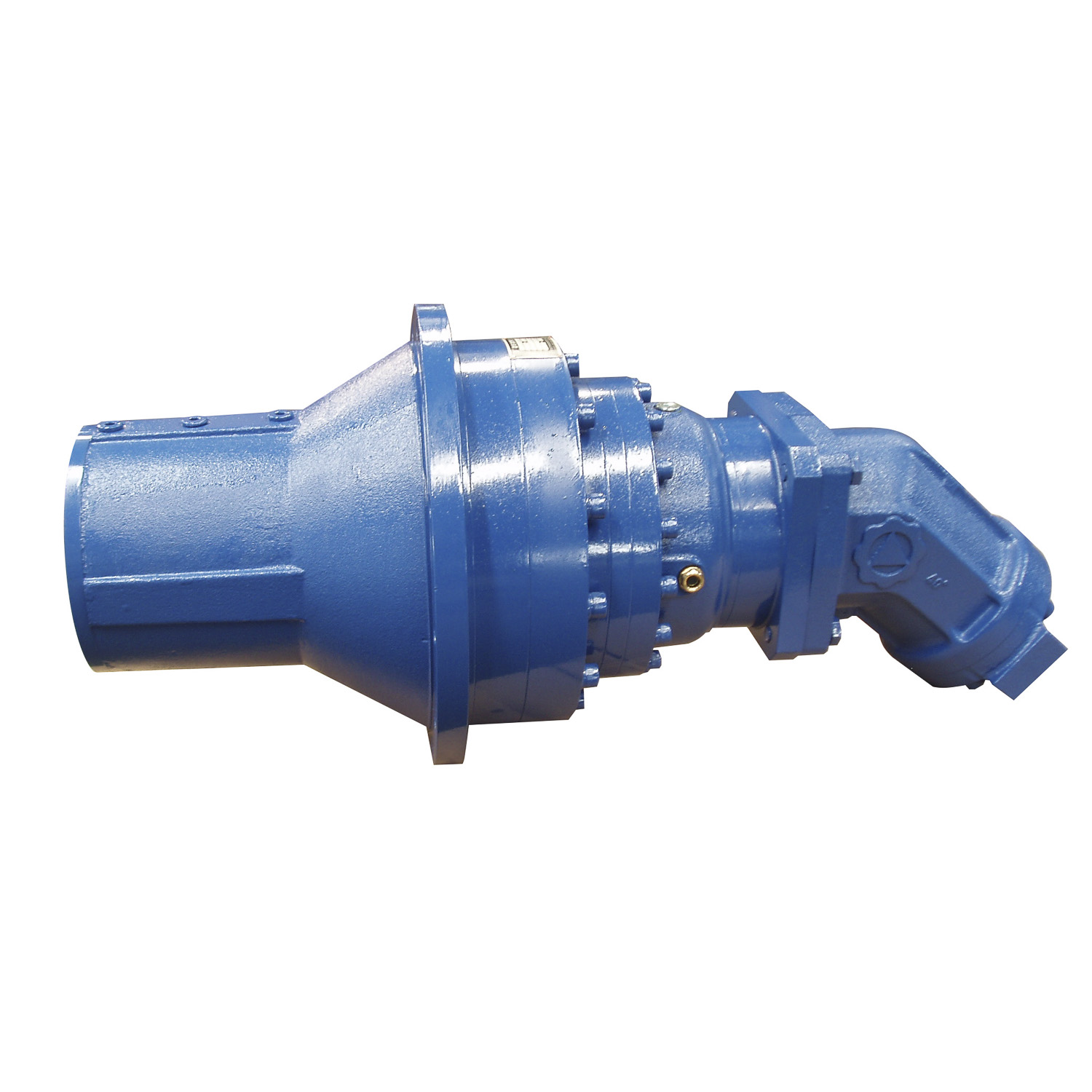
Key feature:Planetary gearbox is produced by modular design, and can be combined according to client...
See Details
Technical data: 1. Ratio range: 3.15-30002. Input power: 0.25-55KW3. Permit torque rang: ≤ 200000N. ...
See Details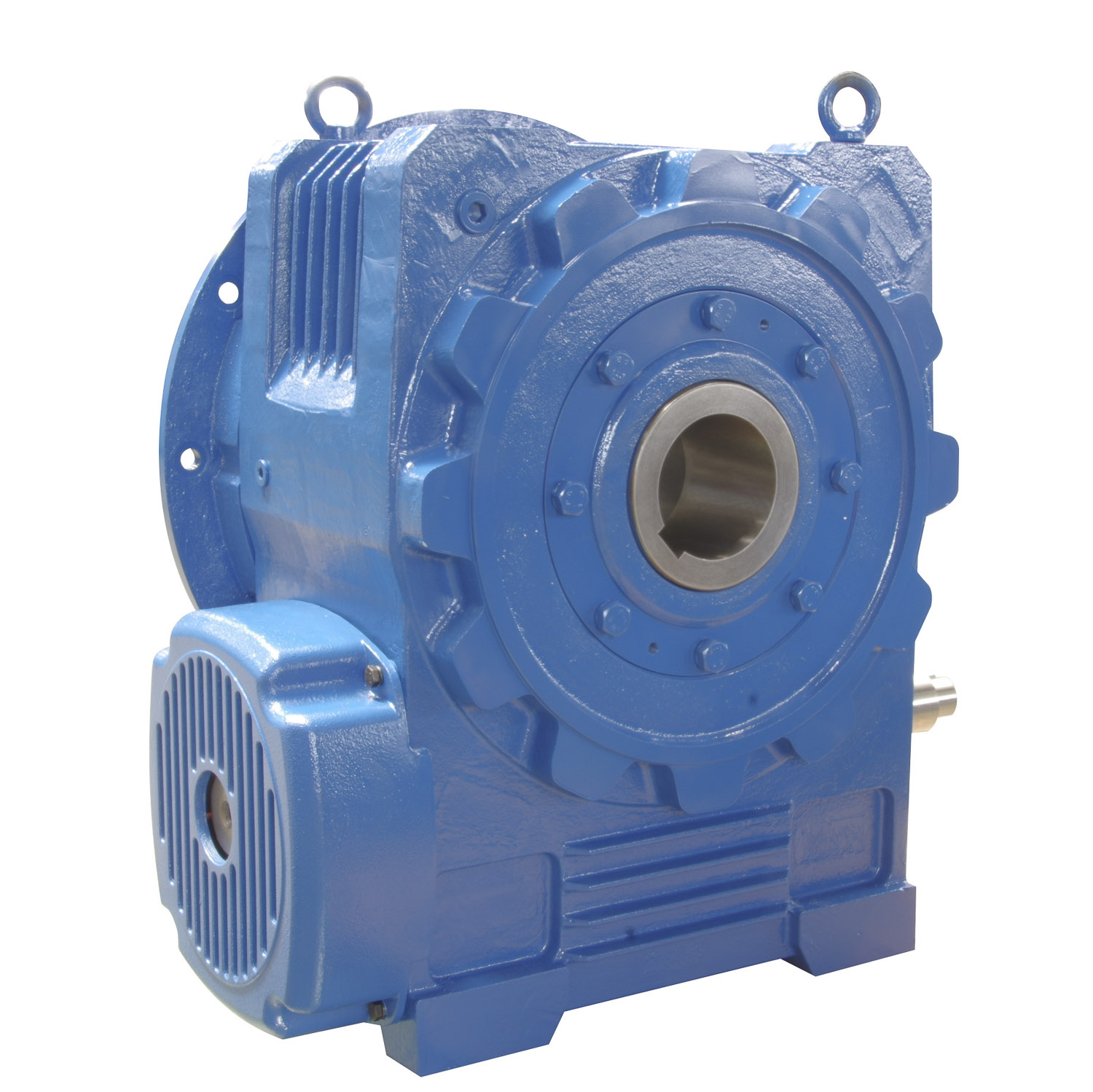
Product Description Series C double enveloping worm gearModel: 100 - 500Ratio: 10 -63Output Torque ...
See Details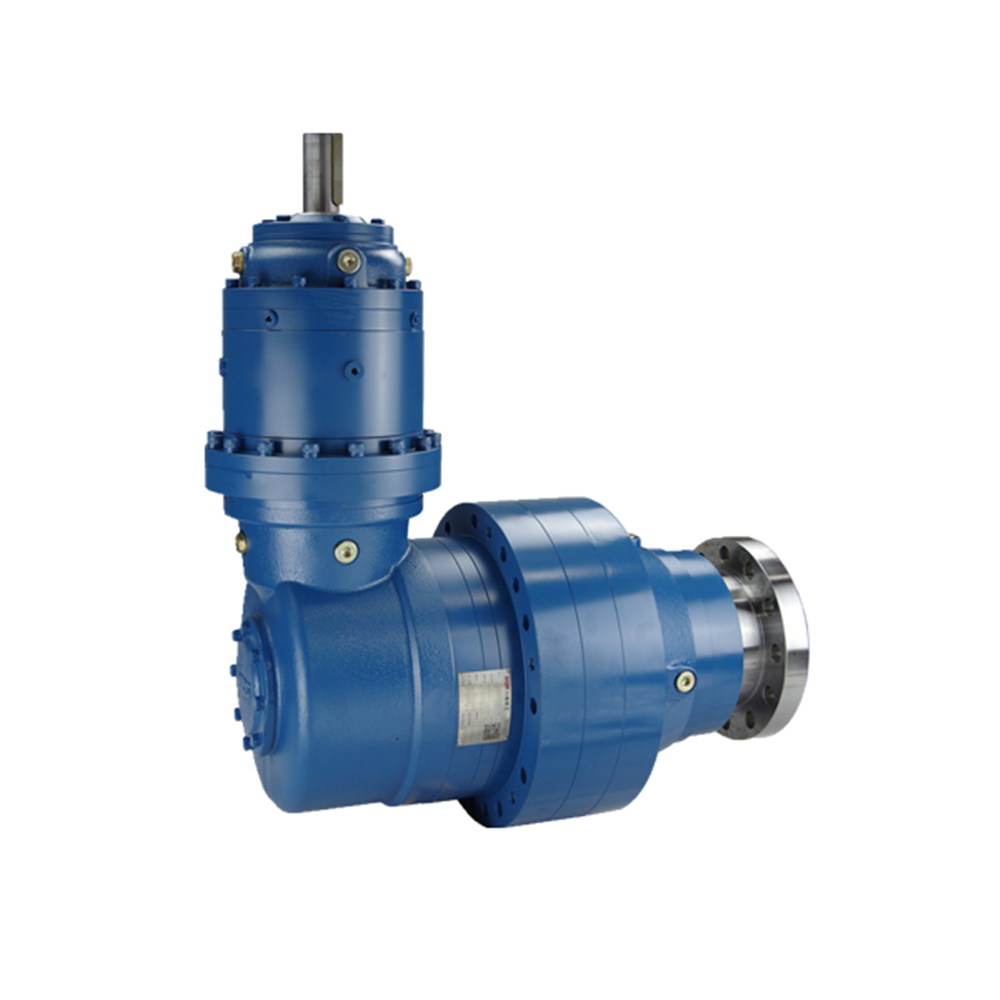
Technical data: 1. Ratio range: 3.15-30002. Input power: 0.25-55KW3. Permit torque rang: ≤ 200000N. ...
See Details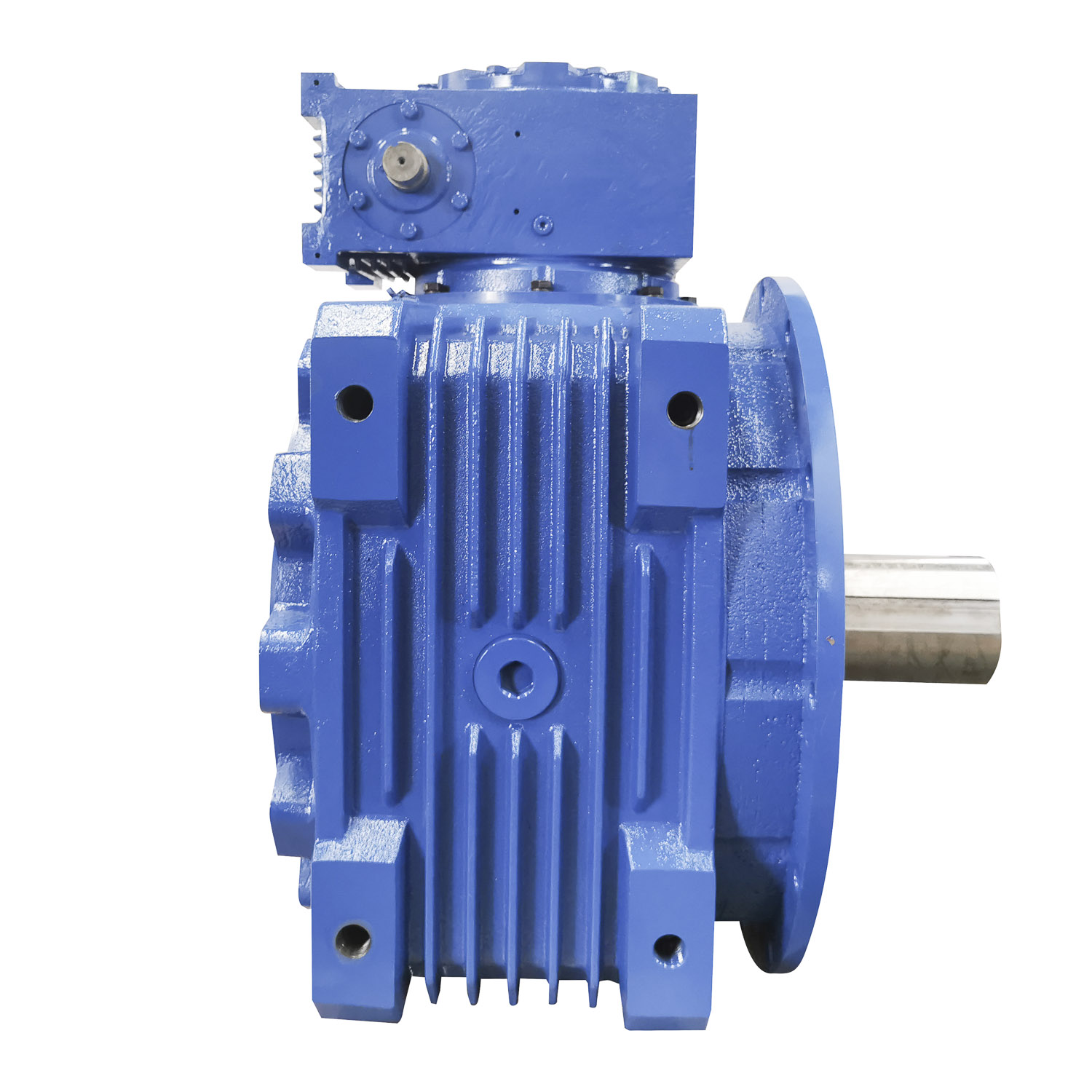
Description :1, High torque double enveloping worm gear adjust toughest working condition .2,Univers...
See Details
SGR is an ISO 9001 certified, DNV-accredited industry gearbox manufacturer since 1996. We supply different gear reducers to brands worldwide.