Global
  English
 中文简体
中文简体 русский
 Español
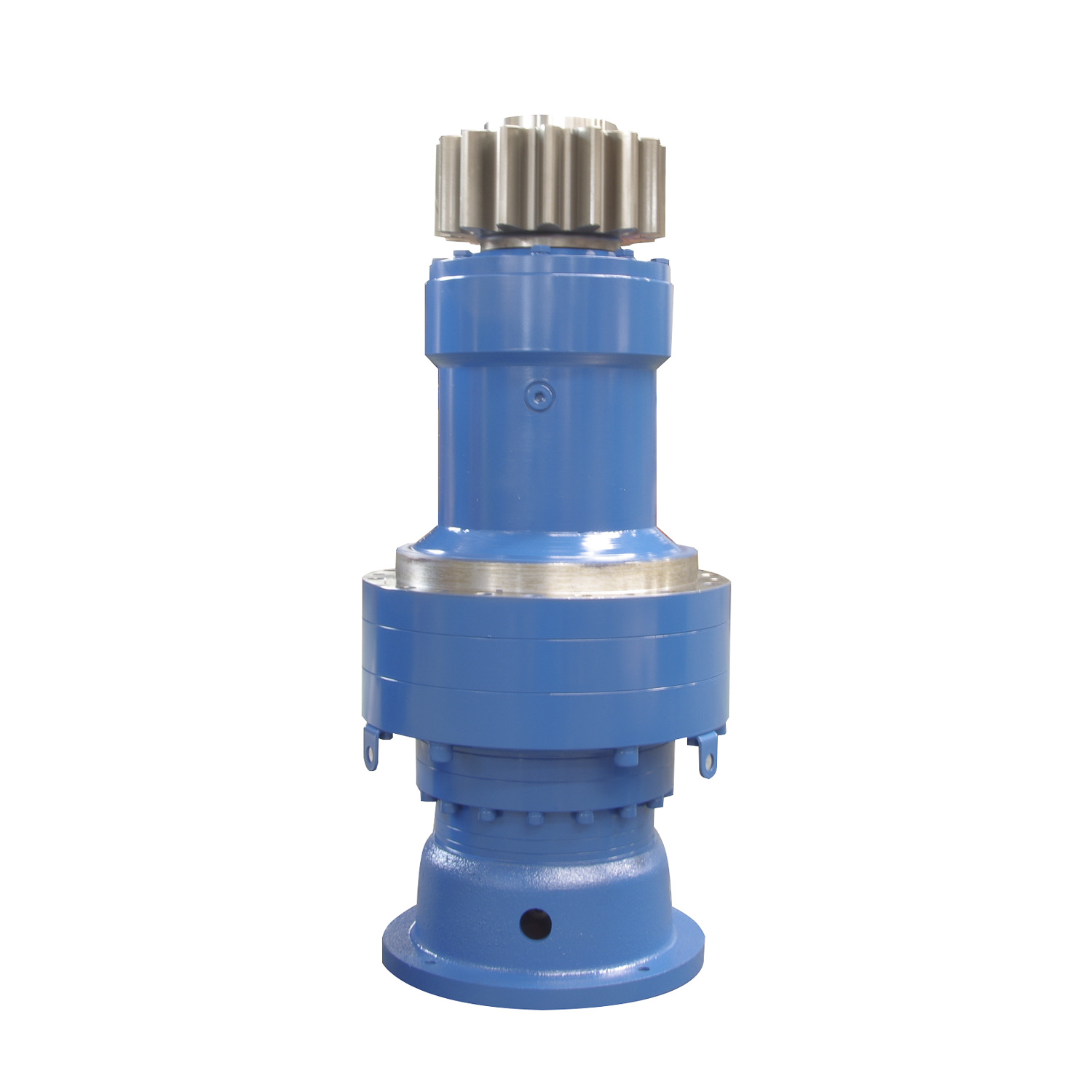
Product Info: The MNC3E400 series high speed and high torque industrial planetary gear reducers are ...
See Details
News Directory
In the realm of advanced robotics, the accuracy of robotic arm positioning is fundamentally limited by the precision of its transmission system. Among various torque multiplication solutions, the planetary gear reducer stands as the preferred choice due to its high torque density and coaxial alignment. However, the phenomenon of backlash—the play between mating gear teeth—remains a critical engineering challenge. Shanghai SGR Heavy Industry Machinery Co., Ltd., a high-tech enterprise specializing in gear transmission, has spent over a decade developing compact, low-noise modular designs to push the boundaries of transmission precision.
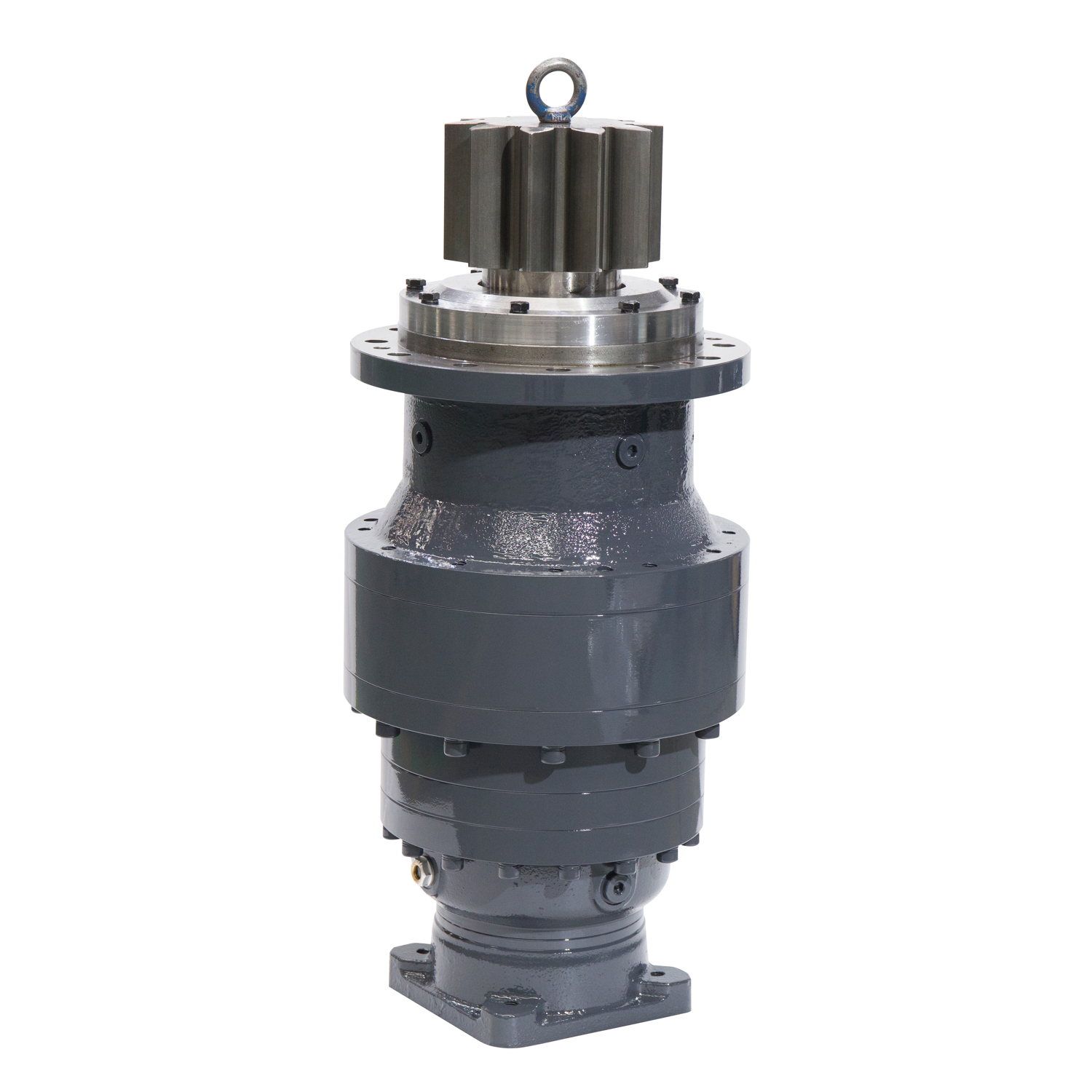
Backlash is defined as the maximum angle through which the input shaft can be rotated without the output shaft moving, or vice versa. In high-precision motion control, backlash causes positioning errors and oscillation during direction changes. For a low backlash planetary gear reducer for robotics, backlash is typically measured in arc-minutes (arcmin). Recent industry data for 2024-2025 indicates that the demand for sub-1 arcmin reducers in collaborative robots (cobots) has increased by 15%, driven by requirements for delicate human-machine interaction.
Source: International Federation of Robotics: World Robotics Report 2024
The total backlash in a planetary gear reducer is an accumulation of tolerances from the sun gear, planet gears, and the ring gear. To minimize this, engineers must manage the center distance between gear axes and the tooth thickness. While zero backlash is theoretically desirable, a microscopic clearance is necessary to maintain a lubricant film and accommodate thermal expansion during high-speed operation.
The manufacturing process, particularly gear tooth finishing, is the most significant determinant of backlash. Shanghai SGR utilizes advanced CNC machinery and four-axis linkage complex profile grinding machines to ensure that gear profiles adhere to extremely tight tolerances, minimizing the variance that leads to excessive play.
When comparing helical vs spur planetary gear reducer designs, the tooth geometry plays a vital role in backlash stability. Helical gears feature a higher contact ratio and a gradual tooth engagement, which reduces vibration and noise compared to spur gears. From a backlash perspective, helical designs allow for a more uniform distribution of loads, which reduces the elastic deformation that can manifest as "dynamic backlash" under high torque loads.
| Performance Characteristic | Spur Planetary Gear Reducer | Helical Planetary Gear Reducer |
| Contact Ratio | Lower; teeth engage across their full width simultaneously. | Higher; teeth engage gradually along the helix angle. |
| Backlash Consistency | Moderate; sensitive to individual tooth errors. | High; multi-tooth contact averages out minor errors. |
| Noise and Vibration | Higher at high speeds. | Significantly lower; smoother transmission. |
The interface between the motor and the gearbox is a frequently overlooked source of positioning error. If the motor shaft is not perfectly concentric with the sun gear, it creates uneven wear and fluctuating backlash throughout a single rotation.
A compact planetary gear reducer for servo motors often utilizes an integrated clamp-style coupling to eliminate keyway play. This design trend aligns with the 2025 focus on modularity in automation. By reducing the overall length and weight of the drive unit, manufacturers can improve the dynamic response of robotic joints, allowing for faster acceleration and deceleration without the backlash causing "hunting" or settling time delays in the control loop.
To ensure that a planetary gear reducer meets the specified precision, comprehensive testing is mandatory. Precision measuring instruments, such as the Toroidal Worm and Hob Measuring Instrument developed by SGR, allow for the identification of microscopic profile deviations that affect backlash.
Performance validation must follow planetary gear reducer efficiency testing standards like ISO 6336 or AGMA 2001. These standards define the methods for measuring backlash and load-carrying capacity. In 2024, the International Organization for Standardization (ISO) updated its transmission precision guidelines to incorporate more stringent dynamic testing under thermal equilibrium, ensuring that "precision" is maintained throughout the machine's duty cycle.
Source: ISO 6336-1:2024 Calculation of load capacity of spur and helical gears
For B2B procurement managers, selecting a transmission partner is a strategic decision that impacts the reliability of the entire robotic system. Advanced R&D teams, such as those at Shanghai SGR led by PhDs and senior engineers, provide the technical depth required to solve complex transmission optimization problems.
By partnering with specialized wholesale planetary gear reducer manufacturers, companies gain access to high-tech conversion projects and customized transmission designs. SGR's system, integrating design, production, and technical services, ensures that components like planetary gearboxes and planar double-enveloping worm gears are optimized for specific industrial applications, from heavy industry to precision robotics.
Backlash control in a planetary gear reducer is a multifaceted engineering challenge involving materials science, profile geometry, and high-precision manufacturing. Through unremitting efforts in technical services and the application of advanced 3D measuring machines and power efficiency test systems, Shanghai SGR continues to lead the trend toward compact, modular, and low-noise gear transmission solutions for the global stage.
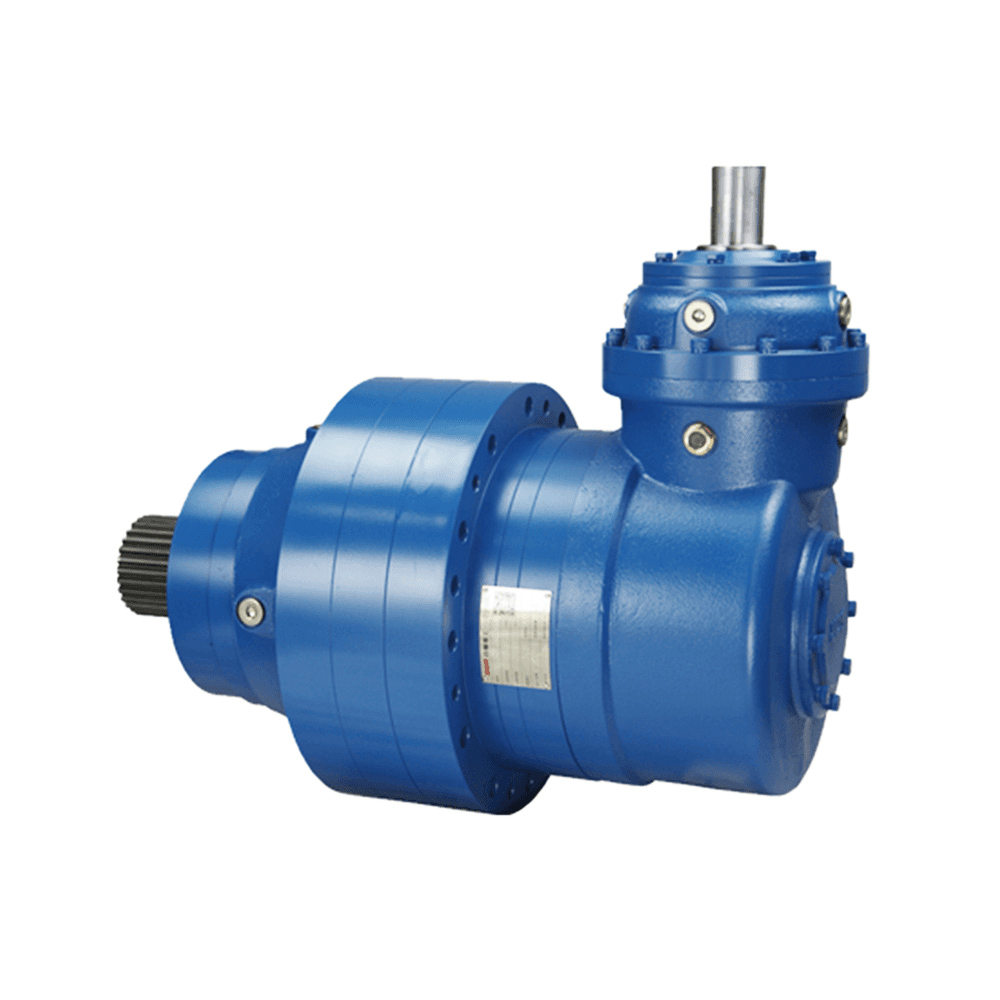
Product Info: The MNC3E400 series high speed and high torque industrial planetary gear reducers are ...
See Details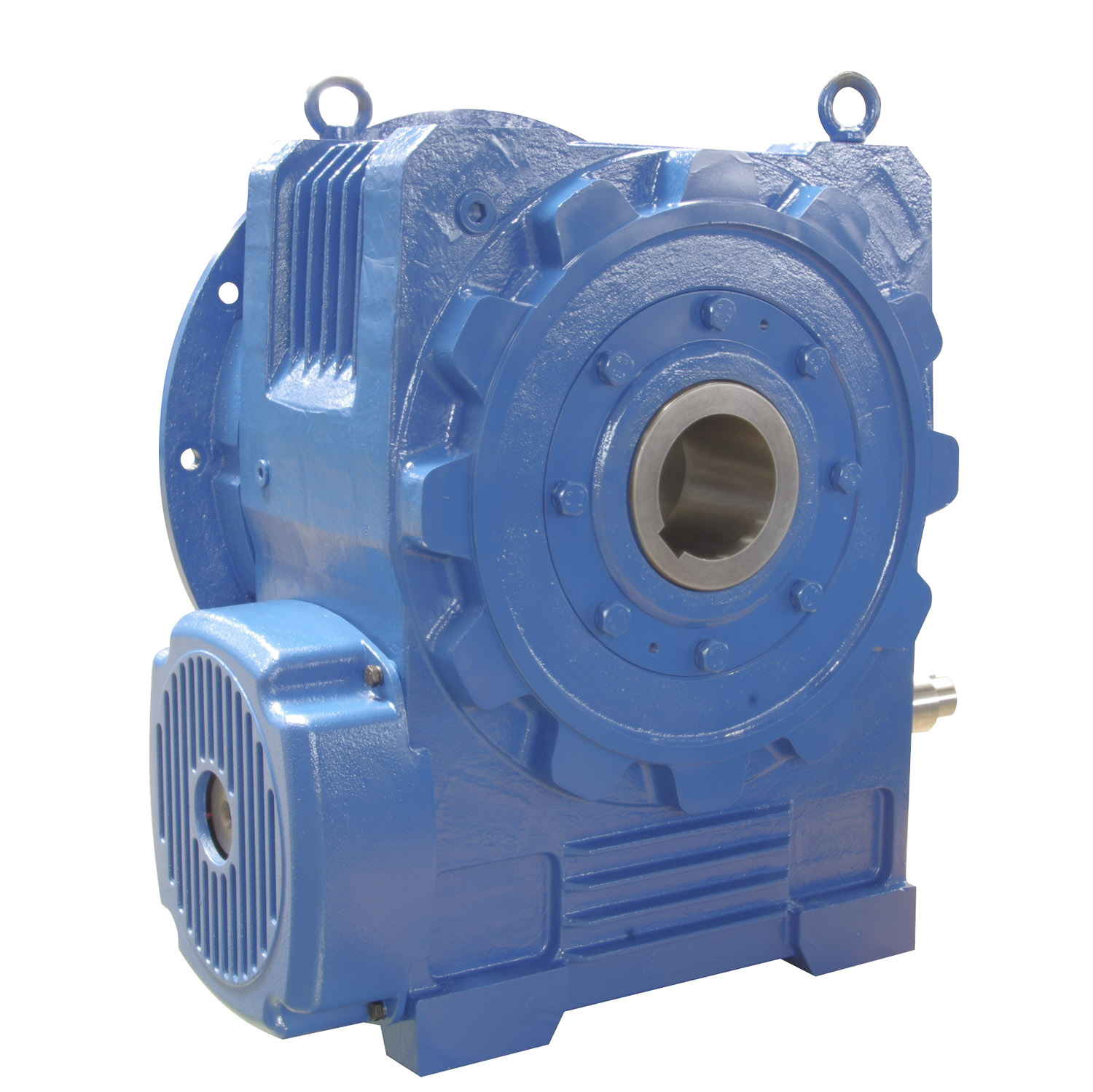
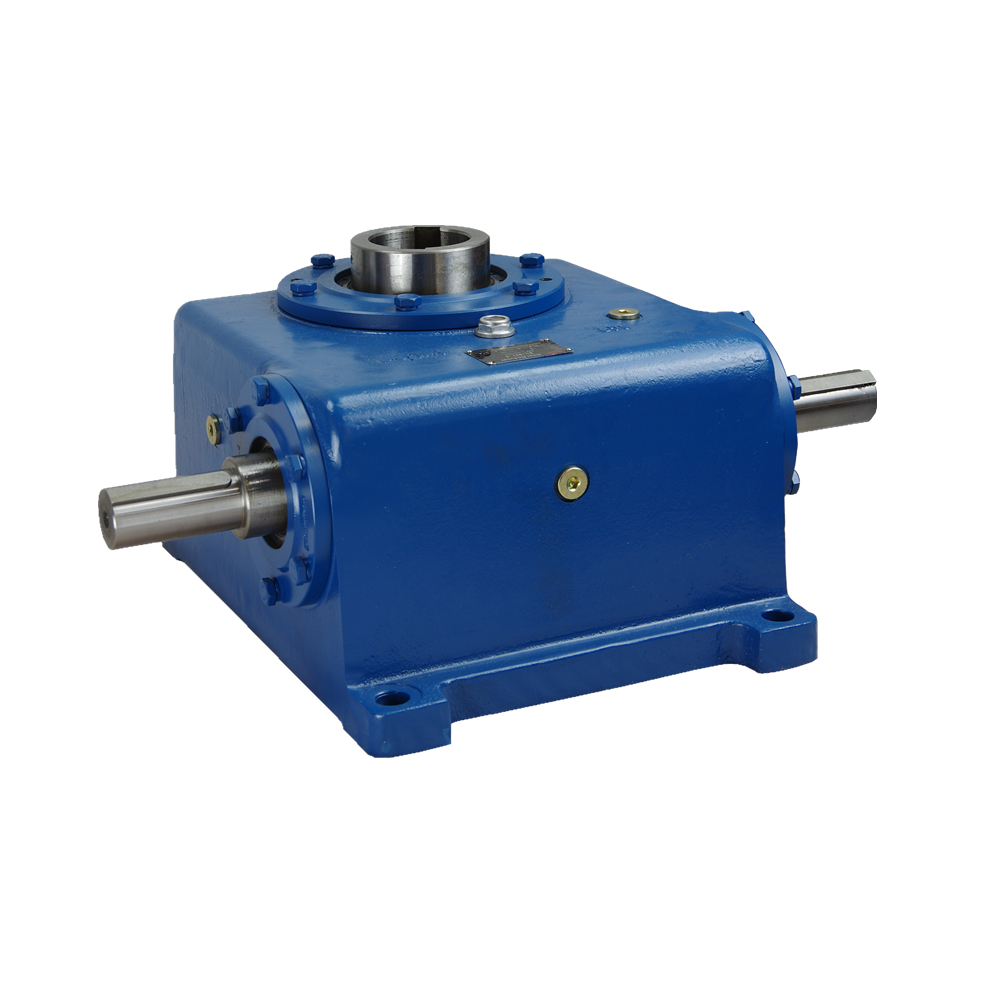
Product Description Series C double enveloping worm gearModel: 100 - 500Ratio: 10 -63Output Torque ...
See Details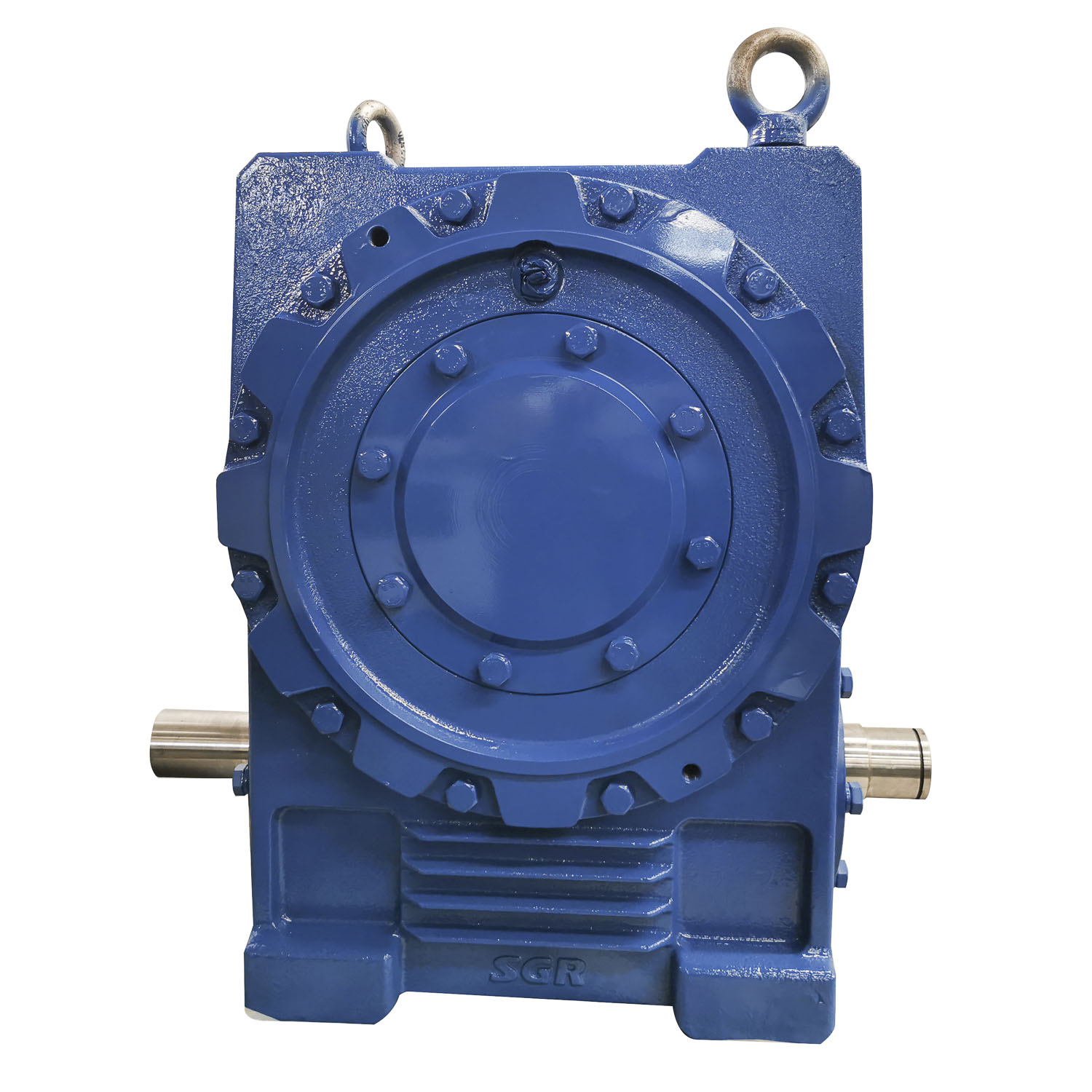
SGR's C Series double enveloping worm gear reducerModel: 100 - 500Ratio: 10 -63Output Torque : 683...
See Details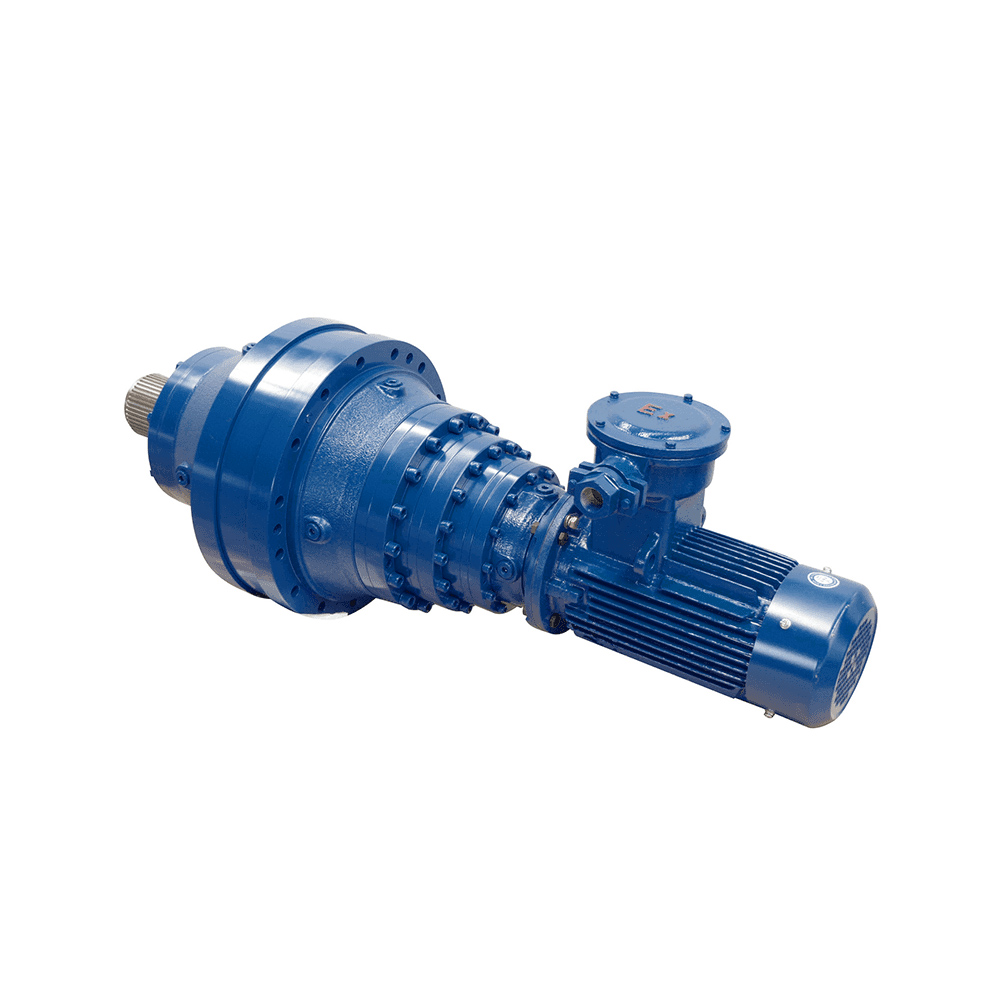
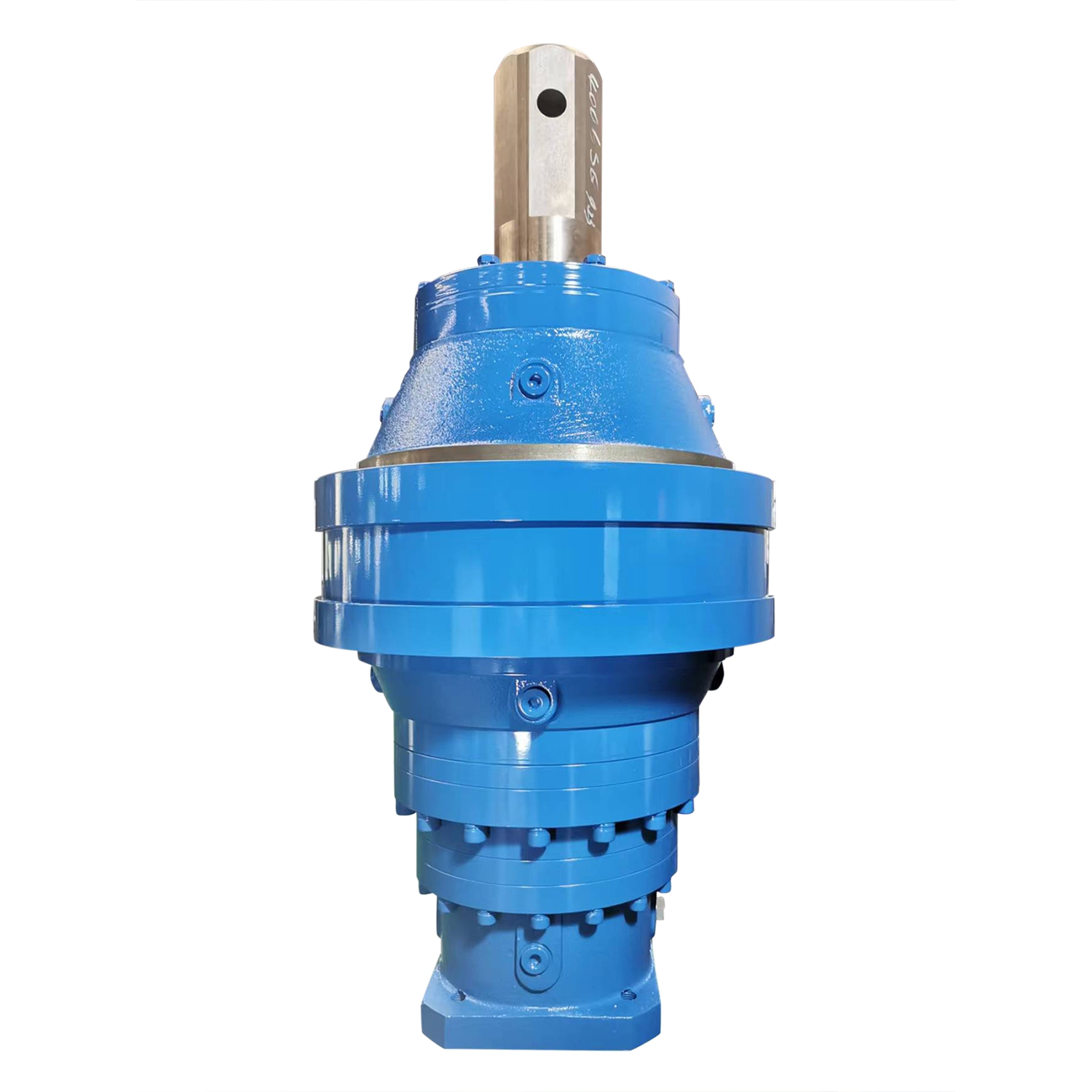
SGR's N Series high torque coaxial planetary gearbox Input forms: N standard shaft input, MN flange ...
See Details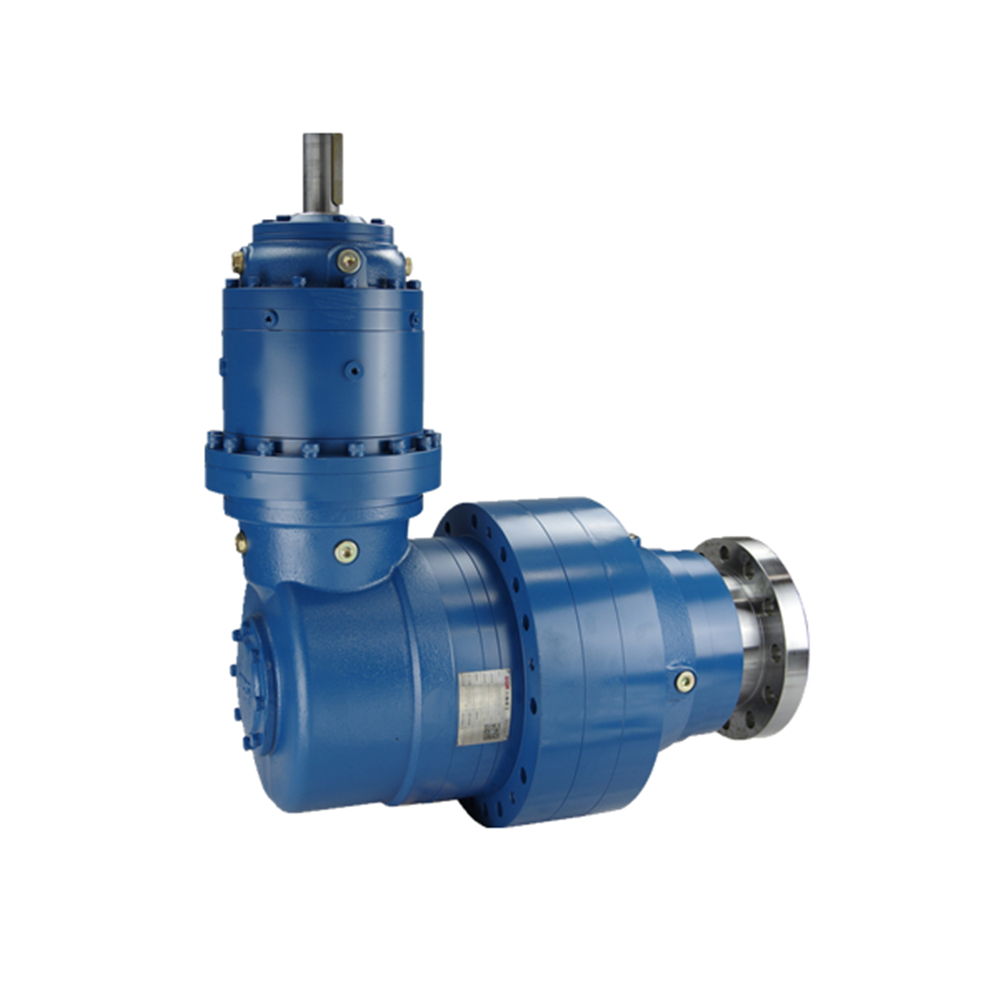
Technical data: 1. Ratio range: 3.15-30002. Input power: 0.25-55KW3. Permit torque rang: ≤ 200000N. ...
See Details
SGR is an ISO 9001 certified, DNV-accredited industry gearbox manufacturer since 1996. We supply different gear reducers to brands worldwide.