Global
 English
 中文简体
 русский
 Español
Model: 200-885Ratio: 3.15-7800Output Torque :1500Nm-540000NmRating Power :0.25KW-200kwDescription : ...
See Details
News Directory
Aerospace gearbox precision is not a single number. It is a bundle of measurable quantities: backlash, torsional stiffness, transmission error, and repeatability. Each one must be defined, measured, and verified across the operating envelope, not just at the manufacturer's test temperature.
A multi-stage epicyclic drive whose output position error, elastic windup, and angular repeatability are controlled to defined limits across the full operating torque and temperature range, with inspection data recorded for each delivered unit.
The parameters that matter most, in order of practical impact:
Industrial catalogs rarely state these values; aerospace specifications always do. That single difference drives every design decision, from gear grinding to lubricant choice. For a closer look at how planetary stages behave in aircraft and spacecraft systems, see our technical review of planetary gearboxes in aerospace engineering.
Backlash, the angular lost motion on load reversal, is the dominant precision specification in aerospace planetary gearbox selection. Aerospace actuation grades typically limit it to 6 arcmin or less at the output, and servo-flight grades go below 3 arcmin.
The acceptable value depends on the mechanism, not on the gearbox alone:
| Application | Max output backlash | Dominant load profile | Typical ambient range |
| Satellite antenna pointing | 1 arcmin or less | Low speed, micro-vibration | -30 C to +70 C |
| UAV gimbal actuation | 3 arcmin or less | High acceleration, reversing | -40 C to +85 C |
| Flight control actuator | 3 arcmin or less | Cyclic reversing, high rate | -55 C to +150 C |
| Thrust reverser drive | 6 arcmin or less | High load, infrequent duty | -40 C to +120 C |
Backlash is reduced by preloading the gear meshes, but preload raises friction torque, lowers efficiency, and accelerates wear. An aerospace design must balance the backlash requirement against the actuator torque budget and its endurance target.
Torsional stiffness determines how much angular error appears when the load changes, so the stiffness rating is a control-loop parameter, not a structural nicety. If windup at rated torque exceeds the allowable output error, the servo performance fails even with zero backlash.
Stiffness is governed by tooth flank geometry, bearing preload, planet carrier rigidity, and housing construction. Coaxial layouts with close-coupled bearings offer the highest stiffness-to-volume ratio for most actuator installations.
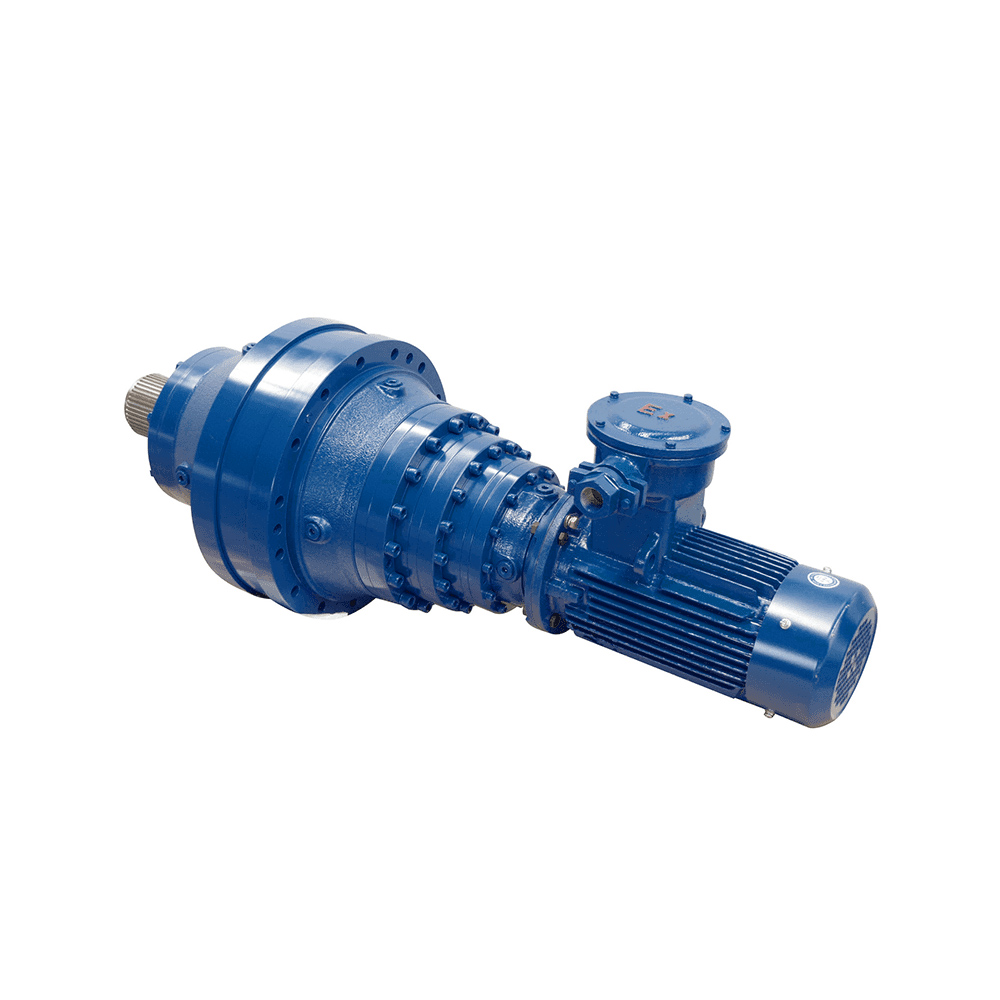 High Torque Coaxial Base-Mounted Planetary Gear Box for Heavy-Duty ActuationThis coaxial planetary gearbox supports output torque up to 750,000 N.m with multiple mounting and shaft options. Its close-coupled bearing layout contributes to the stiffness discussed in the preceding paragraph, making it a relevant choice for high-rigidity actuator installations.View Product →
Repeatability is the complement of backlash. A unit can hold a commanded position to within a small fraction of its backlash value if the gear train returns to the same flank contact state, which requires consistent preload torque and stable friction over temperature.
Require a torque-deflection curve from zero to rated torque, measured on the output flange with hysteresis plotted. The curve should be a straight line across the operating torque window; a non-uniform curve indicates variable mesh preload.
Aerospace planetary gearboxes must hold their precision across temperature swings that industrial units never experience. Material and lubricant choices are therefore driven by thermal expansion and stability, not only by strength.
What changes compared with commercial designs:
High-torque planetary reducers used in sustained actuation must demonstrate their stiffness rating at temperature extremes, because the housing expands and contracts differently from the shafting it locates.
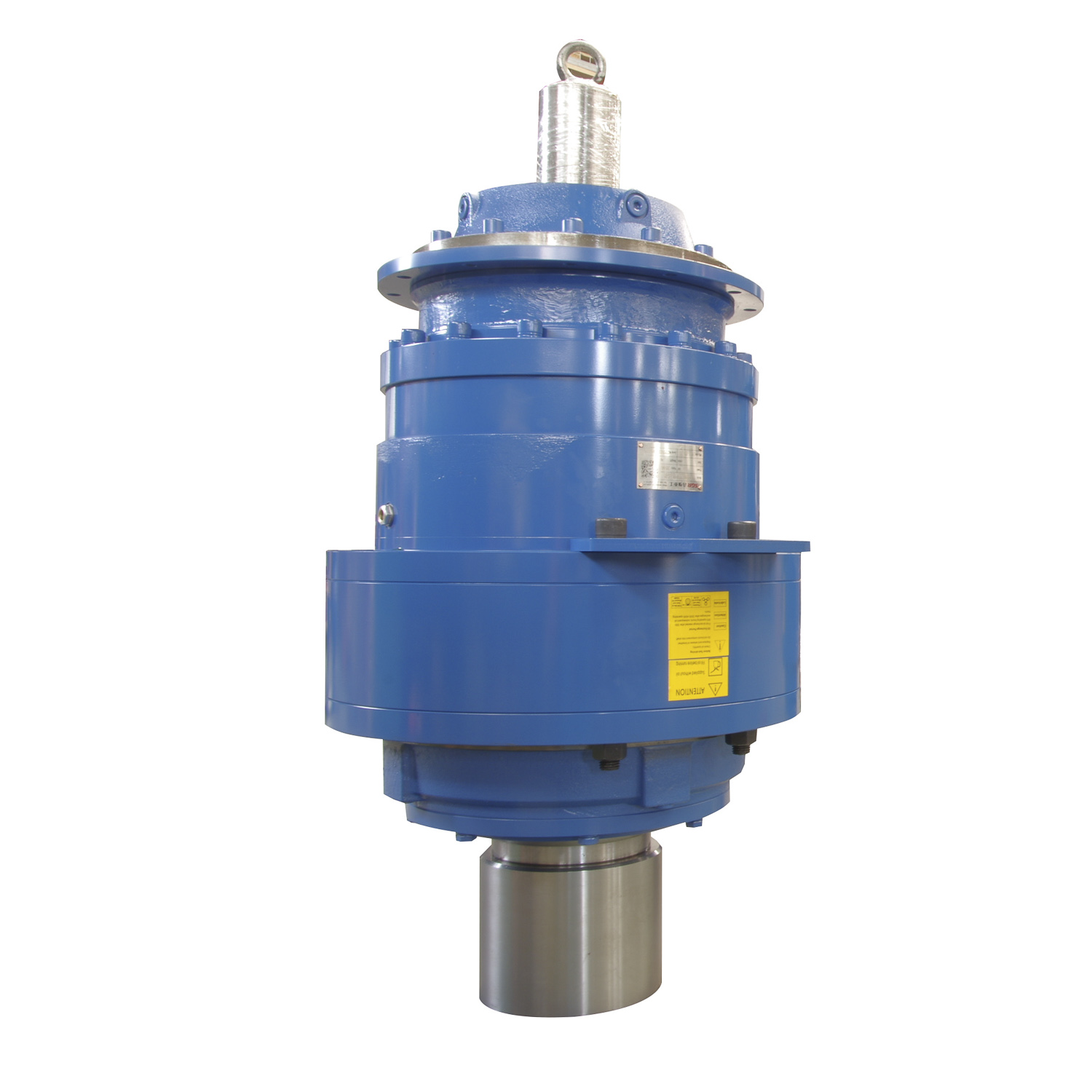 Planetary Gear Reducer with High Torque for Sustained Industrial OperationOffering torque ratings up to 800,000 N.m and a ratio range to 9000, this reducer features a rigid nodular cast iron housing and precision-ground 20CrMnTi gears. The described temperature-stability performance aligns with the need for verified stiffness at extreme conditions.View Product →
Precision is not achieved in the CAD model; it is achieved by measurement. An aerospace planetary gearbox must be verified at every step that affects output accuracy, and each delivered unit should carry traceable records.
Non-negotiable checks for a precision planetary gearbox program:
The inspection depth separates aerospace suppliers from general-purpose gearbox manufacturers. A manufacturer running in-house coordinate measuring machines and full power-efficiency test rigs can close the loop between design tolerance and produced part. This is the capability set that Shanghai SGR Heavy Industry Machinery Co., Ltd. (SGR) maintains for its planetary gearbox lines.
Ask a prospective supplier whether they measure backlash on the output flange under applied torque or only on the bench at light load. If the answer is the latter, the datasheet value will not survive real actuator conditions.
Start with the worst-case allowable output error at the load point, then work backward to derive the gearbox-level budgets for backlash, stiffness, and repeatability. Never start with a gearbox model and hope it fits the control budget.
Mounting configuration also changes precision. A right-angle flange-mounted gearbox reduces actuator package height and shortens the structural load path in space-constrained airframe installations, but the bevel stage adds its own backlash and stiffness terms to the budget.
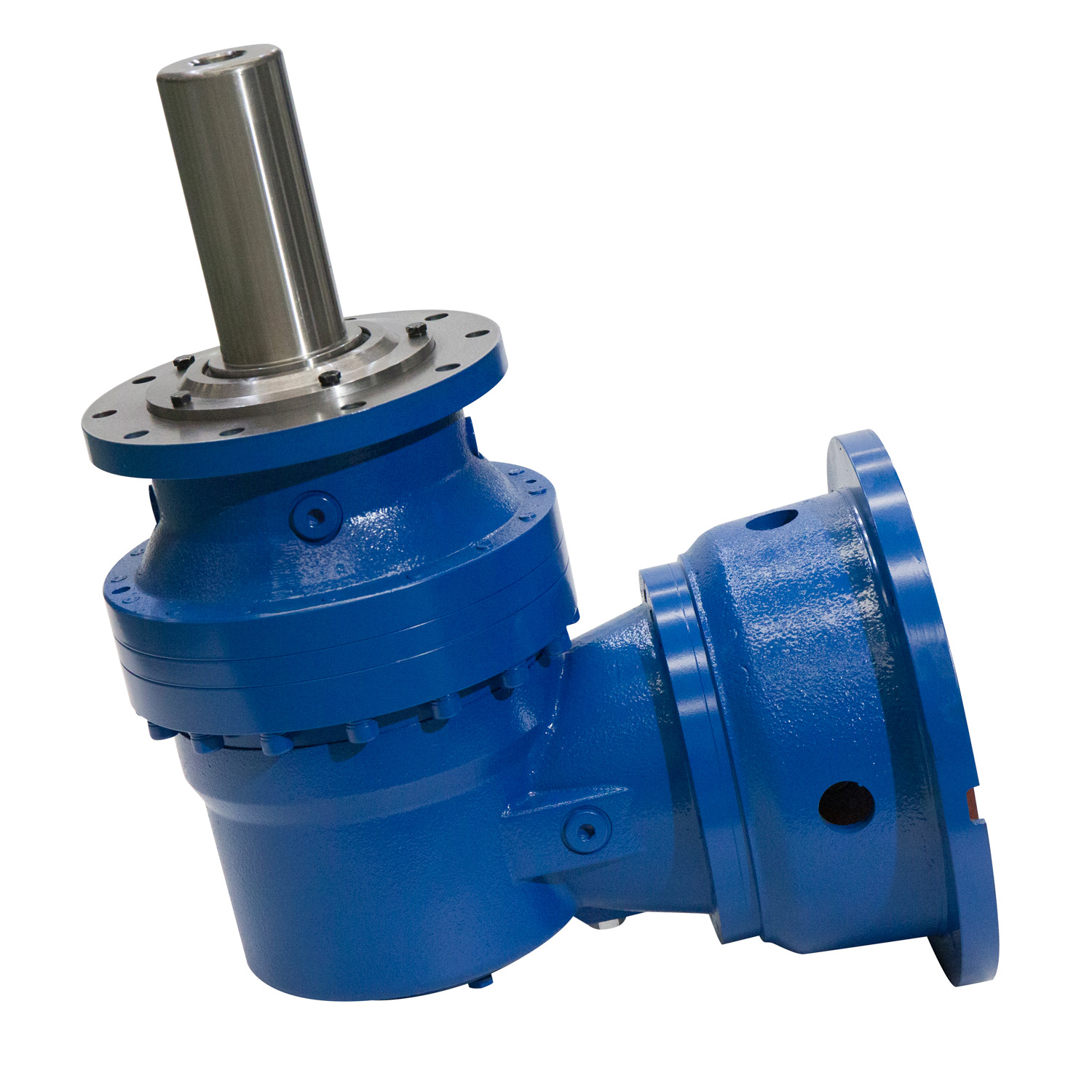 Right-Angle Flange Mounted Planetary Gearbox for Compact InstallationsThis right-angle gearbox enables reduced package height and a shorter structural load path, as noted in the surrounding discussion. Its flange mounting suits space-constrained airframe layouts, though the bevel stage adds backlash and stiffness considerations for precision budgeting.View Product →
Audit whether the planetary gearbox manufacturer can measure what they claim: CMM inspection, power and efficiency test systems, and records that trace each unit's backlash and torque-deflection results. A company that designs, machines, and tests in one facility controls the precision loop far more tightly than an assembler who buys gear sets and housings separately.
The acceptable ceiling depends on the mechanism. Satellite pointing drives may require 1 arcmin or less, flight-control and UAV gimbal actuators typically specify 3 arcmin or less, and thrust-reverser or cargo-door drives can tolerate up to 6 arcmin at the output. The correct value is the loosest limit that still meets the control or pointing error budget.
Backlash affects the dead zone on direction reversal, while stiffness governs the error that appears under every sustained or varying load. A gearbox with zero backlash but low stiffness will droop under torque and show a position error proportional to load. Specify both together, with stiffness expressed over the full torque range.
Rarely. Industrial units are usually verified at ambient temperature, use standard greases, lack vacuum or cold-weld considerations, and do not provide unit-level traceable data. The gear geometry may look similar, but the qualification evidence, material certification, and inspection coverage do not meet aerospace program requirements.
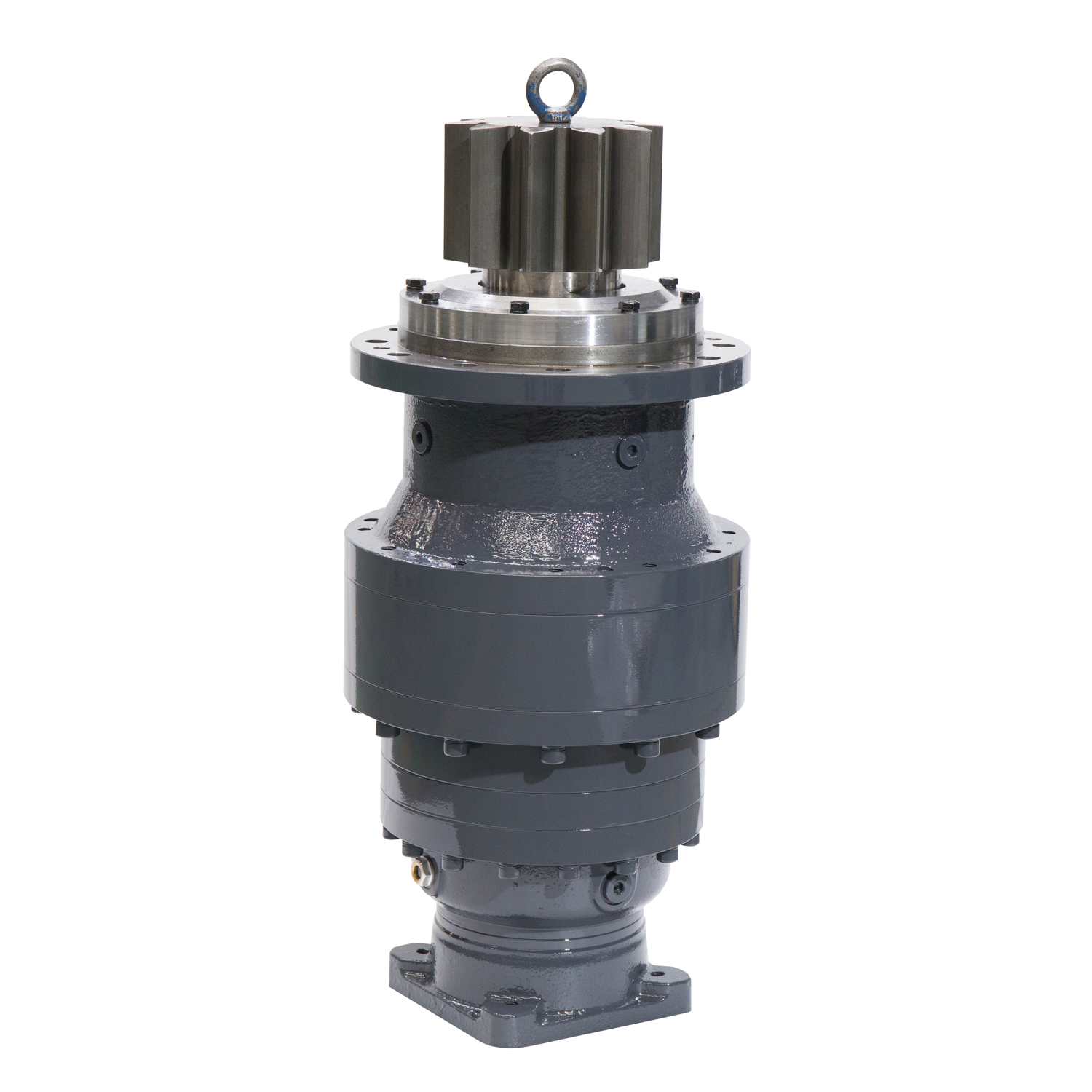
Model: 200-885Ratio: 3.15-7800Output Torque :1500Nm-540000NmRating Power :0.25KW-200kwDescription : ...
See Details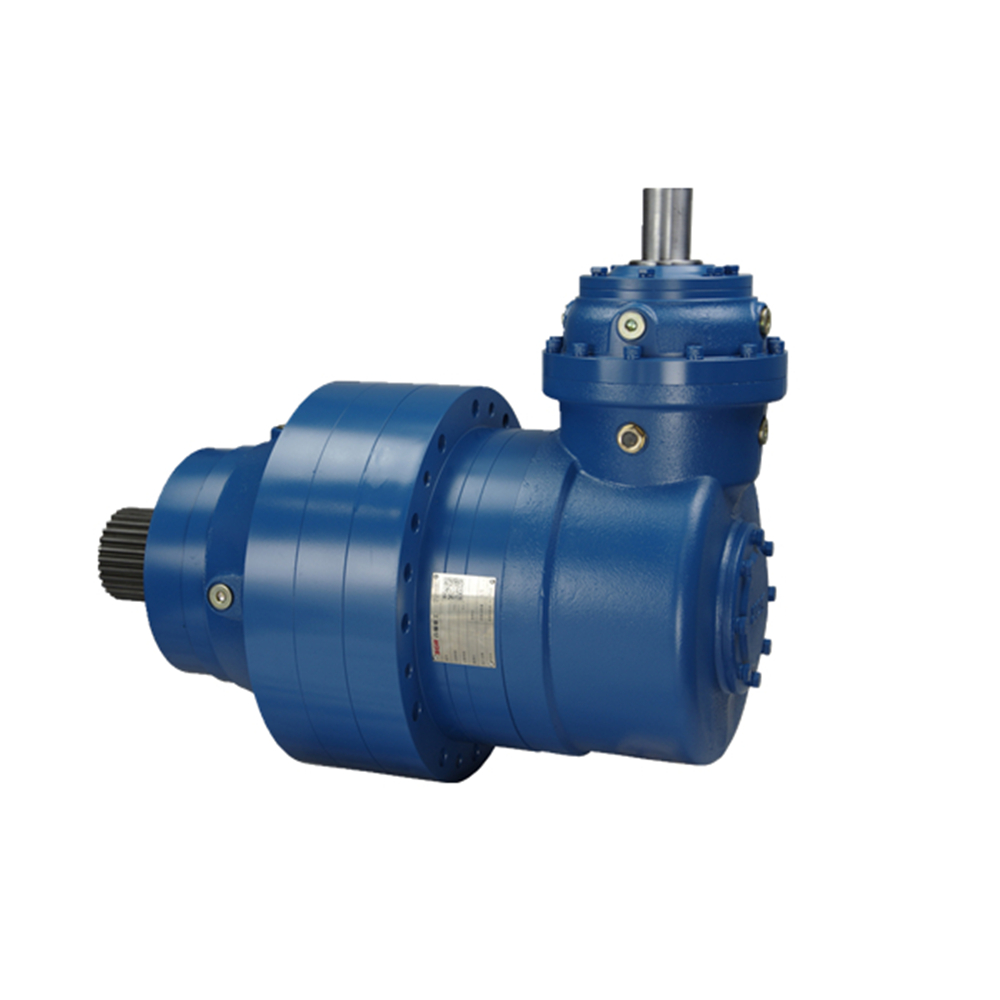
Technical data: 1. Ratio range: 3.15-30002. Input power: 0.25-55KW3. Permit torque rang: ≤ 200000N. ...
See Details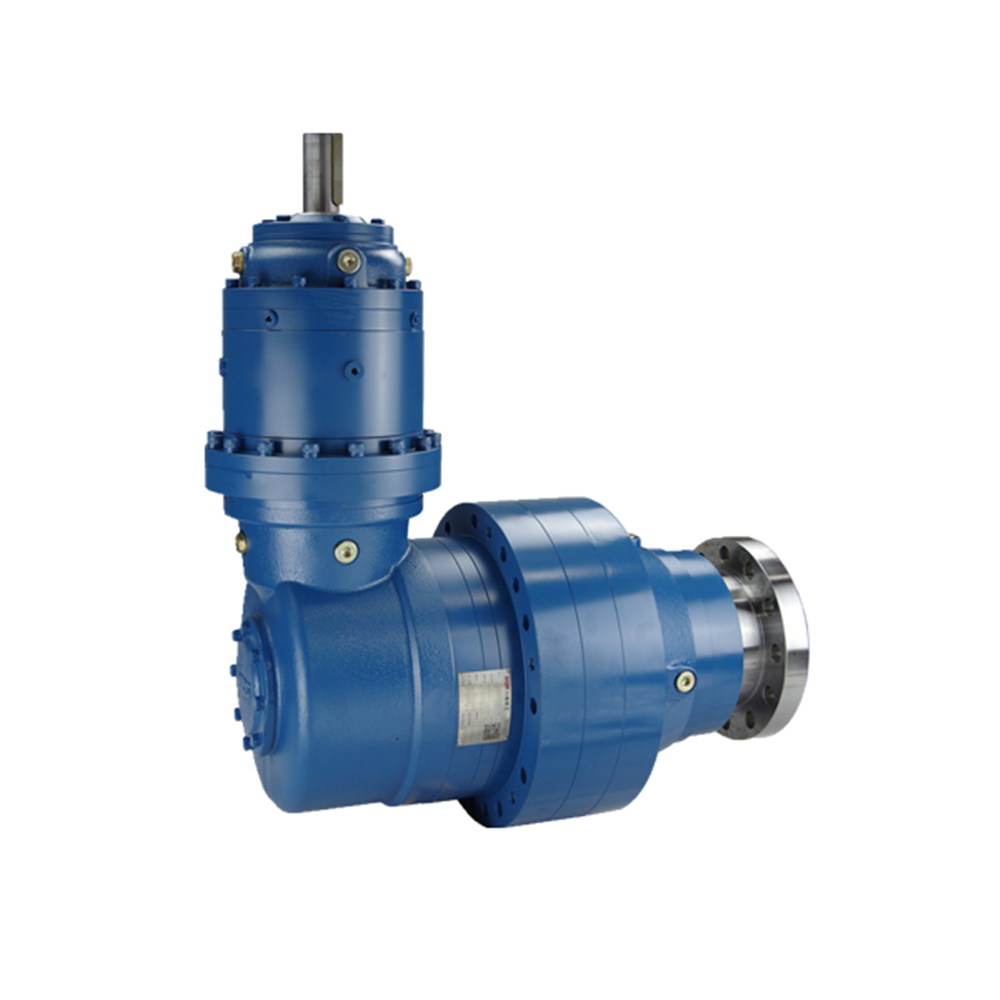
Technical data: 1. Ratio range: 3.15-30002. Input power: 0.25-55KW3. Permit torque rang: ≤ 200000N. ...
See Details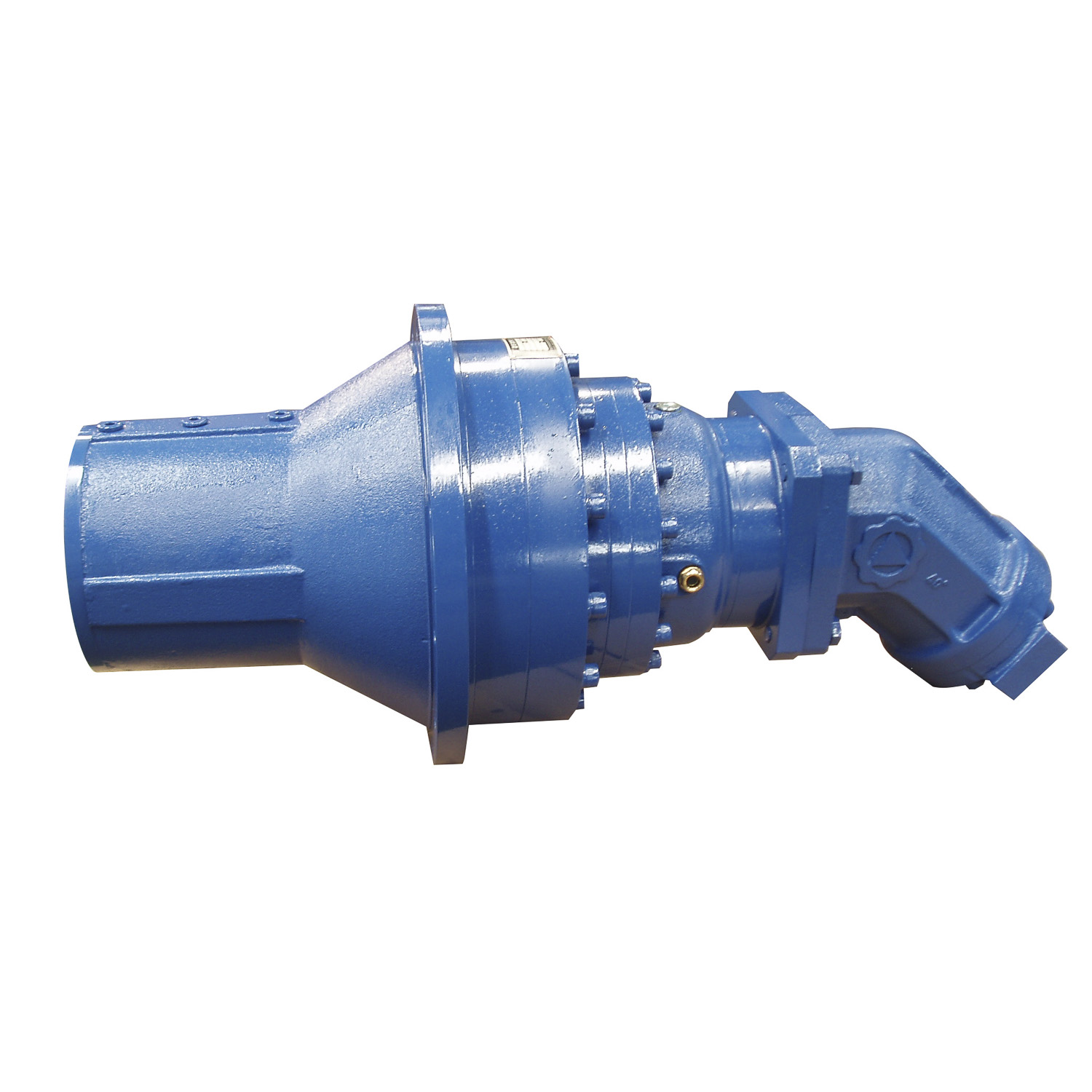
Key feature:Planetary gearbox is produced by modular design, and can be combined according to client...
See Details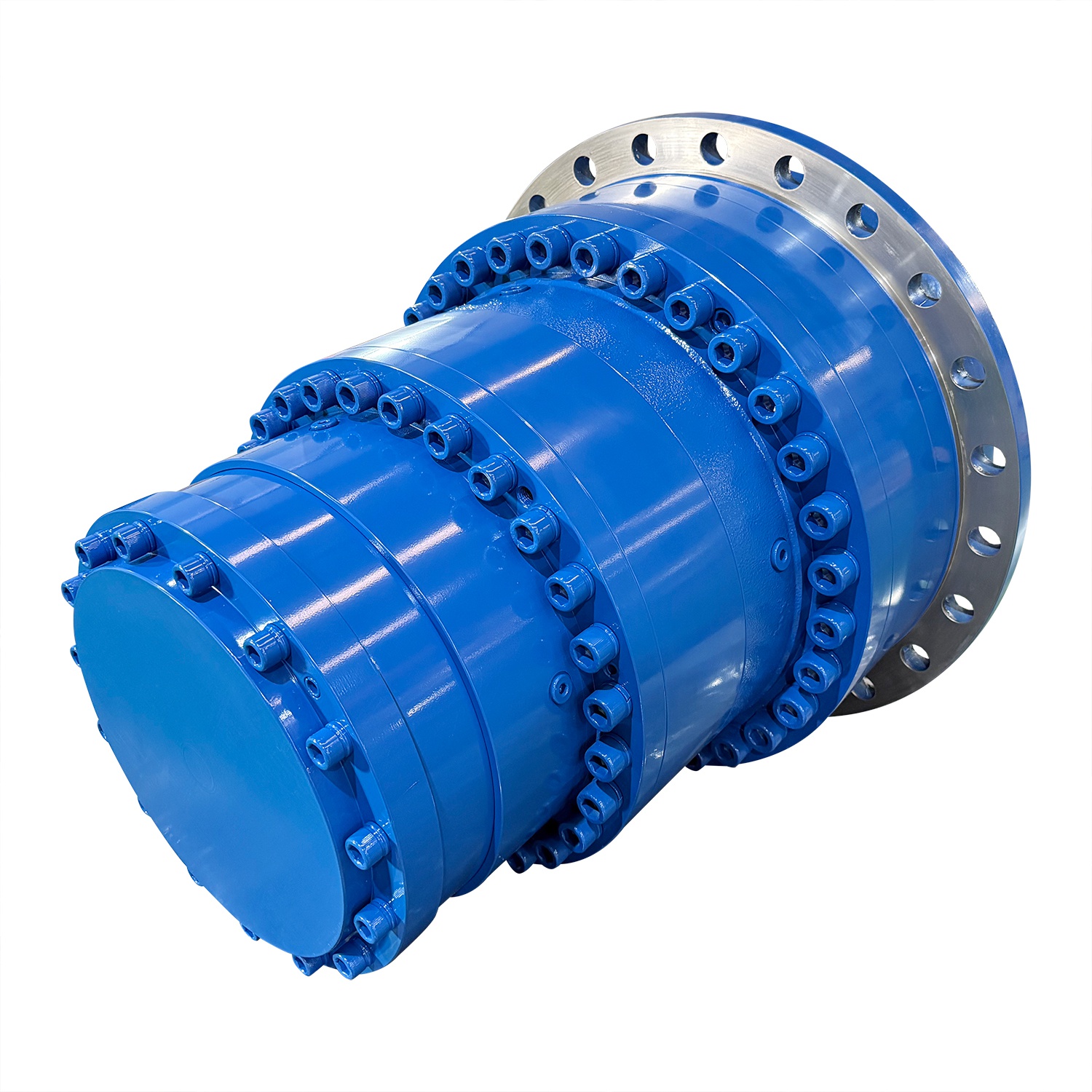
Planetary gear reducers serve as key transmission parts for sightseeing boats sailing along Russia’s...
See Details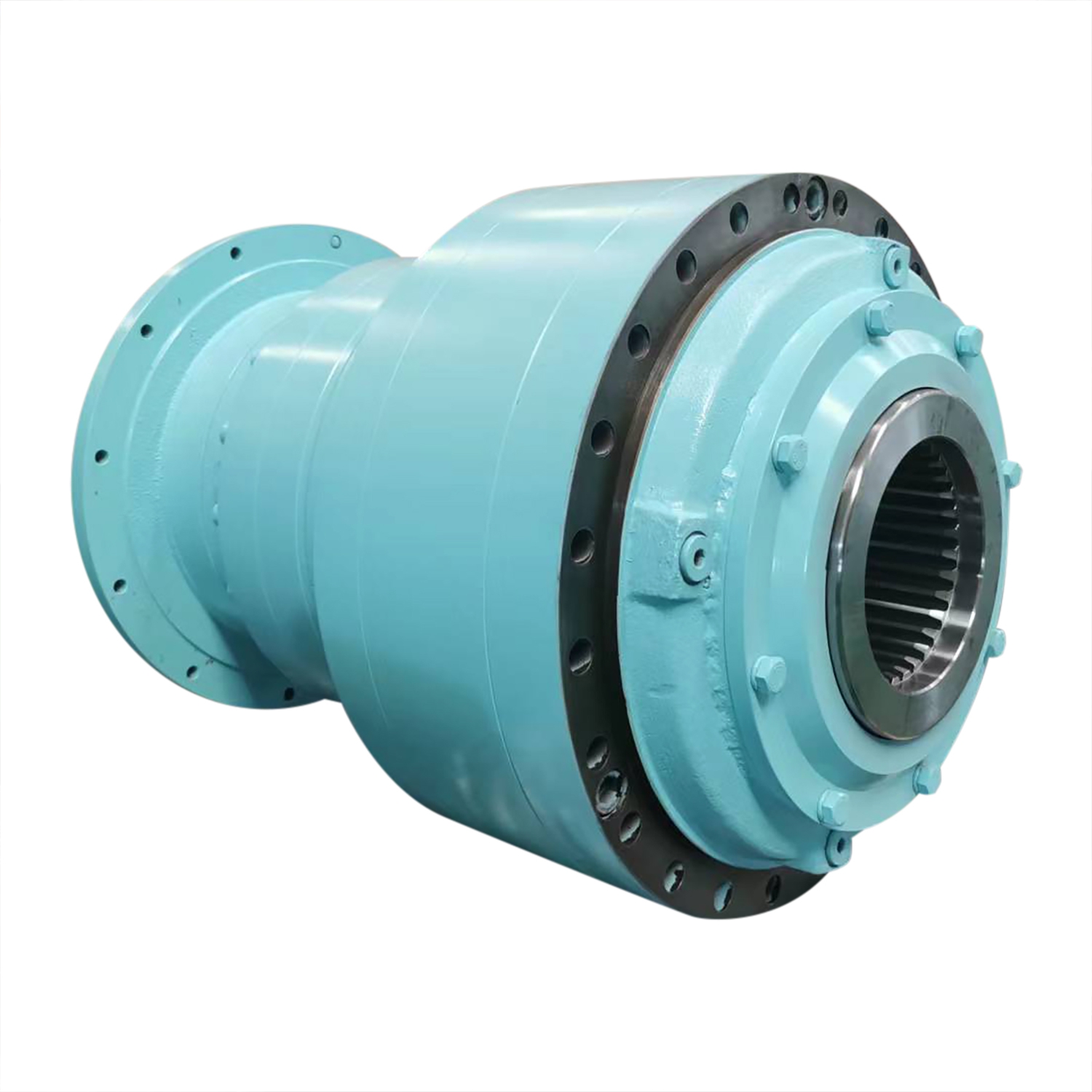
Planetary Gearbox Application For In Electric Drive Model: 200-885Ratio: 3.15-7800Output Torque :15...
See Details
SGR is an ISO 9001 certified, DNV-accredited industry gearbox manufacturer since 1996. We supply different gear reducers to brands worldwide.