Global
  English
 中文简体
中文简体 русский
 Español
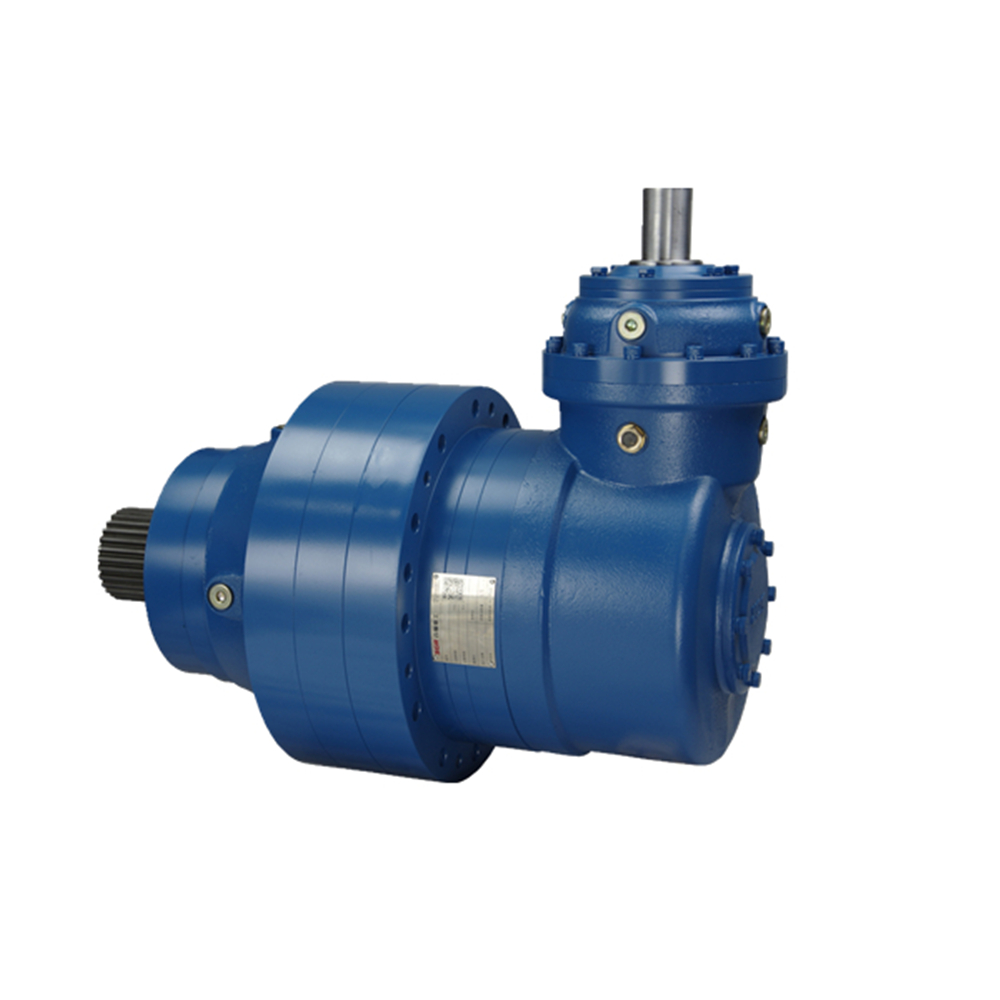
Model: 200-885Ratio: 3.15-7800Output Torque :1500Nm-540000NmRating Power :0.25KW-200kwDescription : ...
See Details
News Directory
A food-processing plant in Shandong rejected an incoming 12,000 Nm planetary gearbox because the 320 mm housing diameter exceeded the agitator frame clearance by 28 mm. The purchase order had specified ratio and torque but omitted the dimensional envelope, and the mismatch was discovered only when the crane was already hooked to the crate. For industrial procurement teams, planetary gearbox dimensions are not a secondary detail; they determine whether a technically correct drivetrain can ever be installed.
Planetary gearbox dimensional envelope is the complete set of physical boundaries - housing diameter, overall length, shaft extensions, flange pilots, bolt circles, and hollow-bore sizes - that defines how a reducer integrates with a motor, a driven machine, and the surrounding structure.
Dimensional parameters decide whether a gearbox can be mounted and coupled; torque and ratio decide whether it will perform. Every planetary reducer carries two independent specification blocks. The performance block lists rated torque, reduction ratio, input speed, service factor, and efficiency. The dimensional block lists frame size, center distance, housing diameter, shaft extensions, flange patterns, and mounting orientation. Procurement documents that carry only the first block invite dimensional conflict.
As explained in our guide on how to choose planetary gearbox parameters, selection begins with ratio, torque, and duty cycle; once those are fixed, dimensions become the binding constraint.
Seven dimensional parameters control most planetary gearbox fit failures: center distance, housing diameter, overall length, input shaft, output shaft, flange pilot, and bolt circle. The table below lists each parameter, what it controls, and the procurement risk if ignored.
| Parameter | What it controls | Risk if ignored |
| Center distance | Gear train size and torque rating | Undersized unit overloads quickly |
| Housing outer diameter | Machine envelope clearance | Interference with lugs and frames |
| Overall length | Installation depth and overhang | Coupling misalignment on retrofits |
| Input shaft diameter and keyway | Motor coupling fit | Vibration and key fretting |
| Output shaft diameter and length | Driven equipment coupling | Torsional windup and coupling fatigue |
| Flange pilot and bolt circle | Mounting precision | Runout, leakage, bolt shear |
| Hollow bore and shrink disc | Shaft-through installation | Misalignment on long shafts |
Industrial buyers should treat these seven parameters as a mandatory block on every request for quotation, regardless of whether the gearbox is a standard catalog unit or a custom-built configuration.
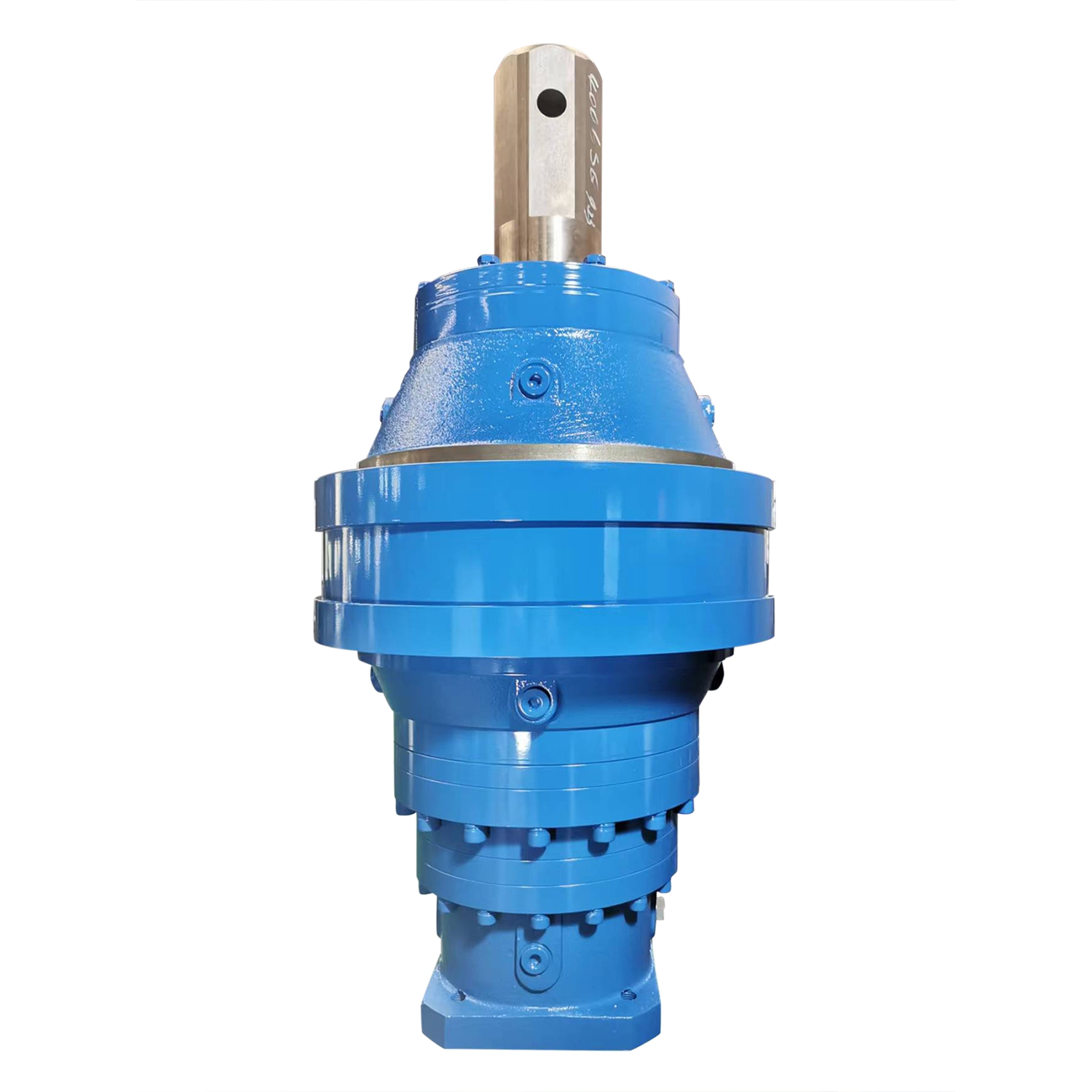
 SGR N-Series Coaxial Planetary Gearbox with Base MountThis SGR N Series coaxial gearbox delivers up to 750,000 N.m torque with base-mount and flange-mount options, making it a key reference when evaluating frame sizes and dimensional compatibility.View Product →
Frame size is a manufacturer shorthand for the dimensional envelope; center distance is the mechanical reference from which most planetary gearbox dimensions scale. Most planetary reducer makers assign frame numbers that encode maximum rated torque and the corresponding housing geometry. Shanghai SGR Heavy Industry Machinery Co., Ltd. (SGR), a Shanghai-based gear transmission manufacturer with more than a decade in the field, publishes frame data sheets that pair each frame number with its full dimensional envelope.
A one-frame-step increase in a planetary reducer typically raises the rated torque by 25 to 40 percent while adding only 15 to 25 mm to the housing diameter. That relationship matters because adjacent frame sizes are sometimes interchangeable within a fixed envelope - and sometimes are not.
The mounting interface is where dimensional errors convert directly into mechanical failure - misalignment, resonance, and coupling fatigue. On the motor side, the input flange follows IEC B5 or B14 patterns, with a pilot diameter and bolt circle that must match the motor frame exactly. On the output side, the engineer chooses between a solid shaft with a keyway and a hollow bore with a shrink disc. Motor adapters and bell housings can rescue small mismatches, but each adapter adds axial length and compliance to the drivetrain.
An 0.05 mm pilot fit error can produce measurable output runout after a single duty cycle.
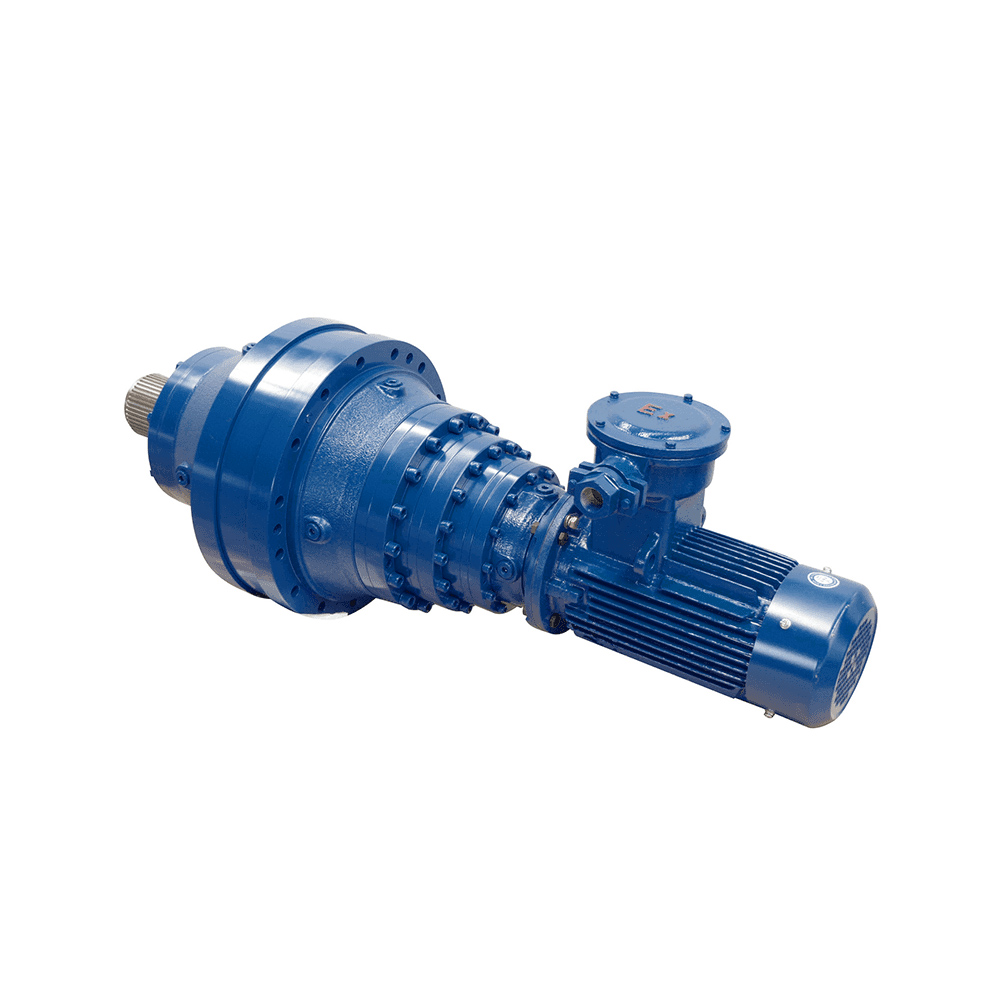
 Heavy-Duty N-Series Planetary Gearbox for Gear MotorsThis N-series planetary gearbox for gear motors offers output torque up to 540,000 N.m with hardened gears and ductile iron housing. Multiple input and output options including flanged connections help match motor interfaces and simplify integration.View Product →
A five-step dimensional check catches most integration failures before the purchase order is issued. These steps take less than half a day with a tape measure, a dial caliper, and the manufacturer outline drawing.
Sourcing planetary gearboxes from China is a standard route, but as our analysis of planetary gearbox torque density, L10 life, and sourcing from China makes clear, dimensional tolerances differ between manufacturers, so the outline drawing must be verified rather than assumed.
Indicative housing diameters for standard industrial planetary reducer frames; exact values depend on manufacturer design and ratio.
Each application class optimizes a different dimensional priority. Slewing drives favor large bolt circles and low profile heights; gear motors favor short axial length and an integrated flange; mixer drives favor reinforced output flanges and larger pilots; base-mounted reducers favor stable foot patterns and narrow housing width.
Low height, large radius, high radial load capacity.
Compact axial length, IEC flange integration.
Reinforced flange, oversized pilot, torque-arm options.
When a slewing drive is involved, the housing height is the constrained dimension because the turntable bearing stack dominates the machine vertical envelope. A compact planetary unit for a slewing application is not simply smaller; it is dimensioned around the bolted joint circle of the turntable bearing.
A compact planetary unit for a slewing drive is not simply smaller; it is dimensioned around the bolted joint circle of the turntable bearing.
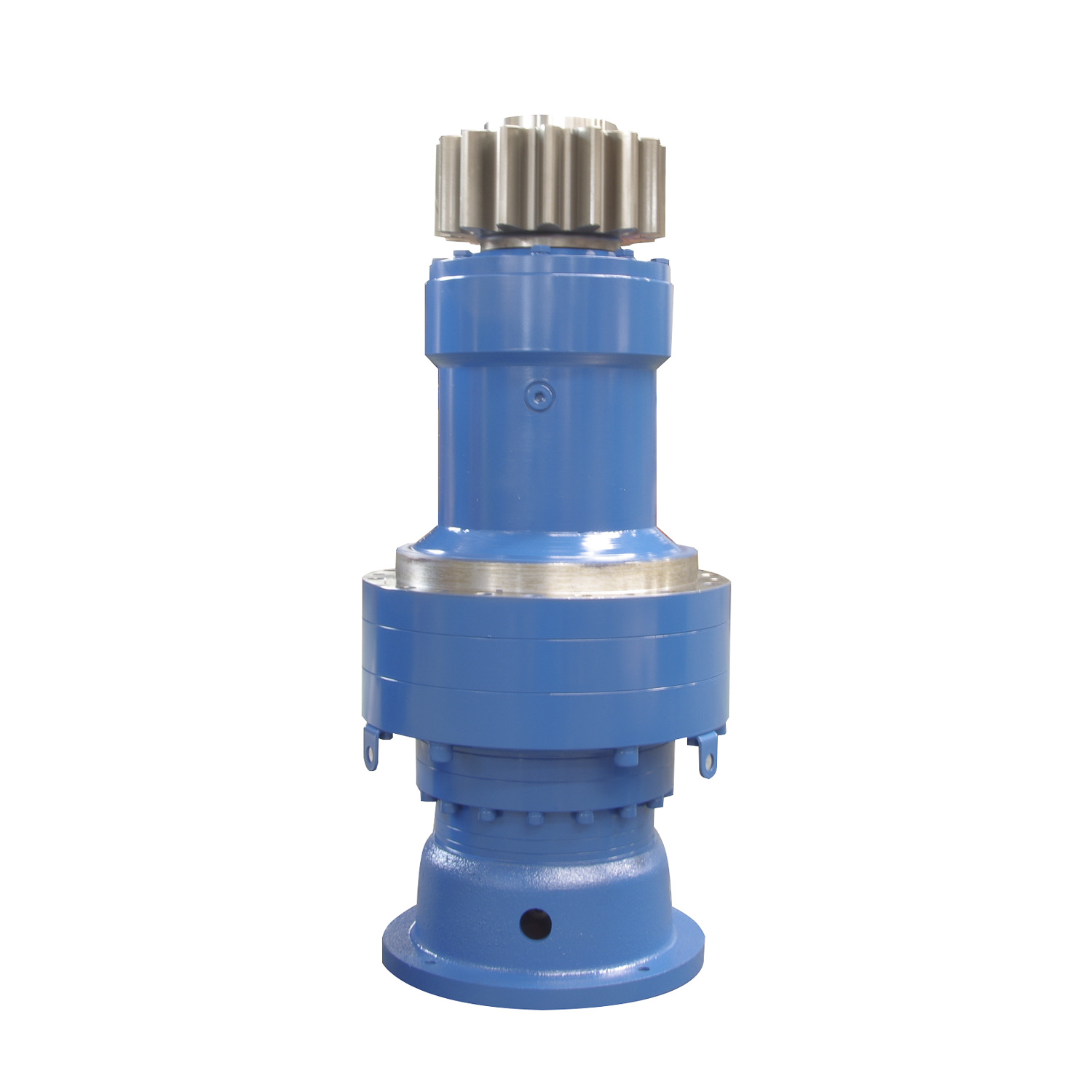
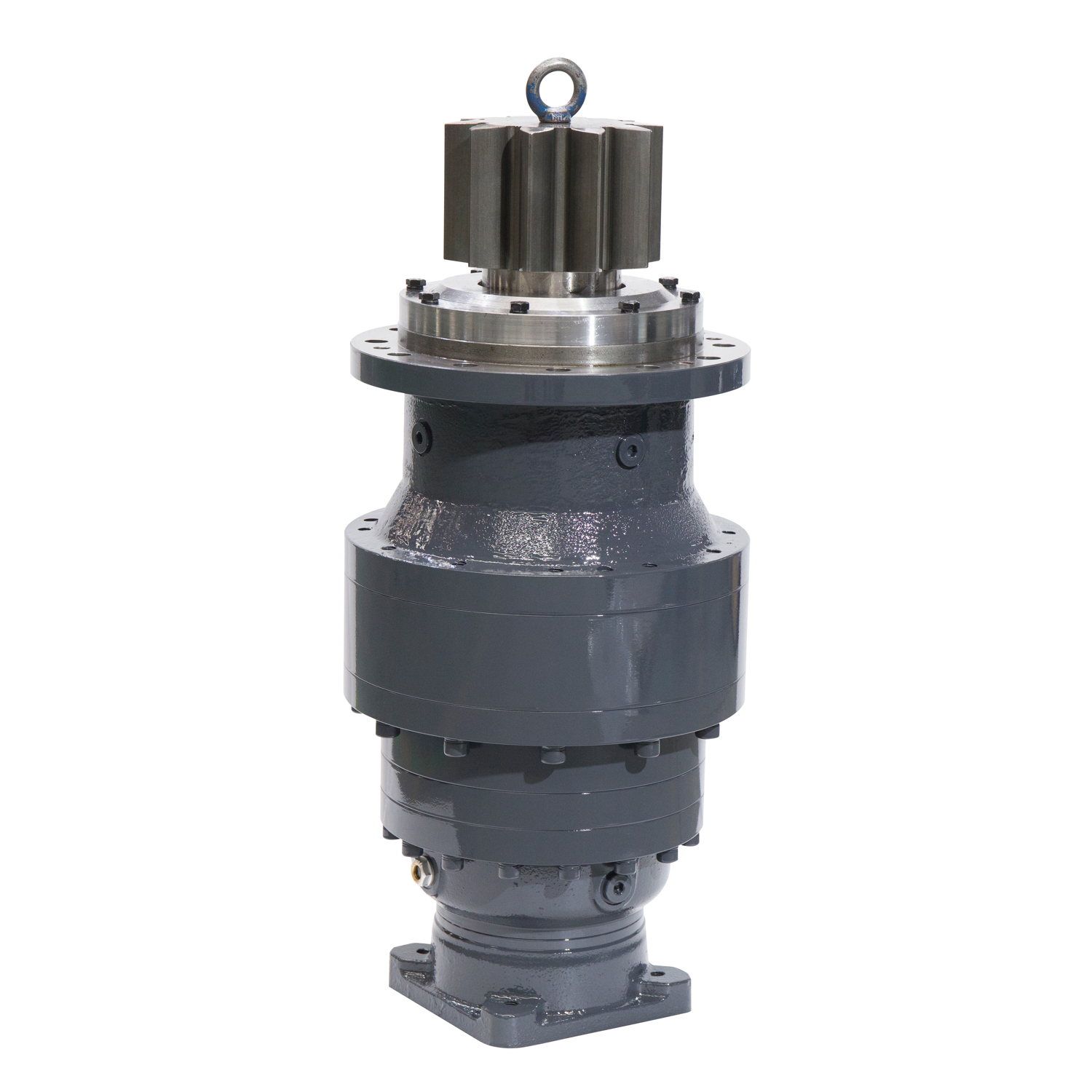
 Durable Planetary Gearbox for Slewing Drive ApplicationsThis planetary gearbox offers a wide ratio range of 3.15 to 3000 and torque capacity up to 200,000 N.m. Its flange, foot, or shaft mounting options help integrate into slewing drives where housing height is constrained.View Product →
A planetary gearbox that meets ratio and torque ratings but fails dimensionally is a full write-off for the project schedule.
The mounting interface set - flange pilot, bolt circle, and shaft extension - is the most critical, because it determines whether the unit physically integrates with the motor and the driven machine.
At minimum, list frame size, center distance, housing diameter, overall length, input shaft, output shaft, flange pilot, and bolt circle for each candidate frame.
Chinese planetary gearbox manufacturers, including Shanghai SGR Heavy Industry Machinery Co., Ltd., standardize on metric ISO dimensions, but they can produce inch-series shafts and bolt patterns for export orders; confirm this before drawing release.
Adapters solve small pilot or shaft differences, but oversized adapters introduce compliance and misalignment. Beyond a 1-2 mm geometric mismatch, selecting a new frame size is the lower-risk option.
Model: 200-885Ratio: 3.15-7800Output Torque :1500Nm-540000NmRating Power :0.25KW-200kwDescription : ...
See Details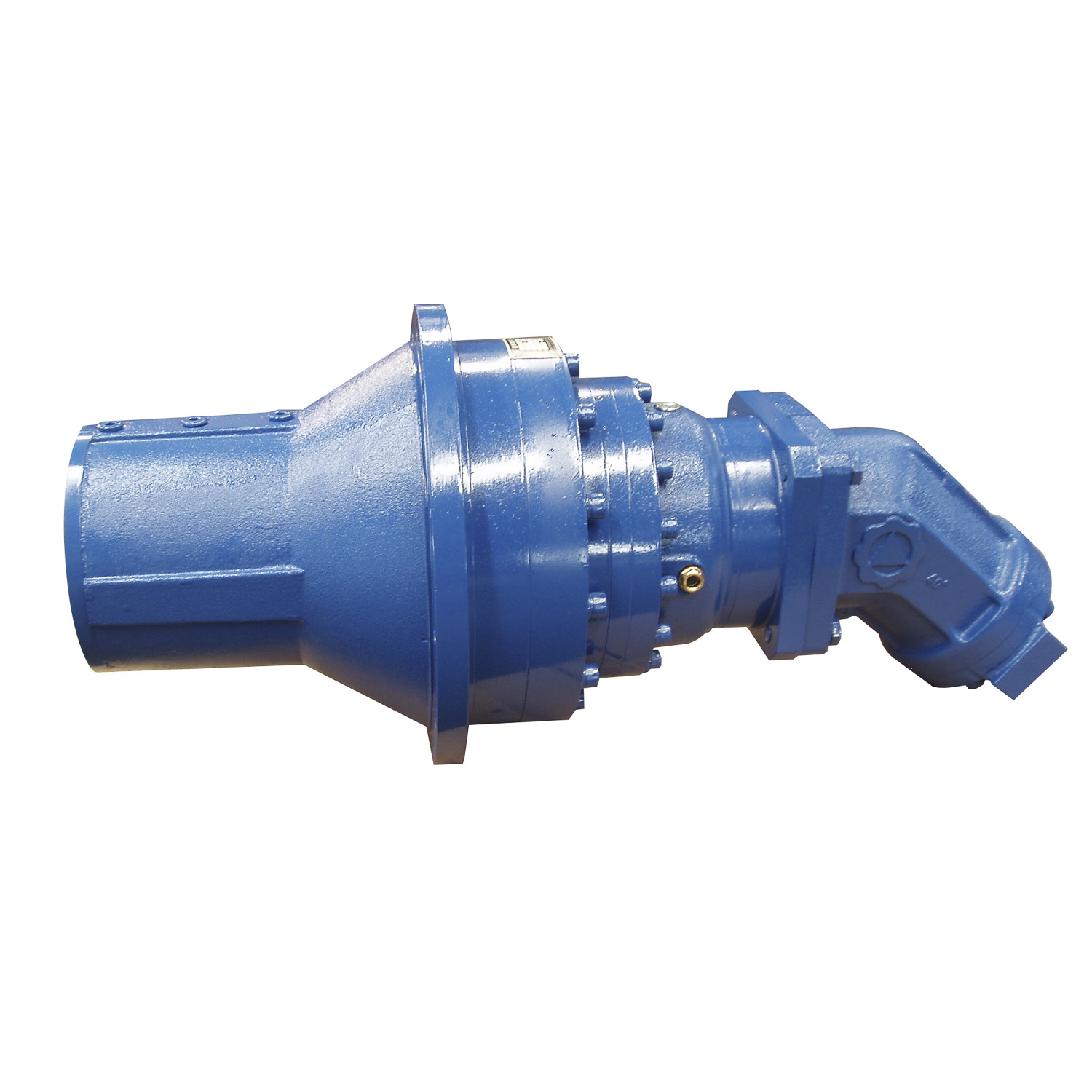
Key feature:Planetary gearbox is produced by modular design, and can be combined according to client...
See Details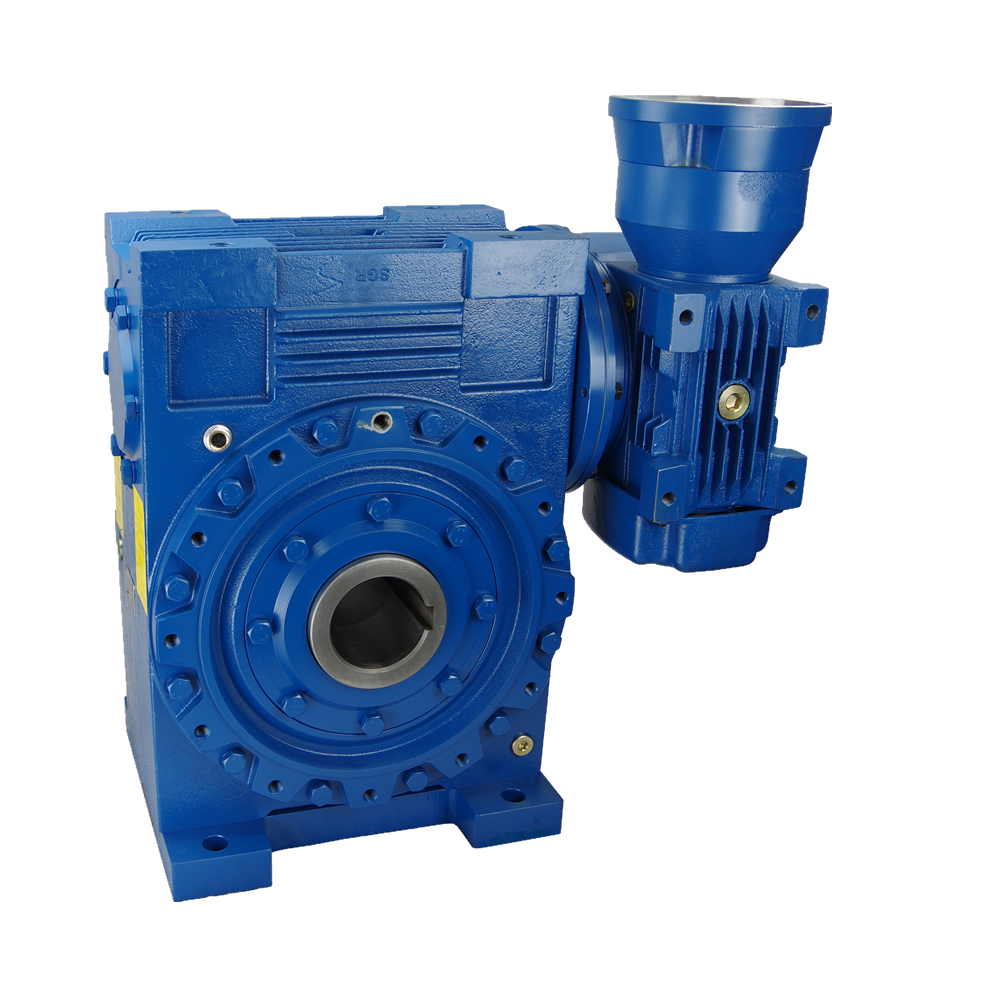
Product Description Series C double enveloping worm gearModel: 100 - 500Ratio: 10 -63Output Torque ...
See Details
Technical data: 1. Ratio range: 3.15-30002. Input power: 0.25-55KW3. Permit torque rang: ≤ 200000N. ...
See Details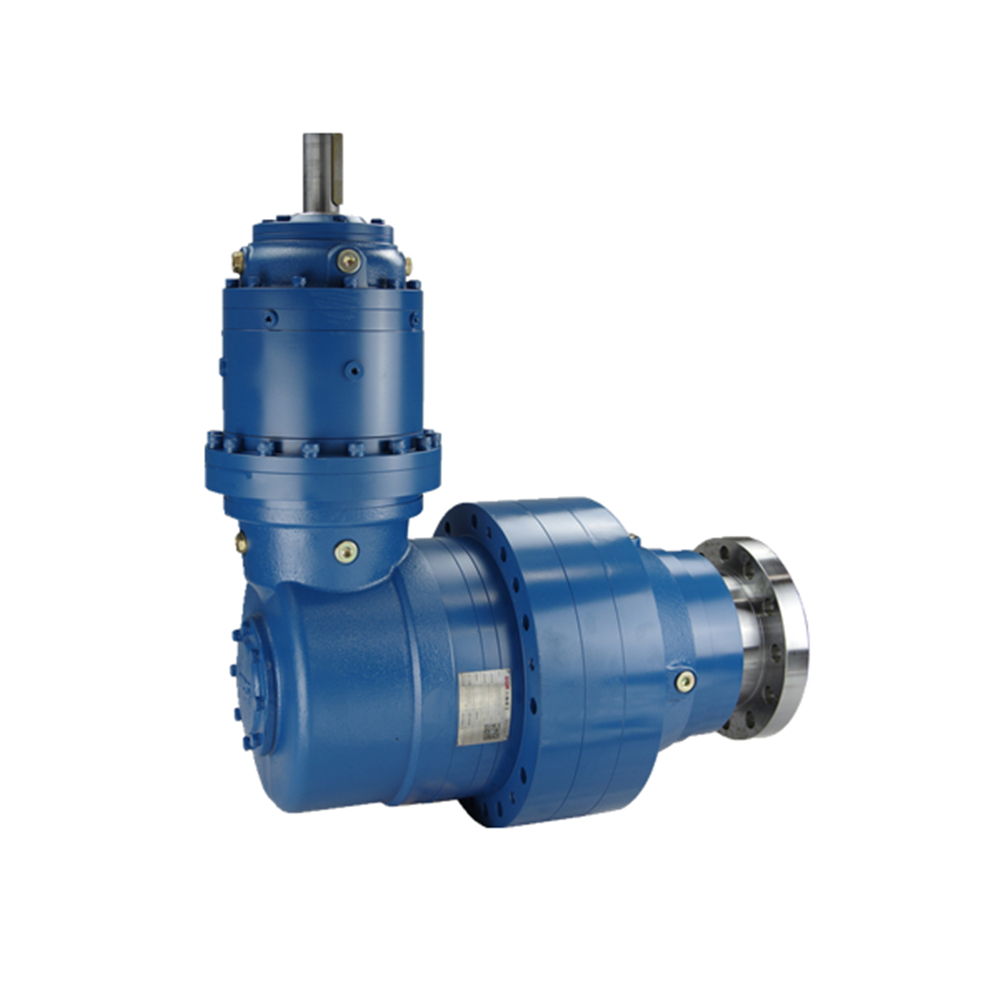
Technical data: 1. Ratio range: 3.15-30002. Input power: 0.25-55KW3. Permit torque rang: ≤ 200000N. ...
See Details
Description :1, High torque double enveloping worm gear adjust toughest working condition .2,Univers...
See Details
SGR is an ISO 9001 certified, DNV-accredited industry gearbox manufacturer since 1996. We supply different gear reducers to brands worldwide.