 Global
  English
 中文简体
中文简体 русский
 Español
Key feature:Planetary gearbox is produced by modular design, and can be combined according to client...
See Details
News Directory
A worm gearbox is widely used in industrial transmission systems that require speed reduction, torque conversion, and a compact drive arrangement. Typical applications include marine equipment, lifting machinery, stage lifting systems, machining equipment, and automated production lines.
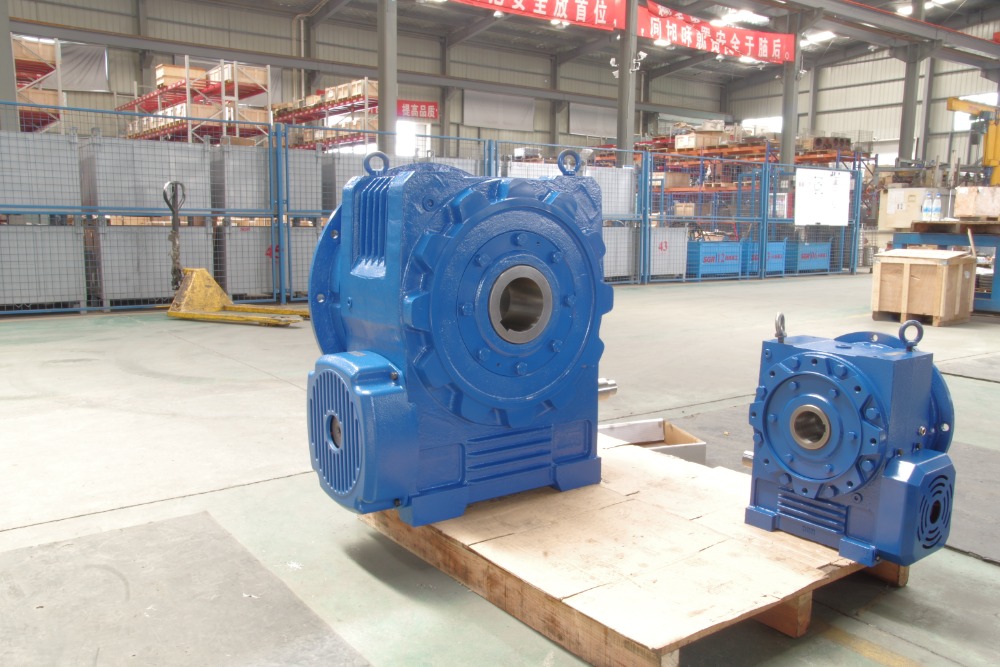
When purchasing a worm gearbox, however, many buyers make the mistake of focusing only on the initial price. A low-cost gearbox may appear to offer better value, but problems such as excessive noise, overheating, insufficient load capacity, or frequent maintenance can increase the total cost of ownership.
So, how should you choose the right worm gearbox for your equipment?
According to SGR, a manufacturer with more than 10 years of experience in worm gearbox development and production, buyers should evaluate three key factors before making a purchasing decision: materials and manufacturing processes, actual operating performance, and the manufacturer's technical capabilities and after-sales service.
The materials used in a worm gearbox and the processes used to manufacture its components have a direct influence on wear resistance, load capacity, transmission quality, and service life.
Although two worm gearboxes may look similar externally, their internal components and manufacturing standards can be significantly different.
In a worm gearbox, the worm shaft and worm wheel form the core transmission pair.
High-quality worm shafts usually use 20CrMnTi alloy steel, which can be carburized and quenched before precision grinding. When properly controlled, carburizing and quenching produce a hard, wear-resistant surface while maintaining a tougher core.
Precision grinding then helps improve the worm's tooth surface quality and geometric accuracy, supporting smoother meshing with the worm wheel.
These processes are particularly important in applications involving heavy loads or extended operating periods, where wear and contact conditions can affect gearbox performance over time.
By comparison, a gearbox manufactured with less suitable materials or inadequate heat treatment may experience faster wear, increased backlash, or deteriorating transmission performance.
The worm wheel material is equally important.
High-performance alloy bronze is commonly used in worm transmission systems because of its favorable friction and wear characteristics when paired with a suitable worm surface and lubrication system.
The worm and worm wheel must work together as a matched transmission pair. Material selection, tooth geometry, surface finish, lubrication, and operating conditions all affect the performance of the contact surfaces.
Lower-cost alternatives may use different materials to reduce manufacturing expenses. However, material substitution should always be evaluated against the gearbox's actual load, speed, lubrication, and service-life requirements.
Good materials alone do not guarantee a high-quality worm gearbox.
Manufacturing accuracy also affects tooth contact, noise, vibration, temperature, and transmission consistency.
When comparing suppliers, you can ask about :worm shaft material and heat treatment,worm wheel material,tooth machining and grinding processes,gear contact and assembly inspection,lubrication requirements and quality-control procedures.
The objective is not simply to find a gearbox made from premium materials. It is to find a transmission system whose materials and manufacturing processes are appropriate for the intended application.
The second factor is how the worm gearbox performs under real operating conditions.
Three characteristics deserve particular attention: transmission efficiency, load capacity, and self-locking behavior.
Transmission efficiency affects how much input power is converted into useful output power and how much energy is lost during operation.
In a worm gearbox, sliding contact between the worm and worm wheel creates friction. The actual efficiency depends on factors such as transmission geometry, gear ratio, materials, surface finish, lubrication, input speed, and operating load.
One design approach used to improve worm transmission performance is the double-enveloping worm gear design.
Compared with a conventional cylindrical worm gear pair, a double-enveloping design can provide a larger contact area and engagement across multiple teeth when properly designed and manufactured. This can help distribute the load and improve transmission performance.
SGR's double-enveloping worm gearboxes use this transmission technology to support demanding industrial applications.
When evaluating gearbox efficiency, buyers should consider the intended operating conditions rather than relying solely on a general efficiency figure. Operating temperature, lubrication, continuous-duty requirements, and heat dissipation should also be taken into account.
A gearbox that operates at an unsuitable temperature for its application may require further evaluation of its load, ratio, lubrication, installation, or cooling conditions.
Load capacity is another critical selection factor.
A gearbox must be capable of handling the required continuous torque as well as the relevant peak loads and operating conditions. Selecting a model based only on nominal motor power may lead to an unsuitable configuration.
Before choosing a worm gearbox, confirm the required output torque,input power and speed,reduction ratio,continuous and peak loads,duty cycle starting and stopping frequency,ambient temperature and mounting and installation conditions.
For large industrial applications, SGR's worm gearbox range includes center distances from 100 to 710 mm and an output torque capacity of up to T2 ≤ 160,000 N·m, according to the company's product information.
These specifications illustrate the range of heavy-duty transmission solutions available, but the appropriate model must still be selected according to the actual operating requirements.
For lifting machinery, mining equipment, and other demanding applications, proper sizing is essential for reliable operation.
Self-locking is another characteristic that some buyers consider when selecting a worm gearbox.
In certain worm transmission configurations, the mechanism may resist reverse driving under specific operating conditions. This can be useful in applications where the load could otherwise drive the output shaft backward.
Potential applications include stage lifting systems, lifting machinery, and other mechanisms where reverse movement needs to be controlled.
However, not every worm gearbox is reliably self-locking. Self-locking behavior depends on factors including lead angle, friction conditions, lubrication, materials, wear, and the actual operating state.
A gearbox should not be assumed to provide a safety holding function simply because it uses a worm gear.
For lifting or suspended-load applications, buyers should confirm the manufacturer's technical requirements and determine whether an independent brake or other safety device is required by the system design and applicable standards.
The correct approach is to evaluate self-locking as part of the complete transmission and safety system.
A gearbox purchase should not end when the product is delivered.
For industrial equipment manufacturers and maintenance teams, supplier experience, technical support, spare-parts availability, and response time can affect the overall reliability of the equipment.
Even when two products have similar specifications and materials, differences in design experience, manufacturing control, assembly, and application knowledge may lead to different operating results.
An experienced gearbox manufacturer can help customers evaluate operating requirements and identify a suitable transmission configuration.
For example, the selection of a worm gearbox may require consideration of:required reduction ratio,output torque,input speed and power,installation dimensions,shaft and flange configurations,continuous-duty conditions,lubrication and temperature and Self-locking requirements.
For OEM projects, the ability to adapt the gearbox configuration to the machine's design can be just as important as the standard product specifications.
After-sales service is especially important when a gearbox is integrated into a production line or heavy-duty machine.
If a gearbox needs troubleshooting, maintenance, or replacement, delayed technical assistance or unavailable spare parts can extend equipment downtime.
When evaluating suppliers, consider whether they can provide technical consultation and product selection,installation-related guidance,troubleshooting assistance,spare-parts support,responsive communication after delivery.
A reliable supplier should be able to support the customer beyond the initial transaction.
SGR has more than 10 years of experience in worm gearbox development and manufacturing. Its double-enveloping worm gearbox technology focuses on the design, manufacturing, assembly, and inspection of the worm and worm wheel transmission pair.
The double-enveloping design enables a larger contact area between the worm and worm wheel than a conventional cylindrical worm gear arrangement. With appropriate geometry and manufacturing accuracy, this can support more distributed tooth loading and improved transmission performance.
SGR has also conducted systematic work with relevant universities on worm gearbox design, manufacturing processes, production assembly, and inspection methods.
For customers looking for industrial worm gearbox solutions, SGR provides technical assistance to help evaluate application requirements and select an appropriate configuration. (Author: SGR, Angie Zhang)
WhatsApp: +86 188 1807 0282
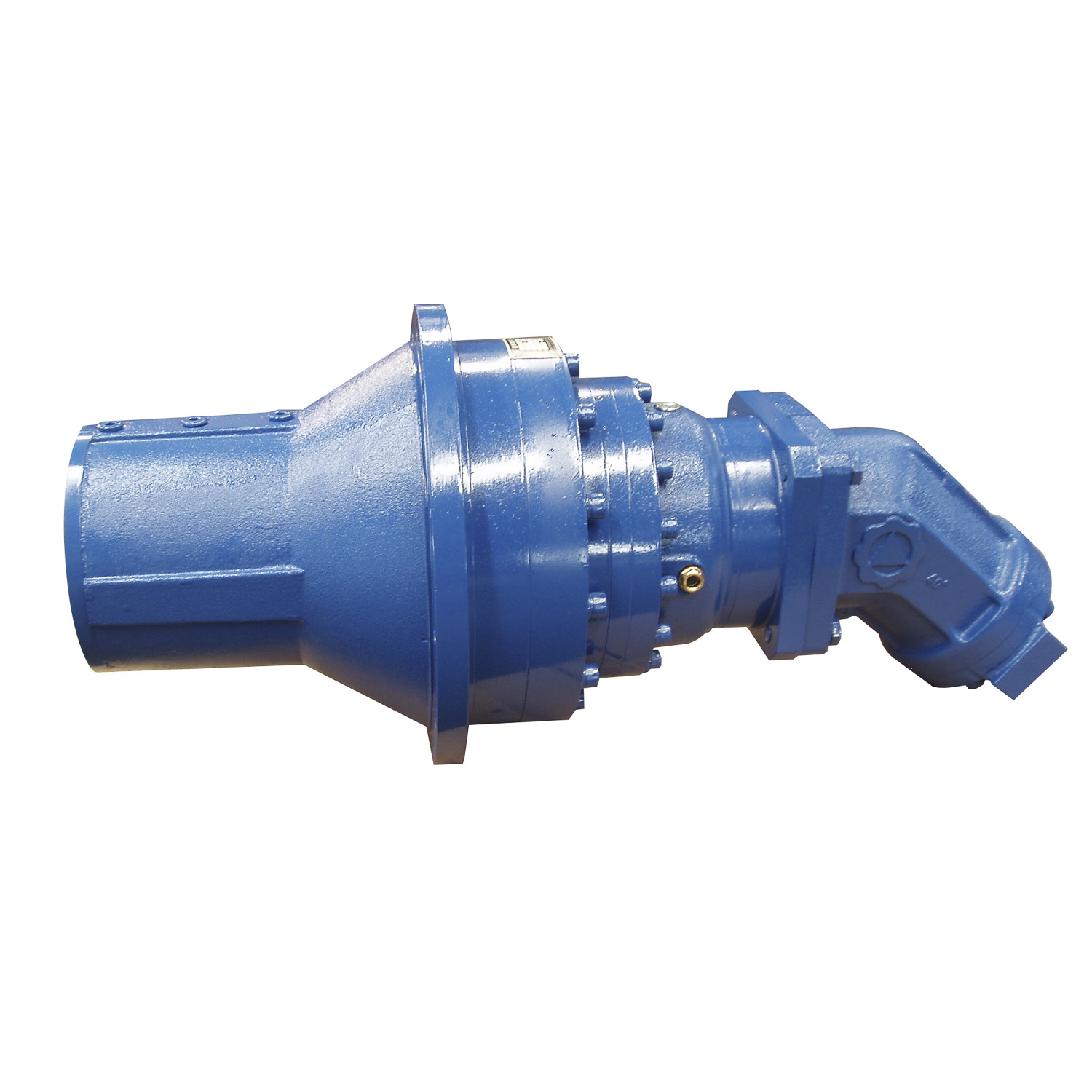
Key feature:Planetary gearbox is produced by modular design, and can be combined according to client...
See Details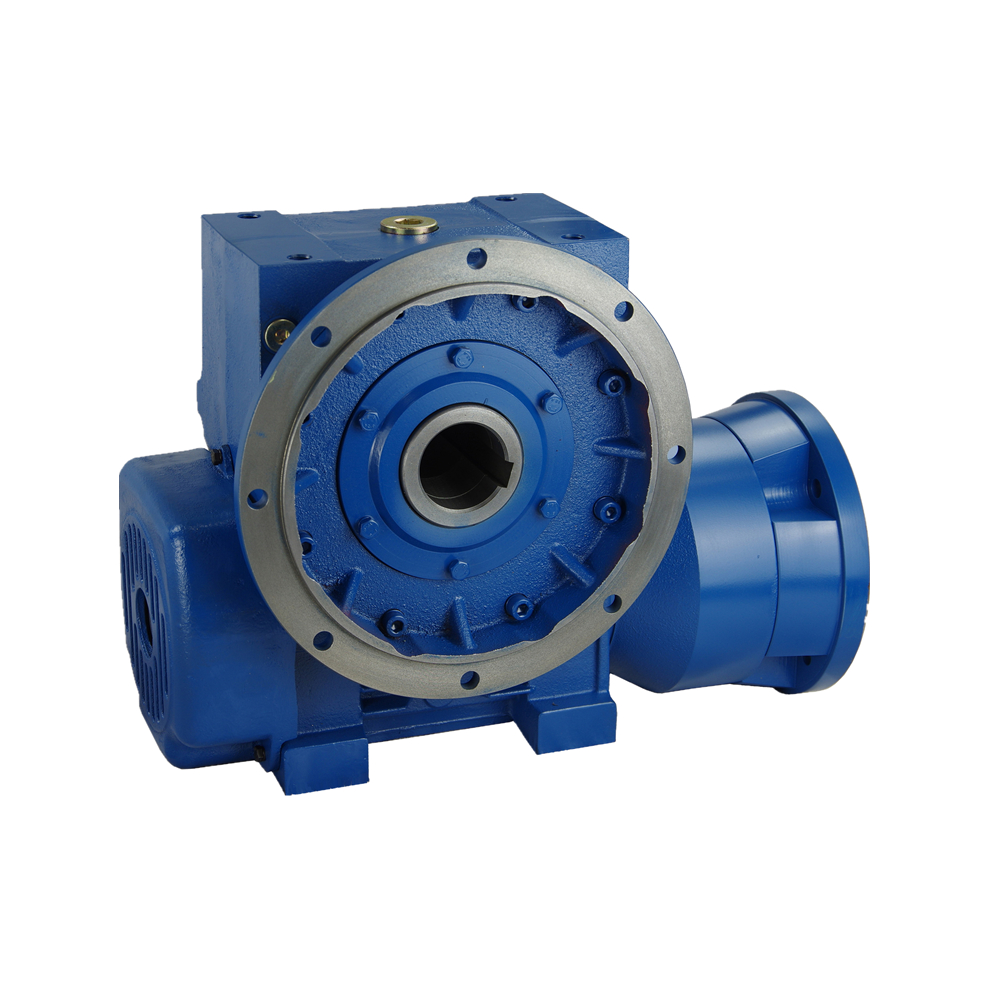
Product Description Series C double enveloping worm gearModel: 100 - 500Ratio: 10 -63Output Torque ...
See Details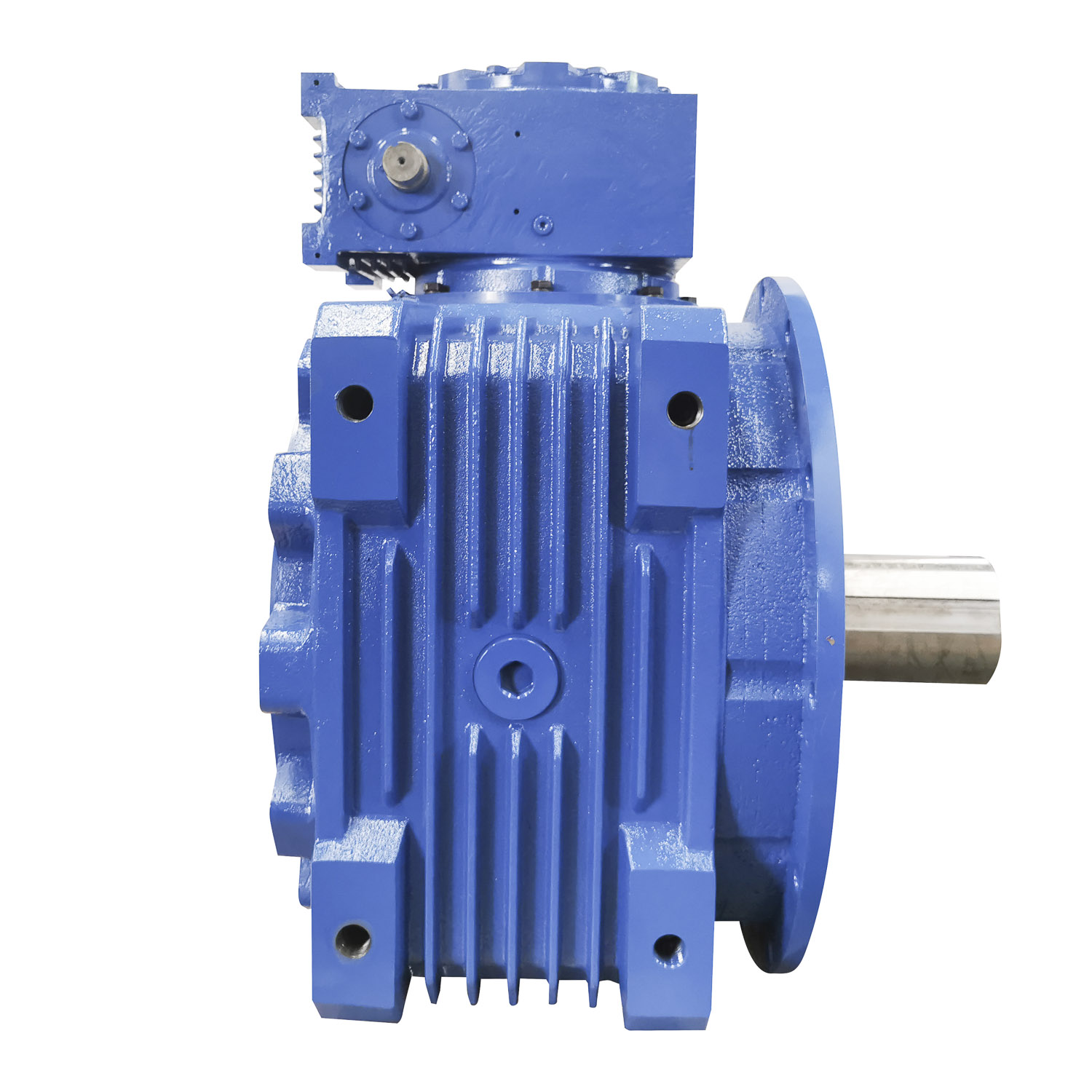
Description :1, High torque double enveloping worm gear adjust toughest working condition .2,Univers...
See Details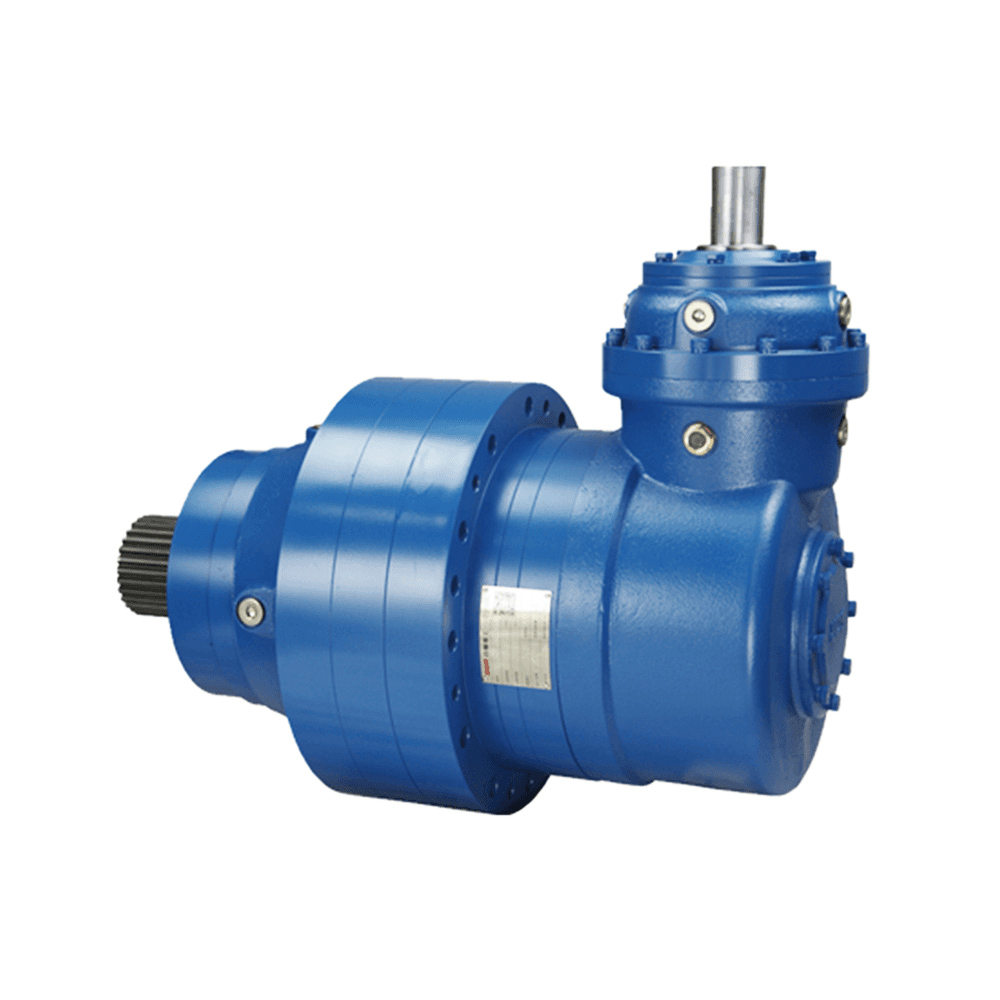
Product Info: The MNC3E400 series high speed and high torque industrial planetary gear reducers are ...
See Details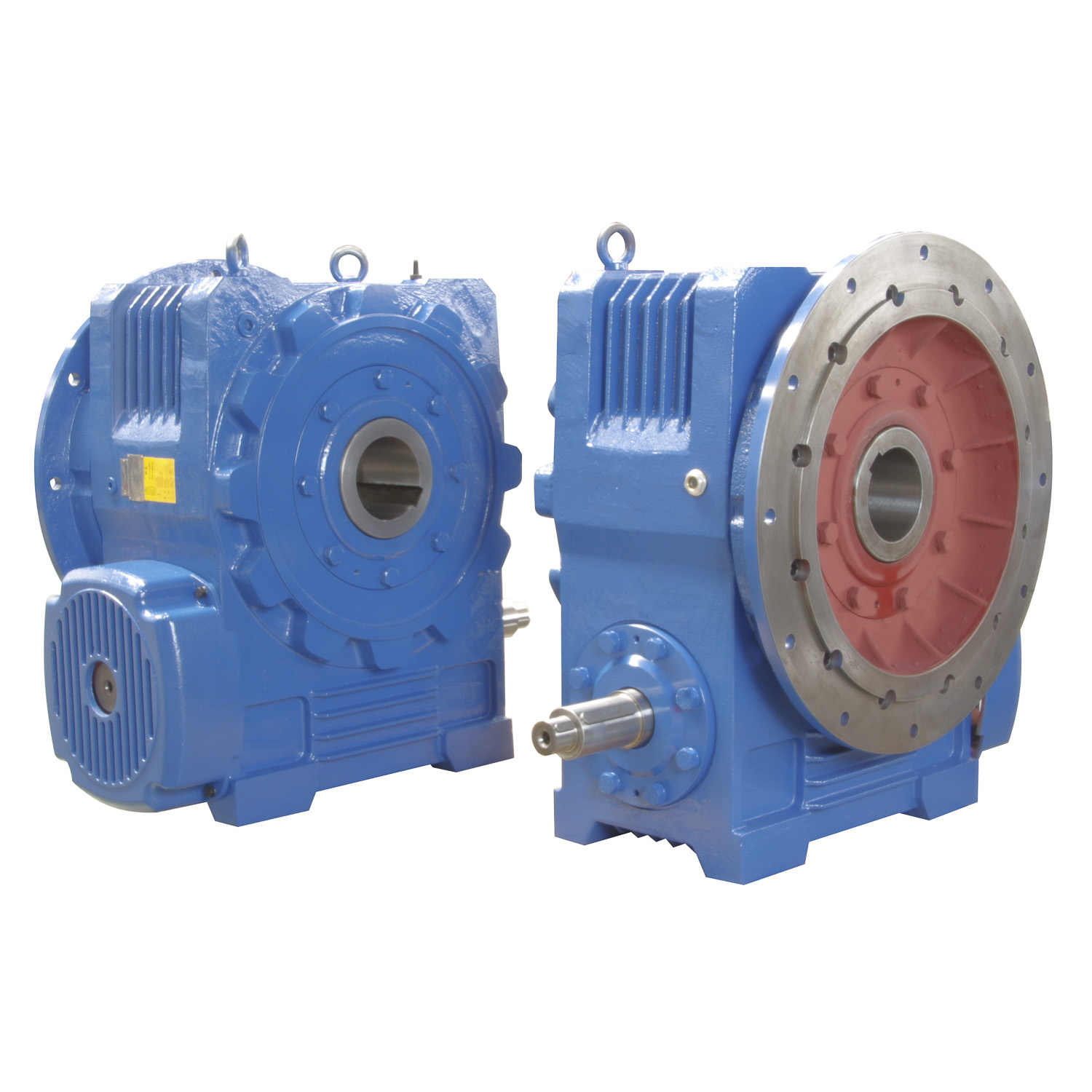
In term of difference of double enveloping worm gear design and traditional worm gear design , do...
See Details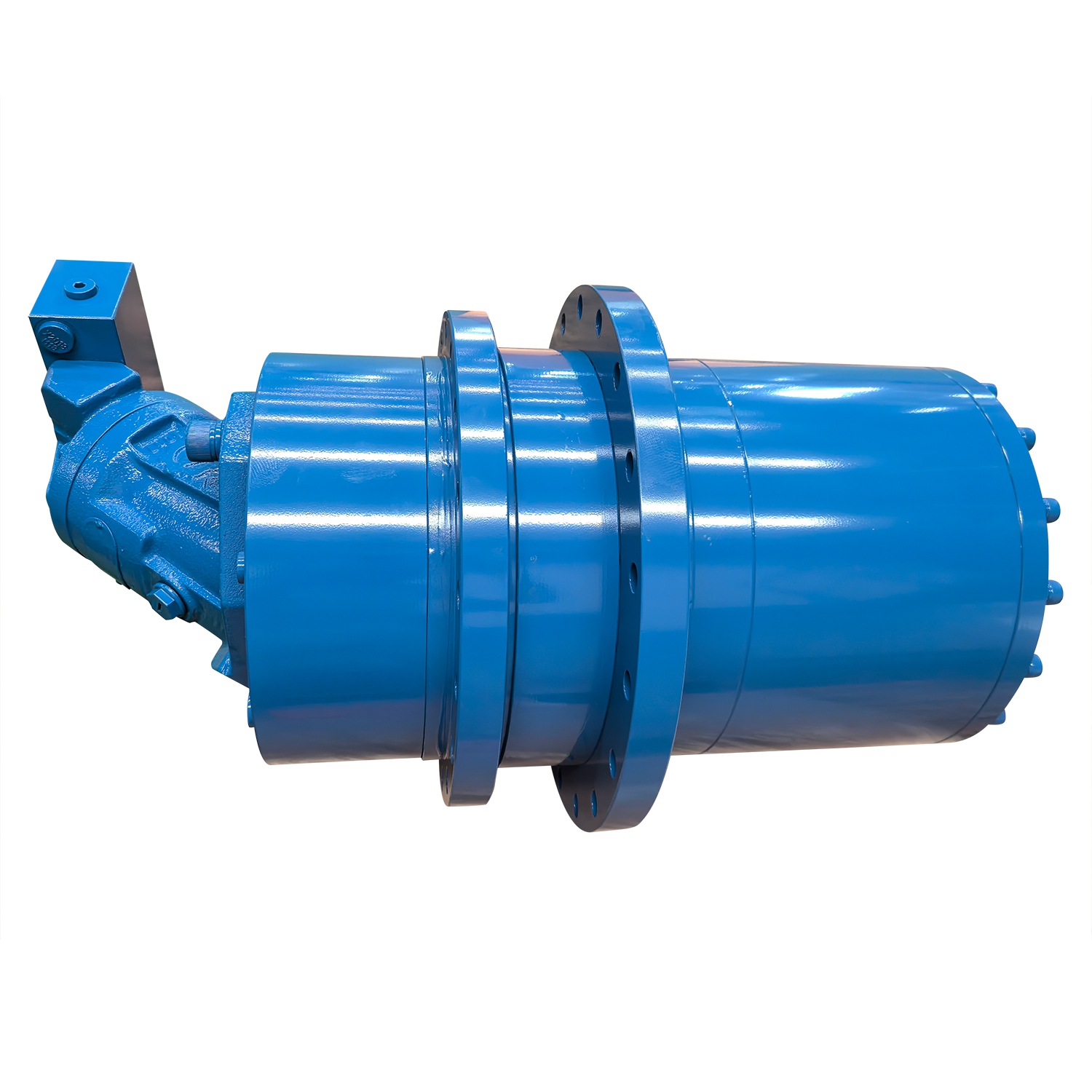
Model: 200-885 Ratio: 3.15-7800 Output Torque :1500Nm-540000Nm Rating Power :0.25KW-200kw Descripti...
See Details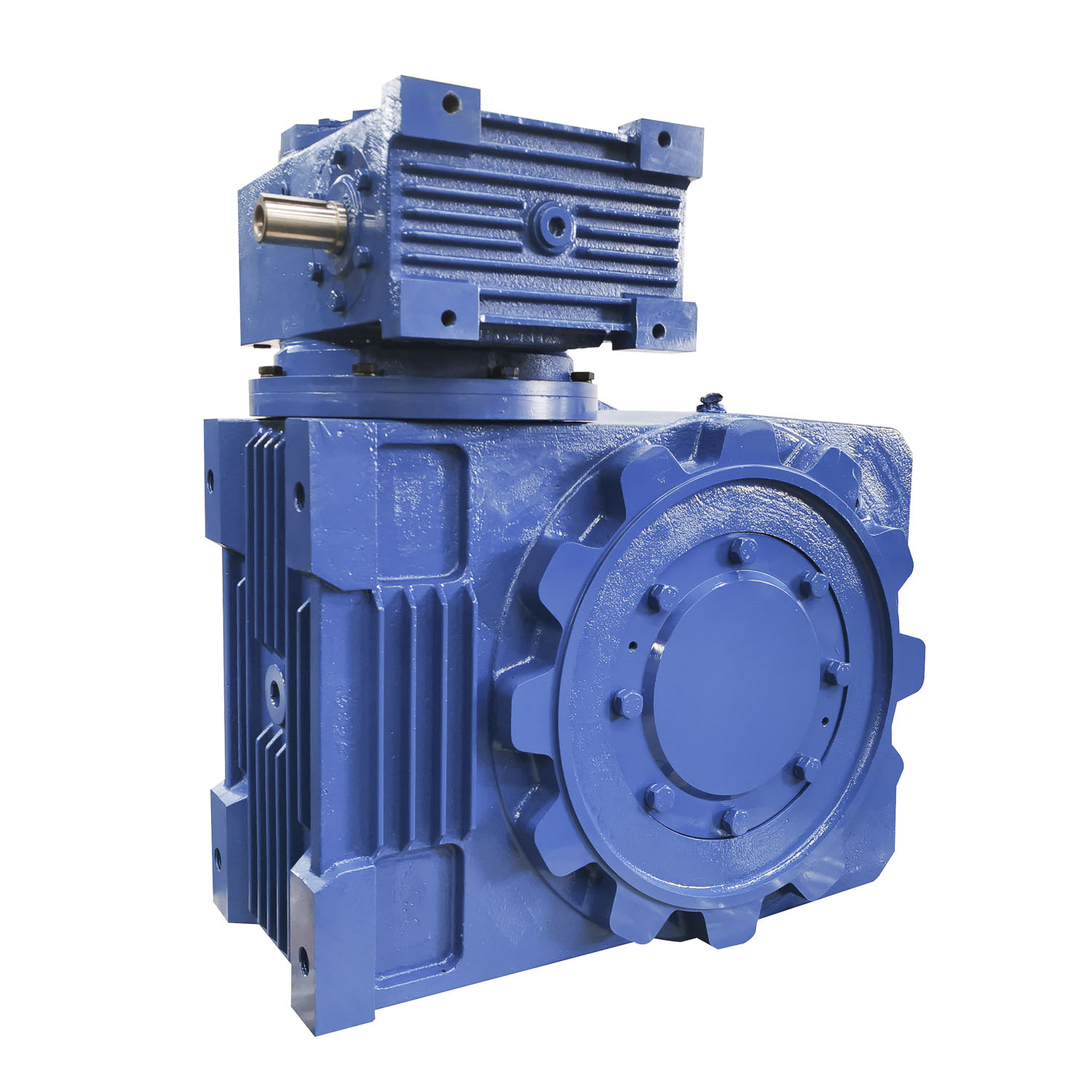
Parameters of SGR's Cast Iron Reducer Double Enveloping Worm Gearbox: Output Torque : 683 - 51180 N....
See Details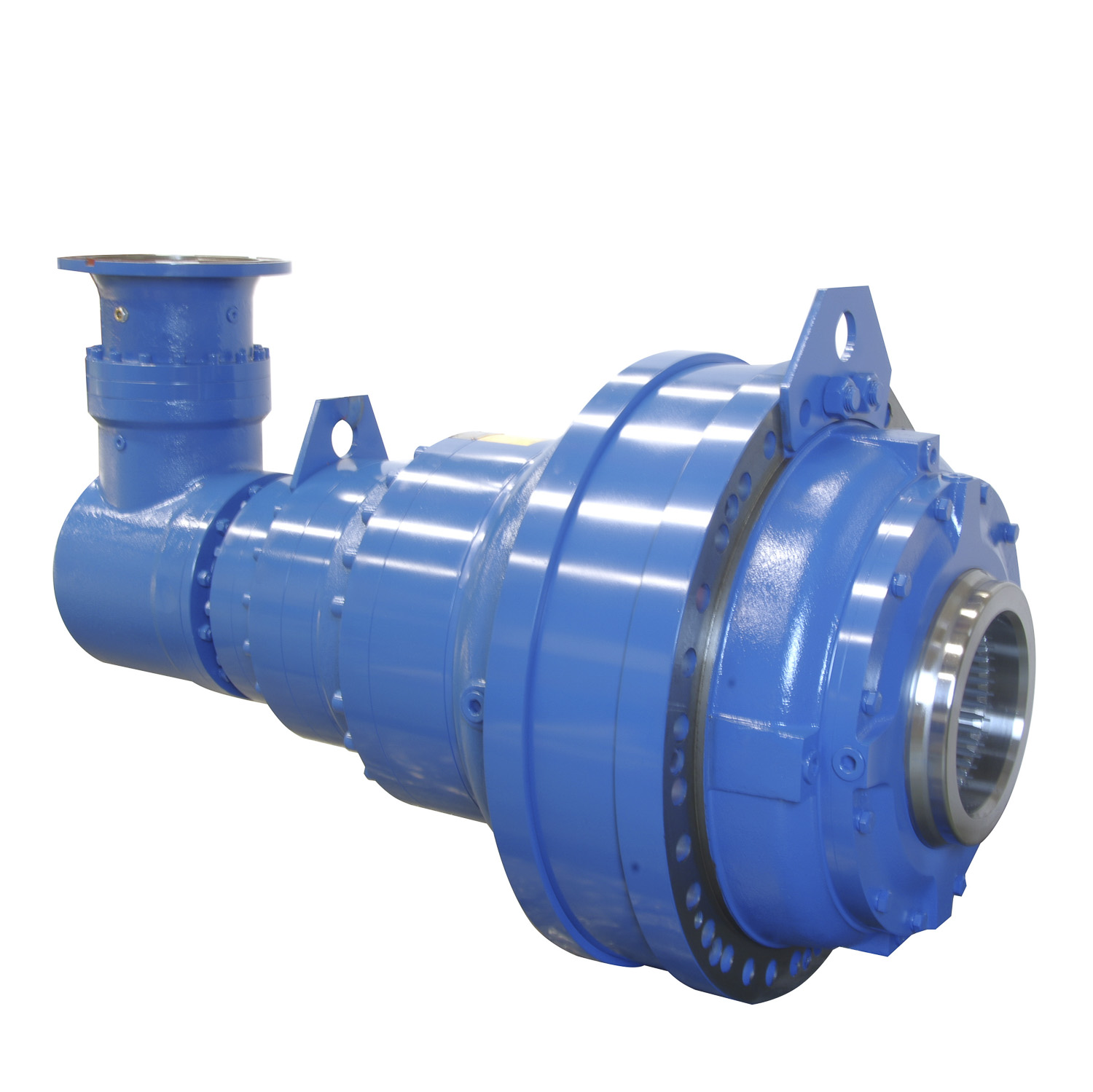
Planetary gearbox is produced by modular design, and can be combined according to client's request H...
See Details
SGR is an ISO 9001 certified, DNV-accredited industry gearbox manufacturer since 1996. We supply different gear reducers to brands worldwide.

