Global
  English
 中文简体
中文简体 русский
 Español
Shanghai SGR Heavy Industry Machinery Co., Ltd. is a high tech enterprise, it was selected in the li...
See Details
News Directory
Planetary gear reducers and cycloidal pin-wheel reducers are frequently compared by mechanical customers, as both types of reducers are widely utilized as speed-reducing transmission devices in heavy-duty applications. However, the structural principles, performance characteristics, and applicable scenarios of planetary gear reducers and cycloidal pin-wheel reducers differ significantly.
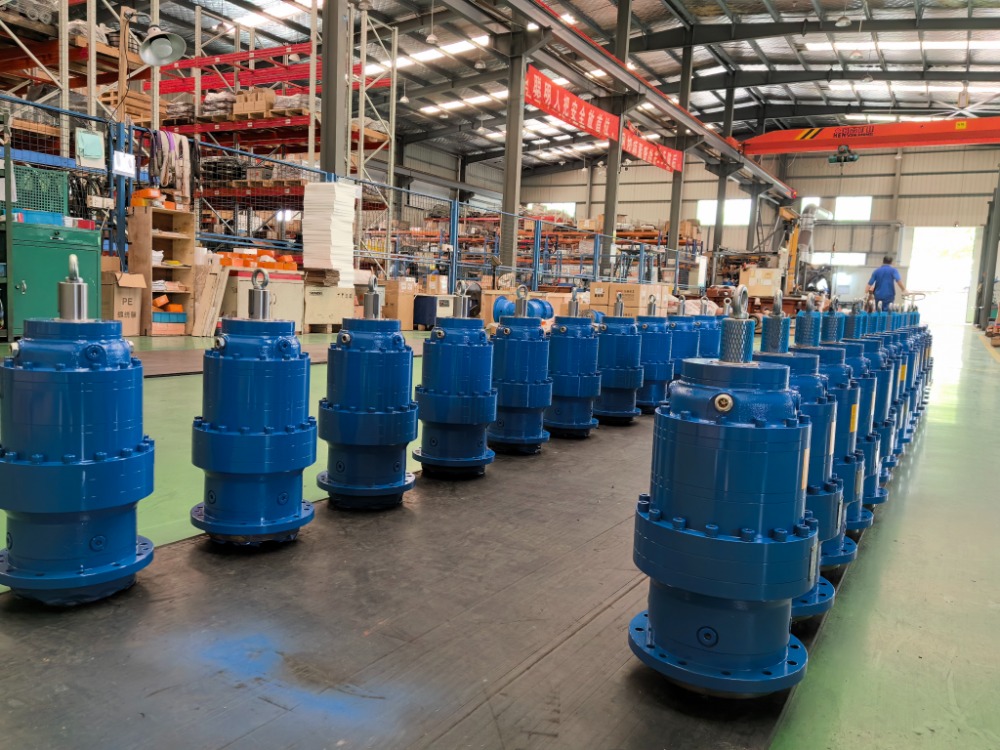
With over a decade of dedicated R&D experience in planetary gear reducers, SGR has summarized the distinct application scenarios for these two types of reducers, as well as key considerations for their selection.
Planetary gear reducers utilize a planetary gear transmission system, offering advantages such as high transmission efficiency, compact structure, high power density, high rigidity, and ease of maintenance. Application scenarios for planetary gear reducers include:
Heavy-duty Machine Tools (CNC Rotary Tables) and Precision Heavy-load Manipulators.These systems demand minimal backlash and high rigidity; planetary gear reducers ensure stable positioning accuracy even under heavy loads.
Automated Production Lines.Within the heavy-load handling modules of automated production lines, the high-speed adaptability and high efficiency of planetary gear reducers effectively meet the demands of frequent start-stop operations.
AGVs.Highly sensitive to spatial constraints, AGVs require a compact installation footprint and high transmission efficiency. Furthermore, they necessitate precise control over travel trajectories, stopping positions, and coordinated scheduling—requirements that planetary gear reducers fulfill perfectly. Indeed, the majority of mainstream AGVs currently utilize an integrated solution combining servo motors with planetary gear reducers.
PV Tracking and Energy Storage Systems: While this type of equipment is relatively uncommon, its core requirement—operating in outdoor environments—necessitates a speed reduction mechanism that is both mechanically reliable and easy to maintain. Planetary gear reducers are ideally suited to meet this specific need.
During the operation of a cycloidal pin-wheel reducer, the cycloidal wheel and pin teeth engage; an eccentric bearing drives the cycloidal wheel to mesh with the pin teeth, thereby transmitting power. The cycloidal pin-wheel reducer offers numerous advantages, including a compact structure, strong resistance to impact and overload, and a high transmission ratio; furthermore, it possesses a self-locking capability.
The primary application scenarios for cycloidal pin-wheel reducers include:
Mining and Metallurgical Equipment. Devices such as crushers, ball mills, and conveyors frequently encounter harsh operating conditions—including heavy impact, dust, and high temperatures—where cycloidal pin-wheel reducers excel thanks to their robust structure and high load-bearing capacity.
Lifting and Transport Machinery. Cranes, hoists, and port handling equipment must withstand frequent starts, stops, and heavy loads; the high torque density and fatigue-resistant characteristics of cycloidal reducers make them an ideal match for these applications.
Chemical and Building Materials Industries. For low-speed, high-torque equipment—such as mixers, rotary kilns, and granulators—cycloidal reducers provide a stable output ranging from hundreds to thousands of Newton-meters of torque.
Agricultural and Environmental Machinery.Equipment such as straw shredders and sludge dewatering machines are cost-sensitive yet require reliable operation; the cycloidal solution offers outstanding cost-effectiveness for these applications.
New Energy Commercial Vehicle Drive Axles.Given the extremely confined installation spaces involved, the high torque density of cycloidal pin-wheel reducers allows them to be effectively integrated into such compact environments.
Compared to planetary gear reducers, cycloidal pin-wheel reducers exhibit slightly lower transmission efficiency and generally offer lower precision; consequently, they are not suitable for applications requiring high-precision motion control.
|
Parameter |
Planetary Gear Reducer |
Cycloidal Pin-Wheel Reducer |
|
Transmission Principle |
Epicyclic gear train (sun–planet–ring) |
Eccentric cam + cycloidal disc + pin wheel |
|
Backlash |
3–10 arcmin (standard); ≤1 arcmin (precision grade) |
<1 arcmin (often 0.5–0.8 arcmin) |
|
Transmission Efficiency |
95% – 98% (per stage) |
85% – 92% (due to sliding friction & elastic deformation) |
|
Torque Density |
High |
Very high – higher torque in same envelope |
|
Radial/Axial Load Capacity |
Moderate to high |
Exceptional – excellent for high moment loads |
|
Shock & Vibration Resistance |
Good |
Excellent – inherent damping from flexible components |
|
Noise Level |
Low (with ground gears) |
Very low – smooth cycloidal motion |
|
Typical Reduction Ratio |
3:1 to 100:1 (multi-stage up to 1000:1) |
31:1 to 119:1 (single stage); rarely multi-staged |
|
Reversibility |
Fully reversible |
Reversible, but hysteresis may affect precision |
When selecting a planetary gearbox, primary attention should be focused on ensuring that its precision, torque capacity, and mounting interface meet the specific requirements of the equipment. Manufacturers typically provide a rated torque value; however, during the selection process, one should not rely solely on this figure but must also verify that the short-term overload capacity is sufficient to accommodate the demands of starting, stopping, acceleration, and deceleration cycles.
While most leading manufacturers today utilize modular interfaces for their planetary gearboxes, it remains essential to consult with the manufacturer to confirm the specific output shaft configuration and flange dimensions, thereby ensuring full compatibility with the motor.
Cycloidal pin-wheel reducers are primarily utilized in heavy-duty, low-speed applications; consequently, selection must be based on the actual operational load, with particular emphasis placed on load-bearing capacity. Furthermore, as cycloidal pin-wheel reducers are prone to overheating during high-speed operation, it is also critical to evaluate and ensure the adequacy of the unit's heat dissipation capabilities. (Author,SGR, Angie Zhang)
WhatsApp: +86 188 1807 0282
Shanghai SGR Heavy Industry Machinery Co., Ltd. is a high tech enterprise, it was selected in the li...
See Details
Model: 200-885Ratio: 3.15-7800Output Torque :1500Nm-540000NmRating Power :0.25KW-200kwDescription : ...
See Details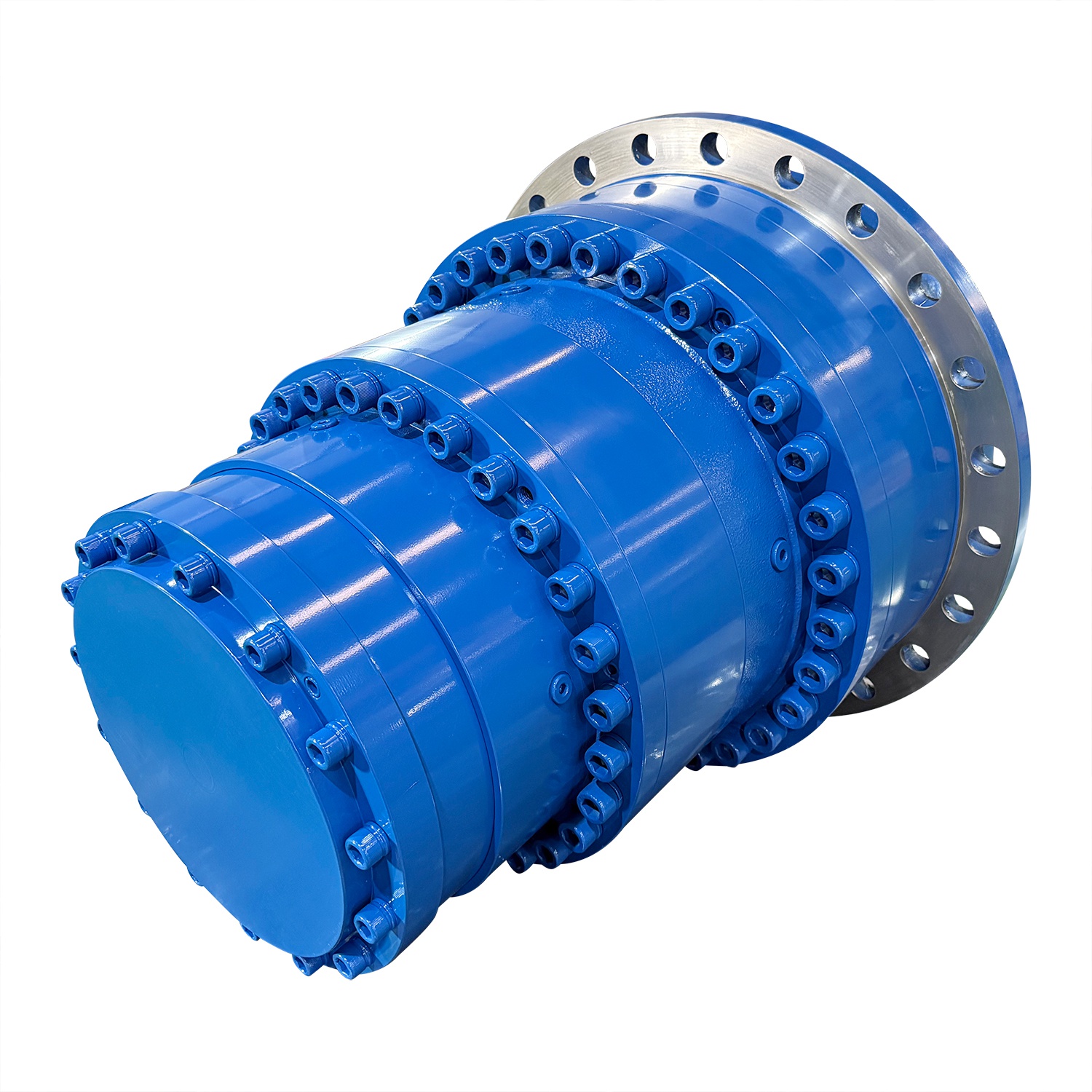
Planetary gear reducers serve as key transmission parts for sightseeing boats sailing along Russia’s...
See Details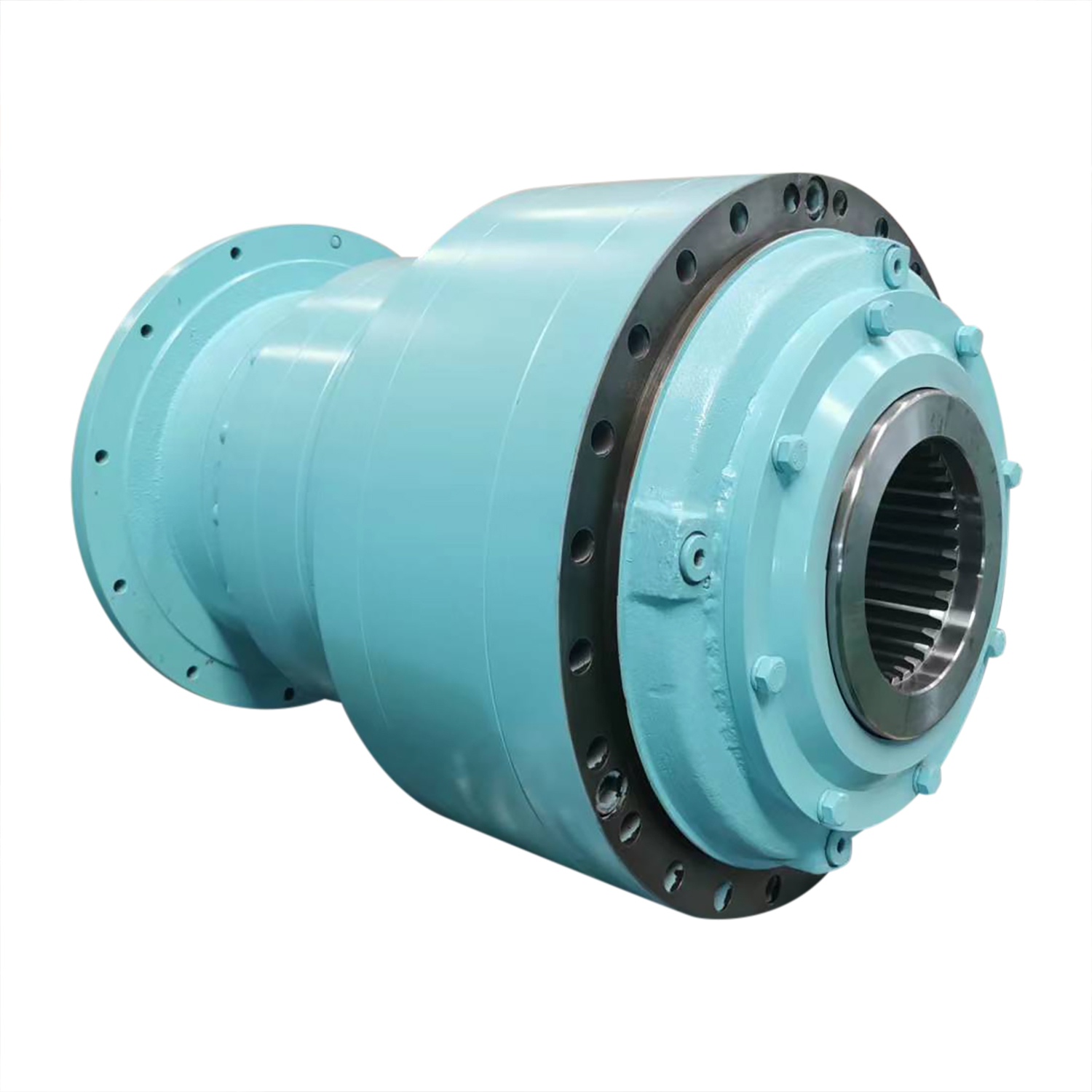
Planetary Gearbox Application For In Electric Drive Model: 200-885Ratio: 3.15-7800Output Torque :15...
See Details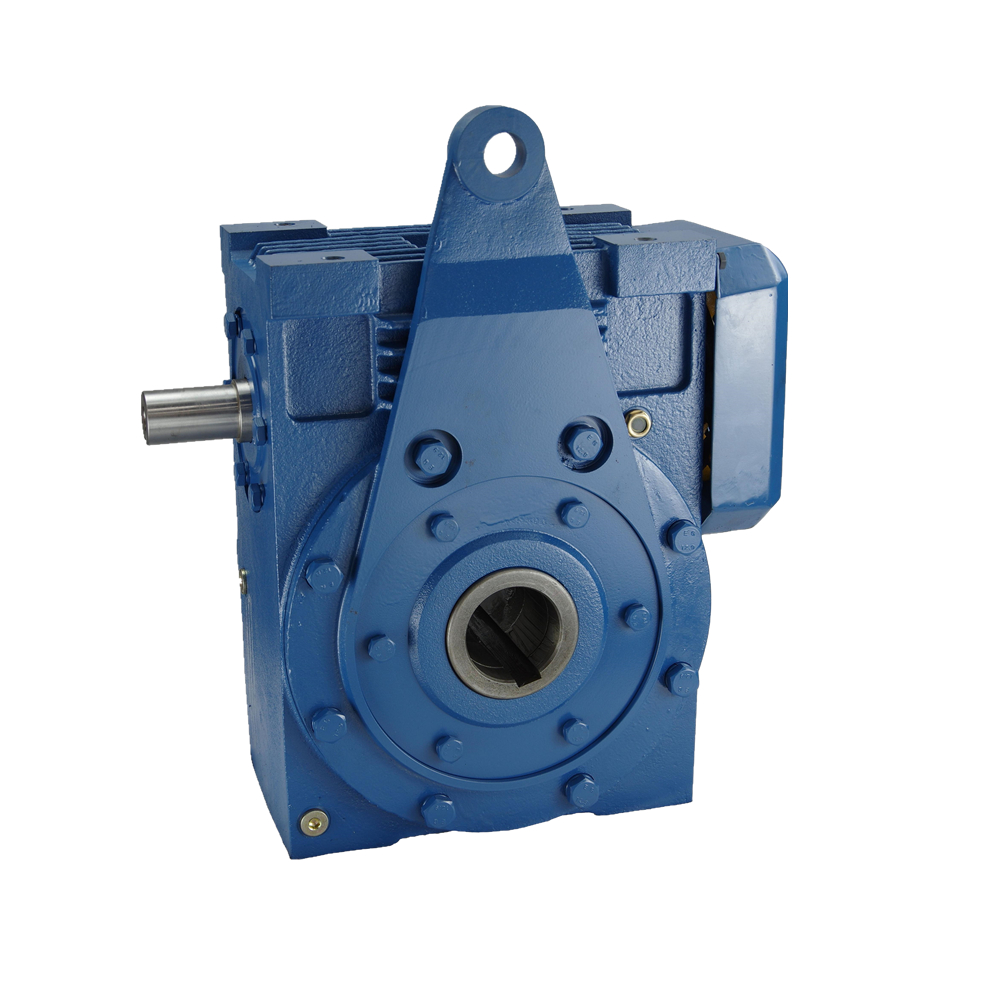
Product Description 1, High torque double enveloping worm gear adjust toughest working condition .2,...
See Details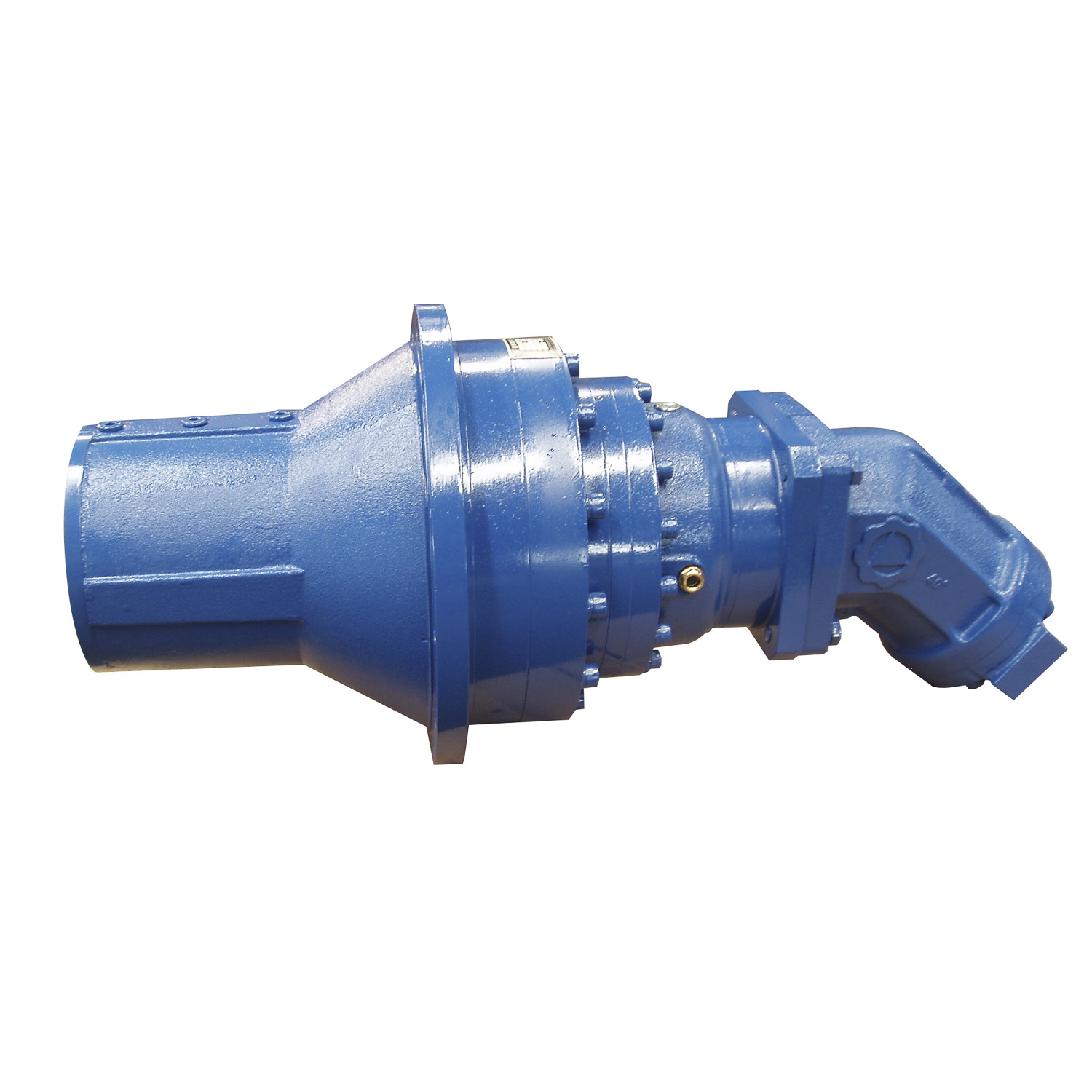
Key feature:Planetary gearbox is produced by modular design, and can be combined according to client...
See Details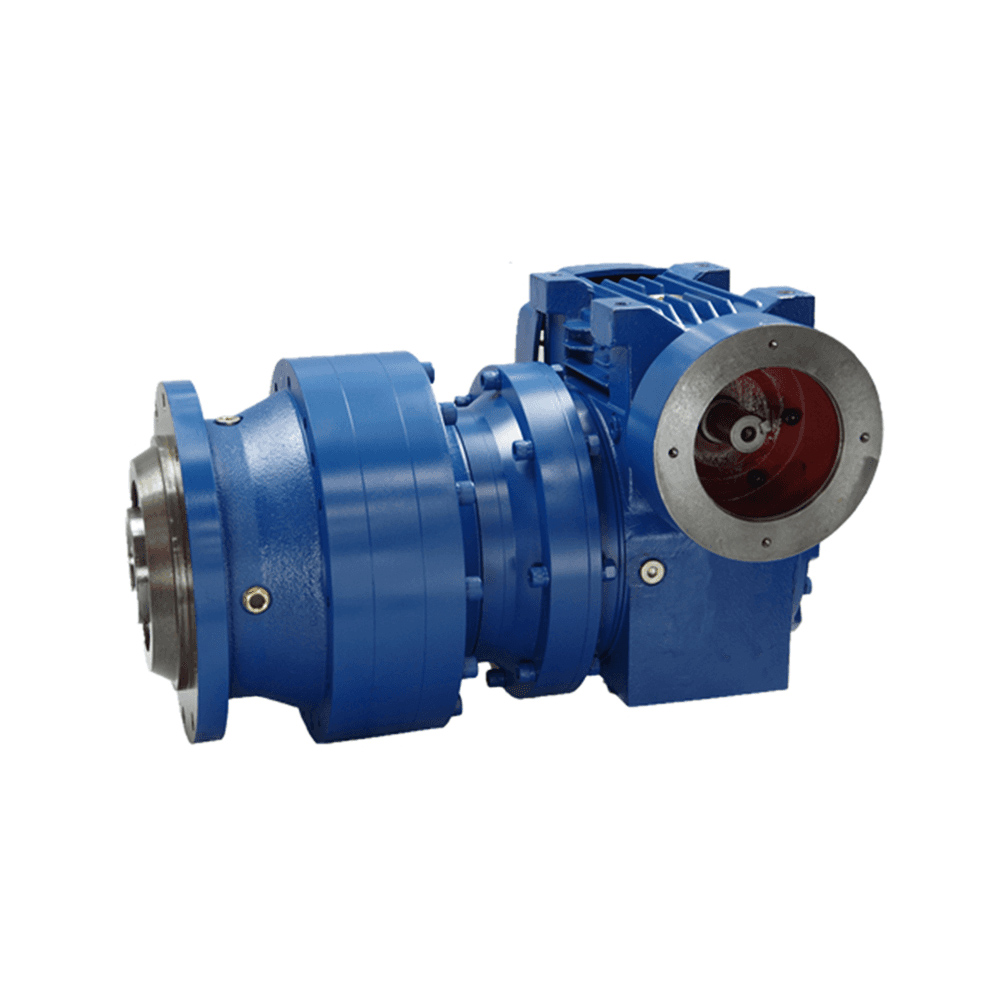
The planetary and toroidal worm combined reducer developed by SGR features a compact structure, with...
See Details
SGR is an ISO 9001 certified, DNV-accredited industry gearbox manufacturer since 1996. We supply different gear reducers to brands worldwide.