 Global
  English
 中文简体
中文简体 русский
 Español
SGR's N Series high torque coaxial planetary gearbox Input forms: N standard shaft input, MN flange ...
See Details
News Directory
In the evolving landscape of industrial motion control, the demand for high torque density and compact mechanical footprints has led to the widespread adoption of the planetary gear reducer. Unlike traditional transmission methods, the planetary architecture utilizes a sun gear, a ring gear, and multiple planet gears to distribute mechanical stress. Shanghai SGR Heavy Industry Machinery Co., Ltd., a high-tech enterprise specializing in refined and innovative gear transmission, has spent over a decade perfecting these systems. Our R&D team, led by PhDs and senior engineers, has successfully developed advanced planetary gear reducer solutions and specialized measurement instruments to ensure peak efficiency. This article explores the mechanical physics behind load sharing and why the efficiency of planetary gear reducers consistently outperforms spur gear configurations in heavy-duty applications.
The fundamental advantage of a planetary gear reducer lies in its power-splitting capability. In a standard spur gear system, the load is transmitted through a single contact point between two gears, which creates significant localized stress. Conversely, a high torque planetary gear reducer typically employs three or more planet gears that share the total load simultaneously. This load sharing in planetary gear sets effectively divides the tangential force, allowing for smaller gear teeth to carry much higher loads. When comparing planetary gear vs spur gear load capacity, the planetary system can achieve the same torque output in a fraction of the volume. To maintain this advantage, engineers must ensure planetary gearbox alignment for load balance is perfect; otherwise, one planet gear may take a disproportionate share of the stress, leading to premature fatigue.
| Technical Feature | Traditional Spur Gear System | Planetary Gear Reducer |
| Contact Points | Single (1) | Multiple (Typically 3 - 5) |
| Load Per Tooth | 100% of Applied Force | 33.3% - 20% of Applied Force |
| Torque Density | Low | High |
| Structural Weight | Heavy (Due to size) | Lightweight / Compact |
Beyond simple force division, the planetary gear reducer offers superior dynamic stability due to the radial force cancellation. In spur gears, the separating forces between the gears must be absorbed by the shafts and bearings, leading to potential deflection and vibration. In a planetary gearbox for industrial machinery, the planet gears are arranged symmetrically around the sun gear. This symmetry means the radial forces acting on the sun gear and the carrier are theoretically neutralized. Understanding how to calculate planetary gear load distribution involves analyzing these vector forces; when balanced, it results in a system with planetary gearbox low vibration and noise characteristics. Shanghai SGR Heavy Industry utilizes 3D Measuring Machines and Power Efficiency Test Systems to verify that our heavy duty planetary gear reducer units meet these stringent "neutral force" requirements.
| Performance Metric | Spur Gear Box | Engineered Planetary Gear Reducer |
| Radial Shaft Loading | High (Requires heavy-duty bearings) | Minimized (Internal cancellation) |
| Shock Load Resistance | Moderate | High (Distributed impact) |
The planetary gear reducer lifespan is significantly influenced by the materials and the precision of the tooth profiles. At Shanghai SGR, our domestically innovated measuring instruments allow for precise planetary gear reducer maintenance tips and predictive wear analysis. While many ask about the planetary gear reducer price vs performance, the ROI is found in the reduced maintenance and energy savings. A compact planetary gear reducer design allows for higher gear ratios in a single stage (up to 10:1), which reduces the number of components that can fail. By utilizing modular planetary gearbox benefits, engineers can replace specific stages rather than the entire drive system, further enhancing the efficiency of industrial operations.
Engineering load distribution is the cornerstone of modern gear transmission. The planetary gear reducer provides a mathematically and mechanically superior method for handling high torque by splitting power, canceling internal radial forces, and maximizing the contact ratio. Shanghai SGR Heavy Industry Machinery Co., Ltd. remains dedicated to this "refined and specialized" innovation, providing the world with gearboxes that embody the industry trend towards high efficiency, low noise, and standardized design.
The efficiency (often 95-98% per stage) is high because the internal forces are balanced, reducing the frictional losses in the bearings compared to the heavy radial loads found in spur gear systems.
It is essential for precision tasks like robotics and CNC machinery where positioning accuracy is vital. For general industrial conveying, a standard backlash unit is often sufficient.
In an ideal system, each planet carries 33.3% of the torque. In practice, a "K-factor" or load distribution factor is applied to account for manufacturing tolerances and shaft deflection.
Planetary systems usually require high-quality synthetic gear oils with EP (Extreme Pressure) additives. Because the gears mesh in multiple locations, heat dissipation is critical, requiring proper oil levels.
Yes. Because the load is shared across multiple teeth, the system can withstand higher instantaneous shock loads than a spur gear of comparable size without shearing the teeth.
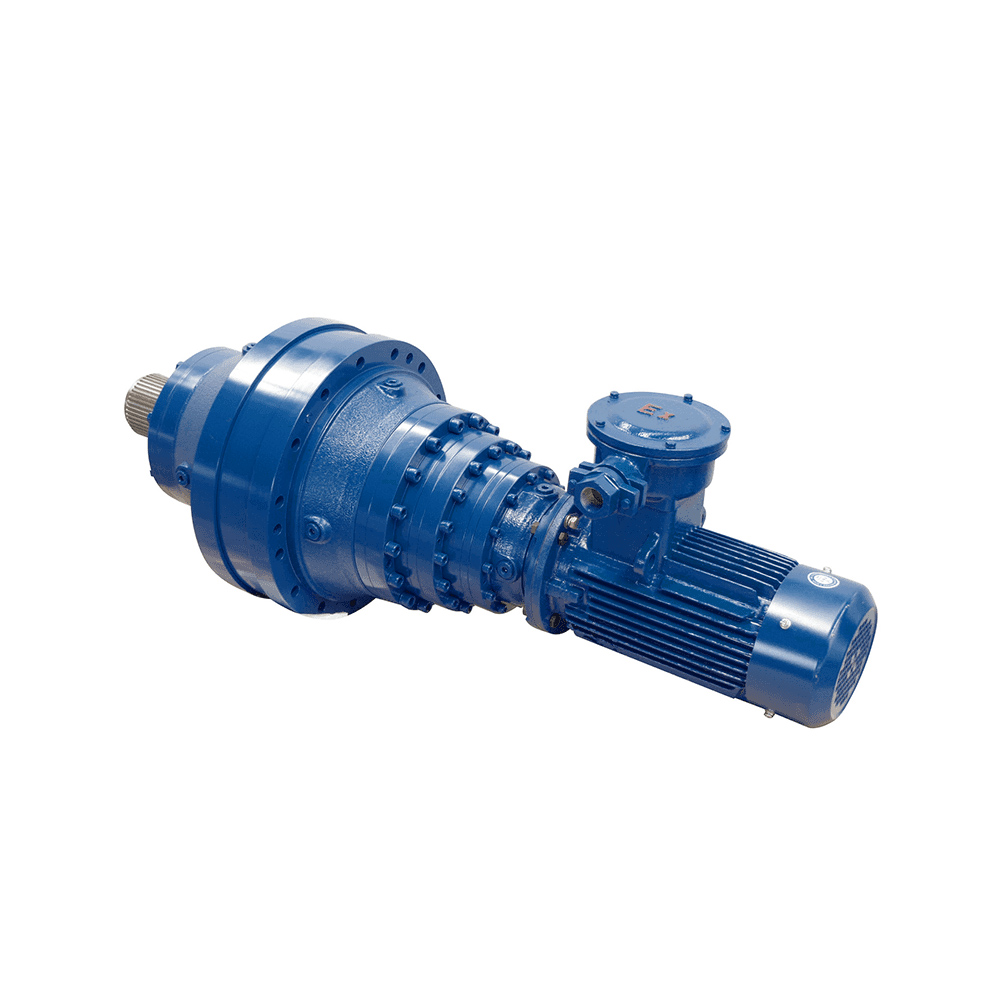
SGR's N Series high torque coaxial planetary gearbox Input forms: N standard shaft input, MN flange ...
See Details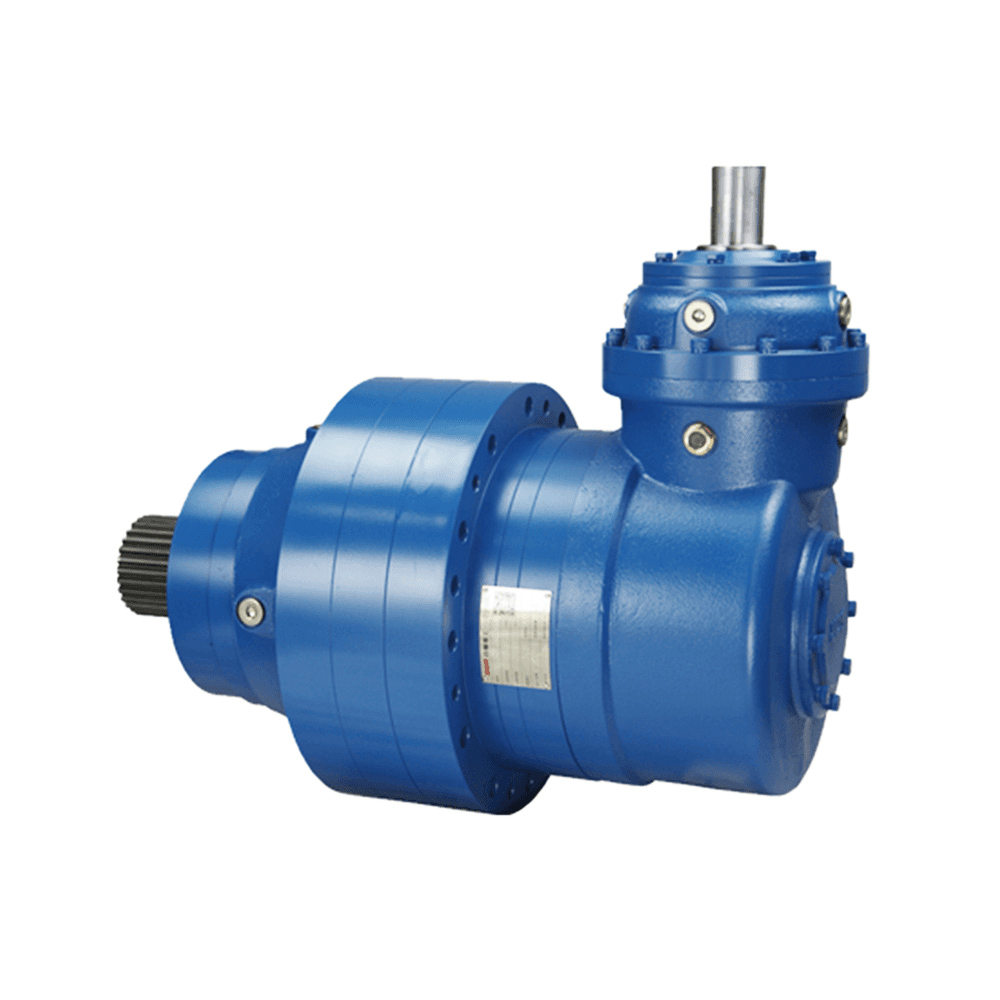
Product Info: The MNC3E400 series high speed and high torque industrial planetary gear reducers are ...
See Details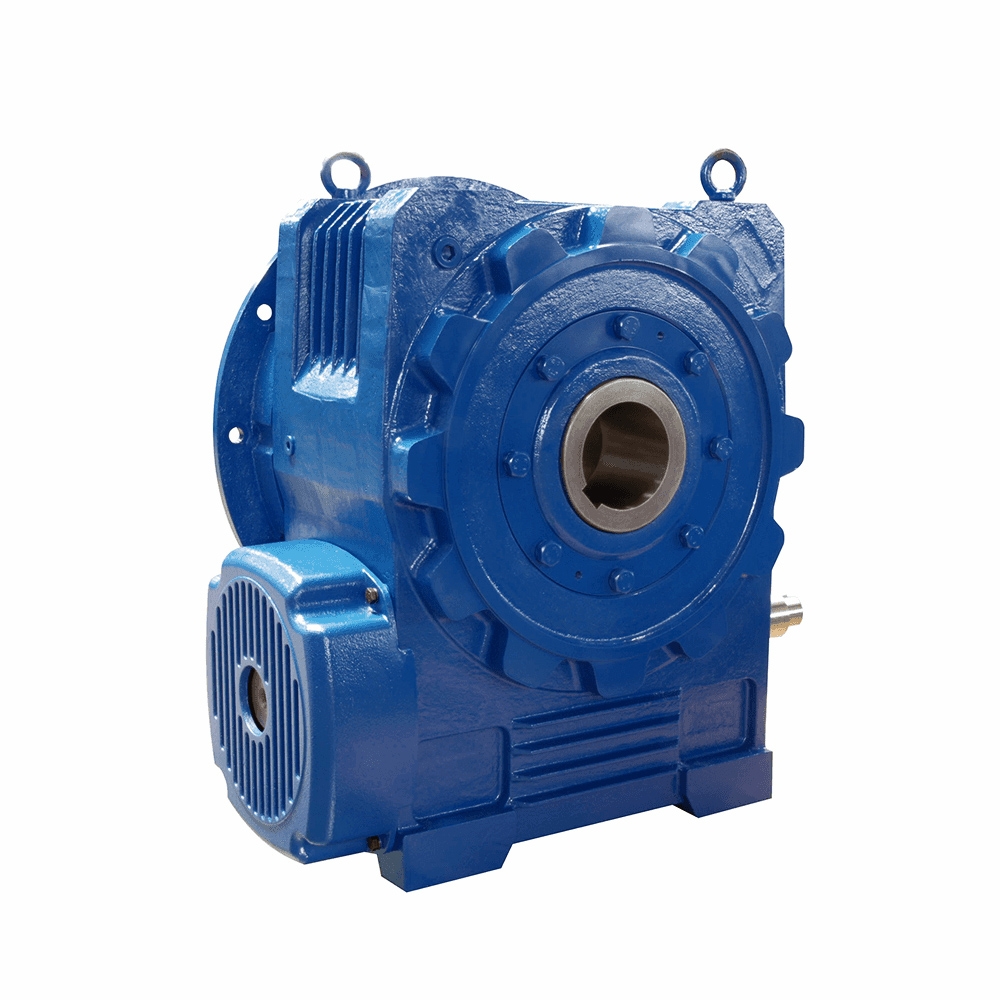
Center distance: 100~710 mm Speed ratio: i ≥ 10. Design modularization, specification serialization,...
See Details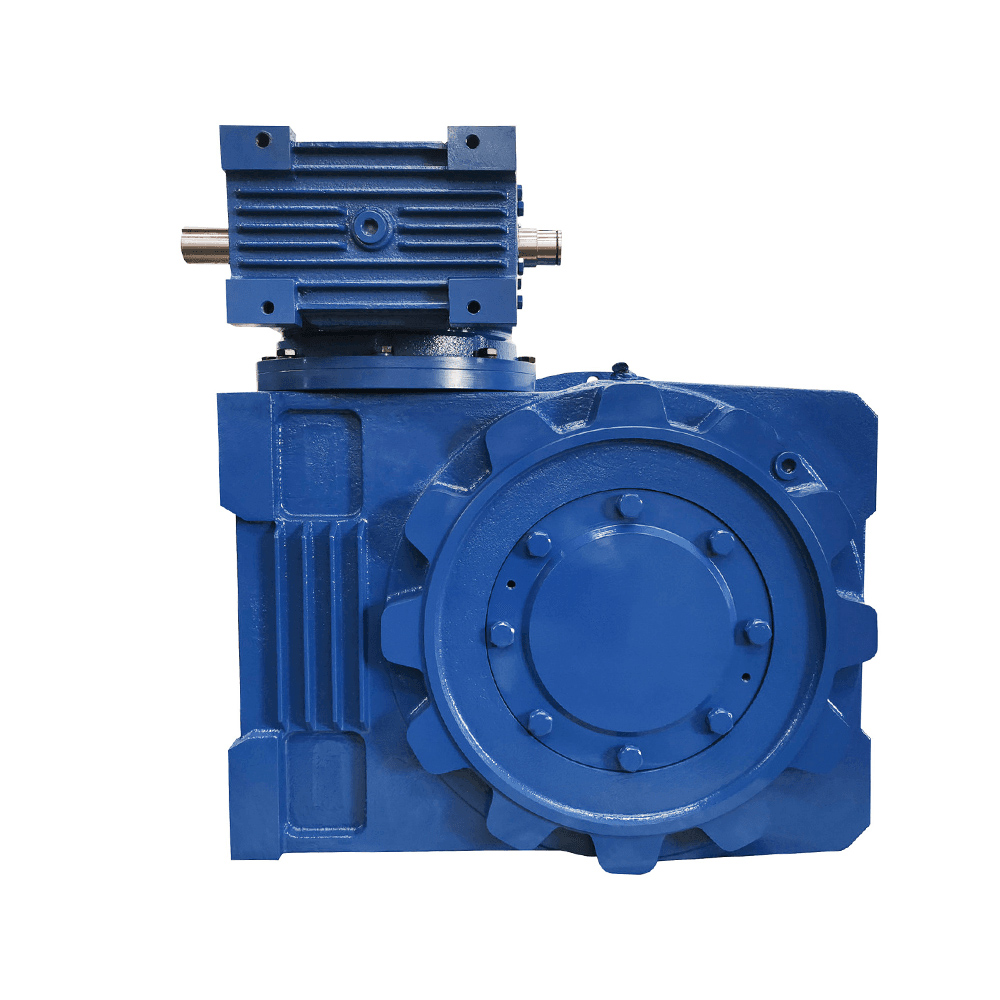
Center distance: 100~710 mm Speed ratio: i ≥ 10. Design modularization, specification serialization,...
See Details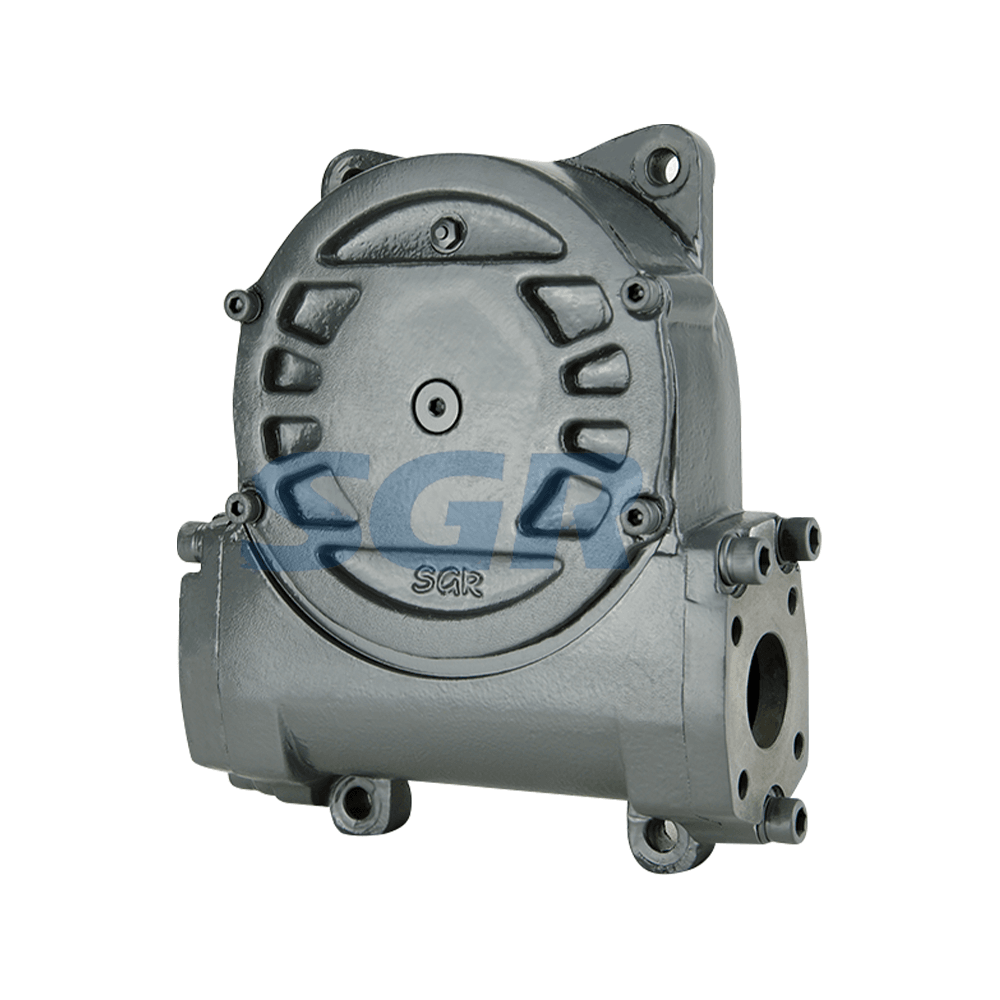
SGR develops and manufactures specialized worm gear reducers for logistics machinery attachments. T...
See Details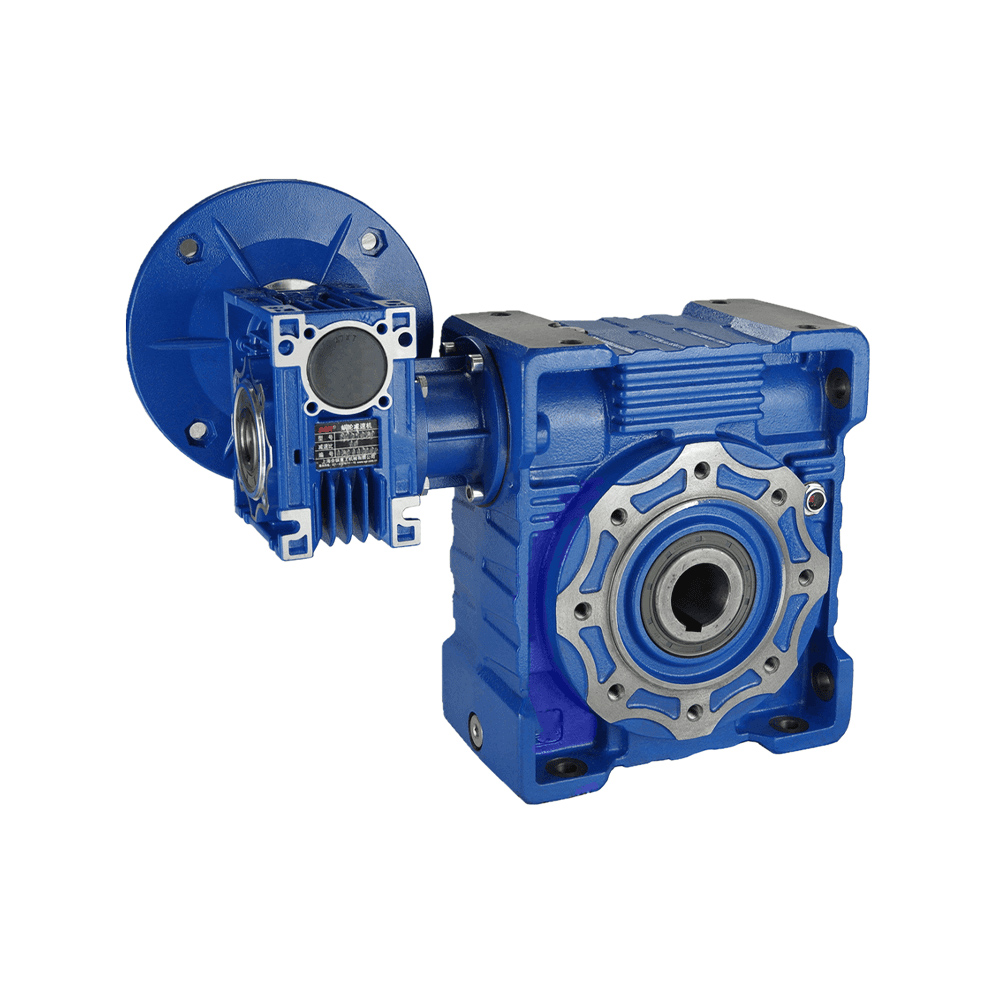
SGR develops and manufactures specialized worm gear reducers for logistics machinery attachments. T...
See Details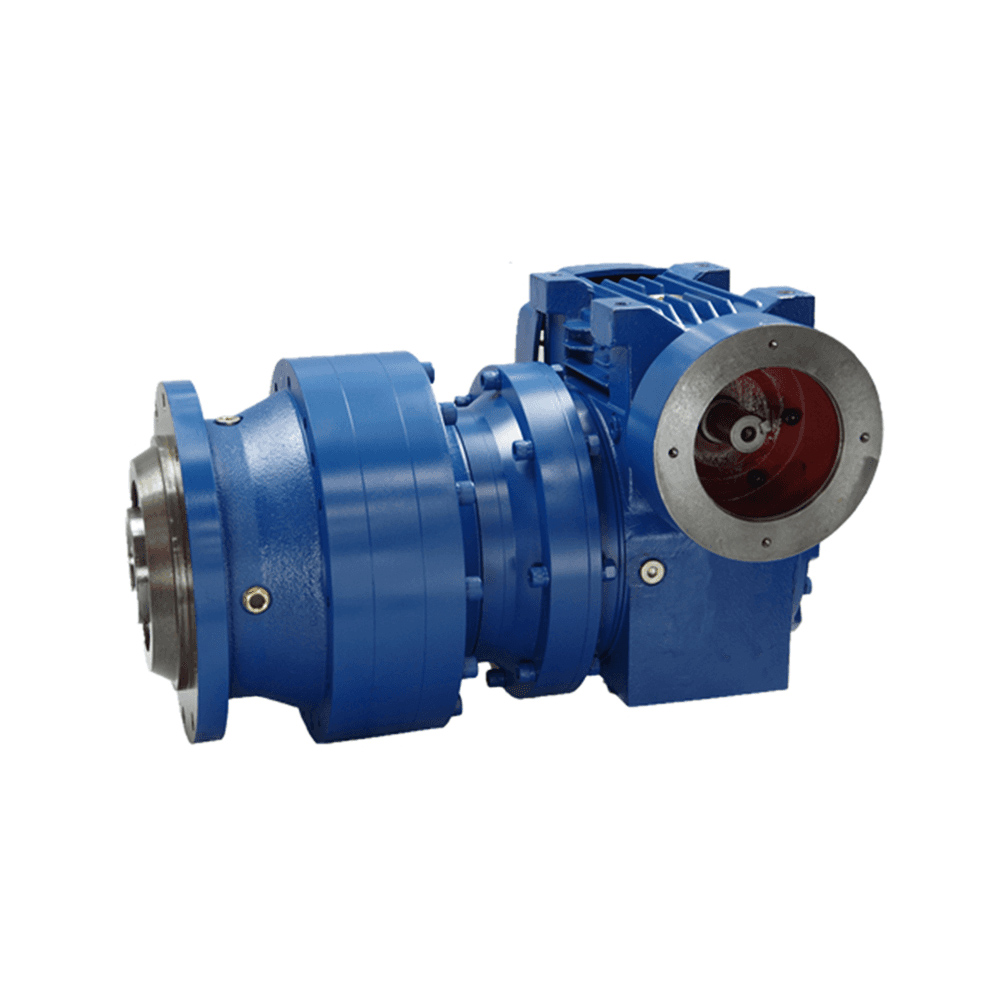
The planetary and toroidal worm combined reducer developed by SGR features a compact structure, with...
See Details
SGR is an ISO 9001 certified, DNV-accredited industry gearbox manufacturer since 1996. We supply different gear reducers to brands worldwide.

