Global
  English
 中文简体
中文简体 русский
 Español
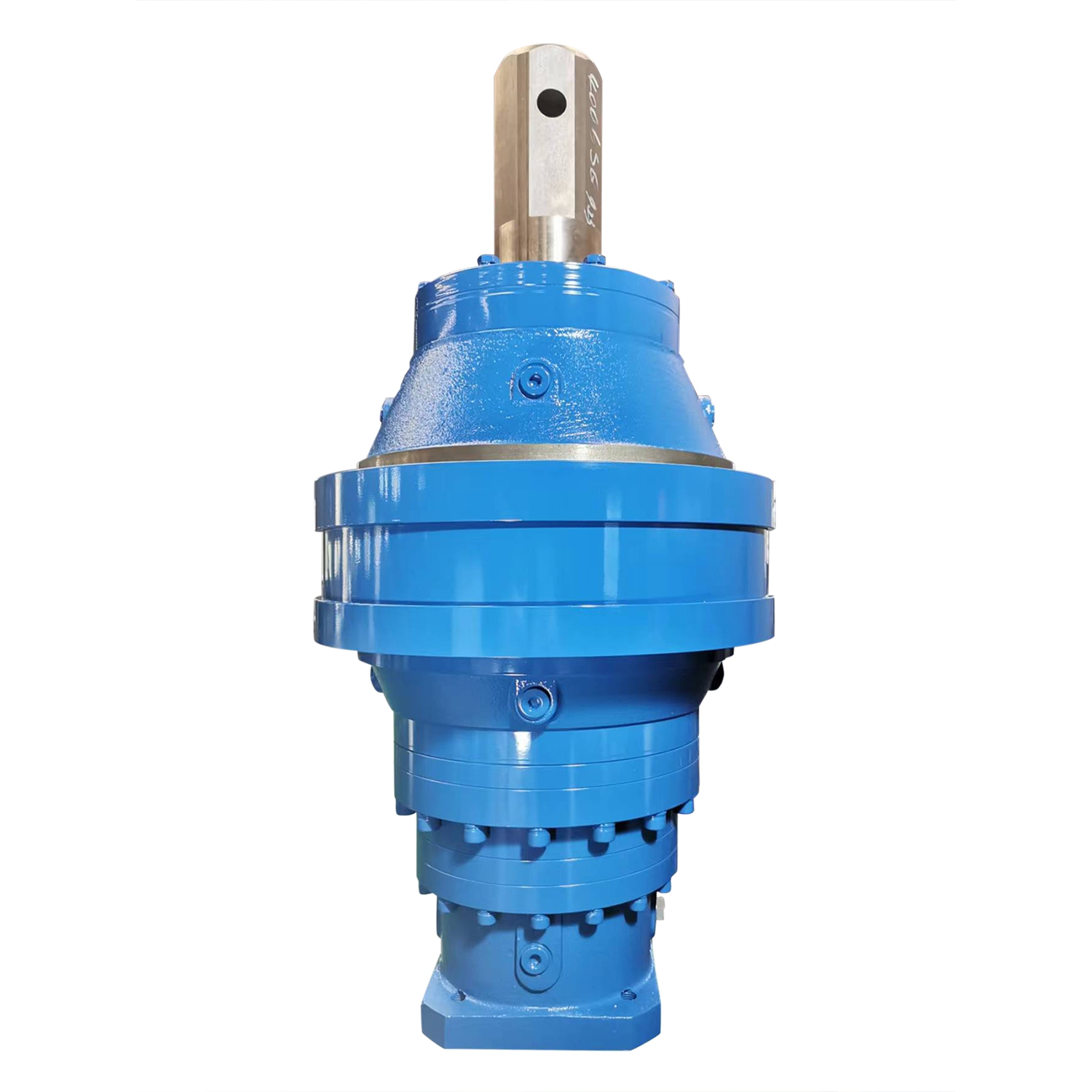
Product Info: The MNC3E400 series high speed and high torque industrial planetary gear reducers are ...
See Details
News Directory
Reducers are essential components in almost all types of industrial equipment. When mentioning about reducers, the first things that come to most people's minds are gear reducers and planetary gear reducers. These two types reducers are the most common and widely utilized reducers within the manufacturing industry.
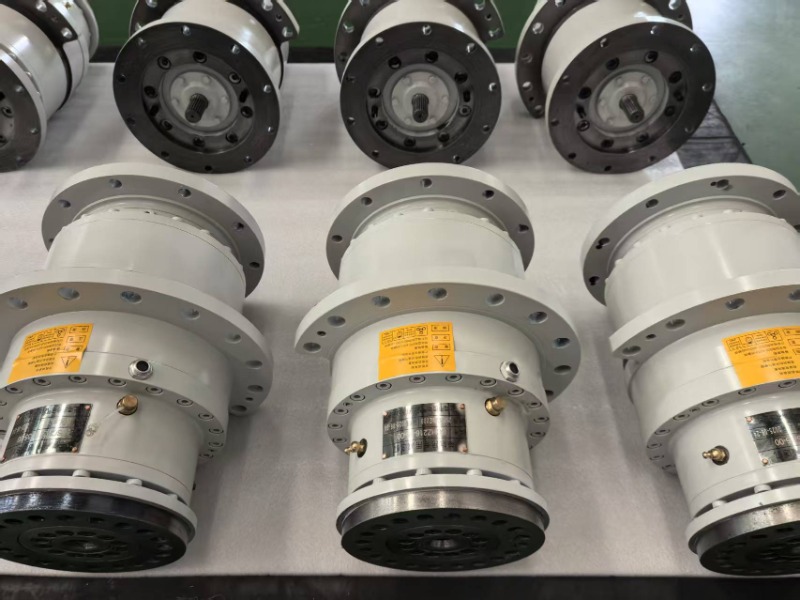
Gear reducers and planetary gear reducers differ in three key aspects. In this article, SGR will comprehensively analyze the distinctions between these two types of reducers.
The gear reducer is the most fundamental and widely used type of speed reducer. It alters rotational speed and torque through the meshing of gears of varying sizes and tooth counts. Much like riding a bicycle—where shifting gears causes the chain to switch between sprockets of different sizes, enabling us to effortlessly adapt to diverse road conditions—the gear reducer operates in a similar fashion, utilizing ingenious gear combinations to meet the power requirements of a wide range of industrial equipment.
The planetary gear reducer is a type of speed reducer that has "emerged" in recent years; its structure resembles "planets orbiting the sun" (consisting of a sun gear, planetary gears, an outer ring gear, an inner ring gear, and a planetary carrier). When a motor or engine drives the sun gear to rotate, the planetary gears rotate around their own axes while simultaneously revolving around the inner ring gear, thereby achieving speed reduction.
A gear reducer acts as a "mini-motor" within mechanical equipment, transforming high-speed input power into lower-speed output power that possesses greater force. Compared to other types of reducers, gear reducers offer high efficiency, a simple structure, and low cost; however, they tend to be relatively bulky. Consequently, they are primarily utilized in general industrial sectors such as electric motors, machine tools, and conveyor belts.
As an new emerging type of reducer, the planetary gear reducer employs a unique planetary gear arrangement. It features a highly compact structure, high efficiency, substantial torque capacity, high precision, low noise levels, minimal backlash, and a long service life. Furthermore, it boasts exceptional resistance to shock and overload, enabling it to adapt to a wide range of harsh operating environments. As such, it is capable of meeting the demands of high-load equipment—such as conveyors and hoists—in industrial production, as well as the requirements of high-precision applications, including robotic joints and CNC machine tools.
When selecting a gear reducer, it is recommended to primarily consider precision, load-bearing capacity, and efficiency.
High-precision gear reducers operate more smoothly and exhibit minimal error. For equipment with stringent precision requirements—such as CNC machine tools—high-precision gear reducers are indispensable, as they ensure that the precision of the manufactured products meets the required standards. Furthermore, different industrial environments impose varying demands on a reducer's load-bearing capacity. Consequently, in heavy machinery applications—such as mining equipment—gear reducers with robust load-bearing capabilities are essential to drive massive mechanical components and ensure their stable operation. High-efficiency gear reducers can also help enterprises realize significant savings in energy costs. Superior design and manufacturing processes serve to minimize frictional losses between gears, thereby enhancing transmission efficiency.
For example, SGR’s planetary gear reducers are mainly used in construction machinery, marine auxiliary machinery, mining machinery, textile and dyeing machinery, rubber machinery, metallurgical machinery,etc.
When selecting a planetary gear reducer, it is recommended to primarily consider the reduction ratio, torque, precision, and environmental adaptability.
The reduction ratio should be selected based on the specific requirements of the equipment. If an exact match is not available, one may opt for the closest available ratio or consider a custom solution.
Generally, a higher reduction ratio results in greater torque but lower rotational speed. When selecting torque specifications, it is essential to ensure that the reducer's rated output torque is equal to or greater than the maximum working torque actually required by the equipment. In modern industrial automation environments, there are stringent requirements regarding reducer precision; therefore, it is imperative to select a reducer characterized by high precision and minimal backlash. Furthermore, for specific applications where the reducer will operate under extreme temperatures or in specialized environmental conditions, it is necessary to consult with the reducer manufacturer in advance during the selection process.(Author, SGR, Anige Zhang)
WhatsApp: +86 188 1807 0282
Related Video Link:https://www.tiktok.com/@gear.reducer/video/7455630850676296991
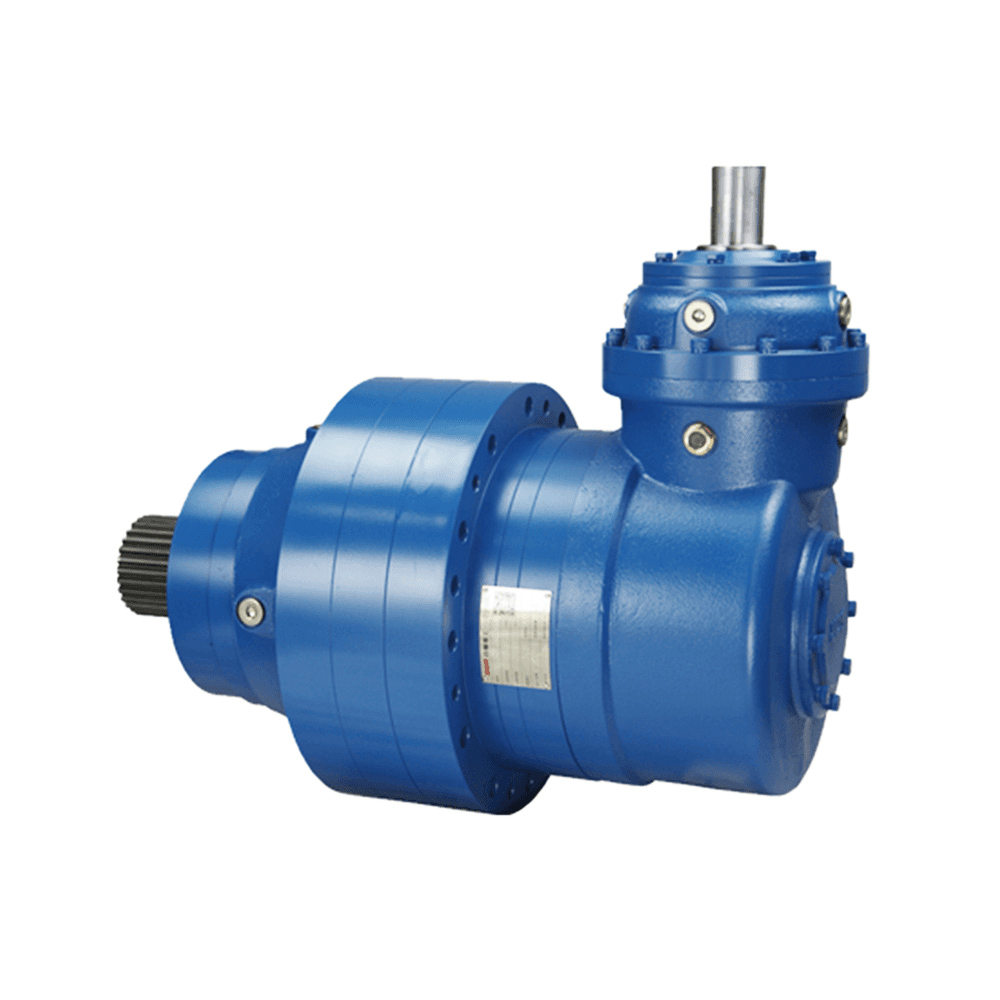
Product Info: The MNC3E400 series high speed and high torque industrial planetary gear reducers are ...
See Details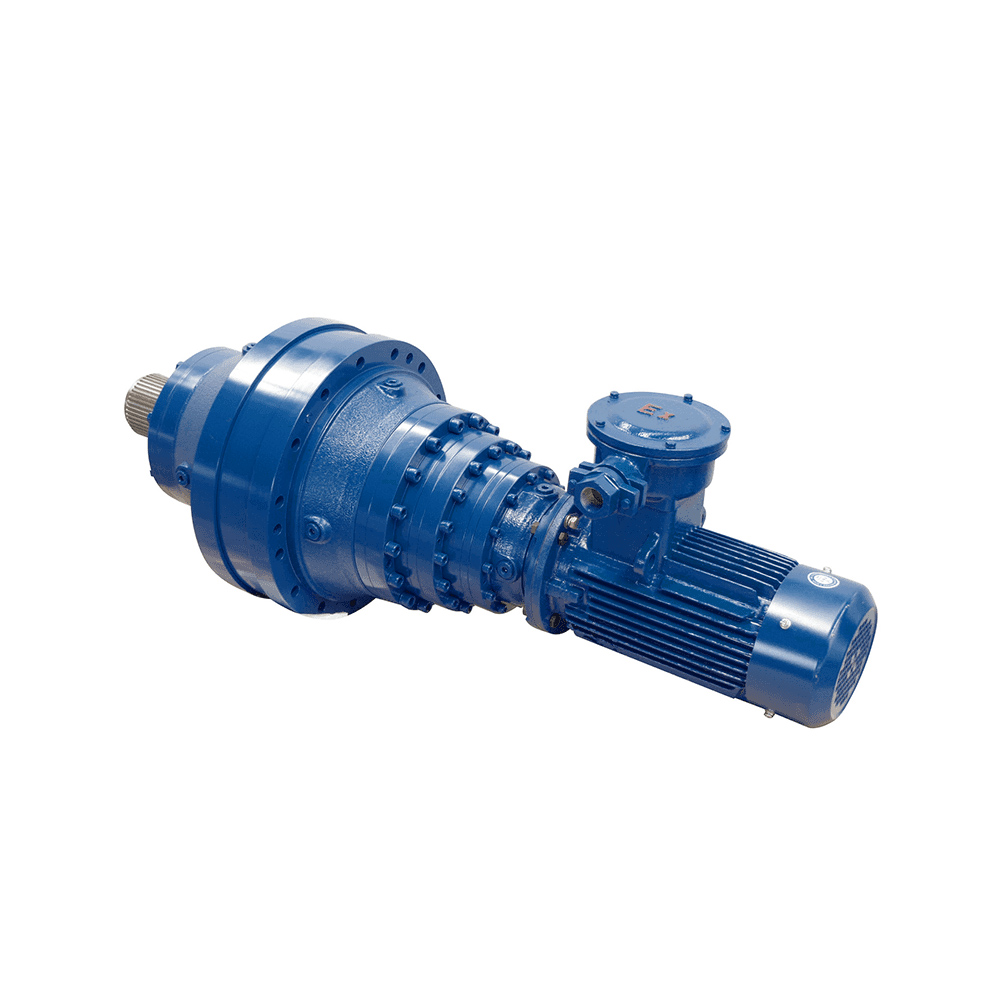
SGR's N Series high torque coaxial planetary gearbox Input forms: N standard shaft input, MN flange ...
See Details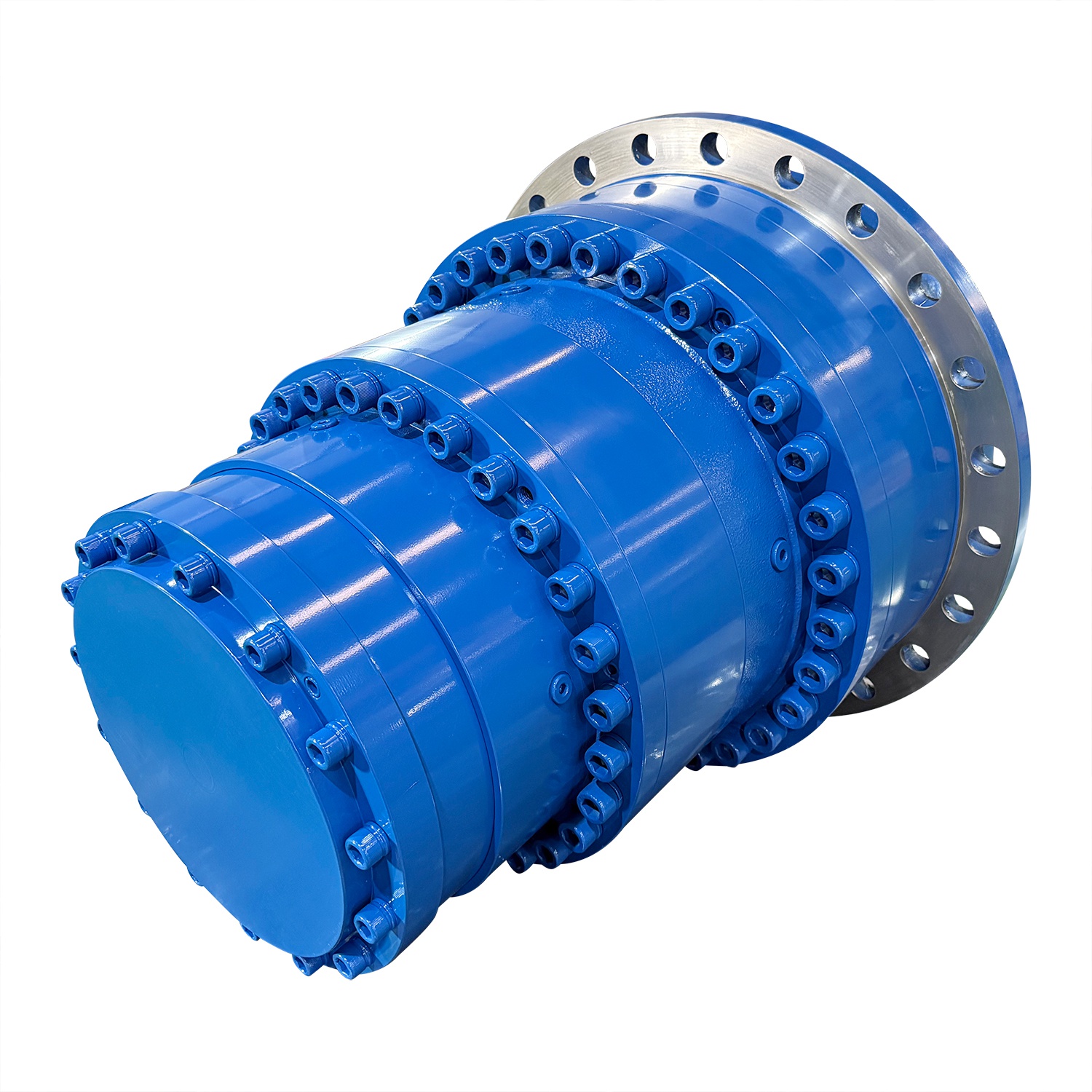
Planetary gear reducers serve as key transmission parts for sightseeing boats sailing along Russia’s...
See Details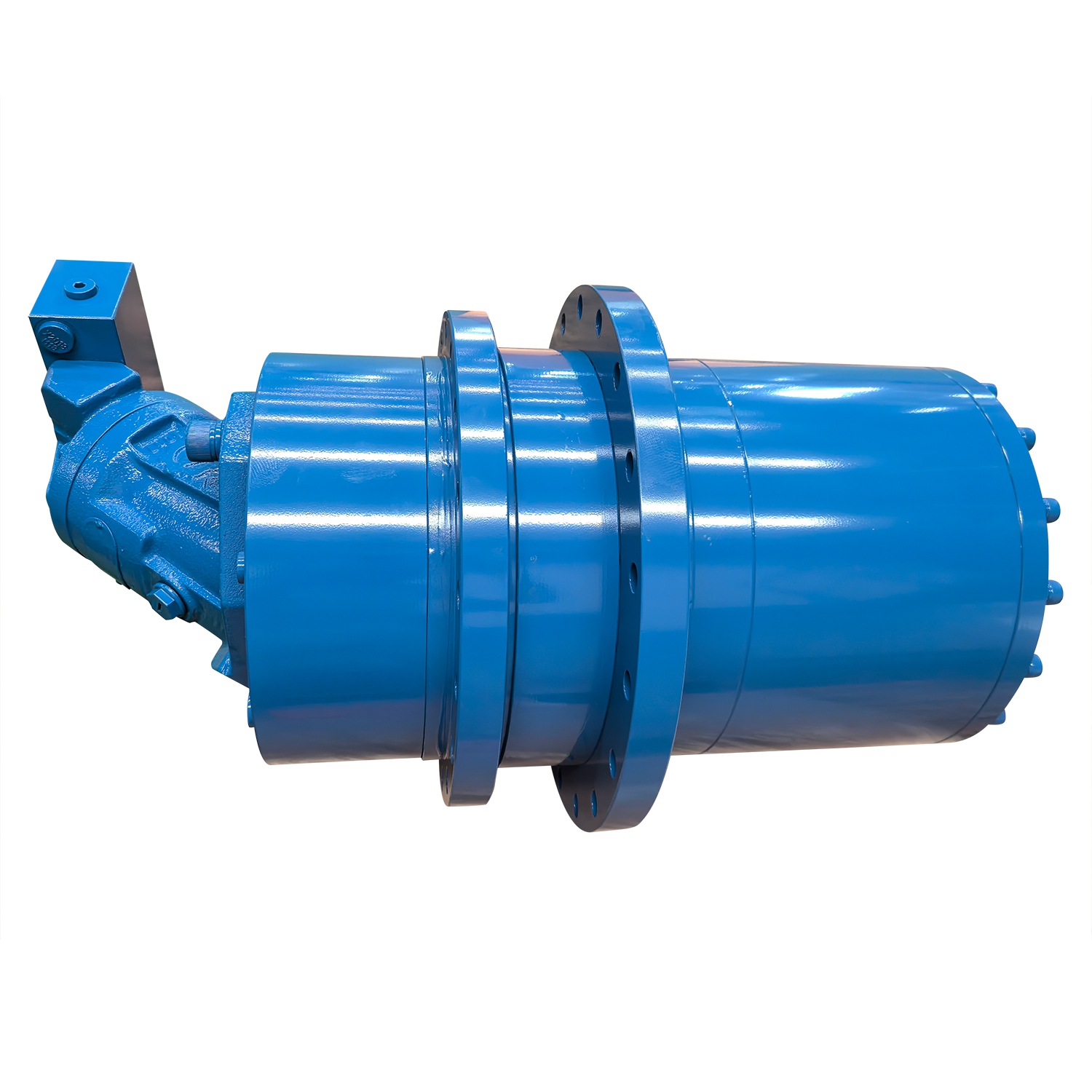
Model: 200-885 Ratio: 3.15-7800 Output Torque :1500Nm-540000Nm Rating Power :0.25KW-200kw Descripti...
See Details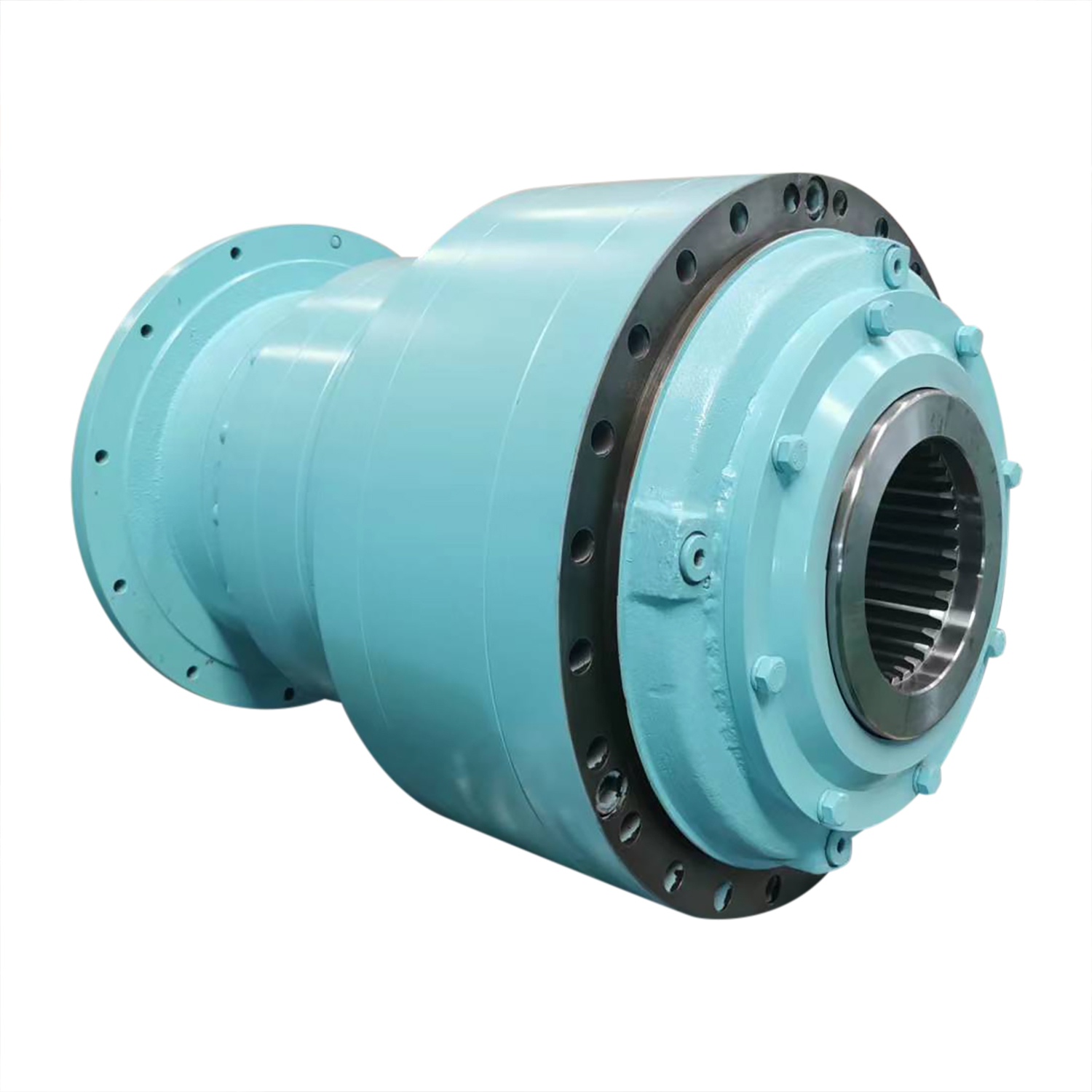
Planetary Gearbox Application For In Electric Drive Model: 200-885Ratio: 3.15-7800Output Torque :15...
See Details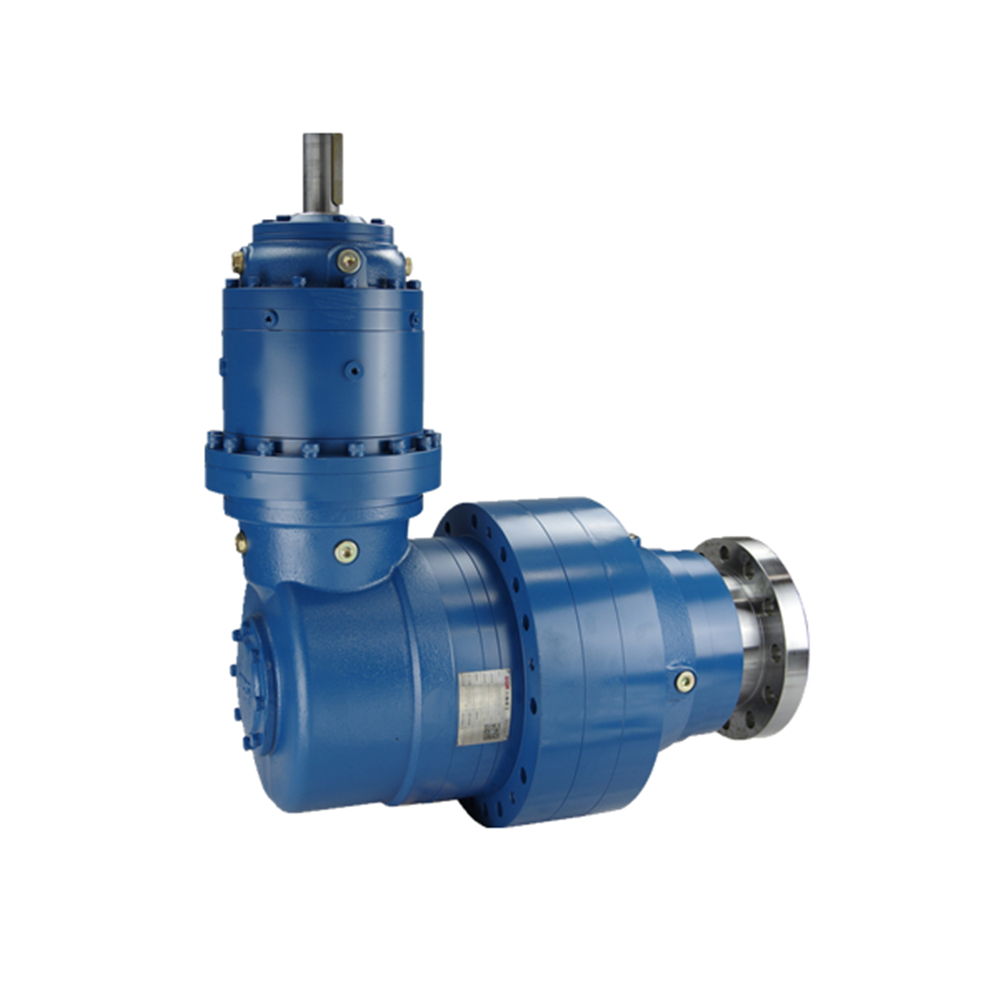
Technical data: 1. Ratio range: 3.15-30002. Input power: 0.25-55KW3. Permit torque rang: ≤ 200000N. ...
See Details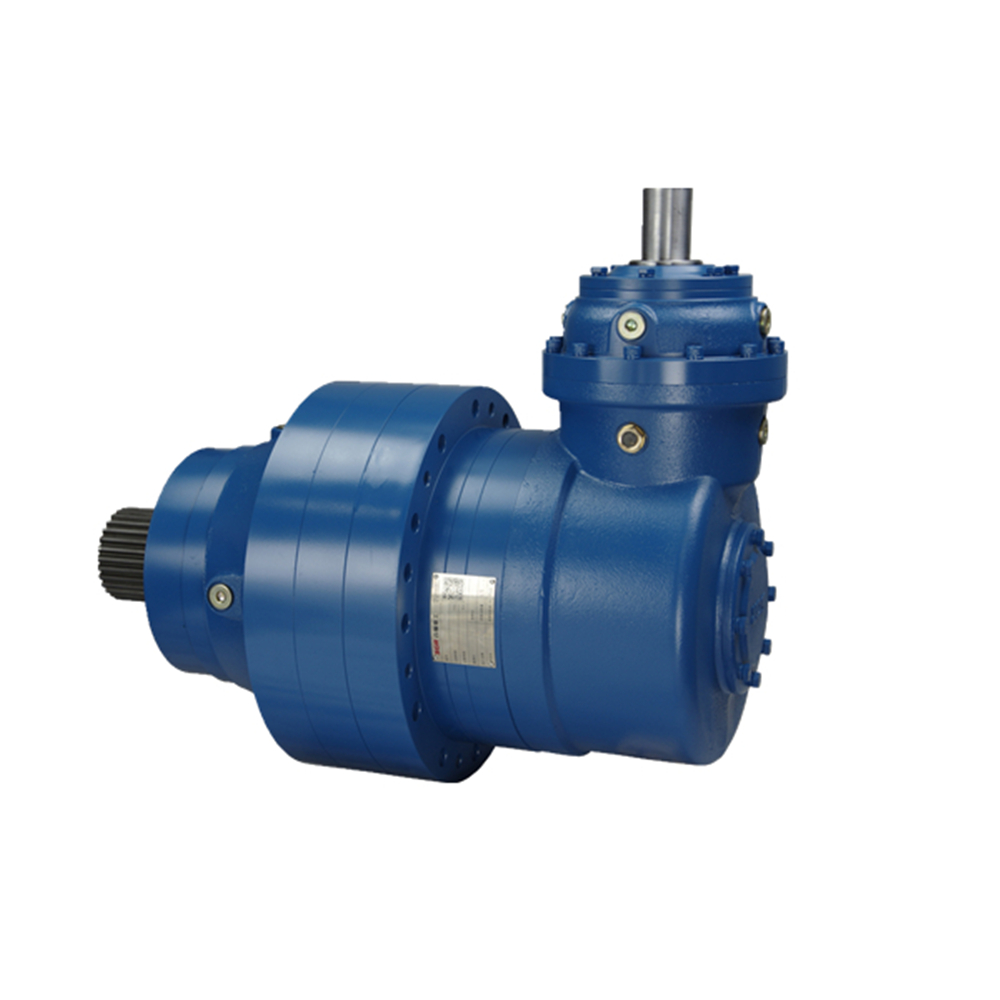
Technical data: 1. Ratio range: 3.15-30002. Input power: 0.25-55KW3. Permit torque rang: ≤ 200000N. ...
See Details
SGR is an ISO 9001 certified, DNV-accredited industry gearbox manufacturer since 1996. We supply different gear reducers to brands worldwide.