Global
  English
 中文简体
中文简体 русский
 Español
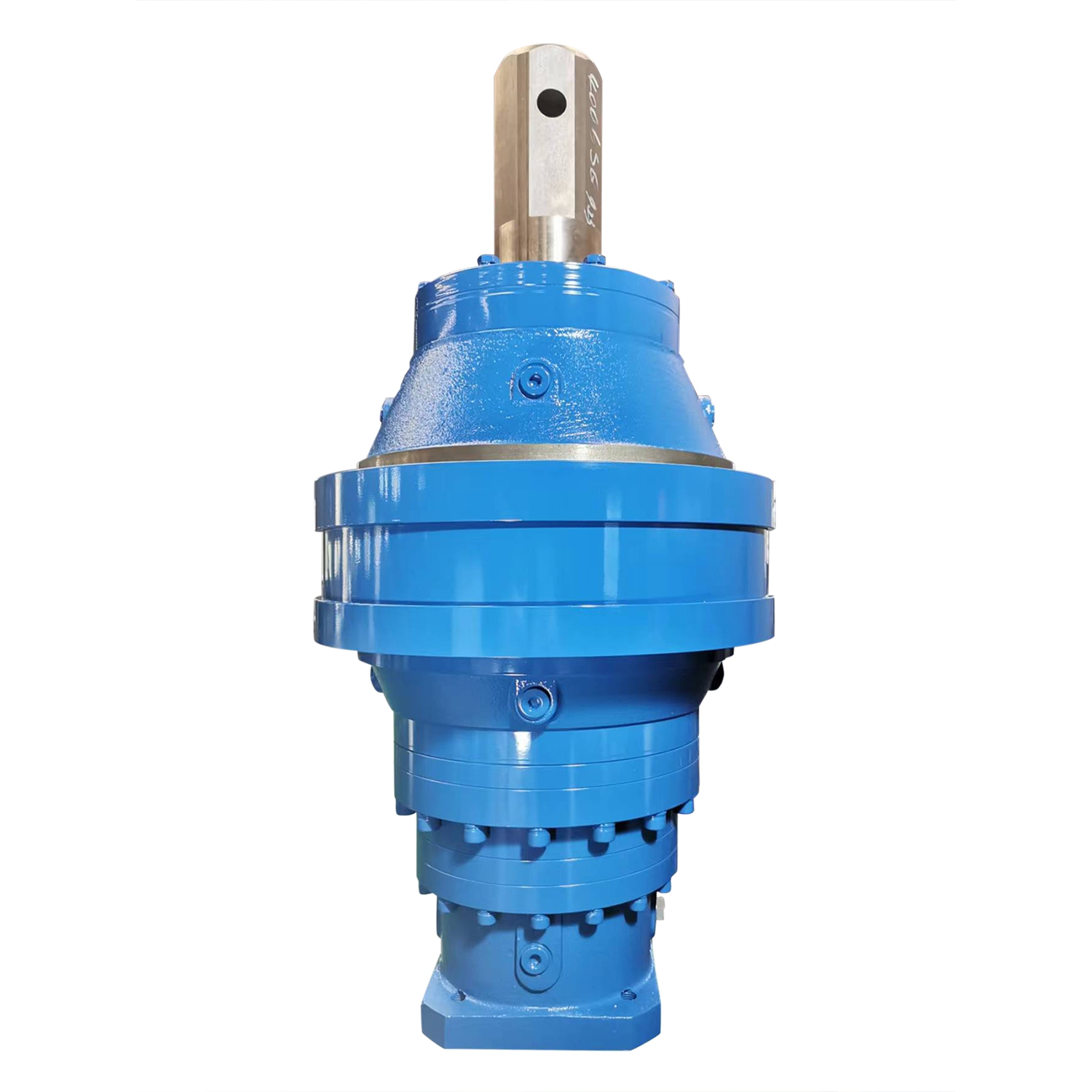
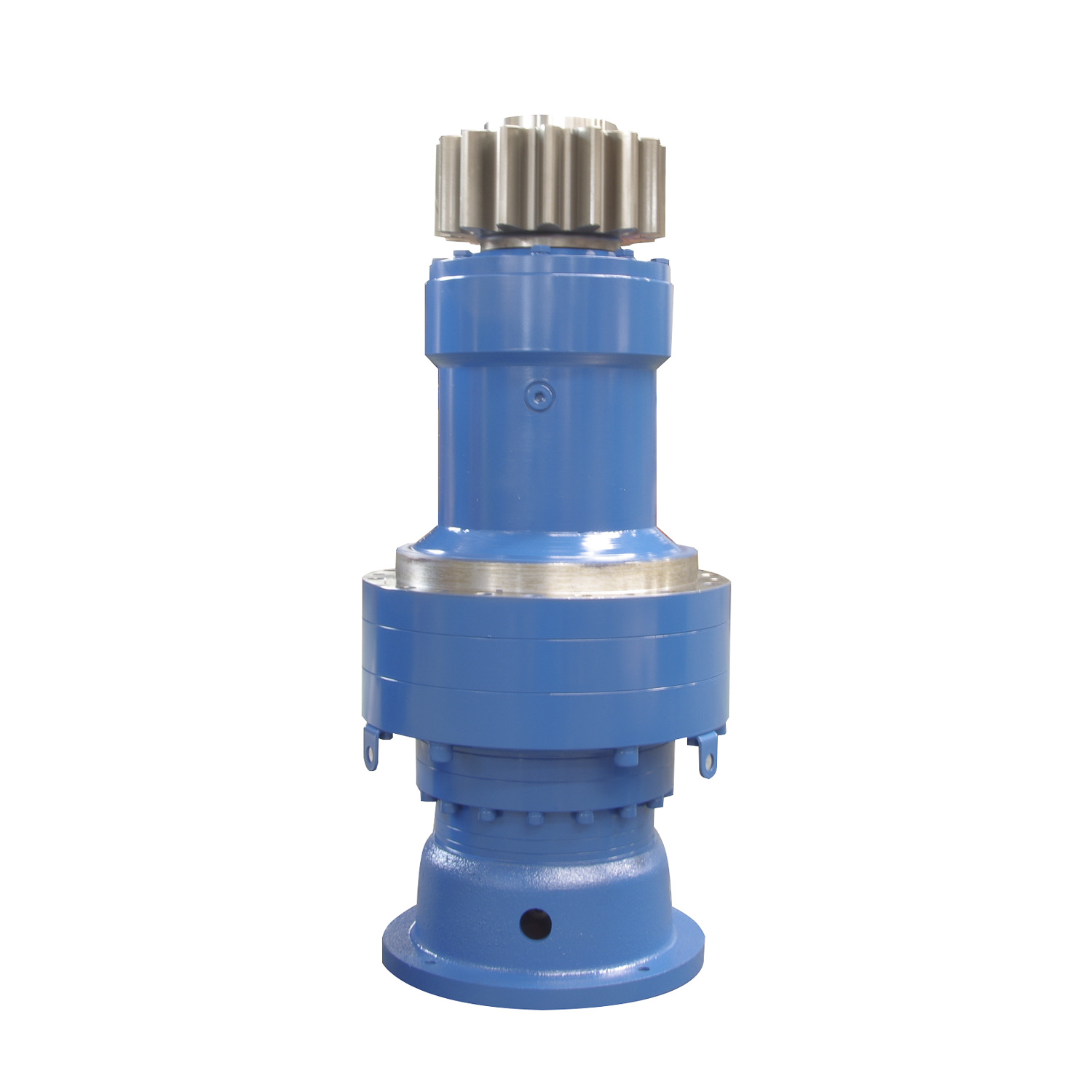
Model: 200-885Ratio: 3.15-7800Output Torque :1500Nm-540000NmRating Power :0.25KW-200kwDescription : ...
See Details
News Directory
Shanghai SGR Heavy Industry Machinery Co., Ltd., a recognized high-tech enterprise in Shanghai, specializes in the refinement and innovation of gear transmission systems. Our R&D team, led by PhDs and senior engineers, has successfully developed the Planar Double-Enveloping Worm Gear Optimization Design System and the Four-Axis Linkage Complex Profile Grinding Machine. With over 10 years of engagement in the field, we utilize advanced CNC machinery and 3D measuring systems to produce modular, low-vibration planetary gear reducer units. As 2026 infrastructure demands higher energy density, the focus has shifted toward metallurgical innovations that enhance the torque capacity of compact gearboxes while minimizing structural mass. Achieving a superior power-to-weight ratio requires a synergistic approach between alloy selection, heat treatment protocols, and tooth profile optimization.
The core of a planetary gear reducer performance lies in its metallurgical substrate. To improve the power-to-weight ratio in gearboxes, engineers are transitioning from standard 18CrNiMo7-6 to ultra-clean, vacuum-degassed steels. These materials reduce non-metallic inclusions, which are the primary sites for crack initiation under cyclic loading. Understanding how to increase planetary gear torque density involves analyzing the bending strength of the gear root. By utilizing a high-alloy steel for planetary gears, such as 42CrMo4 or 34CrNiMo6, the allowable contact stress (sigma-H) can be significantly elevated. Furthermore, the fatigue life of planetary gear sets is enhanced through shot-peening processes, which introduce compressive residual stresses into the tooth surface, effectively counteracting the tensile stresses generated during engagement.
The surface hardness of planetary gear teeth is a decisive factor in preventing pitting and scuffing. For 2026, innovations in plasma nitriding and low-pressure carburizing (LPC) provide a more uniform case depth compared to traditional gas carburizing. This precision is vital for the Ra surface finish of gear teeth, where a value of less than 0.4 um is required to minimize friction and thermal dissipation. When evaluating planetary gear reducer efficiency, the reduction in sliding friction directly translates to lower operating temperatures and higher mechanical output. Moreover, the wear resistance of gear reducer components is further stabilized by a controlled martensitic structure in the case layer, ensuring that the gear tooth profile accuracy remains within DIN 5 or DIN 6 tolerances over thousands of operational hours.
The planetary gear vs spur gear vs helical gear debate often centers on load distribution. Planetary systems excel because the load is shared among multiple planet gears, allowing for a more compact housing. However, to maximize the weight reduction in planetary gearboxes, the housing material is also evolving. Modern compact planetary gear reducer units often employ high-strength ductile iron (GJS-700) or aerospace-grade aluminum alloys for non-load-bearing enclosures. This modularity follows the industry trend toward standardized designs that do not sacrifice structural stiffness. The following table highlights the technical performance shifts enabled by these material and design innovations.
| Engineering Parameter | Standard Industrial Grade | 2026 High-Performance Spec |
| Tensile Strength (MPa) | 800 - 1000 | 1200 - 1400 |
| Torque Density (Nm/kg) | 50 - 75 | 110 - 150 |
| Transmission Efficiency (%) | 92 - 94 | 97 - 98.5 |
| Noise Level at 1500 RPM (dB) | 75 - 80 | Less than 65 |
| Max Input Speed (RPM) | 3000 | 6000+ |
As power density increases, thermal management in compact gearboxes becomes a primary constraint. The Why use synthetic oil for planetary gear reducers question is answered by the need for high viscosity index (VI) and superior shear stability. Synthetic polyalphaolefin (PAO) lubricants reduce internal fluid friction, which is essential for the high-speed planetary gear reducer performance seen in robotic and renewable energy applications. Additionally, low-vibration gear transmission design is achieved by optimizing the mesh stiffness and damping characteristics of the internal gear ring. By utilizing a specialized Power and Efficiency Test System for Gearboxes, Shanghai SGR ensures that every planetary gear reducer maintains a stable temperature gradient, preventing viscosity breakdown and ensuring the lubrication film thickness is sufficient to prevent metal-to-metal contact.
Q1: What is the benefit of a "modular" design in planetary gear transmission?
A1: Modular design allows for the rapid interchange of gear ratios and mounting flanges without redesigning the core gearbox, facilitating shorter production cycles and better field serviceability.
Q2: How does tooth profile grinding affect the "low noise" requirement?
A2: Precision grinding removes microscopic irregularities (Ra < 0.4 um) that cause high-frequency vibration. This results in a smoother contact path, reducing the decibel output by up to 15 dB compared to hobbed gears.
Q3: Why is vacuum degassing important for gear steel?
A3: Vacuum degassing removes hydrogen and other gases that cause internal voids. This increases the homogeneity of the steel, leading to predictable fatigue behavior under high-torque loads.
Q4: Can planetary reducers handle shock loads in heavy industry?
A4: Yes. By selecting materials with high fracture toughness (K1C values) and using a sun gear with an elastic core, the reducer can absorb impact energy without catastrophic tooth fracture.
Q5: What is the impact of "planetary load sharing" on the gearbox lifespan?
A5: By distributing the input torque across 3 to 5 planet gears, the individual force on each tooth is reduced by 60-80 percent compared to a single-stage spur gear, exponentially increasing the fatigue life.
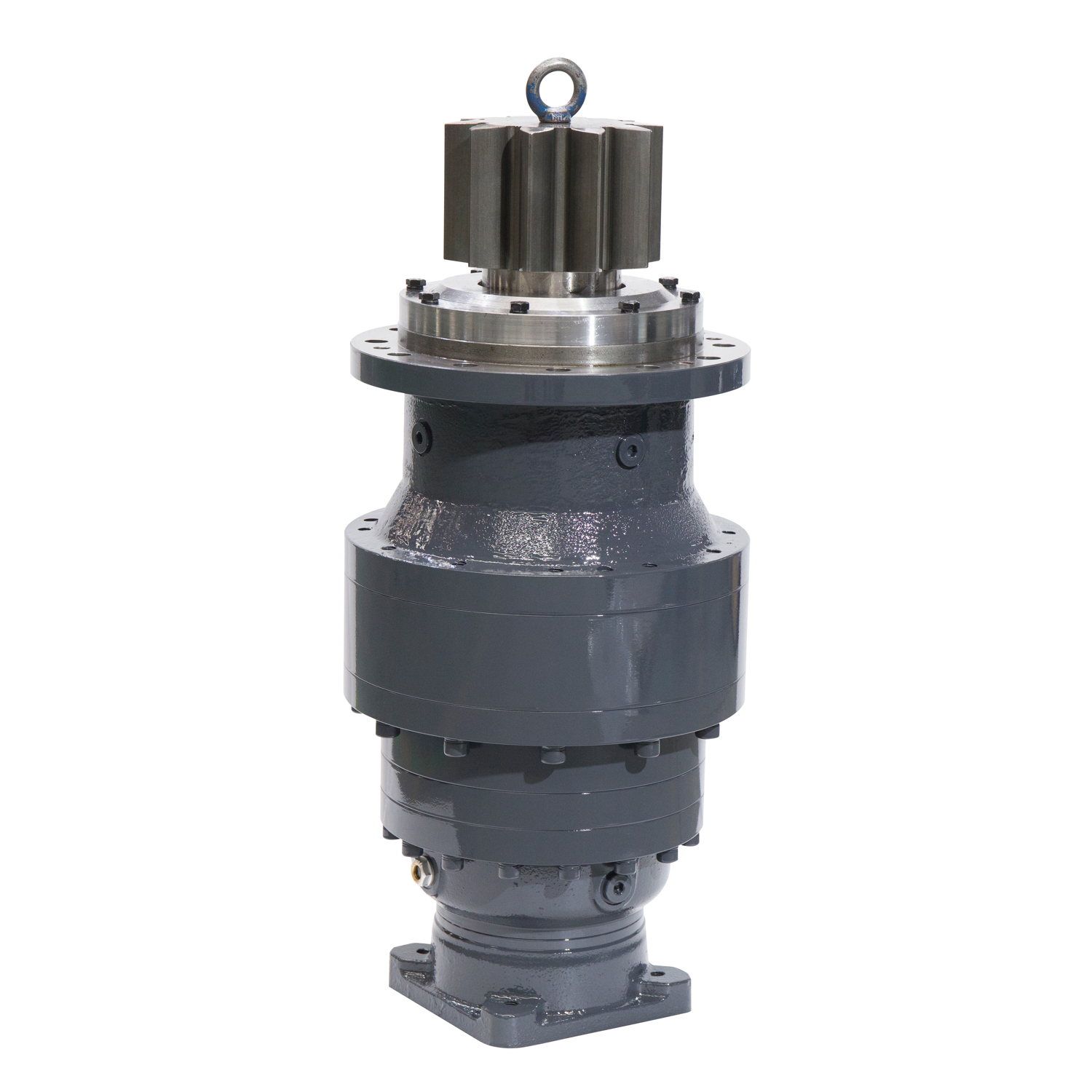
Model: 200-885Ratio: 3.15-7800Output Torque :1500Nm-540000NmRating Power :0.25KW-200kwDescription : ...
See Details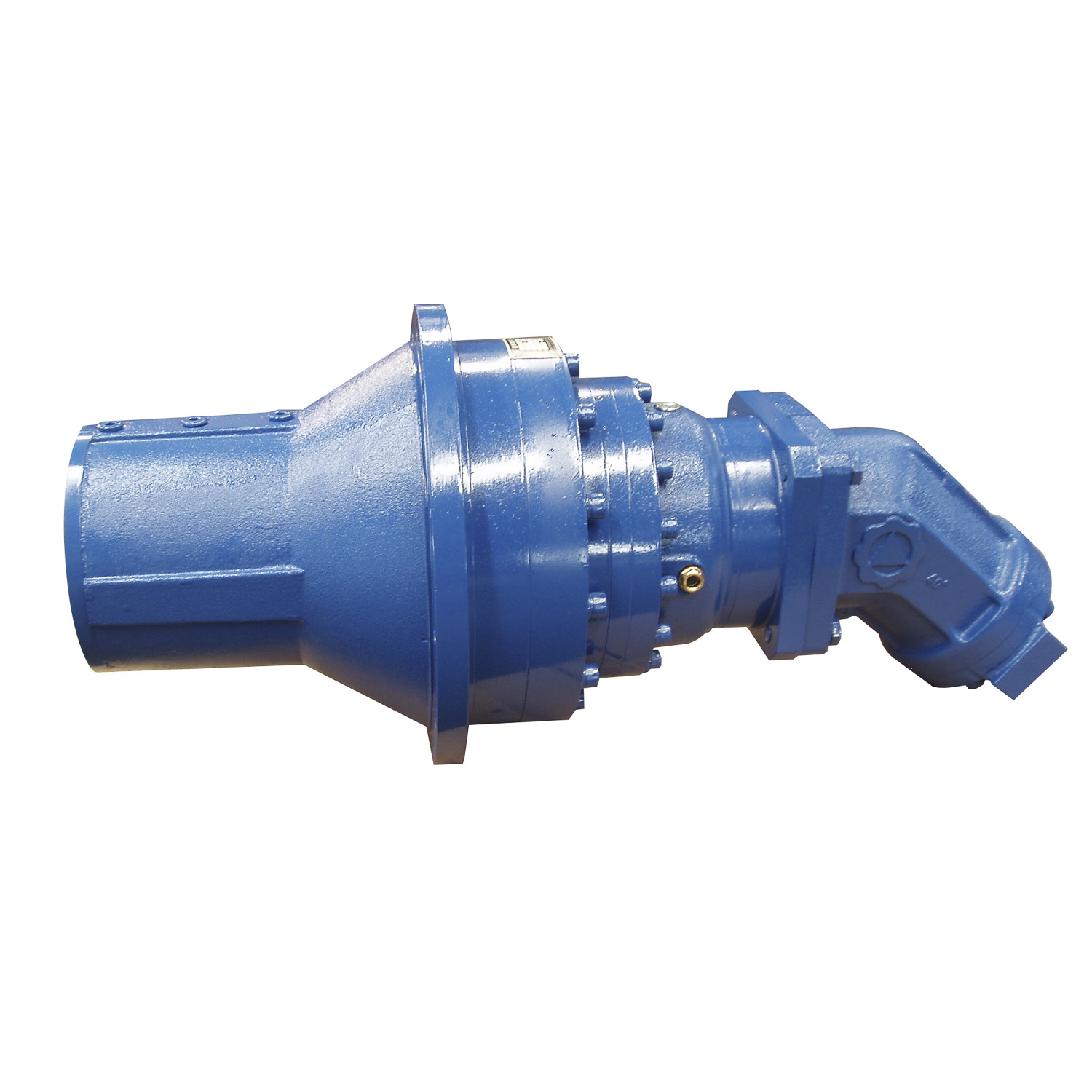
Key feature:Planetary gearbox is produced by modular design, and can be combined according to client...
See Details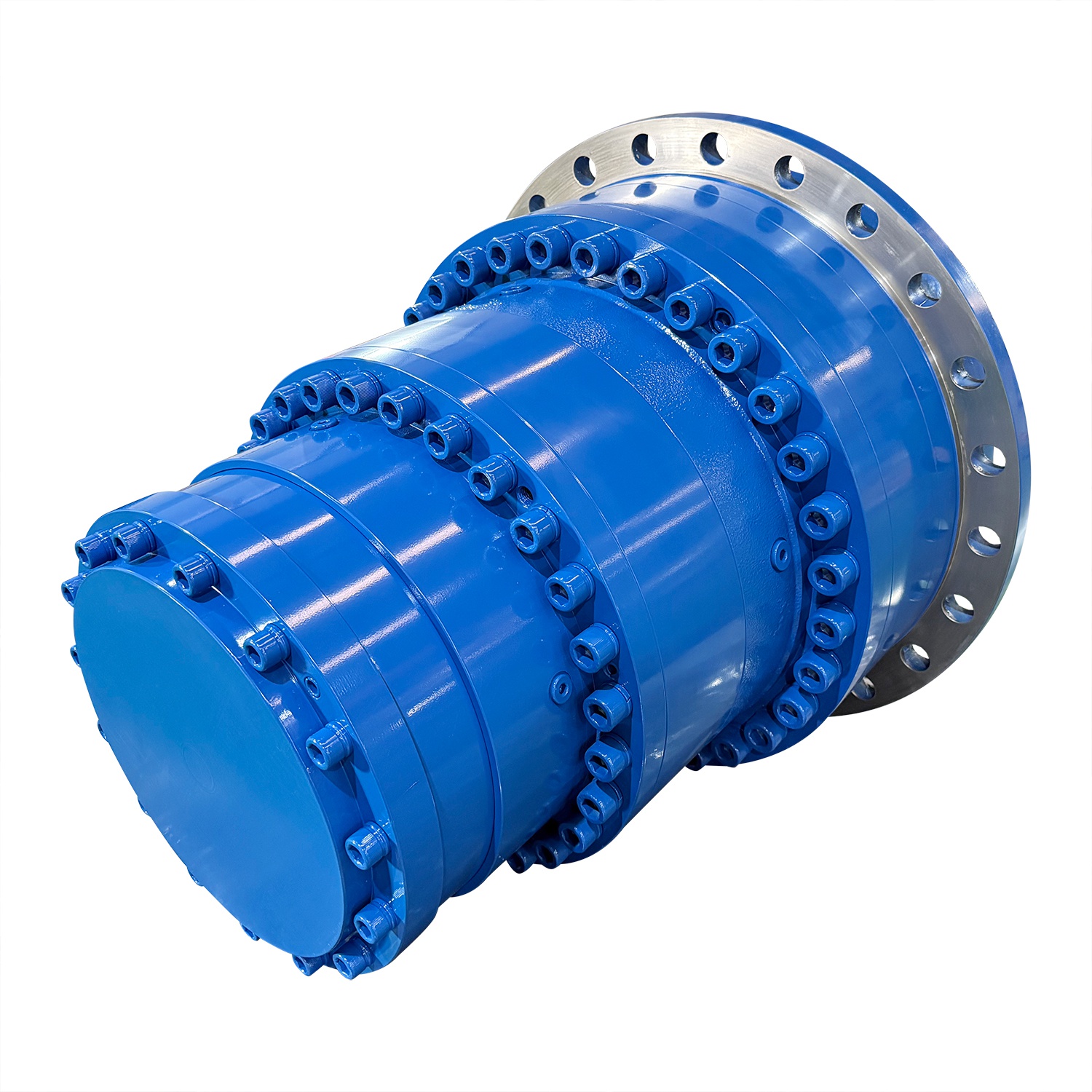
Planetary gear reducers serve as key transmission parts for sightseeing boats sailing along Russia’s...
See Details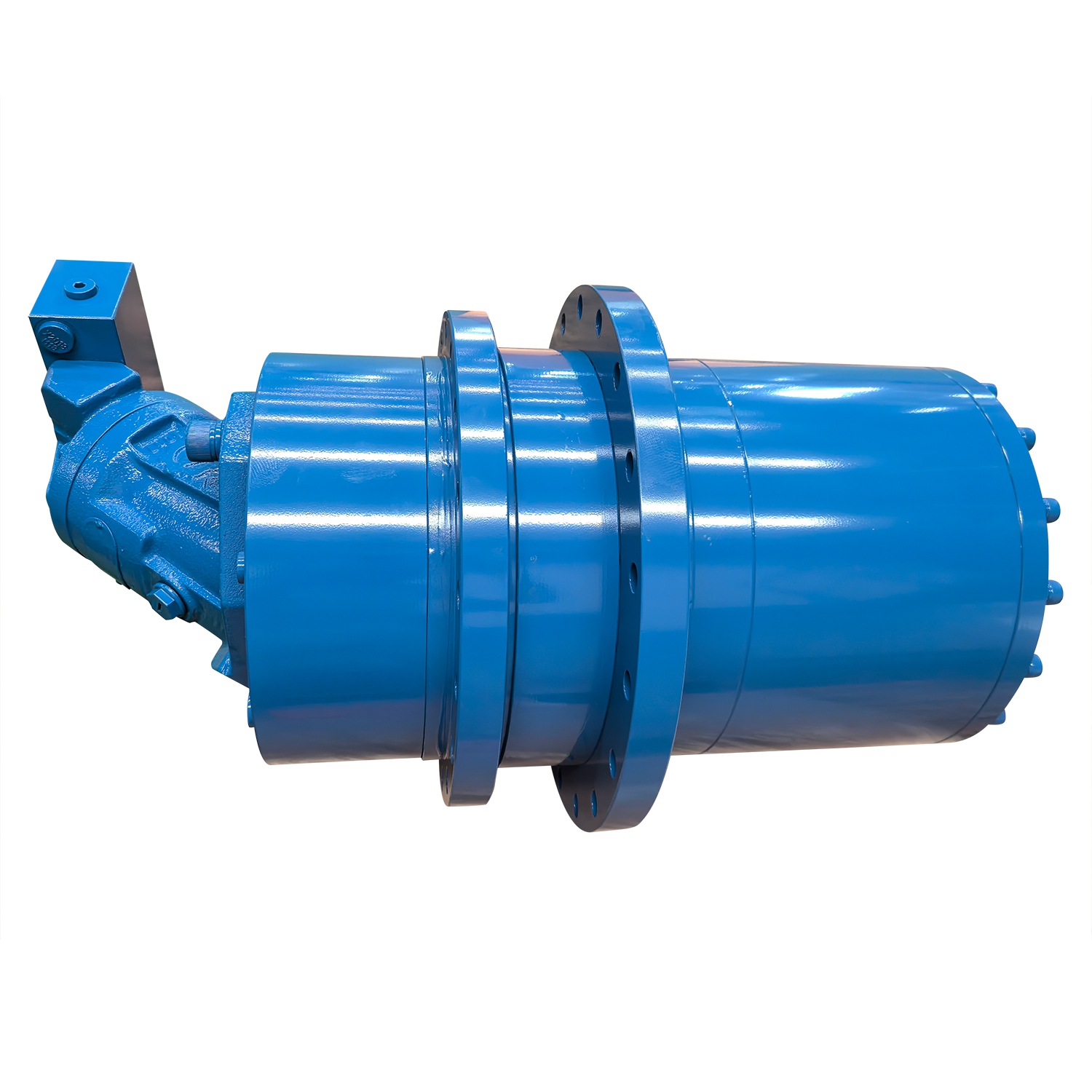
Model: 200-885 Ratio: 3.15-7800 Output Torque :1500Nm-540000Nm Rating Power :0.25KW-200kw Descripti...
See Details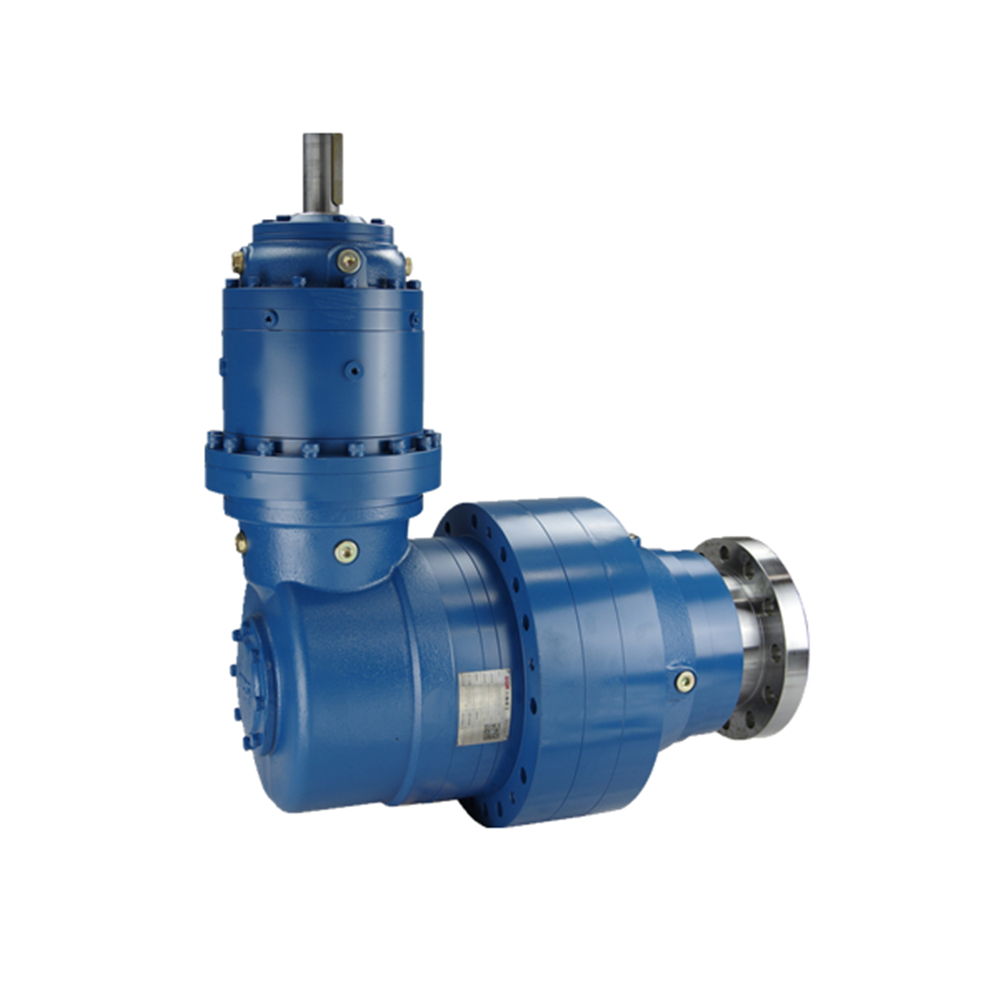
Technical data: 1. Ratio range: 3.15-30002. Input power: 0.25-55KW3. Permit torque rang: ≤ 200000N. ...
See Details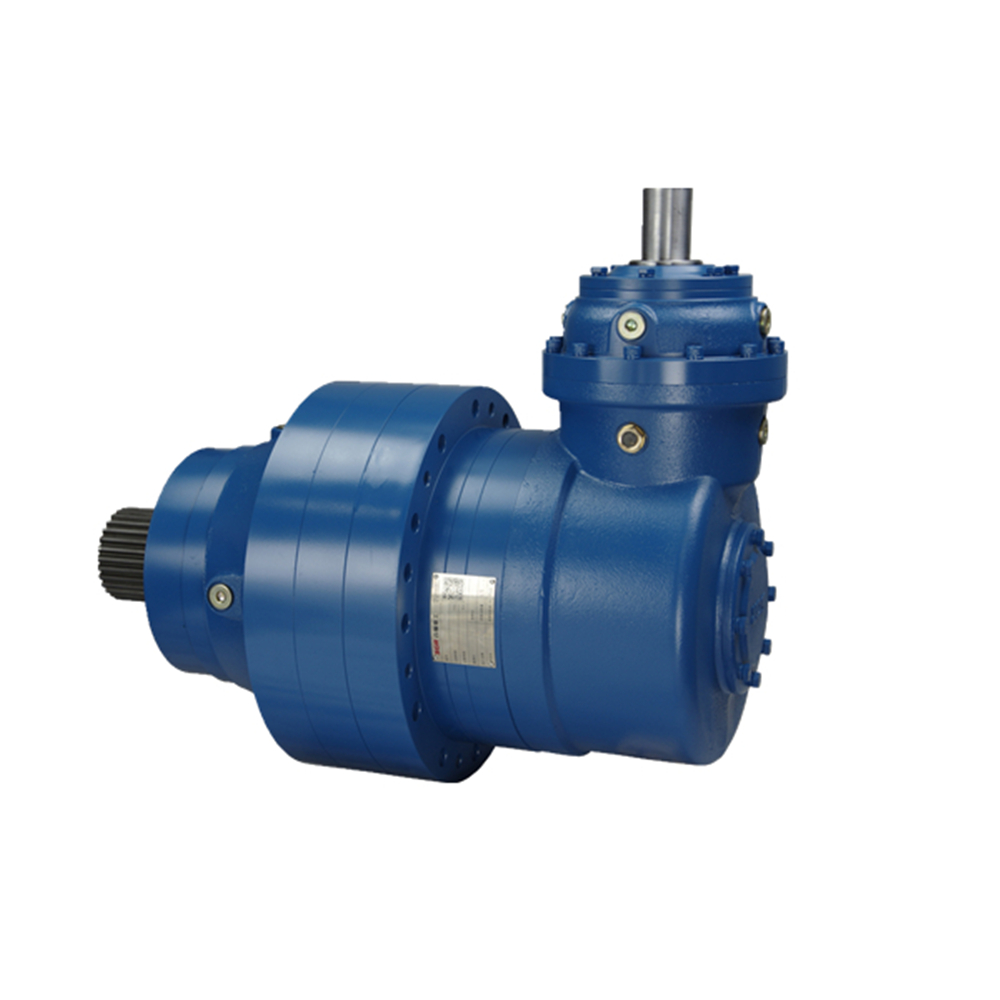
Technical data: 1. Ratio range: 3.15-30002. Input power: 0.25-55KW3. Permit torque rang: ≤ 200000N. ...
See Details
SGR is an ISO 9001 certified, DNV-accredited industry gearbox manufacturer since 1996. We supply different gear reducers to brands worldwide.