Global
  English
 中文简体
中文简体 русский
 Español
News Directory
In high-torque industrial automation, the selection between single-stage and multi-stage gear transmission is a fundamental decision impacting both energy efficiency and mechanical footprint. When the required speed reduction ratio exceeds 60:1 or 80:1, the double reduction worm gearbox becomes the preferred engineering solution. This article evaluates the mechanical advantages of double-stage reduction, specifically focusing on torque multiplication and self-locking capabilities in high-load scenarios.
A primary factor in single-stage vs double-stage worm gear efficiency is the lead angle of the worm thread. In a single-stage unit, achieving a high reduction ratio requires a very small lead angle, which significantly increases sliding friction and reduces mechanical efficiency (often dropping below 50%). By utilizing a double reduction worm gearbox, the total ratio is split across two stages. This allows each stage to operate with a larger lead angle, thereby maintaining a higher overall efficiency of double reduction gear systems while achieving total ratios as high as 3600:1 or even higher.
Shanghai SGR Heavy Industry Machinery Co., Ltd., a high-tech enterprise specializing in compact and modular gear transmission, addresses these efficiency challenges through our Planar Double-Enveloping Worm Gear Optimization Design System. Our R&D team, composed of PhDs and senior engineers, has developed high-torque toroidal worm gear reducers that minimize vibration and noise. Leveraging advanced CNC machining and 3D measuring machines, SGR ensures that the gear tooth contact pattern in double-stage reducers meets the highest precision standards for industrial reliability.
| Performance Metric | Single-Stage Worm Unit | Double-Stage Worm Unit |
| Max Reduction Ratio | Approx. 100:1 | Up to 3600:1 (Standard) |
| Typical Torque Output | Medium (Limited by tooth load) | Extreme (Multi-stage multiplication) |
| Sliding Friction Loss | High at high ratios | Optimized via staged reduction |
The maximum output torque of double reduction gearboxes is fundamentally superior for heavy-duty tasks such as mining conveyors, chemical agitators, and heavy lifting equipment. Because the torque is amplified through two successive stages, the mechanical stress on the secondary worm wheel is better distributed. Furthermore, engineers must consider the self-locking capability of double worm gears. When a total ratio exceeds a certain threshold, the system becomes naturally irreversible, which is a critical safety feature for vertical lifting applications to prevent back-driving under load.
Equipped with domestically innovated Toroidal Worm and Hob Measuring Instruments, Shanghai SGR Heavy Industry Machinery Co., Ltd. produces gearboxes that adhere to modular and standardized designs. After more than 10 years of deep engagement in gear transmission, we have refined the thermal dissipation in enclosed double reduction gearboxes. Our Power and Efficiency Test System verifies that SGR gearboxes maintain structural integrity under continuous peak-load operations, providing a long-term service life for industrial reducers.
While planetary gearboxes offer high power density, a double reduction worm gearbox is selected when 90-degree shaft orientation and extreme quietness are required. The sliding contact of worm gears inherently dampens shock loads better than the rolling contact of spur gears. For B2B gear motor procurement, the cost-effectiveness of high-ratio worm reducers often outweighs planetary alternatives in applications where high shock resistance is more critical than absolute energy efficiency.
Modern industrial trends favor compact designs. A modular double reduction worm gearbox allows for various mounting positions (flange, foot, or shaft-mounted) to fit into restricted envelopes. At SGR, our compact gear transmission solutions integrate PhD-led design innovations to reduce weight without compromising torque density. The installation tolerances for double-stage reducers are strictly monitored via our Power and Efficiency Test System, ensuring that the alignment of worm and wheel centers is optimized for minimum Ra surface finish friction and maximum power transfer.
| Design Parameter | Standard Requirement | SGR Engineering Standard |
| Casing Material | Grey Iron (HT200) | High-Strength Ductile Iron (QT450) |
| Surface Roughness (Worm) | Ra 0.8 micrometers | Ra 0.4 micrometers (Grinded) |
| Noise Level | Less than 80 dB(A) | Less than 65-70 dB(A) |
The thermal horsepower rating of worm gearboxes is often the limiting factor rather than mechanical strength. Because worm gears rely on sliding motion, they generate heat. In high-reduction ratio industrial gearboxes, the heat must be dissipated through the casing surface. Shanghai SGR Heavy Industry Machinery Co., Ltd. utilizes high-tech product conversion projects to optimize casing fin designs and fan-cooling options, allowing our double reduction units to operate at higher thermal thresholds than conventional competitors.
Due to the two stages of sliding contact, the efficiency typically ranges between 35% and 55%, depending on the input speed and lubrication quality. However, the torque gain at these ratios is the primary engineering goal.
It is generally not recommended. Worm gearboxes are optimized for moderate input speeds (typically up to 1500 RPM). High speeds can lead to rapid heat buildup and degradation of the synthetic oil film.
While SGR gearboxes are designed for long intervals, the oil must be replaced according to the duty cycle. Synthetic PAG oils are preferred for high-torque worm applications to reduce friction coefficients.
Double-enveloping (Toroidal) worm gears increase the number of teeth in contact, which significantly improves the load-carrying capacity compared to standard cylindrical worm sets.
Professional reducers use specialized double-lip oil seals and pressure-equalizing breathers to prevent leakage when the gearbox is mounted with the output shaft in a vertical orientation.
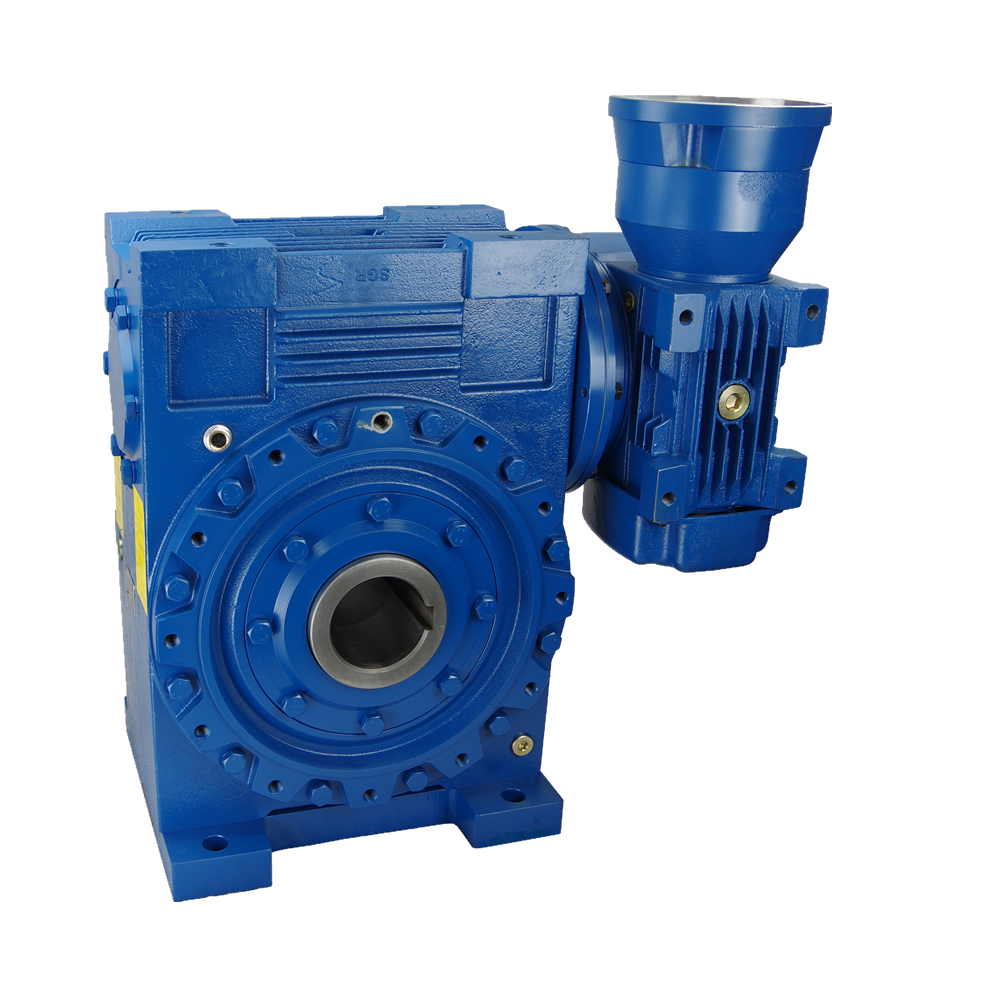
Product Description Series C double enveloping worm gearModel: 100 - 500Ratio: 10 -63Output Torque ...
See Details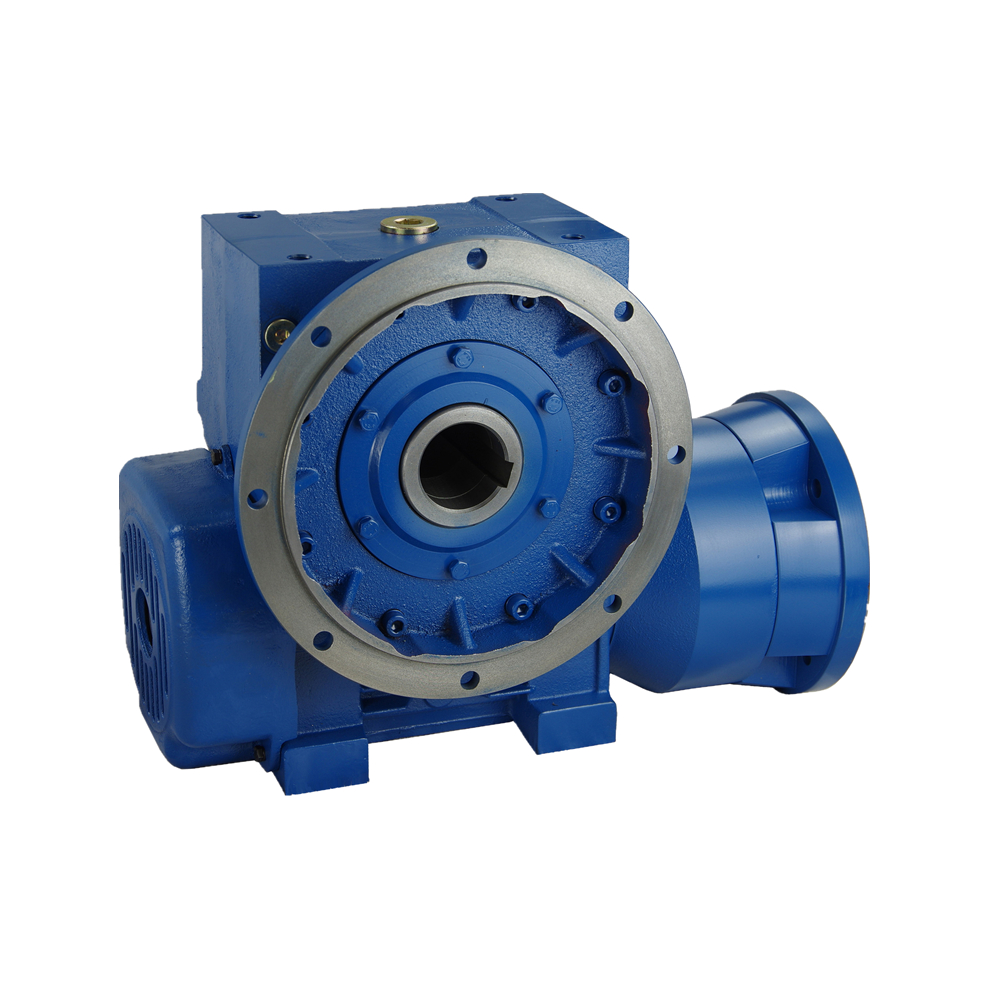
Product Description Series C double enveloping worm gearModel: 100 - 500Ratio: 10 -63Output Torque ...
See Details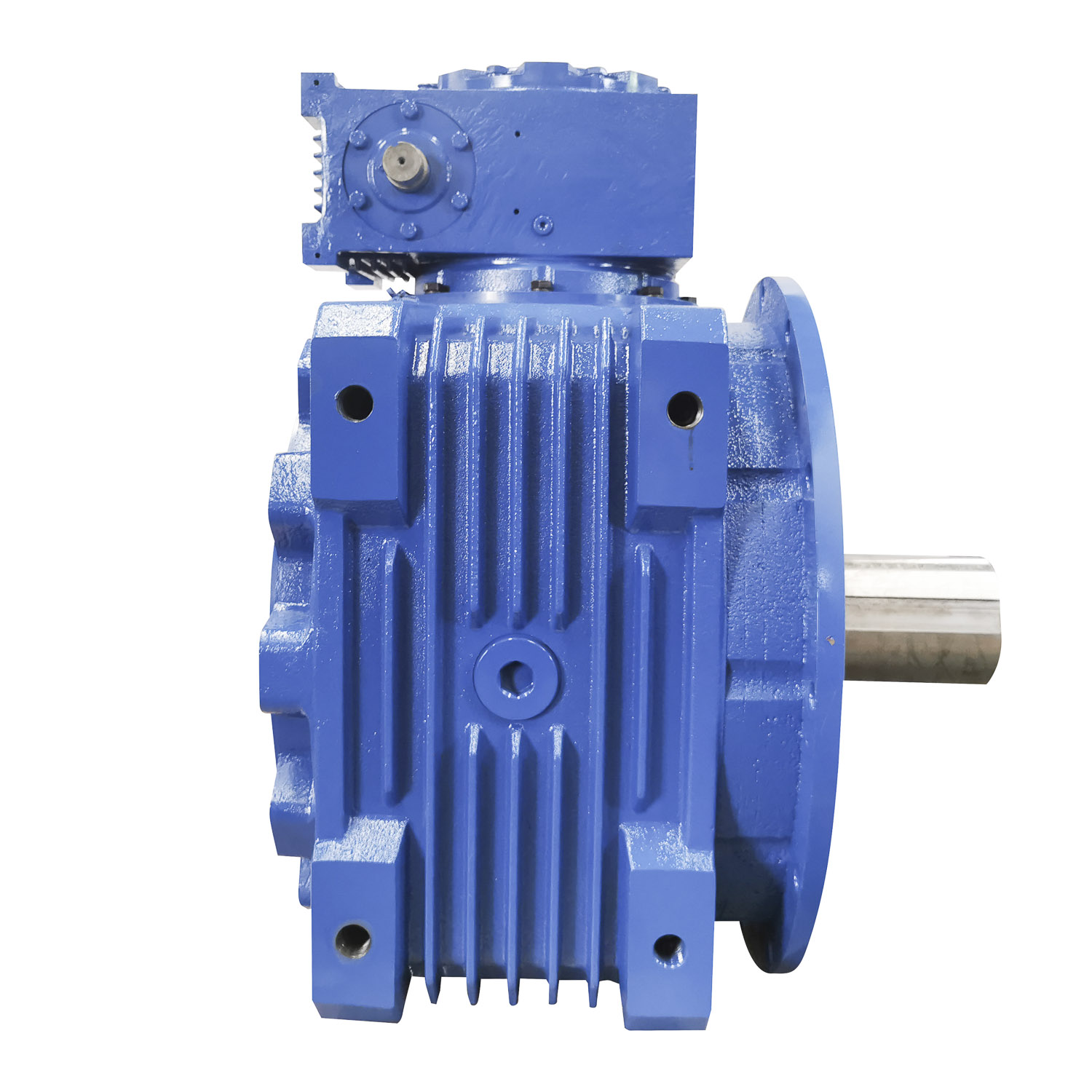
Description :1, High torque double enveloping worm gear adjust toughest working condition .2,Univers...
See Details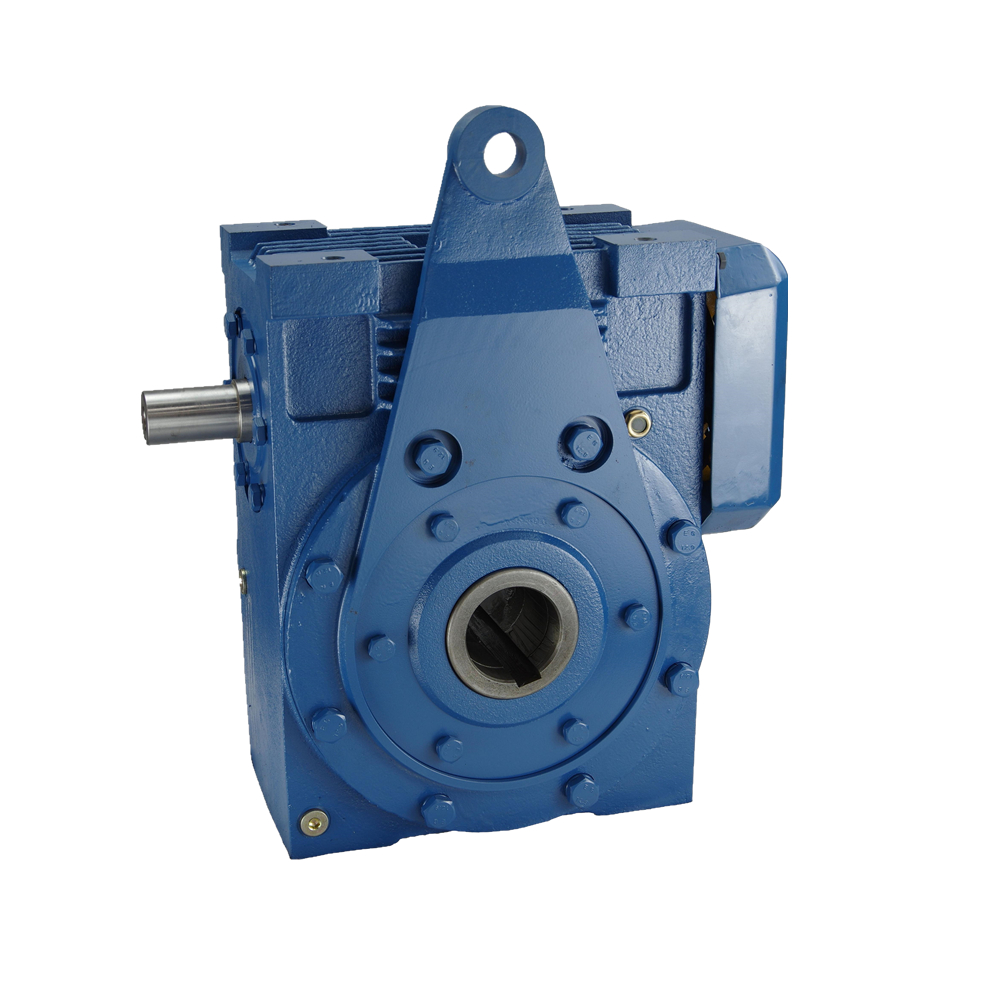
Product Description 1, High torque double enveloping worm gear adjust toughest working condition .2,...
See Details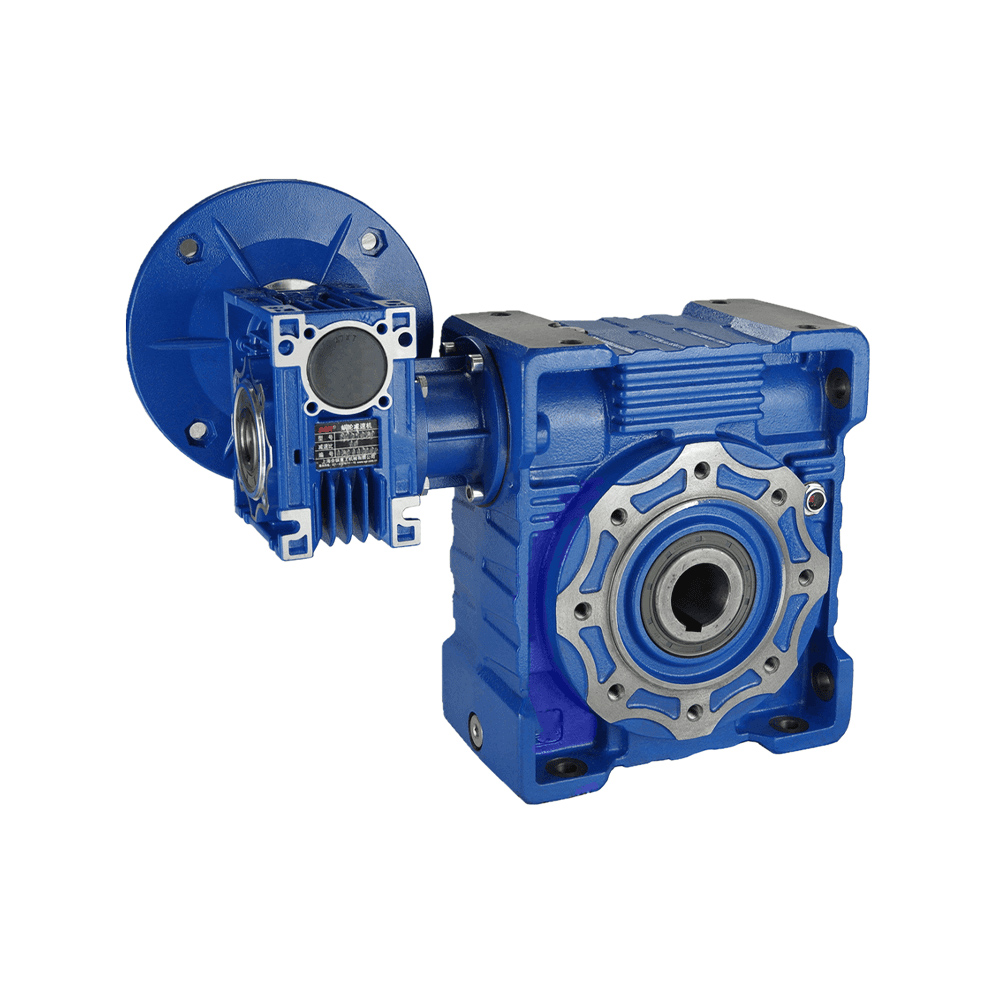
SGR develops and manufactures specialized worm gear reducers for logistics machinery attachments. T...
See Details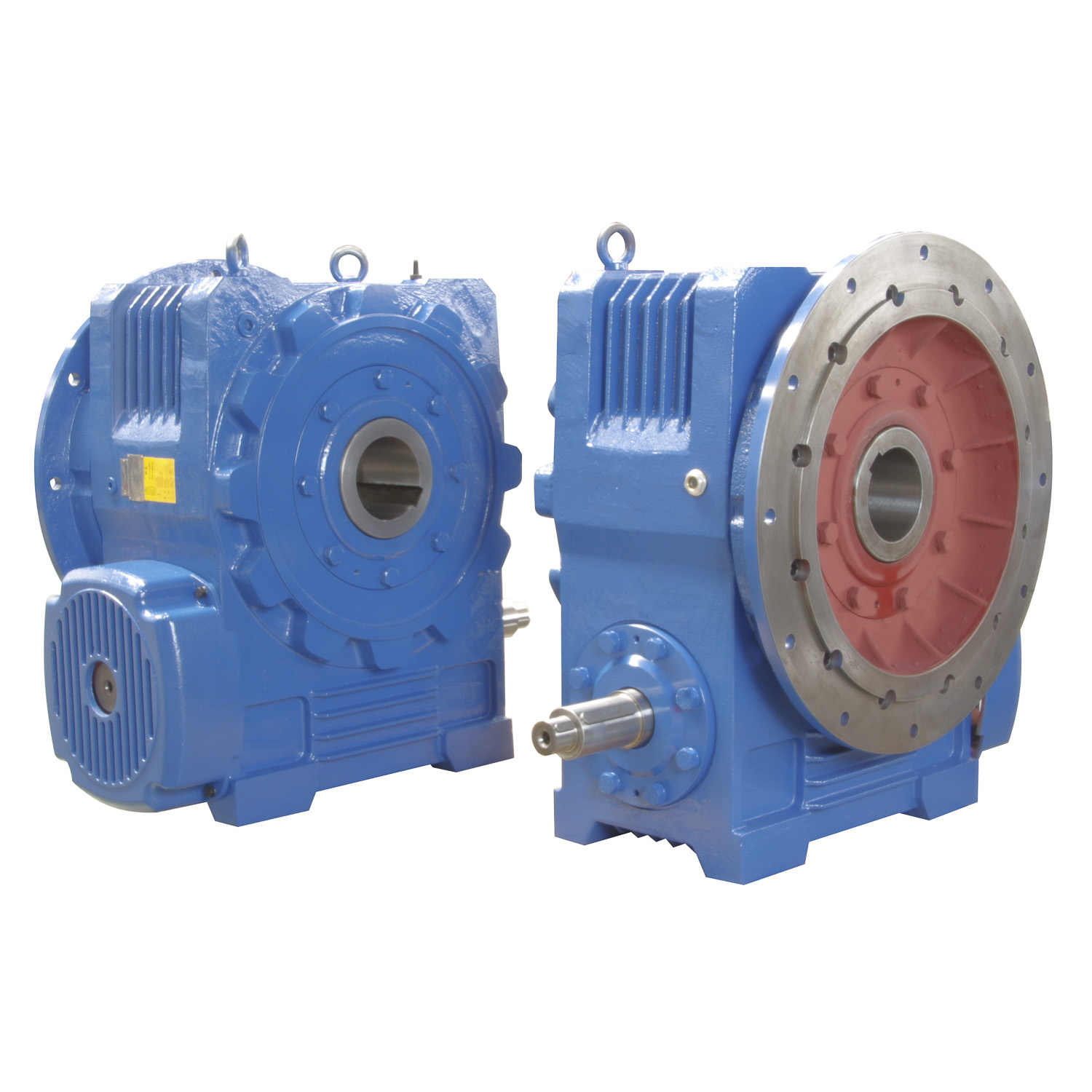
In term of difference of double enveloping worm gear design and traditional worm gear design , do...
See Details
SGR is an ISO 9001 certified, DNV-accredited industry gearbox manufacturer since 1996. We supply different gear reducers to brands worldwide.