 Global
  English
 中文简体
中文简体 русский
 Español
Product Info: The MNC3E400 series high speed and high torque industrial planetary gear reducers are ...
See Details
News Directory
The worm gear reducer is a mechanical transmission device characterized by a compact structure and a high gear ratio. Under certain conditions, it also offers a self-locking function, making it one of the most common types of speed reducers. Thanks to its unique transmission characteristics, the worm gear reducer is widely used across various industrial sectors, including metallurgy, mining, lifting, material handling, light industry, and packaging.
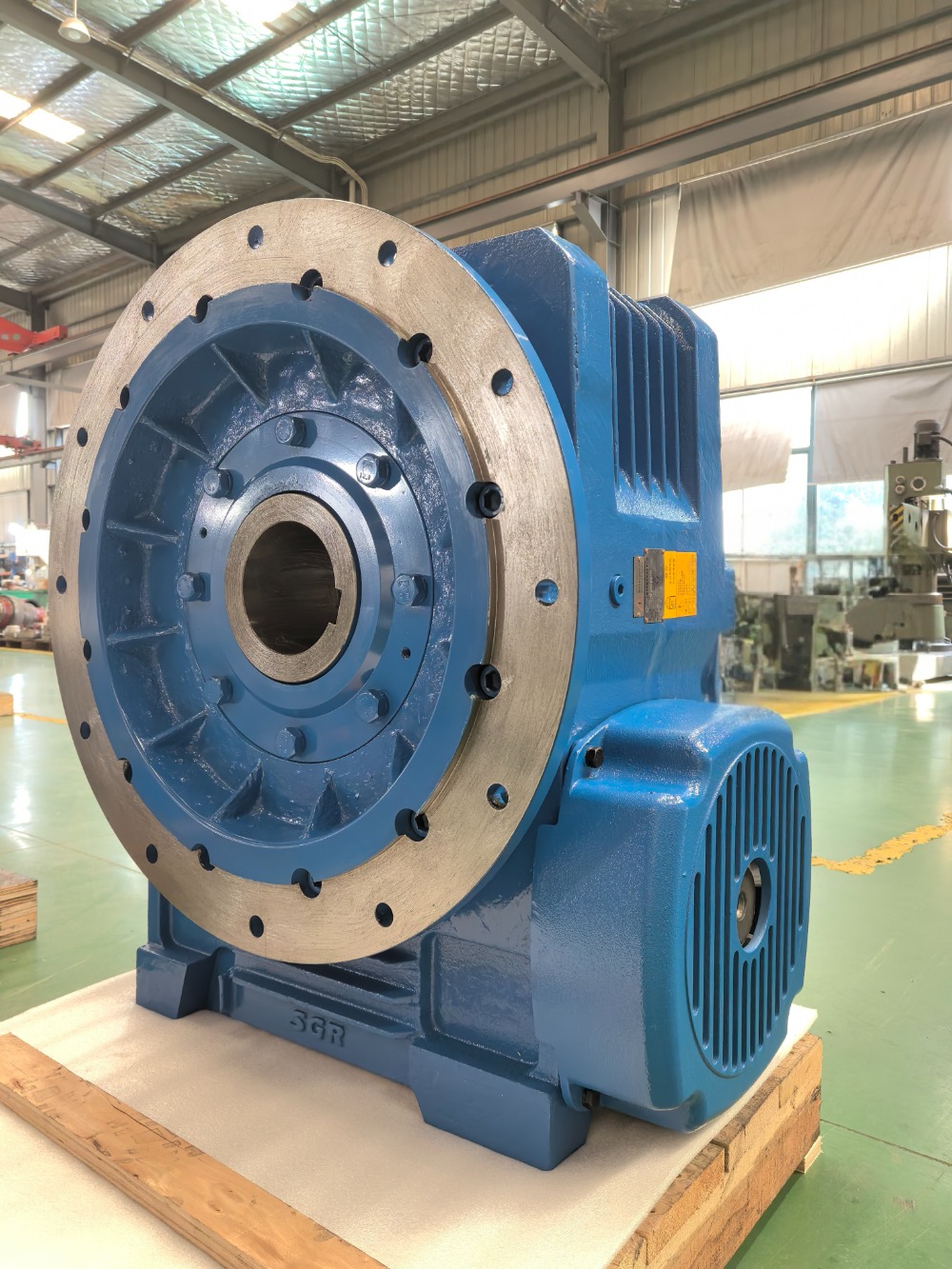
The R&D and manufacturing of worm gear reducers constitute a core focus for SGR at this stage. Consequently, SGR possesses deep expertise regarding their structural design and transmission characteristics. Through continuous technological innovation and process optimization, SGR has effectively mitigated common operational failures, significantly enhancing the stability, durability, and reliability of its products.
So, what malfunctions might occur during the operation of worm gear reducers? How does SGR, an established manufacturer with over a decade of experience dedicated to the R&D of worm gear reducers—prevent these common issues?
To enhance efficiency, worm gear reducers typically utilize non-ferrous metals for the worm gear and steel for the worm. During operation, the sliding friction inherent in the drive mechanism generates significant heat. This leads to differential thermal expansion among the components and seals, creating gaps at mating surfaces, while the lubricant thins due to the rising temperature, making leakage more likely.
Oil leakage in worm gear reducers is often caused by an improper combination of materials, an unsuitable choice of lubricant or incorrect fill levels, or issues with assembly quality and the operating environment that lead to poor heat dissipation.
As for SGR's C-series worm gear reducers, the worm is manufactured from 20CrMnTi steel, undergoing carburizing, quenching, and gear-tooth grinding to enhance surface hardness and finish while reducing frictional heat generation. The worm gear utilizes high-performance alloy bronze, offering excellent thermal conductivity and wear resistance through an optimized material combination. Building upon this worm gear reducer design, SGR has incorporated a high-efficiency lubrication system and optimized sealing structures to ensure effective heat dissipation and minimize oil leakage.
In worm gear reducers, the worm gear is typically made of tin bronze, while the mating worm is generally made of 45 steel (hardened to HRC 45–55) or 40Cr steel (hardened to HRC 50–55). During normal operation, the worm acts like a hardened "file," continuously abrading the worm gear and causing wear.
Under normal conditions, wear between the worm gear and the worm occurs slowly, and many such reducers have a service life exceeding ten years. However, factors such as overload operation, improper material selection, poor assembly quality, unsuitable operating environments, or incorrect model selection can lead to accelerated wear.
As for SGR’s C-series worm gear reducers, the worm is manufactured from 20CrMnTi steel, undergoing carburizing, quenching, and tooth-profile grinding. The resulting tooth surface hardness reaches HRC 58–62, and the high surface finish reduces the friction coefficient, thereby minimizing wear on the worm gear. The worm gear itself is made of high-performance alloy bronze, ensuring long-lasting wear resistance. During assembly, SGR maintains strict control over precision to ensure uniform meshing clearance between the worm and the gear, preventing localized excessive wear caused by uneven loading.
In worm gear reducers, bearings are critical components that support the operation of the worm and worm gear. Bearings damage can lead to unstable operation of the entire unit and, in severe cases, even cause a system shutdown.
However, bearing damage can occur due to factors such as prolonged overload operation, shaft misalignment caused by installation errors, poor lubrication or lubricant degradation, and seal failures that allow the ingress of dust and moisture.
Fatigue damage resulting from prolonged high-speed operation.
SGR selects only high-quality bearings to ensure optimal load-bearing capacity and durability. Upon delivery of the worm gear reducers, the company provides detailed operation and maintenance manuals to assist users in establishing effective maintenance schedules—covering aspects such as lubrication and replacement intervals—and offers comprehensive after-sales service to ensure the units operate reliably.
As an established manufacturer with over a decade of experience in the R&D and production of worm gear reducers, SGR steadfastly upholds the principles of technological innovation and quality excellence. To address common operational faults, the company has established a comprehensive prevention and control system—covering everything from material selection, structural design, and assembly precision to post-installation maintenance—aimed at effectively mitigating such issues.
Furthermore, SGR demonstrates exceptional technical innovation capabilities across the design, R&D, manufacturing, and pre-delivery testing of its worm gear reducers. This ensures that every unit undergoes rigorous quality verification before leaving the factory, meeting industry-leading standards.
The worm gear reducer is a mechanical transmission device characterized by a compact structure and a high gear ratio. Under certain conditions, it also offers a self-locking function, making it one of the most common types of speed reducers. Thanks to its unique transmission characteristics, the worm gear reducer is widely used across various industrial sectors, including metallurgy, mining, lifting, material handling, light industry, and packaging.
The R&D and manufacturing of worm gear reducers constitute a core focus for SGR at this stage. Consequently, SGR possesses deep expertise regarding their structural design and transmission characteristics. Through continuous technological innovation and process optimization, SGR has effectively mitigated common operational failures, significantly enhancing the stability, durability, and reliability of its products.
So, what malfunctions might occur during the operation of worm gear reducers? How does SGR, an established manufacturer with over a decade of experience dedicated to the R&D of worm gear reducers—prevent these common issues?
To enhance efficiency, worm gear reducers typically utilize non-ferrous metals for the worm gear and steel for the worm. During operation, the sliding friction inherent in the drive mechanism generates significant heat. This leads to differential thermal expansion among the components and seals, creating gaps at mating surfaces, while the lubricant thins due to the rising temperature, making leakage more likely.
Oil leakage in worm gear reducers is often caused by an improper combination of materials, an unsuitable choice of lubricant or incorrect fill levels, or issues with assembly quality and the operating environment that lead to poor heat dissipation.
As for SGR's C-series worm gear reducers, the worm is manufactured from 20CrMnTi steel, undergoing carburizing, quenching, and gear-tooth grinding to enhance surface hardness and finish while reducing frictional heat generation. The worm gear utilizes high-performance alloy bronze, offering excellent thermal conductivity and wear resistance through an optimized material combination. Building upon this worm gear reducer design, SGR has incorporated a high-efficiency lubrication system and optimized sealing structures to ensure effective heat dissipation and minimize oil leakage.
In worm gear reducers, the worm gear is typically made of tin bronze, while the mating worm is generally made of 45 steel (hardened to HRC 45–55) or 40Cr steel (hardened to HRC 50–55). During normal operation, the worm acts like a hardened "file," continuously abrading the worm gear and causing wear.
Under normal conditions, wear between the worm gear and the worm occurs slowly, and many such reducers have a service life exceeding ten years. However, factors such as overload operation, improper material selection, poor assembly quality, unsuitable operating environments, or incorrect model selection can lead to accelerated wear.
As for SGR’s C-series worm gear reducers, the worm is manufactured from 20CrMnTi steel, undergoing carburizing, quenching, and tooth-profile grinding. The resulting tooth surface hardness reaches HRC 58–62, and the high surface finish reduces the friction coefficient, thereby minimizing wear on the worm gear. The worm gear itself is made of high-performance alloy bronze, ensuring long-lasting wear resistance. During assembly, SGR maintains strict control over precision to ensure uniform meshing clearance between the worm and the gear, preventing localized excessive wear caused by uneven loading.
In worm gear reducers, bearings are critical components that support the operation of the worm and worm gear. Bearings damage can lead to unstable operation of the entire unit and, in severe cases, even cause a system shutdown.
However, bearing damage can occur due to factors such as prolonged overload operation, shaft misalignment caused by installation errors, poor lubrication or lubricant degradation, and seal failures that allow the ingress of dust and moisture.
Fatigue damage resulting from prolonged high-speed operation.
SGR selects only high-quality bearings to ensure optimal load-bearing capacity and durability. Upon delivery of the worm gear reducers, the company provides detailed operation and maintenance manuals to assist users in establishing effective maintenance schedules—covering aspects such as lubrication and replacement intervals—and offers comprehensive after-sales service to ensure the units operate reliably.
As an established manufacturer with over a decade of experience in the R&D and production of worm gear reducers, SGR steadfastly upholds the principles of technological innovation and quality excellence. To address common operational faults, the company has established a comprehensive prevention and control system—covering everything from material selection, structural design, and assembly precision to post-installation maintenance—aimed at effectively mitigating such issues.
Furthermore, SGR demonstrates exceptional technical innovation capabilities across the design, R&D, manufacturing, and pre-delivery testing of its worm gear reducers. This ensures that every unit undergoes rigorous quality verification before leaving the factory, meeting industry-leading standards.(Author,SGR, Angie Zhang)
WhatsApp: +86 188 1807 0282
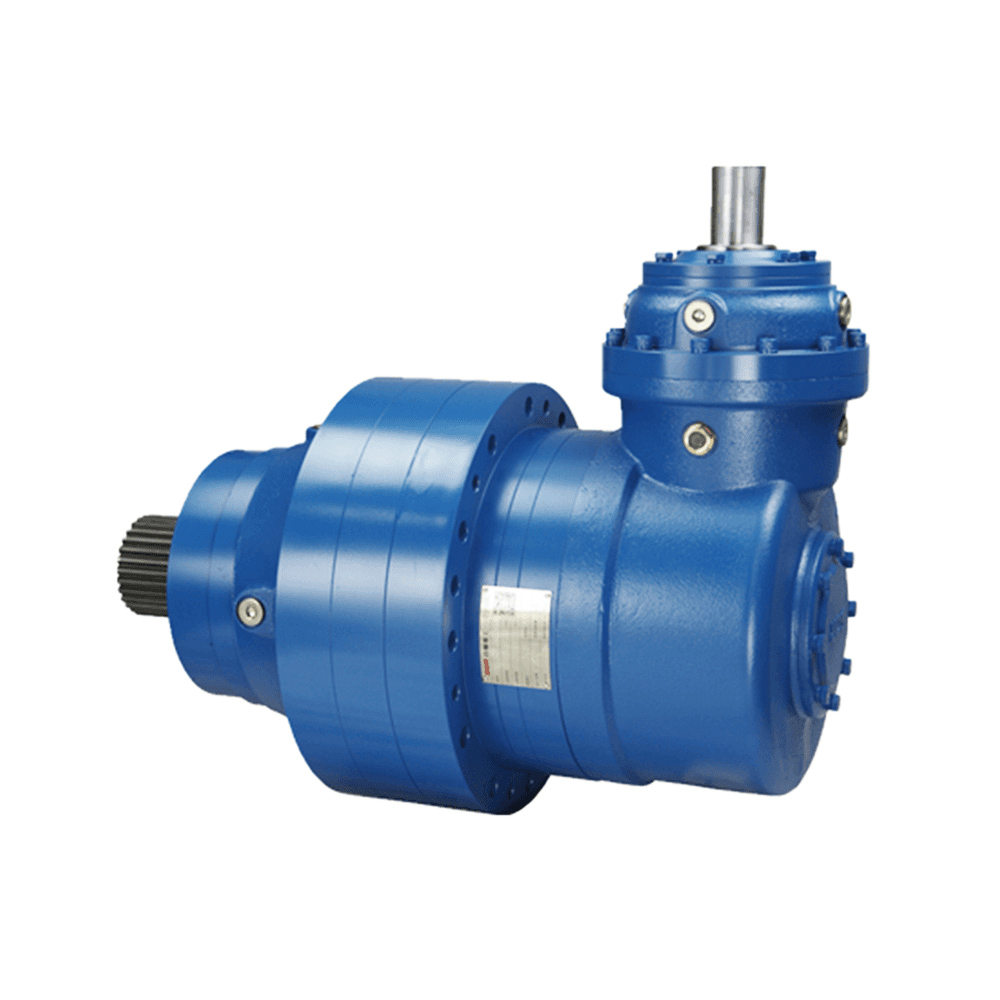
Product Info: The MNC3E400 series high speed and high torque industrial planetary gear reducers are ...
See Details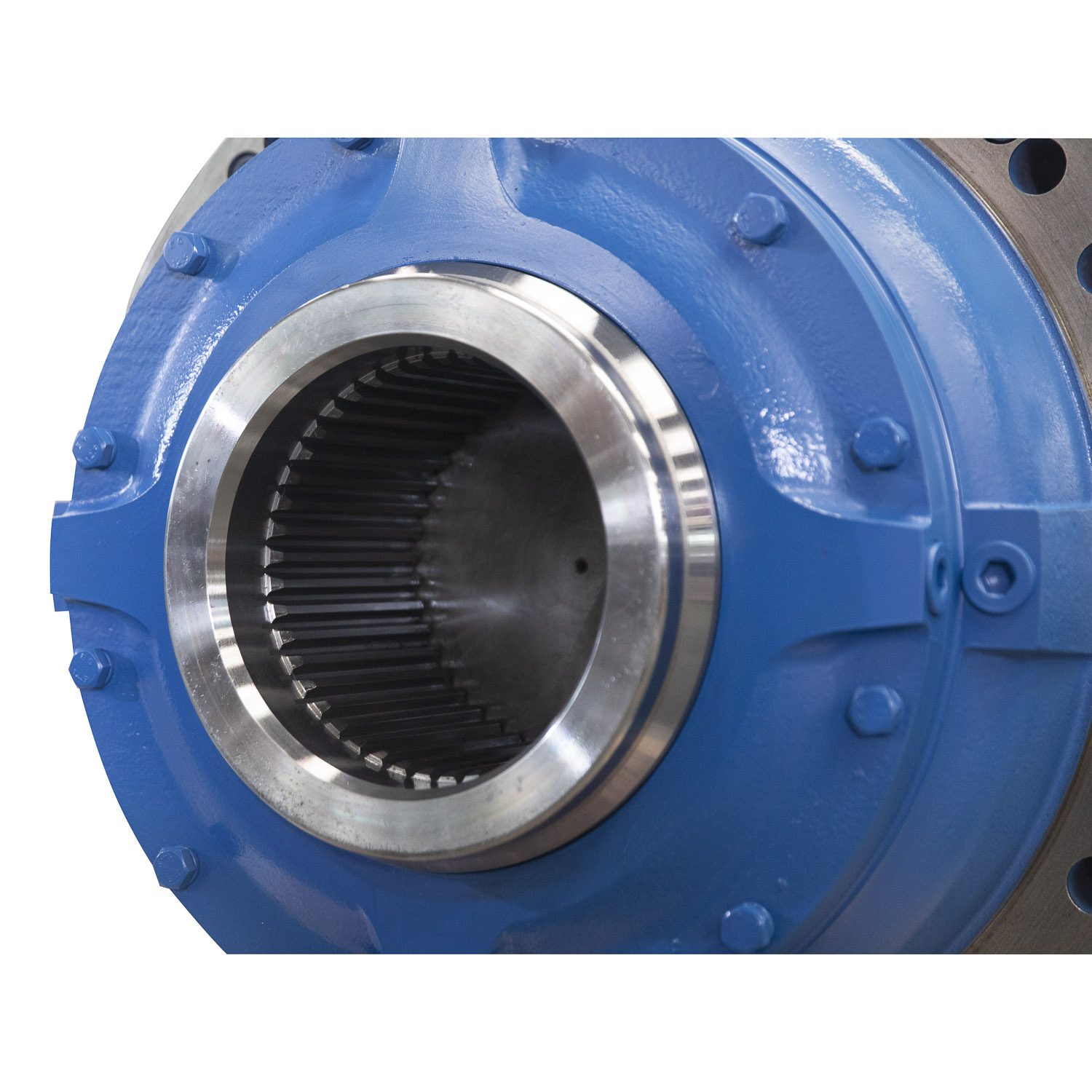
Shanghai SGR Heavy Industry Machinery Co., Ltd. is a high tech enterprise, it was selected in the li...
See Details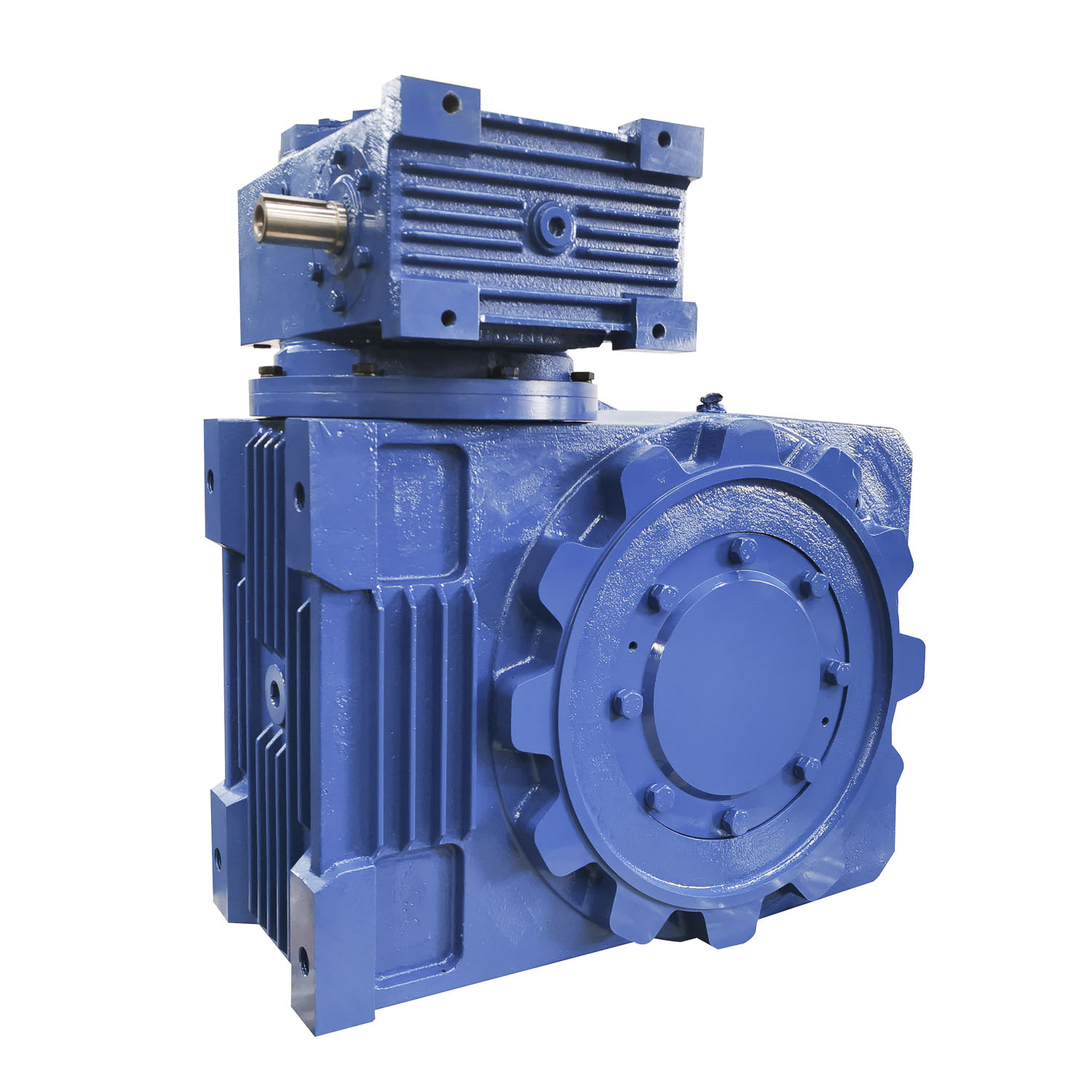
Parameters of SGR's Cast Iron Reducer Double Enveloping Worm Gearbox: Output Torque : 683 - 51180 N....
See Details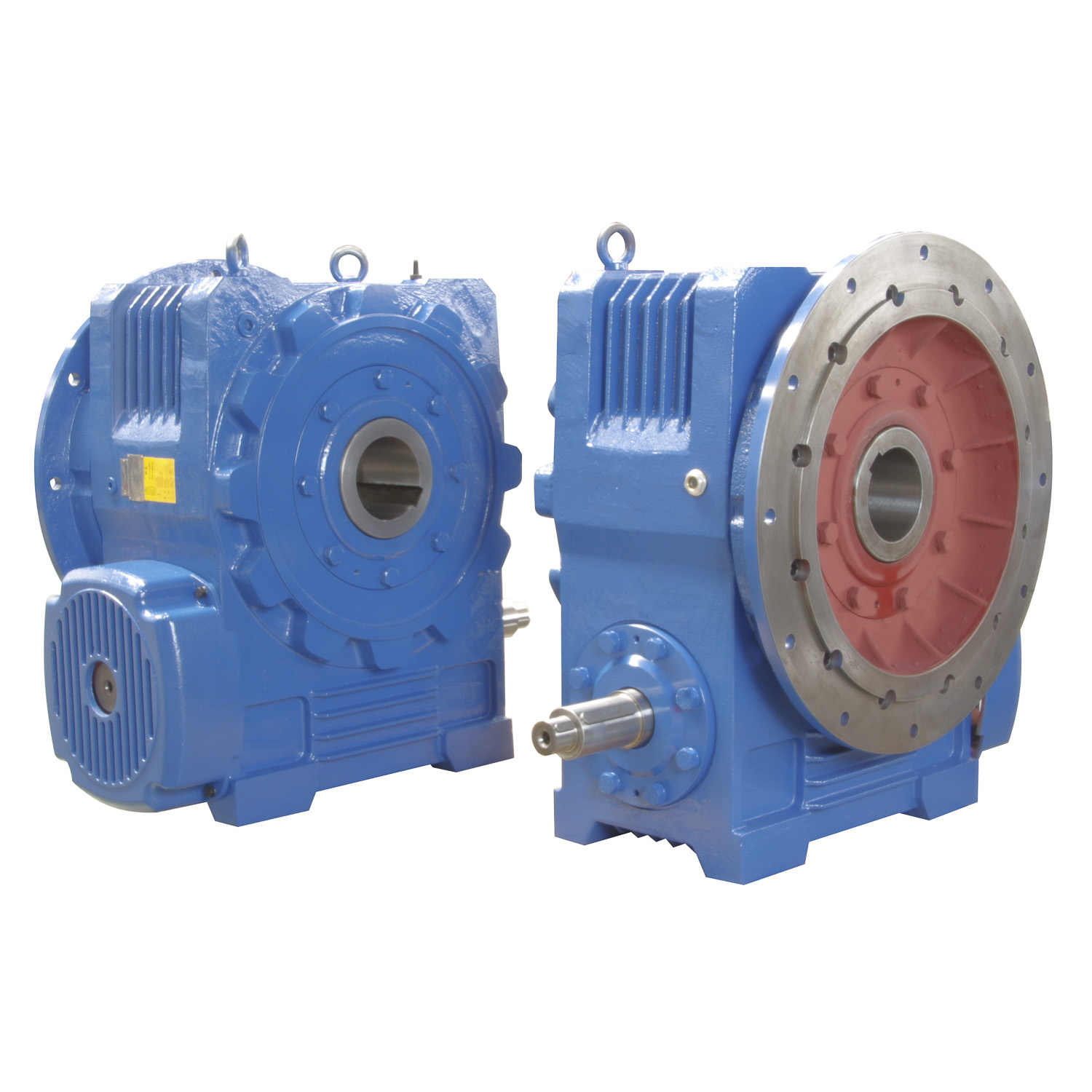
In term of difference of double enveloping worm gear design and traditional worm gear design , do...
See Details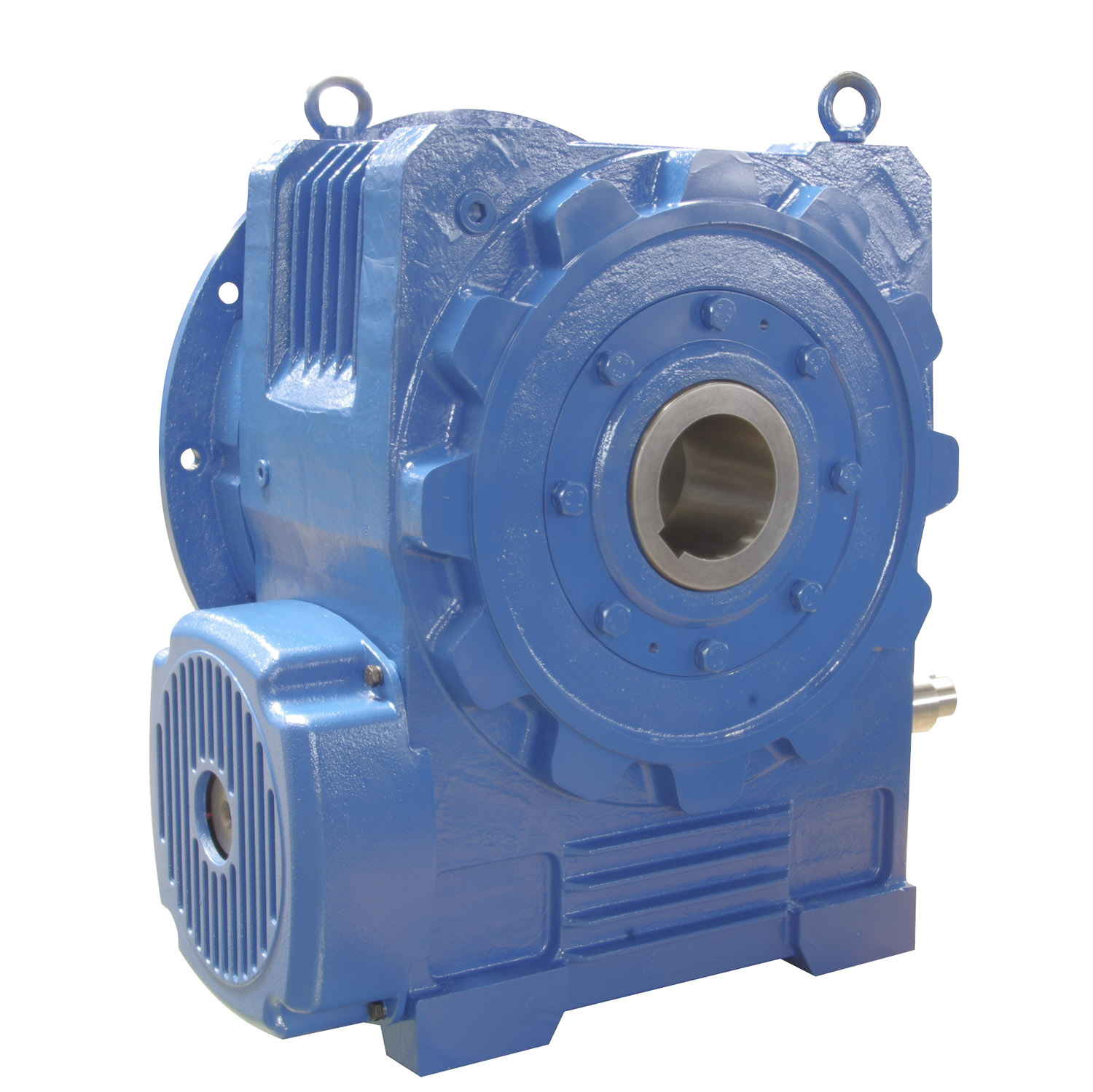
Product Description Series C double enveloping worm gearModel: 100 - 500Ratio: 10 -63Output Torque ...
See Details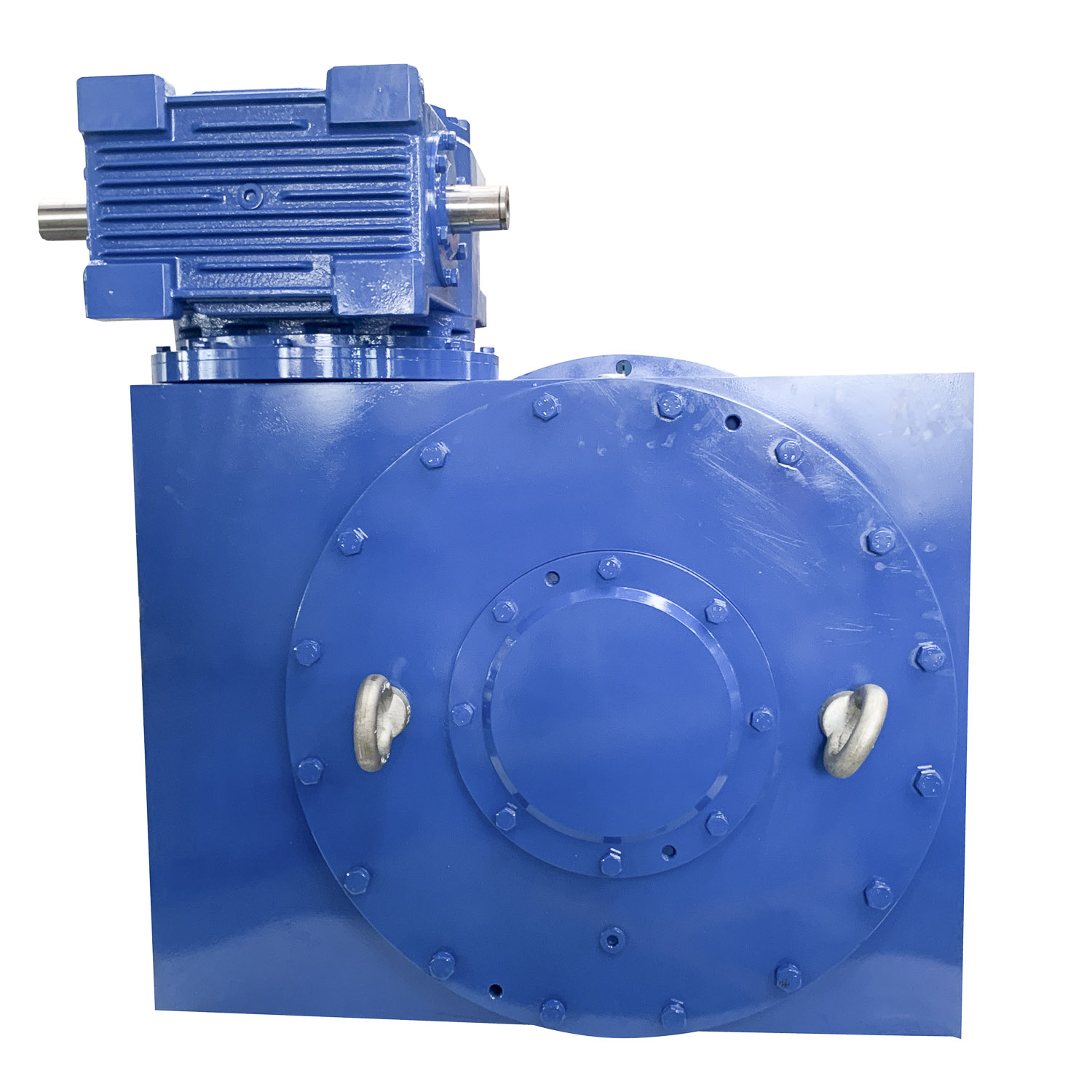
As one of famous double enveloping worm gear manufacturers,SGR's double throated worm gear has adva...
See Details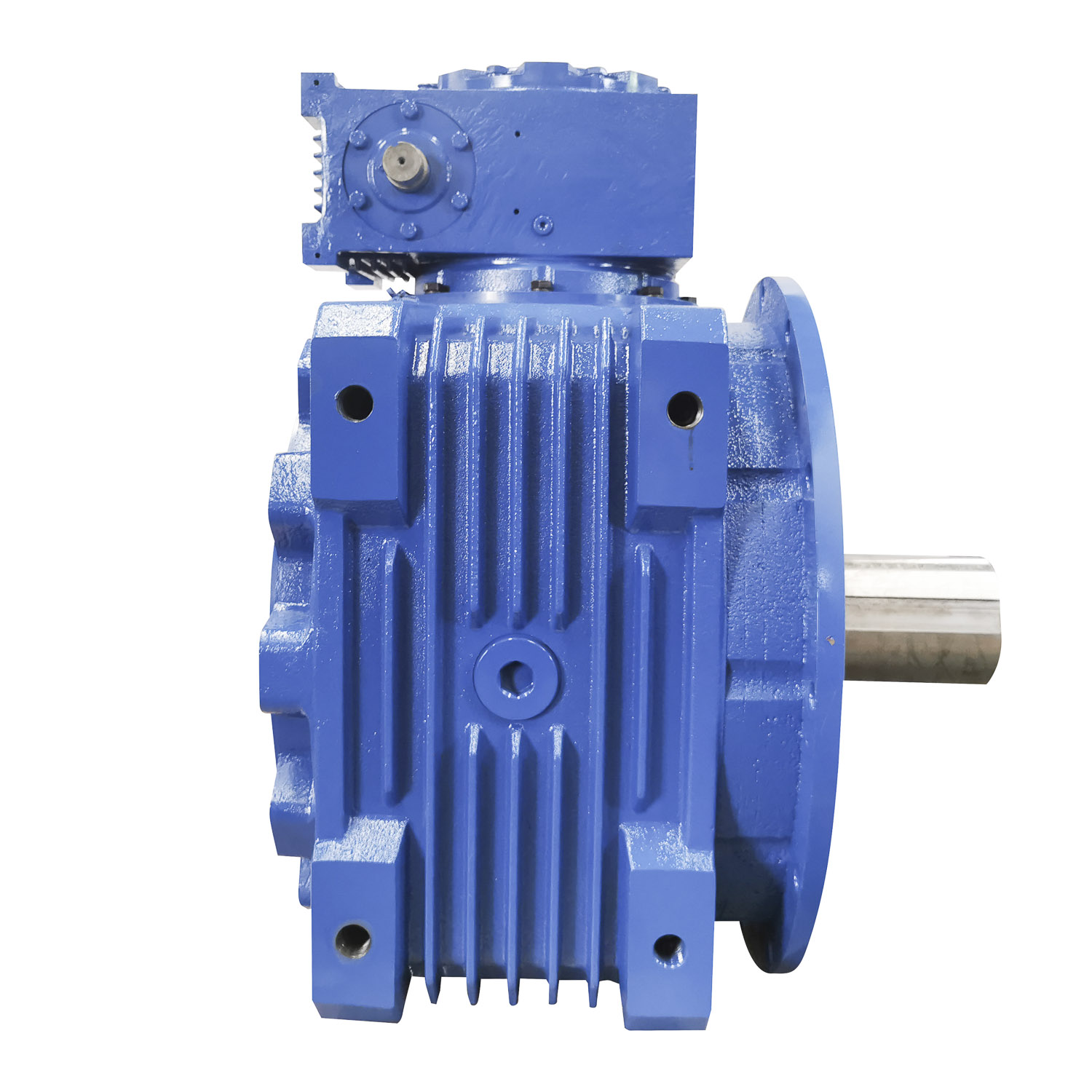
Description :1, High torque double enveloping worm gear adjust toughest working condition .2,Univers...
See Details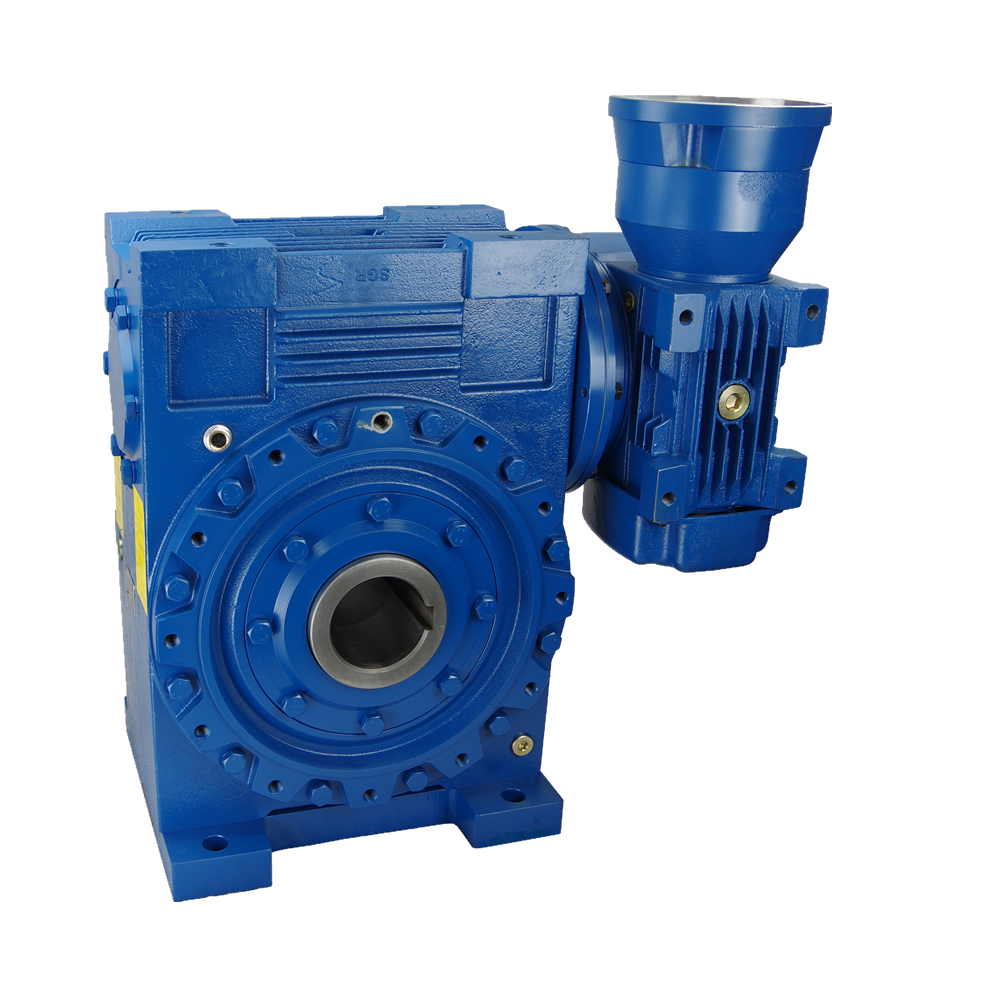
Product Description Series C double enveloping worm gearModel: 100 - 500Ratio: 10 -63Output Torque ...
See Details
SGR is an ISO 9001 certified, DNV-accredited industry gearbox manufacturer since 1996. We supply different gear reducers to brands worldwide.

