Global
  English
 中文简体
中文简体 русский
 Español
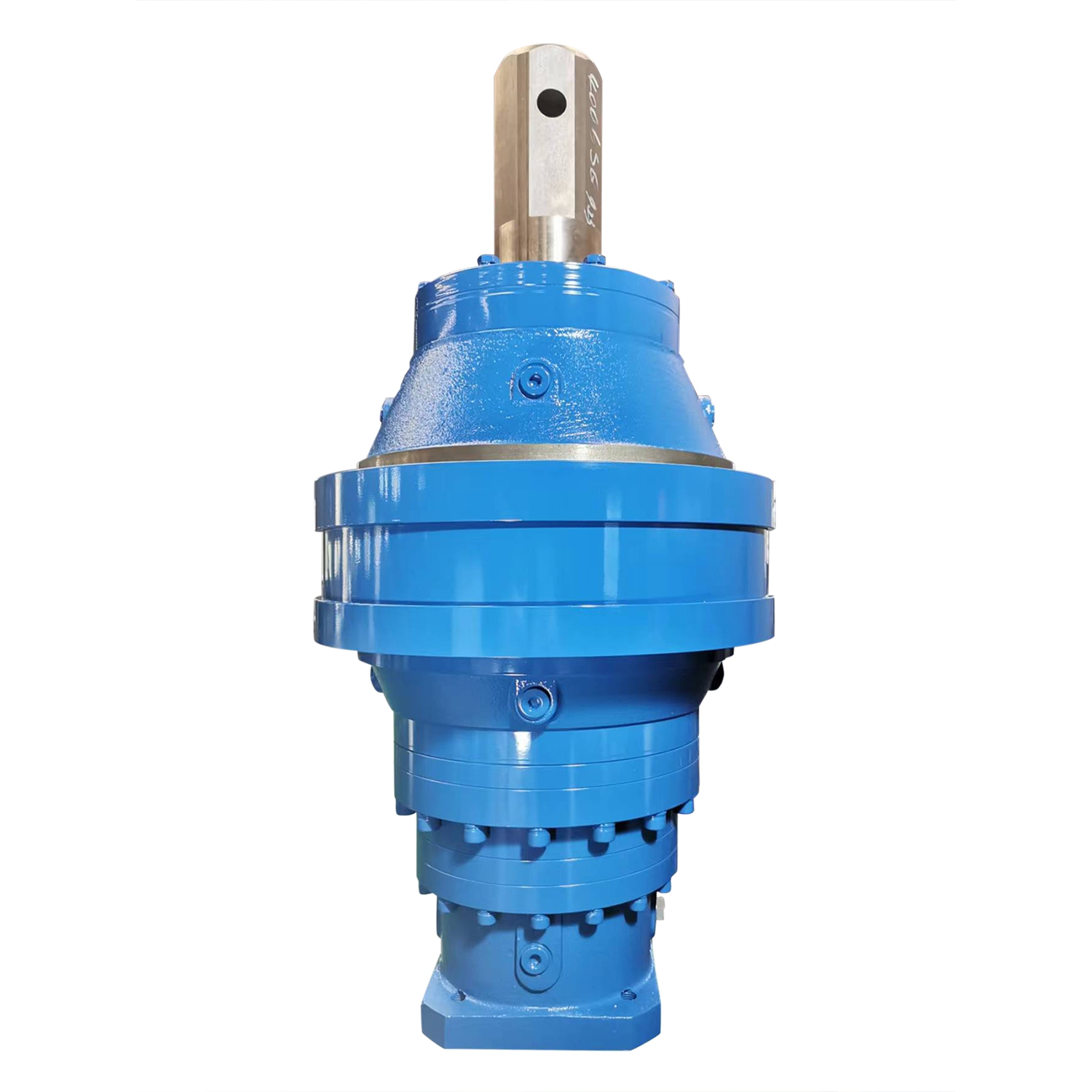
Model: 200-885Ratio: 3.15-7800Output Torque :1500Nm-540000NmRating Power :0.25KW-200kwDescription : ...
See Details
News Directory
Specifying the right precision planetary gearbox directly affects positioning accuracy, torque delivery, and long-term reliability in any motion control system. For automation equipment manufacturers, robotics companies, and CNC machine builders, gearbox selection is a matter of matching backlash tolerance, torque density, and mounting configuration to the specific servo application. This guide covers the types of precision planetary gearboxes available, where each performs best, the technical properties buyers should evaluate before specification, and the installation practices that determine whether the system delivers accurate, repeatable motion.
A precision planetary gearbox is defined as much by its internal gear arrangement and tolerance class as by its outward housing style, and understanding the distinctions between common configurations helps buyers narrow a wide product category to a suitable candidate. Automation equipment manufacturers sourcing across multiple machine platforms often standardize on two or three gearbox families rather than a single universal design, since torque, accuracy, and mounting requirements vary too widely across a typical product line to be served by one configuration alone.
The base category, using a central sun gear, surrounding planet gears, and an outer ring gear to distribute load across multiple contact points for compact, high-torque transmission.
A planetary gearbox specifically matched to servo motor output characteristics, built to tighter backlash tolerances to preserve the positioning accuracy the servo system is designed to deliver.
Manufactured with tighter gear tooth tolerances and preloaded assemblies to minimize rotational play, critical for applications where positioning repeatability directly affects product quality.
Configured with input and output shafts sharing the same axis, simplifying mechanical layout compared to right-angle or offset gearbox designs in space-constrained equipment.
Among the types of precision planetary gearboxes available, a low backlash planetary gearbox for servo motor applications is generally specified whenever positioning accuracy is the primary system requirement, while a high torque planetary gearbox is prioritized in applications where load capacity matters more than fine positioning resolution. Inline planetary gearbox design differences from right-angle configurations mainly affect installation footprint rather than core performance, so the choice often comes down to available mounting space within the broader machine design.
| Configuration | Primary Advantage | Typical Use Case |
| Standard Planetary | Compact, high torque transmission | General industrial motion control gearbox types |
| Servo Gearbox | Tight backlash, accuracy retention | Servo-driven positioning systems |
| Low Backlash | Minimal rotational play | High-repeatability robotics and CNC work |
| Inline | Simplified shaft alignment | Space-constrained equipment layouts |
Precision planetary gearboxes are applied across nearly every branch of industrial automation where a servo or stepper motor's output must be converted into higher torque at a controlled, accurate speed reduction.
As a core industrial automation gearbox component, planetary units are integrated into conveyor indexing systems, pick-and-place mechanisms, and rotary tables where consistent, repeatable motion is required across continuous production cycles. Motion control gearbox industrial applications in this category typically prioritize duty cycle endurance alongside positioning accuracy, since the gearbox may operate continuously across multiple shifts.
A precision planetary gearbox for robotics is frequently specified in joint actuators, where low backlash directly affects the repeatability of the robot's end-effector position. As a robotics gearbox system component, the gearbox must also manage bidirectional loading, since robotic joints frequently reverse direction, which places additional demand on backlash control compared to unidirectional industrial applications. Collaborative and articulated robot designs in particular often specify low backlash gearboxes at every joint, since positioning error at a base joint compounds through the kinematic chain and is amplified at the end effector.
A servo gearbox for CNC machine tools supports axis positioning where even small amounts of backlash translate directly into dimensional inaccuracy on the finished workpiece. CNC machine gearbox specifications typically call for the tightest available backlash class, since machining tolerance requirements leave little margin for transmission error. Multi-axis CNC platforms often specify identical gearbox families across all linear and rotary axes to simplify spare parts inventory and maintain consistent accuracy characteristics across the entire machine.
Servo motor transmission system accuracy is only as good as the weakest link between motor output and final mechanical motion. A high-precision servo motor paired with a gearbox that has excessive backlash will still produce inaccurate positioning at the output.
Within a servo motor transmission system, the gearbox amplifies torque while stepping down speed to match the mechanical load, and selecting the correct reduction ratio is essential to keeping the servo motor operating within its efficient speed and torque range. A high precision gearbox for packaging machines is common in labeling, filling, and cartoning equipment, where planetary gearbox for automation systems must maintain synchronized motion across multiple axes running at high cycle rates.
Across these applications, planetary gearbox for automation systems selection generally follows a consistent evaluation path: define the required output torque and speed, confirm the backlash tolerance the application can accept, then narrow candidates by mounting configuration and available reduction ratios.
Beyond gearbox category, buyers should evaluate a defined set of technical properties that determine whether a precision planetary gearbox will meet the accuracy and durability requirements of a given motion control application.
Backlash accuracy gearbox ratings describe the amount of rotational play between input and output when direction is reversed, typically expressed in arc-minutes. Precision planetary gearbox backlash level requirements vary significantly by application, with high-precision positioning tasks such as CNC machining and robotic assembly demanding tighter tolerances than general conveyor or indexing applications.
Torque density gearbox performance describes how much torque the unit can transmit relative to its physical size and weight, which is particularly important in robotics and compact automation equipment where space constraints limit gearbox selection. Servo planetary gearbox efficiency rating figures indicate how much of the motor's input power is delivered as usable output torque, with mechanical losses generally increasing at higher reduction ratios due to additional gear stages.
| Property | What It Affects | Buyer Consideration |
| Backlash Rating | Positioning accuracy and repeatability | Match to application tolerance requirement |
| Torque Density | Size and weight relative to load capacity | Priority for compact robotics designs |
| Transmission Efficiency | Motor sizing and energy consumption | Consider across the full reduction ratio range |
| Torsional Rigidity | Response time and settling behavior | Critical for high-speed positioning cycles |
| Reduction Ratio | Output speed and torque relationship | Match to motor speed and load characteristics |
Rigidity motion system behavior depends heavily on gearbox torsional rigidity, since a gearbox that flexes under load introduces settling time and oscillation into the motion profile, particularly during rapid acceleration and deceleration cycles. Gearbox torsional rigidity importance becomes more pronounced in high-speed indexing and robotic applications, where the system must settle into position quickly without overshoot to maintain cycle time targets.
Industrial gearbox reduction ratio selection should be based on matching the servo motor's optimal speed range to the mechanical load's required output speed and torque, rather than defaulting to the highest available ratio. An improperly matched ratio can leave the motor operating outside its efficient range, reducing overall system responsiveness and increasing heat generation during continuous operation.
Reflected inertia is another factor worth calculating alongside ratio selection, since the gearbox ratio affects how much of the load's inertia the servo motor perceives during acceleration. A ratio that poorly matches load inertia to motor inertia can result in a system that is difficult to tune for stable, responsive motion, even when the gearbox's mechanical specifications otherwise meet the application's requirements.
Correct installation is essential to realizing the full accuracy potential of a precision planetary gearbox, since even a well-specified unit can underperform if coupling, alignment, or lubrication are not handled correctly.
Servo motor coupling between the motor shaft and gearbox input must match torque capacity and account for any minor shaft misalignment without introducing backlash of its own.
A flange mount gearbox simplifies installation in many automation frames by bolting directly to the driven mechanism, reducing the alignment variables compared to foot-mounted configurations.
Alignment accuracy between the gearbox and driven load should be checked during installation, since even small angular or parallel misalignment can accelerate bearing wear and introduce vibration into the motion system.
The lubrication system gearbox specification, whether grease-packed or oil-lubricated, should be confirmed against the manufacturer's service interval before commissioning, since lubrication condition directly affects long-term backlash and efficiency retention.
Teams researching how to install precision planetary gearbox units for the first time should follow the servo motor planetary gearbox coupling guide provided by the equipment manufacturer rather than relying on generic coupling practices, since torque and alignment tolerances vary by gearbox model. Gearbox alignment installation steps and motion system integration gearbox guide documentation should be treated as standard reference material during commissioning, particularly for multi-axis systems where alignment errors on one axis can compound across the full motion sequence. Planetary gearbox lubrication maintenance scheduled at the manufacturer's recommended interval helps preserve the low backlash performance the gearbox was originally specified to deliver.
System integrators commissioning multiple identical machines also benefit from documenting torque values, alignment readings, and lubrication dates for each installed gearbox, creating a maintenance record that simplifies troubleshooting if performance drifts later in the equipment's service life.
A precision planetary gearbox is a gear reduction unit using a sun, planet, and ring gear arrangement, manufactured to tight tolerances to minimize backlash and preserve positioning accuracy in servo-driven motion control systems.
Backlash is the small amount of rotational play between the input and output shafts when direction is reversed, typically measured in arc-minutes, and lower backlash generally means higher positioning accuracy.
Reduction ratio should be selected by matching the servo motor's efficient speed and torque range to the mechanical load's required output speed and torque, rather than choosing the highest ratio available.
Planetary gearboxes generally offer higher efficiency and lower backlash than worm gearboxes, which use a sliding contact design that introduces more friction but can provide self-locking behavior useful in certain load-holding applications.
Yes. Planetary gearboxes, particularly servo-rated low backlash designs, are widely used with servo motors because their compact size, high torque density, and precision tolerances complement the motor's positioning accuracy.
Service life depends on load conditions, duty cycle, and maintenance practices, but properly specified and lubricated precision planetary gearboxes are generally designed for long-term industrial use under their rated load and speed conditions.
Selecting the right precision planetary gearbox comes down to balancing backlash accuracy, torque density, and reduction ratio against the specific demands of the motion control application, whether that is a robotic joint, a CNC axis, or a high-cycle packaging line. Buyers who evaluate torsional rigidity and transmission efficiency alongside backlash rating, and follow correct coupling and alignment practices during installation, are best positioned to achieve accurate, reliable motion performance over the gearbox's service life.
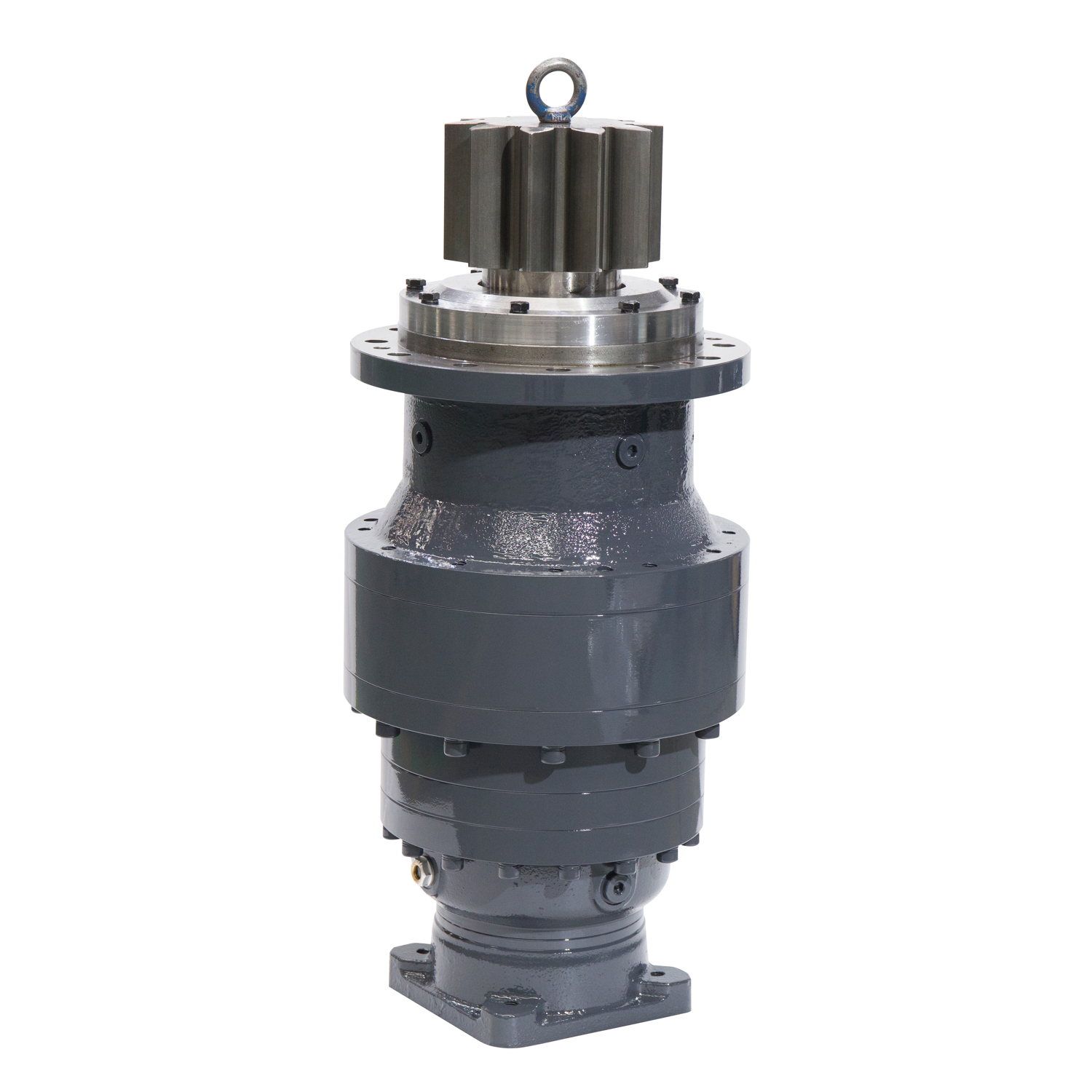
Model: 200-885Ratio: 3.15-7800Output Torque :1500Nm-540000NmRating Power :0.25KW-200kwDescription : ...
See Details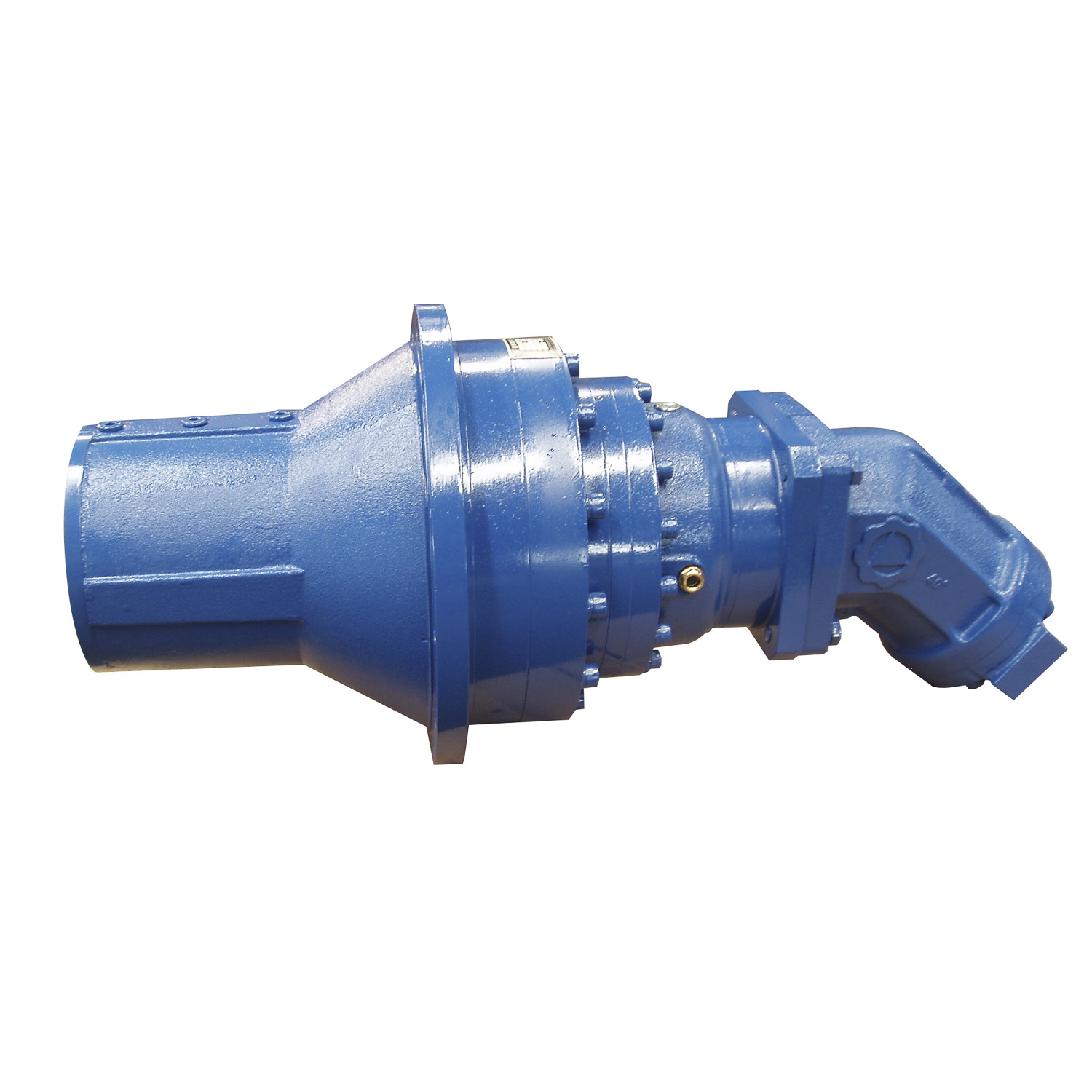
Key feature:Planetary gearbox is produced by modular design, and can be combined according to client...
See Details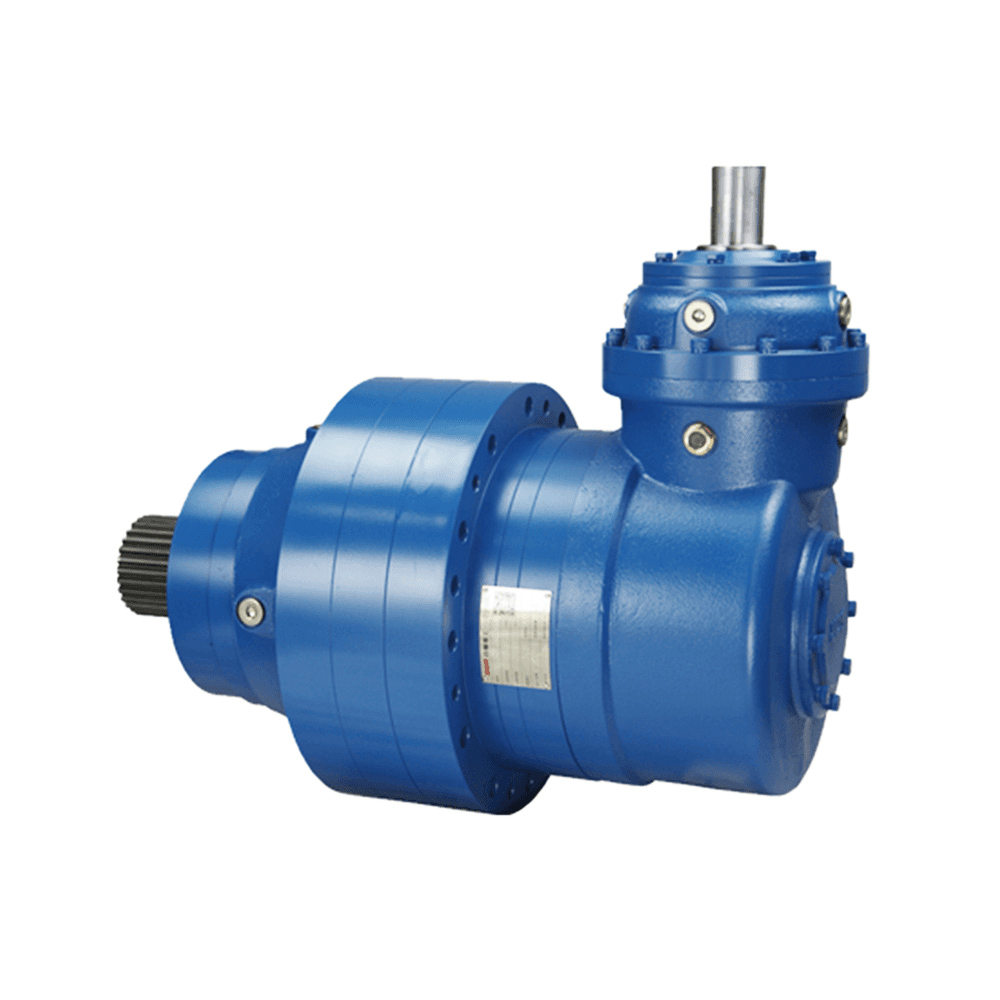
Product Info: The MNC3E400 series high speed and high torque industrial planetary gear reducers are ...
See Details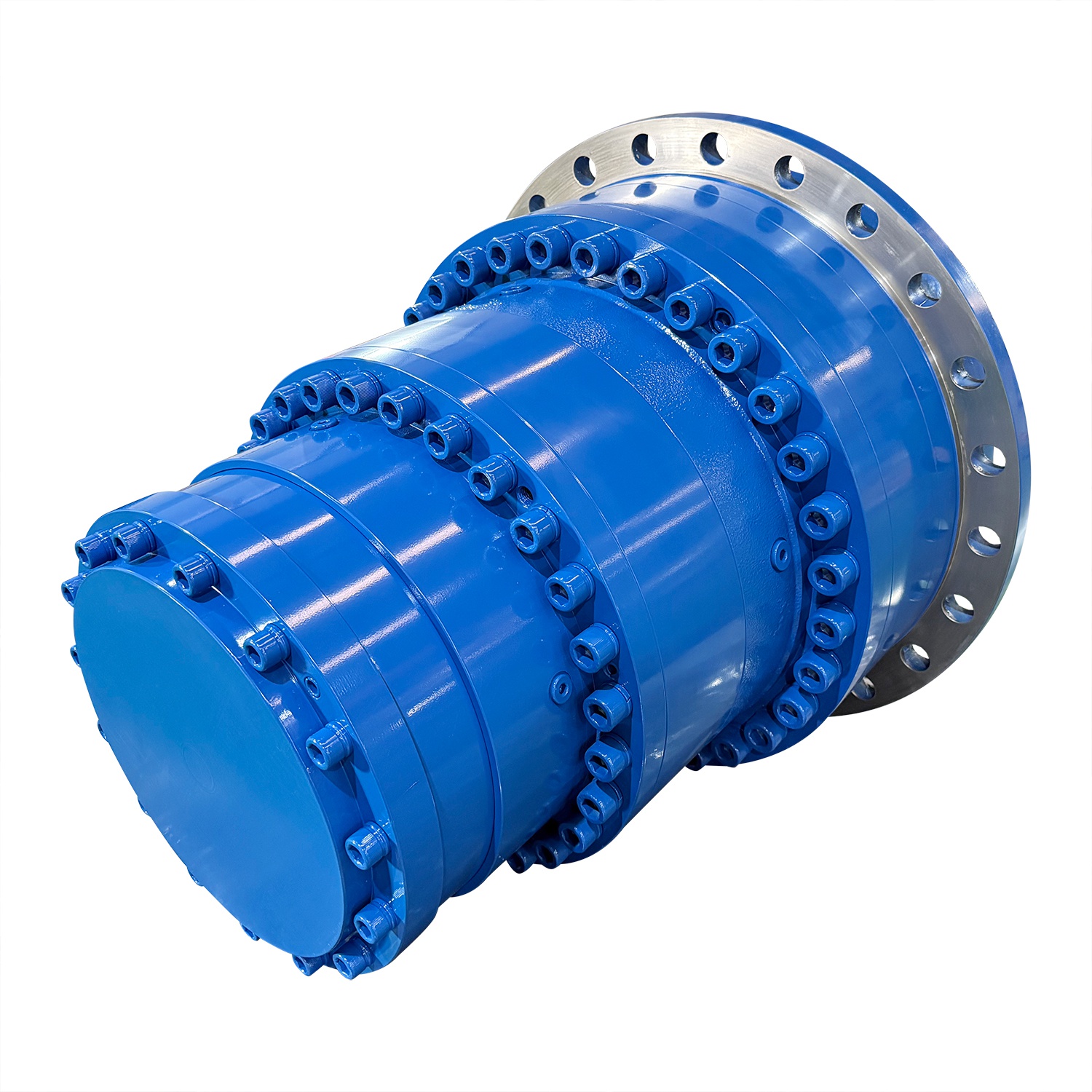
Planetary gear reducers serve as key transmission parts for sightseeing boats sailing along Russia’s...
See Details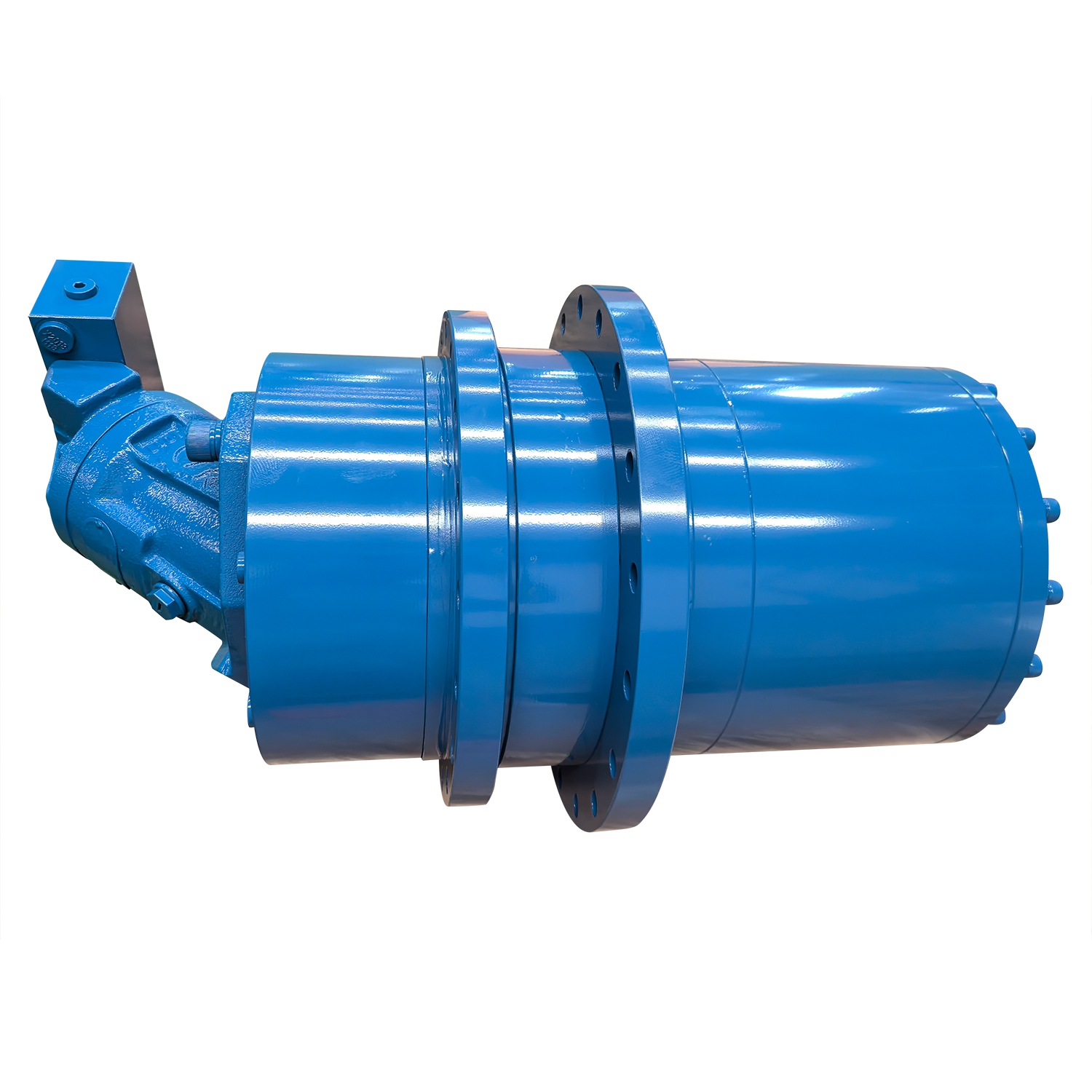
Model: 200-885 Ratio: 3.15-7800 Output Torque :1500Nm-540000Nm Rating Power :0.25KW-200kw Descripti...
See Details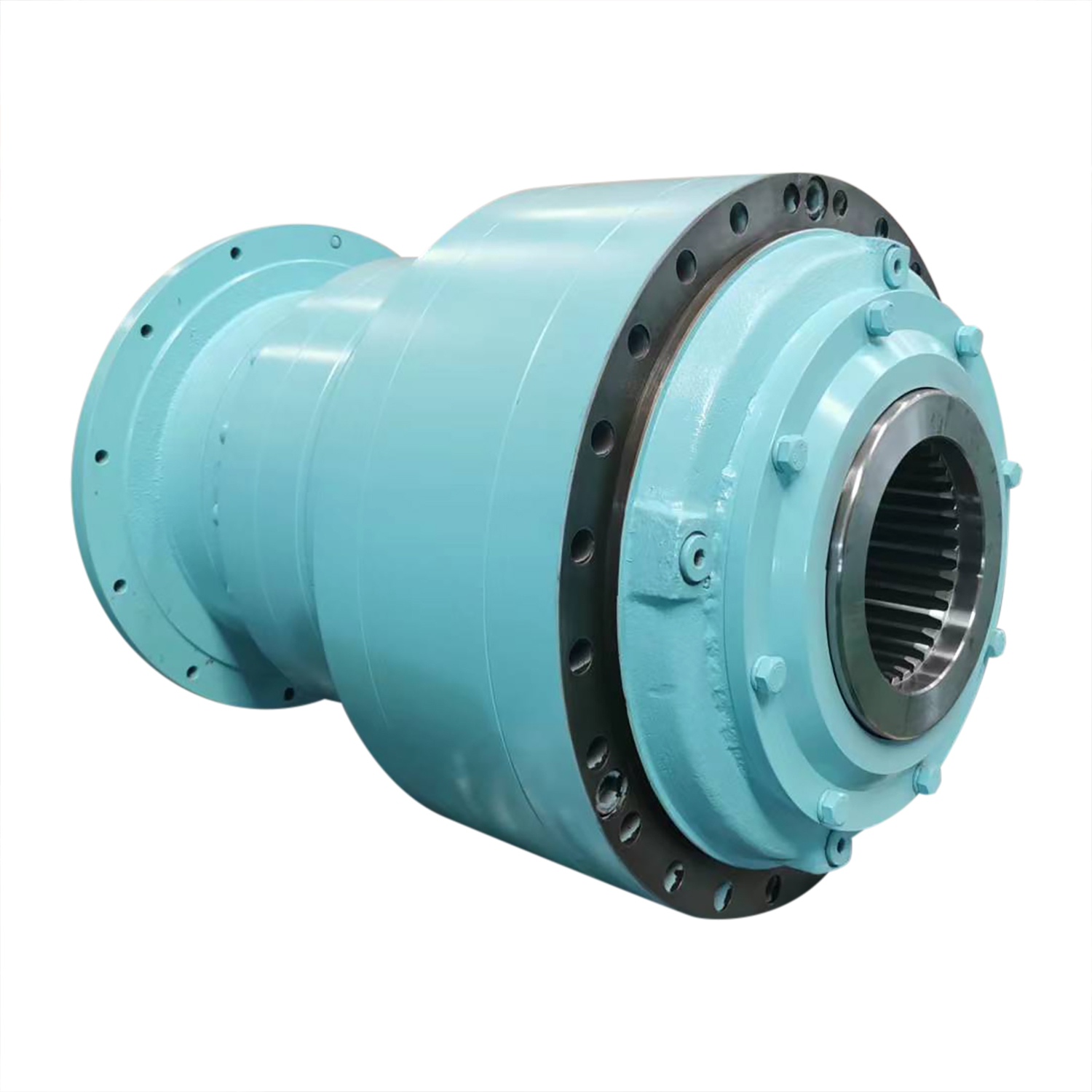
Planetary Gearbox Application For In Electric Drive Model: 200-885Ratio: 3.15-7800Output Torque :15...
See Details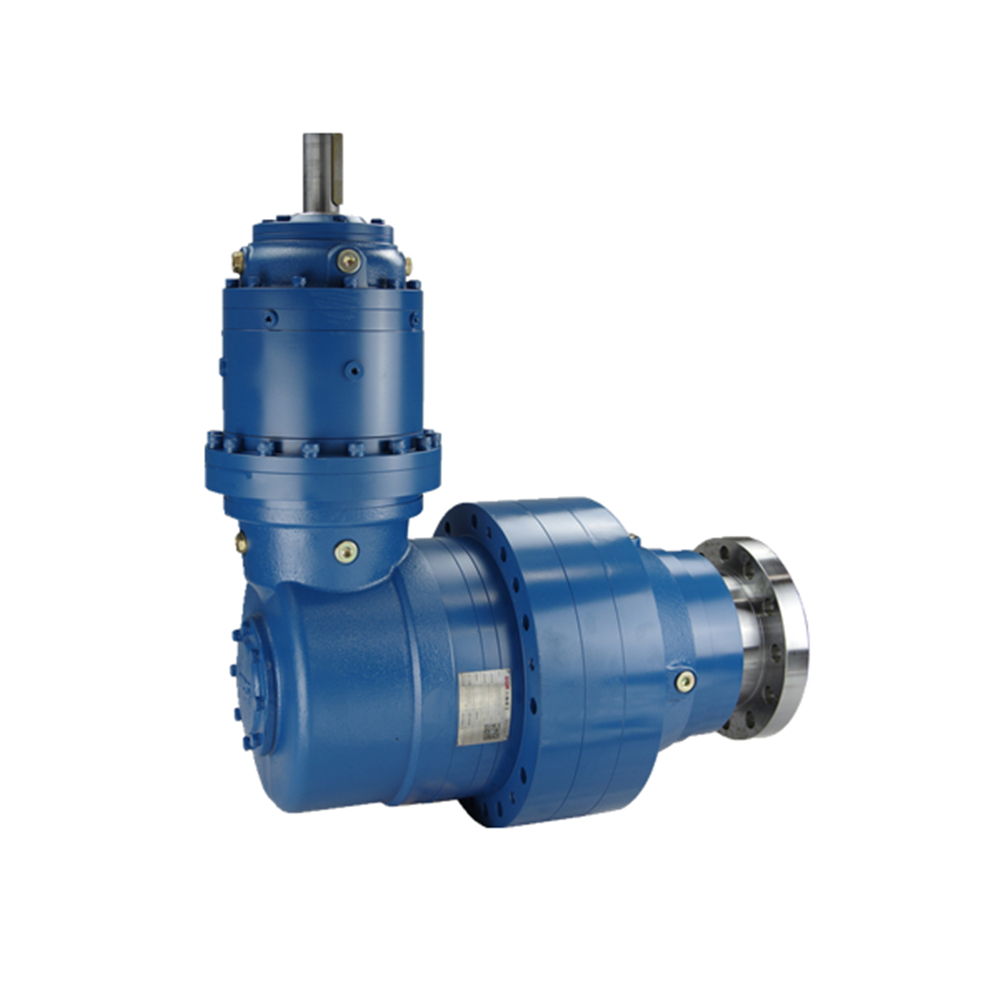
Technical data: 1. Ratio range: 3.15-30002. Input power: 0.25-55KW3. Permit torque rang: ≤ 200000N. ...
See Details
SGR is an ISO 9001 certified, DNV-accredited industry gearbox manufacturer since 1996. We supply different gear reducers to brands worldwide.