Global
  English
 中文简体
中文简体 русский
 Español
News Directory
In the grueling environment of heavy-duty mining, mechanical transmission systems are subjected to extreme axial loads and constant shock vibrations. The Cylindrical Reducer serves as the mechanical backbone for conveyors, crushers, and hoist systems. At Shanghai SGR Heavy Industry Machinery Co., Ltd., we recognize that the shift toward compact, modular, and low-noise designs requires a fundamental upgrade in gear metallurgy. As a high-tech enterprise with over 10 years of deep engagement in gear transmission, our R&D team—led by PhDs and senior engineers—specializes in the conversion of high-tech research into robust industrial solutions. Central to this mission is the implementation of "hard tooth surface" technology, a necessity for ensuring reliability in modern mineral extraction.
The core of a Cylindrical Reducer's performance lies in its tooth surface hardness. Historically, many industrial gearboxes utilized soft or medium-hard tooth surfaces (HB < 350) which are easier to manufacture but prone to pitting. However, hard tooth surface gear benefits include a dramatic increase in load-bearing capacity and a reduction in overall gearbox volume. By using carburizing and quenching processes to reach a hardness of HRC 58-62, engineers can significantly reduce the face width of the gears while increasing the torque throughput. This allows for a more compact footprint, which is essential for underground mining operations where space is at a premium.
While soft gears offer high ductility and ease of running-in, hard tooth surfaces provide the high contact fatigue strength required for 24/7 high-torque cycles.
| Parameters | Soft Tooth Surface (Medium Carbon Steel) | Hard Tooth Surface (Alloy Steel Carburized) |
| Surface Hardness | HB 180 - 280 | HRC 58 - 62 |
| Load Capacity | Standard (Baseline) | 3x to 5x higher than soft gears |
| Wear Resistance | Prone to plastic deformation/pitting | Superior resistance to abrasive wear |
| Gear Precision | Low to Moderate | High (Requires profile grinding) |
Mining applications demand high torque at low speeds, which creates high contact pressure on the gear mesh. One of the common causes of cylindrical reducer failure in mining is tooth root breakage and surface spalling caused by repeated cyclic loading. Hard tooth surface technology involves not just hardening, but also high-precision finishing. Shanghai SGR Heavy Industry Machinery Co., Ltd. utilizes our domestically innovated Four-Axis Linkage Complex Profile Grinding Machine to ensure that the hardened gear profile remains accurate to the micron. This precision reduces vibration and prevents "stress concentrations" that typically lead to fatigue cracks in lower-quality reducers.
A hardened Cylindrical Reducer can withstand the impact of sudden load surges when a crusher encounters uncrushable material, whereas a soft gear would suffer immediate permanent deformation.
| Mechanical Metric | Soft/Medium Reducers | Hard Tooth Surface Cylindrical Reducer |
| Contact Fatigue Life | Approx. 10,000 - 15,000 hours | Exceeding 50,000 hours |
| Shock Resistance | Low (Permanent deformation risk) | High (Absorbed by core toughness) |
| Vibration Levels | Higher due to surface wear | Low (Maintained by profile grinding) |
Efficiency in mining is often measured by the thermal limits of the gearbox. When discussing cylindrical reducer efficiency in mining equipment, the friction coefficient of the gear mesh plays a pivotal role. Hardened gears that have undergone profile grinding possess a much lower surface roughness (Ra < 0.8 μm). This reduces sliding friction and heat generation, allowing for higher mechanical efficiency (often exceeding 97% per stage). At Shanghai SGR, we use a specialized Power and Efficiency Test System for Gearboxes to verify that our designs minimize energy loss, which is a critical factor for large-scale mining operations looking to reduce operational costs.
Modern mining trends lean toward modularity and standardized designs. A Cylindrical Reducer with hard tooth surfaces allows for smaller housing sizes, which simplifies how to maintain cylindrical reducers in mining environments. Because the components are harder and more wear-resistant, the intervals between major overhauls are extended. Our technical services team leverages 3D Measuring Machines to ensure that every modular component is perfectly interchangeable, providing our clients with a system that is both high-performance and easy to service.
For high-torque mining applications, the Cylindrical Reducer must be engineered to survive the toughest conditions. Hard tooth surface technology is not just an "option" but an essential engineering standard that provides the torque density, efficiency, and longevity required by the industry. Shanghai SGR Heavy Industry Machinery Co., Ltd. remains committed to professional, specialized, and innovative gear solutions, ensuring that our planetary and cylindrical gearboxes continue to lead the market in reliability and performance.
The initial investment is higher due to the carburizing and precision grinding processes. However, the total cost of ownership (TCO) is much lower because the gearbox lasts 3 to 5 times longer and requires fewer oil changes and repairs.
You must calculate the service factor based on the motor power and the severity of the shock loads. For mining, a service factor (SF) of 1.5 to 2.0 is usually recommended, along with a hard tooth surface to handle the continuous torque.
Yes, provided the housing is made of high-quality cast iron or steel and the lubricant is matched to the temperature. The hardened gear steel used by Shanghai SGR maintains its structural integrity across wide temperature ranges.
Industrial gear oils with EP (Extreme Pressure) additives are essential. Because hard tooth gears operate under higher contact pressures, the oil film must be robust enough to prevent metal-to-metal contact during peak loads.
We are recognized for our "refinement and specialization" in gear transmission, utilizing PhD-led research and advanced CNC machinery to develop high-efficiency systems like the Planar Double-Enveloping Worm Gear and precision planetary gearboxes.
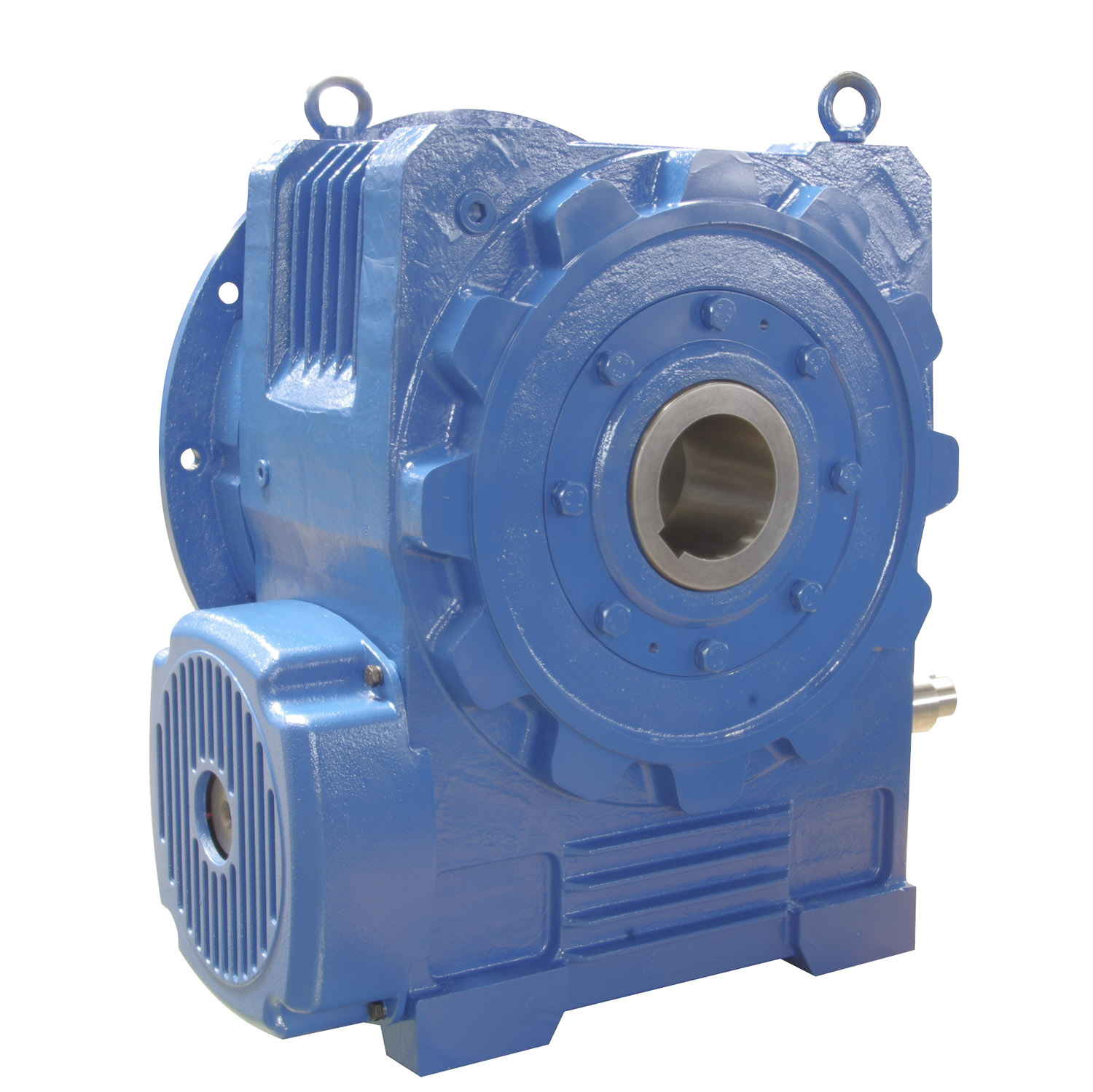
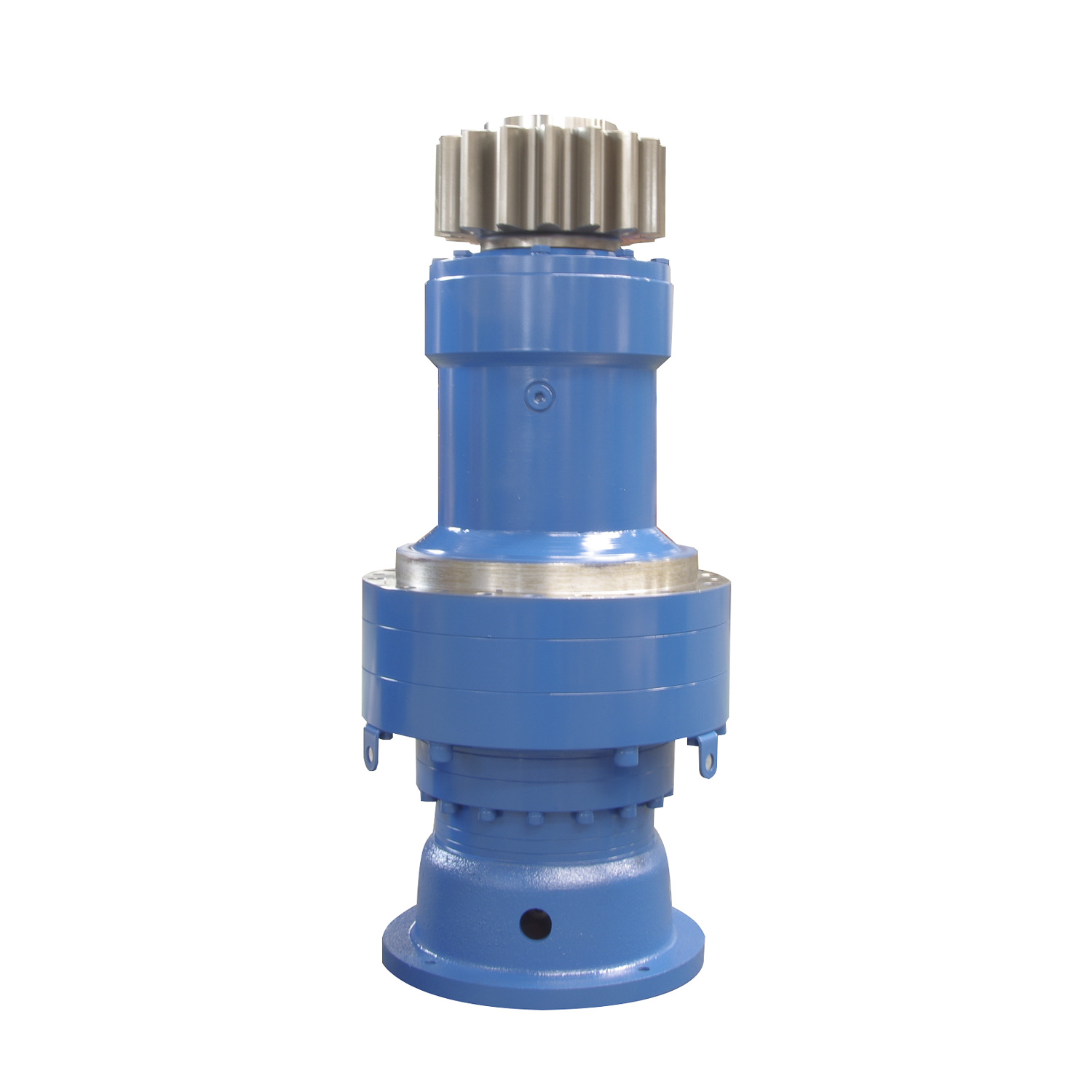
Product Description Series C double enveloping worm gearModel: 100 - 500Ratio: 10 -63Output Torque ...
See Details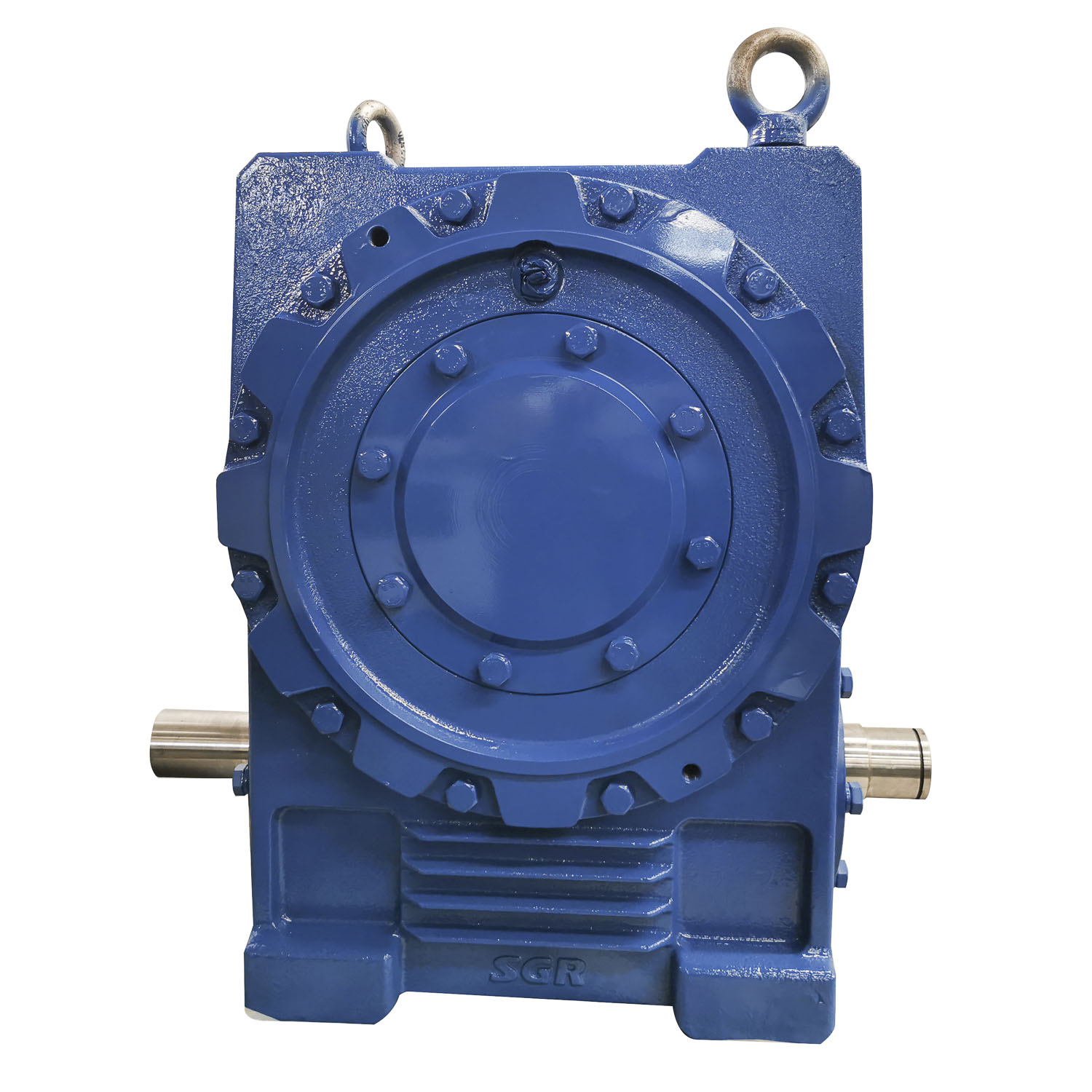
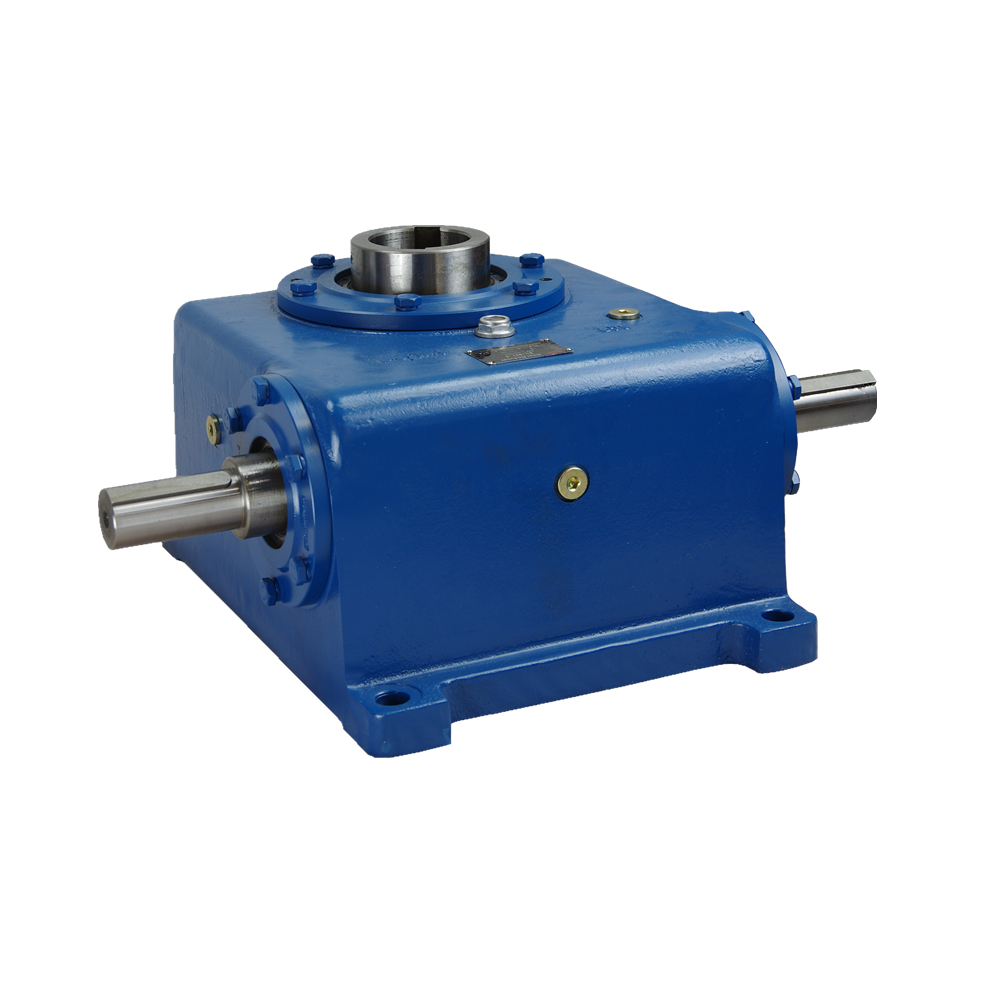
SGR's C Series double enveloping worm gear reducerModel: 100 - 500Ratio: 10 -63Output Torque : 683...
See Details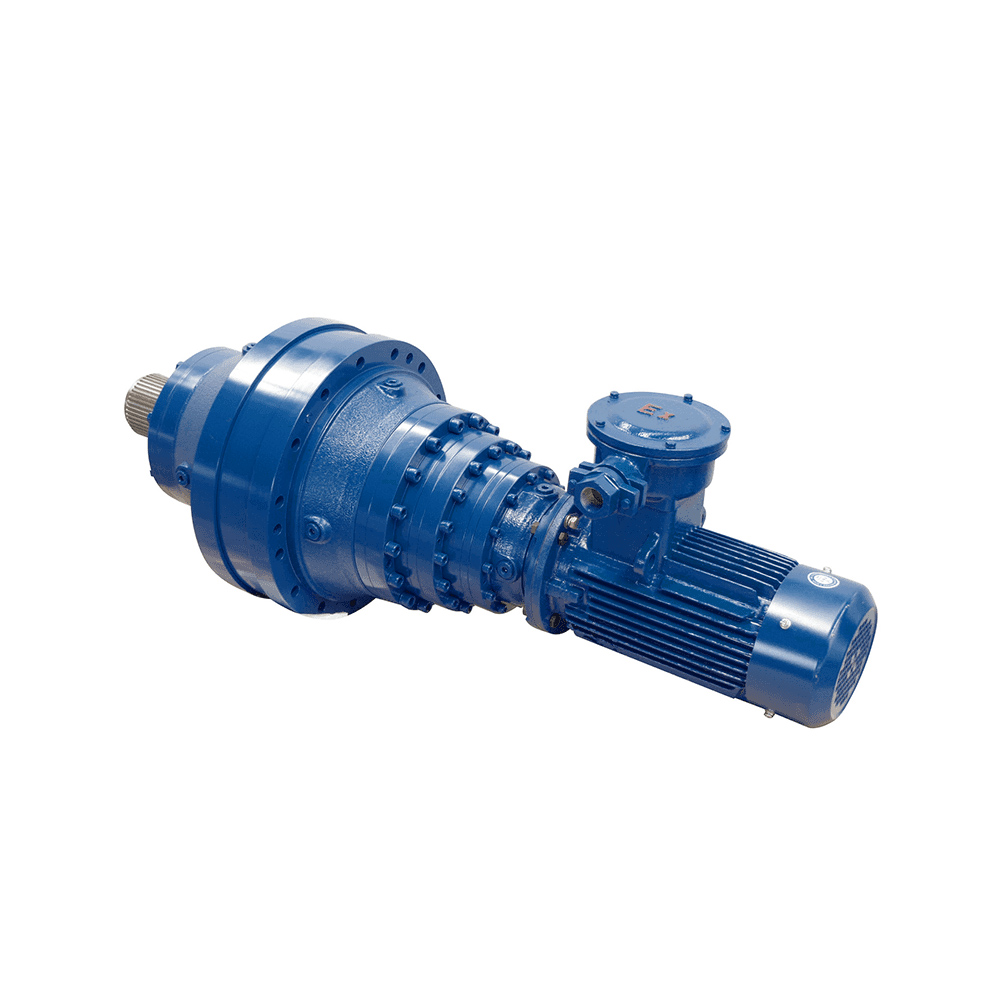
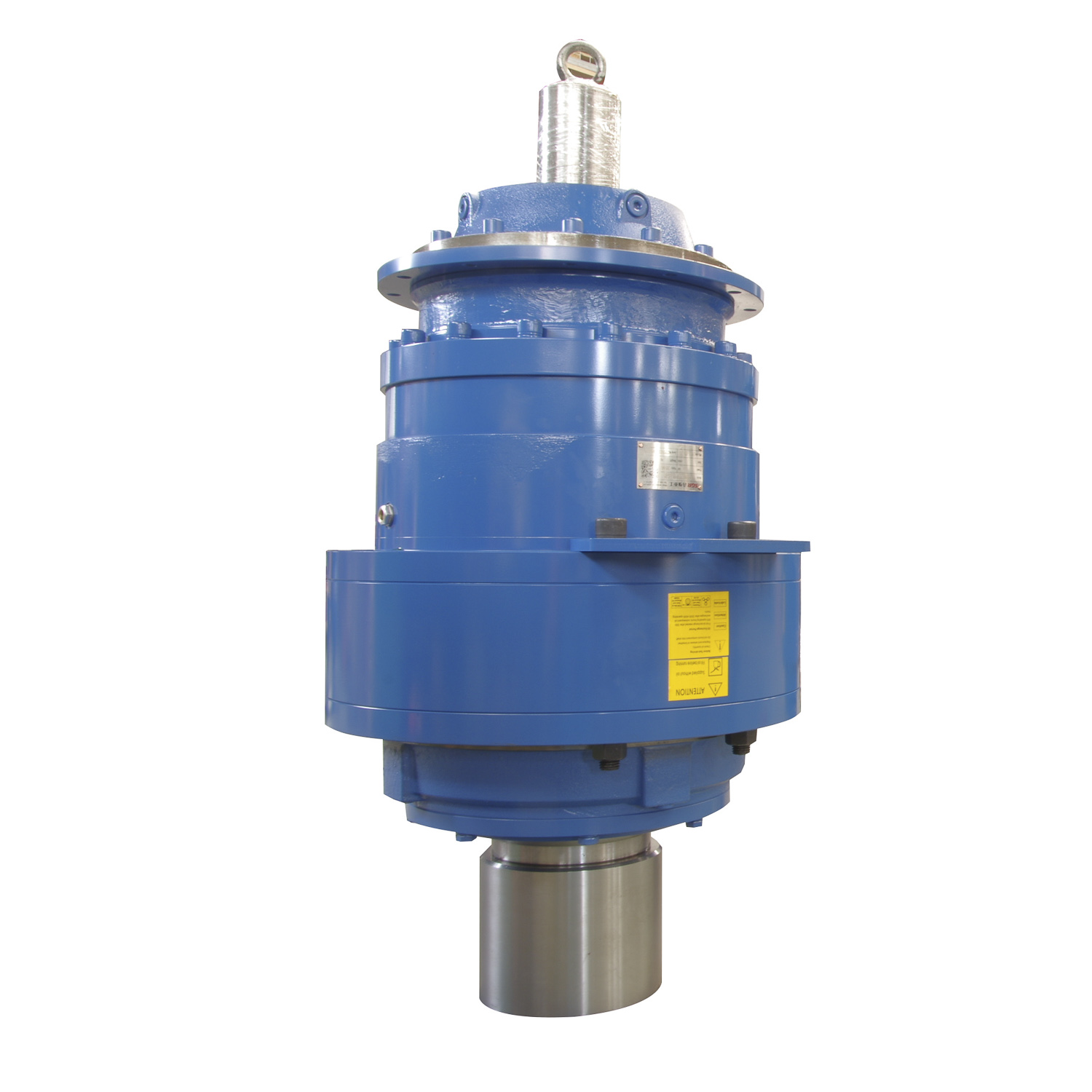
SGR's N Series high torque coaxial planetary gearbox Input forms: N standard shaft input, MN flange ...
See Details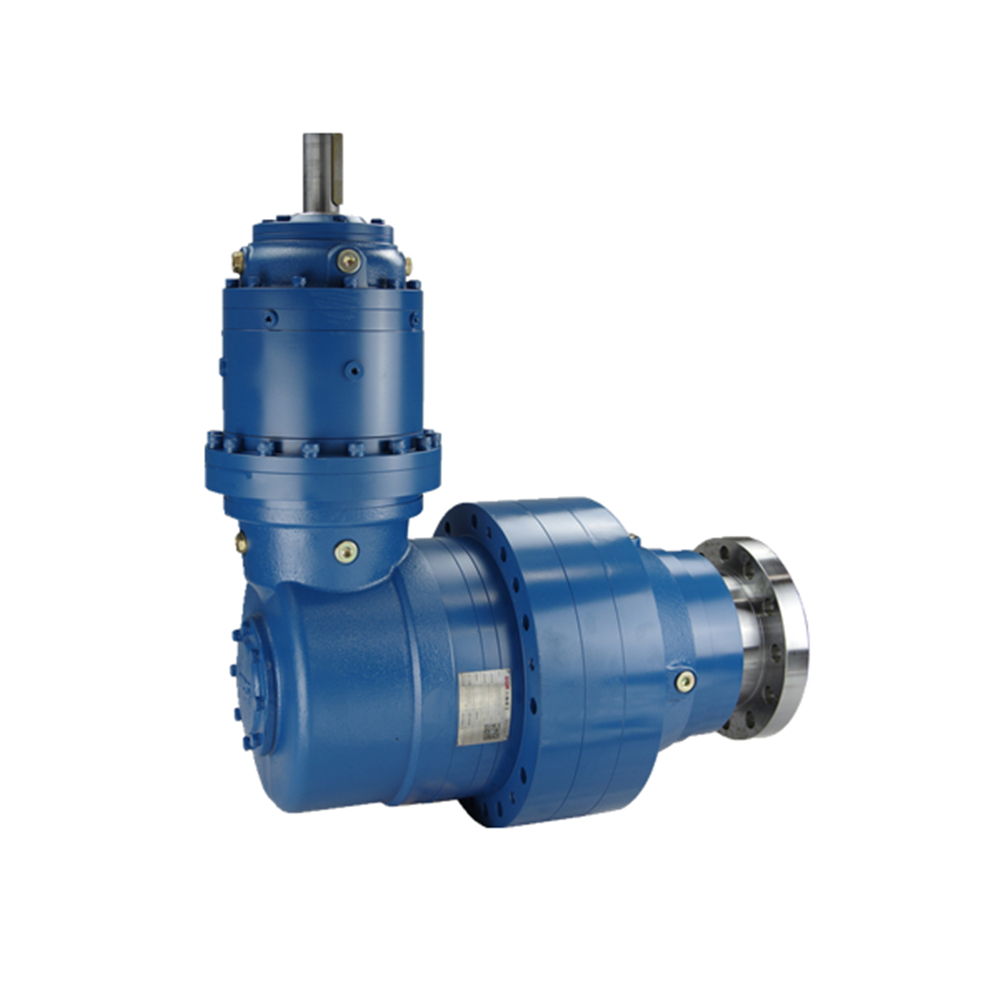
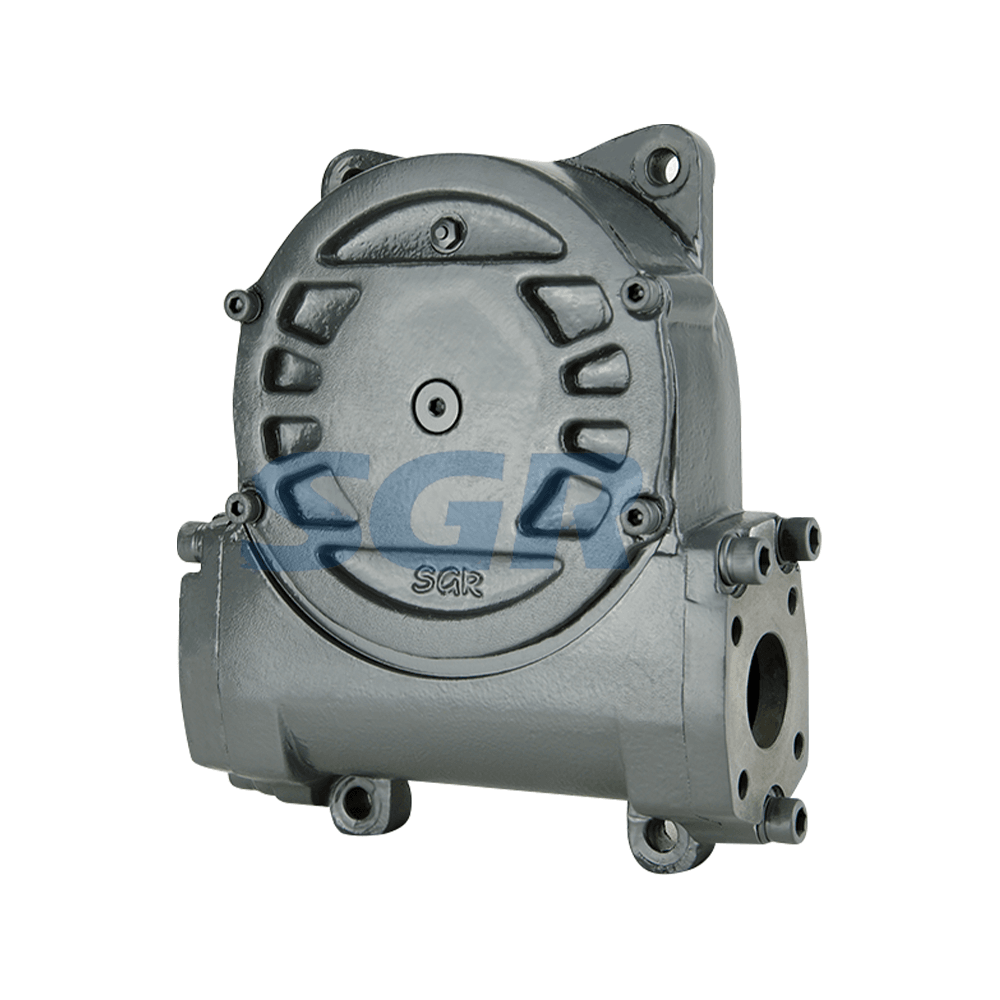
Technical data: 1. Ratio range: 3.15-30002. Input power: 0.25-55KW3. Permit torque rang: ≤ 200000N. ...
See Details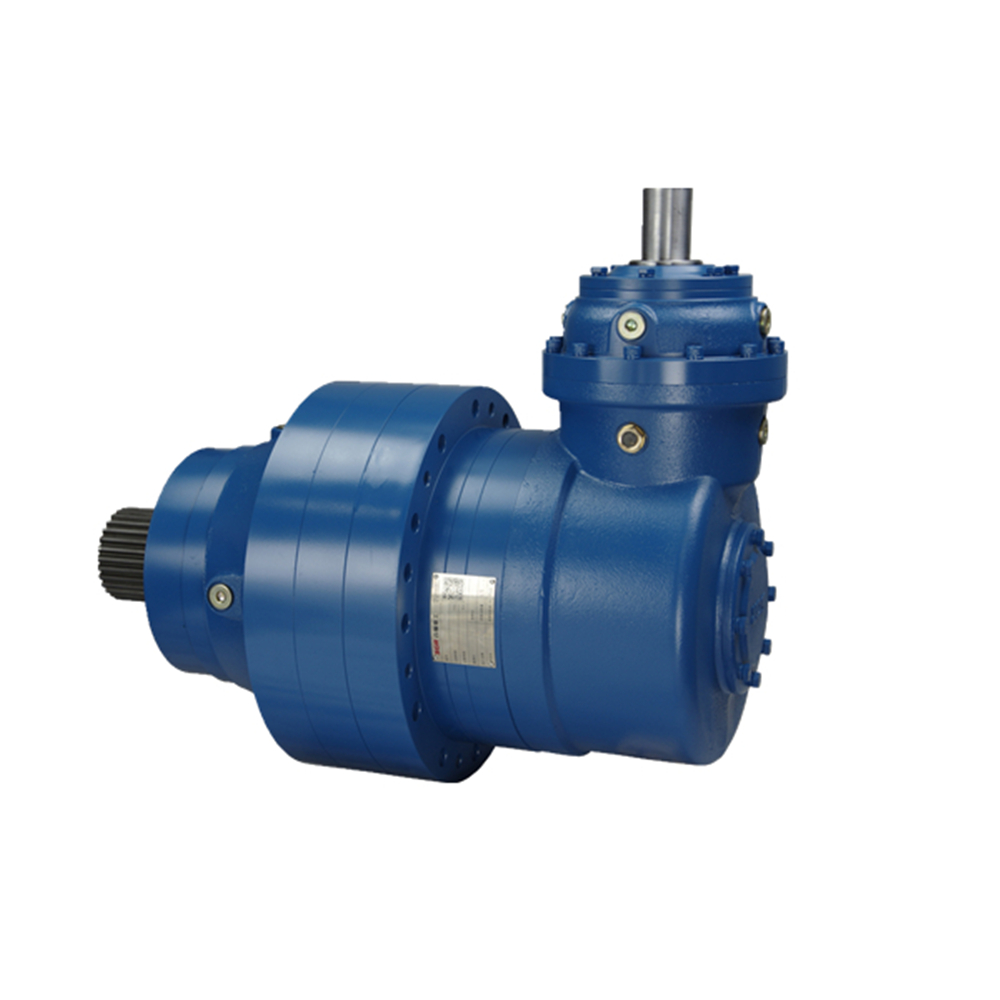
Technical data: 1. Ratio range: 3.15-30002. Input power: 0.25-55KW3. Permit torque rang: ≤ 200000N. ...
See Details
SGR is an ISO 9001 certified, DNV-accredited industry gearbox manufacturer since 1996. We supply different gear reducers to brands worldwide.