Global
  English
 中文简体
中文简体 русский
 Español
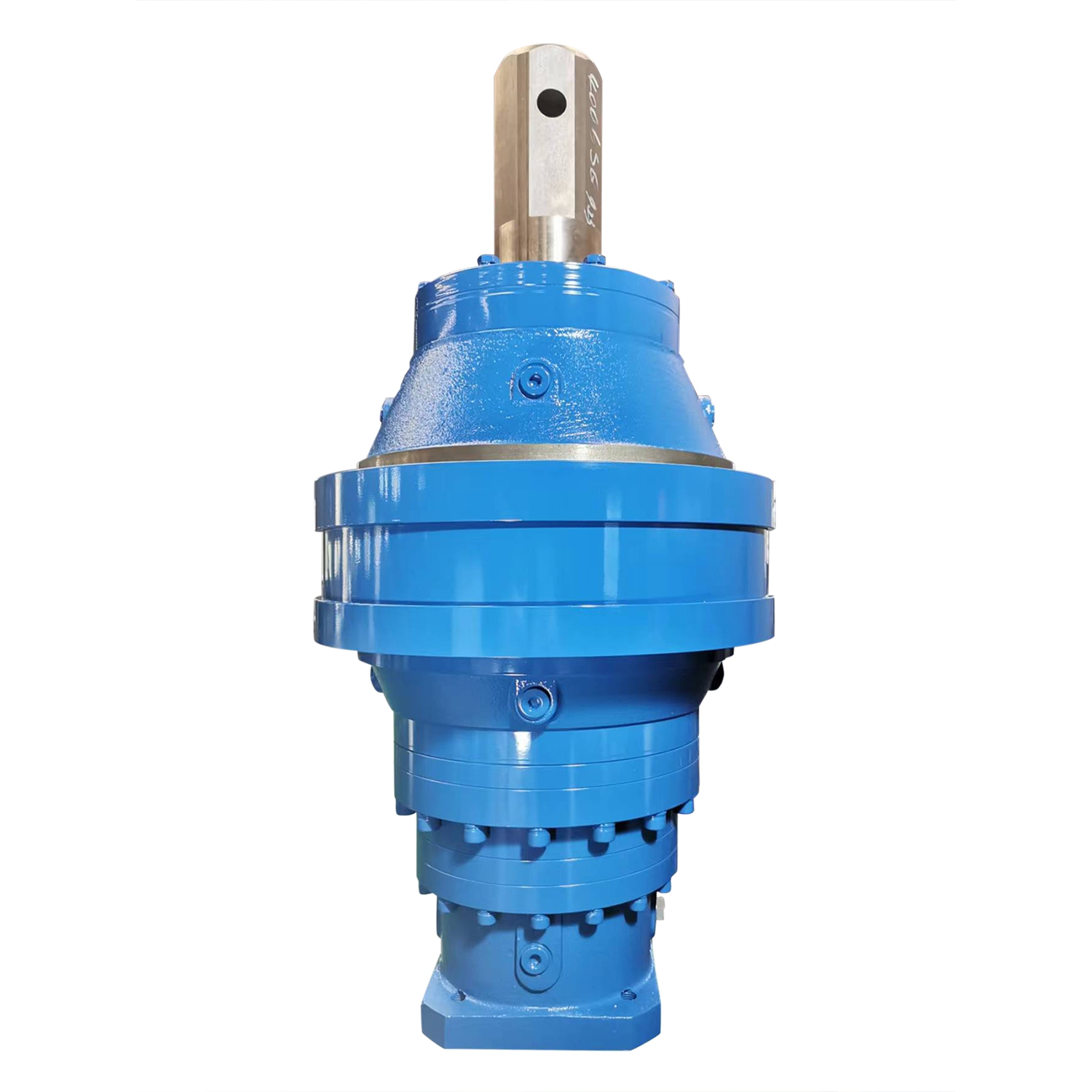
Key feature:Planetary gearbox is produced by modular design, and can be combined according to client...
See Details
News Directory
In high-torque industrial applications, the planetary gear reducer is often the preferred choice due to its compact design and high power density. However, as torque demands increase across multi-stage configurations, the mechanical efficiency and longevity of the system become heavily dependent on tribology—the science of friction and lubrication. Shanghai SGR Heavy Industry Machinery Co., Ltd., a high-tech enterprise specializing in specialized gear transmission, has spent over a decade researching the optimization of modular and low-noise gearbox designs. With an R&D team of PhDs and senior engineers, SGR emphasizes that understanding how to select oil for planetary gearboxes is not merely a maintenance task, but a critical engineering decision that dictates the unit's thermal equilibrium and operational lifespan.
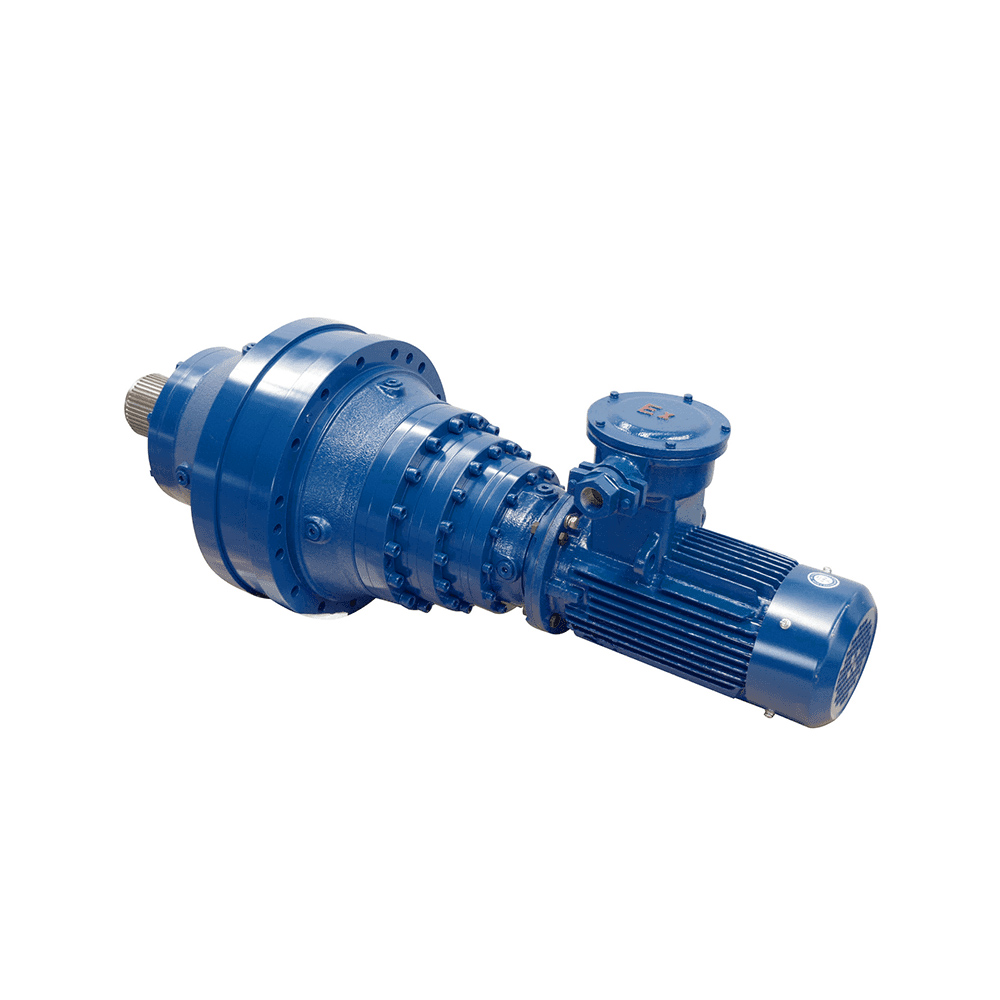
The core challenge in a multi-stage planetary gear reducer is maintaining a consistent elastohydrodynamic lubrication (EHL) film across varying pitch line velocities. The first stage typically operates at higher speeds and lower torque, while the final stage experiences extreme torque at lower speeds. Choosing a lubricant with a high Viscosity Index (VI) ensures that the oil remains thick enough to prevent metal-to-metal contact at the final stage while avoiding excessive churning losses at the high-speed input stage. While mineral oils are cost-effective for standard applications, synthetic vs mineral oil for planetary gearboxes comparisons show that synthetics offer superior film strength under the boundary lubrication conditions common in high-reduction ratios.
Synthetic lubricants provide a wider operational temperature range and higher shear stability, whereas mineral oils are more susceptible to viscosity breakdown under high thermal loads.
| Performance Metric | Mineral-Based Lubricant | Synthetic (PAO/PAG) Lubricant |
| Viscosity Index (VI) | 90 - 100 (Lower stability) | 150 - 180+ (Excellent stability) |
| Oxidation Resistance | Moderate (Prone to sludge) | Superior (Longer drain intervals) |
| Coefficient of Friction | Higher (Increases heat) | Lower (Improves gear reducer thermal stability) |
Thermal stability refers to the ability of the planetary gear reducer to dissipate heat faster than it is generated. Multi-stage units generate significant heat due to the "sun-planet-ring" mesh friction. A lubricant with low traction coefficients reduces the internal heat generation within the mesh. If the lubricant fails to stabilize the temperature, it leads to thermal expansion of the gear teeth, which reduces backlash and increases the risk of tooth scuffing. At Shanghai SGR Heavy Industry Machinery Co., Ltd., we utilize a Power and Efficiency Test System to verify that our industrial planetary gearbox lubrication strategies maintain equilibrium temperatures even during continuous 100% load cycles.
In a planetary gear reducer, the planet gears share the load, but the tooth contact pressure remains intense. Common planetary gear reducer maintenance tips always emphasize checking the additive package of the gear oil. Extreme Pressure (EP) additives, typically sulfur-phosphorus based, react with metal surfaces under high heat to form a sacrificial protective layer. This is vital for preventing planetary gear pitting with lubricants. Without the correct EP concentration, the microscopic peaks (asperities) on the gear flanks will weld and tear, leading to premature fatigue and pitting that can shorten the service life by up to 70%.
EP additives are essential for the high-torque final stages of a planetary gear reducer, while AW additives are sufficient for lower-load, high-speed auxiliary gear sets.
| Additive Type | Anti-Wear (AW) | Extreme Pressure (EP) |
| Activation Mechanism | Adsorption on metal surface | Chemical reaction at high temp |
| Primary Application | Low-to-moderate loads | Shock loads and heavy torque |
| Result of Failure | Gradual surface wear | Rapid scuffing and catastrophic pitting |
The service life of a low backlash planetary gear reducer is not just about the oil's chemistry, but its cleanliness. In multi-stage systems, wear particles from the first stage can migrate to the precision-ground final stage, acting as an abrasive. Selecting a lubricant with excellent demulsibility (the ability to shed water) and foam resistance is key. Shanghai SGR employs 3D Measuring Machines and specialized testing instruments to ensure our internal tolerances are optimized for high-specification lubricants, ensuring that fine contaminants are held in suspension and removed via proper filtration, thus extending the mean time between failures (MTBF).
Selecting the right lubricant for a multi-stage planetary gear reducer is a sophisticated balancing act between chemical protection and thermal management. By prioritizing high Viscosity Index synthetics with robust EP packages, engineers can significantly enhance the gear reducer thermal stability and overall system reliability. Shanghai SGR Heavy Industry Machinery Co., Ltd. remains committed to innovation and professionalism, providing the global market with specialized gear transmission systems that are compact, efficient, and built to withstand the most demanding industrial environments.
In cold climates, use a synthetic lubricant (PAO) with a low pour point. This ensures the oil flows immediately upon startup, preventing "dry start" wear in the first stage of the planetary gear reducer.
Viscosity is the most critical. It must be high enough to provide a protective film at operating temperatures but low enough to flow through the planet bearings during startup.
No. Mixing different oil brands or chemistries (like mineral and synthetic) can cause additive clashing, leading to the formation of sludge and a loss of gear reducer thermal stability.
Increase in noise (vibration) and rising oil temperature are early indicators. Regular oil analysis for iron and copper particles is the best way to monitor for pitting.
Low vibration reduces mechanical stress on the lubricant film. A stable mesh allows the lubricant to perform optimally, which is a core tenet of our specialized planetary gear reducer design.
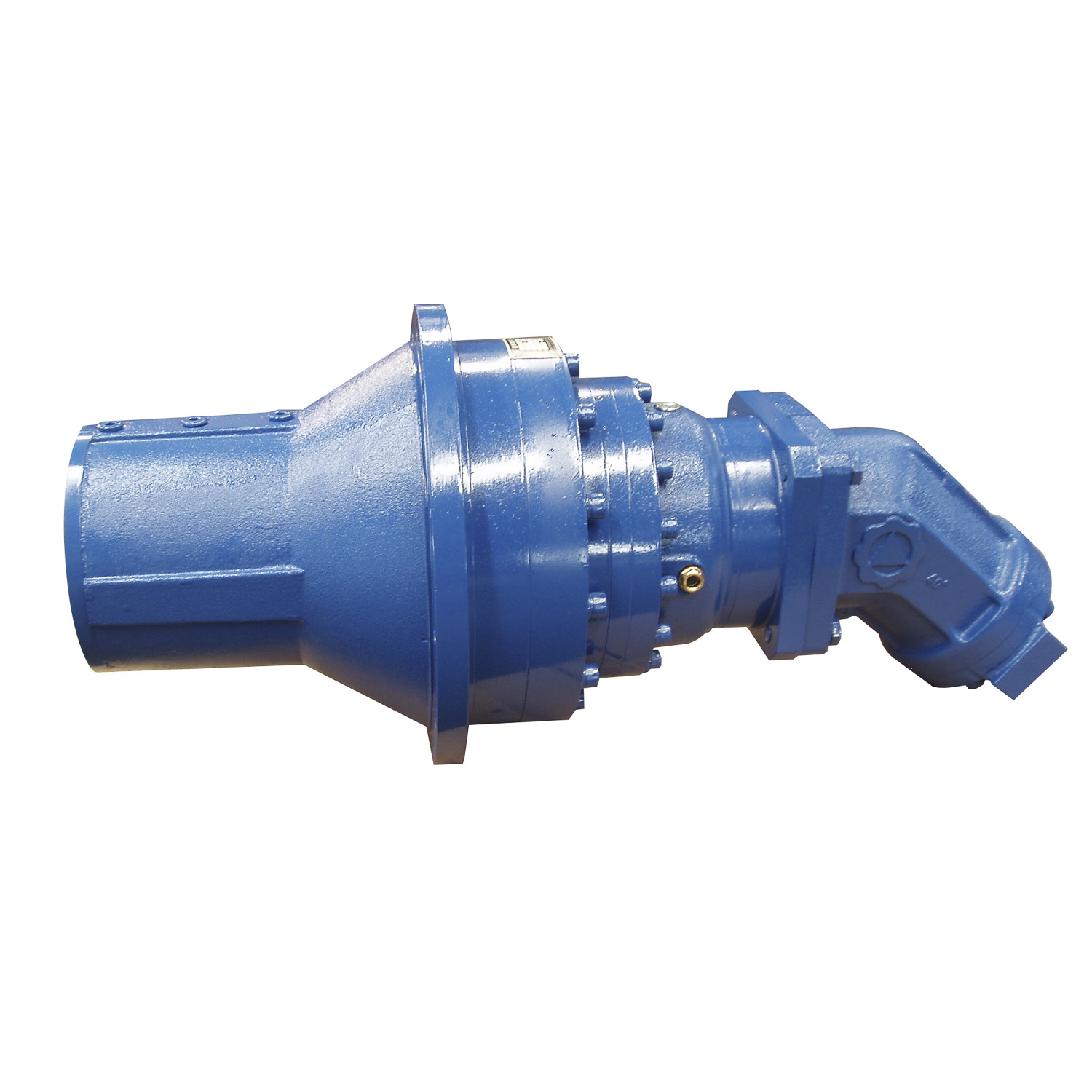
Key feature:Planetary gearbox is produced by modular design, and can be combined according to client...
See Details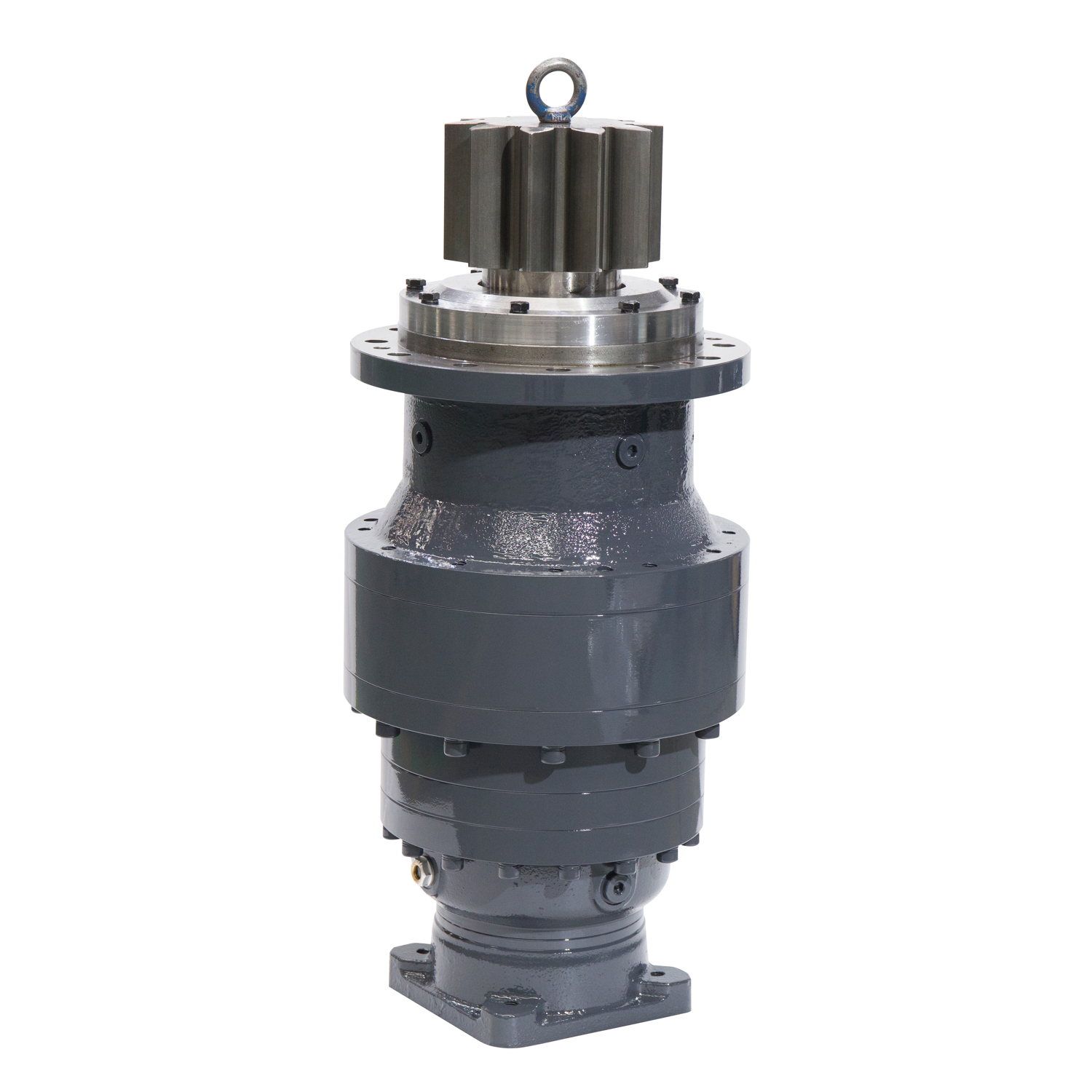
Model: 200-885Ratio: 3.15-7800Output Torque :1500Nm-540000NmRating Power :0.25KW-200kwDescription : ...
See Details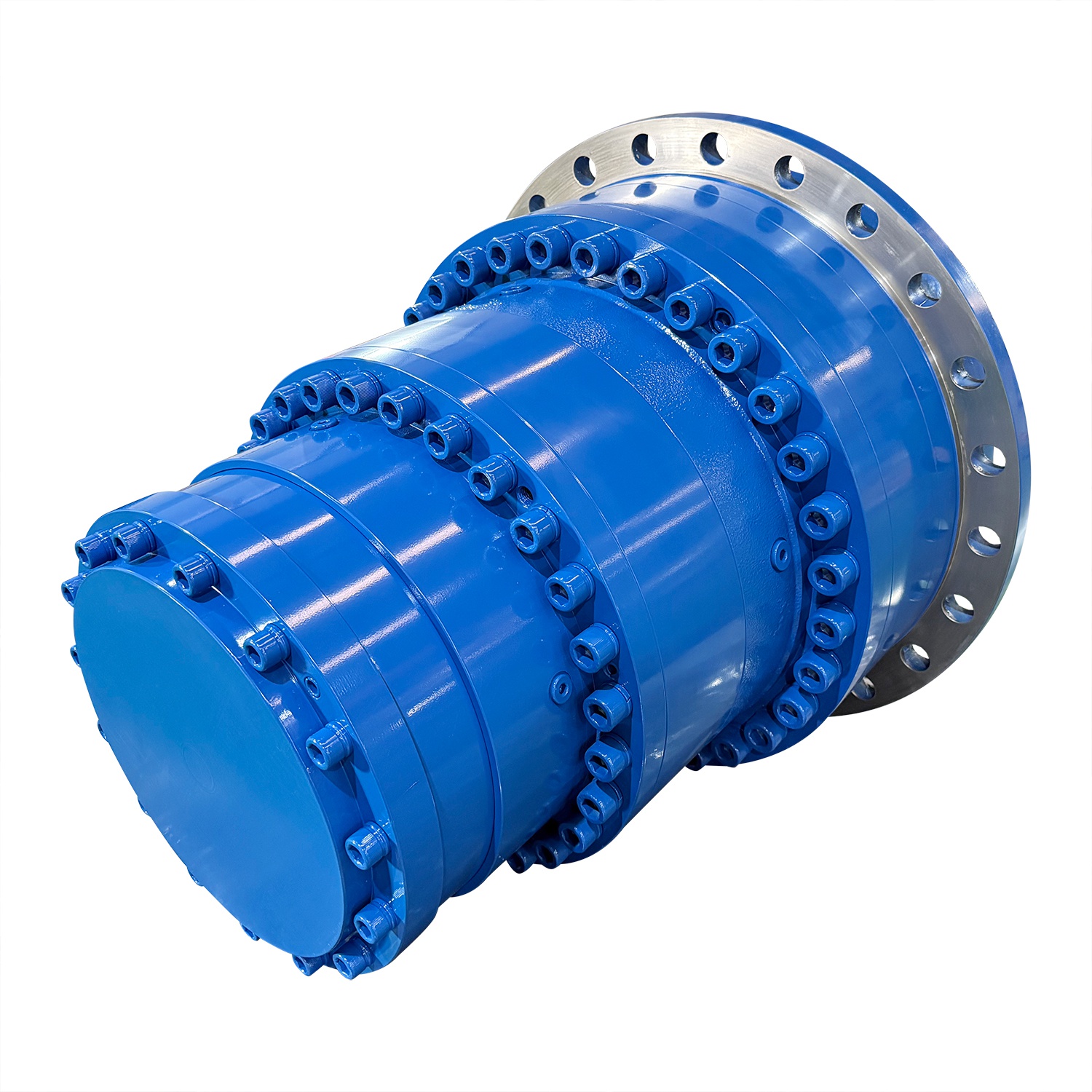
Planetary gear reducers serve as key transmission parts for sightseeing boats sailing along Russia’s...
See Details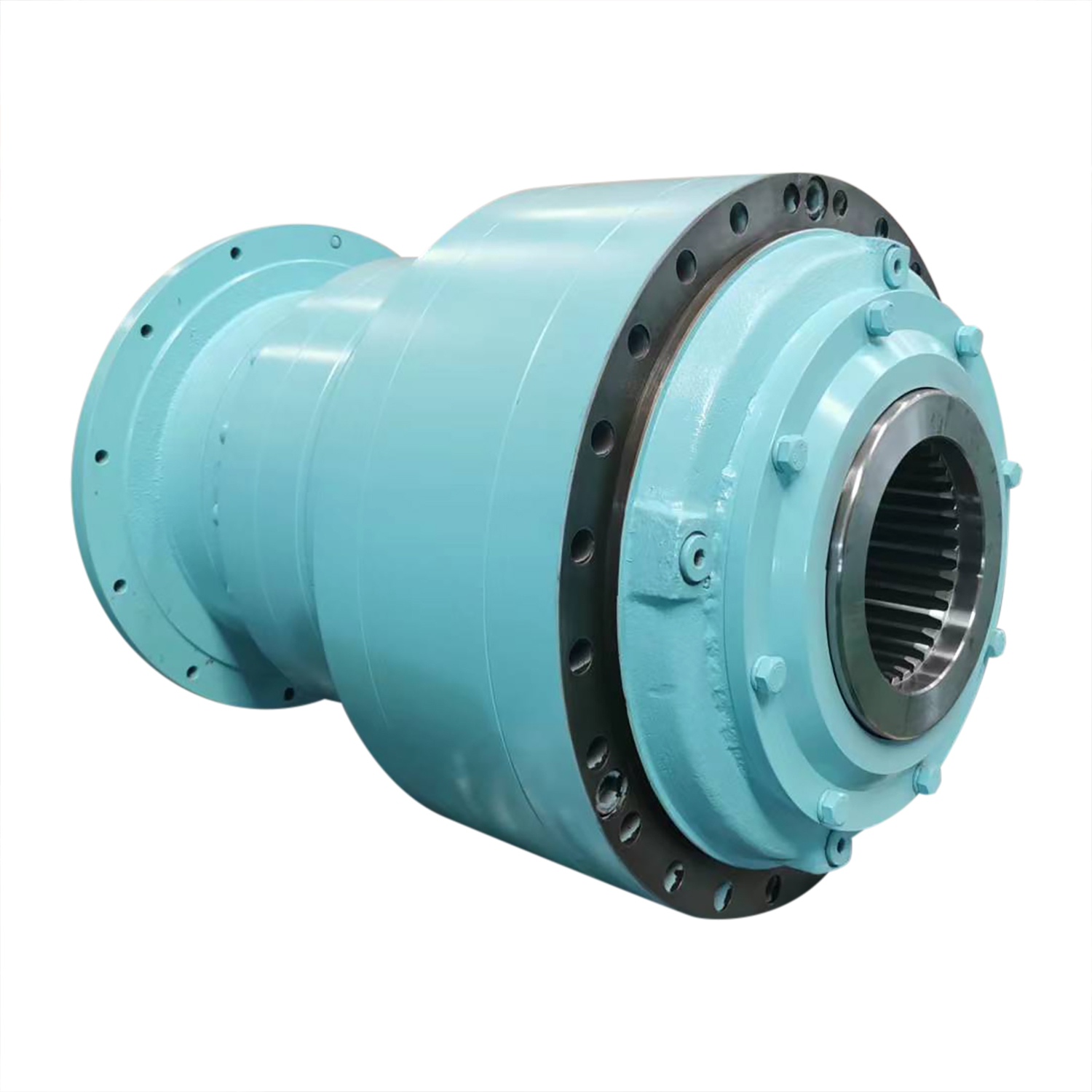
Planetary Gearbox Application For In Electric Drive Model: 200-885Ratio: 3.15-7800Output Torque :15...
See Details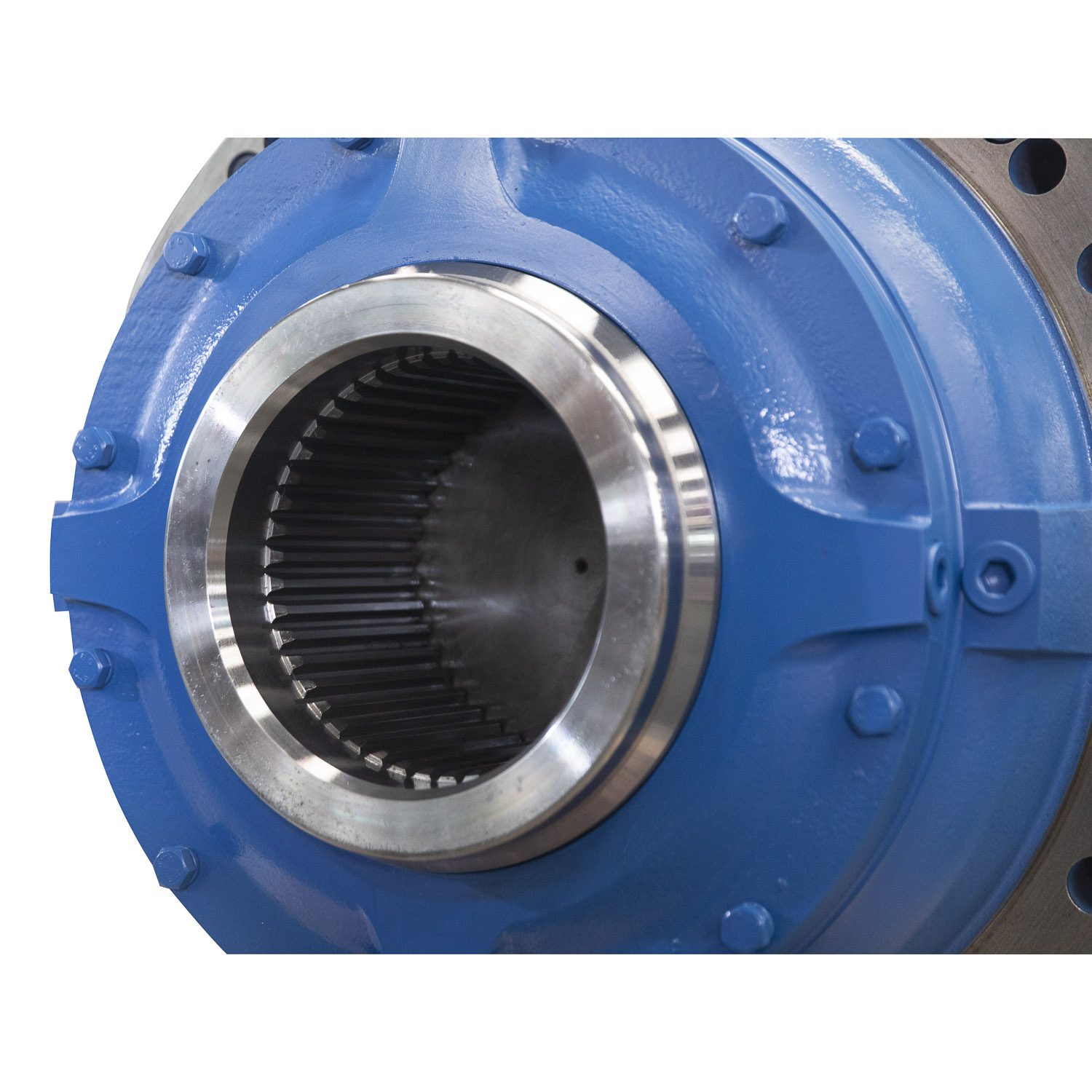
Shanghai SGR Heavy Industry Machinery Co., Ltd. is a high tech enterprise, it was selected in the li...
See Details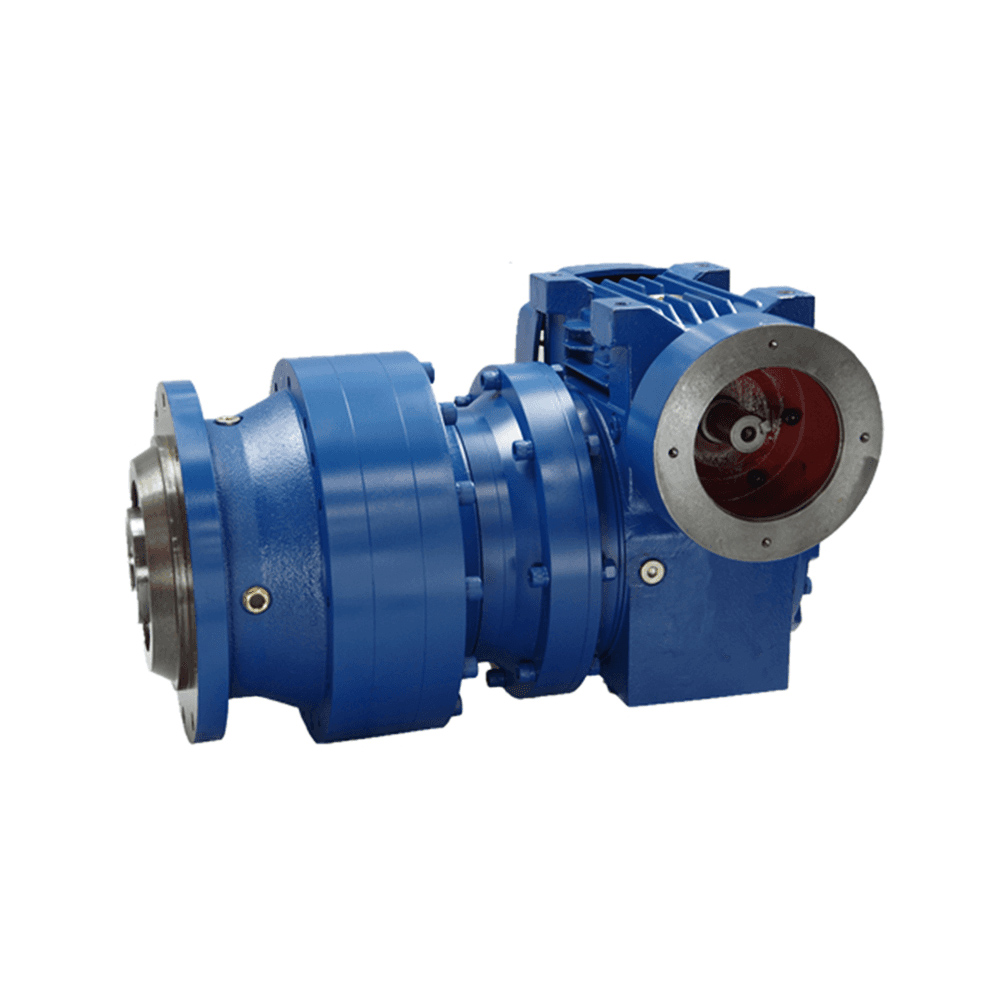
The planetary and toroidal worm combined reducer developed by SGR features a compact structure, with...
See Details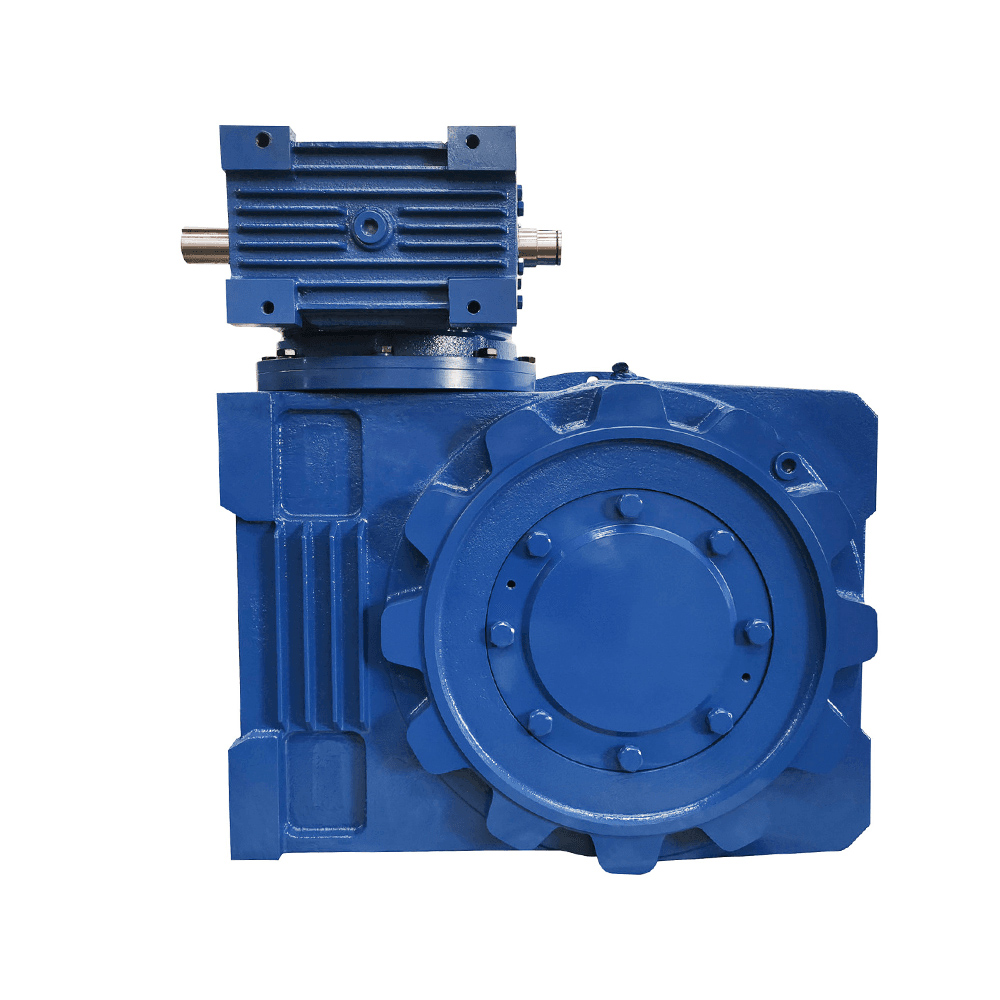
Center distance: 100~710 mm Speed ratio: i ≥ 10. Design modularization, specification serialization,...
See Details
SGR is an ISO 9001 certified, DNV-accredited industry gearbox manufacturer since 1996. We supply different gear reducers to brands worldwide.