Global
  English
 中文简体
中文简体 русский
 Español
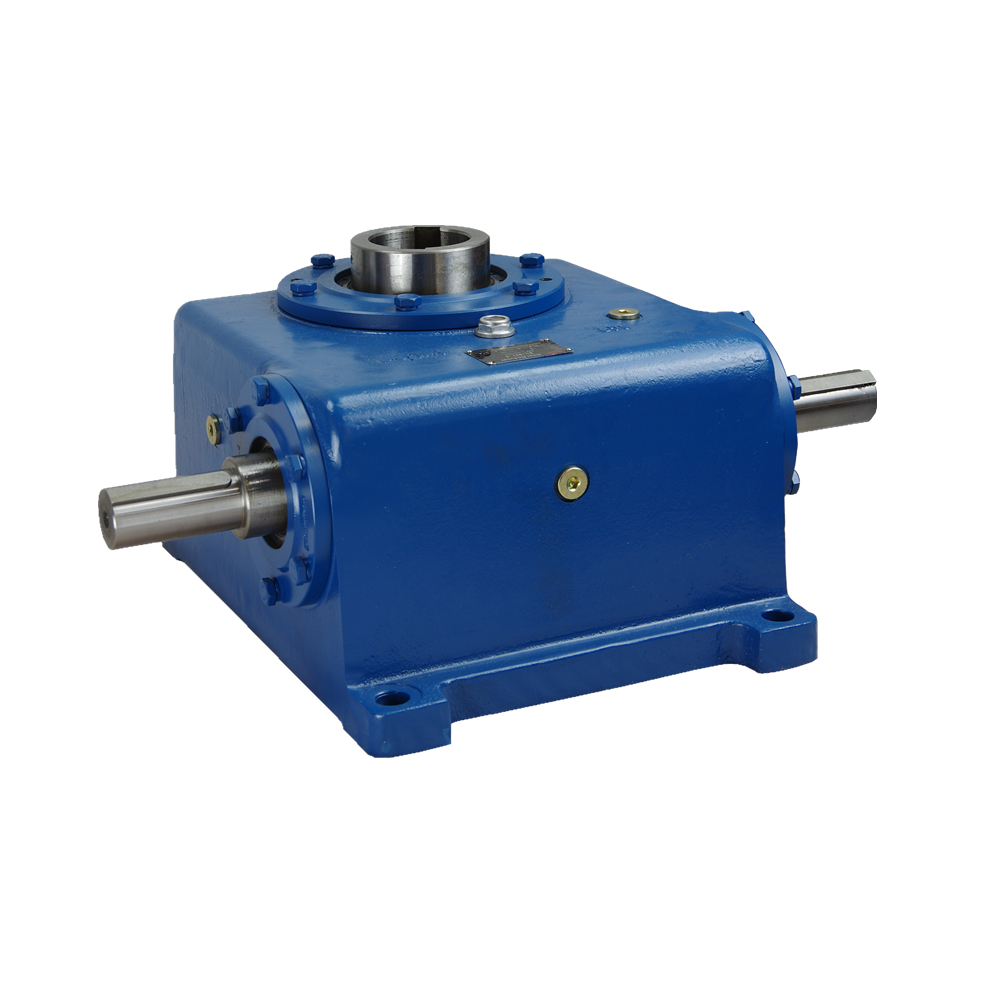
Product Description Series C double enveloping worm gearModel: 100 - 500Ratio: 10 -63Output Torque ...
See Details
News Directory
In mechanical engineering, ensuring the safety of vertical loads is a primary design objective. The double reduction worm gearbox has long been recognized as a robust solution for applications where back-driving must be prevented. As a high-tech enterprise, Shanghai SGR Heavy Industry Machinery Co., Ltd. has dedicated over a decade to the research and development of gear transmission systems, utilizing advanced tools like our Planar Double-Enveloping Worm Gear Optimization Design System to enhance torque density and safety. This article explores whether the dual-stage reduction architecture truly offers a superior self-locking advantage for modern lifting systems.
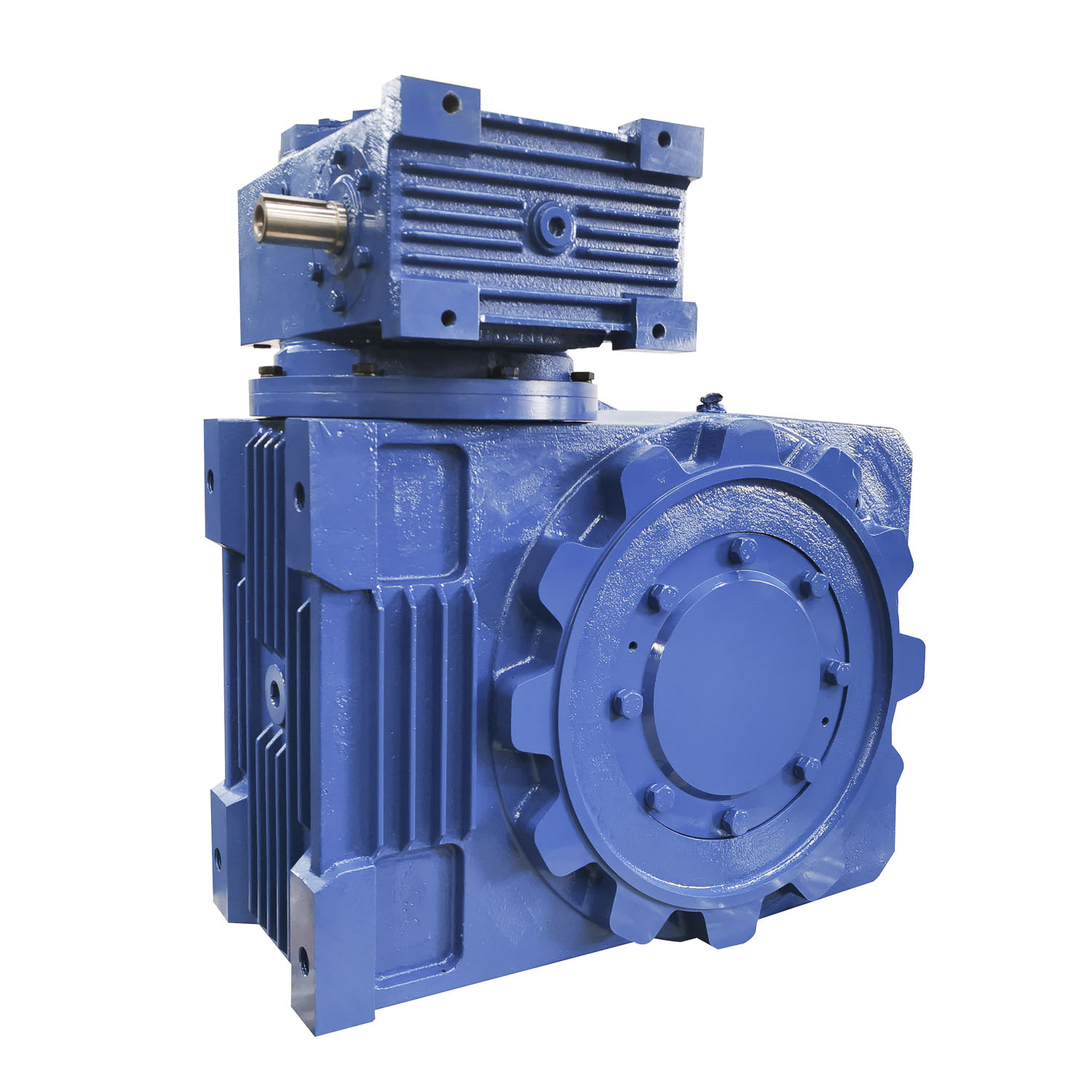
The core mechanism behind self-locking is the lead angle of the worm. How a double reduction worm gearbox achieves self-locking is fundamentally tied to the high total reduction ratio achieved through two successive worm stages. Generally, a worm gear set becomes self-locking when the lead angle is less than the friction angle (typically below 5 degrees). In a double reduction worm gearbox, the secondary stage handles significantly higher torque at lower speeds, ensuring that the friction within the mesh exceeds any potential back-driving force from the load.
While a single-stage unit can be self-locking, it often requires a very high ratio in one step, which can compromise mechanical efficiency. The double reduction approach achieves the same total ratio while distributing the thermal and mechanical load across two stages.
| Technical Parameter | Single Stage Worm Gear | Double Reduction Worm Gearbox |
| Self-Locking Reliability | Variable (High ratio needed) | Superior (Cumulative friction across stages) |
| Total Reduction Ratio | Typically up to 60:1 or 80:1 | Can exceed 3600:1 |
| Back-Driving Risk | Higher under vibration | Minimal due to dual-stage inertia |
For vertical lifting, the primary concern is the "overhauling load." What is the maximum torque for a double reduction worm gearbox in vertical lifts? Because torque is multiplied through each stage, these gearboxes can hold massive weights stationary without the constant assistance of an external brake. Shanghai SGR Heavy Industry Machinery Co., Ltd. utilizes a PhD-led R&D team to optimize the "Planar Double-Enveloping" profile, which increases the contact area between the worm and the wheel, further enhancing the static friction required for self-locking.
Compared to helical gearboxes, which are highly efficient but lack inherent self-locking, the worm gear architecture provides a safety factor that is indispensable in hoist and elevator applications.
| Operational Factor | Double Reduction Worm Unit | Standard Helical Gearbox |
| Inherent Braking | Static self-locking inherent to design | Requires 100% reliance on external brakes |
| Space Efficiency | Highly compact right-angle design | Often bulky for high-ratio lifting |
| Lifting Precision | High (Zero-backlash options available) | Standard (Backlash must be managed) |
A common technical query is: Why choose a double reduction worm gearbox over a single stage? The answer lies in the balance of efficiency and torque. While double reduction increases the number of contact surfaces, reducing overall mechanical efficiency slightly, it vastly improves the double reduction worm gearbox efficiency at high ratios compared to trying to achieve a 100:1 ratio in a single mesh. Shanghai SGR Heavy Industry Machinery Co., Ltd. mitigates efficiency loss through our power and efficiency test system, ensuring each unit operates at peak performance.
Engineers must also consider how to maintain a double reduction worm gearbox for long-term safety. Because the self-locking relies on friction, the choice of lubricant is critical. Over time, wear on the worm wheel can increase the lead angle or decrease the friction coefficient. Using our domestically innovated Toroidal Worm and Hob Measuring Instrument, SGR ensures that the initial tooth profile is optimized to minimize "running-in" wear, thereby preserving the self-locking characteristic over millions of cycles.
What are the maintenance requirements for double reduction worm gearboxes? Routine oil analysis and backlash monitoring are essential to ensure the self-locking integrity remains intact, particularly in safety-critical vertical applications.
In conclusion, the double reduction worm gearbox is indeed superior for vertical lifting where self-locking is a requirement. The cumulative effect of the two stages provides a "mechanical insurance" policy against back-driving that single-stage or high-efficiency gear types cannot match without complex auxiliary braking systems. With Shanghai SGR Heavy Industry Machinery Co., Ltd.'s focus on high-tech product conversion and innovation, these gearboxes represent the pinnacle of modular, low-noise, and safe transmission technology.
While a double reduction worm gearbox is inherently self-locking, safety regulations for lifting often still require a secondary mechanical brake to account for potential vibration or lubricant film changes that could allow slow creeping.
Generally, no. These gearboxes are designed for high torque and low speed. High-speed operation can lead to excessive heat generation due to the friction-based nature of the worm mesh.
You must compare the static friction coefficient of the gear materials against the tangent of the lead angle. Shanghai SGR Heavy Industry Machinery Co., Ltd. can provide detailed engineering support to verify these calculations for your custom projects.
Yes. The Planar Double-Enveloping design increases the number of teeth in contact, which provides a more consistent friction surface and higher load-carrying capacity, making the self-locking more reliable.
When properly sized and maintained, a high-quality double reduction worm gearbox can last 10-15 years in standard industrial lifting environments.
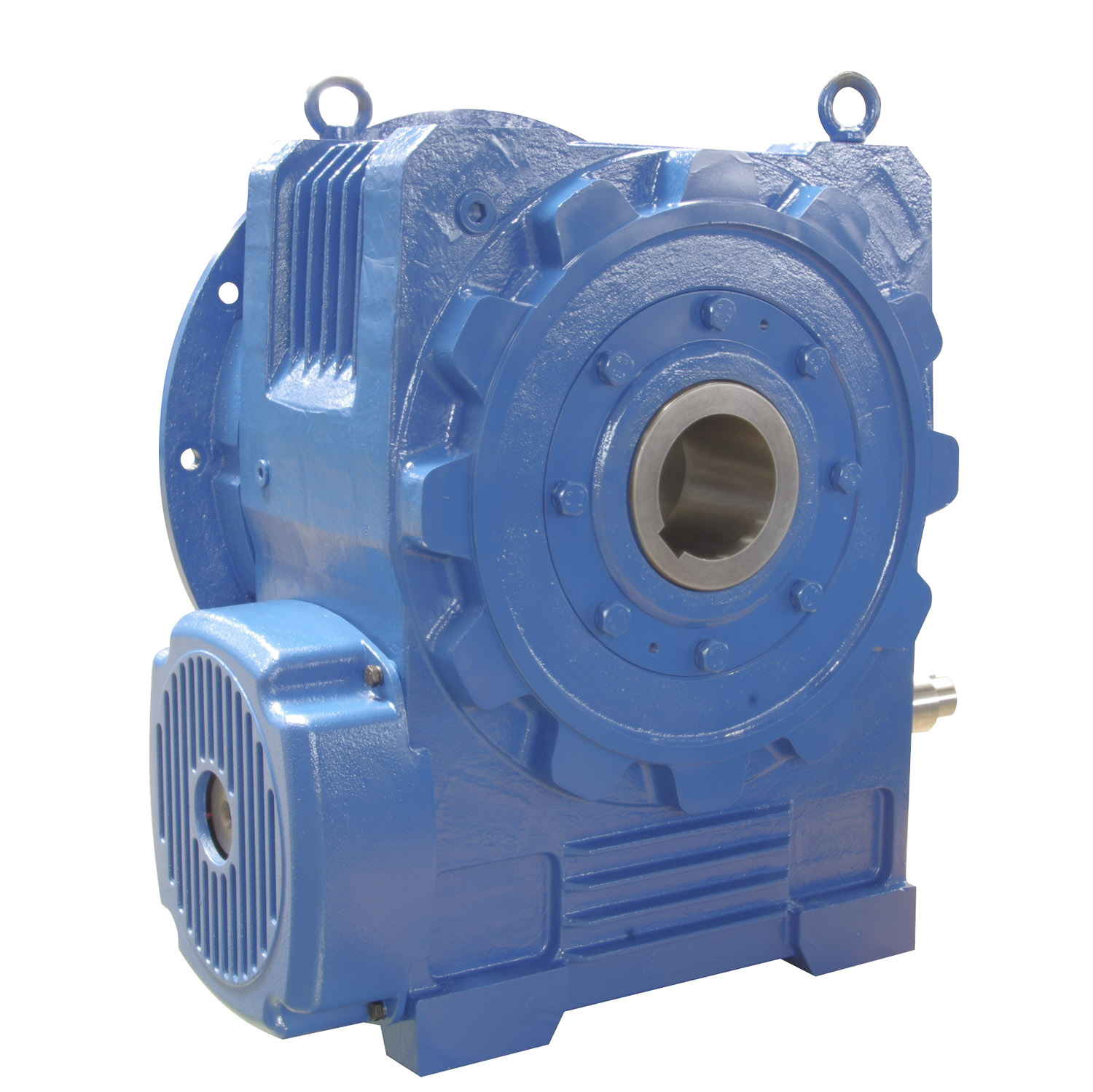
Product Description Series C double enveloping worm gearModel: 100 - 500Ratio: 10 -63Output Torque ...
See Details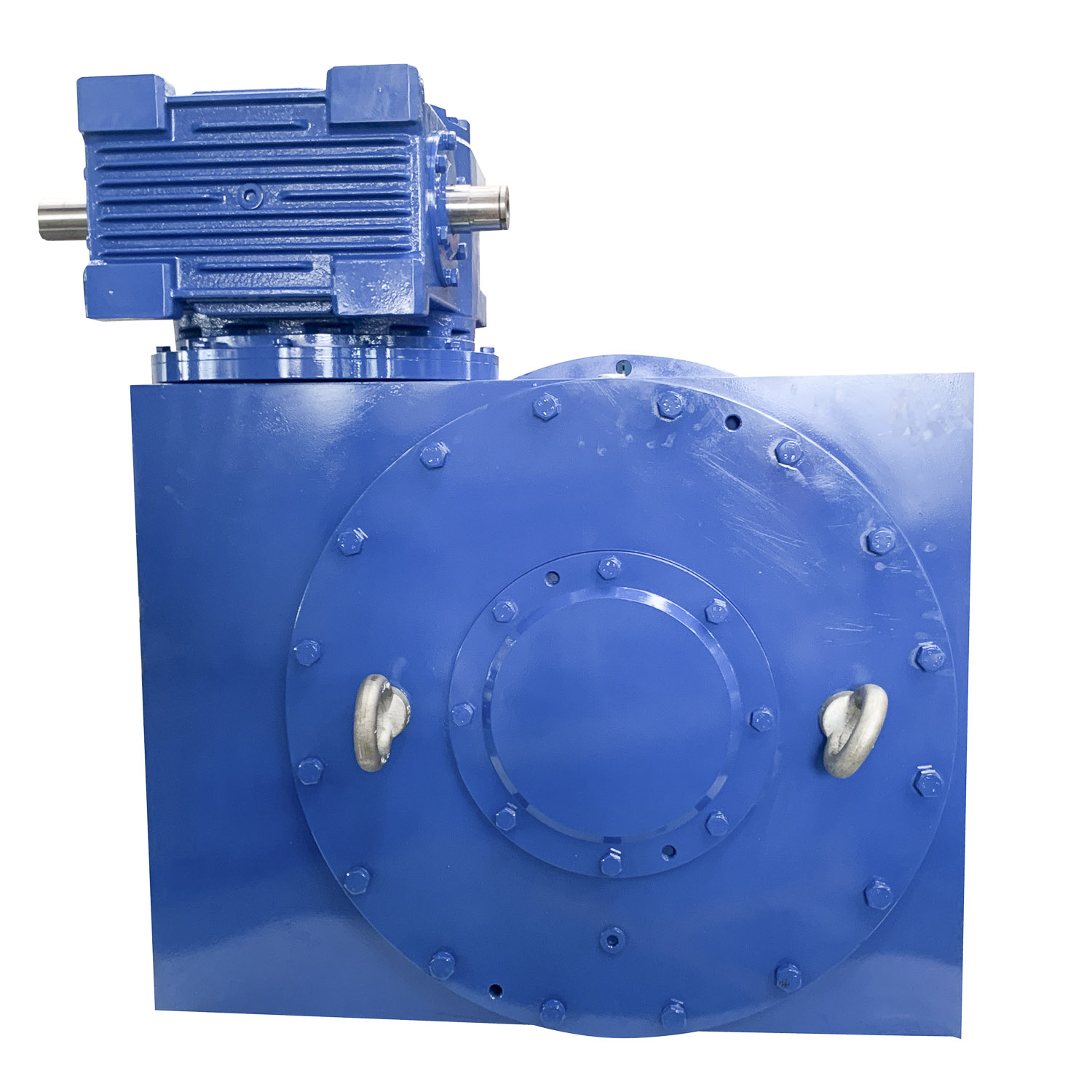
As one of famous double enveloping worm gear manufacturers,SGR's double throated worm gear has adva...
See Details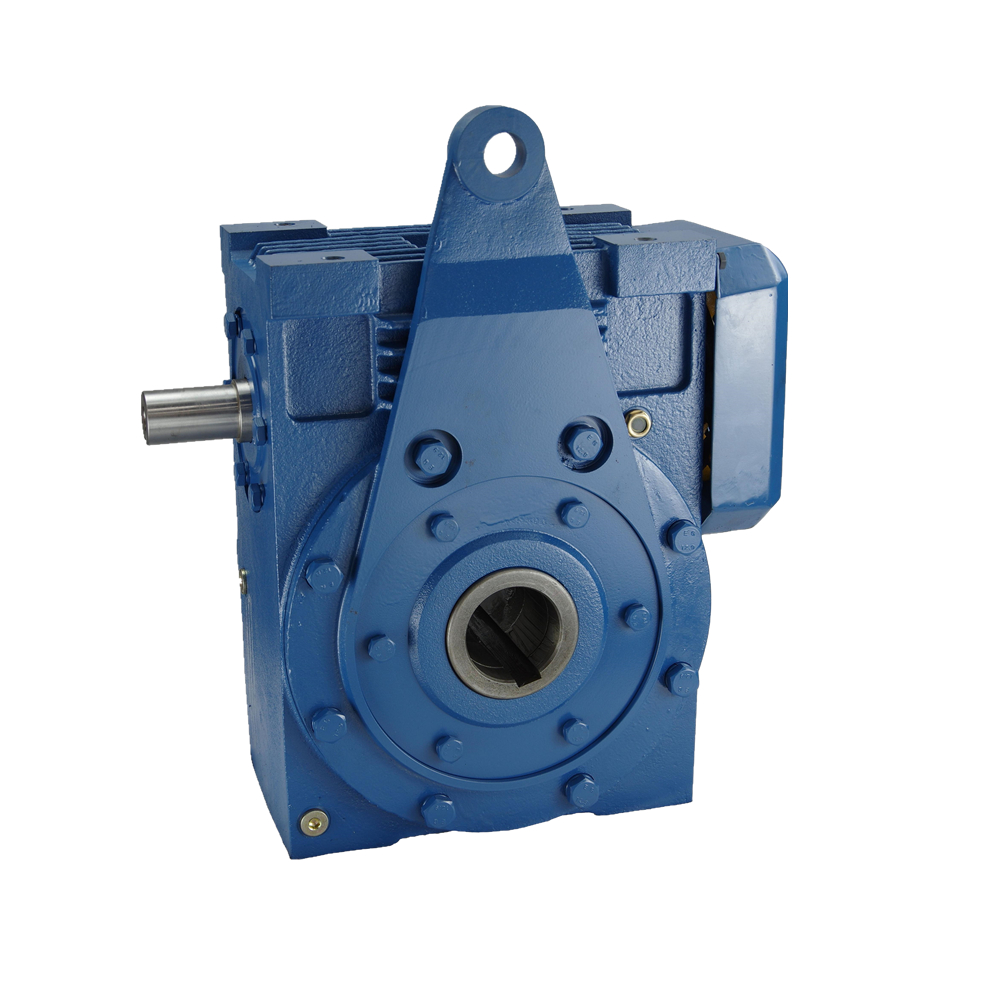
Product Description 1, High torque double enveloping worm gear adjust toughest working condition .2,...
See Details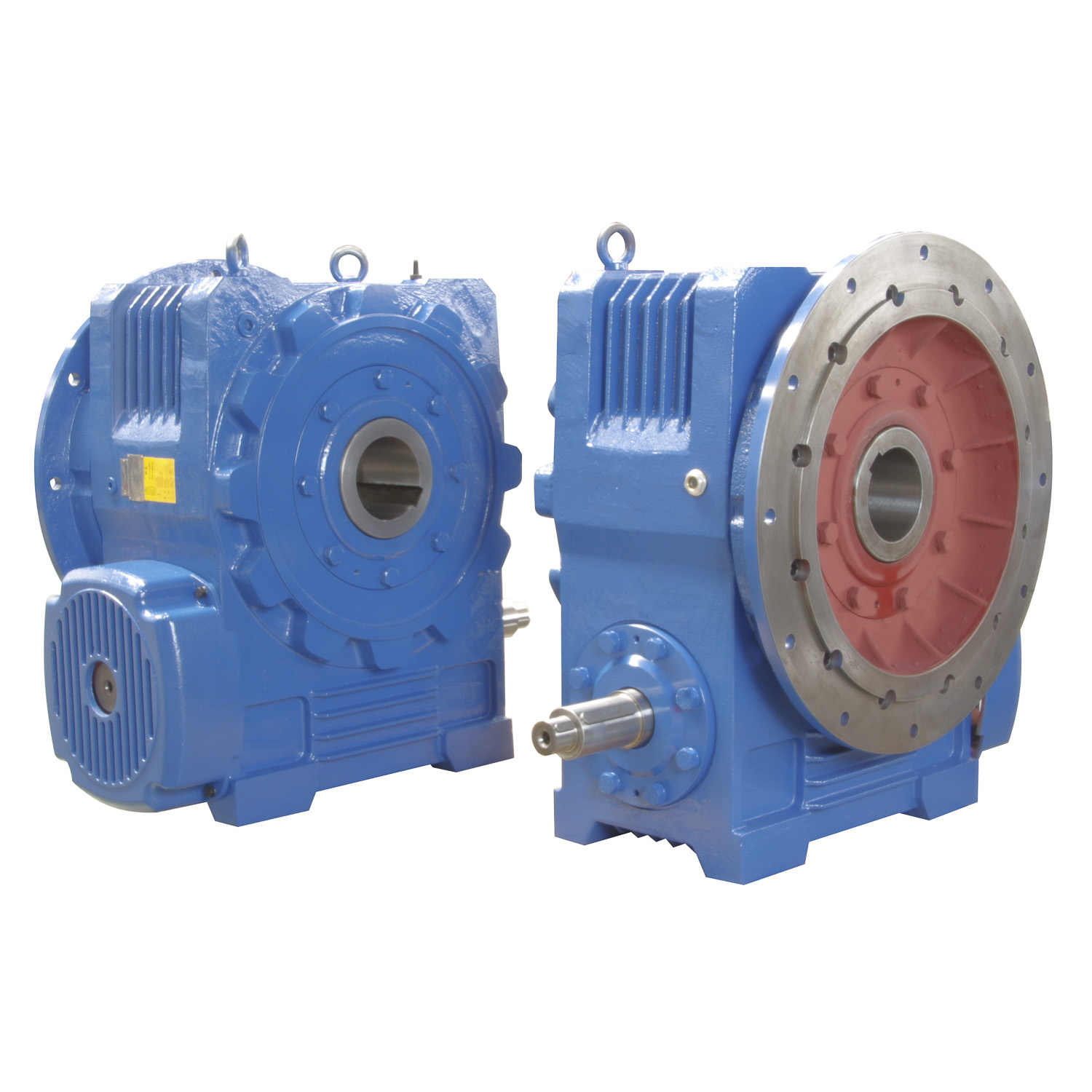
In term of difference of double enveloping worm gear design and traditional worm gear design , do...
See Details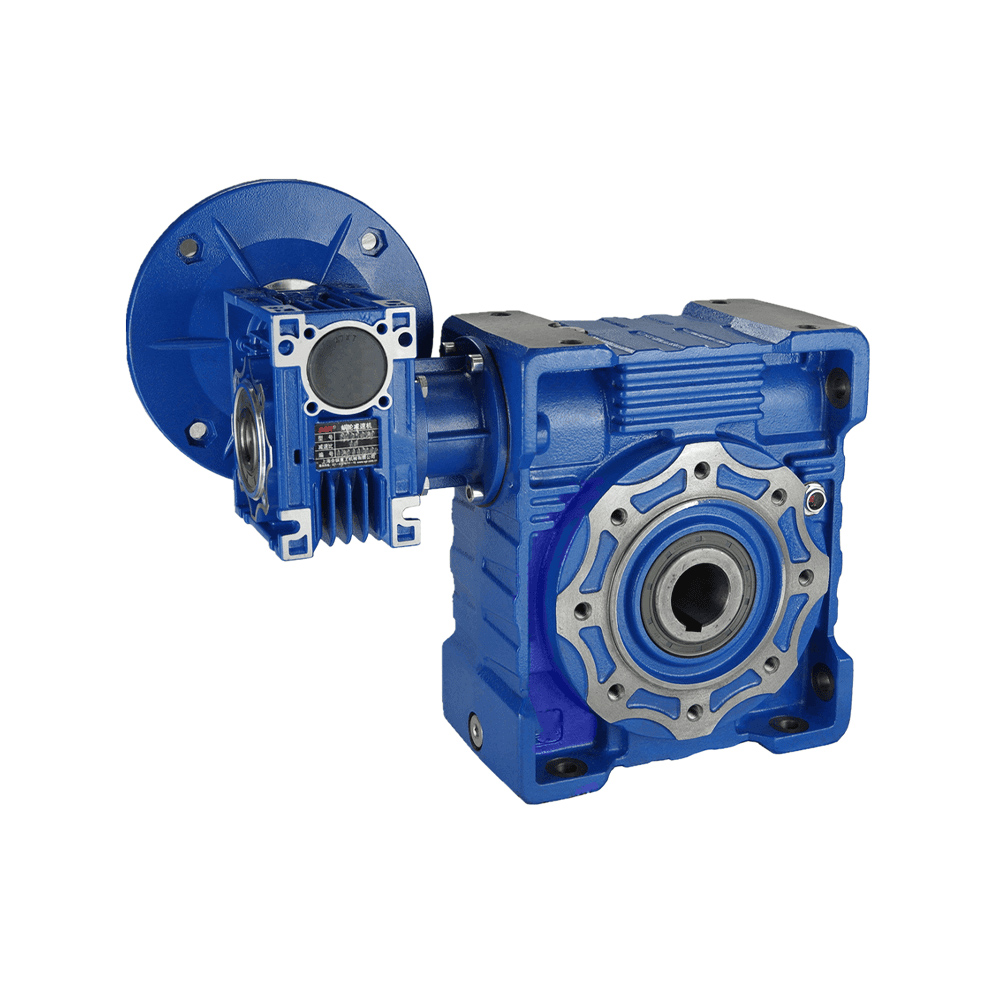
SGR develops and manufactures specialized worm gear reducers for logistics machinery attachments. T...
See Details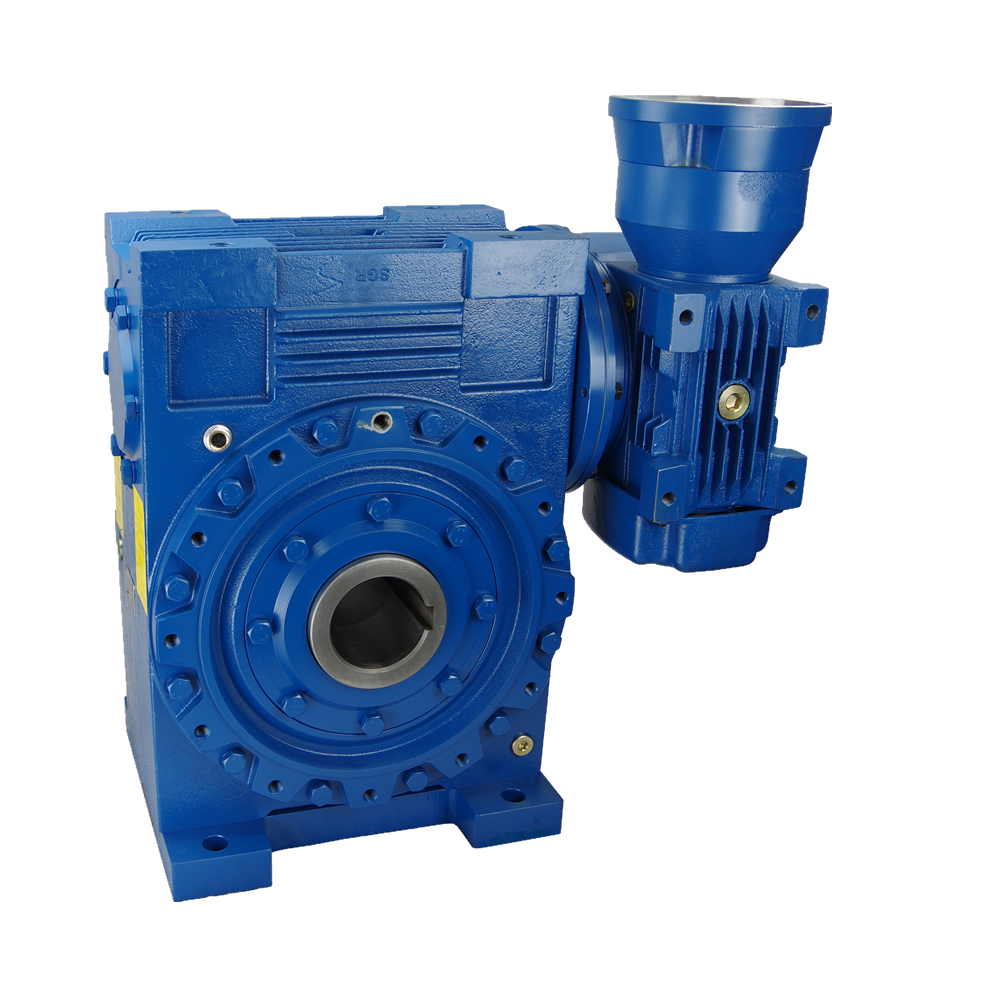
Product Description Series C double enveloping worm gearModel: 100 - 500Ratio: 10 -63Output Torque ...
See Details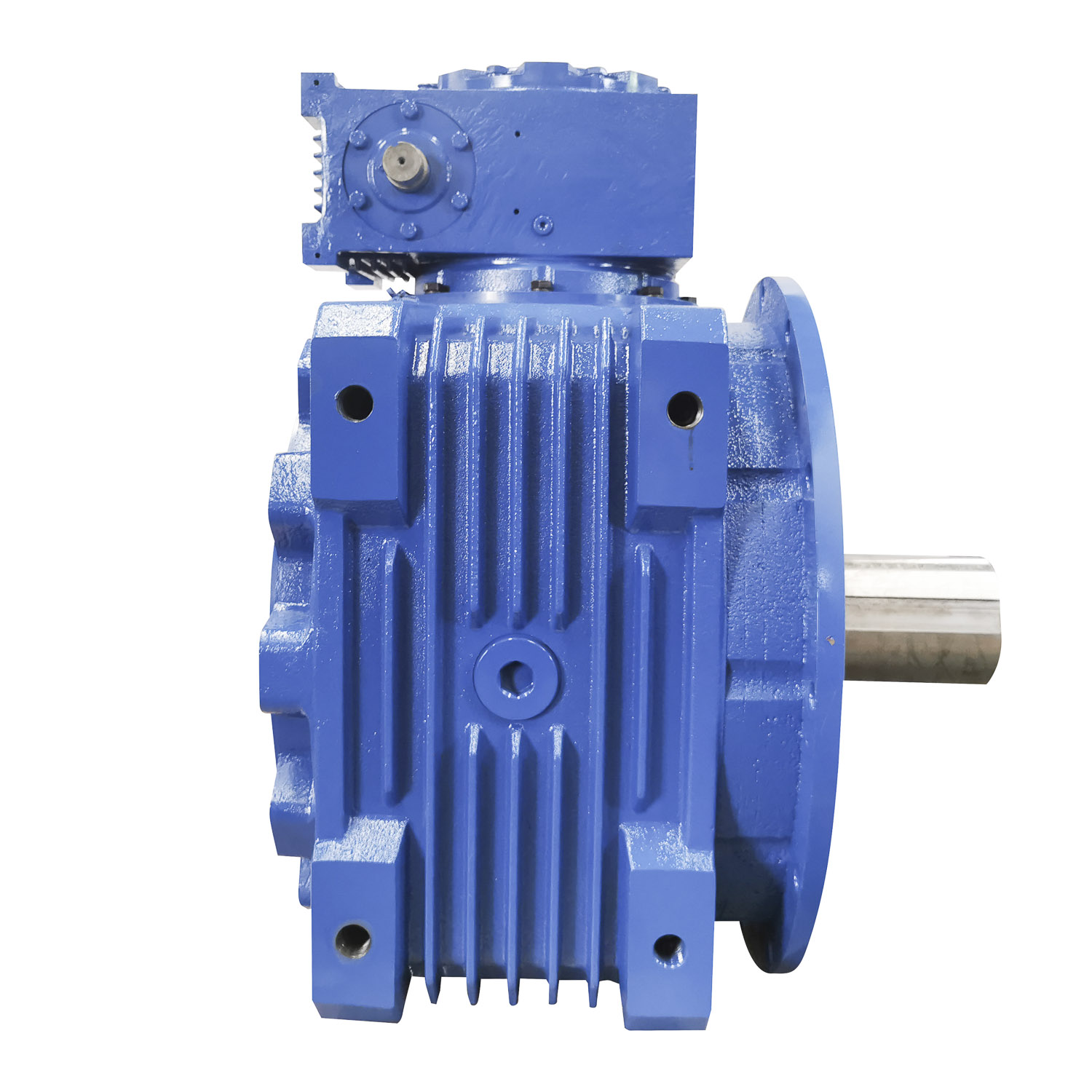
Description :1, High torque double enveloping worm gear adjust toughest working condition .2,Univers...
See Details
SGR is an ISO 9001 certified, DNV-accredited industry gearbox manufacturer since 1996. We supply different gear reducers to brands worldwide.