Global
  English
 中文简体
中文简体 русский
 Español
Product Info: The MNC3E400 series high speed and high torque industrial planetary gear reducers are ...
See Details
News Directory
Gear reducers, planetary reducers, and worm gear reducers are currently the three most prevalent types of reducers in the industrial sector. By virtue of their core functions—such as reducing rotational speed, increasing torque, and matching inertia—these three types of reducers are widely utilized across a diverse range of industrial manufacturing processes and mechanical equipment.
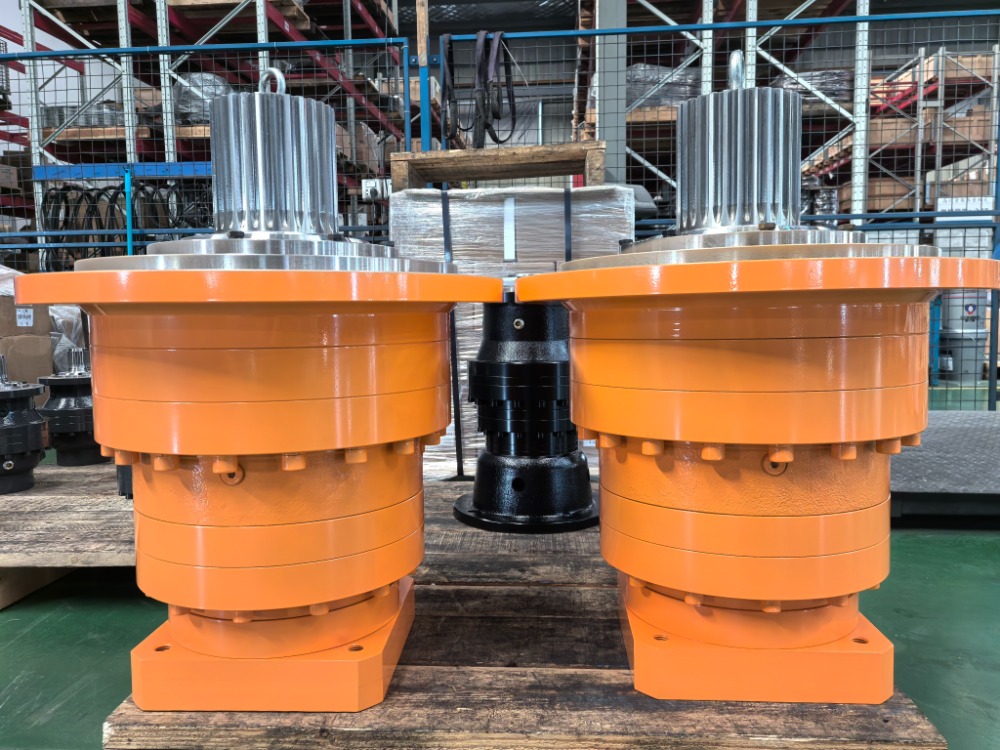
In this article, SGR will provide a comprehensive comparison of these three common types of industrial reducers, helping you gain a thorough understanding of each to better match the specific requirements of your equipment.
The gear reducer is the most fundamental and technologically mature type of speed reducer. It alters rotational speed and torque through the mutual meshing of gears of varying sizes and tooth counts. The transmission principle of a gear reducer is analogous to shifting gears while riding a bicycle, where the chain switches between gears of different sizes. Through ingenious gear combinations, gear reducers can effortlessly achieve speed reduction and torque amplification, thereby meeting the power requirements of a wide range of industrial equipment.
A gear reducer acts like a "mini-motor" within mechanical equipment, transforming high-speed input power into lower-speed—yet more powerful—output energy. Compared to other types of reducers, gear reducers offer high efficiency, a simple structure, and low cost; however, they are relatively bulky. Consequently, they are primarily utilized in general industrial sectors, such as in electric motors, machine tools, and conveyor belts.
When selecting a gear reducer, it is recommended to primarily consider precision, load-bearing capacity, and efficiency.
High-precision gear reducers operate more smoothly, exhibit minimal error, and ensure that the precision of manufactured products meets required standards. In heavy machinery—such as mining equipment—gear reducers with high load-bearing capacity are essential to drive massive mechanical components and ensure their stable operation. High-efficiency gear reducers can also help enterprises realize significant savings in energy costs. Furthermore, superior design and manufacturing processes serve to minimize frictional losses between gears, thereby enhancing transmission efficiency.
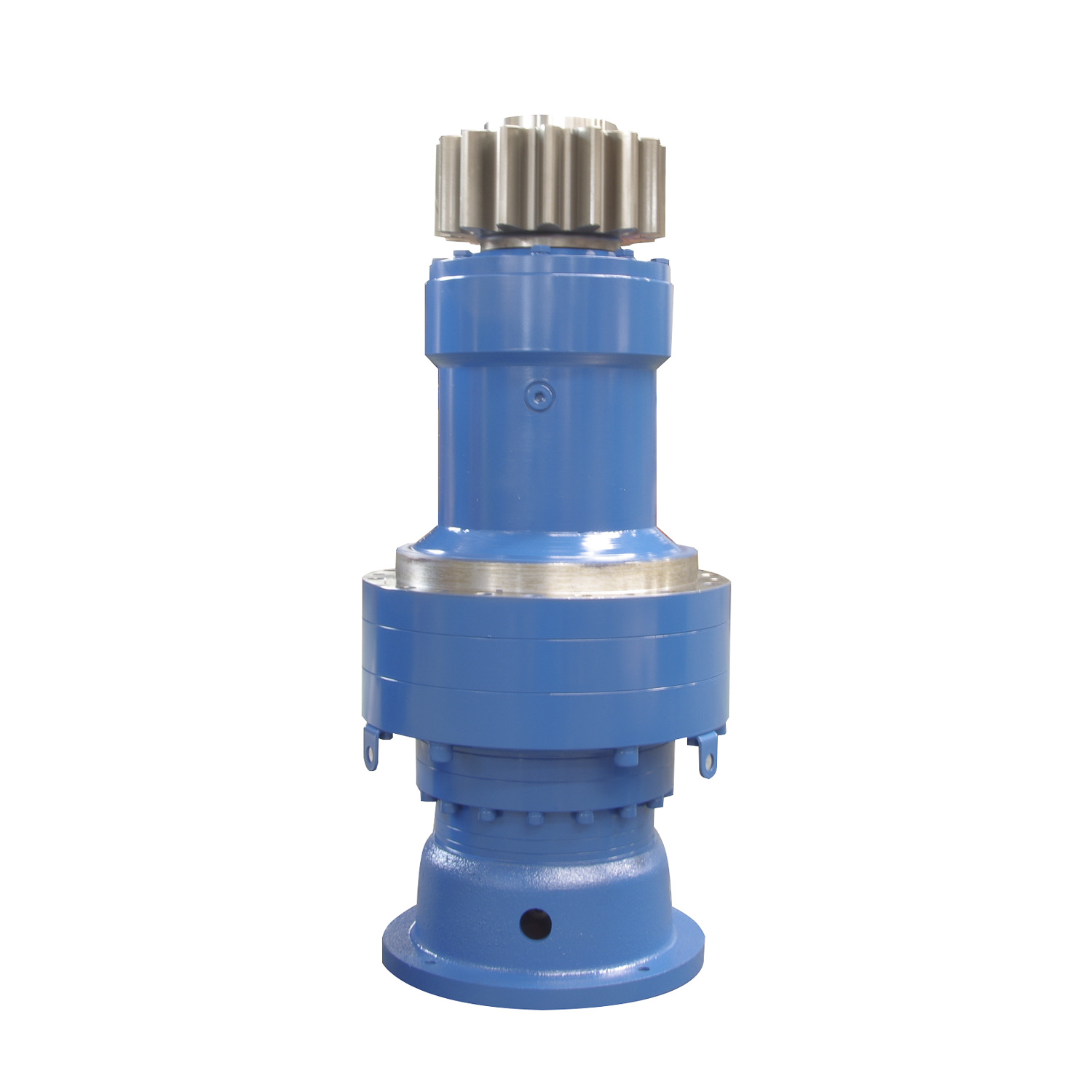
The planetary reducer is a type of speed reducer that has "emerged" in recent years; its structure resembles "planets orbiting the sun" (consisting of a sun gear, planetary gears, an outer ring gear, an inner ring gear, and a planetary carrier). When a motor or engine drives the sun gear to rotate, the planetary gears rotate around their own axes while simultaneously revolving around the inner ring gear, thereby achieving speed reduction.
As an emerging type of speed reducer, the planetary gear reducer employs a unique planetary gear arrangement that features a compact structure, high efficiency, high torque capacity, high precision, low noise, minimal backlash, and a long service life. Furthermore, it possesses exceptional resistance to shock and overload, enabling it to adapt to a wide range of harsh operating conditions. Consequently, it is capable of meeting the demands of high-load equipment—such as conveyors and elevators—in industrial production, as well as the requirements of high-precision applications, including robotic joints and CNC machine tools.
For instance, the N-series planetary gear reducers developed and manufactured by SGR feature gears made from 20CrMnTi steel that undergo carburizing, quenching, and precision grinding processes. These units offer numerous advantages, including multi-tooth load sharing, smooth and reliable operation, and high mechanical efficiency. Positioned as a "substitute for comparable imported reducers," these products align with international standards in both design philosophy and manufacturing technology. Furthermore, thanks to localized service support, they have earned the recognition of users across various industrial sectors—including construction machinery, marine auxiliary equipment, mining machinery, and textile and printing machinery—by offering an exceptional balance of performance and cost-effectiveness.
When selecting a planetary reducer, it is recommended to prioritize the reduction ratio, torque, precision, and environmental adaptability.
If an exact match for the required reduction ratio is unavailable, you may opt for the closest available ratio or consider a customized solution. Regarding torque selection, it is essential to ensure that the reducer's rated output torque is greater than or equal to the maximum working torque actually required by the equipment. In modern industrial automation environments, there are stringent requirements for the precision of planetary reducers; therefore, it is imperative to select a unit characterized by high precision and minimal backlash. Furthermore, for specific applications where the reducer must operate under extreme temperatures or in specialized environments, it is necessary to consult with the planetary reducer manufacturer in advance during the selection process.
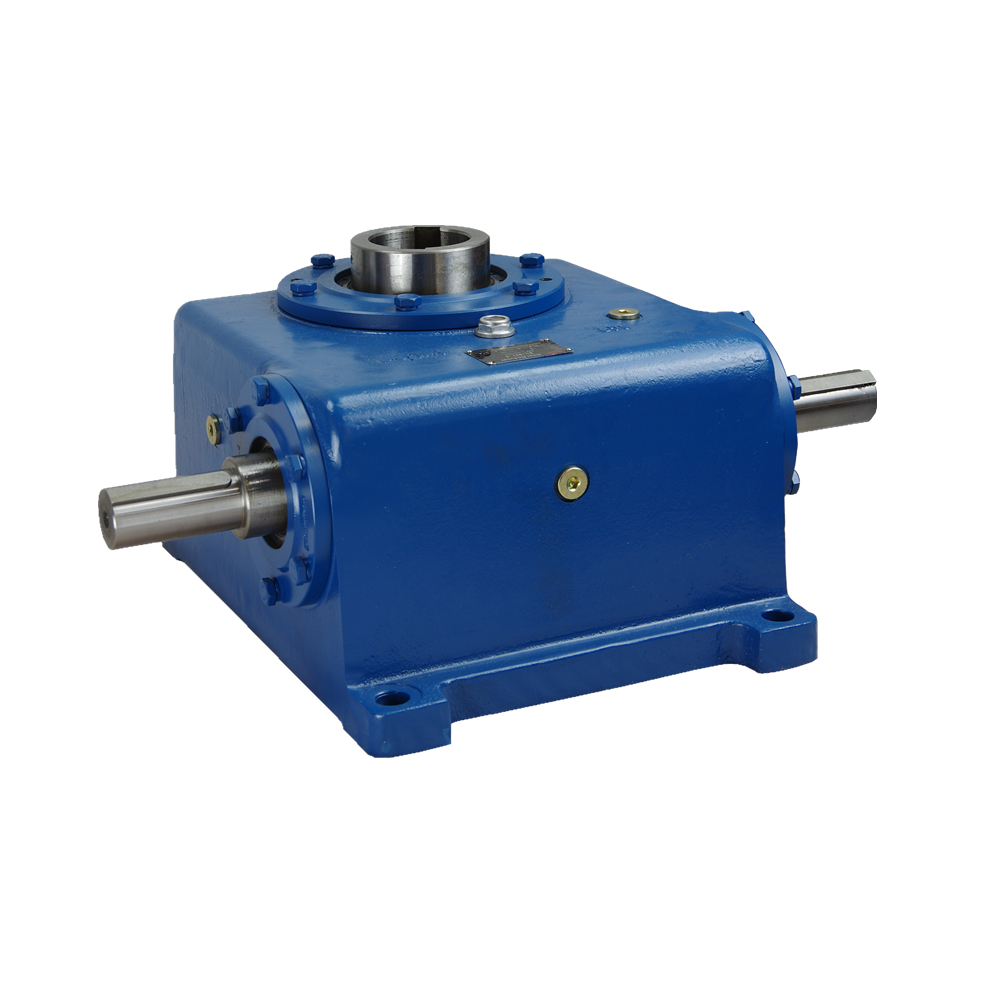
A worm gear reducer utilizes the meshing of a worm and a worm wheel to achieve speed reduction and torque amplification; its core characteristics are the ability to attain a substantial reduction ratio through a single stage of transmission, as well as its self-locking capability.
In automated equipment, conveying machinery, packaging machinery, elevators, conveyors, and various industrial transmission systems, worm gear reducers—utilizing their unique worm and worm wheel structure—transform the high-speed, low-torque input from a motor into the low-speed, high-torque output required at the output end, thereby fulfilling the equipment's critical need for high-torque, low-speed drive capabilities.
For instance, the C-series worm gear reducers developed and manufactured by SGR feature a worm crafted from 20CrMnTi steel—which undergoes carburizing, quenching, and precision gear grinding—and a worm wheel made of high-performance alloy bronze. This construction ensures exceptional, long-lasting wear resistance, high transmission efficiency, and an extended service life. Compared to cylindrical worm gear sets of equivalent specifications, these units demonstrate significantly enhanced load-bearing capacity and transmission efficiency; furthermore, at high reduction ratios, they exhibit mechanical self-locking properties, thereby effectively bolstering the safety performance of hoisting machinery.
When selecting a worm gear reducer, it is recommended to primarily consider the reduction ratio, output torque, and whether a self-locking function is required.
The reduction ratio determines the output speed; therefore, it is recommended to calculate the required ratio based on the motor speed and the equipment's required output speed to avoid "overload operation." Output torque is a critical parameter in worm gear reducers; the reducer's rated output torque must exceed the actual operating torque—particularly in applications involving frequent starts and stops or heavy shock loads (such as hoists and mixers). Self-locking capability is a key feature of worm gear reducers; consequently, if the specific application—such as a lifting platform or valve actuator—requires a self-locking function, a worm gear reducer is the definitive choice.(Author,SGR, Angie Zhang)
WhatsApp: +86 188 1807 0282
Related Video Link:https://www.tiktok.com/@gear.reducer/video/7455630850676296991
Product Info: The MNC3E400 series high speed and high torque industrial planetary gear reducers are ...
See Details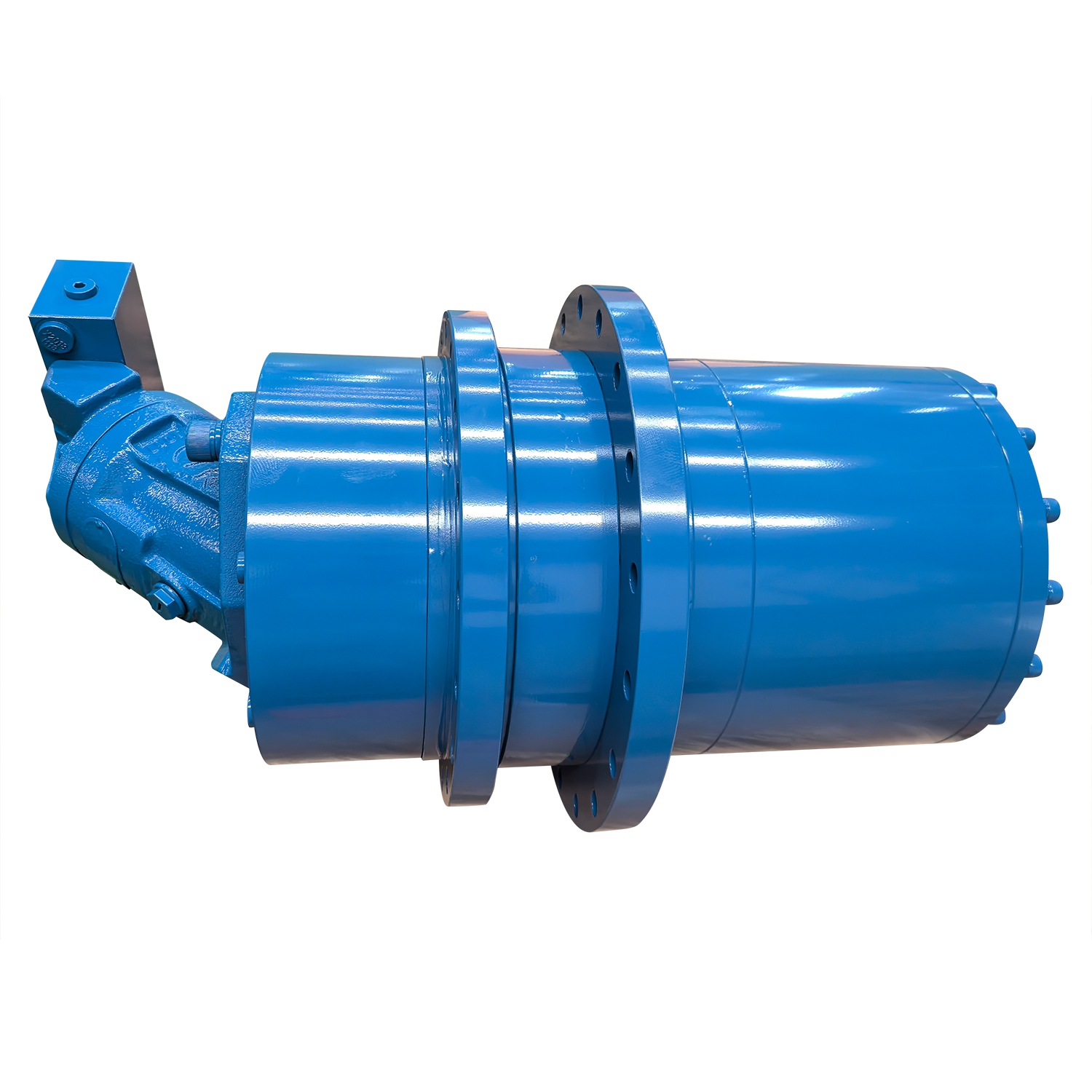
Model: 200-885 Ratio: 3.15-7800 Output Torque :1500Nm-540000Nm Rating Power :0.25KW-200kw Descripti...
See Details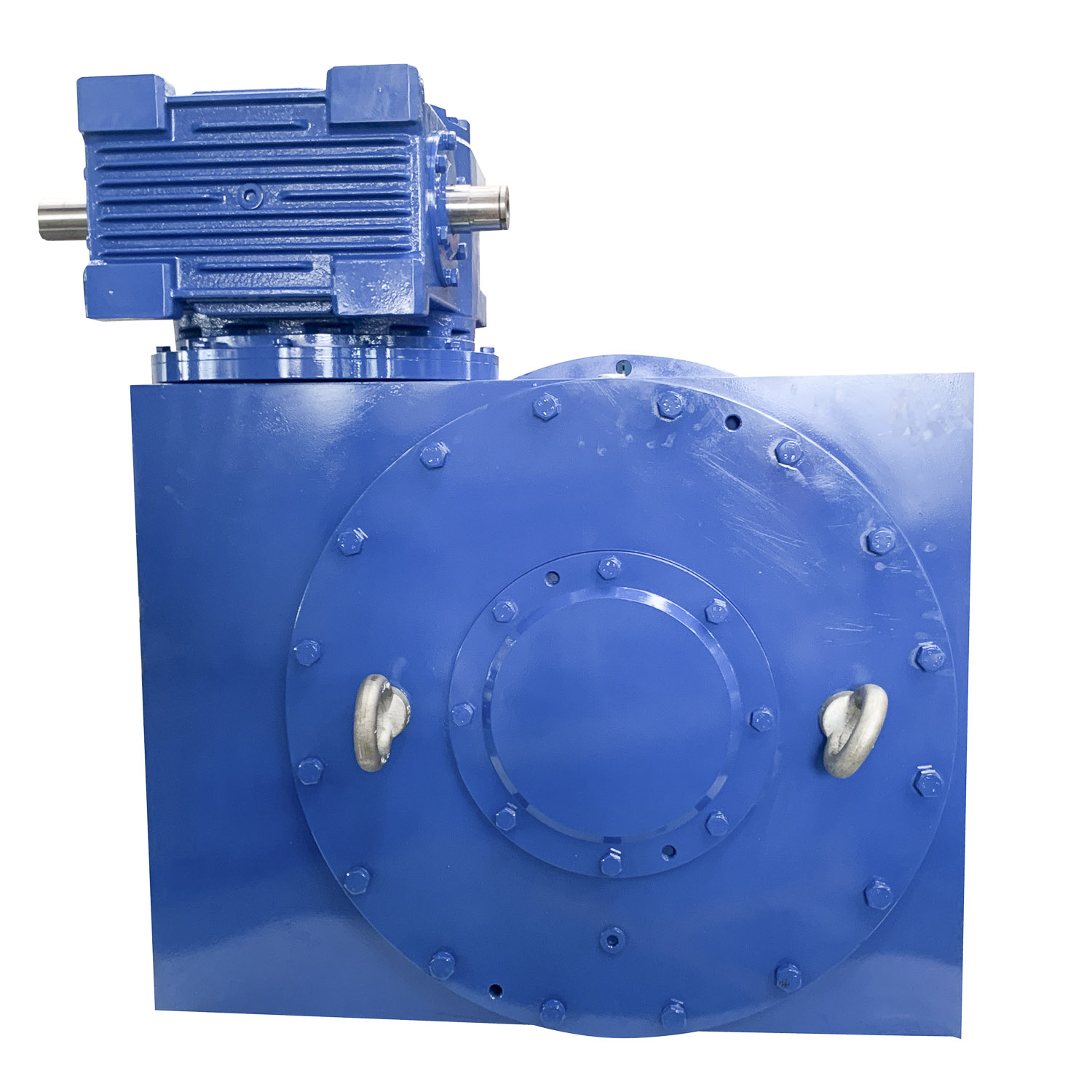
As one of famous double enveloping worm gear manufacturers,SGR's double throated worm gear has adva...
See Details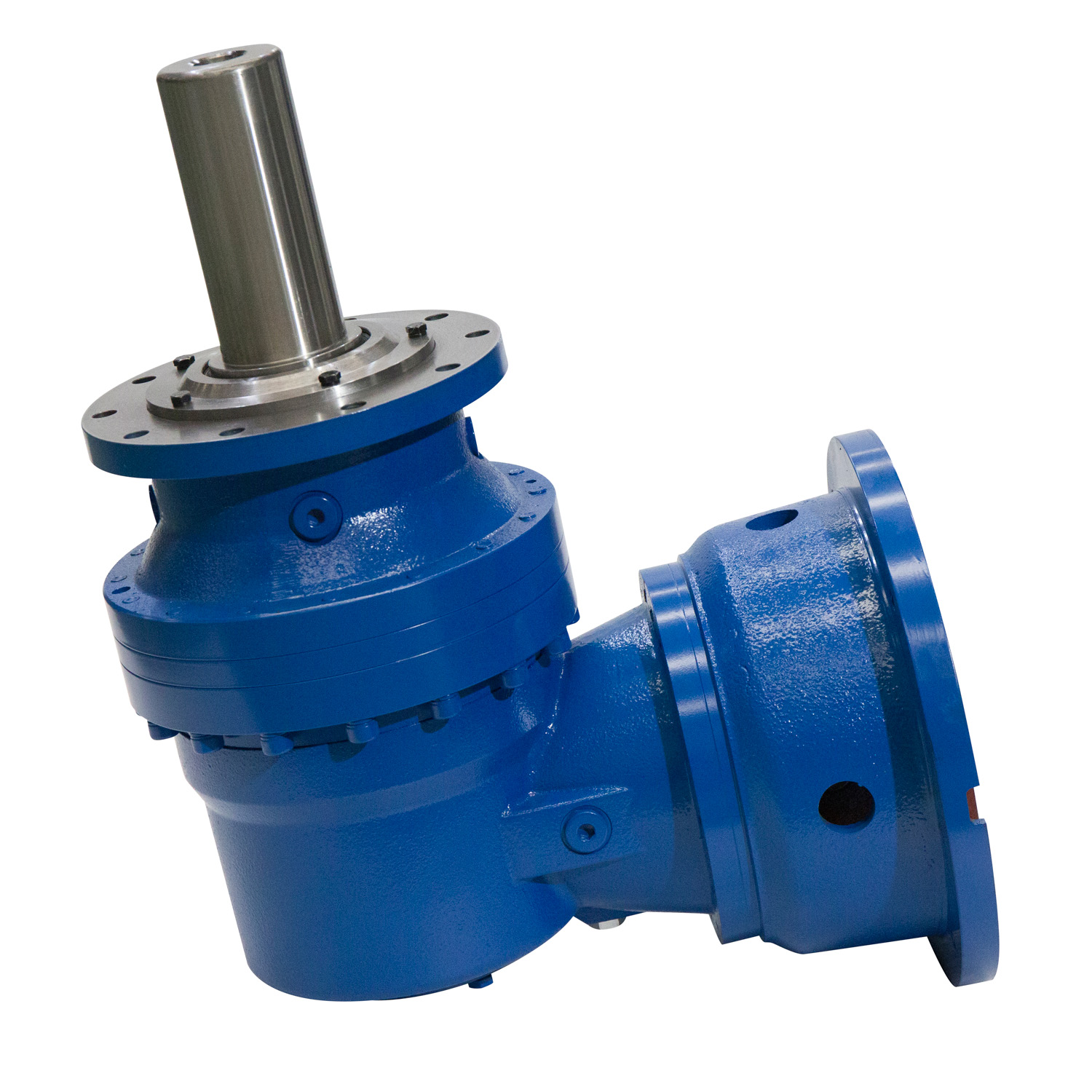
Technical data: 1. Ratio range: 3.15-90002. Input power: 0.25-55KW3. Permit torque rang: ≤ 800000N. ...
See Details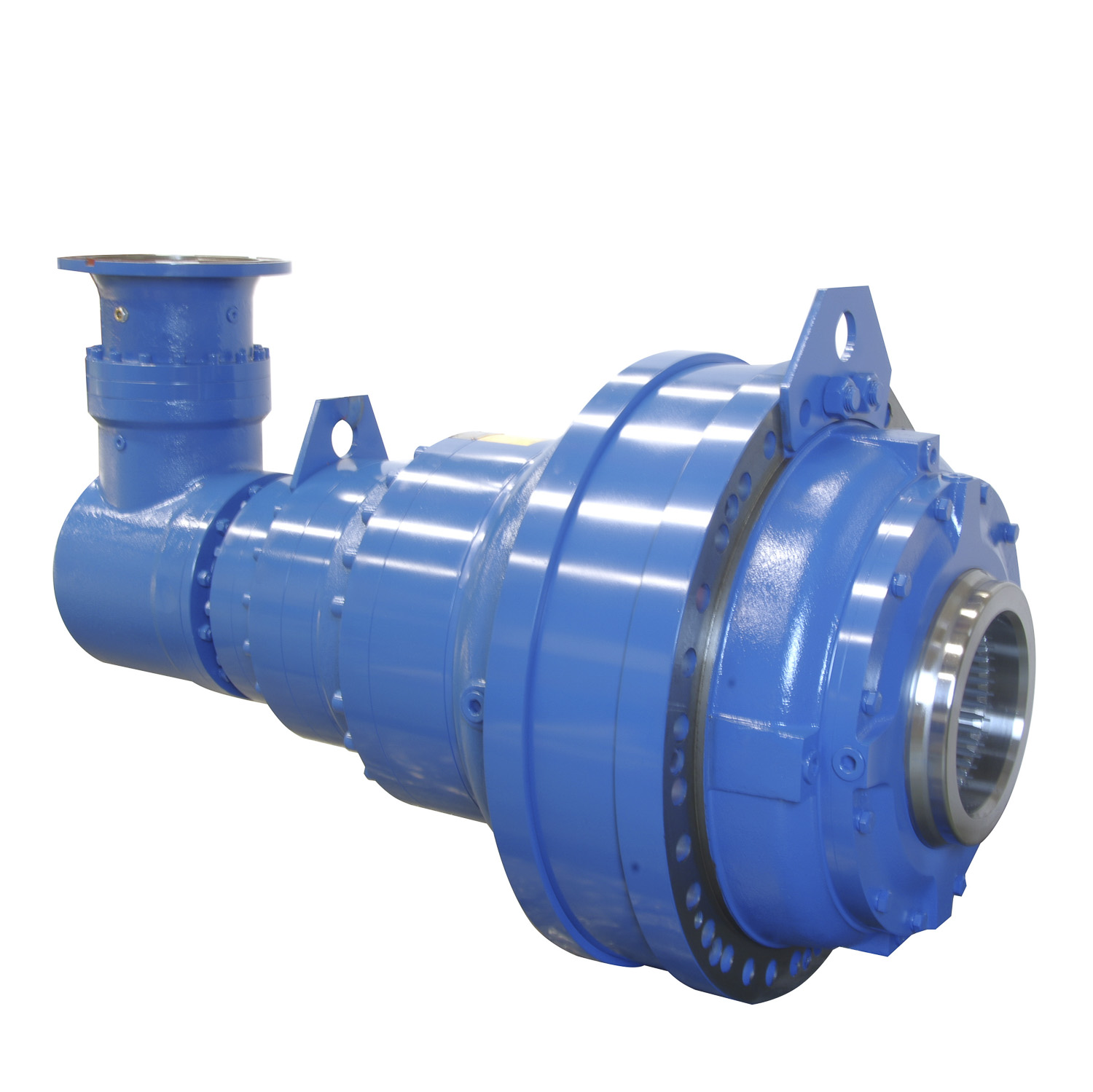
Planetary gearbox is produced by modular design, and can be combined according to client's request H...
See Details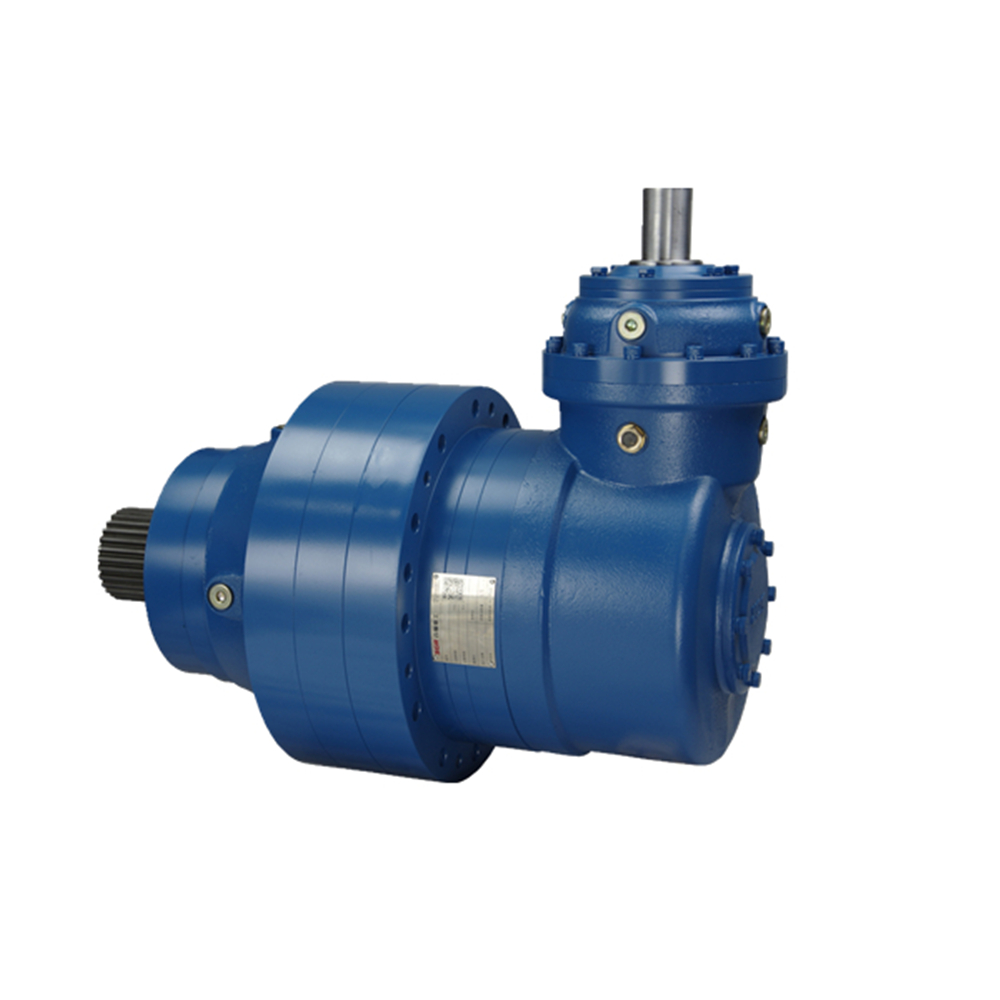
Technical data: 1. Ratio range: 3.15-30002. Input power: 0.25-55KW3. Permit torque rang: ≤ 200000N. ...
See Details
SGR is an ISO 9001 certified, DNV-accredited industry gearbox manufacturer since 1996. We supply different gear reducers to brands worldwide.