Global
  English
 中文简体
中文简体 русский
 Español
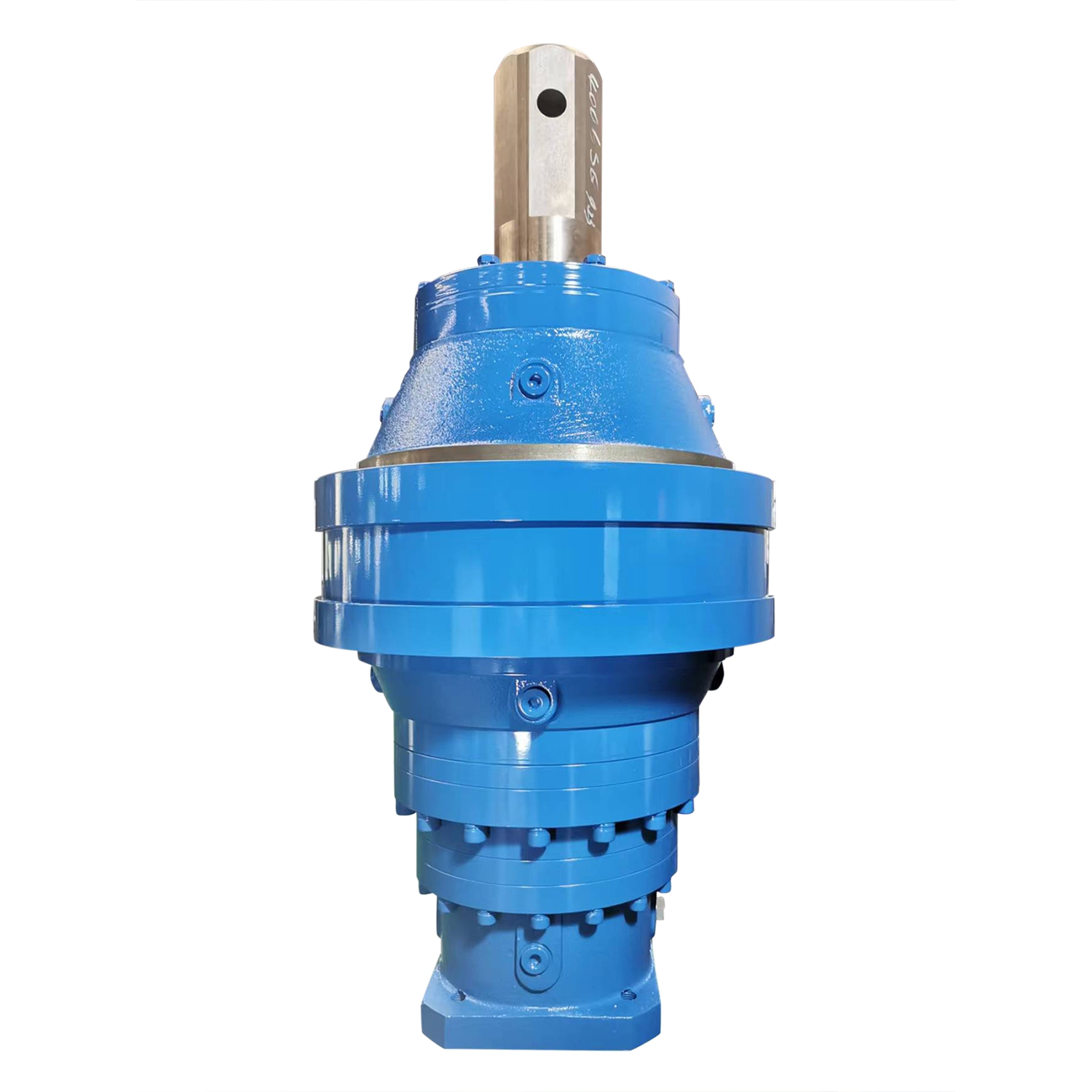
Model: 200-885Ratio: 3.15-7800Output Torque :1500Nm-540000NmRating Power :0.25KW-200kwDescription : ...
See Details
News Directory
A planetary gearbox is a high-performance mechanical system used to increase output torque and reduce speed by distributing loads across multiple gears. It is defined by its compact, coaxial design where "planet" gears revolve around a central "sun" gear, making it the preferred choice for applications requiring high precision and power density in limited spaces.
The operational logic of a planetary system relies on the distribution of load. Unlike a traditional parallel-axis gearbox where one tooth carries the entire load at any given time, a planetary system shares the burden across multiple contact points.
The system consists of four primary components:
As the sun gear rotates, it drives the planet gears. Because the planet gears are constrained by the outer ring gear, they are forced to orbit the sun, turning the carrier. This mechanism creates a significant gear reduction in a single stage. For example, a standard single-stage planetary gearbox can achieve ratios from 3:1 to 10:1.
Planetary gearboxes are engineered for efficiency and durability. Their unique geometry provides several distinct technical advantages over spur or helical gearboxes:
| Feature | Technical Benefit |
| High Torque Density | Because the load is shared between multiple planet gears (e.g., 3 to 4 gears), the gearbox can handle much higher torque than a spur gear of the same size. |
| Compact Footprint | The input and output shafts are aligned on the same axis (coaxial), allowing for significant space savings in machinery design. |
| High Efficiency | Planetary systems typically operate at 90% to 97% efficiency per stage, minimizing energy loss through heat. |
| Stability and Precision | The radial loads cancel each other out due to the symmetrical arrangement, leading to lower vibration and higher positioning accuracy (low backlash). |
In modern engineering, these gearboxes are used wherever high torque must be delivered with surgical precision. They are the backbone of automation and heavy-duty motion control.
In robotic arms and CNC machinery, a planetary gearbox provides the low-backlash performance required for precise movements. For instance, high-precision planetary reducers often feature backlash ratings of less than 3 arc-minutes, ensuring that a robotic welder hits the exact same spot every cycle.
Automatic transmissions are perhaps the most famous application. They use "planetary sets" to switch gear ratios without interrupting power flow. Additionally, electric vehicle (EV) drivetrains utilize these gearboxes to manage the high RPMs of electric motors, effectively converting that speed into the torque needed to move the vehicle from a standstill.
Wind turbines utilize massive planetary gearboxes to convert the slow, high-torque rotation of the turbine blades into the high-speed rotation required by the generator to produce electricity. These units are designed to withstand extreme environmental stress and provide decades of service life.
The following table illustrates common sectors and the specific role the planetary gearbox plays within them:
| Application | Primary Function | Typical Requirement |
| Aerospace (Actuators) | Flap and slat adjustment | Lightweight and high reliability |
| Medical Devices | Surgical robots and scanners | Ultra-quiet operation and precision |
| Heavy Machinery | Cranes and winches | Massive torque multiplication |
| Conveyor Systems | Material handling | Continuous duty and durability |
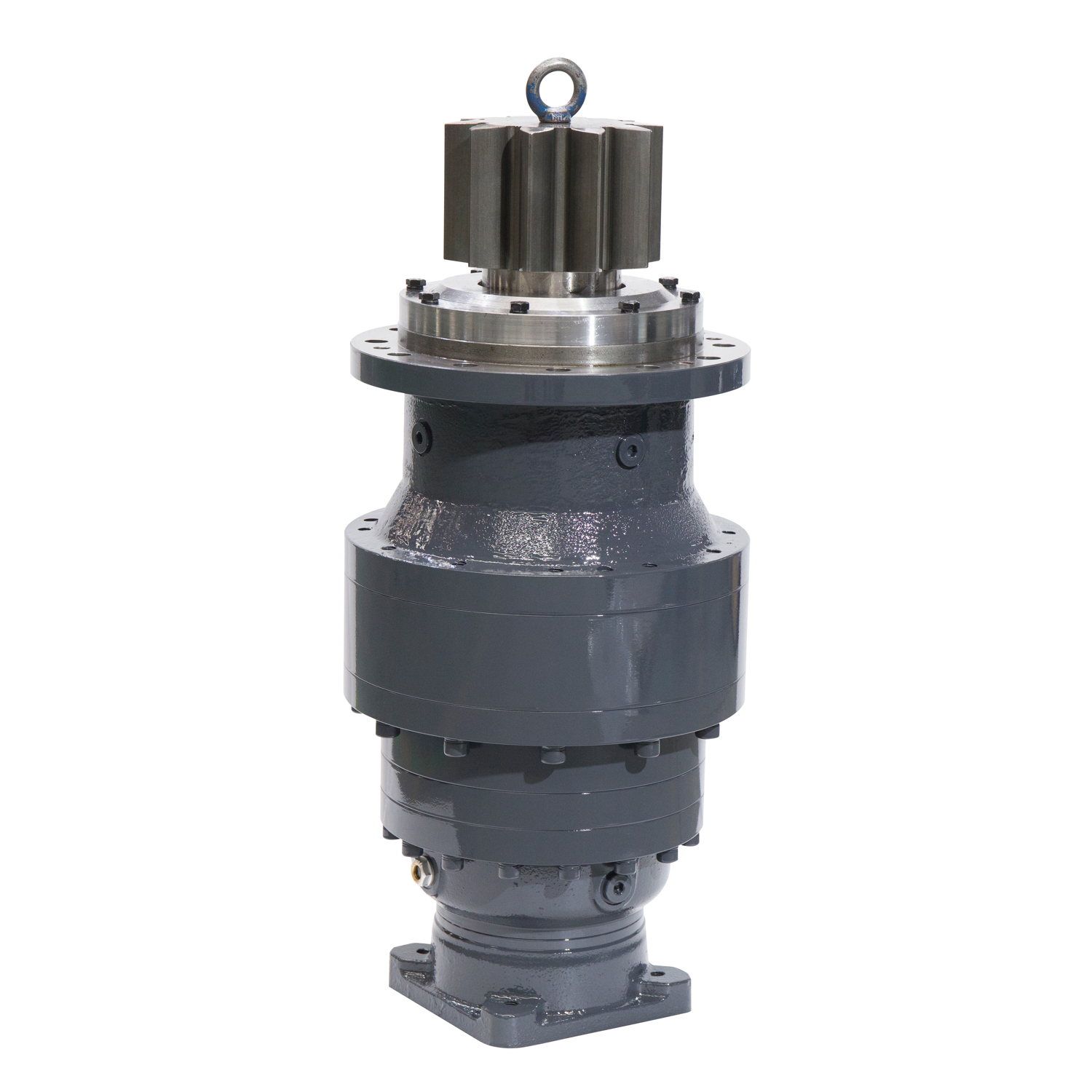
Model: 200-885Ratio: 3.15-7800Output Torque :1500Nm-540000NmRating Power :0.25KW-200kwDescription : ...
See Details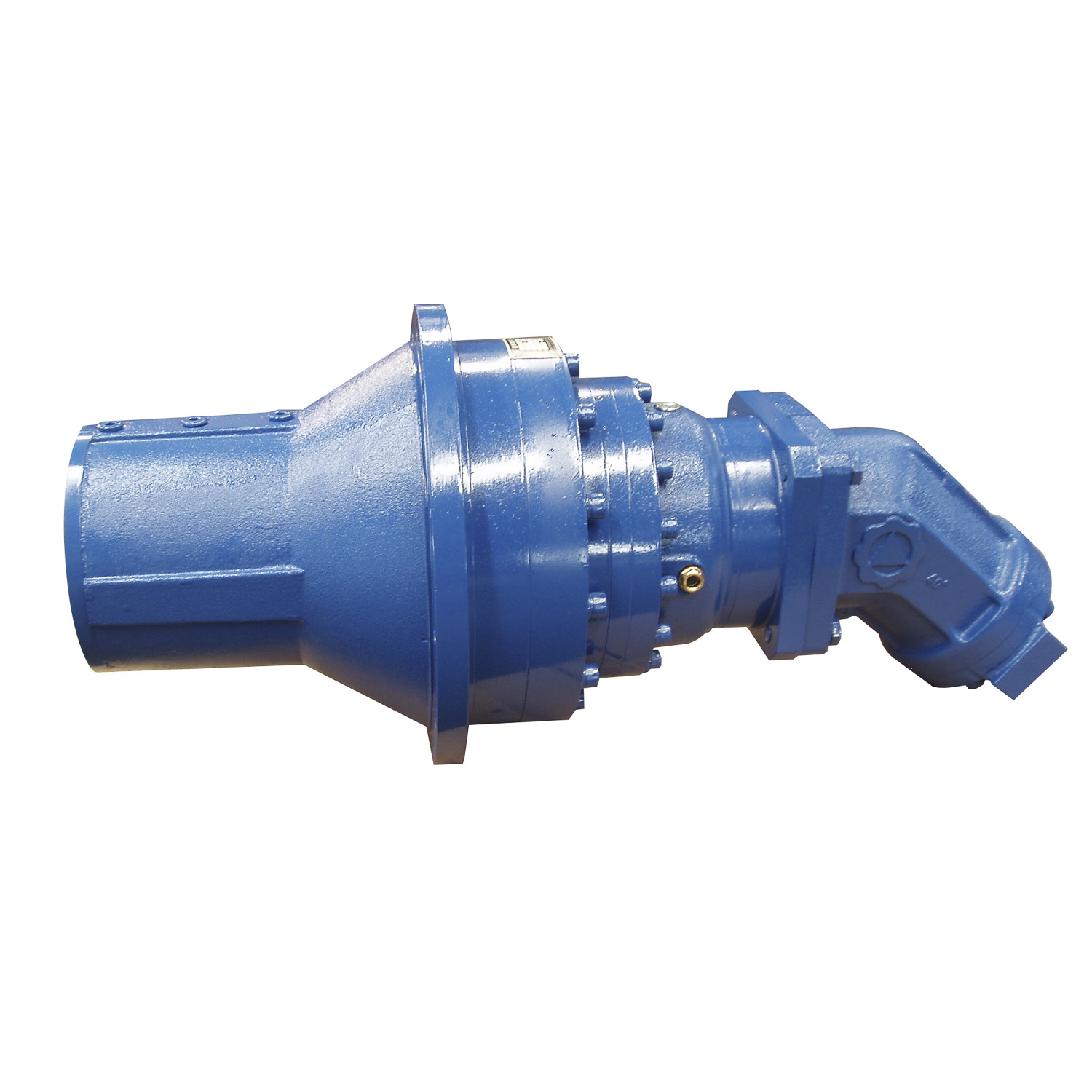
Key feature:Planetary gearbox is produced by modular design, and can be combined according to client...
See Details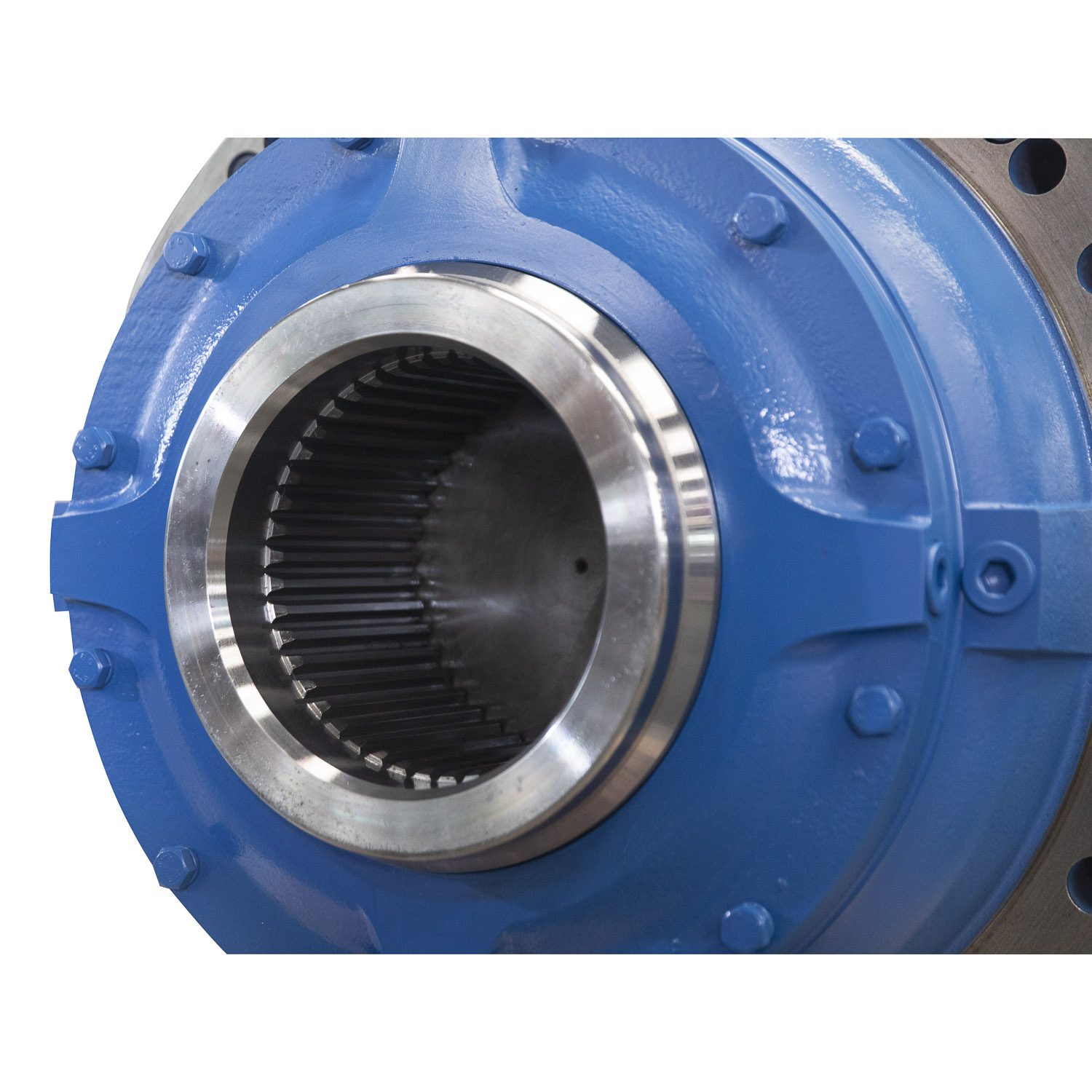
Shanghai SGR Heavy Industry Machinery Co., Ltd. is a high tech enterprise, it was selected in the li...
See Details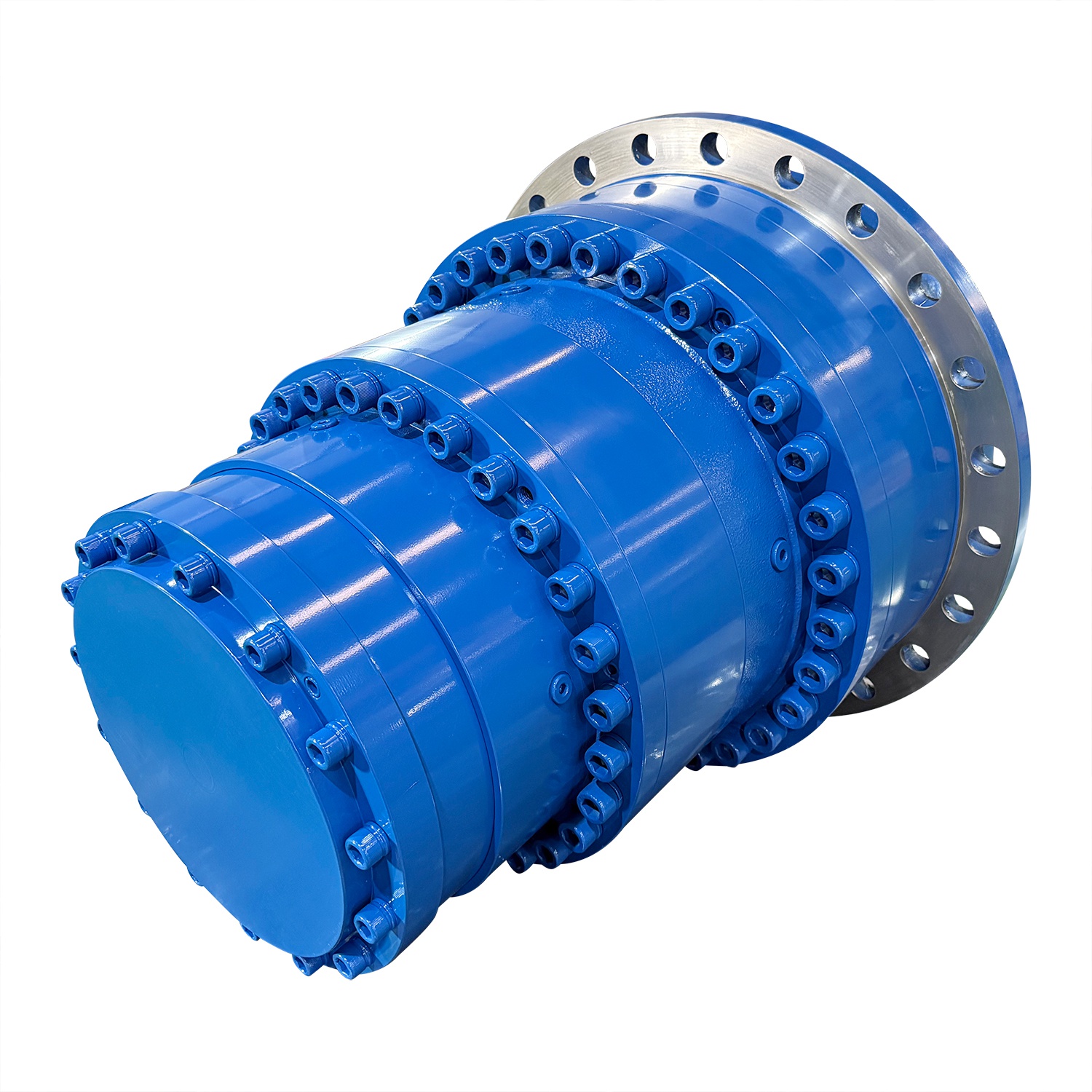
Planetary gear reducers serve as key transmission parts for sightseeing boats sailing along Russia’s...
See Details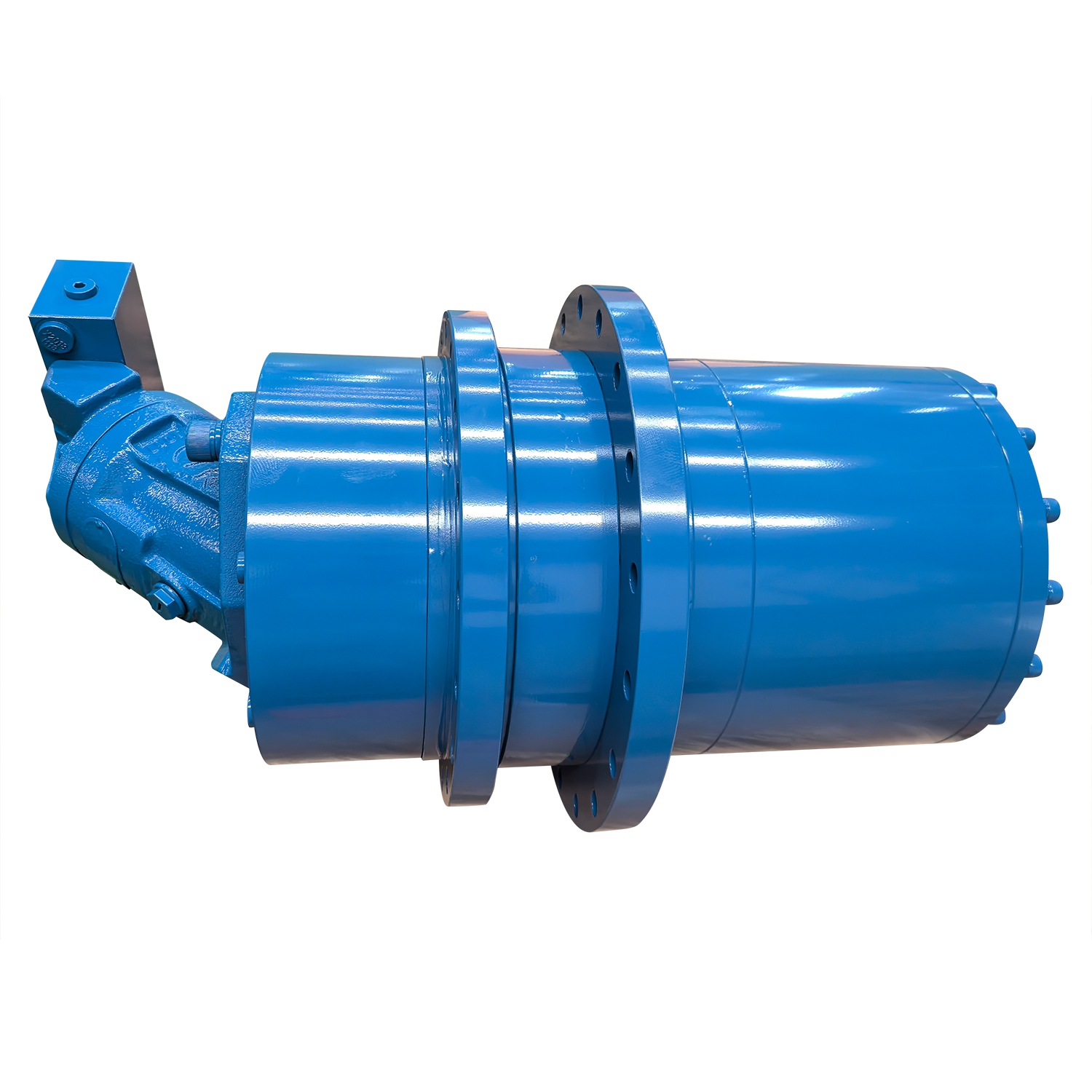
Model: 200-885 Ratio: 3.15-7800 Output Torque :1500Nm-540000Nm Rating Power :0.25KW-200kw Descripti...
See Details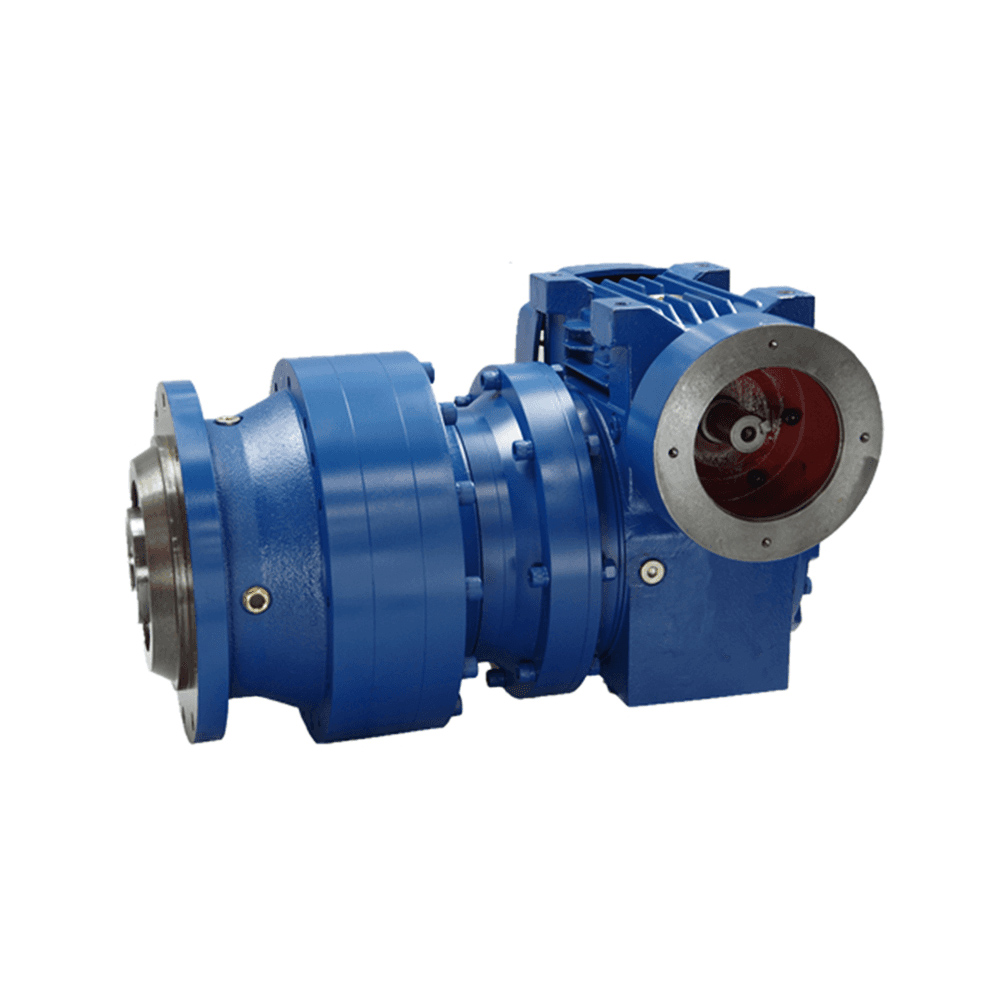
The planetary and toroidal worm combined reducer developed by SGR features a compact structure, with...
See Details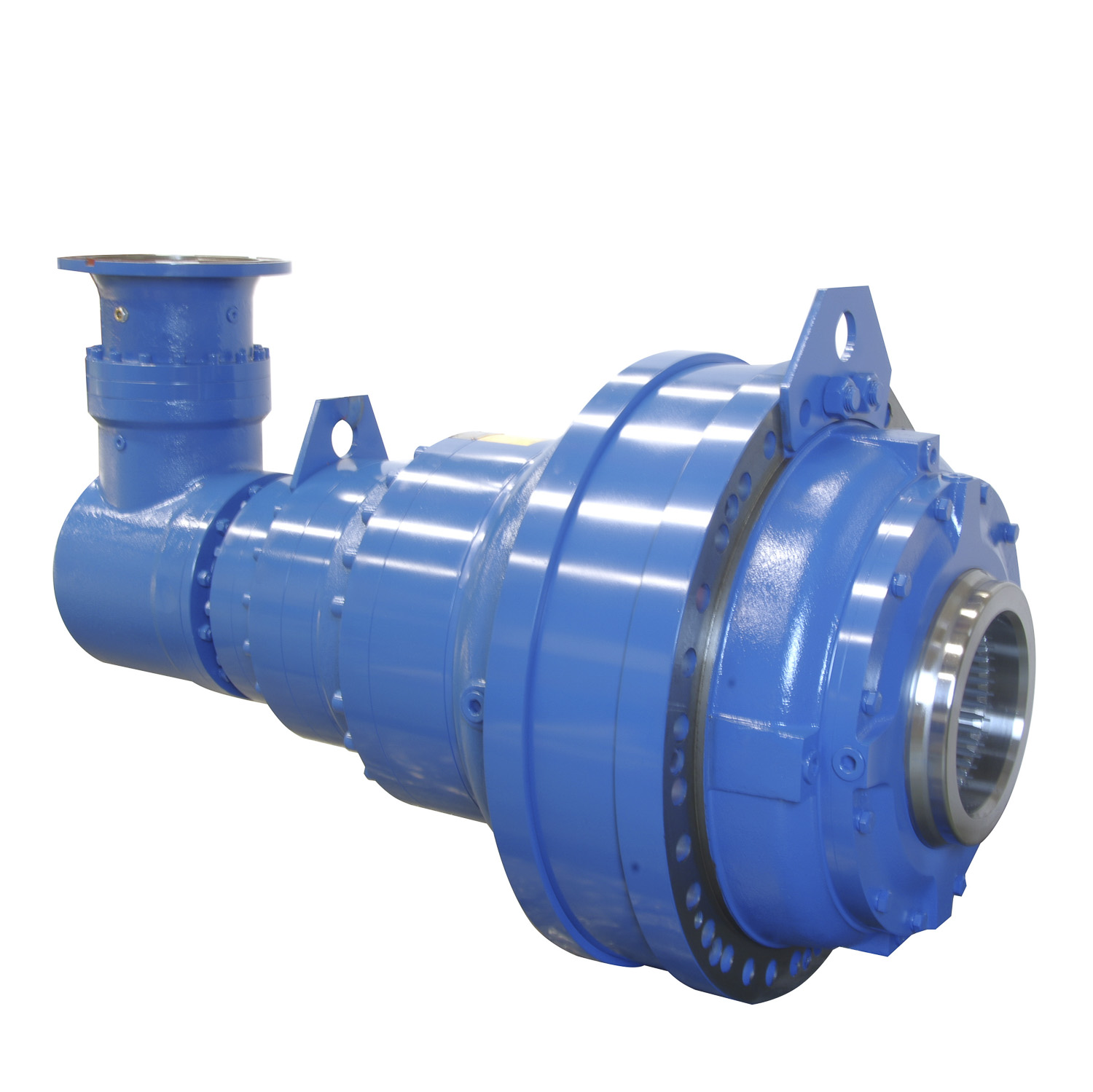
Planetary gearbox is produced by modular design, and can be combined according to client's request H...
See Details
SGR is an ISO 9001 certified, DNV-accredited industry gearbox manufacturer since 1996. We supply different gear reducers to brands worldwide.