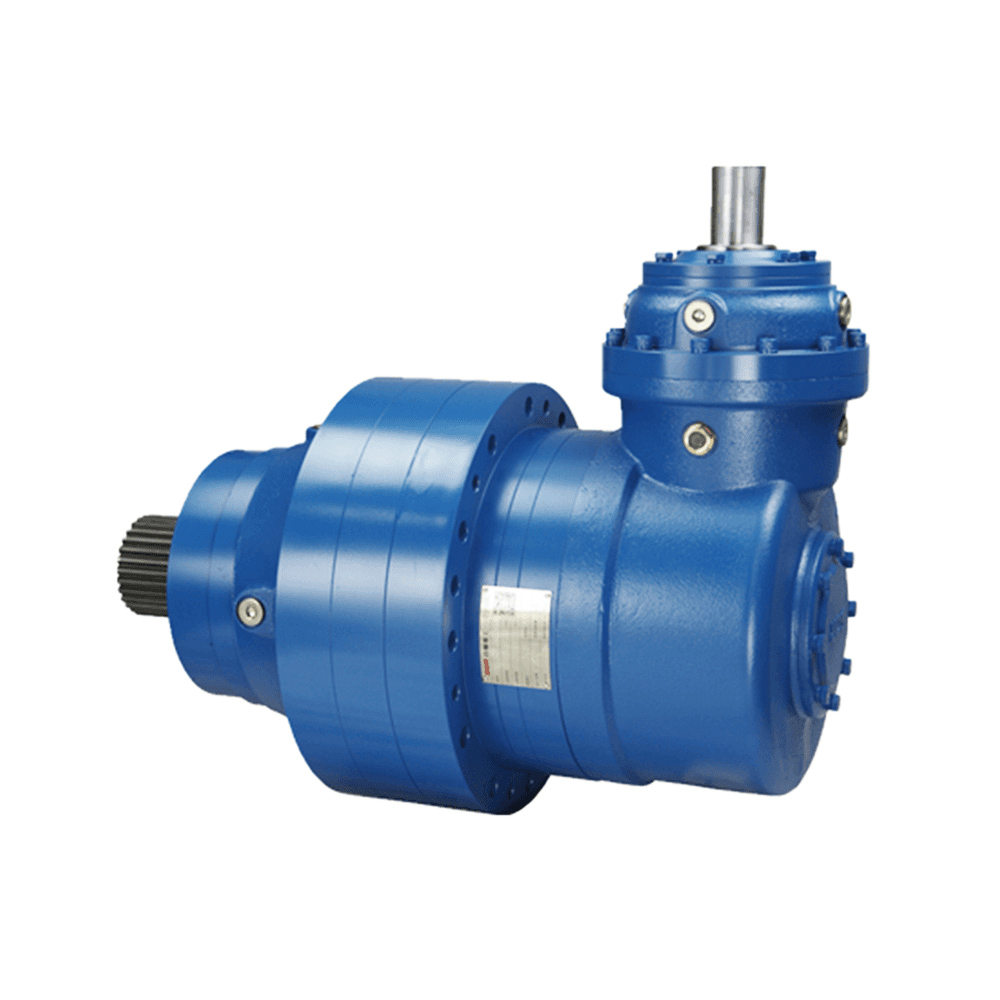
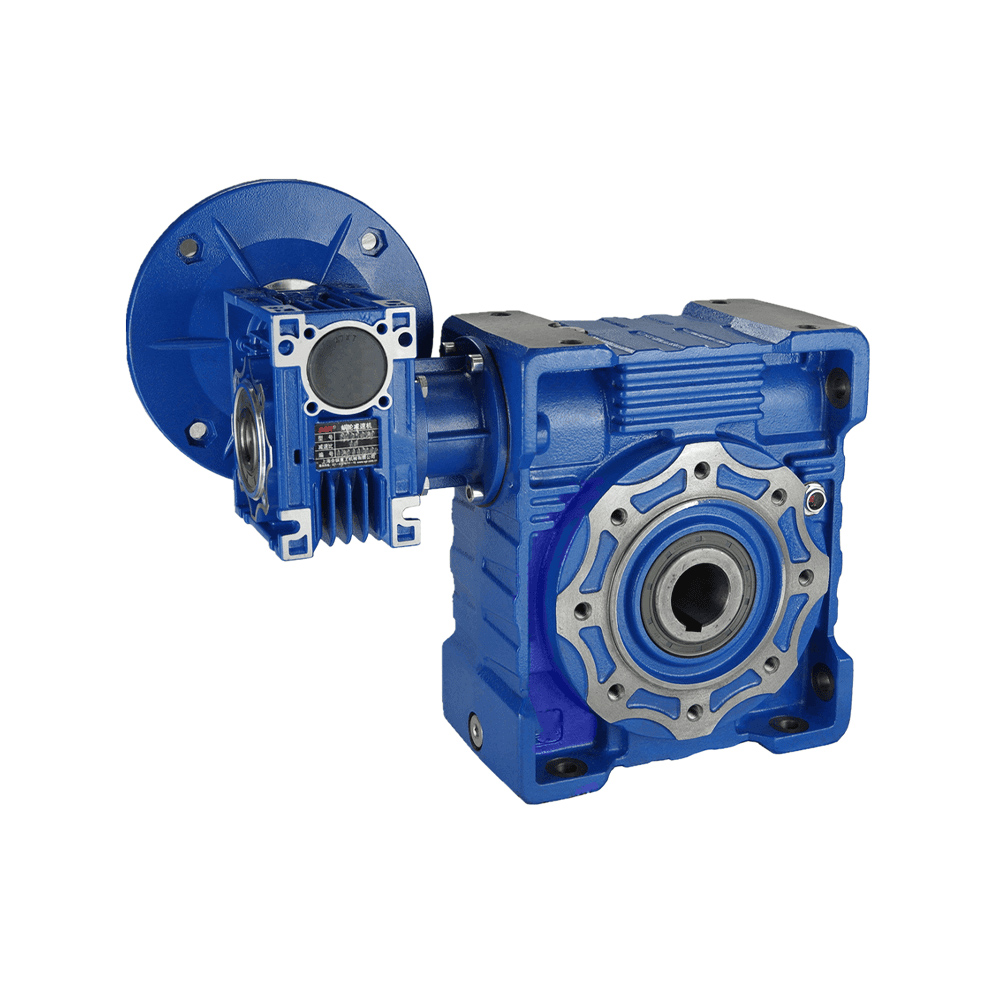
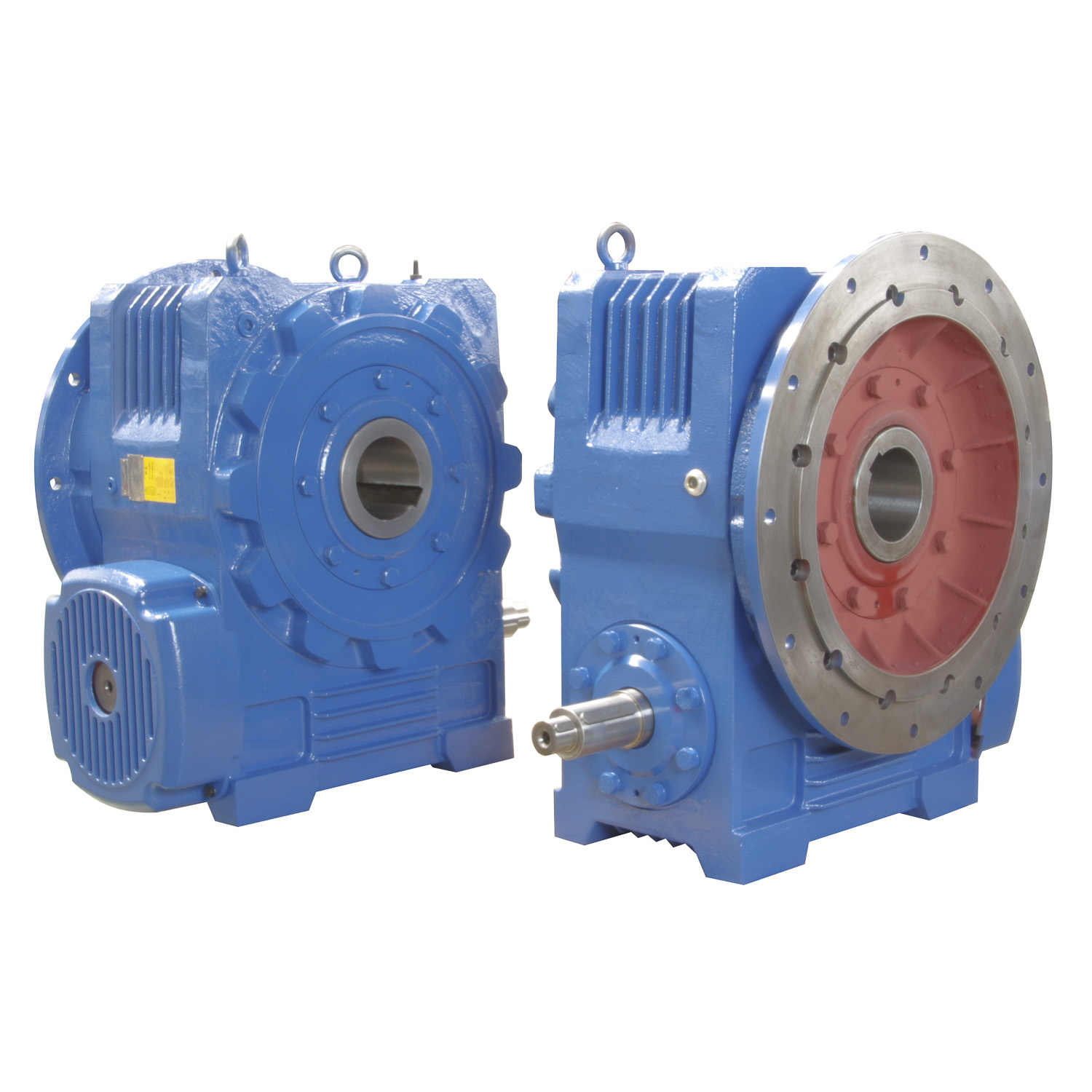
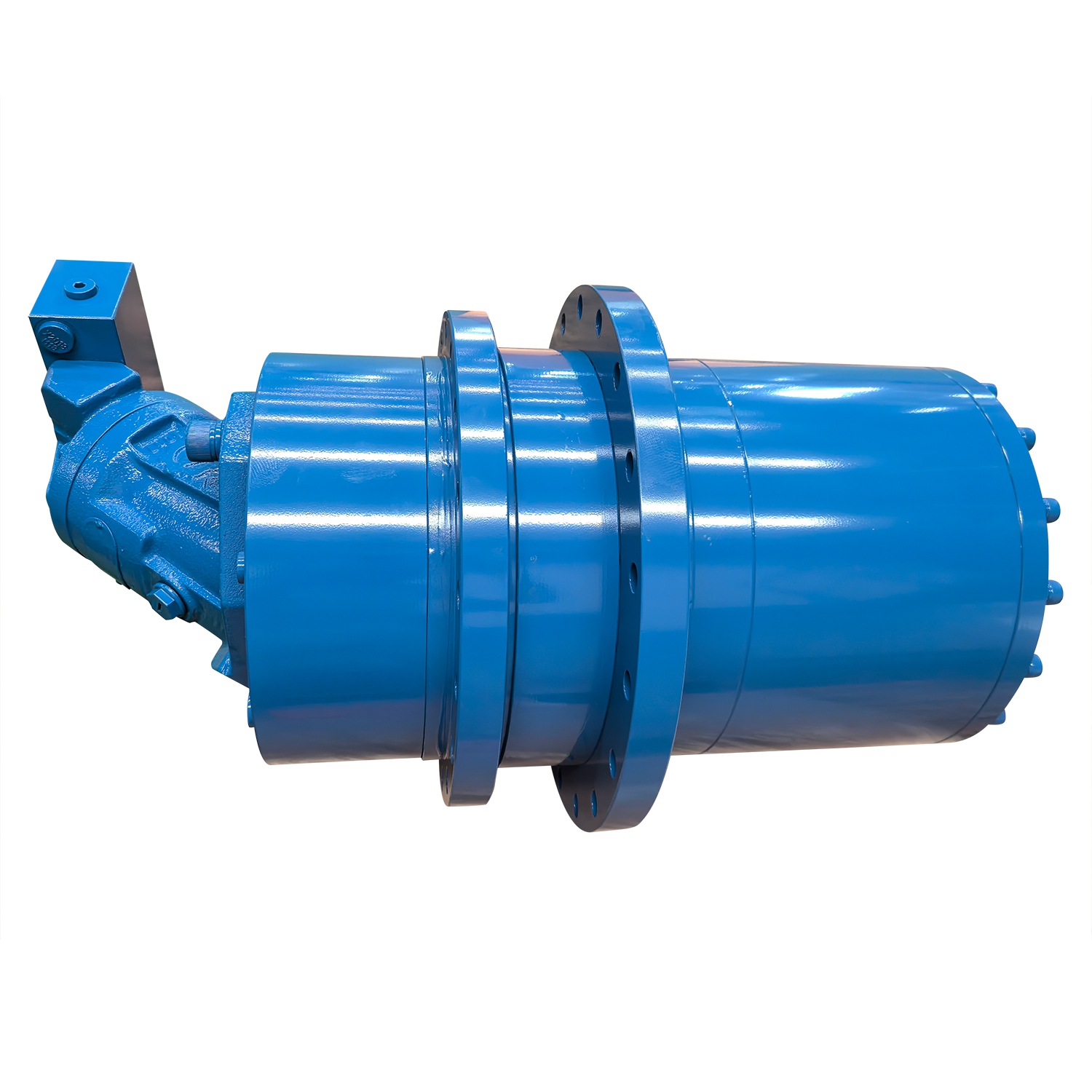
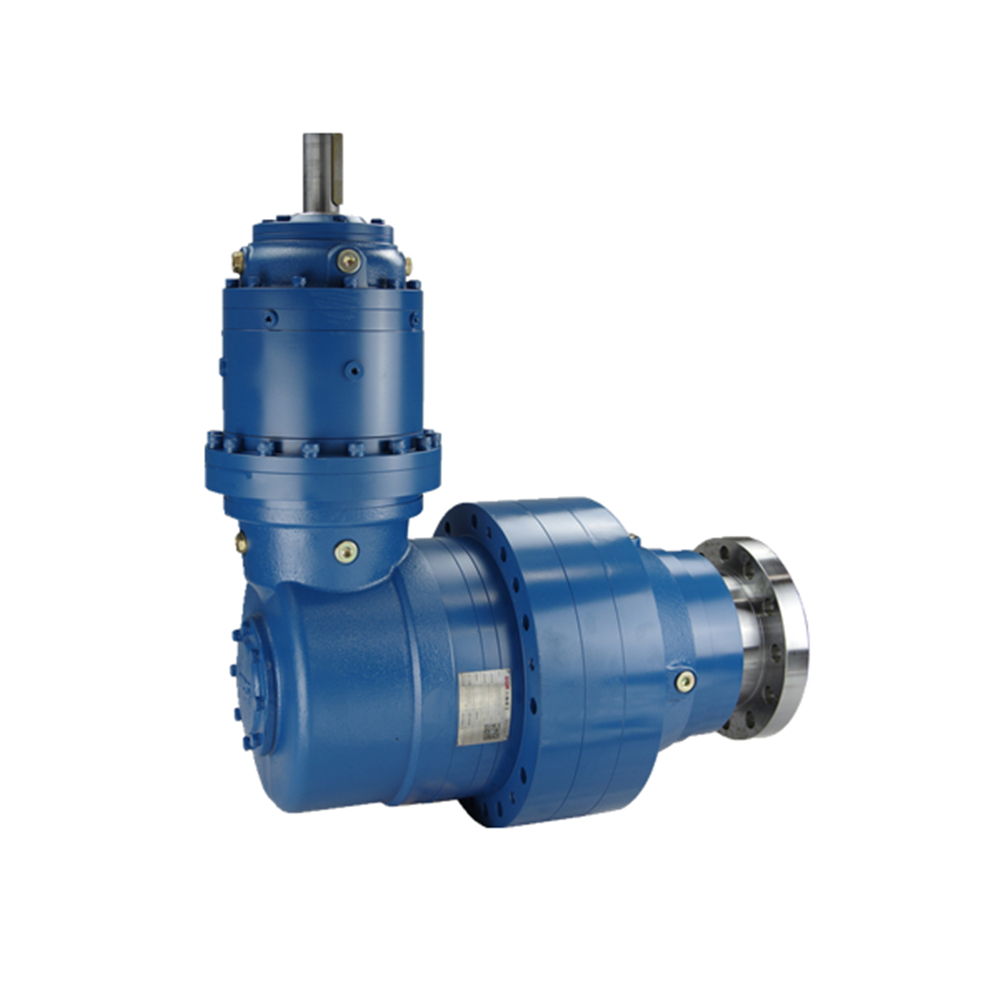
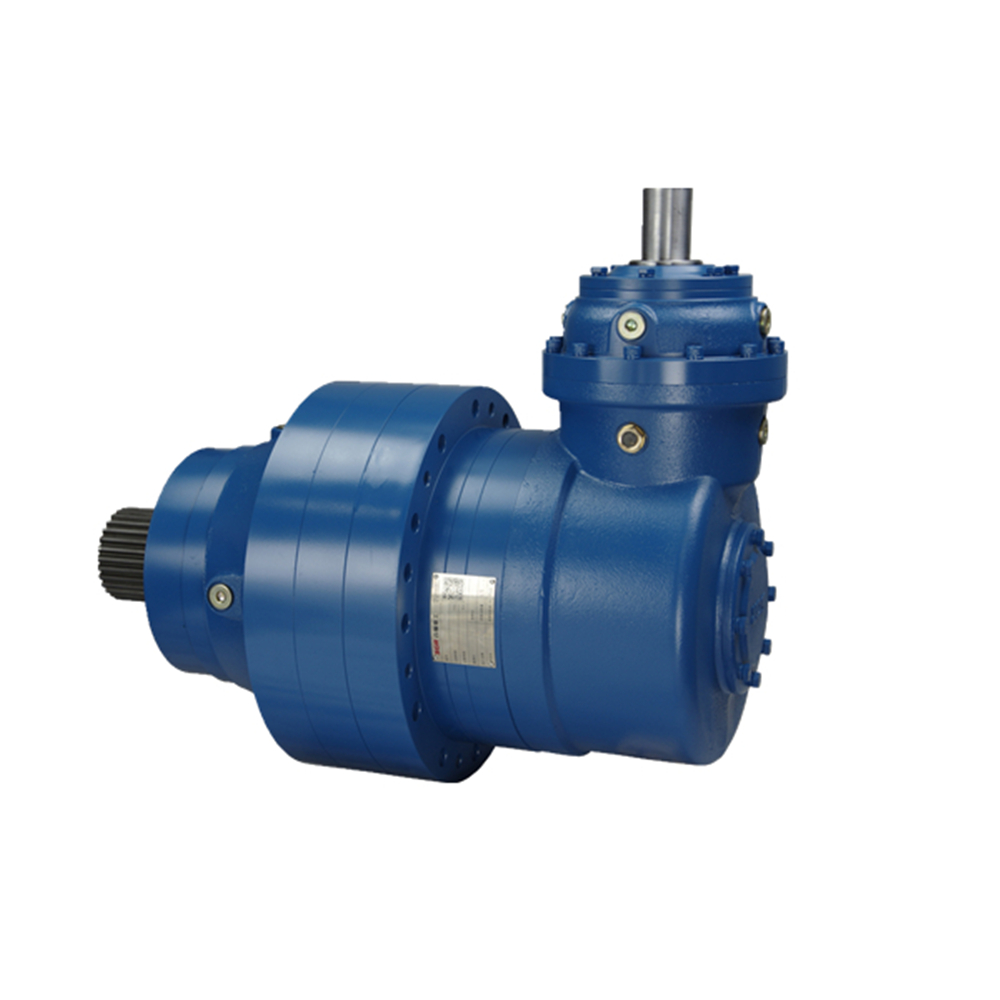
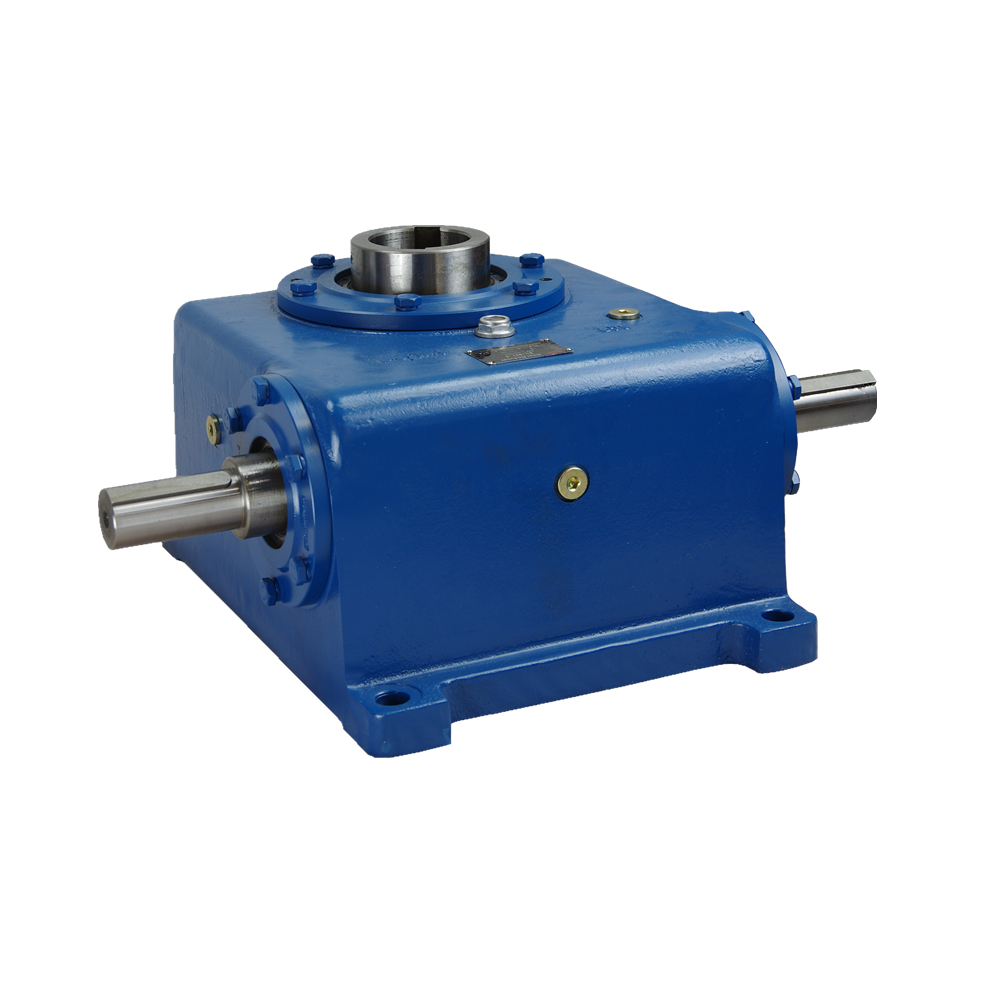
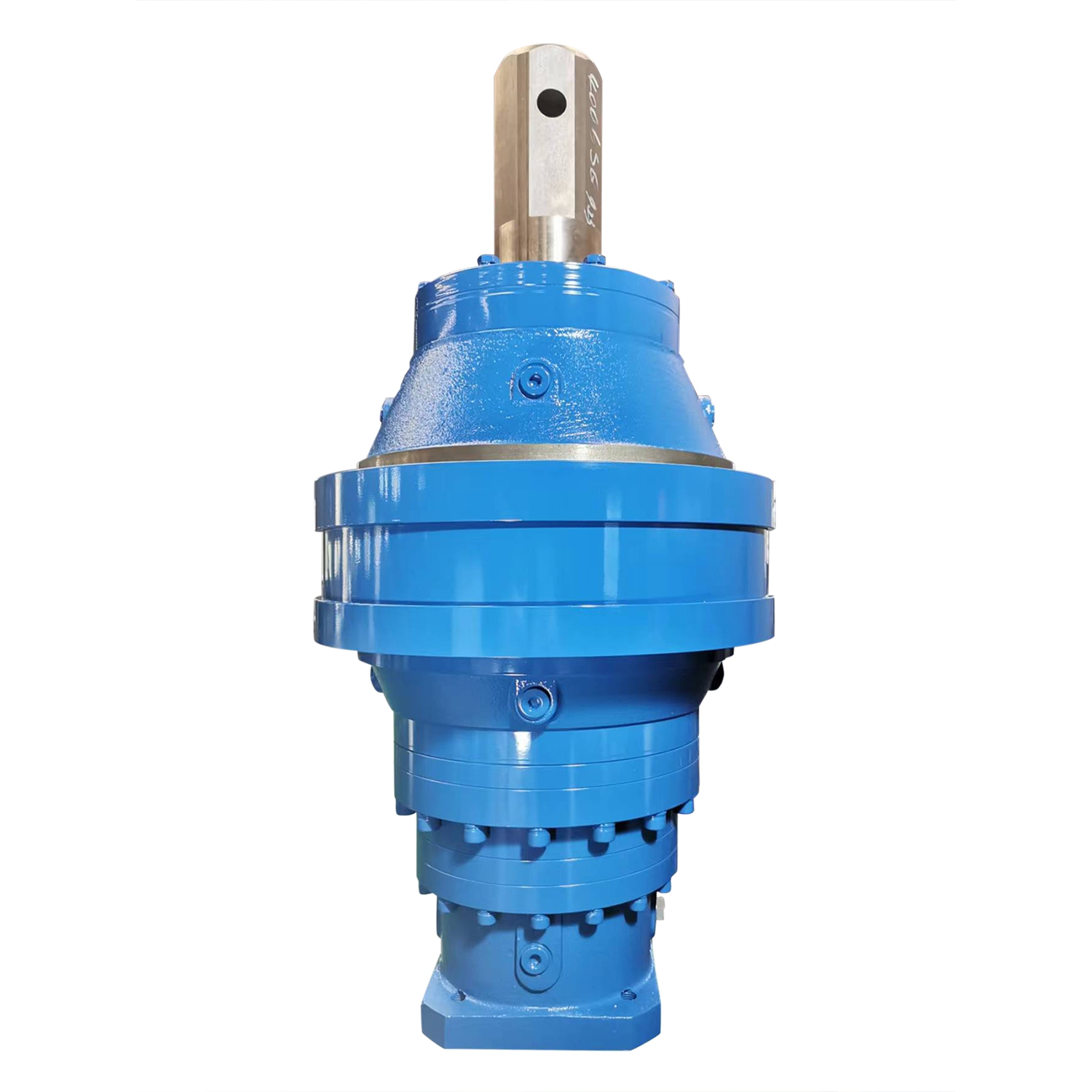
Shanghai SGR Heavy Industry Machinery Co., Ltd., a recognized high-tech enterprise in Shanghai, specializes in precision gear transmission solutions. With an R&D team composed of PhDs and senior engineers, the company focuses on modular, standardized designs characterized by low vibration and low noise. Having developed the Planar Double-Enveloping Worm Gear Optimization Design System and specialized testing platforms, SGR provides engineering-grade Cylindrical Reducer systems. These units are specifically engineered to maintain structural integrity under the extreme torque fluctuations and mechanical impacts inherent in steel metallurgy production lines.
Metallurgical Load Dynamics and Tooth Profile Geometry
- 1. Impact Force Redistribution: In rolling mill applications, the Cylindrical Reducer must withstand instantaneous peak torques. By utilizing high-torque cylindrical gear design for steel mills, the contact ratio is increased, allowing the load to be distributed across multiple tooth pairs simultaneously to prevent shear failure.
- 2. Profile Modification (K-Grown): To mitigate the causes of gear noise and vibration in metallurgy, SGR utilizes four-axis linkage complex profile grinding. This process introduces micro-level lead and profile modifications to compensate for elastic deformation under heavy shock loads.
- 3. Material Toughness Standards: We utilize 20CrMnTi or 18CrNiMo7-6 alloy steels. Why case-hardened gears handle shock loads better is due to the combination of a high-hardness surface (HRC 58-62) and a ductile core, which absorbs energy during impact without brittle fracture.
Structural Rigidity and Damping in Housing Design
- 1. Modular Housing Casting: SGR follows the trend of modular, compact designs. What is the best housing material for high-vibration reducers? We employ high-strength ductile iron (QT500-7 or above), which offers superior internal damping coefficients compared to fabricated steel, effectively suppressing resonant frequencies.
- 2. Finite Element Analysis (FEA): Our PhD-led R&D team performs modal analysis of cylindrical gearbox housings to ensure that the operational frequency of the metallurgy line does not coincide with the natural frequency of the reducer, preventing catastrophic vibration amplification.
- 3. Shaft Stiffness and Bearing Preload: To maintain alignment under shock, shafts are designed with high stiffness. How to select bearings for high-vibration gearboxes involves using spherical roller bearings or tapered roller bearings with controlled preload to minimize axial and radial play.
Technical Comparison: Standard vs. Heavy-Duty Metallurgy Reducers
The difference between a general-purpose unit and a metallurgy-grade reducer lies in the safety factors and the precision of the transmission error control.
| Technical Parameter |
General Purpose Reducer |
SGR Metallurgy Grade Reducer |
| Service Factor (fs) |
1.0 - 1.2 |
2.0 - 2.5 (Heavy Shock) |
| Gear Precision (ISO 1328) |
Grade 7-8 |
Grade 5-6 (Ground) |
| Housing Material |
Gray Iron (HT250) |
Ductile Iron (QT500) |
| Vibration Velocity (ISO 10816) |
< 2.8 mm/s |
< 1.8 mm/s |
Lubrication Rheology and Thermal Dissipation under Vibration
- 1. Elastohydrodynamic Lubrication (EHL): How oil film thickness protects gears from shock is a critical engineering focus. We specify high-viscosity synthetic oils (VG320/460) with Extreme Pressure (EP) additives to maintain a protective barrier during low-speed, high-torque impact events.
- 2. Dynamic Sealing Systems: Vibration often leads to seal failure. We implement double-lip FKM seals for metallurgy reducers to ensure zero leakage even when the input/output shafts experience transient radial deflections.
- 3. Efficiency and Power Testing: Utilizing our specialized Power and Efficiency Test System, we verify that vibration reduction in cylindrical gearboxes directly correlates with reduced mechanical loss, maintaining efficiency above 95% per stage.
- 4. Forced Cooling Integration: For continuous rolling lines, thermal rating of cylindrical reducers in metallurgy is managed via integrated lubrication stations that circulate and cool the oil, preventing viscosity drop due to heat buildup.
Quality Verification and Metrology Standards
- 1. 3D Coordinate Metrology: Using 3D Measuring Machines, we verify the center distance and parallelism of the Cylindrical Reducer housing to within microns, ensuring perfect gear meshing under load.
- 2. Toroidal Worm and Hob Measurement: As a pioneer in domestically innovated measuring instruments in China, SGR ensures that the hobs used in production meet Grade AAA standards, directly reducing transmission errors.
Hardcore Technical FAQ
- How does a Cylindrical Reducer compensate for shaft misalignment in a rolling mill? We utilize gear coupling interfaces and internal profile crowning to allow for minor angular misalignment (up to 0.5 degrees) without concentrating stress on the tooth edges.
- What is the typical vibration limit for a metallurgy gearbox? Following ISO 10816, we aim for "Zone A" performance, with vibration velocity kept below 1.8 mm/s RMS for long-term reliability.
- Why is the service factor so high for steel production lines? Steel metallurgy involves non-uniform loads; a service factor of 2.0+ is required to handle the 200% torque spikes when a slab first enters the rollers.
- Can modular designs handle the same load as custom-built heavy gearboxes? Yes, if designed with high-modulus gears. Modular systems from SGR offer better heat dissipation and easier maintenance through standardized components.
- How does the SGR Planar Double-Enveloping system improve performance? While focused on worm gears, the design philosophy of increasing contact area and reducing sliding friction is applied to all our high-performance gear sets.
Technical References
- AGMA 6013-B16: Design, Lubrication, and Selection of Industrial Enclosed Gear Drives.
- ISO 1328-1: Cylindrical gears - ISO system of flank tolerance classification.
- ISO 6336: Calculation of load capacity of spur and helical gears.
 Global
  English
 中文简体
中文简体 русский
 Español