Global
  English
 中文简体
中文简体 русский
 Español
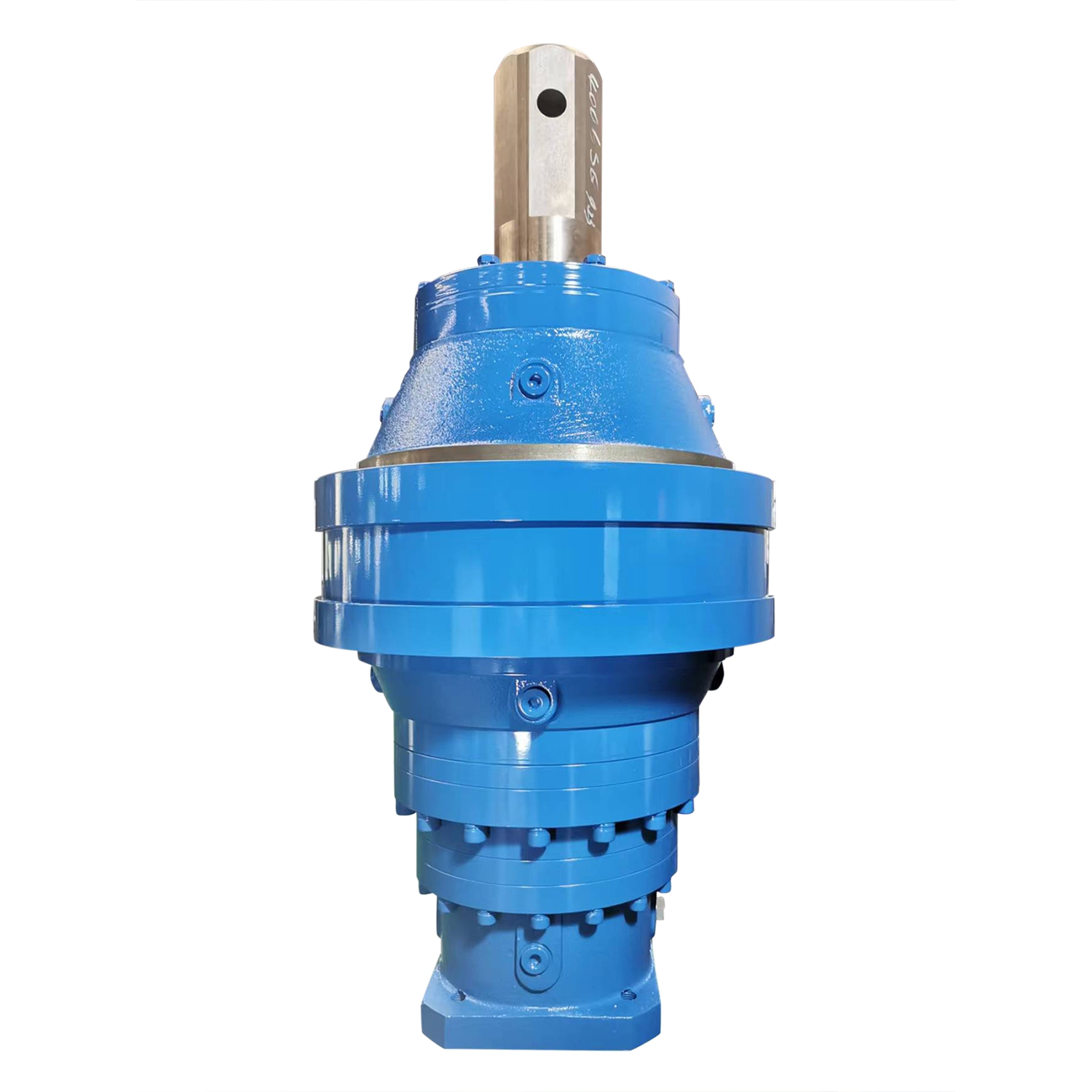
Product Description Series C double enveloping worm gearModel: 100 - 500Ratio: 10 -63Output Torque ...
See Details
News Directory
Two reducers on the same production line can deliver the same ratio in completely different ways. A helical gearbox reaches 40:1 through several stages of rolling gear contact and holds roughly 97% efficiency; a worm gearbox reaches that same 40:1 in one compact right-angle stage but converts part of the input power into heat. Both designs are correct; each suits a different job. This guide compares worm gearbox vs helical gearbox on efficiency, ratio range, torque capacity, self-locking behavior, cost, and maintenance so you can select the right reducer without guesswork.
A worm gearbox transmits power through a threaded worm that slides against a gear wheel, while a helical gearbox transmits power through angled teeth that roll into mesh. That single difference, sliding contact versus rolling contact, drives nearly every performance gap between the two types.
A worm gearbox is a right-angle speed reducer in which a screw-like worm shaft drives a worm wheel, producing a high reduction ratio in a single stage. A helical gearbox is a speed reducer whose gear teeth are cut at an angle to the shaft axis; the gradual engagement of those teeth delivers smooth, high-efficiency power transmission.
In a worm drive, the worm rotates against a bronze or alloy worm wheel. Because the teeth slide rather than roll, friction rises at higher ratios, which is why efficiency falls as the reduction ratio climbs. In a helical drive, hardened and ground steel teeth enter mesh progressively, which keeps friction low across the ratio range and produces quieter operation.
A double-enveloping worm gearbox takes the worm design a step further: the worm wraps around the worm wheel so the two contact along a line rather than at a point. That larger contact area raises load capacity and improves efficiency compared with a conventional cylindrical worm drive.
Helical gearboxes lead on efficiency with 95-98% at full load; worm gearboxes range from roughly 50% at high ratios to about 90% for a well-designed double-enveloping unit. The helical advantage is small at low ratios but becomes decisive on machines that run for many hours per day.
Heat is the visible consequence of lost efficiency. A worm drive loses energy at the sliding contact point, and that energy becomes heat inside the gearbox. High-ratio worm units may require cooling fins, forced lubrication, or derating for continuous duty. Helical gearboxes run cooler and accept sustained high-speed operation more readily.
The cost gap is easier to measure than to see. A 100 kW helical drive at 97% efficiency wastes about 3 kW. A worm drive at 75% efficiency wastes 25 kW. Over 20,000 running hours, that difference approaches 440,000 kWh, enough to make the helical gearbox cheaper in total cost even when its purchase price is higher.
| Parameter | Worm gearbox | Helical gearbox |
| Typical efficiency | 50-90% | 95-98% |
| Single-stage ratio | 10:1 to 60:1 | 1.5:1 to 10:1 |
| Output orientation | Right angle (90 degrees) | Parallel shaft, or right angle with bevel stage |
| Heat generation | High at high ratios | Low |
| Noise | Low to moderate | Low and smooth |
| Self-locking | Possible | Not possible |
| Relative purchase price | Lower for a given ratio | Higher for a given ratio |
Typical full-load efficiency values at moderate ratios; actual figures depend on ratio, lead angle, lubrication, and load profile.
A worm gearbox delivers the highest single-stage ratio, commonly 10:1 to 60:1, while a single helical stage is normally limited to 1.5:1 to 10:1. When the application needs a large reduction in a small footprint, the worm design has a structural advantage that no helical layout can match in one stage.
To match a 60:1 worm ratio, a helical gearbox needs two or three reduction stages, which adds length, weight, bearings, and cost. The worm gearbox achieves the same ratio inside a compact right-angle housing, which is why worm reducers dominate mixers, conveyor drives, tablet presses, and forklift attachments.
Load capacity depends on the contact geometry. A conventional cylindrical worm drive has point contact between worm and wheel; a high-performance double-enveloping worm gearbox replaces that with line contact, increasing torque capacity and reducing wear for a given frame size. Shanghai SGR Heavy Industry Machinery Co., Ltd. (SGR) builds both cylindrical and double-enveloping worm reducers, and the double-enveloping series is the one engineers usually specify when the load is heavy and the ratio is high.
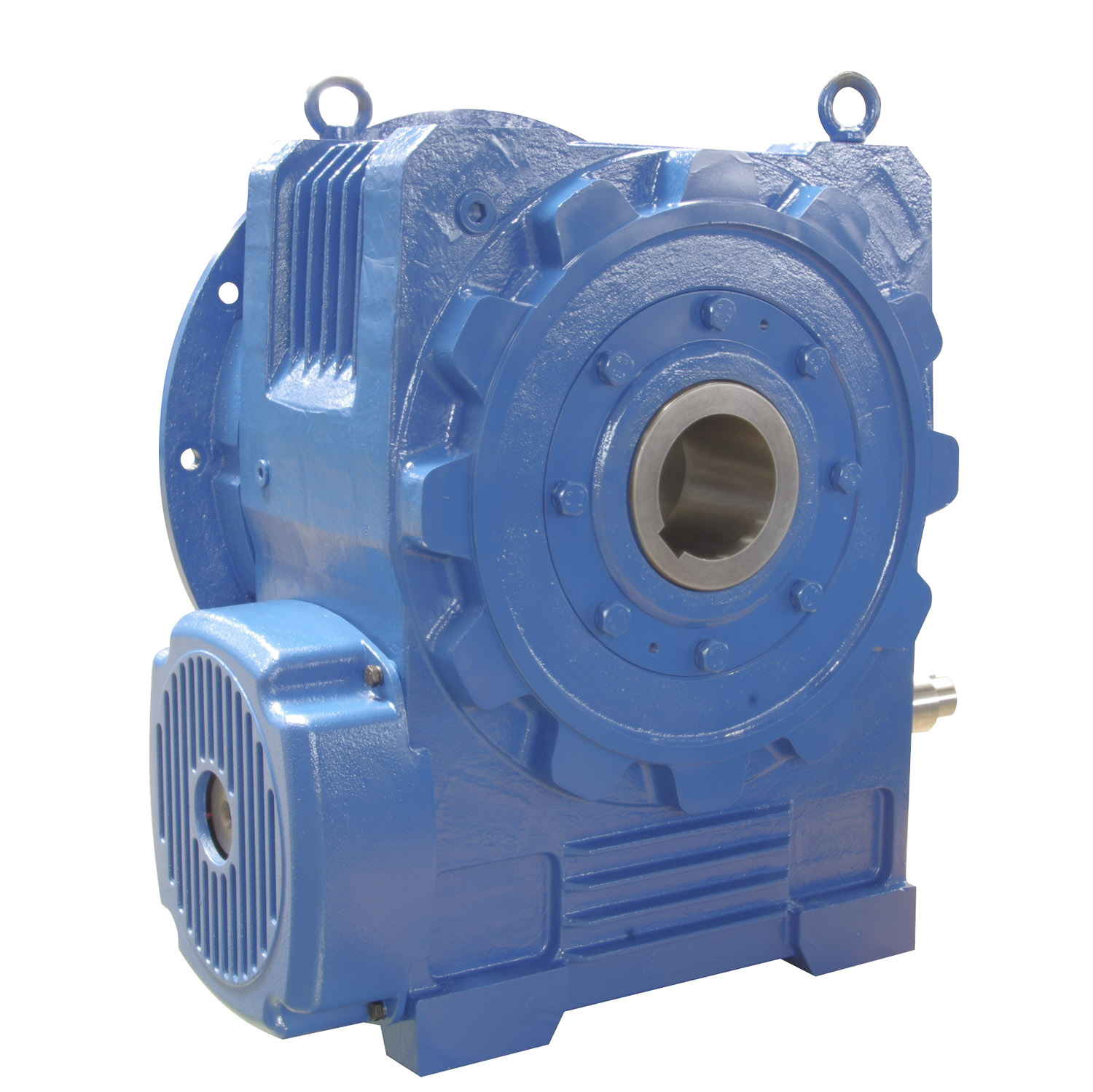 Custom High-Performance Double Enveloping Worm Gearbox Manufacturers, CompanyShanghai SGR Heavy Industry Machinery Co., Ltd is China High-Performance Double Enveloping Worm Gearbox Manufacturers, OEM/ODM High-Perfo...View Product →
Sizing a worm gearbox on input power alone is a common error. Always specify the required output torque at the actual ratio and service factor; two worm reducers with the same frame size can have very different load ratings.
A worm gearbox can self-lock and hold a vertical load without an external brake when the lead angle is below about 5 degrees; a helical gearbox cannot self-lock. This single property changes how each type is used in lifting and positioning equipment.
Hoists, elevators, and tilt mechanisms rely on self-locking worm drives as a safety feature: when the motor stops, the load stays in place. The trade-off is that self-locking worm sets operate at the low end of the efficiency range. Helical drives never self-lock, so vertical applications with helical gearboxes always require a mechanical brake.
Noise follows the contact pattern. Helical gears engage gradually, which produces low vibration and steady noise at high speeds. Worm drives are quiet at low speed, but worn worm wheels or marginal lubrication can create chatter. For positioning, a double-enveloping worm gear speed reducer offers lower backlash than most single-stage worm units, which is why it appears in rotary tables and precision indexers.
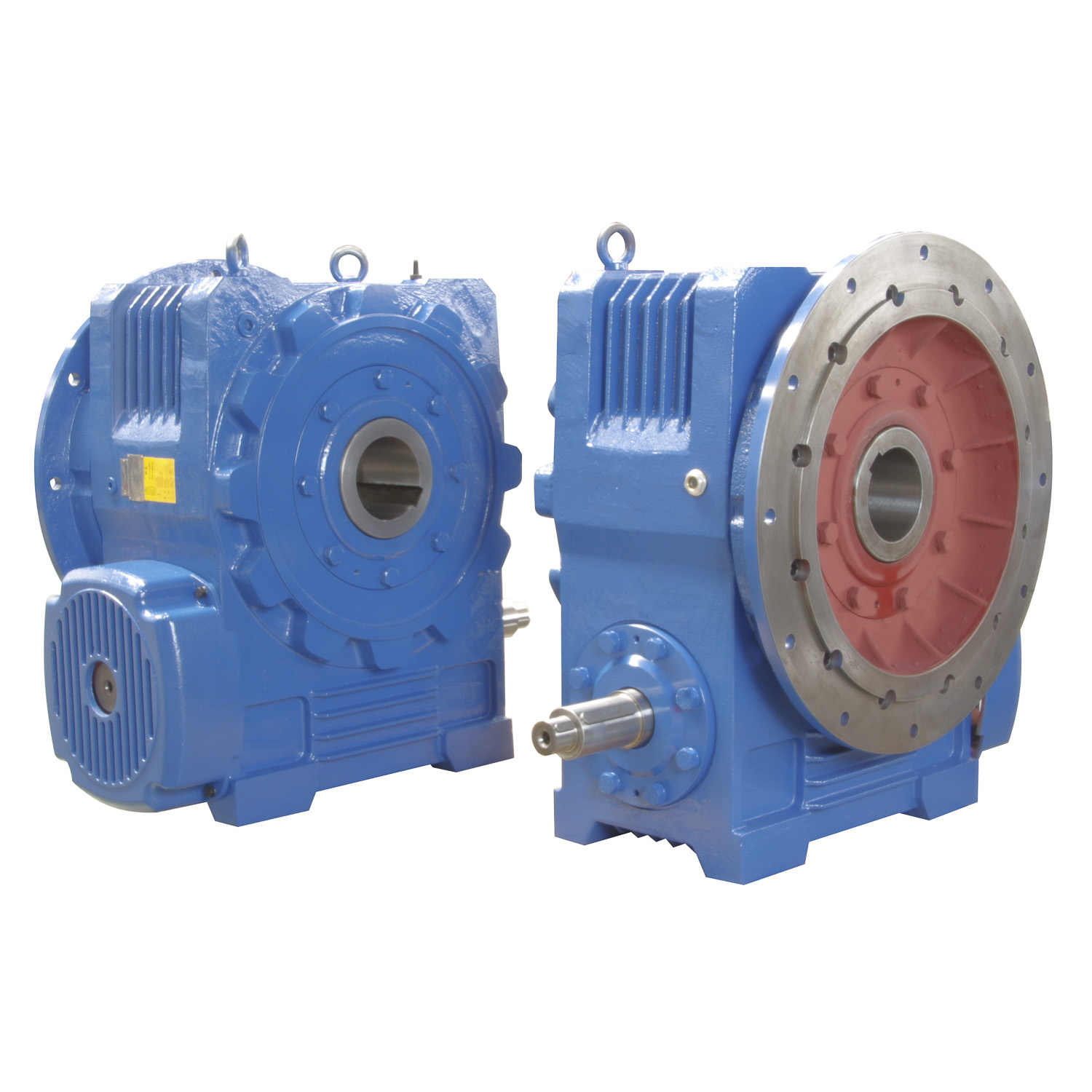 Custom Double Enveloping Worm Gearbox Speed Reducer Manufacturers, CompanyShanghai SGR Heavy Industry Machinery Co., Ltd is China Double Enveloping Worm Gearbox Speed Reducer Manufacturers, OEM/ODM Double Envelo...View Product →
A worm gearbox costs less to buy and needs only basic oil checks, but a helical gearbox usually wins the total-cost comparison when the machine runs more than a few hours per day. Purchase price should never be the deciding number.
Worm gearboxes use mineral or synthetic EP oils, and the bronze worm wheel wears in during the first few hundred hours. Scheduled oil changes and occasional backlash checks are the normal maintenance routine. Helical gearboxes run on oil bath or forced lubrication, need correct alignment at installation, and typically extend oil change intervals because they run cooler.
For a broader picture of reducer families, see this comparison of three common types of industrial gear reducers. The choice is rarely about which type is better; it is about which design matches the duty cycle, mounting geometry, and energy budget of the machine.
In mixer and agitator duty, the highest-risk failure is not gear wear but oil overheating at high ratios. If the worm gearbox will run continuously above 30:1, verify the thermal rating with the manufacturer before approval. SGR can recommend a single-stage cylindrical worm gear reducer that fits the enclosure, duty class, and service factor of the application.
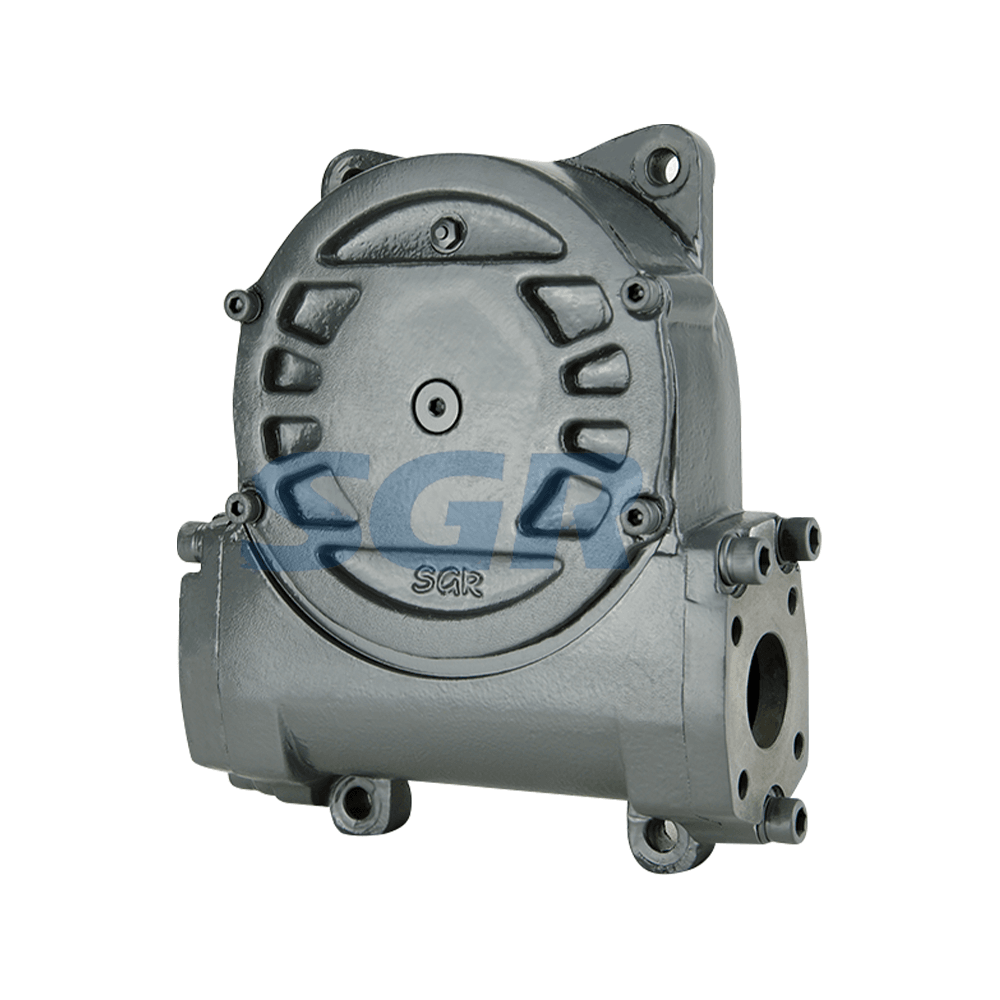 Wholesale Single-Stage Cylindrical Worm Gear Reducer Suppliers, ExporterAs China Single-Stage Cylindrical Worm Gear Reducer Suppliers, Exporter, Shanghai SGR Heavy Industry Machinery Co., Ltd. Wholesale Single...View Product →
Choose a worm gearbox when you need a high single-stage ratio, right-angle output, compact size, or self-locking; choose a helical gearbox when efficiency, continuous duty, and low heat generation decide the operating economics.
Work through these six checks in order:
For machines that need the highest torque density in a coaxial package, a planetary drive is another candidate; our planetary vs helical gearbox comparison covers that decision. If a cylindrical worm unit is the right answer, work through the cylindrical worm gear reducer selection guide before issuing a request for quotation.
If you remember three numbers, you can answer most selection questions: 60:1 is the practical single-stage worm ratio limit, 95-98% is the helical efficiency band, and 5 degrees is the self-locking lead angle threshold.
Helical gearboxes are more efficient, with 95-98% at full load. Worm gearboxes range from about 50% at high ratios to 90% for a well-designed double-enveloping unit. The worm penalty grows as the ratio increases.
Yes, if the output torque, ratio, and duty cycle are compatible. Expect lower efficiency and higher heat in a worm drive, but you gain a compact right-angle layout and possibly self-locking. Check the thermal rating for continuous duty first.
Heat comes from sliding contact between the worm and the worm wheel. At high ratios the lead angle is small, so the sliding component is large, lost energy rises, and the oil temperature climbs. Helical teeth roll instead of slide, so they generate far less heat.
No. Self-locking depends on the lead angle and the friction coefficient, as a rule below roughly 5 degrees. Double-enveloping worm sets can self-lock at higher ratios, but you should confirm the behavior with the manufacturer when a vertical load is involved.
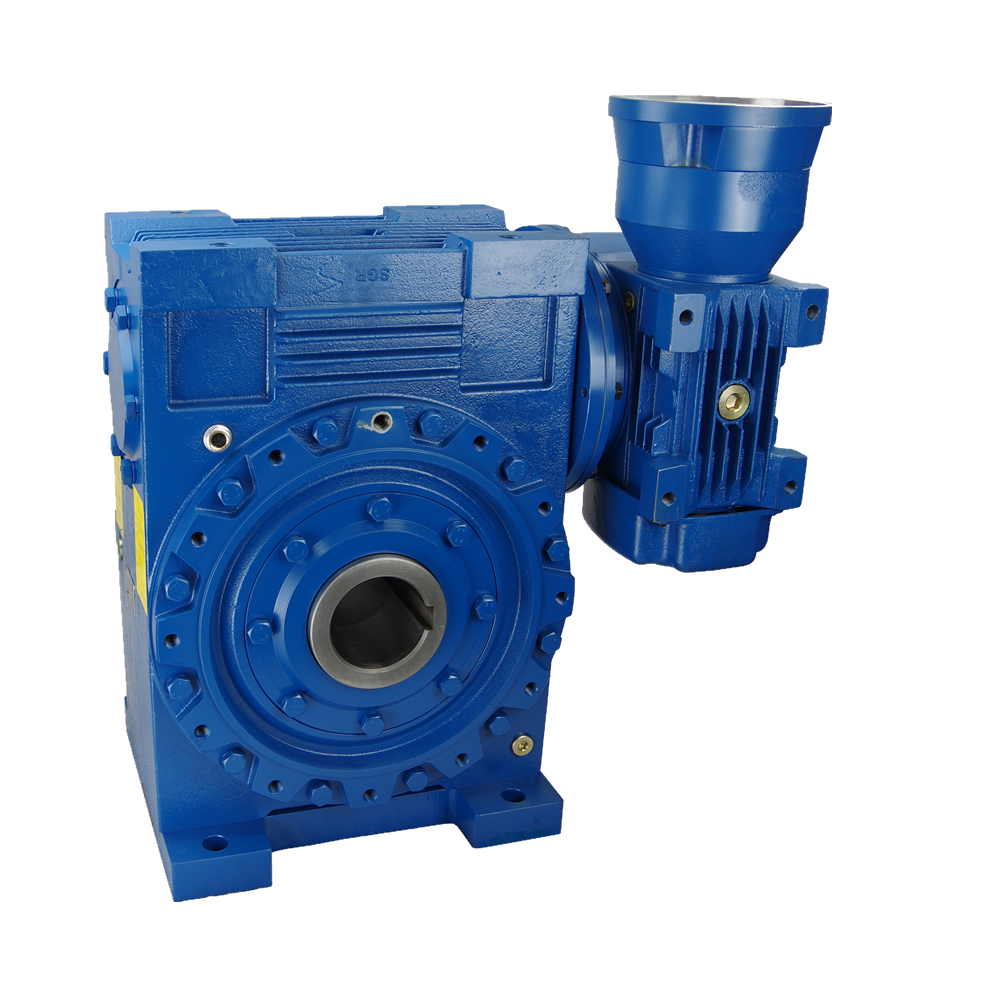
Product Description Series C double enveloping worm gearModel: 100 - 500Ratio: 10 -63Output Torque ...
See Details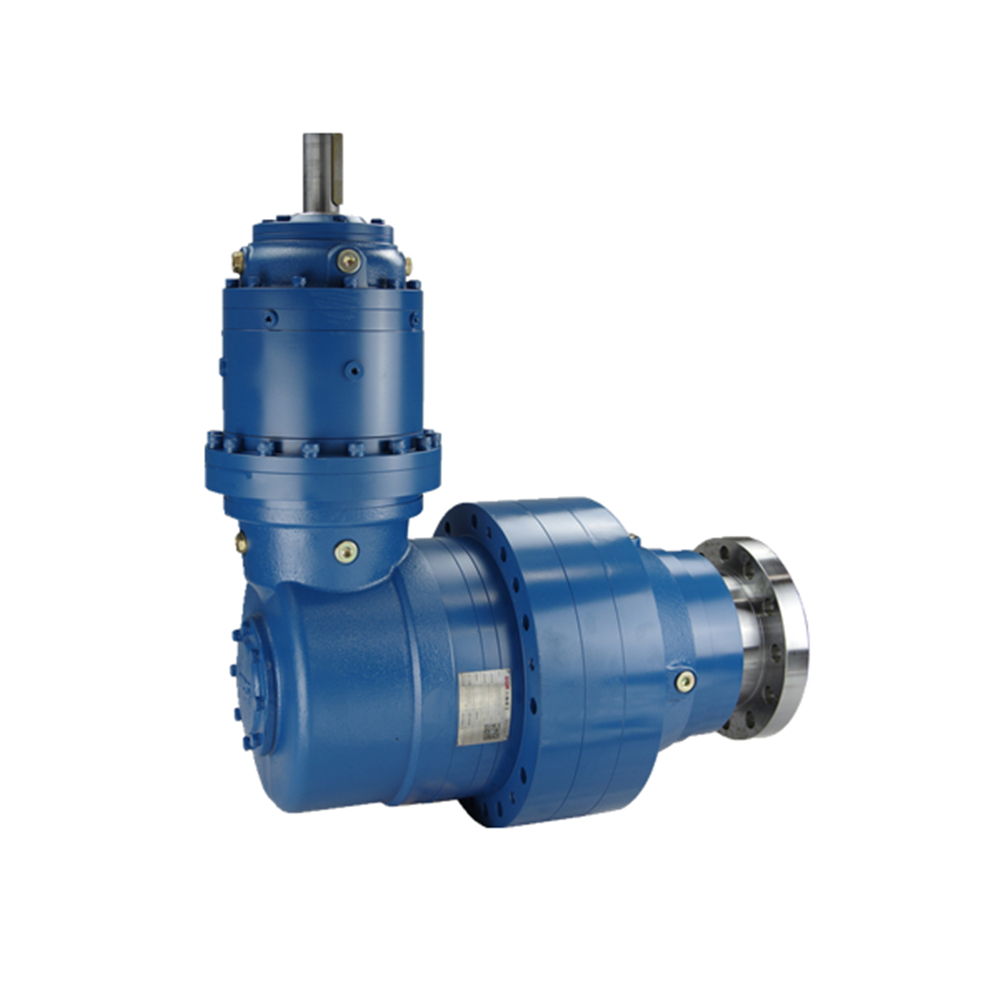
Technical data: 1. Ratio range: 3.15-30002. Input power: 0.25-55KW3. Permit torque rang: ≤ 200000N. ...
See Details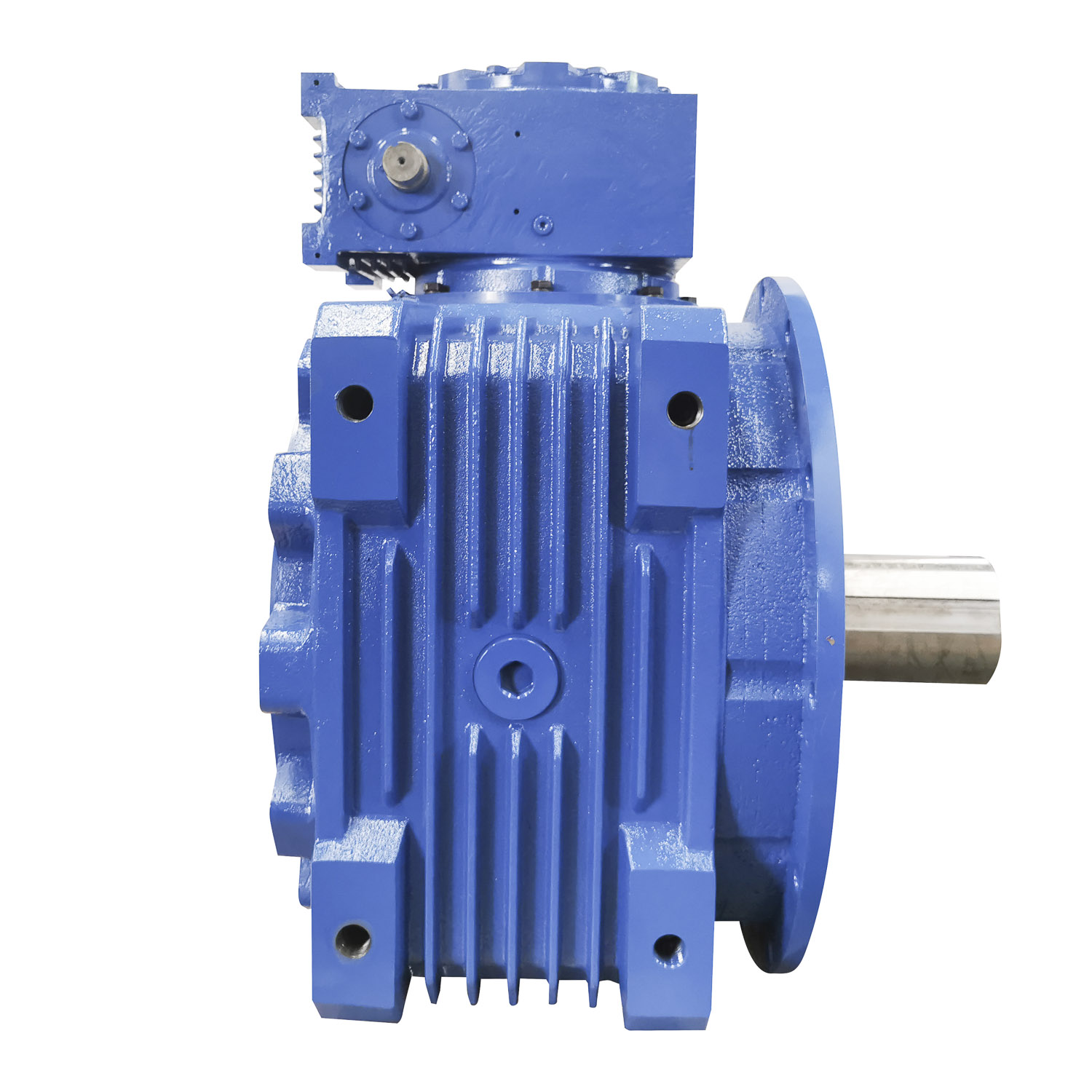
Description :1, High torque double enveloping worm gear adjust toughest working condition .2,Univers...
See Details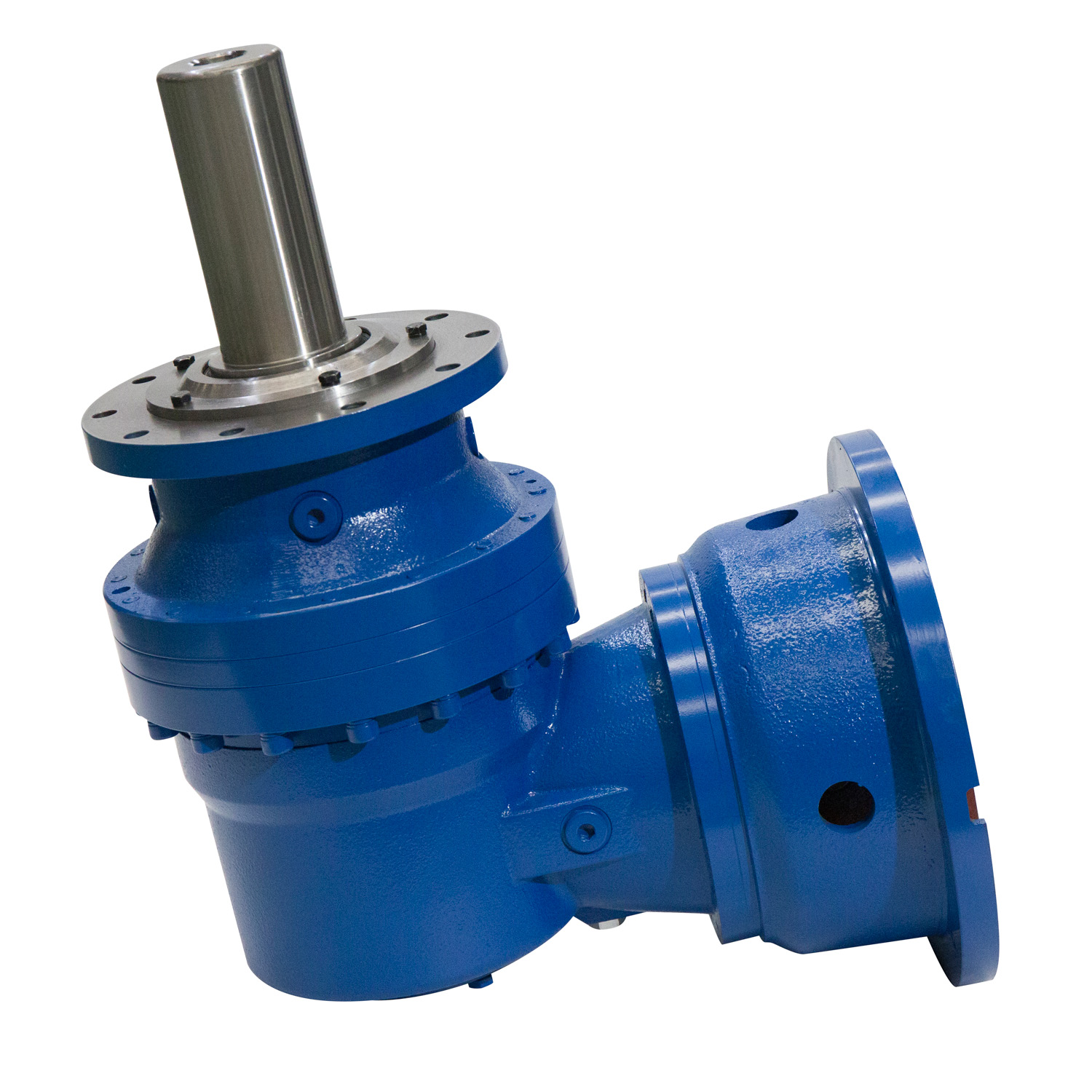
Technical data: 1. Ratio range: 3.15-90002. Input power: 0.25-55KW3. Permit torque rang: ≤ 800000N. ...
See Details
Product Description Series C double enveloping worm gearModel: 100 - 500Ratio: 10 -63Output Torque ...
See Details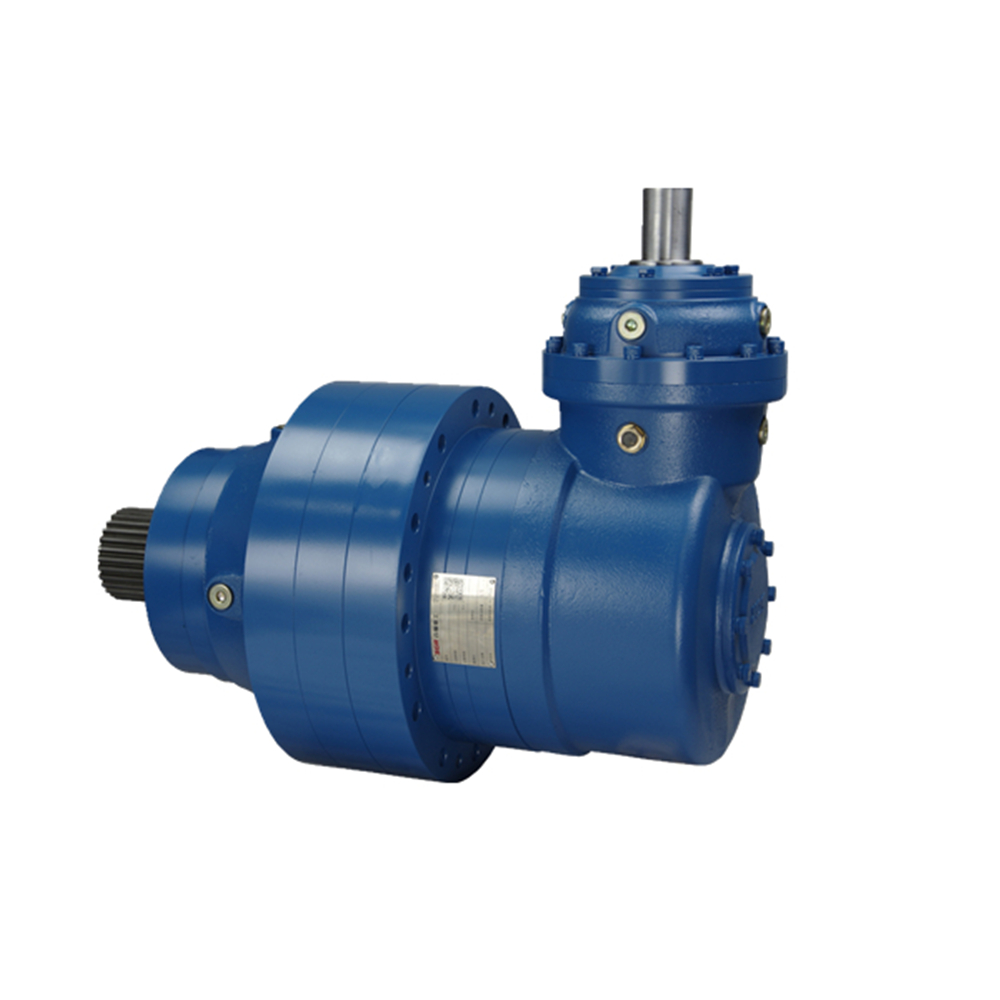
Technical data: 1. Ratio range: 3.15-30002. Input power: 0.25-55KW3. Permit torque rang: ≤ 200000N. ...
See Details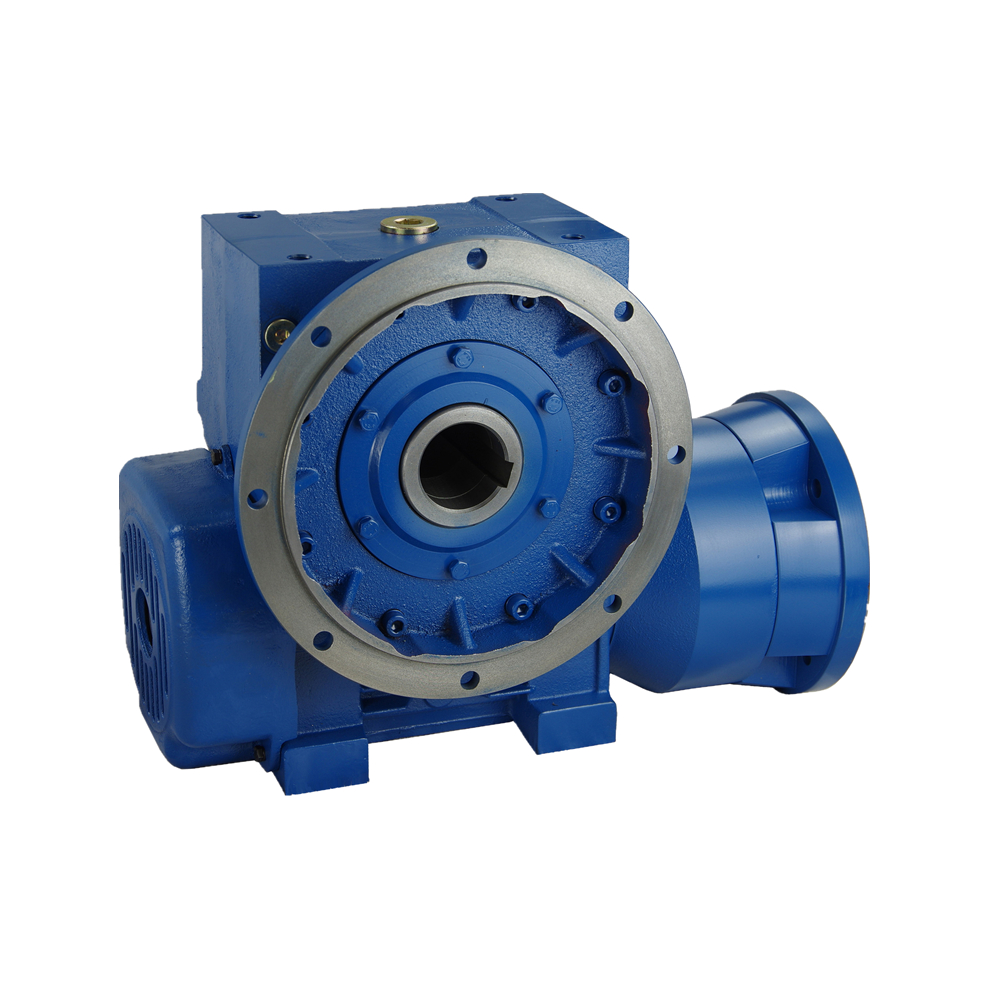
Product Description Series C double enveloping worm gearModel: 100 - 500Ratio: 10 -63Output Torque ...
See Details
SGR is an ISO 9001 certified, DNV-accredited industry gearbox manufacturer since 1996. We supply different gear reducers to brands worldwide.