Global
  English
 中文简体
中文简体 русский
 Español
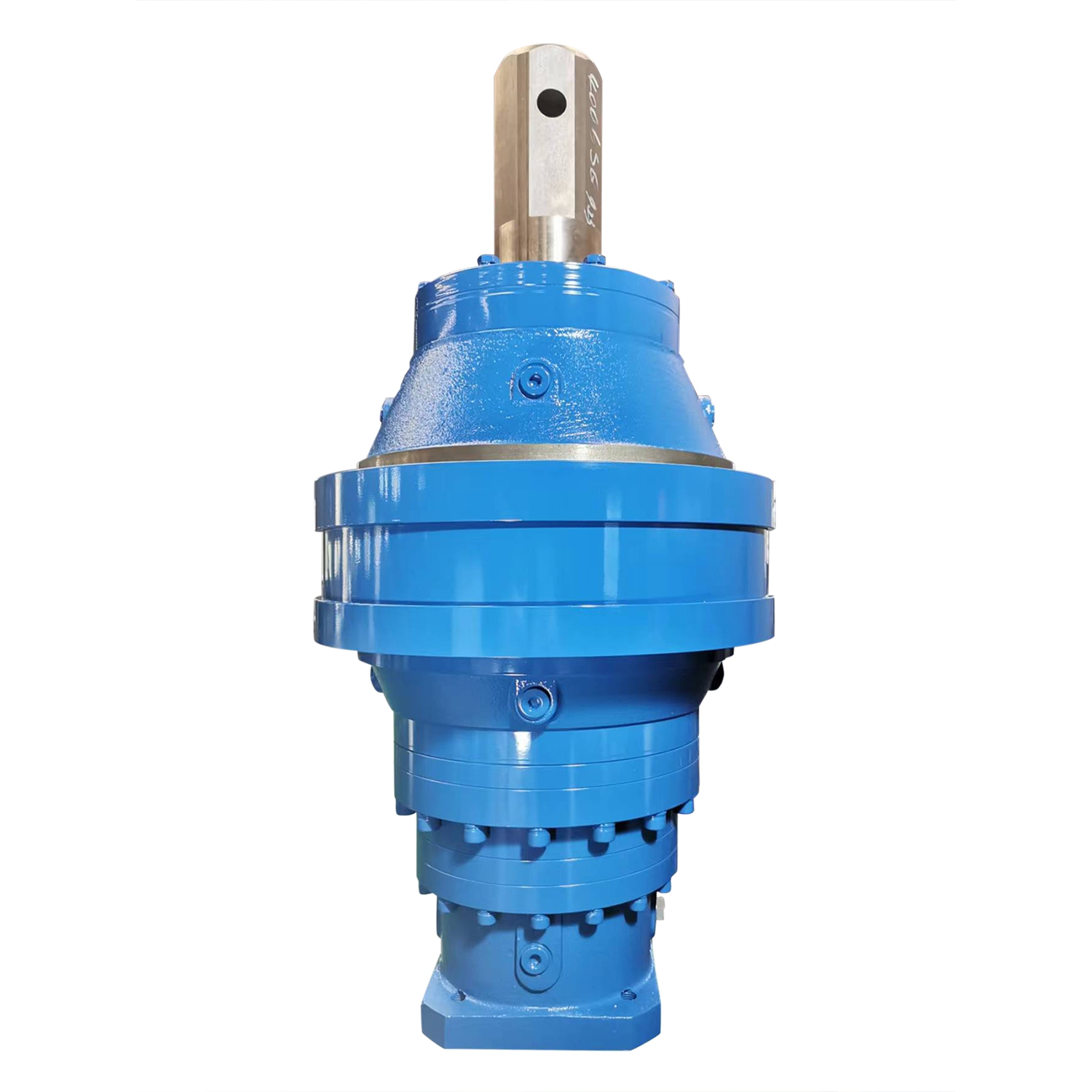
Product Info: The MNC3E400 series high speed and high torque industrial planetary gear reducers are ...
See Details
News Directory
In the field of industrial power transmission, worm gear reducers are widely used in conveying equipment, hoisting machinery, packaging machinery, food processing machinery, metallurgical equipment, and automation systems, owing to their high transmission ratios, smooth operation, and self-locking capabilities when under certain operating conditions.
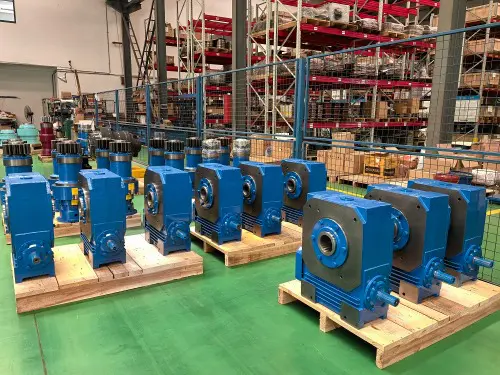
In stark contrast to the structure of planetary gear reducers, worm gear reducers are primarily composed of a worm, a worm gear, shafts, bearings, and a housing, along with auxiliary components such as seals and lubrication systems.
After purchasing worm gear reducers, many customers often ask: What are the common issues encountered during operation, and how can they be resolved?
In this article, SGR provides a detailed analysis for you.
During the operation of a worm gear reducer, significant sliding friction occurs between the worm and the worm gear. To reduce friction and enhance wear resistance, the worm gear is typically made of non-ferrous metals such as tin bronze, while the worm is generally made of alloy steel subjected to heat treatments such as quenching and tempering, carburizing, or hardening. Since sliding friction generates heat, worm gear reducers are more prone to temperature rise compared to other types of reducers.
However, if abnormal overheating occurs, the primary causes include: undersizing the gearbox, insufficient or incorrect lubricant, inadequate installation precision, and excessively high input speed.
If the worm gear reducer selected is undersized, the actual load exceeds the reducer's rated capacity; prolonged operation under overload increases tooth surface pressure and intensifies friction, generating significant heat. Worm gear reducers rely on lubricating oil to minimize tooth surface friction; insufficient oil volume, incorrect oil viscosity, or failure to change the oil over an extended period degrades lubrication performance, leading to a rise in temperature. Furthermore, significant deviations in the center distance between the worm and worm gear, or a lack of concentricity between the input and output shafts, can cause abnormal tooth surface contact and exacerbate friction. Excessive input speed causes the worm to rotate rapidly, increasing the frequency of frictional contact and oil churning losses, which results in higher temperatures.
Select the appropriate speed reducer model based on actual load, operating duration, and start-up frequency; check the lubricant type and oil level, replenishing or replacing the oil as necessary; inspect the worm gear meshing clearance and installation precision; avoid prolonged overload operation; and for equipment operating continuously at high temperatures, consider a reducer design with superior heat dissipation capabilities.
Oil leakage in a worm gear reducer may be caused by excessive internal pressure, aging seals, overfilling with lubricant, or axial movement resulting from bearing wear.
Specifically, heat generated during the operation of a worm gear reducer causes the internal air to expand; if the vent becomes clogged, the resulting rise in internal pressure can force lubricating oil to seep out through the seals. Prolonged operation can lead to the wear, hardening, or deformation of oil seals and gaskets, thereby compromising sealing performance. Excessive oil levels can cause oil splashing during operation, leading to leakage at the shaft ends. Furthermore, bearing wear allows for axial or radial shaft movement, which can also cause the oil seals to fail.
Periodically inspect and clean the ventilation holes; add the appropriate amount of lubricant as specified by the manufacturer; regularly replace aged oil seals and gaskets; check bearing clearances and promptly replace damaged bearings; and for operation in harsh environments, consider using worm gear reducers with reinforced sealing designs.
Currently, the worm gears in worm gear reducers available on the market are primarily made of tin bronze, while the worms are manufactured from high-hardness alloy steel. Under normal operating conditions, the worm gear is the primary component subject to wear; however, if the rate of wear is abnormal, it may be due to insufficient lubrication, lubricant contamination, an improper combination of materials for the worm and gear, or loads exceeding design specifications.
Regularly check the condition of the lubricating oil and change it at the prescribed intervals; avoid operating the worm gear reducer beyond its rated load; select worm gear reducers manufactured by reputable companies and inquire about the specific worm and worm gear combination prior to purchase.
If a worm gear reducer produces distinct abnormal sounds, a whistling noise, or periodic noise during operation, the cause may be abnormal gear meshing, bearing quality issues, insufficient lubrication, or incorrect installation.
For instance, significant noise can arise if a worm gear reducer is manufactured with insufficient machining precision or poor tooth contact; bearing wear or excessive clearance can generate mechanical noise; a lack of lubrication on the tooth surfaces can also noticeably increase operating noise; and misalignment between the reducer and the motor during installation can lead to both vibration and noise.
Regularly inspect the wear on the worm gear and worm tooth surfaces as well as the condition of the bearings; adjust the installation precision of the worm gear reducer or select a unit with higher manufacturing precision.
Vibration during the operation of a worm gear reducer may be caused by misalignment of the input and output shafts, bearing damage, insufficient machining precision of the worm gear tooth surfaces, or an insecure mounting base.
Align the motor and the speed reducer; inspect and replace damaged bearings; select a worm gear reducer with high gear manufacturing precision.
Bearings are critical supporting components of worm gear reducers, and their operating condition directly affects the equipment's service life. Common causes of bearing failure include insufficient lubrication, emulsification of the lubricating oil, and overload operation.
Regularly inspect the condition of the lubricating oil and bearings; maintain the equipment's sealing integrity; and avoid frequent overload startups.(Author, SGR, Angie Zhang)
WhatsApp: +86 188 1807 0282
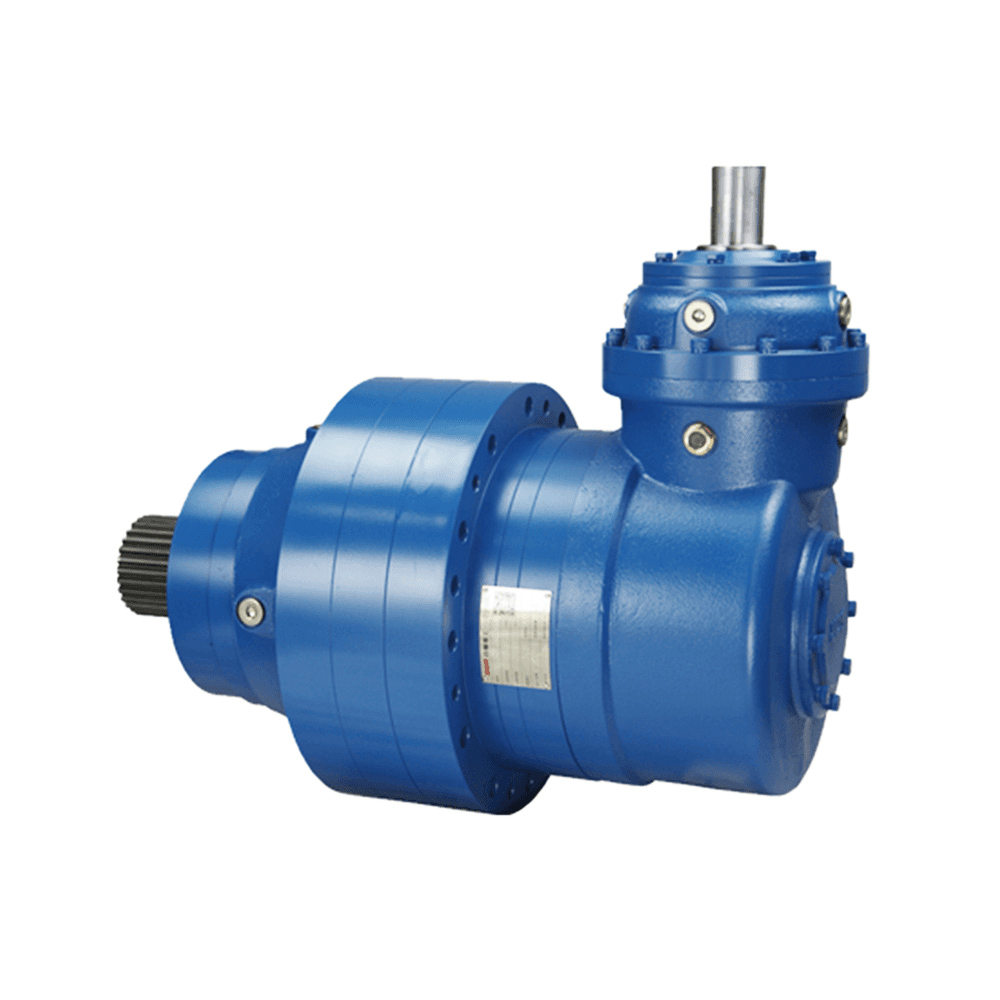
Product Info: The MNC3E400 series high speed and high torque industrial planetary gear reducers are ...
See Details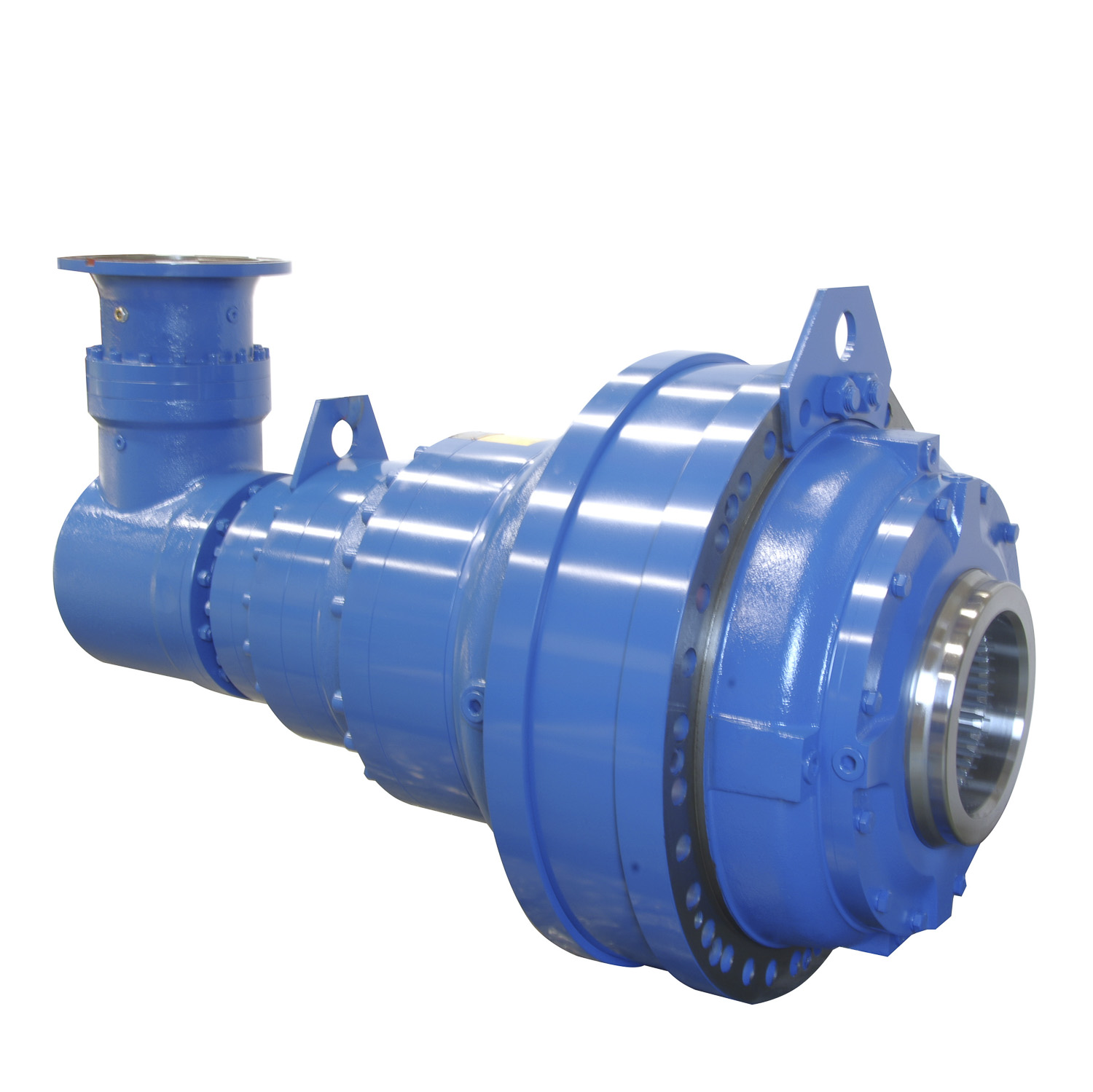
Planetary gearbox is produced by modular design, and can be combined according to client's request H...
See Details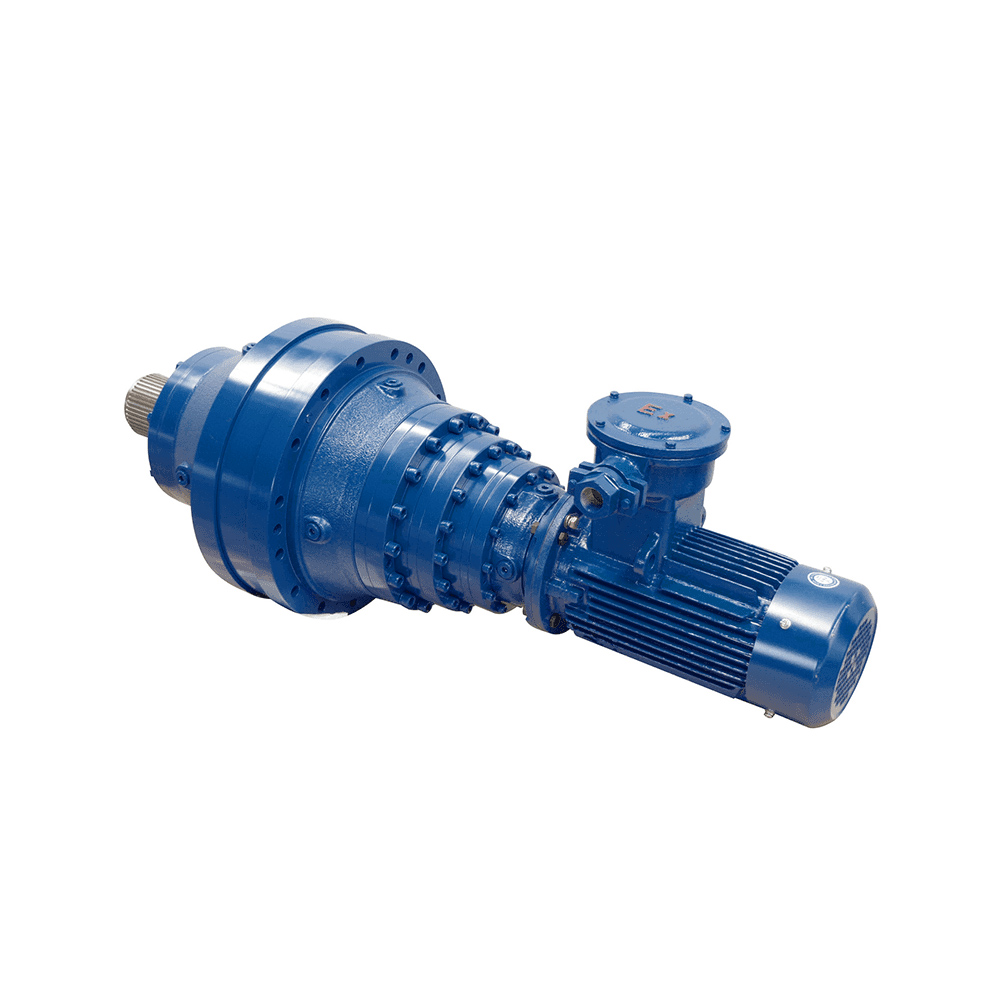
SGR's N Series high torque coaxial planetary gearbox Input forms: N standard shaft input, MN flange ...
See Details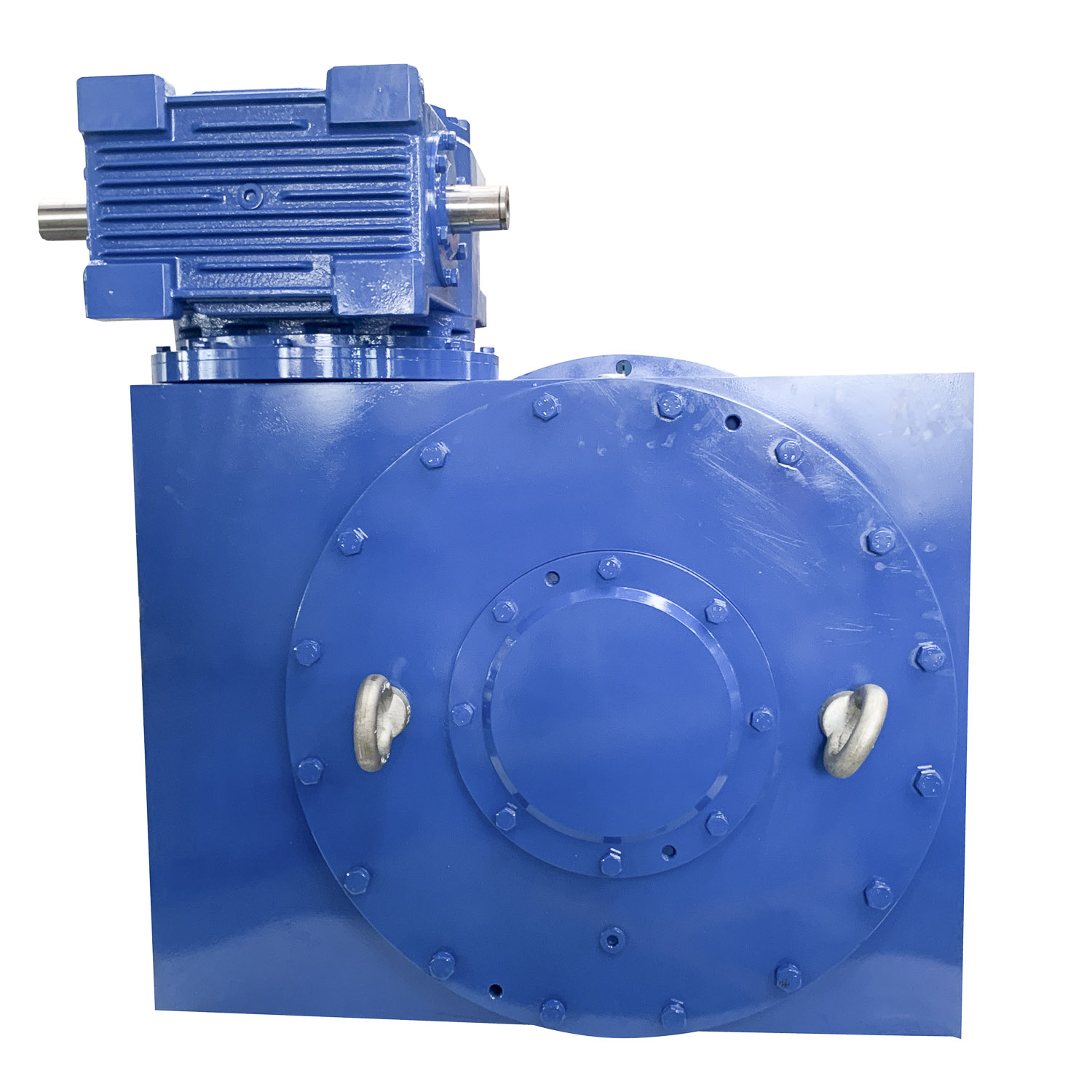
As one of famous double enveloping worm gear manufacturers,SGR's double throated worm gear has adva...
See Details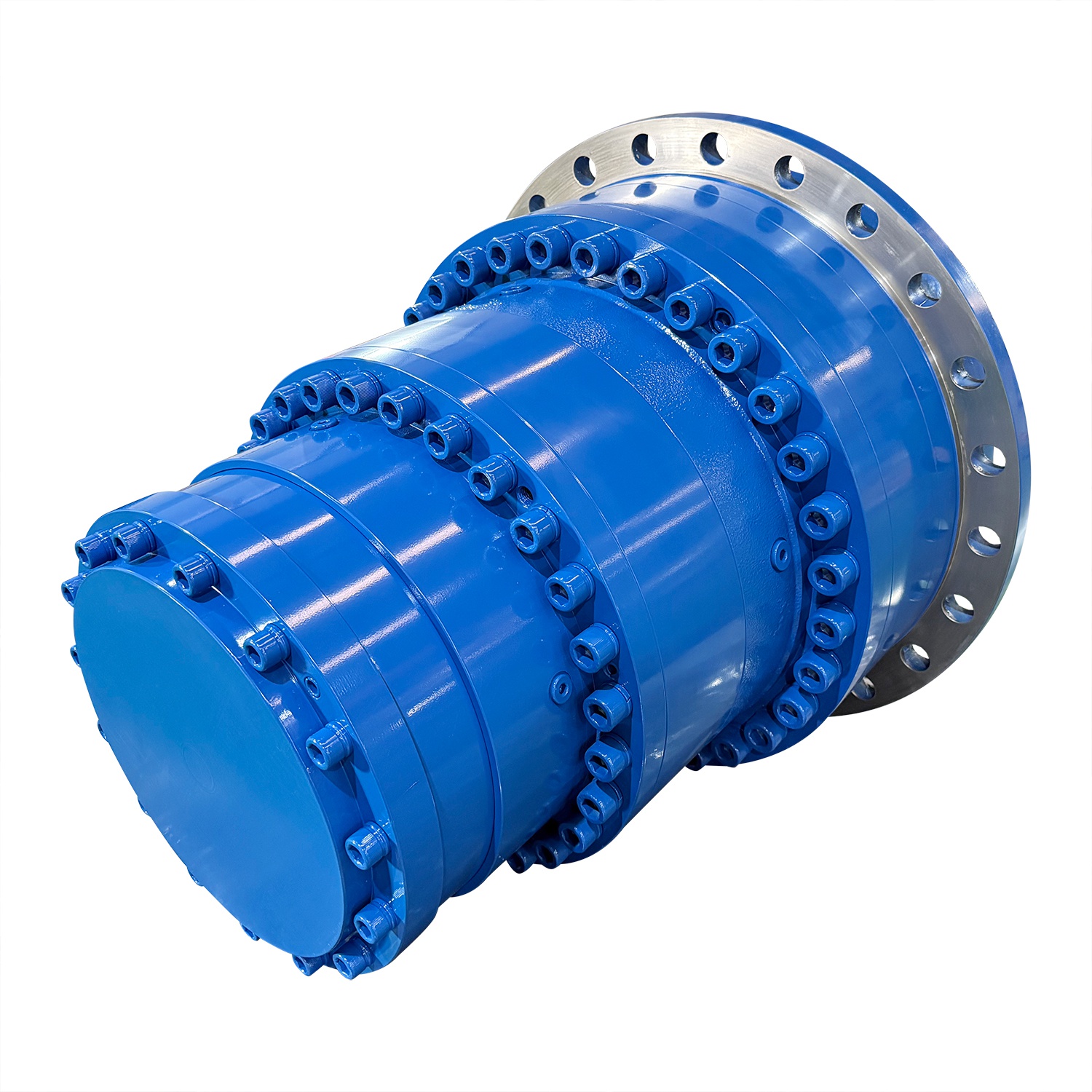
Planetary gear reducers serve as key transmission parts for sightseeing boats sailing along Russia’s...
See Details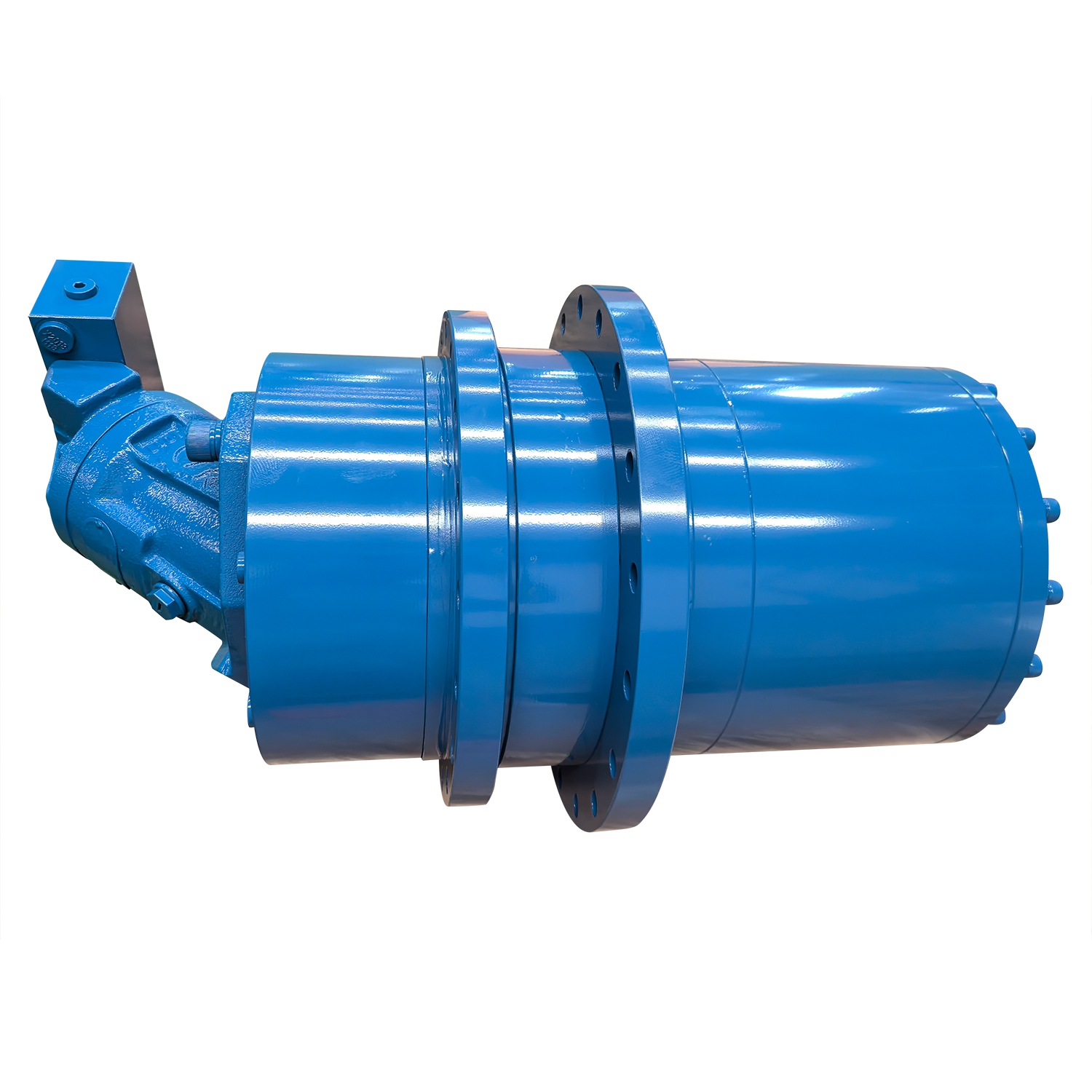
Model: 200-885 Ratio: 3.15-7800 Output Torque :1500Nm-540000Nm Rating Power :0.25KW-200kw Descripti...
See Details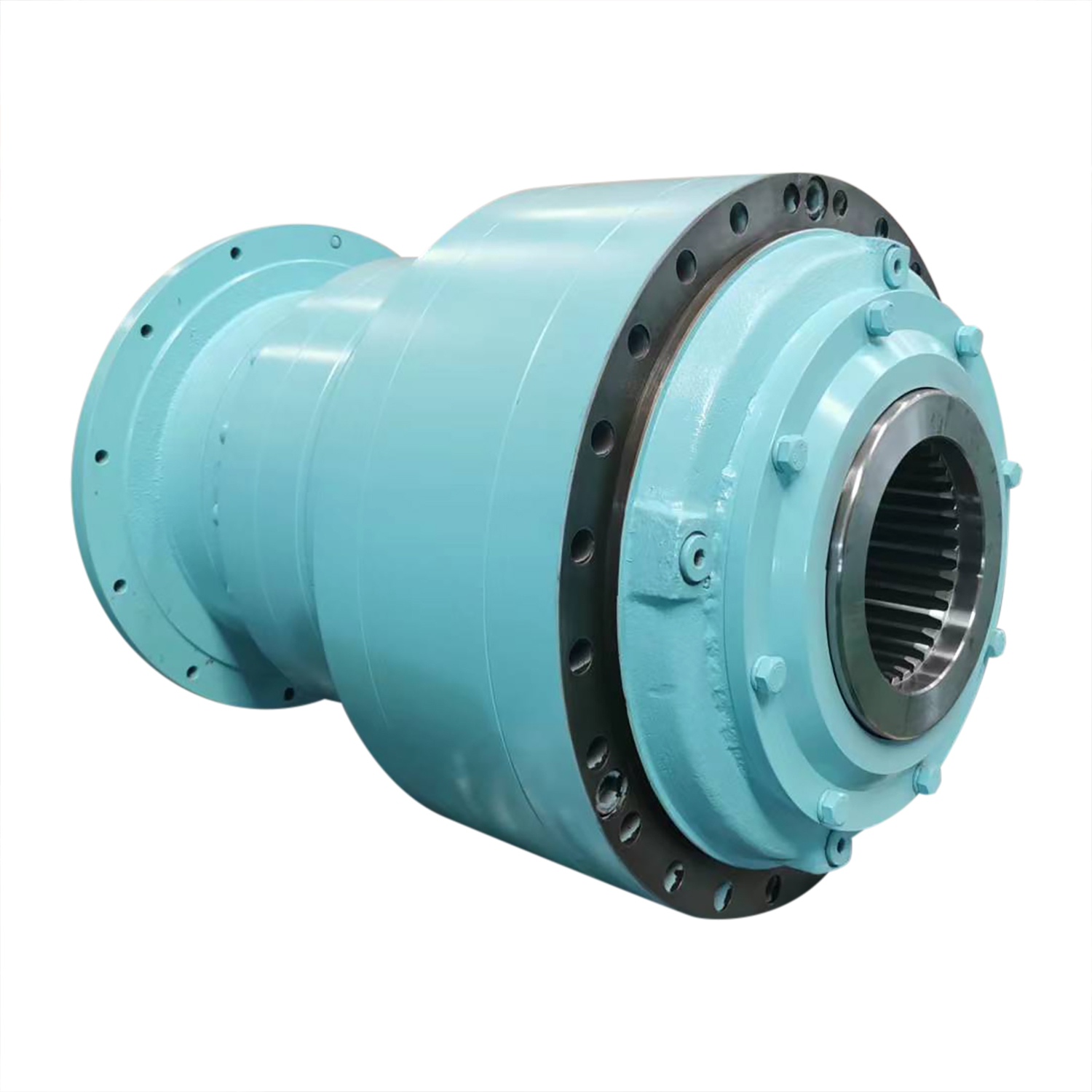
Planetary Gearbox Application For In Electric Drive Model: 200-885Ratio: 3.15-7800Output Torque :15...
See Details
SGR is an ISO 9001 certified, DNV-accredited industry gearbox manufacturer since 1996. We supply different gear reducers to brands worldwide.