Global
  English
 中文简体
中文简体 русский
 Español
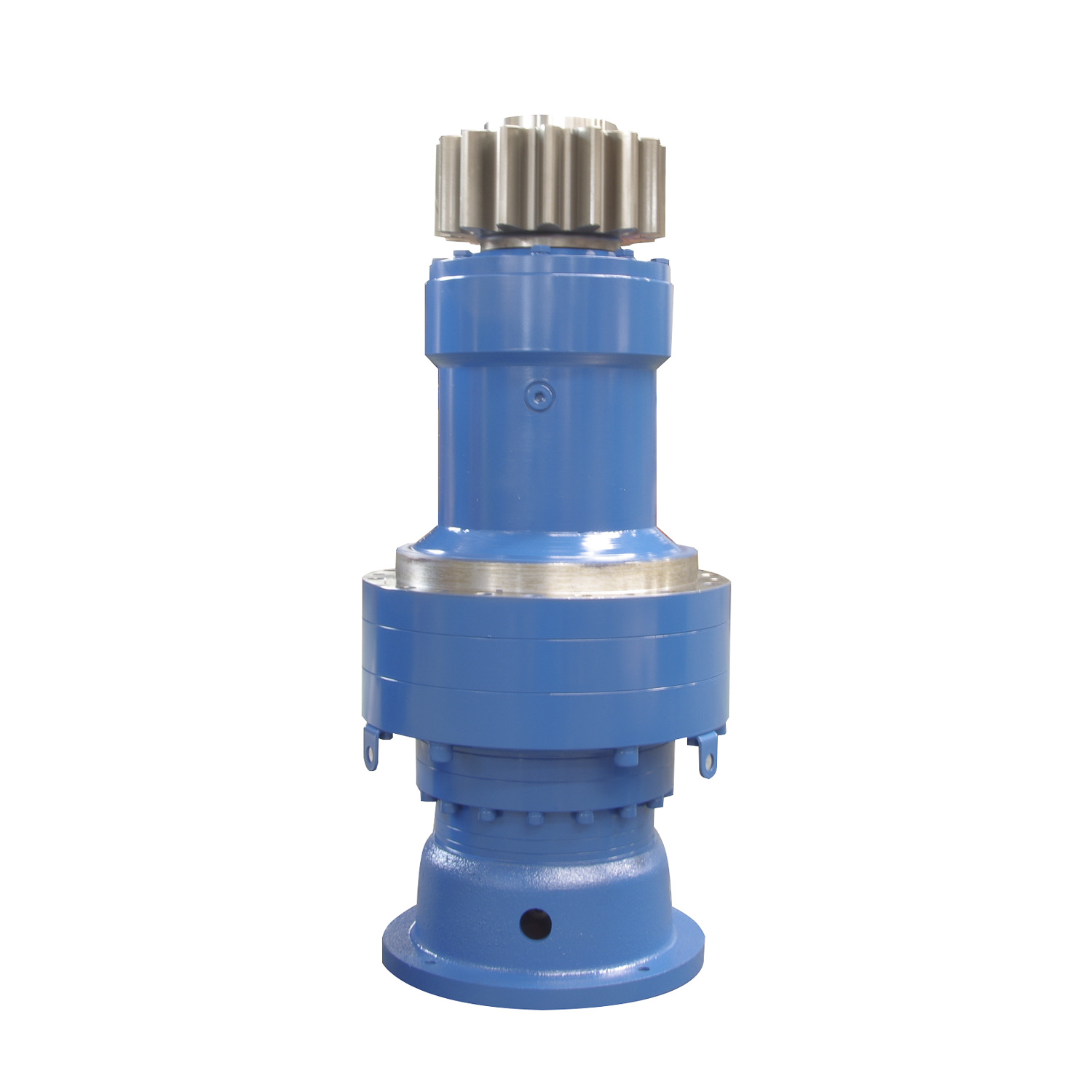
Technical data: 1. Ratio range: 3.15-30002. Input power: 0.25-55KW3. Permit torque rang: ≤ 200000N. ...
See Details
News Directory
Standard gearboxes assume standard equipment — standard torque, standard mounting space, standard operating environment. The moment a machine breaks from that mold, a Customised Gearbox becomes the only way to get reliable power transmission without forcing the equipment to compromise around an off-the-shelf part.
A customised gearbox modifies gear structure, housing design, output configuration, gear ratio, materials, or installation method to match a specific machine rather than a generic spec sheet. That flexibility is what solves problems standard gearboxes can't: limited installation space, unusual operating speeds, high torque demands, or harsh working environments that would wear out a stock unit fast.
| Factor | What Gets Evaluated |
| Torque requirements | Equipment load, starting resistance, peak conditions, safety factor |
| Gear ratio | Motor speed vs required output speed and torque |
| Operating environment | Temperature, dust, moisture, chemical exposure |
| Installation space | Dimensions, shaft position, mounting structure |
High torque density and compact design, suited to robotics and automation equipment.
Smooth, low-noise, high-efficiency operation for conveyors and production machinery.
Large reduction ratios with self-locking capability, ideal for lifting and packaging equipment.
Right-angle power transmission for direction changes in industrial drive systems.
A gearbox sized right on paper still fails if manufacturing precision is off — gear engagement accuracy is what actually determines noise, smoothness, and how long it lasts.
Conveyors and mixers need stable, predictable torque output without sudden swings.
Crushers and heavy machinery need higher safety margins and strong impact resistance.
When installation space, torque demands, or environmental conditions fall outside what standard gearboxes are designed to handle reliably.
Planetary gearboxes are typically preferred for automation and robotics because of their high torque density and compact structure.
Continuous, heavy-duty operation requires gearboxes engineered for heat management and fatigue resistance beyond what occasional-use units offer.
Yes. Matching torque, ratio, and materials to actual operating conditions reduces excessive wear, which lowers unexpected downtime and repair frequency.
From planetary drives in robotics to worm gearboxes in lifting equipment, a properly specified Customised Gearbox is what keeps demanding industrial equipment running efficiently instead of working around a part that was never built for the job.
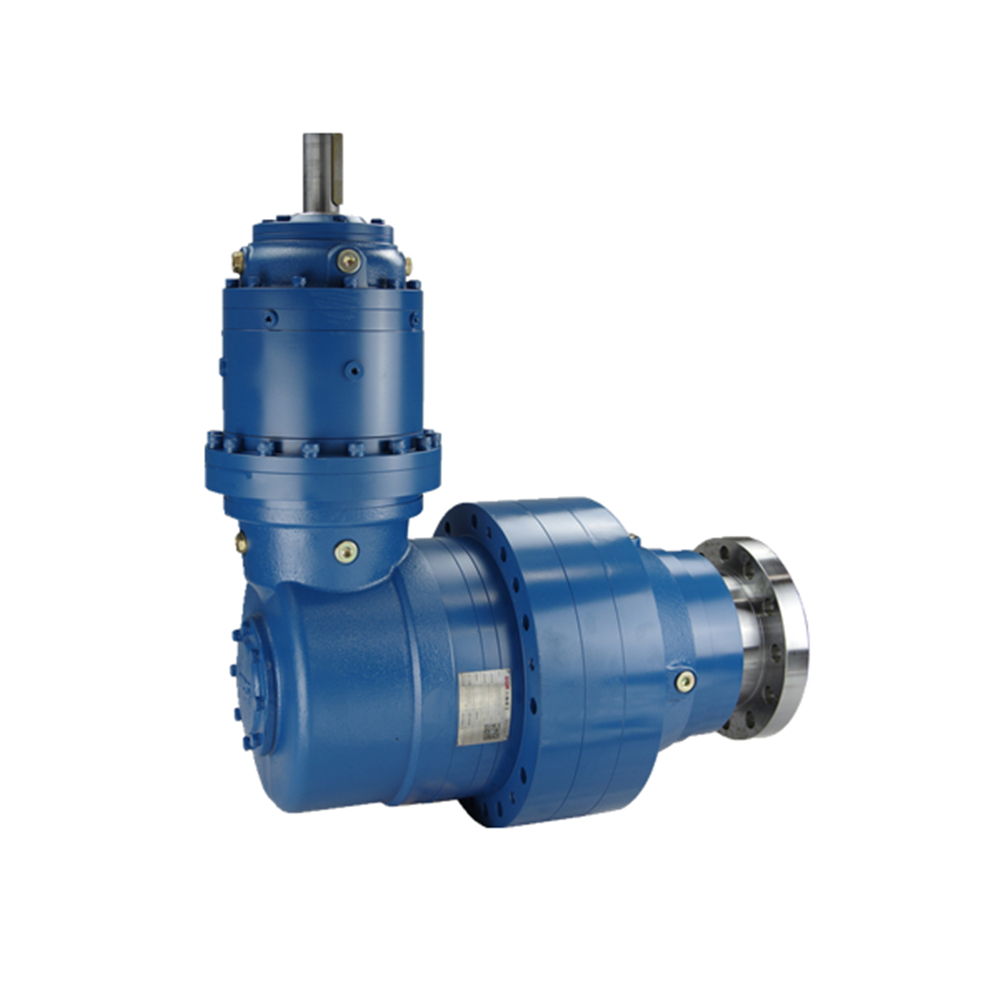
Technical data: 1. Ratio range: 3.15-30002. Input power: 0.25-55KW3. Permit torque rang: ≤ 200000N. ...
See Details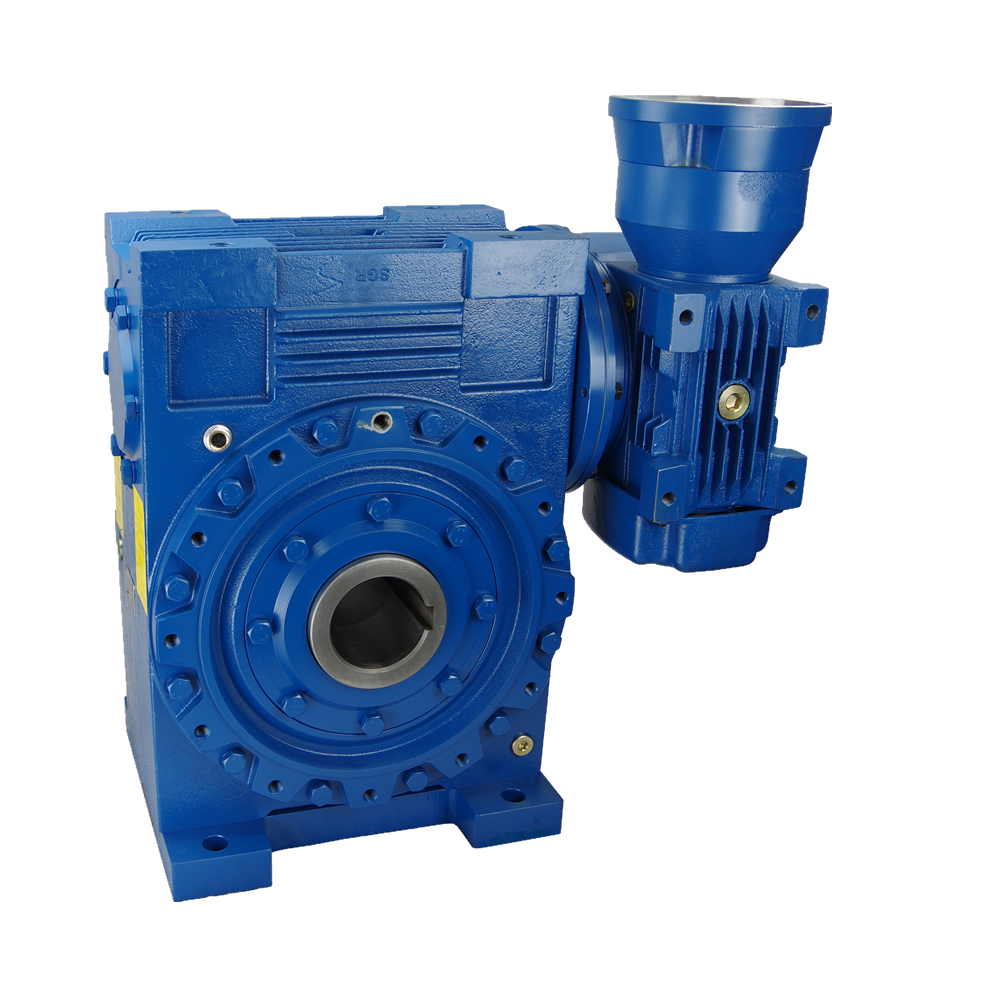
Product Description Series C double enveloping worm gearModel: 100 - 500Ratio: 10 -63Output Torque ...
See Details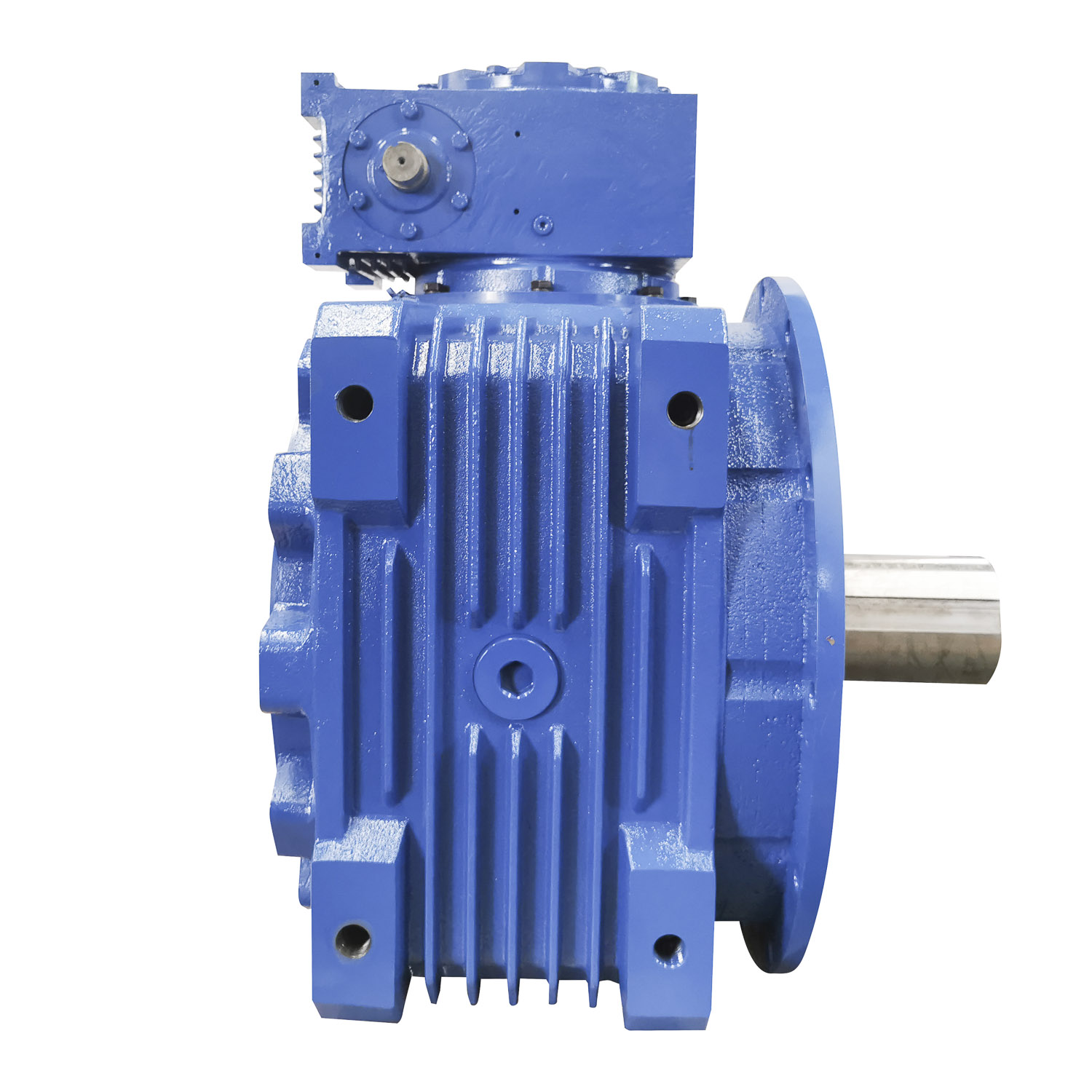
Description :1, High torque double enveloping worm gear adjust toughest working condition .2,Univers...
See Details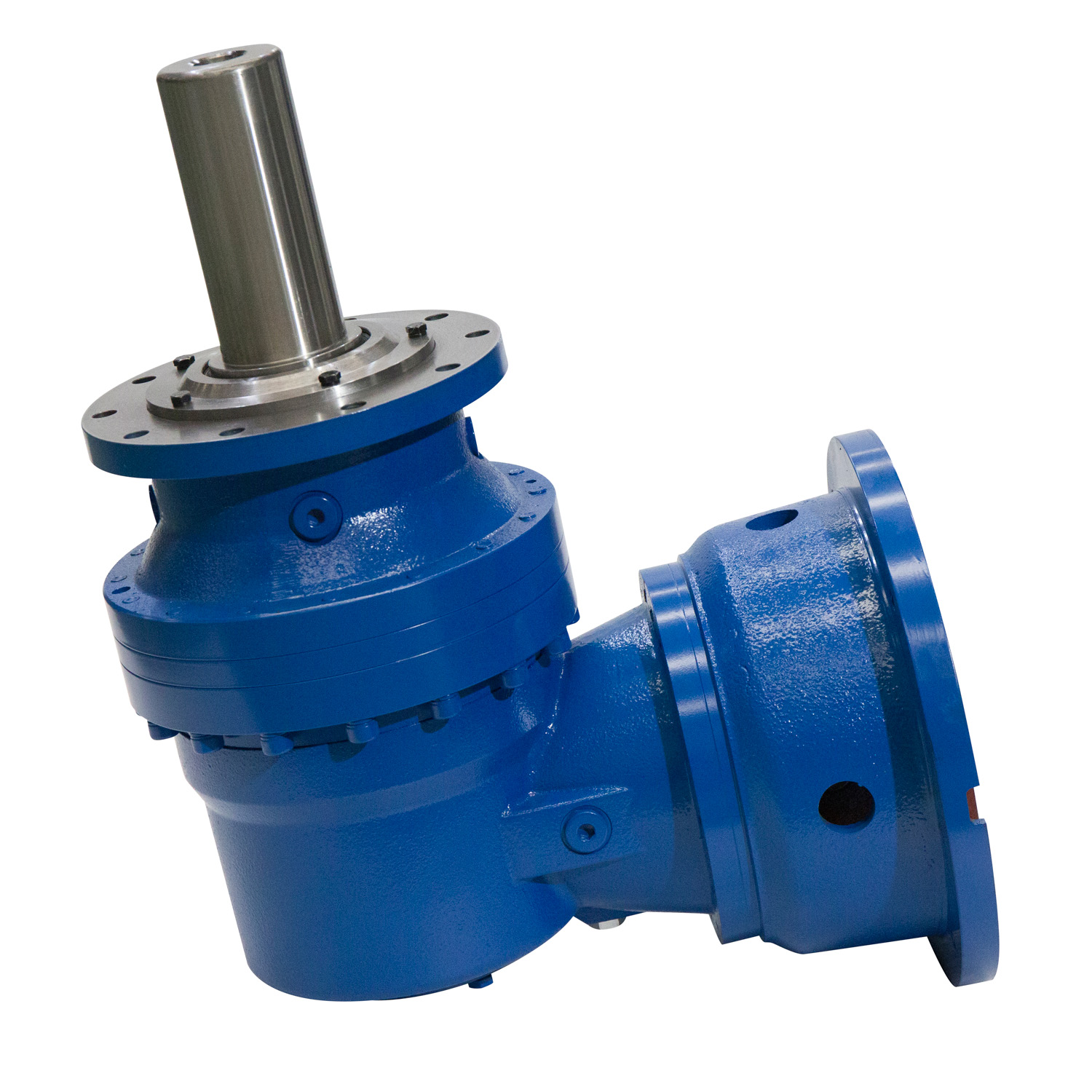
Technical data: 1. Ratio range: 3.15-90002. Input power: 0.25-55KW3. Permit torque rang: ≤ 800000N. ...
See Details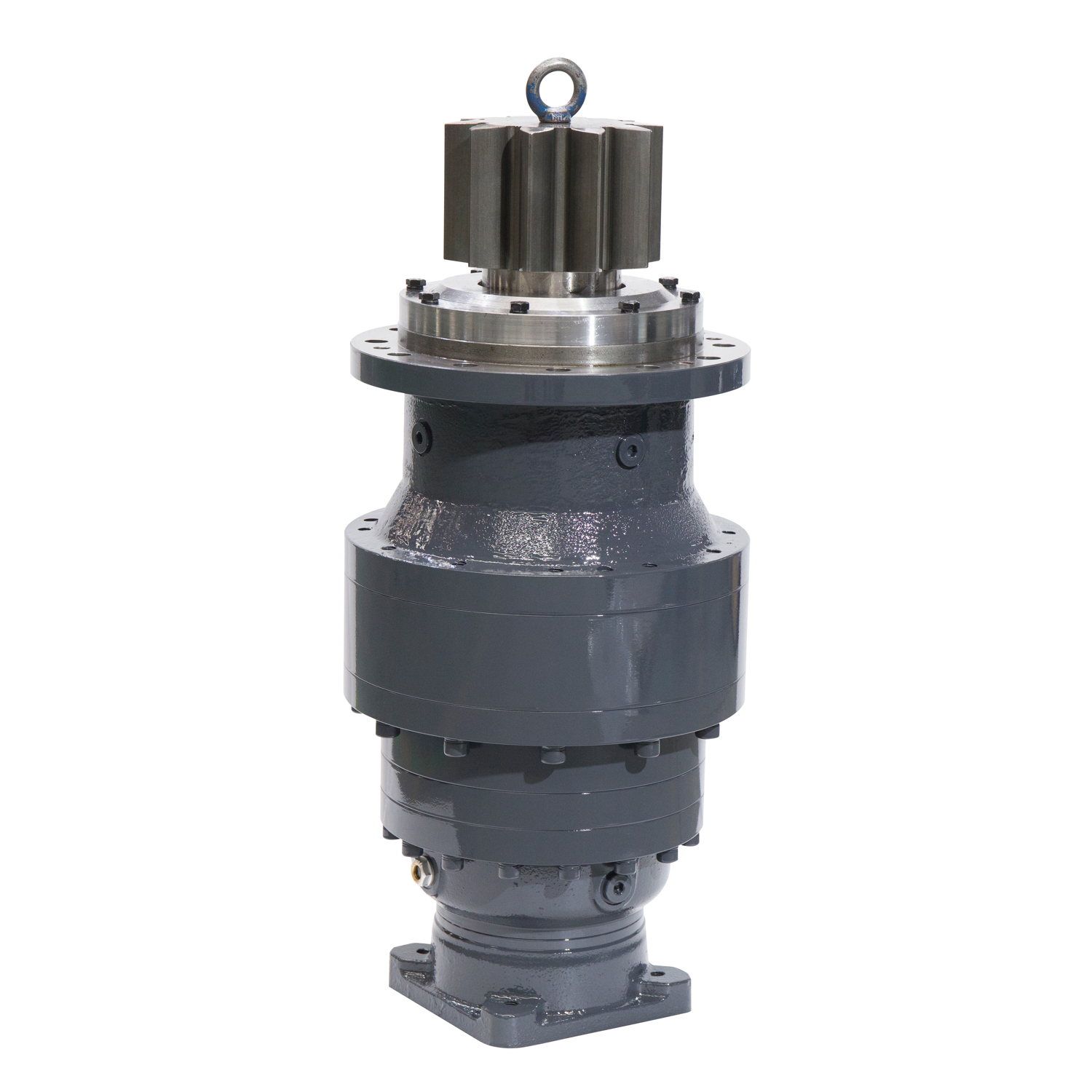
Model: 200-885Ratio: 3.15-7800Output Torque :1500Nm-540000NmRating Power :0.25KW-200kwDescription : ...
See Details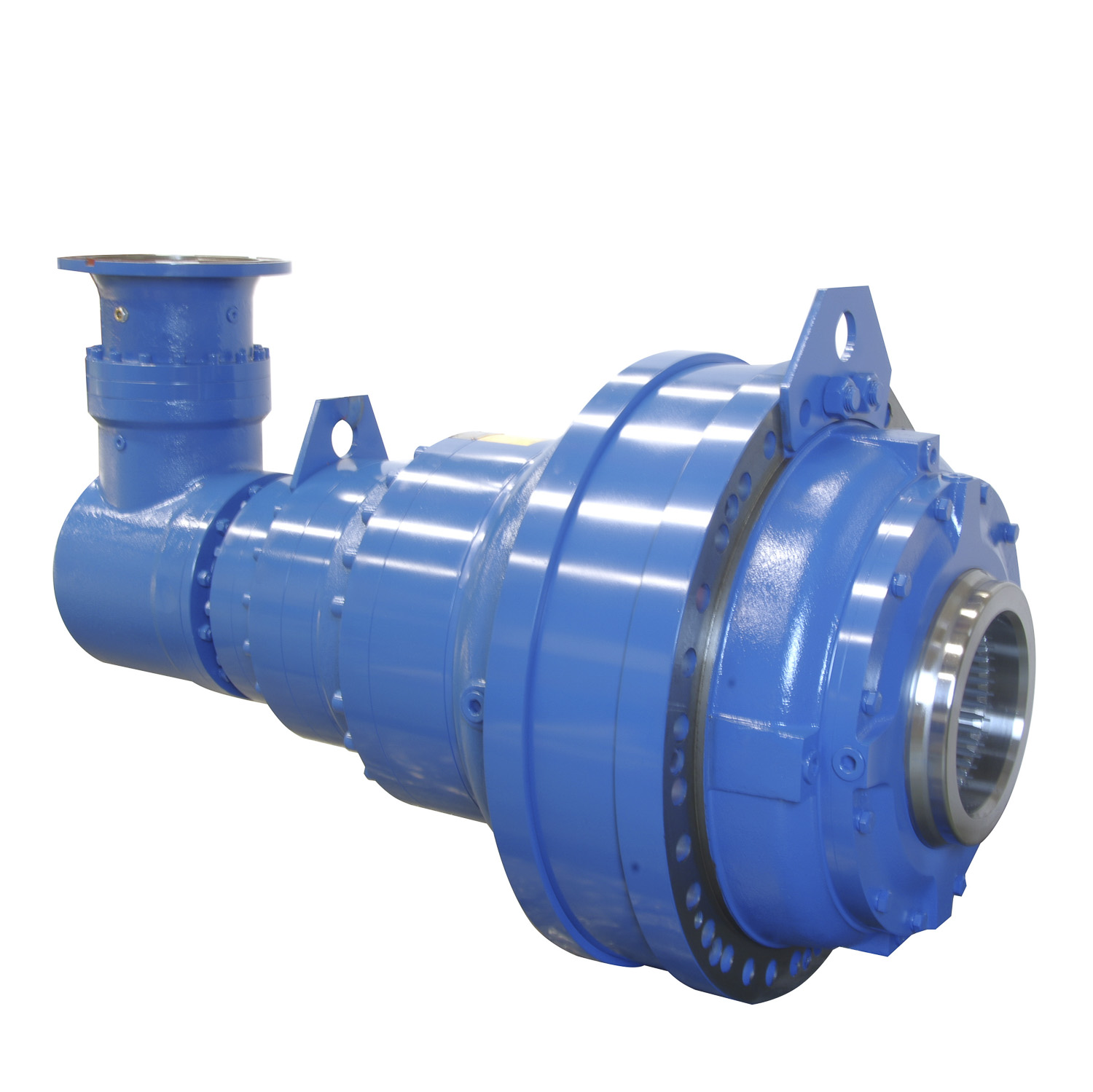
Planetary gearbox is produced by modular design, and can be combined according to client's request H...
See Details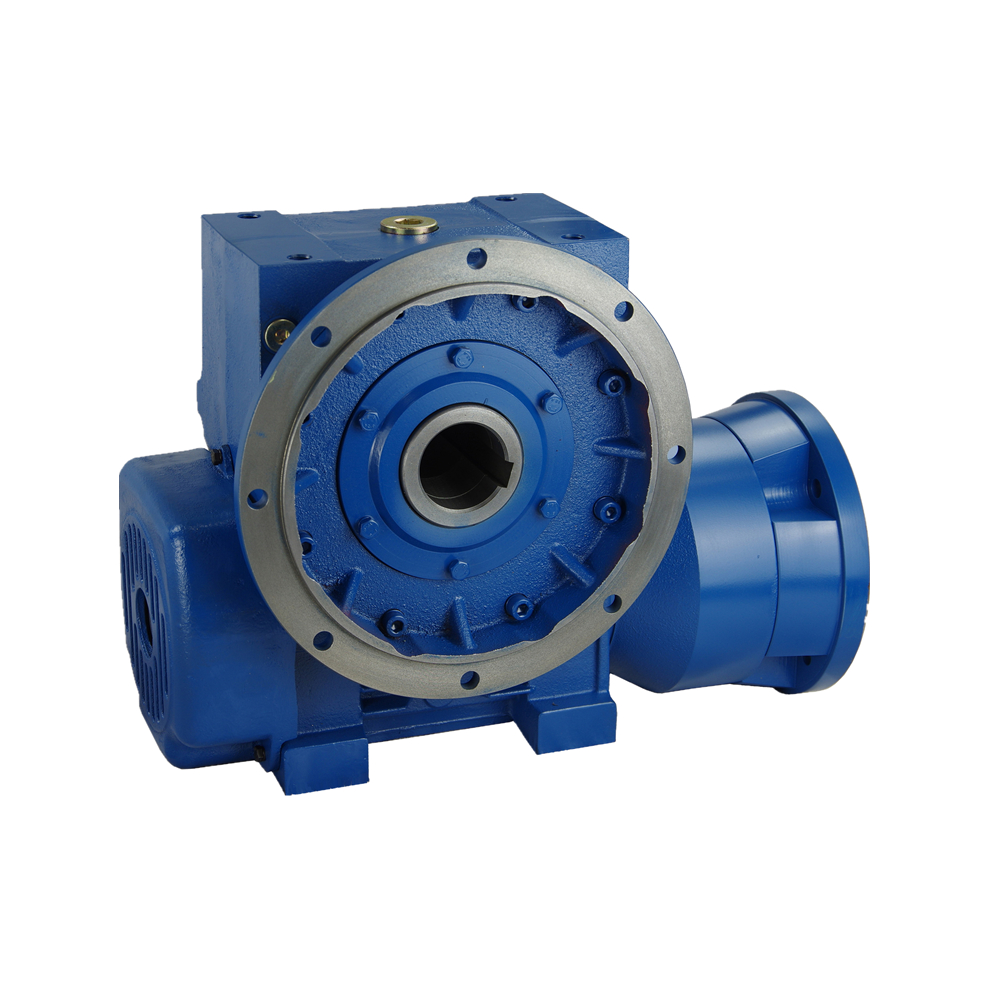
Product Description Series C double enveloping worm gearModel: 100 - 500Ratio: 10 -63Output Torque ...
See Details
SGR is an ISO 9001 certified, DNV-accredited industry gearbox manufacturer since 1996. We supply different gear reducers to brands worldwide.