Global
  English
 中文简体
中文简体 русский
 Español
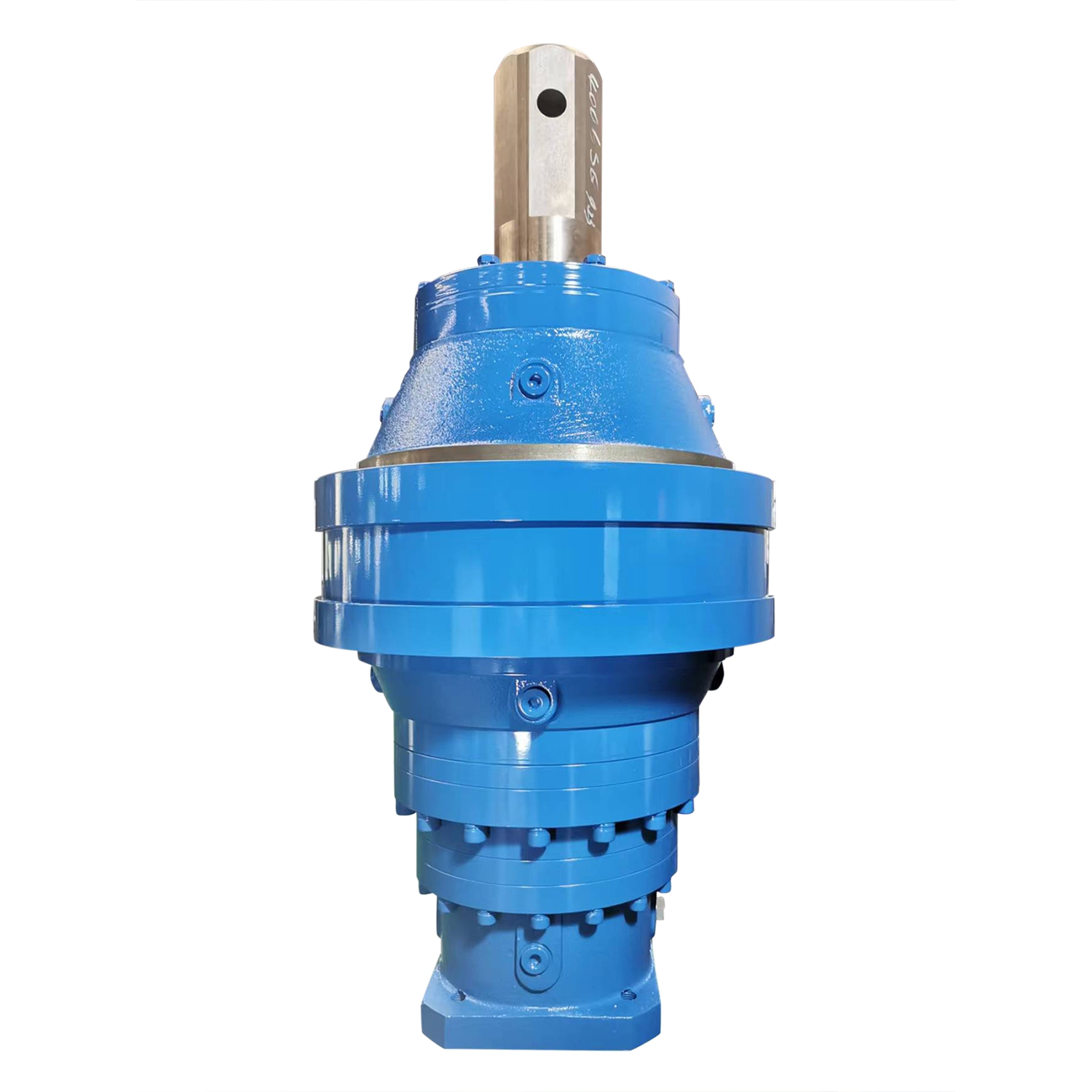
Product Info: The MNC3E400 series high speed and high torque industrial planetary gear reducers are ...
See Details
News Directory
Planetary gearboxes are widely used in industrial automation, robotics, aerospace, and heavy machinery due to their high torque density, compact design, and excellent load distribution. Among the various configurations, single-stage and multi-stage planetary gearboxes are the two most common types.
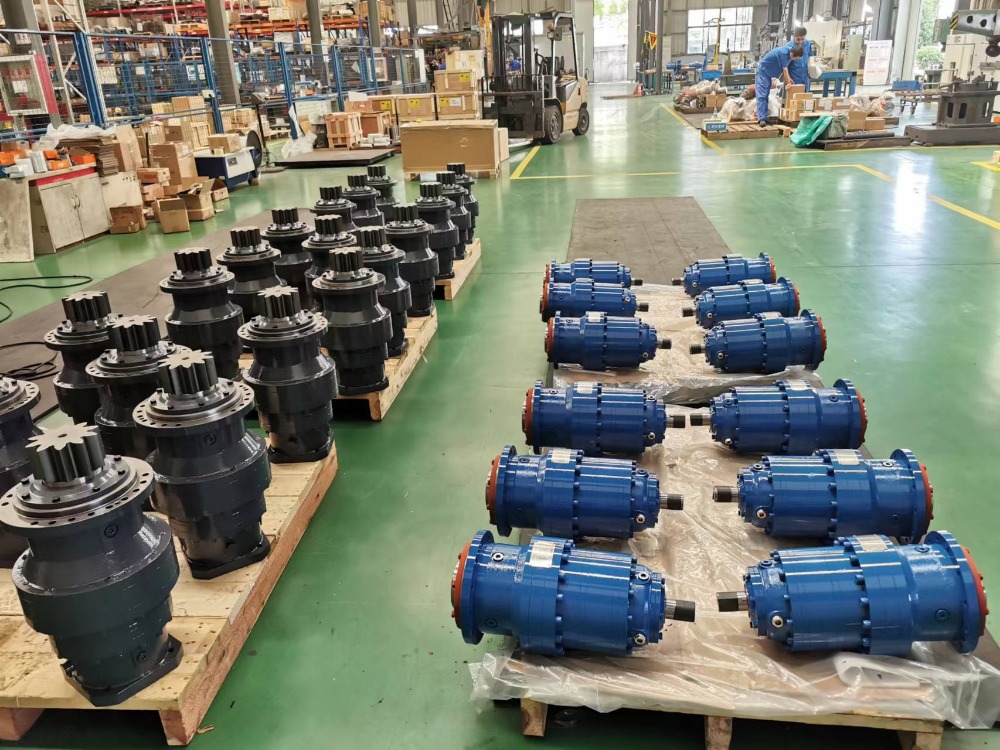
If planetary gear reducers are the "best of the best," then among the planetary gear reducer family, multi-stage planetary gear reducers are the "powerhouse" thanks to their excellent torque output capability, wide reduction ratio range, and smooth operation.
I will compare the singe and multi stage planetary gearbox from the 3 aspects.
A single-stage planetary gearbox typically offers reduction ratios between 3:1 and 10:1. This range is sufficient for applications requiring moderate speed reduction with high efficiency.
In contrast, multi-stage planetary gearboxes can achieve much higher ratios—up to 1,000:1 or more—by cascading multiple planetary sets within a single housing. Each stage multiplies the reduction, enabling very low output speeds from a high-speed input motor.
Single-stage planetary gearboxes are shorter, lighter, and have lower rotational inertia, making them ideal for dynamic applications like servo-driven pick-and-place systems where rapid acceleration is key. They also typically offer lower backlash crucial for positioning accuracy.
Multi-stage gearboxes are longer and heavier due to additional gear sets and carriers. While modern manufacturing can keep backlash low, each added stage introduces potential for cumulative angular error.
However, advanced multi-stage designs often integrate cross-roller bearings or preloaded planet pins to maintain rigidity and minimize deflection under load.
Both configurations distribute load across multiple planet gears, enhancing durability,but the multi-stage gearboxes can transmit higher output torque at ultra-low speeds, making them suitable for heavy-duty tasks like extruders, winches, or slewing drives.
Single-stage versions excel in high-speed, medium-torque scenarios where responsiveness matters more than extreme force.
It’s worth noting that the first stage in a multi-stage system often handles the highest input speed and must be engineered for fatigue resistance, while the final stage bears the peak output torque.
Single-stage gearboxes are less expensive to manufacture and maintain due to fewer components and simpler assembly.
Multi-stage units involve tighter tolerances, more parts, and complex lubrication paths, increasing both initial cost and potential service complexity.
Single-stage planetary gearboxes are limited by their structure and speed ratio, resulting in limited output torque. Multi-stage planetary gearboxes, however, achieve progressive torque amplification through two or three stages of planetary transmission connected in series. For example, after the first stage achieves a 5:1 reduction ratio, the second stage can achieve a 4:1 reduction ratio, resulting in a total speed ratio of 20:1 and a 20-fold increase in output torque.
This high torque also increases its load-bearing capacity, enabling the multi-stage planetary gearboxes to handle the extreme load demands of fields such as mining machinery, trenchless drilling rigs, and wind power generation.
In some transmission applications, achieving a large reduction ratio often requires connecting a single-stage planetary gearbox and a worm gear reducer in series. However, with a multi-stage planetary gearbox, this traditional connection method is no longer necessary. This is because the multi-stage planetary gearbox integrates multiple transmission stages, enabling high reduction ratios from 20:1 to 100:1 within a compact space, meeting the needs of applications requiring large reduction ratios.
Compared to worm gear reducers, multi-stage planetary gearboxes can maintain an overall efficiency of 94% to 96% even after two stages of transmission. According to physics, higher efficiency means less energy loss; therefore, multi-stage planetary gearboxes can significantly reduce operating costs.
Planetary gearboxes feature power distribution, and multi-stage planetary gearboxes perfectly embody this characteristic. In a multi-stage planetary gearbox, input power is evenly distributed across multiple planetary gears, effectively reducing single-tooth load, vibration, and noise, resulting in smoother operation.
SGR's multi-stage planetary gearboxes are made of 20CrMnTi alloy steel through carburizing and quenching precision gear grinding processes. The tooth surface has high hardness and strong wear resistance, ensuring that it can maintain low backlash even under full load conditions, meeting the requirements of servo control and precision positioning.
SGR's multi-stage planetary gearboxes have been applied in multiple high-end industrial scenarios. In trenchless horizontal directional drilling rig projects, SGR's two-stage planetary reducers, with their superior performance of a speed ratio of 45:1 and an output torque of 280,000 Nm, operate stably under continuous operation conditions with low temperature rise, significantly improving the overall reliability and construction efficiency of the machine. This has earned high recognition from customers and helped them achieve efficient drilling in complex geological formations.
In summary, multi-stage planetary gearboxes, with their powerful torque, efficient transmission, and reliable structure, support the continuous operation of heavy industrial equipment. Driven by the manufacturing trend towards high quality, high efficiency, and low energy consumption, multi-stage planetary gearboxes are becoming the preferred transmission solution for an increasing number of high-end equipment.
WhatsApp: +86 188 1807 0282
Related Video Link:https://www.tiktok.com/@gear.reducer/video/7455630850676296991
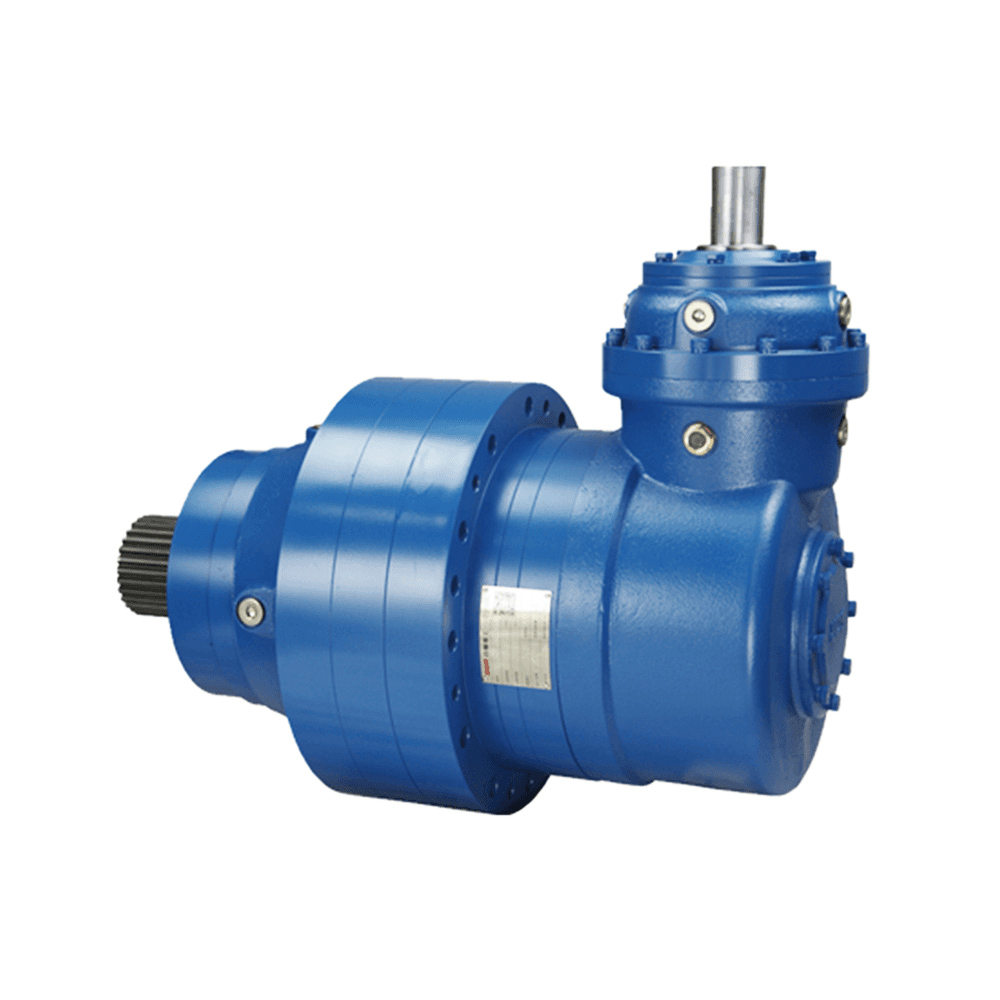
Product Info: The MNC3E400 series high speed and high torque industrial planetary gear reducers are ...
See Details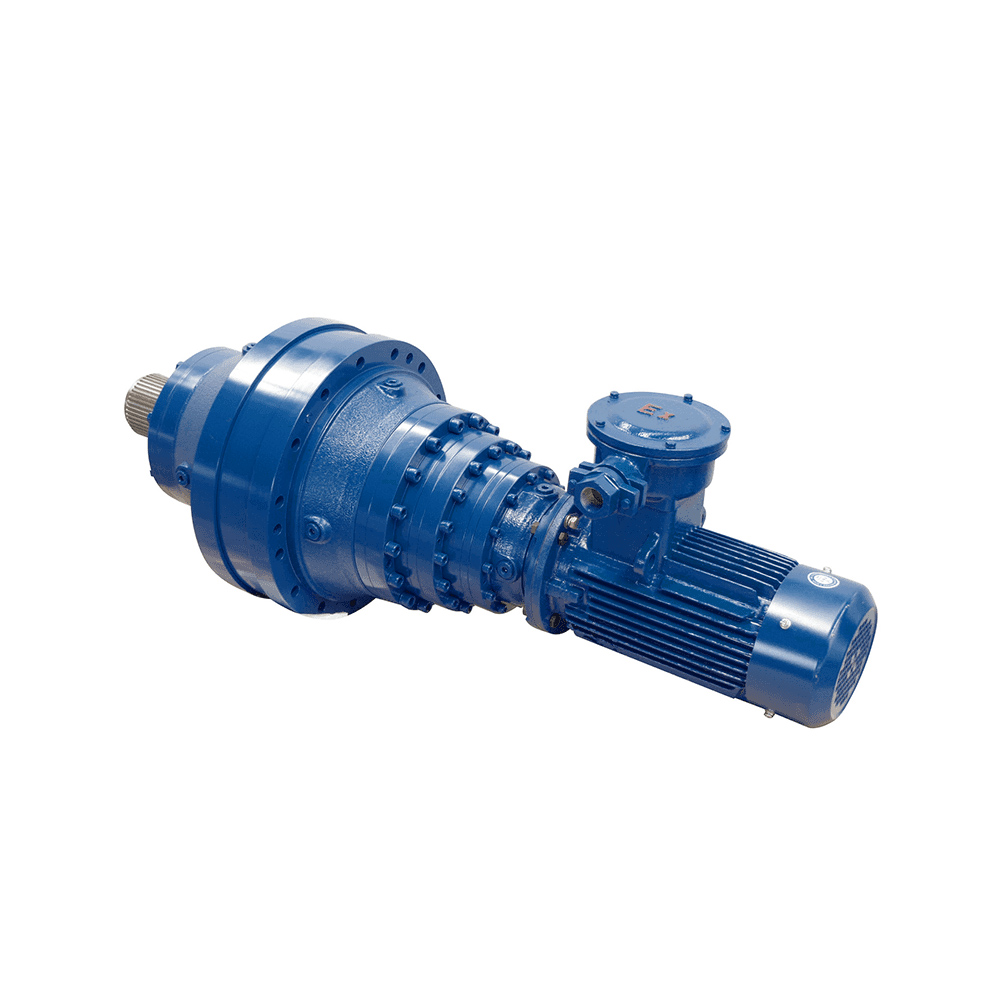
SGR's N Series high torque coaxial planetary gearbox Input forms: N standard shaft input, MN flange ...
See Details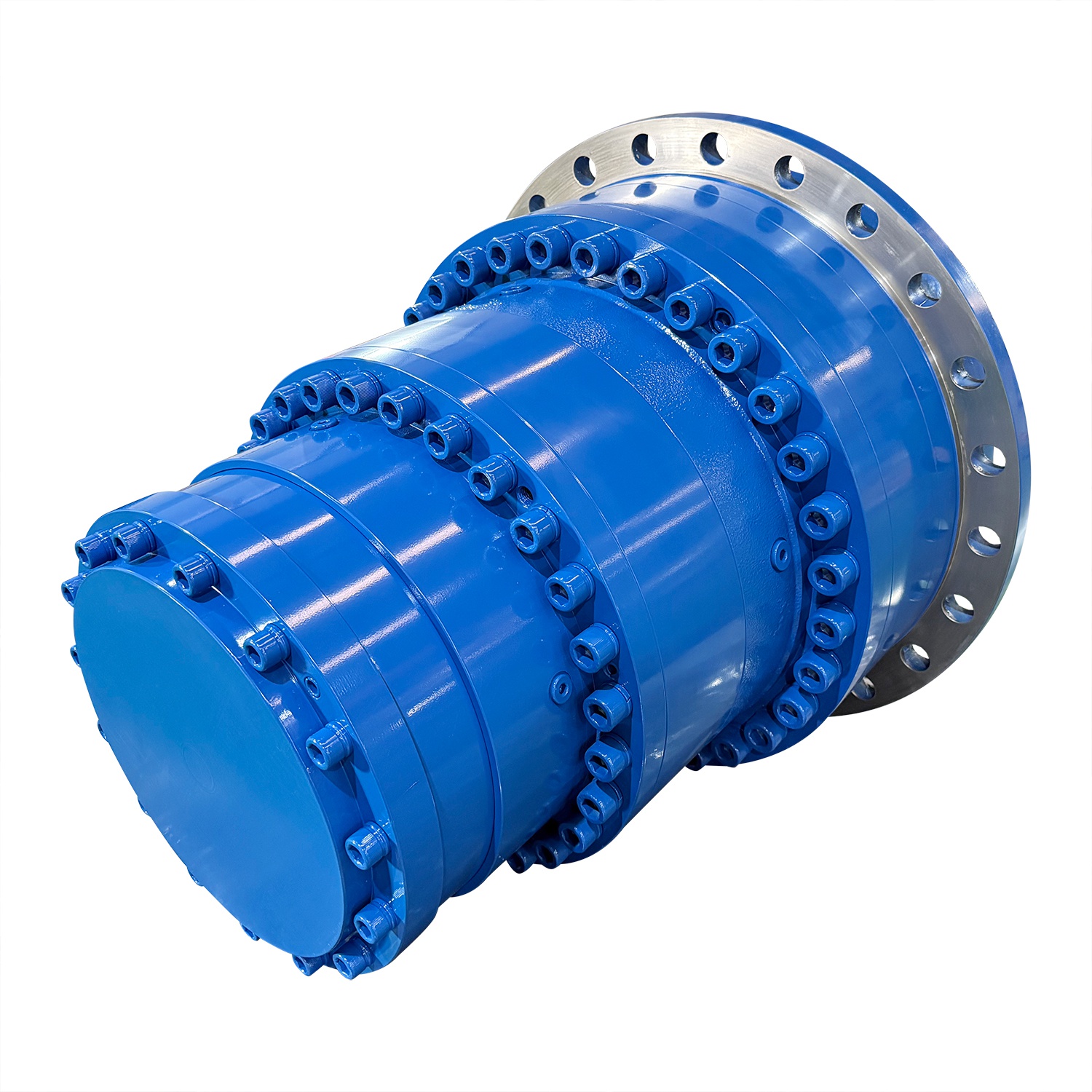
Planetary gear reducers serve as key transmission parts for sightseeing boats sailing along Russia’s...
See Details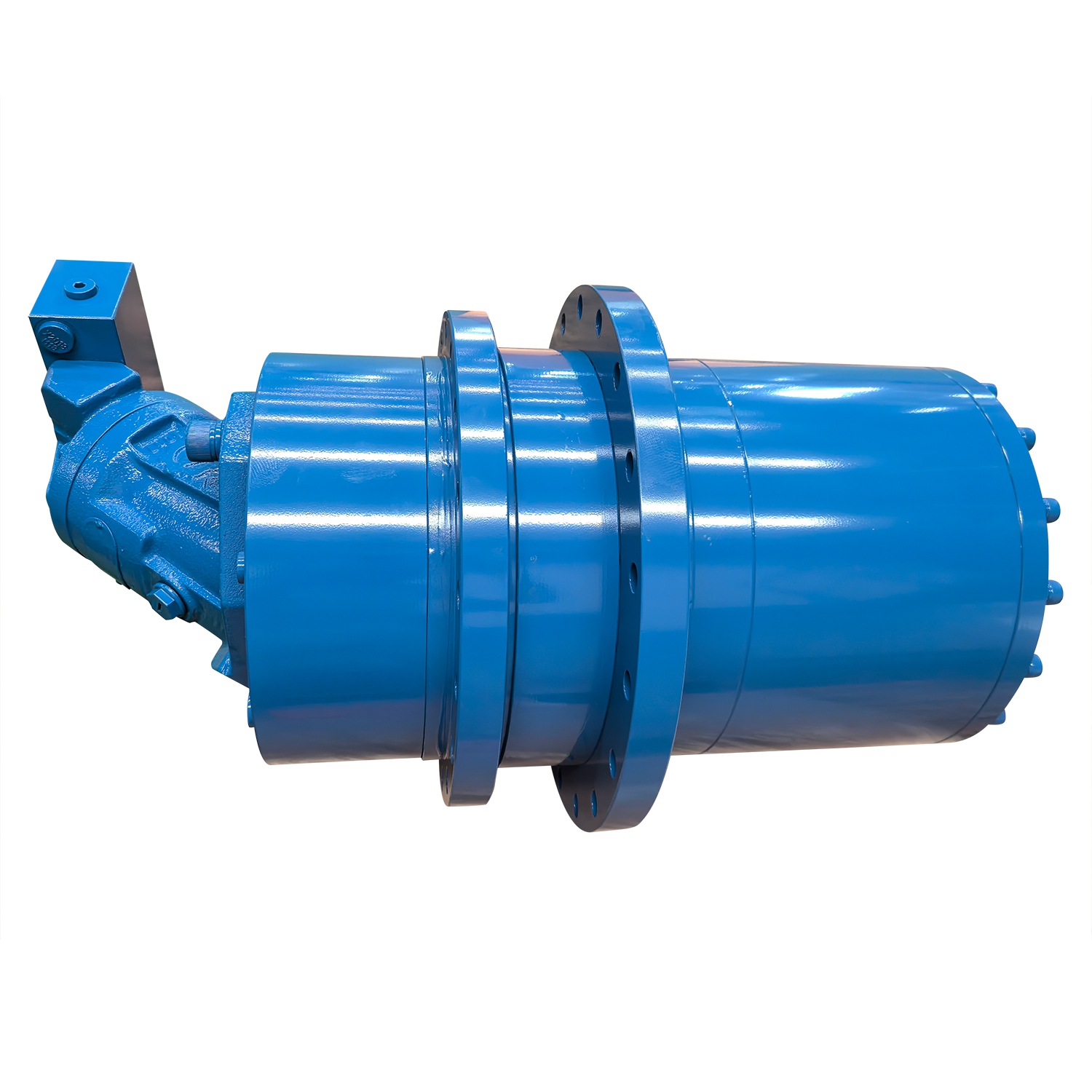
Model: 200-885 Ratio: 3.15-7800 Output Torque :1500Nm-540000Nm Rating Power :0.25KW-200kw Descripti...
See Details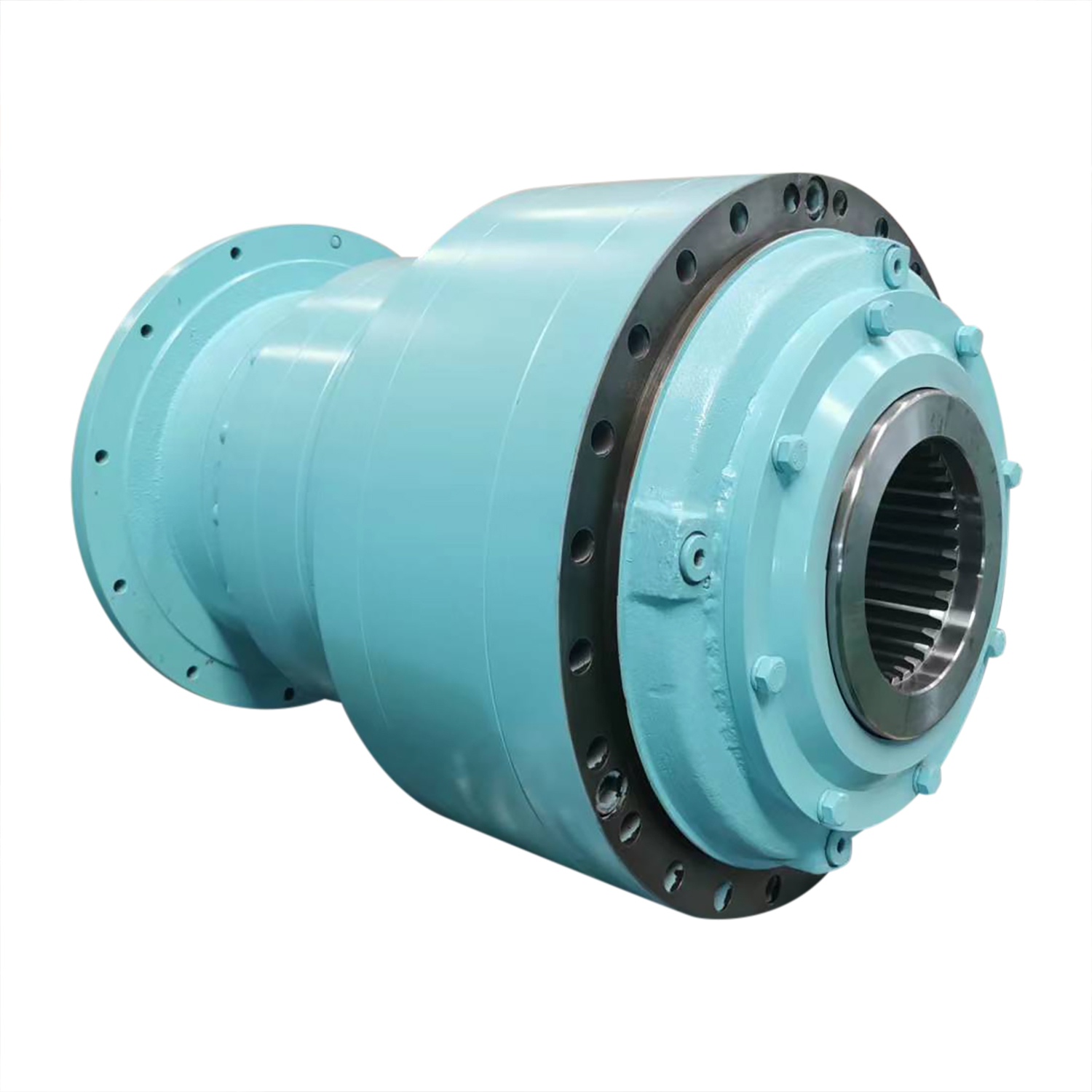
Planetary Gearbox Application For In Electric Drive Model: 200-885Ratio: 3.15-7800Output Torque :15...
See Details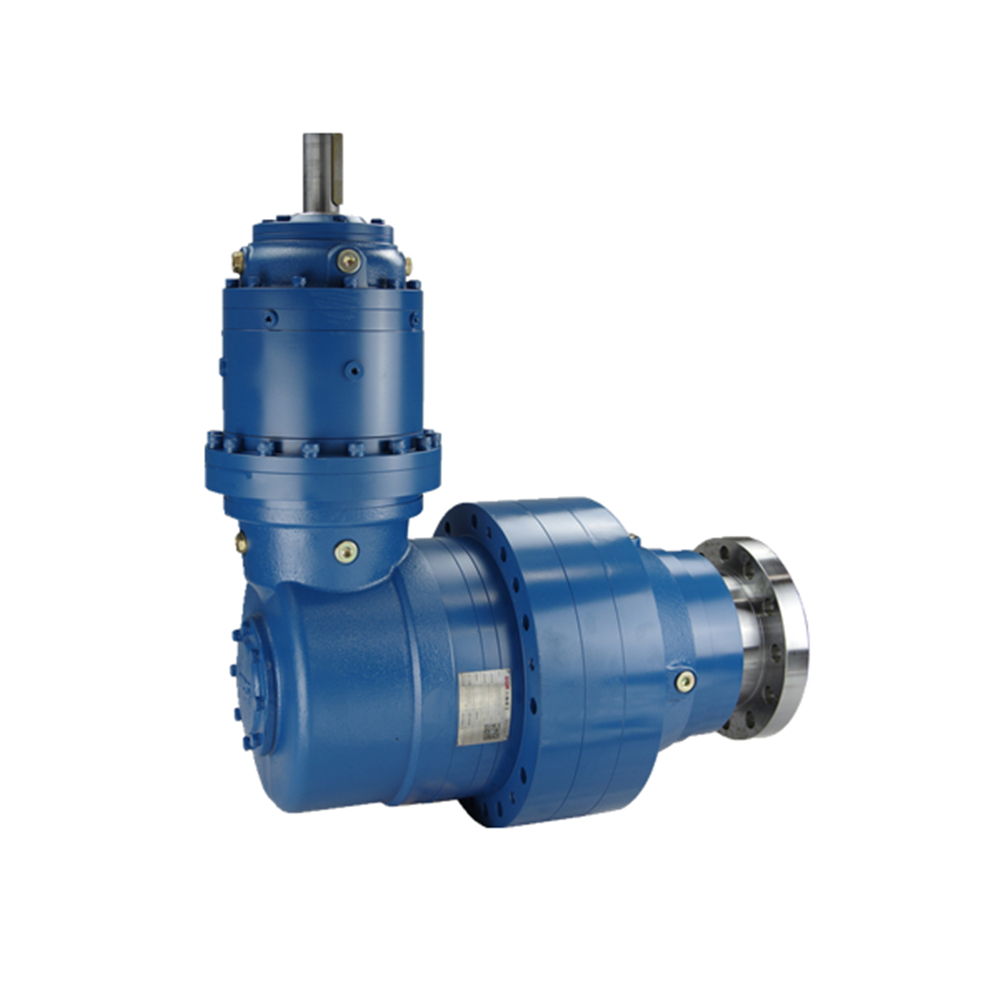
Technical data: 1. Ratio range: 3.15-30002. Input power: 0.25-55KW3. Permit torque rang: ≤ 200000N. ...
See Details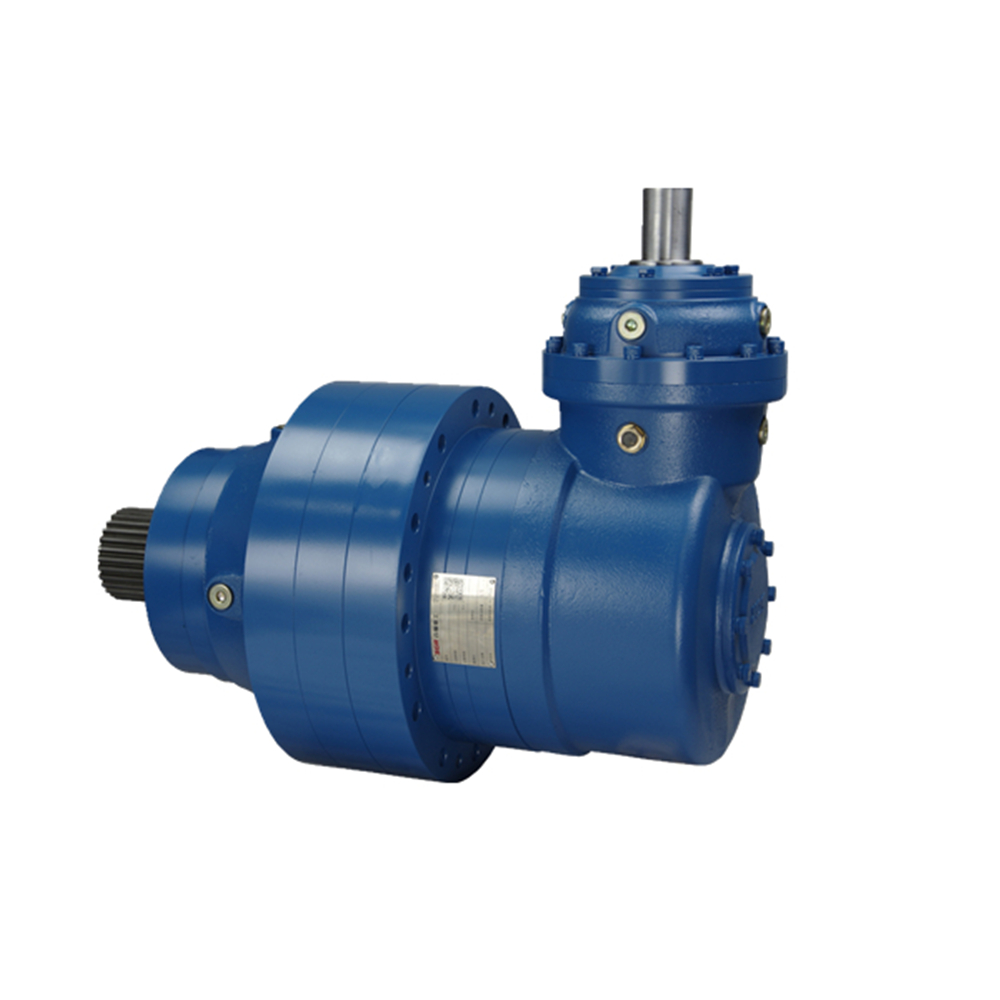
Technical data: 1. Ratio range: 3.15-30002. Input power: 0.25-55KW3. Permit torque rang: ≤ 200000N. ...
See Details
SGR is an ISO 9001 certified, DNV-accredited industry gearbox manufacturer since 1996. We supply different gear reducers to brands worldwide.