Global
  English
 中文简体
中文简体 русский
 Español
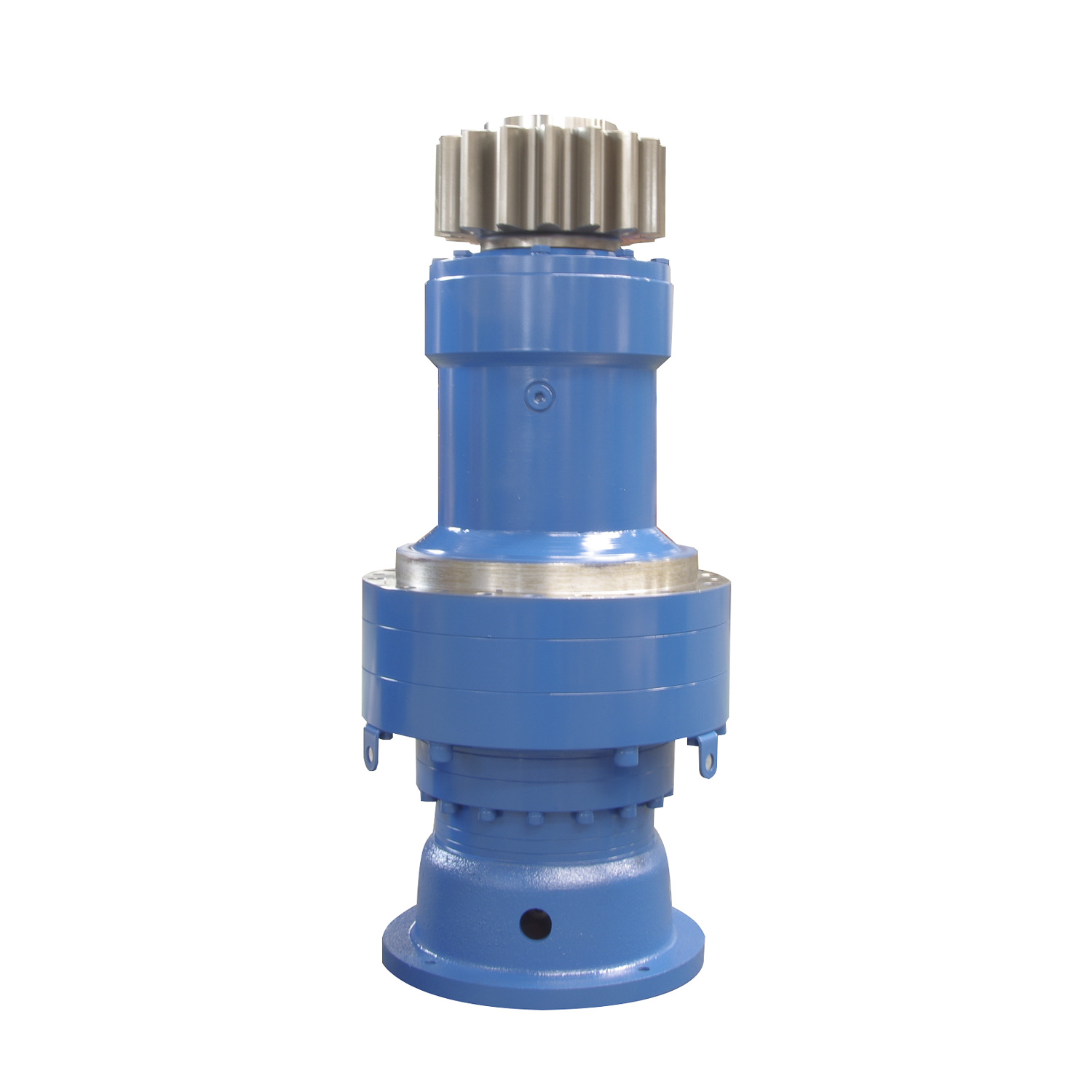
Product Info: The MNC3E400 series high speed and high torque industrial planetary gear reducers are ...
See Details
News Directory
Both planetary gear reducers and worm gear reducers can experience malfunctions during long-term use. Reducer malfunctions refer to various problems that occur during operation, potentially causing the reducer to malfunction or experience performance degradation. If a reducer fails to operate, it is generally due to the failure of some of its constituent parts.
So, what are some common gearbox malfunctions and repair methods?
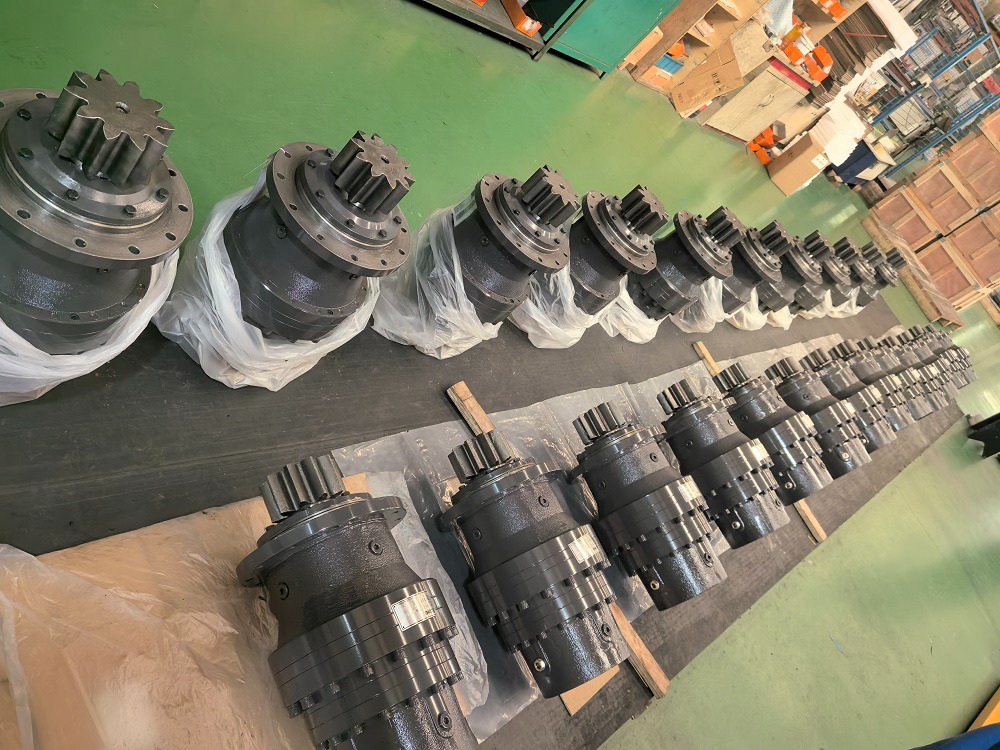
Oil leakage is one of the most common gearbox failures. Gearboxes require lubricating oil during operation to reduce friction between gears and other moving parts and to aid in heat dissipation. During operation, lubricating oil may leak from inside the gearbox to the outside.
The main causes of oil leakage are:
Improper assembly: Insufficient alignment during spindle and transmission mechanism assembly causes wear on oil seals and bearings, leading to leakage;
Damage to the O-ring seals and meshing surfaces;
Damage to the oil seal at the output shaft end of the reducer, or significant damage to the outer circumference of the retaining ring;
Loose screws on the connecting surfaces;
Excessive impurities in the oil, which accelerates oil aging;
Excessive lubricating oil volume, resulting in high agitation temperatures during operation, ultimately causing oil leakage from the sealing points.
The gearbox maintenance methods include: first, repeatedly calibrating the joints to ensure correct positioning and replacing the frame rubber seals; second, making adjustments according to specific needs; third, replacing the oil seals with new ones, or removing or even replacing the original retaining rings; fourth, connecting the screws and spring gaskets; fifth, thoroughly removing old oil, cleaning the equipment, and changing the engine oil; and sixth, adding oil appropriately according to the oil level indicated on the oil gauge, and adjusting the oil level reasonably, absolutely avoiding overfilling.
Gearbox overheating refers to the overheating phenomenon that occurs when a gearbox operates under excessive load for extended periods, suffers from insufficient lubrication, poor heat dissipation, or improper assembly. Gearbox overheating not only accelerates the aging of lubricating oil but can also lead to damage to components.
Solutions to overheating include: First, ensure the speed reducer operates within the maximum load limits specified by the manufacturer to avoid overloading; second, regularly check the condition of the lubricating oil, including oil level, color, and viscosity, and add or replace the lubricating oil as needed; third, provide good ventilation for the speed reducer to ensure the proper operation of the cooling system; and fourth, during the installation of the speed reducer, strictly follow the manufacturer's instruction manual for correct installation and commissioning to ensure all components are in optimal condition.
Excessive lubricating oil temperature may be due to the lubricating grease not meeting specifications, or insufficient lubrication of the reducer's rotating boom supports, leading to a rapid increase in localized temperature. High temperatures accelerate the aging process of the lubricating oil, causing changes in its viscosity and potentially leading to oxidation and deterioration, forming deposits and gel-like substances, further worsening lubrication.
Solutions to solve the problem of oil temperature rises too high.
Purchase lubricating fluid according to the reducer manufacturer's instructions, selecting the appropriate lubricating oil based on the product model and ensuring sufficient quantity is added; Add oil to the specified level to ensure the lubricating oil pump operates effectively and the oil passages remain clear.
If a gearbox makes a sound that differs from its normal operating condition during operation, it is usually a clear sign of a malfunction.
The main causes of abnormal noise from a gearbox include: misalignment during installation, which prevents the gears from making smooth contact during meshing and rotation, resulting in abnormal noise; and damage to certain internal components (such as gears and bearings) due to prolonged use or improper operation, leading to unusual sounds such as clicking, buzzing, or other unusual noises.
Maintenance recommendations: First, stop the machine and carefully check whether each connection point is correctly aligned, recalibrate the equipment, and precisely adjust the coupler according to the manufacturer's instruction manual to effectively solve the noise problem caused by misalignment; Second, when component damage is suspected, thoroughly disassemble and inspect the equipment to determine which parts need to be repaired or replaced, and repair or replace the components in a timely manner.
(Author,SGR, Angie Zhang)
WhatsApp: +86 188 1807 0282
Related Video Link:https://www.tiktok.com/@gear.reducer/video/7455630850676296991
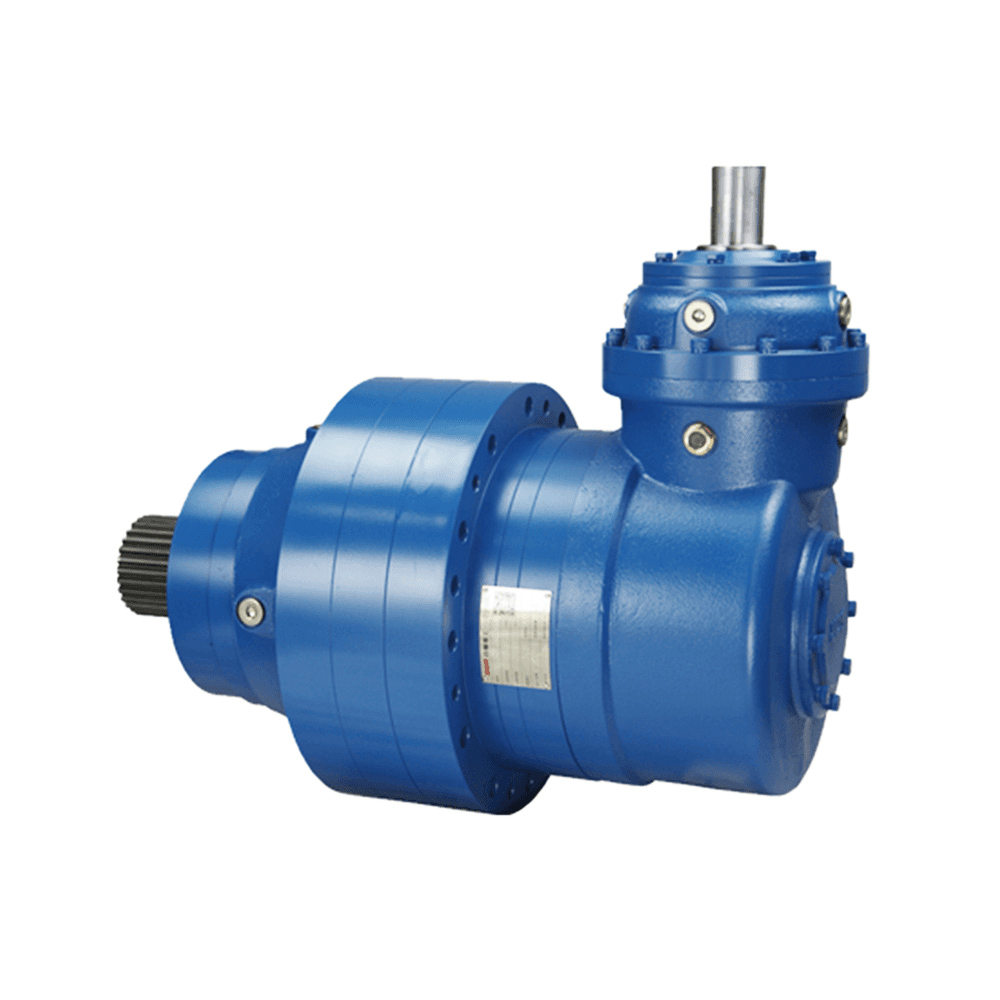
Product Info: The MNC3E400 series high speed and high torque industrial planetary gear reducers are ...
See Details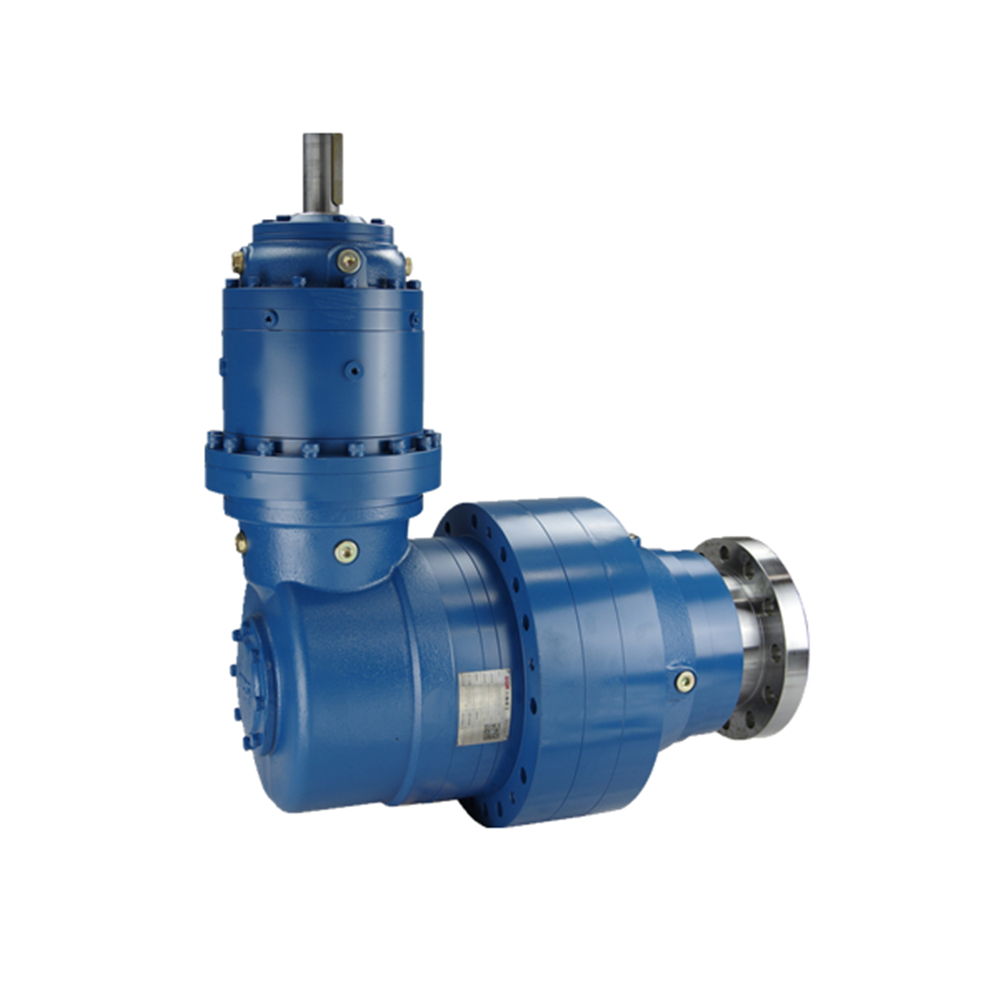
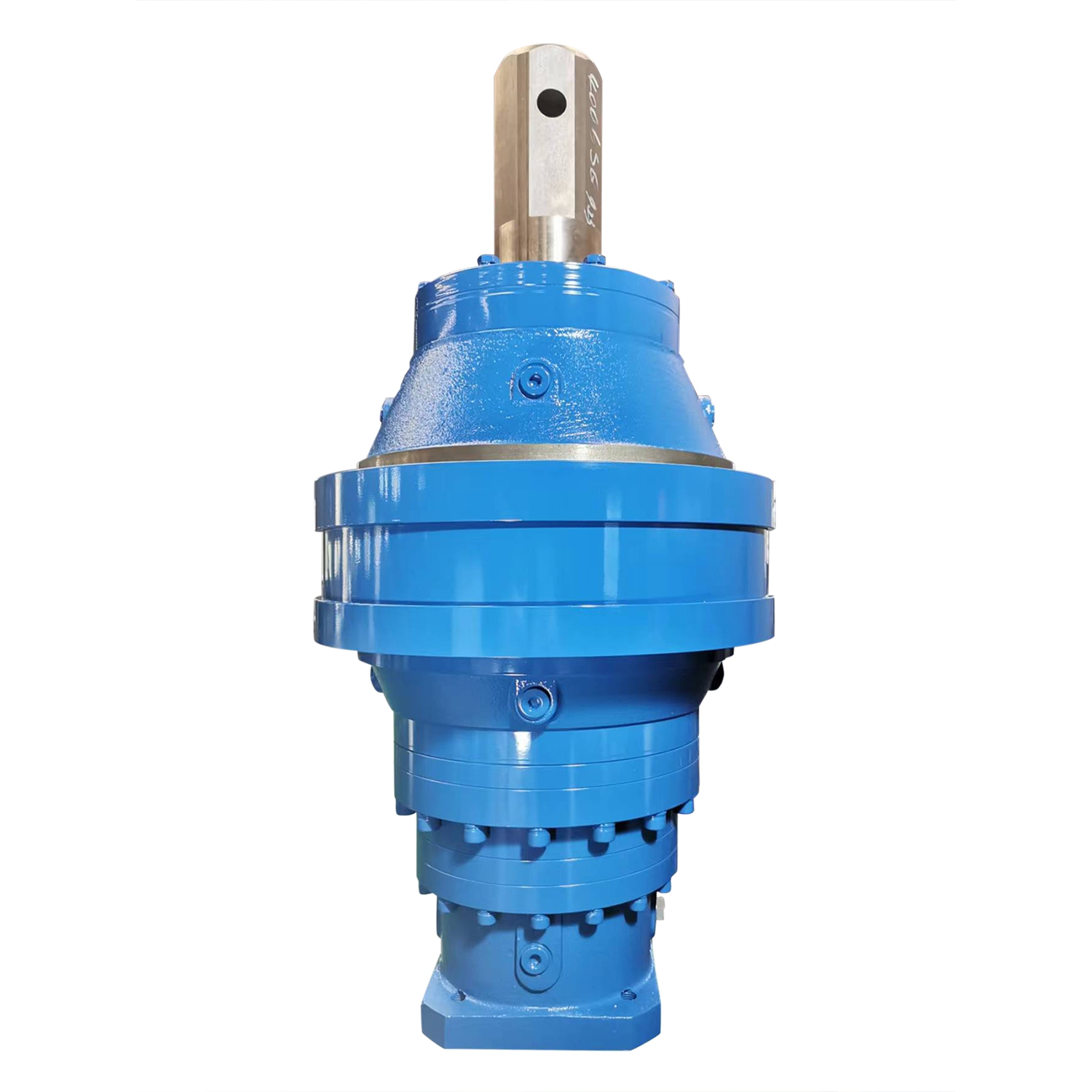
Technical data: 1. Ratio range: 3.15-30002. Input power: 0.25-55KW3. Permit torque rang: ≤ 200000N. ...
See Details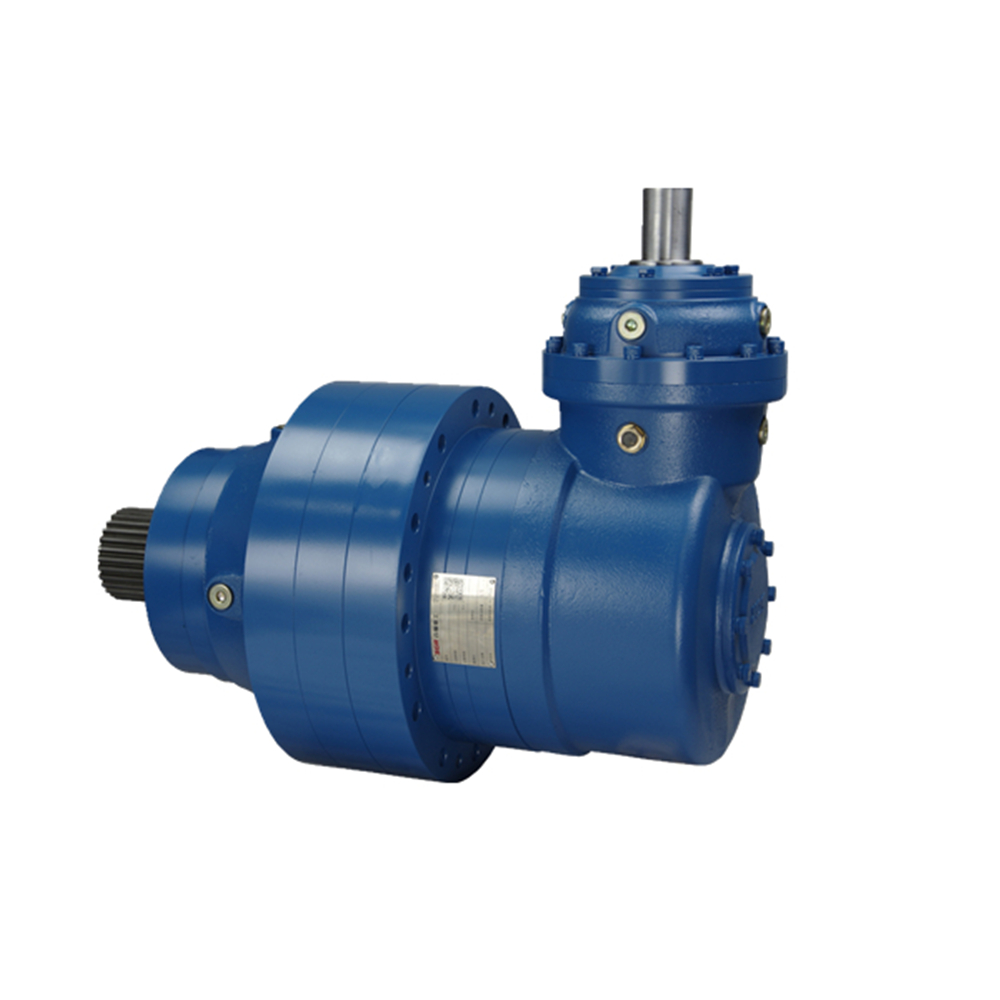
Technical data: 1. Ratio range: 3.15-30002. Input power: 0.25-55KW3. Permit torque rang: ≤ 200000N. ...
See Details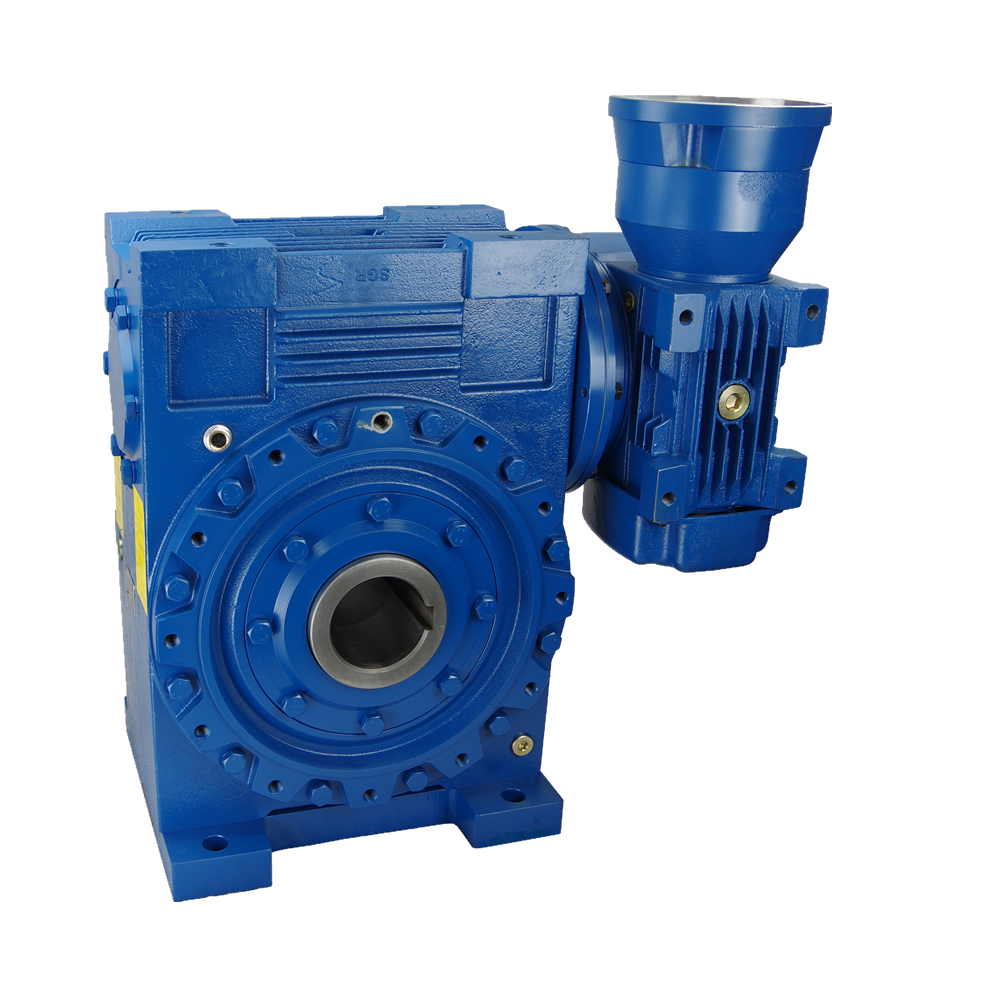
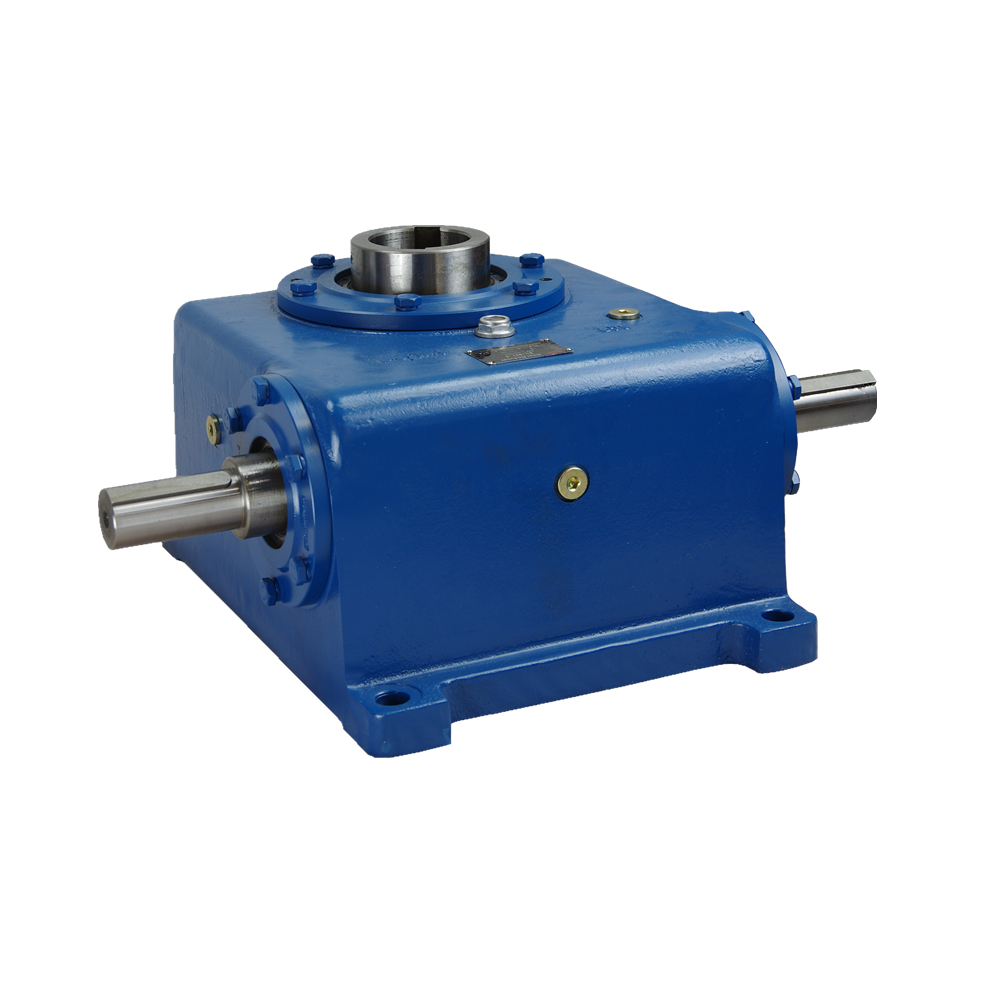
Product Description Series C double enveloping worm gearModel: 100 - 500Ratio: 10 -63Output Torque ...
See Details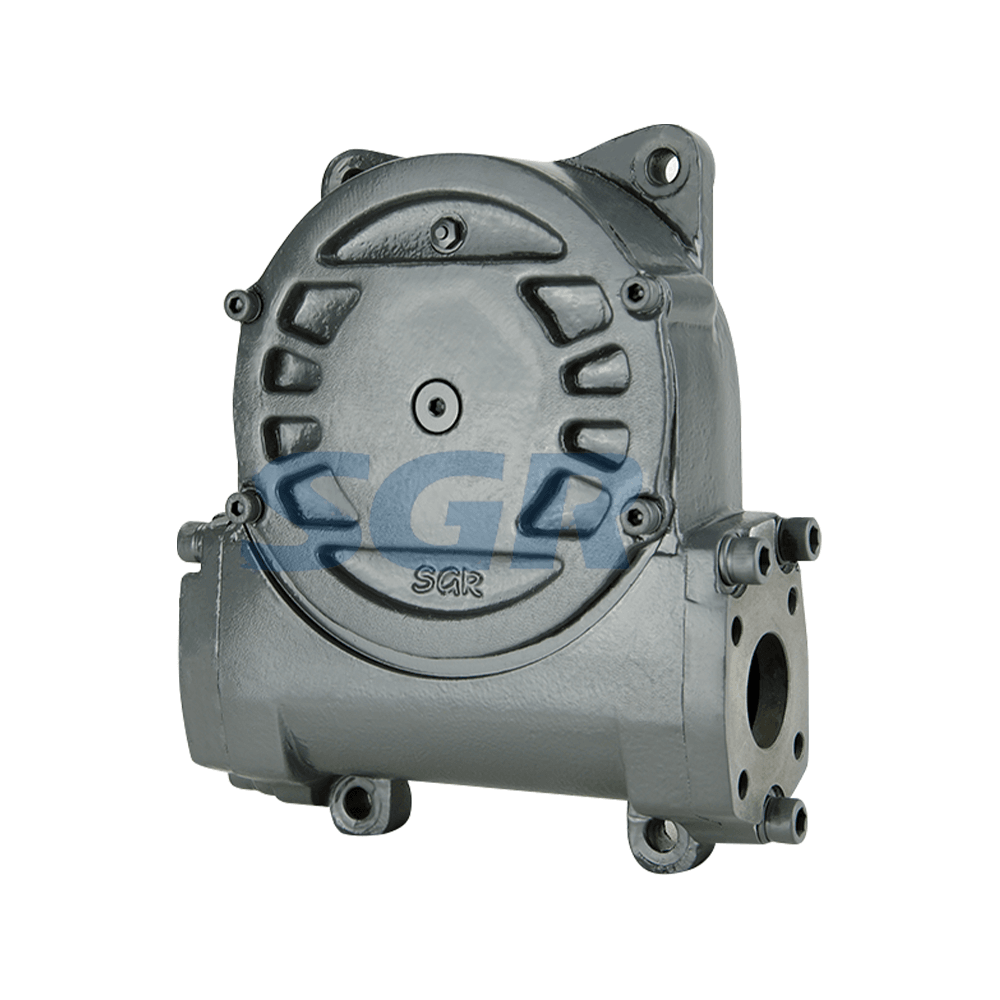
SGR develops and manufactures specialized worm gear reducers for logistics machinery attachments. T...
See Details
SGR is an ISO 9001 certified, DNV-accredited industry gearbox manufacturer since 1996. We supply different gear reducers to brands worldwide.