Global
  English
 中文简体
中文简体 русский
 Español
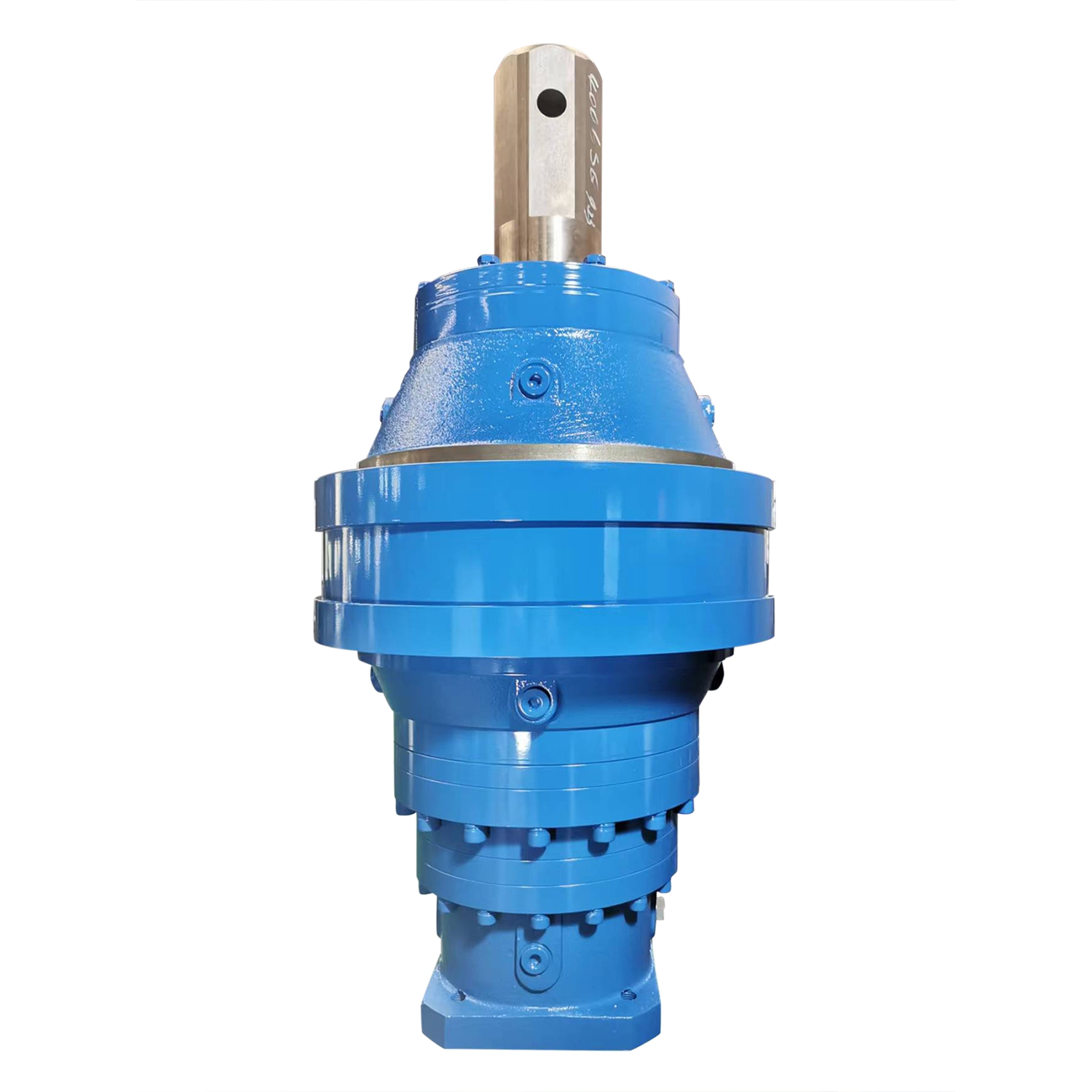
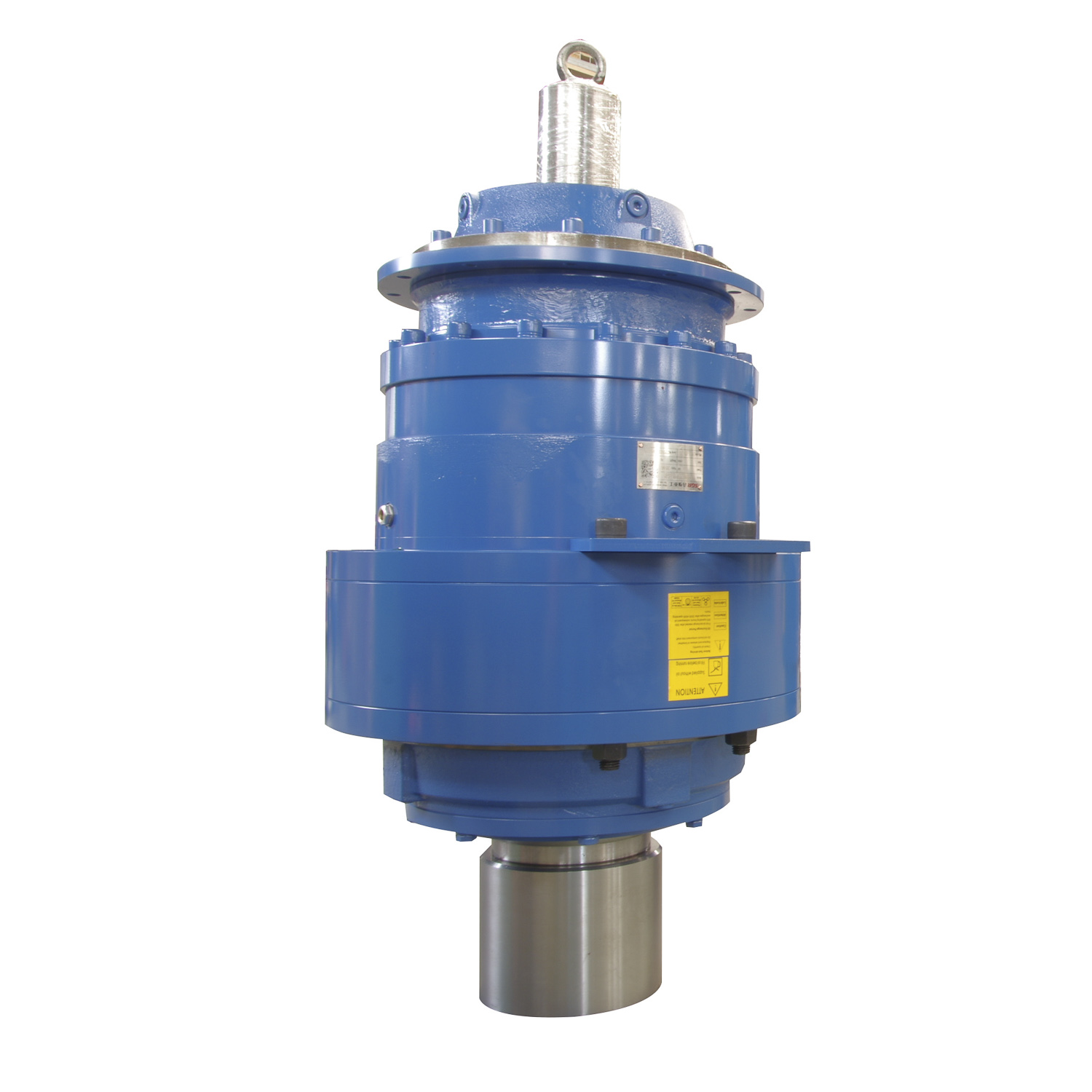
Key feature:Planetary gearbox is produced by modular design, and can be combined according to client...
See Details
News Directory
A planetary reducer gearbox is a compact, high-torque power transmission unit in which multiple planet gears orbit a central sun gear while meshing with an outer ring gear — distributing load across several gear contacts simultaneously. This architecture delivers torque density, efficiency, and stiffness that no single-axis gear arrangement can match at equivalent size and weight, making planetary units the preferred reducer in robotics, CNC machine tools, servo drives, and industrial automation.
Planetary reducer gearbox torque capacity is fundamentally a product of its load-sharing architecture. Where a standard parallel-shaft helical gearbox transfers torque through a single gear mesh, a three-planet planetary stage shares the same torque across three simultaneous mesh contacts — reducing individual tooth loading by approximately 65% for equivalent output torque.
In practice, this load-sharing effect allows planetary units to achieve output torques of 10–2,000 Nm in a flange diameter that a helical unit would require 2–3x the housing size to match. Peak torque ratings — the maximum momentary torque the unit can absorb during acceleration or emergency stop — typically run 2.0–2.5x the nominal rated torque, providing significant margin for servo drive applications with high dynamic cycle loads.
| Frame Size | Flange Diameter | Rated Output Torque | Peak Torque | Typical Ratio Range |
| PL042 | 42mm | 8–18 Nm | 20–45 Nm | 3:1 – 100:1 |
| PL060 | 60mm | 20–50 Nm | 50–125 Nm | 3:1 – 100:1 |
| PL090 | 90mm | 80–120 Nm | 200–300 Nm | 3:1 – 100:1 |
| PL120 | 120mm | 160–240 Nm | 400–600 Nm | 3:1 – 100:1 |
| PL160 | 160mm | 360–500 Nm | 900–1,250 Nm | 3:1 – 100:1 |
| PL220 | 220mm | 800–1,200 Nm | 2,000–3,000 Nm | 3:1 – 100:1 |
Planetary reducer gearbox efficiency is among the highest of any mechanical reduction technology — typically 97–99% per stage under rated load at operating temperature. This figure reflects the rolling contact ratio between planet gears and both the sun and ring gear, which minimizes sliding friction compared to worm or bevel gear arrangements.
A single planetary stage with ratio 3:1–10:1 achieves 97–99% mechanical efficiency at full rated load. At partial load (below 30% of rated torque), efficiency drops to 93–96% as gear churning and seal drag losses become proportionally larger. Thermal equilibrium is reached within 20–40 minutes of continuous operation at rated speed.
A two-stage unit with combined ratio of 25:1–100:1 compounds stage efficiency: 0.98 × 0.98 = 96.0% theoretical two-stage efficiency. Real-world values of 94–97% account for bearing losses, seal drag, and oil churning in the second stage. This remains substantially better than worm gear (50–90%) or hypoid gear (95–97%) alternatives in the same ratio range.
At 97% efficiency, a 5 kW input drive dissipates only 150W as heat. A worm reducer at 75% efficiency dissipates 1,250W for identical throughput — requiring forced cooling above modest duty cycles. Planetary units in continuous duty rarely require supplemental cooling below 10 kW input power, reducing installation cost and complexity.
Planetary reducer gearbox backlash is the angular free play at the output shaft when the input shaft is held stationary and the output is rotated alternately clockwise and counterclockwise under a defined torque. It is expressed in arcminutes and is the single most critical parameter for positioning accuracy in servo and motion control applications.
Backlash is controlled during manufacturing through the preload applied to the planet carrier bearings, the tolerance class of gear teeth, and the method of planet positioning — pin-mounted planets with ground tooth flanks consistently achieve tighter backlash than bushing-mounted designs. Backlash increases slightly over service life as gear flanks and bearing raceways wear; quality planetary units specify a backlash life rating indicating the expected value at end of rated service life.
Backlash in planetary gearboxes is measured per DIN 3962 / ISO 1328 at 2% of rated output torque applied alternately in both directions. Values quoted at higher torque levels appear lower due to elastic deflection masking free play — always compare specifications measured at the same torque reference.
Planetary reducer gearbox for servo motors represents the dominant application of precision planetary units — pairing the gearbox's high torque density and low backlash with a servo motor's high-speed, low-torque output to produce a compact actuator with precise position control. Correct matching requires analysis of three interdependent parameters.
The reflected load inertia at the motor shaft — load inertia divided by the square of the gear ratio — should be within 1:1 to 10:1 of the motor rotor inertia. Ratios above 10:1 cause instability in the servo control loop, producing overshoot and oscillation during position moves. Planetary gearboxes allow the designer to use a smaller-frame motor running at higher speed while maintaining acceptable inertia match through ratio selection.
Servo motors routinely operate at 3,000–6,000 RPM. Planetary gearboxes for servo applications must be rated for continuous input speeds in this range without excessive temperature rise in the planet carrier bearings. Premium servo-grade planetary units are rated to 6,000 RPM continuous input, with 10,000 RPM intermittent ratings for acceleration transients.
Servo planetary gearboxes use standardized input flanges (IEC/NEMA or manufacturer-specific servo flanges) with a clamping hub on the input shaft adapter. This zero-backlash clamping interface eliminates the key-and-keyway play that would otherwise add angular error at the input side. Output flanges conform to ISO 9409-1 for direct robot arm and tooling attachment.
Planetary reducer gearbox service life is governed by three failure modes: bearing fatigue, gear tooth surface fatigue (pitting), and seal degradation. Of these, bearing fatigue in the planet carrier is typically the life-limiting factor because planet bearings rotate at a composite speed combining carrier rotation and planet spin — higher than any single bearing speed in an equivalent helical gearbox.
ISO 281 L10 bearing life at rated load and speed for quality planetary units ranges from 20,000 to 30,000 hours. At 50% of rated torque — a common real-world operating condition — L10 life extends by a factor of 8 under the cubic load-life relationship, approaching 160,000–240,000 hours theoretical bearing life at partial load.
Most sealed planetary gearboxes are filled with synthetic grease or synthetic gear oil at the factory and rated for 10,000–20,000 hour lubrication intervals before an oil change is required. Units operating above 80°C continuous output temperature require shortened intervals — synthetic PAO gear oils maintain viscosity stability to 120°C continuous, extending high-temperature service intervals versus mineral oil.
Output shaft radial lip seals are the first maintenance item in a planetary gearbox — typically replaced at 15,000–20,000 hours or when shaft surface wear causes visible weeping. In contaminated environments (wash-down, dust, coolant mist), labyrinth-style output seals with positive air purge connections extend seal life by 3–5x versus standard lip seal designs.
The planetary reducer gearbox vs helical gearbox decision hinges on whether the application prioritizes compactness and torque density, or simplicity and cost at lower load levels. Both are high-efficiency gear systems — the differences lie in form factor, ratio range, backlash control, and total cost of ownership at varying duty levels.
| Attribute | Planetary Reducer Gearbox | Helical Gearbox |
| Torque Density | Very high — 3x helical at same housing diameter | Moderate — larger housing for equivalent torque |
| Efficiency (single stage) | 97–99% | 96–99% |
| Backlash (precision grade) | <3 arcmin achievable | 5–20 arcmin typical |
| Ratio Range (single stage) | 3:1 – 10:1 | 1.5:1 – 8:1 |
| Ratio Range (two stage) | Up to 100:1 | Up to 50:1 |
| Coaxial I/O Shafts | Yes — input and output on same axis | No — parallel or right-angle offset |
| Noise Level | 60–72 dB(A) at rated speed | 55–68 dB(A) — slightly quieter at low load |
| Unit Cost | Higher — precision manufacturing required | Lower — simpler machining and assembly |
| Ideal Applications | Servo drives, robotics, CNC, automation | General machinery, pumps, fans, conveyors |
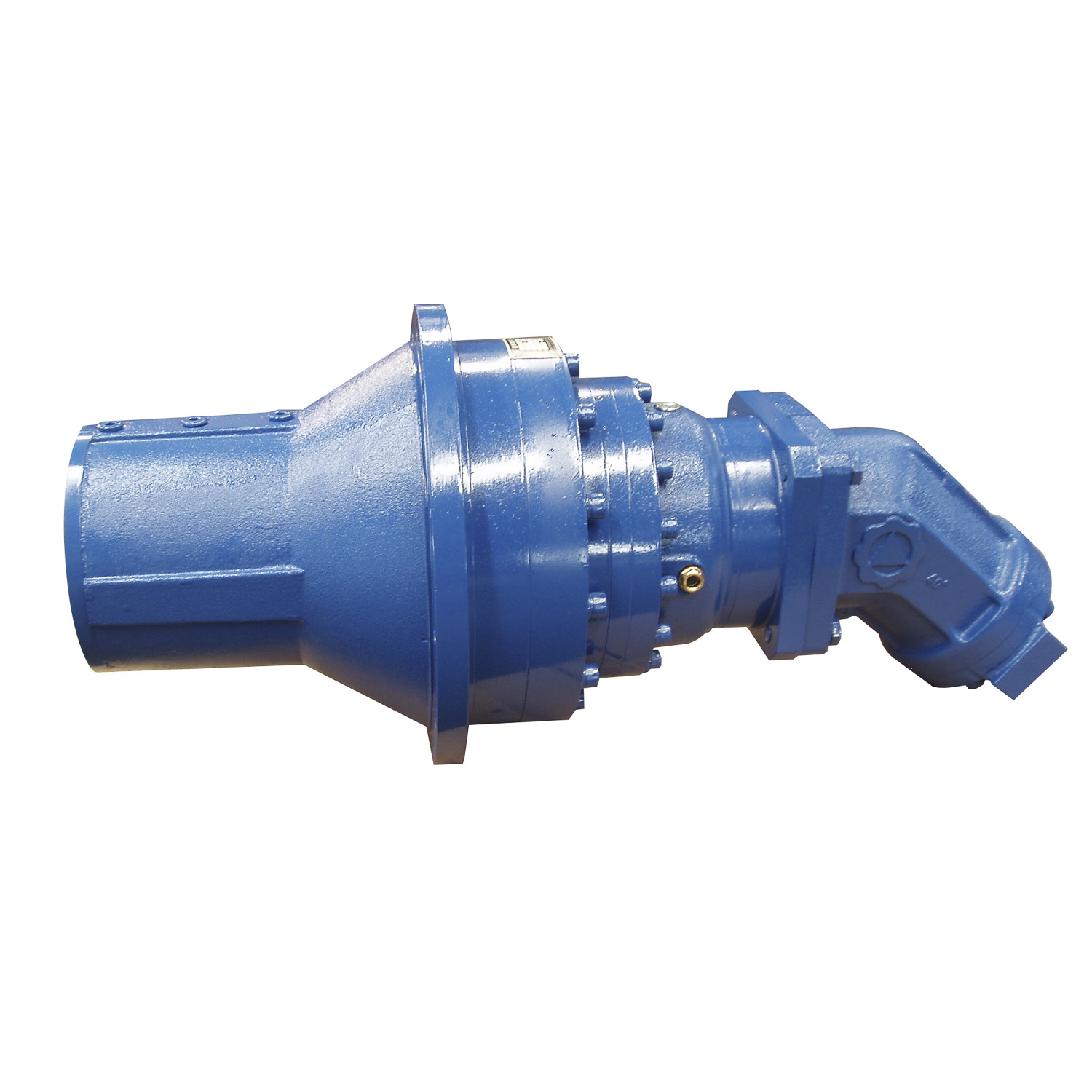
Key feature:Planetary gearbox is produced by modular design, and can be combined according to client...
See Details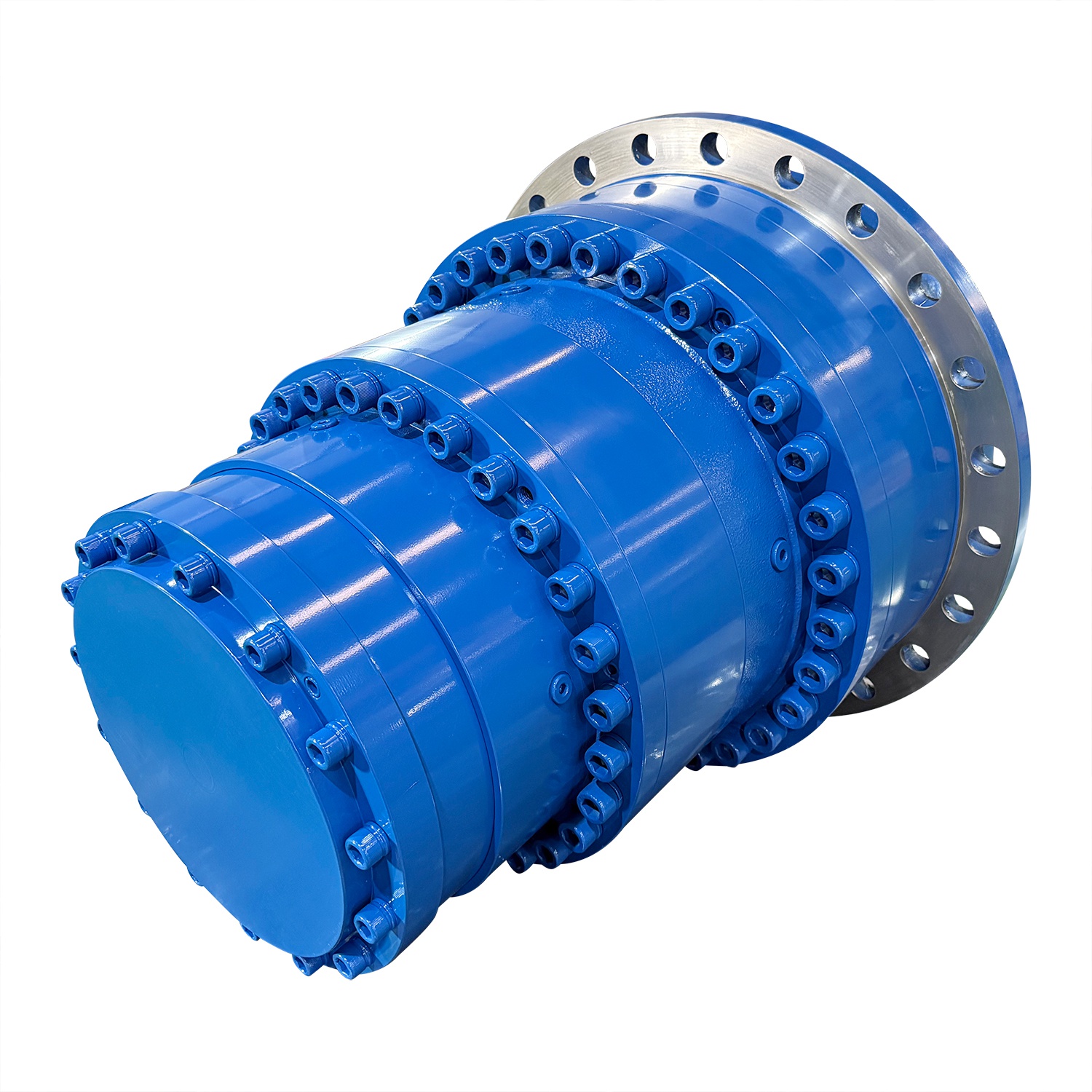
Planetary gear reducers serve as key transmission parts for sightseeing boats sailing along Russia’s...
See Details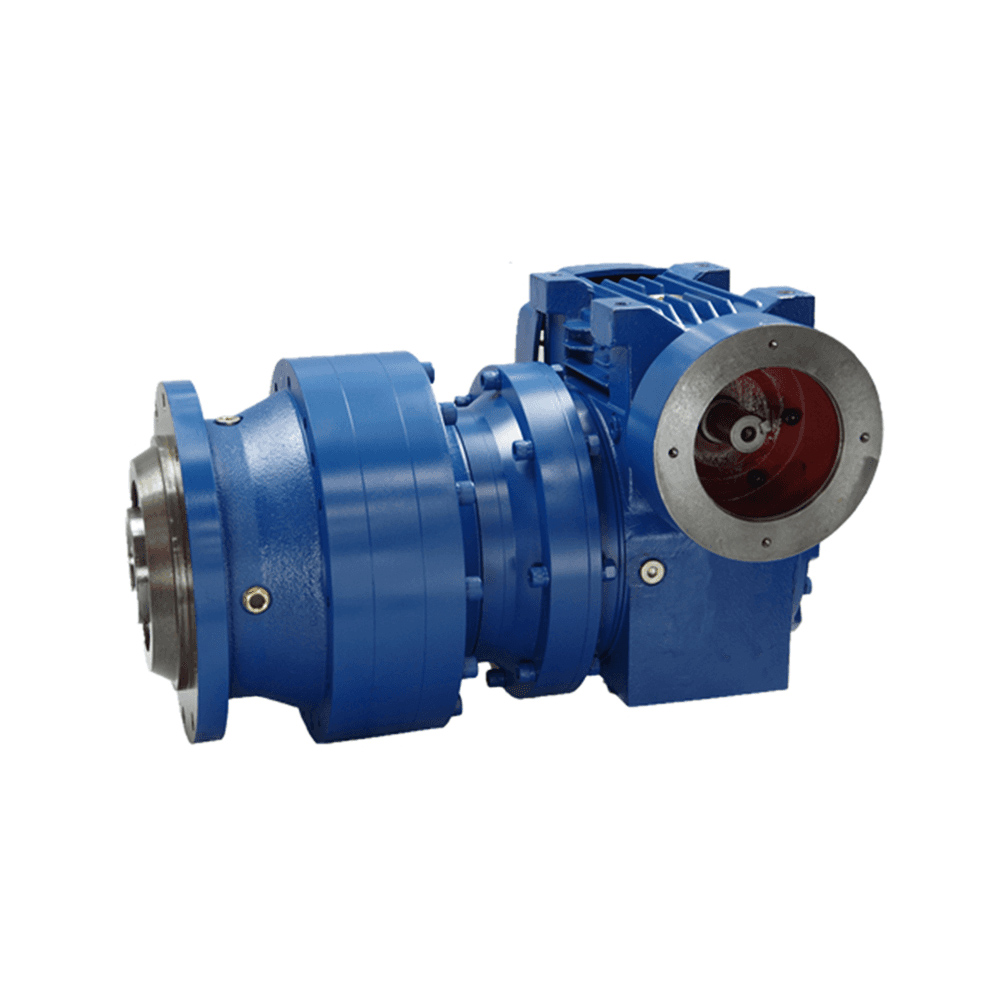
The planetary and toroidal worm combined reducer developed by SGR features a compact structure, with...
See Details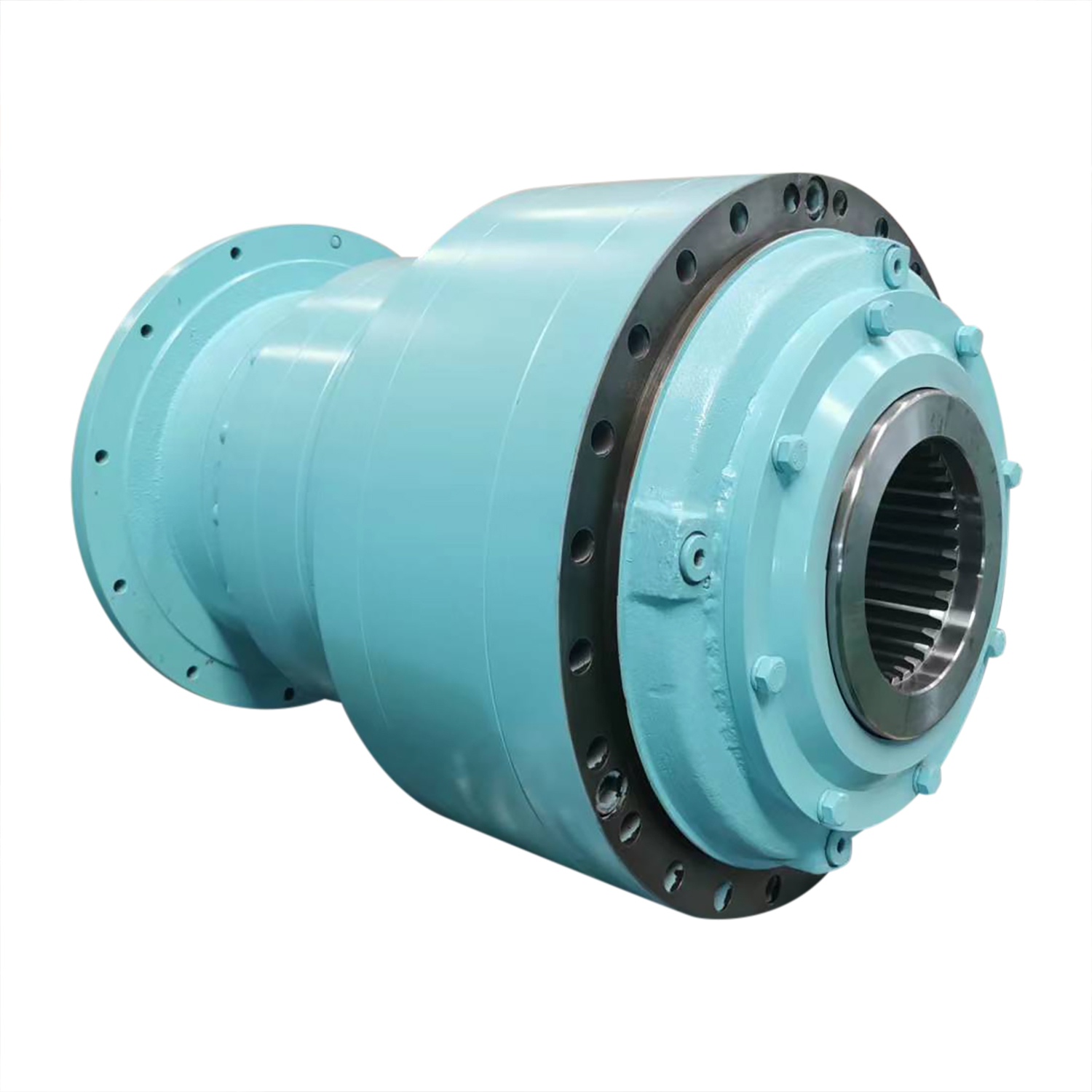
Planetary Gearbox Application For In Electric Drive Model: 200-885Ratio: 3.15-7800Output Torque :15...
See Details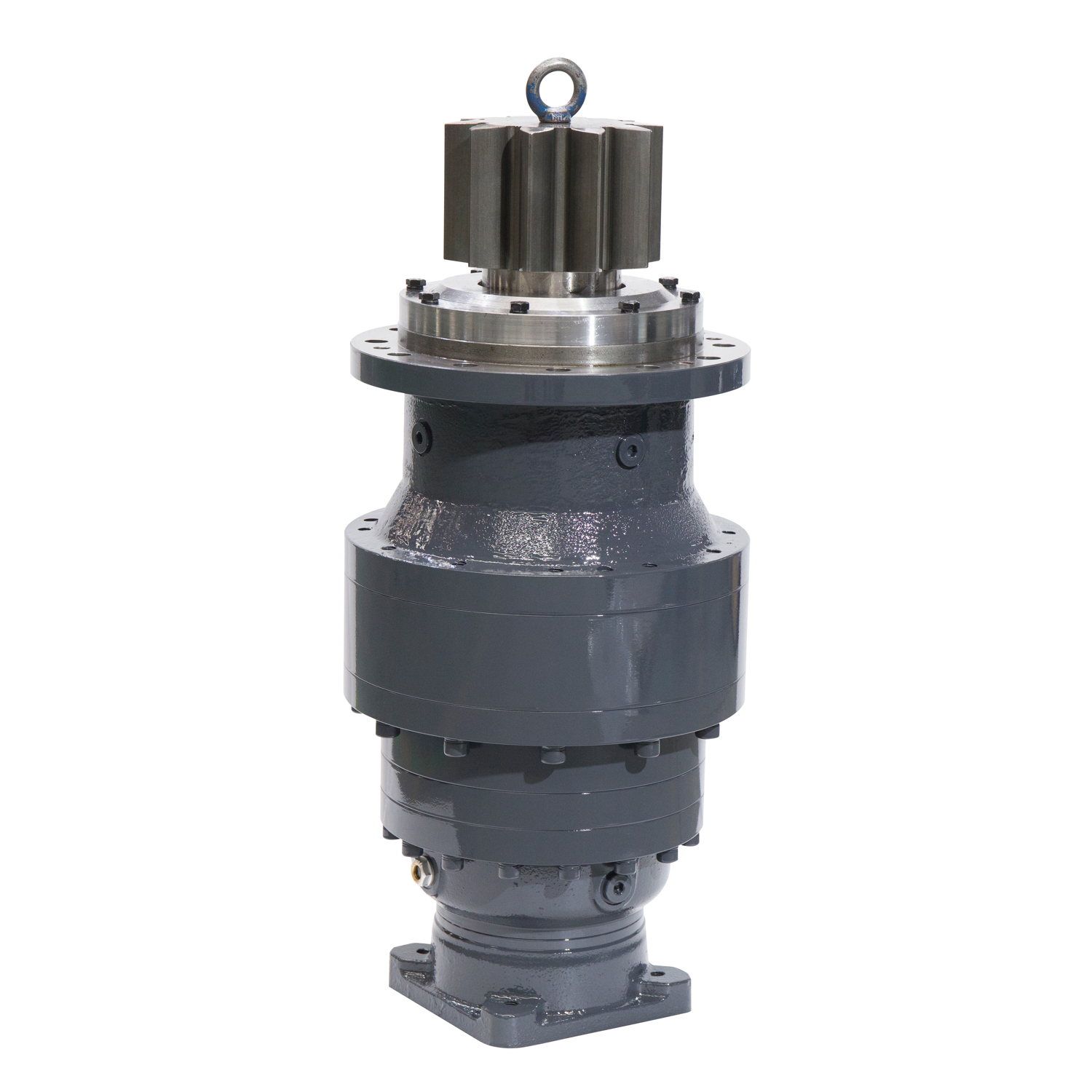
Model: 200-885Ratio: 3.15-7800Output Torque :1500Nm-540000NmRating Power :0.25KW-200kwDescription : ...
See Details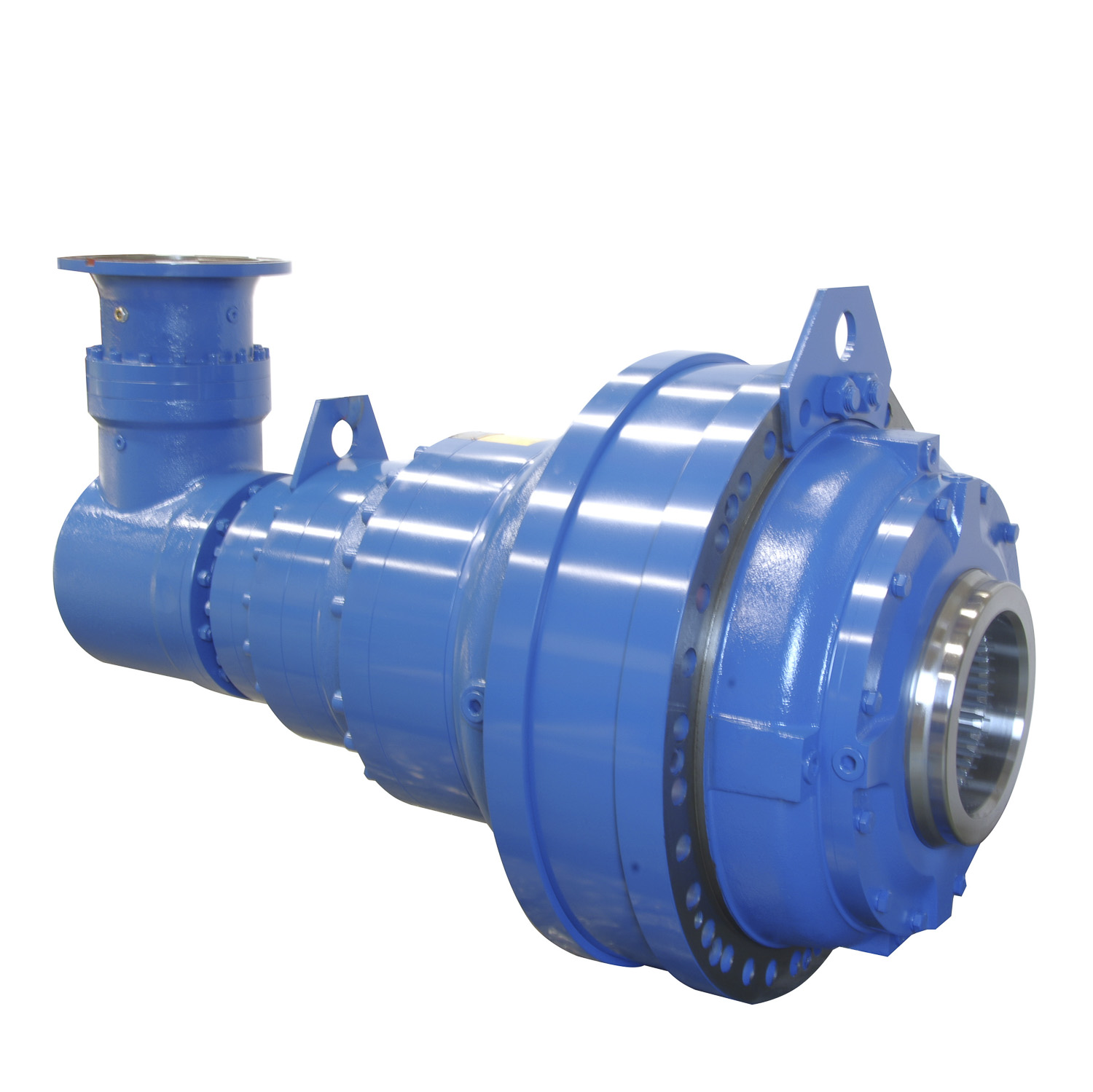
Planetary gearbox is produced by modular design, and can be combined according to client's request H...
See Details
SGR is an ISO 9001 certified, DNV-accredited industry gearbox manufacturer since 1996. We supply different gear reducers to brands worldwide.