Global
  English
 中文简体
中文简体 русский
 Español
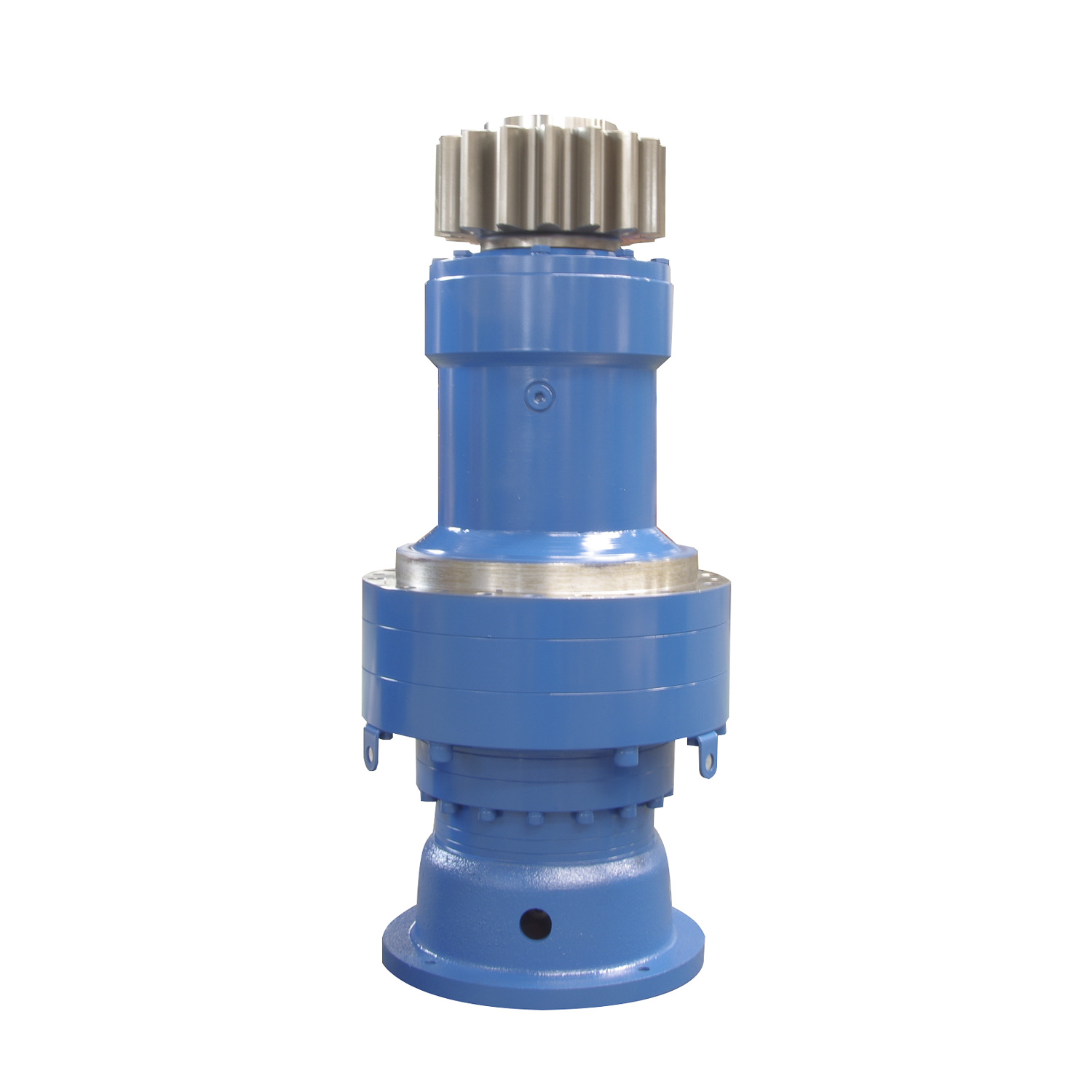
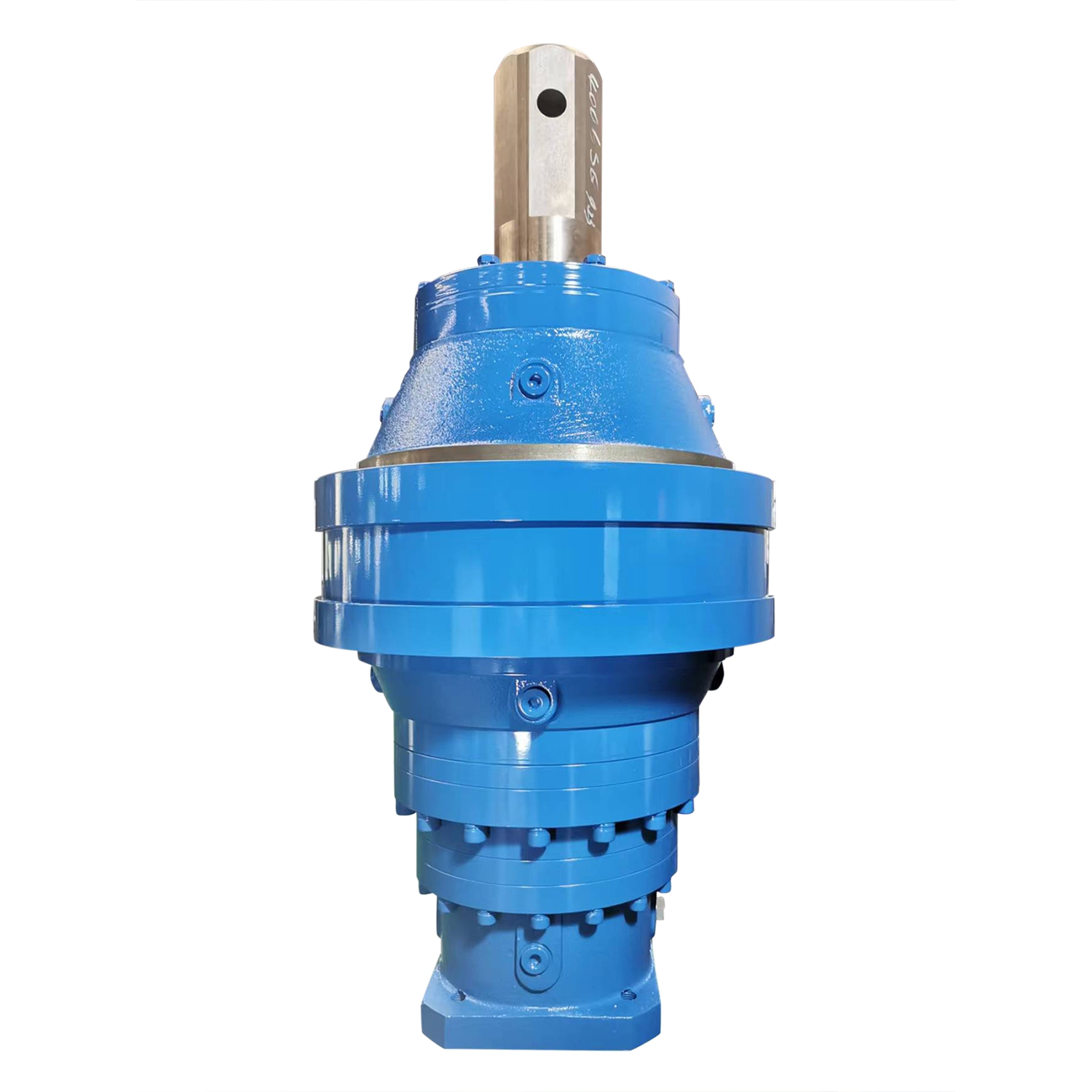
Key feature:Planetary gearbox is produced by modular design, and can be combined according to client...
See Details
News Directory
A planetary gearbox is a gear transmission system in which one or more outer gears — called planet gears — revolve around a central sun gear while simultaneously meshing with an outer ring gear (the annulus). All three elements share a common central axis, and a carrier arm connects the planet gear axles. This concentric, coaxial arrangement is why a planetary gearbox delivers exceptionally high torque density, precise gear ratios, and compact form factor compared to parallel-shaft or worm gear alternatives of the same output torque rating. They are found in automatic vehicle transmissions, industrial servo drives, wind turbine nacelles, robotics, and electric motor reduction stages — anywhere that high power must be transmitted in a restricted space with high efficiency.
Every planetary gearbox — regardless of size, ratio, or application — is built around the same four functional elements. Understanding each component's role makes it possible to follow how gear ratio, torque, and direction are determined by which element is fixed, driven, and used as output.
The central gear at the geometric centre of the assembly. In most industrial planetary gearboxes it is the high-speed input shaft. It meshes simultaneously with all planet gears. Smaller diameter means higher rotational speed and lower torque — the sun gear typically spins faster than any other element in the system.
Two to five gears (most commonly three) that mesh with both the sun gear and the ring gear simultaneously. They are mounted on shafts fixed to the planet carrier and rotate on their own axes while also revolving around the sun gear. Having multiple planet gears shares the transmitted load across several mesh points — this is the primary reason planetary gearboxes achieve higher torque density than single-mesh parallel shaft gearboxes of equivalent size.
The outermost gear — an internally toothed ring that surrounds and meshes with the planet gears. In a standard speed-reduction configuration, the ring gear is held stationary (grounded to the housing). It can alternatively be used as the input or output, or allowed to rotate freely to achieve differential action. The ring gear tooth count is always the sum of the sun gear teeth and twice the planet gear teeth: R = S + 2P.
The structural arm or cage that connects the planet gear axle pins at a fixed radial distance from the centre. In a standard reduction gearbox the carrier is the output shaft. When the sun gear drives and the ring gear is fixed, the carrier rotates in the same direction as the sun gear but at a reduced speed — delivering the speed reduction and torque multiplication the application requires.
The motion logic of a planetary gear set follows from a single rule: all three reactive elements (sun, ring, and carrier) are kinematically linked. If you know the speed of any two, the third is determined. This is expressed by the fundamental planetary gear equation:
In the most common speed-reduction arrangement — sun gear input, ring gear fixed, carrier output — the equation simplifies to a gear ratio of:
As a practical example: a gearbox with a 72-tooth ring gear and a 24-tooth sun gear produces a ratio of 1 + (72/24) = 1 + 3 = 4:1 reduction. If the motor drives the sun at 2,000 RPM, the carrier output turns at 500 RPM, and the output torque is approximately 4× the input torque (minus efficiency losses, typically 2–5% per stage in a well-designed planetary unit).
The planet gears in this arrangement rotate on their own axes as they orbit the sun gear — exactly analogous to how planets in the solar system rotate on their axes while orbiting the sun, which is the origin of the terminology. Each planet gear simultaneously meshes with the sun (outer teeth) and with the ring gear (inner teeth), with the tooth contact on the ring being internal meshing — this geometry is geometrically more efficient and quieter than external gear pairs of the same ratio because the contact area is larger and sliding velocity at the mesh point is lower.
By choosing which element is the input, which is the output, and which is held fixed, the same physical planetary gear set produces six distinct transmission behaviours. Automatic vehicle transmissions exploit this property extensively — by engaging different clutches and brakes, a single planetary set can deliver forward reduction, direct drive, and reverse without changing any gear.
| Input | Fixed | Output | Result | Typical Use |
|---|---|---|---|---|
| Sun | Ring | Carrier | Speed reduction, same direction | Most industrial gearboxes, servo drives |
| Carrier | Ring | Sun | Speed increase (overdrive) | Wind turbine generators, step-up drives |
| Sun | Carrier | Ring | Reduction, opposite direction | Reverse gear in automotive transmissions |
| Ring | Sun | Carrier | Reduction, same direction (milder ratio) | Automatic transmission low ranges |
| Sun + Ring (equal) | None | Carrier | Direct drive (1:1), all locked together | Top gear / direct drive in automatics |
| Sun / Ring | None (both free) | Differential split | Differential torque distribution | Hybrid vehicle power-split devices |
In a Toyota Prius-type hybrid power-split device, the engine, electric motor-generator, and driven wheels are all connected to different elements of a single planetary set with none of the elements locked — allowing continuously variable power distribution between the three sources without a conventional CVT belt or torque converter.
The architectural advantages of the planetary arrangement are quantifiable, not merely theoretical. The three primary performance advantages over equivalent parallel-shaft (spur or helical) gearboxes explain why planetary gearboxes command a premium and why that premium is justified in demanding applications.
Practical gearbox selection requires calculating three interdependent values: gear ratio, output torque, and output speed. The following worked examples use the standard configuration (sun input, ring fixed, carrier output).
Example 1 — Ratio from tooth counts: Sun gear: 30 teeth. Ring gear: 90 teeth. Ratio = 1 + (90/30) = 4:1. Input at 1,500 RPM delivers output at 375 RPM. Input torque of 10 Nm delivers output torque of approximately 10 × 4 × 0.97 = 38.8 Nm (assuming 97% stage efficiency).
Example 2 — Two-stage compound planetary: Stage 1 ratio 4:1 × Stage 2 ratio 5:1 = total ratio 20:1. Combined efficiency = 0.97 × 0.97 = 94.1%. Input torque 5 Nm × 20 × 0.941 = 94.1 Nm output at 1/20th of input speed. This two-stage assembly delivers nearly 100 Nm in a package that — in typical industrial servo gearbox format — occupies a flange diameter of 60–80 mm.
| Sun Teeth | Ring Teeth | Ratio | Output Speed (1500 RPM in) | Output Torque (10 Nm in, 97% eff.) |
|---|---|---|---|---|
| 30 | 60 | 3:1 | 500 RPM | 29.1 Nm |
| 24 | 72 | 4:1 | 375 RPM | 38.8 Nm |
| 20 | 80 | 5:1 | 300 RPM | 48.5 Nm |
| 18 | 90 | 6:1 | 250 RPM | 58.2 Nm |
| 15 | 90 | 7:1 | 214 RPM | 67.9 Nm |
The planetary gear principle is implemented in multiple gearbox formats, each optimised for a specific application environment. Selecting the right type requires matching the gearbox design to the duty cycle, mounting geometry, precision requirement, and environmental conditions of the application.
Selecting the correct planetary gearbox for a new application requires specifying beyond the headline gear ratio. The following parameters must be defined and matched against the gearbox datasheet before finalising a selection:
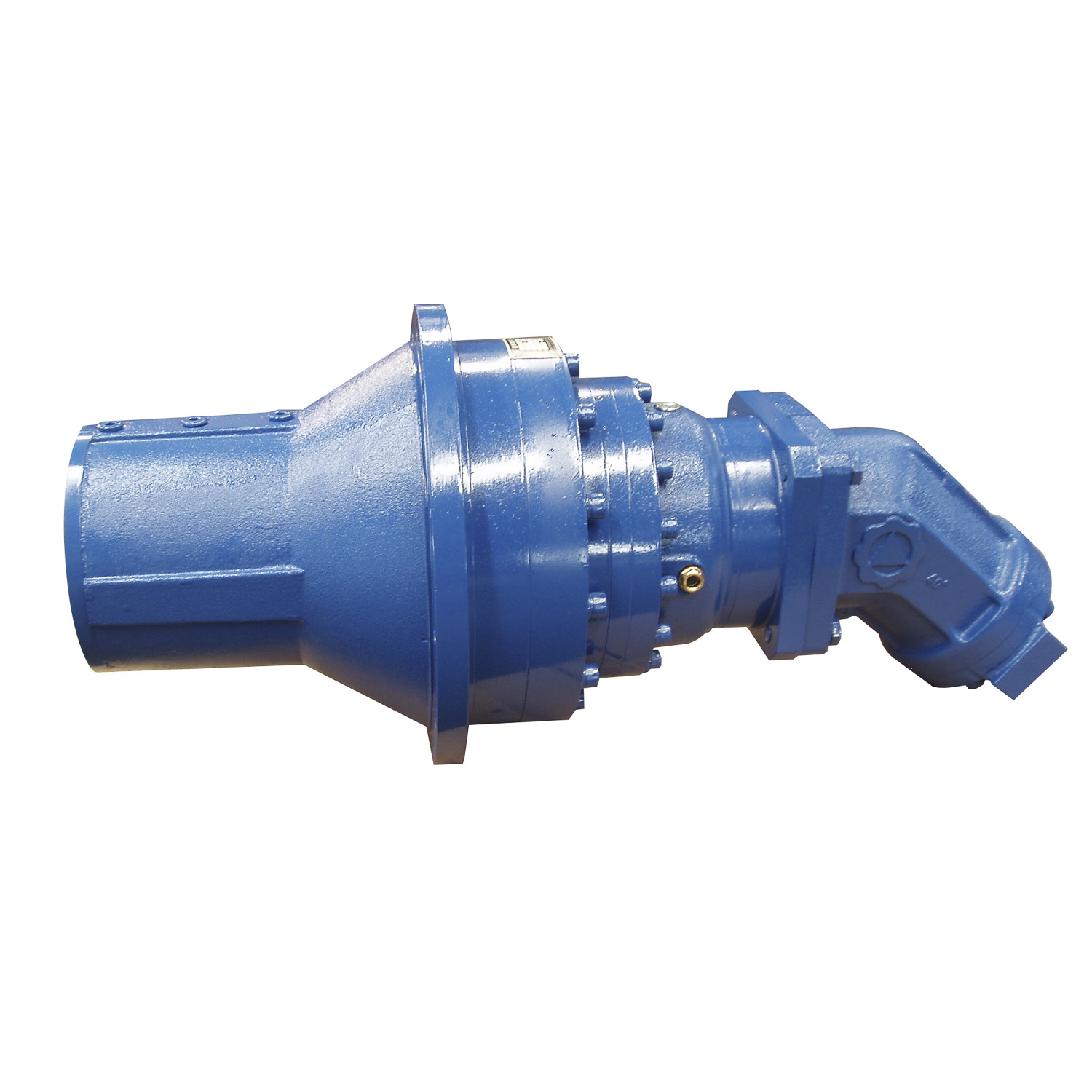
Key feature:Planetary gearbox is produced by modular design, and can be combined according to client...
See Details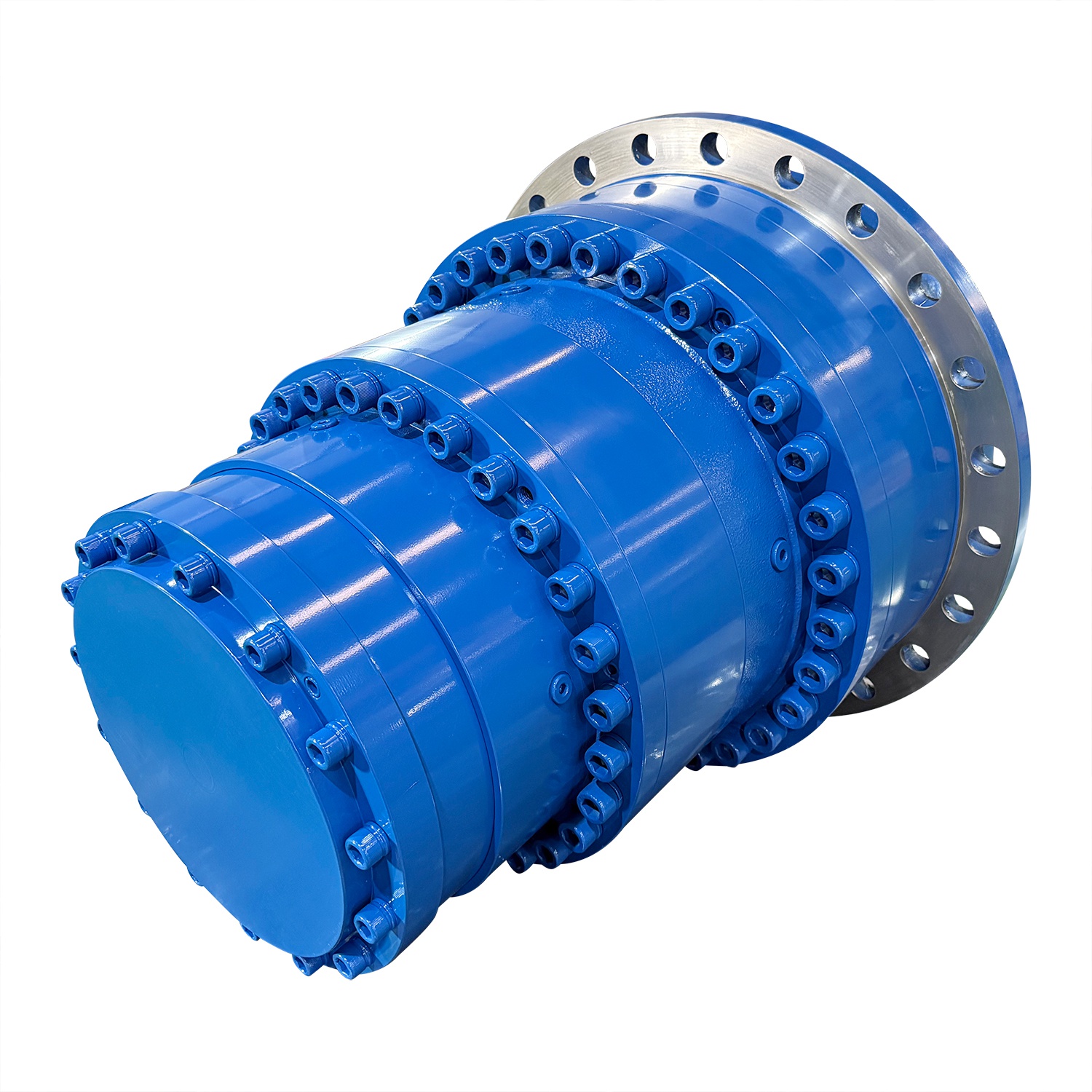
Planetary gear reducers serve as key transmission parts for sightseeing boats sailing along Russia’s...
See Details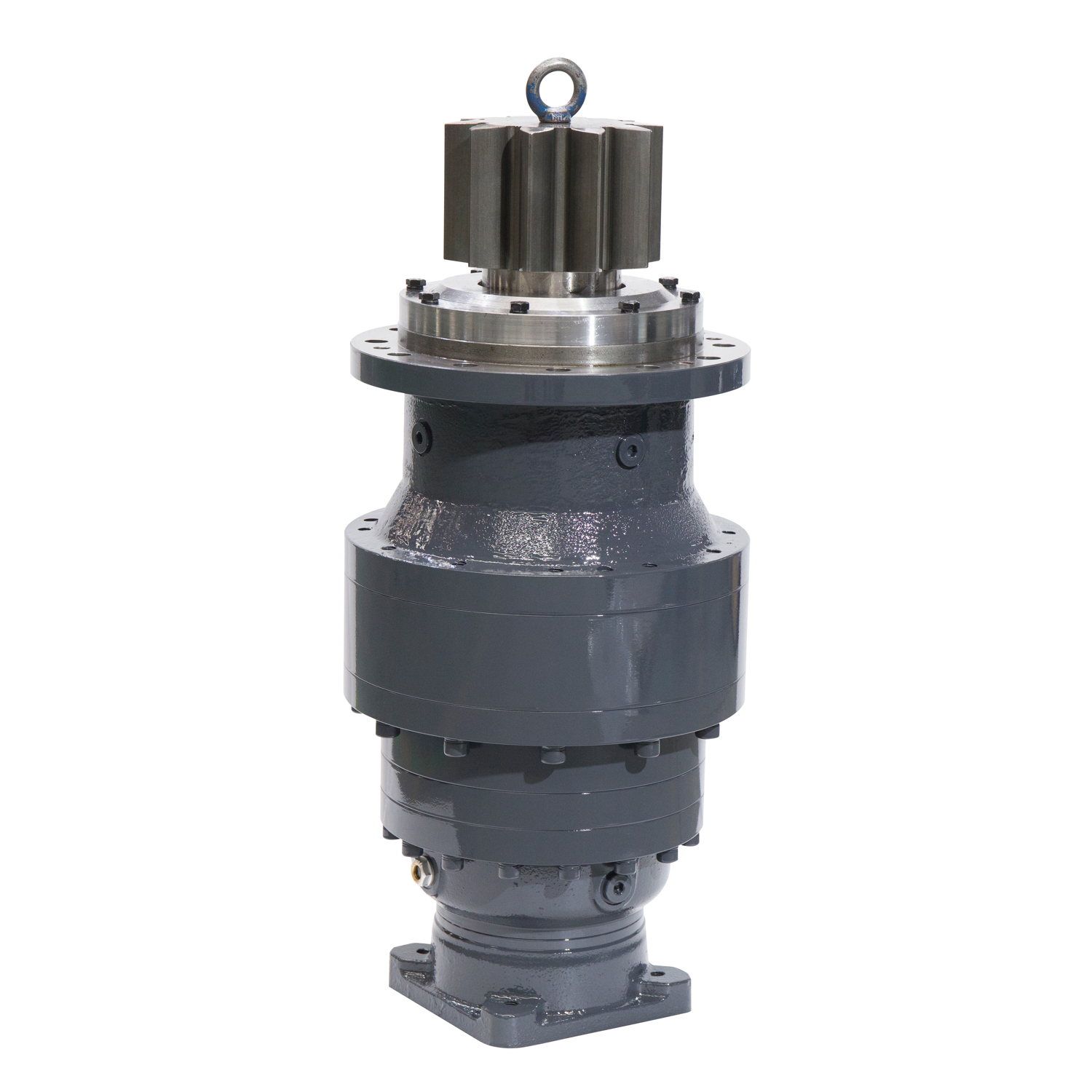
Model: 200-885Ratio: 3.15-7800Output Torque :1500Nm-540000NmRating Power :0.25KW-200kwDescription : ...
See Details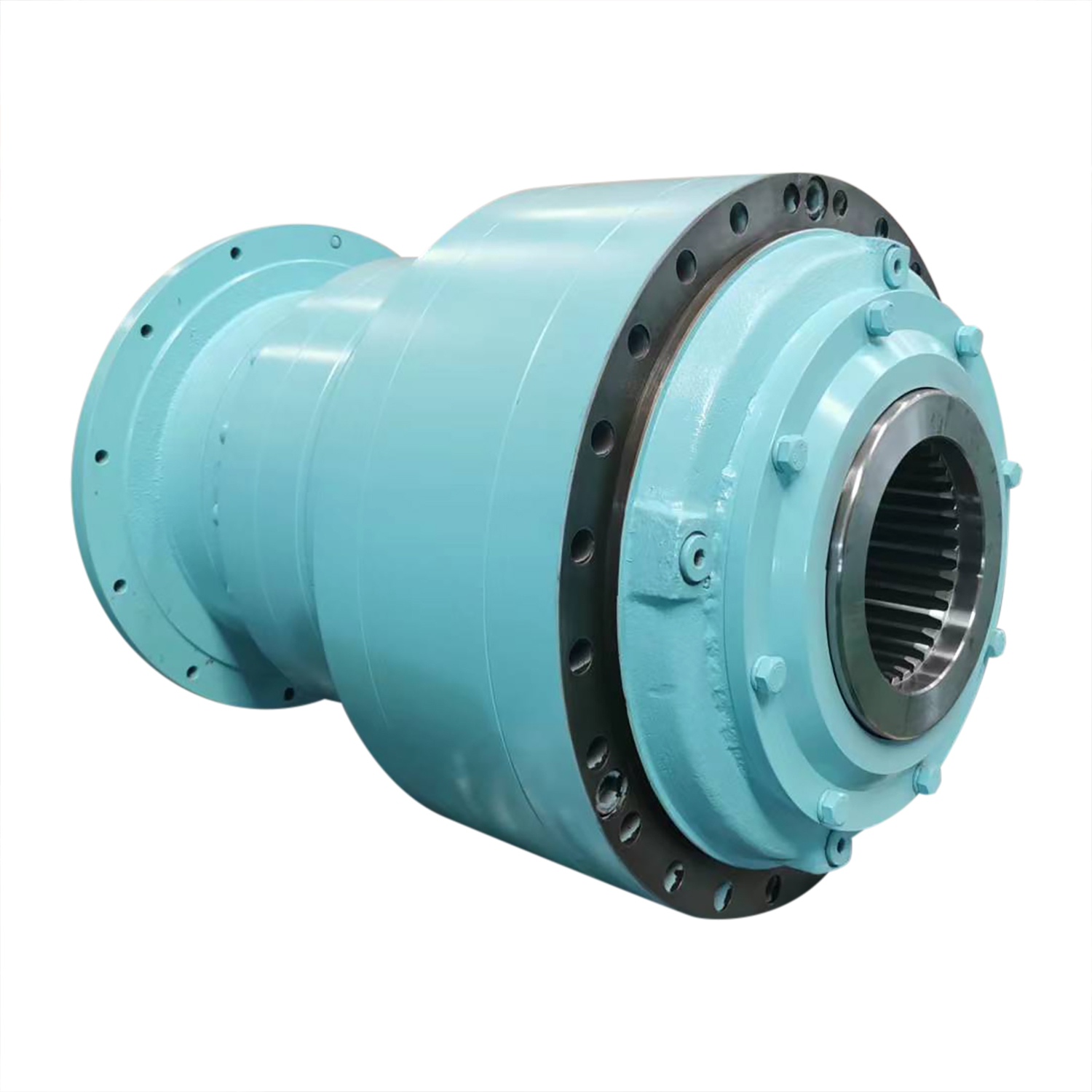
Planetary Gearbox Application For In Electric Drive Model: 200-885Ratio: 3.15-7800Output Torque :15...
See Details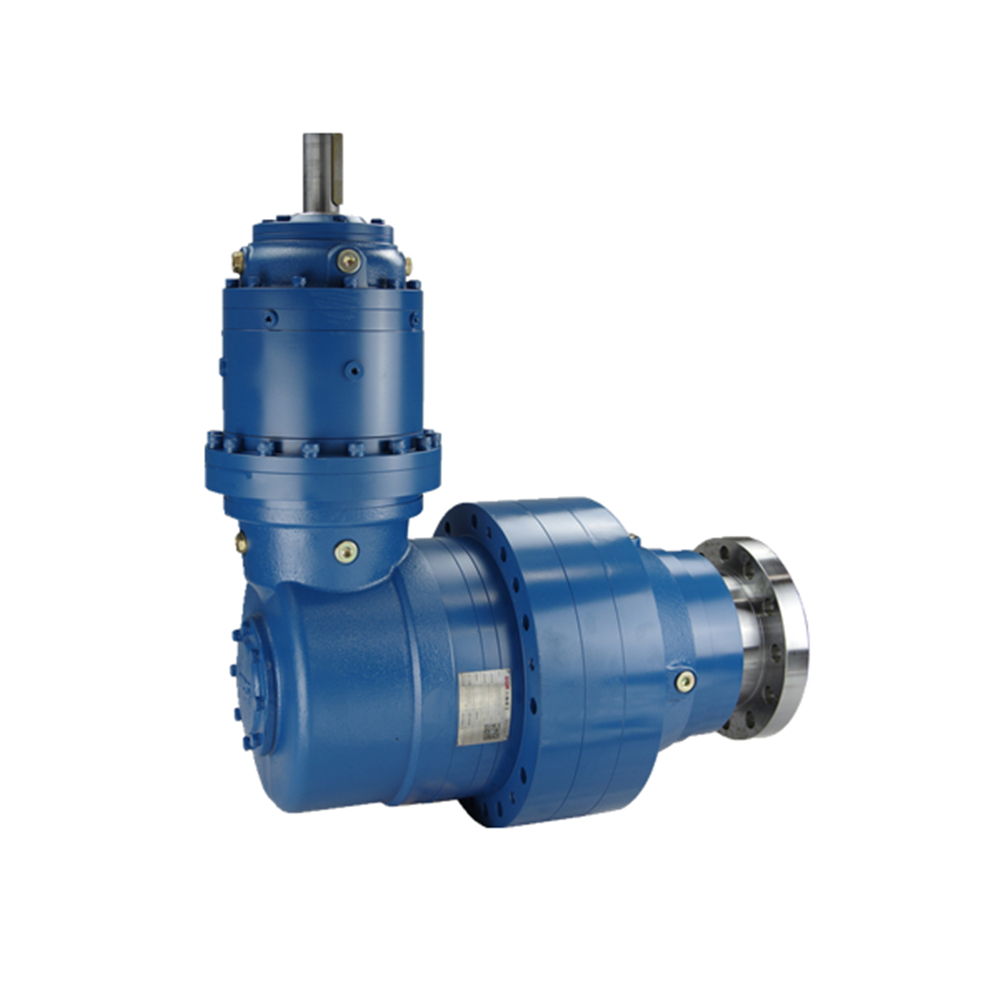
Technical data: 1. Ratio range: 3.15-30002. Input power: 0.25-55KW3. Permit torque rang: ≤ 200000N. ...
See Details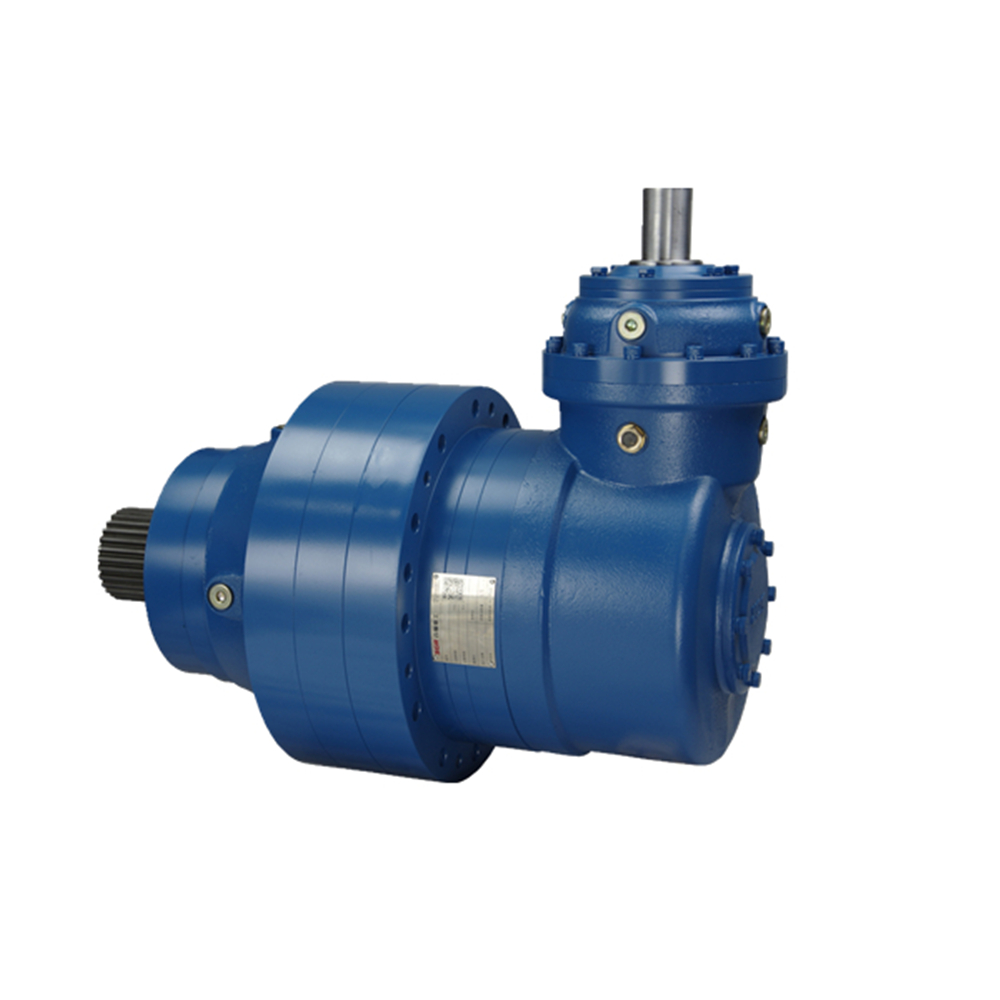
Technical data: 1. Ratio range: 3.15-30002. Input power: 0.25-55KW3. Permit torque rang: ≤ 200000N. ...
See Details
SGR is an ISO 9001 certified, DNV-accredited industry gearbox manufacturer since 1996. We supply different gear reducers to brands worldwide.