Global
  English
 中文简体
中文简体 русский
 Español
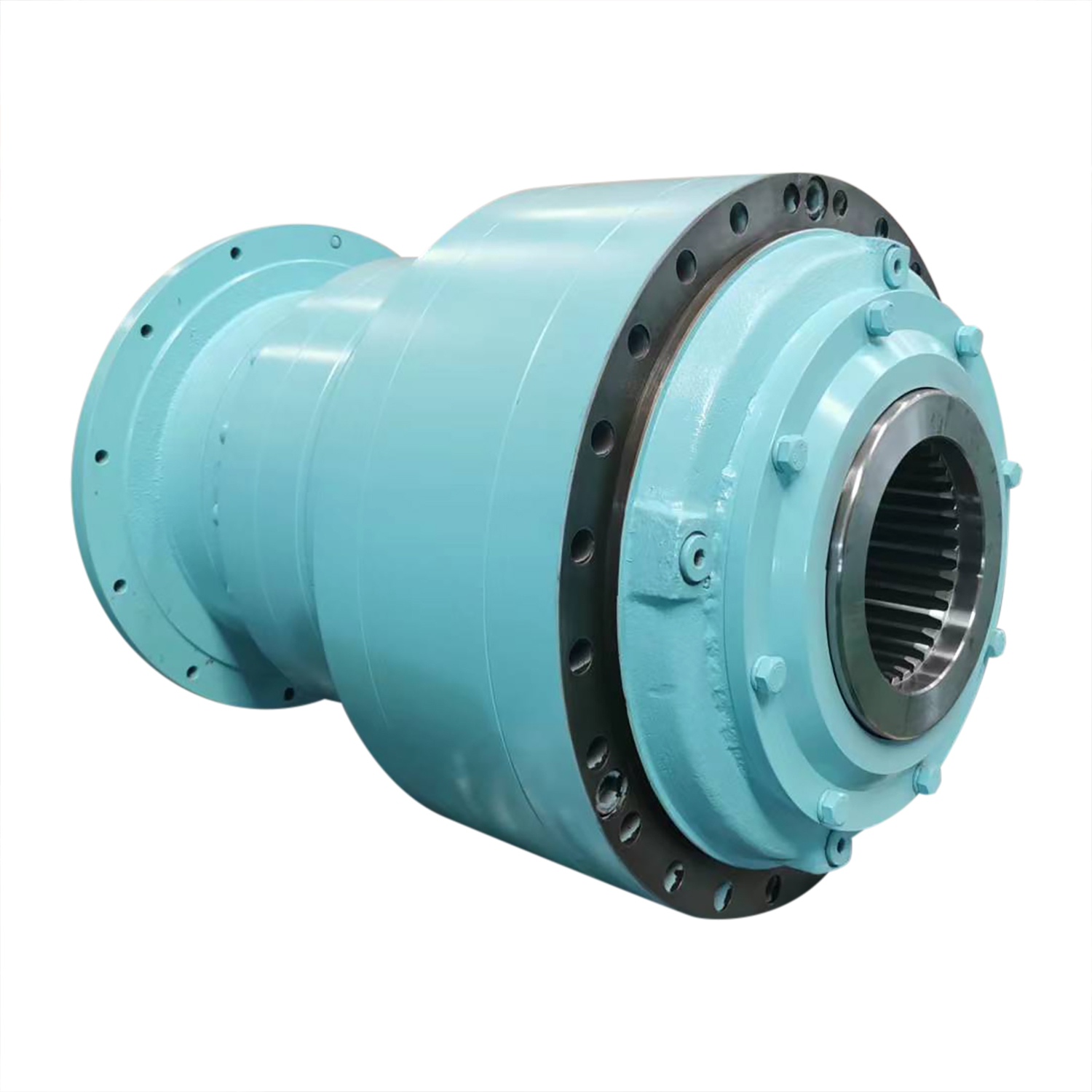
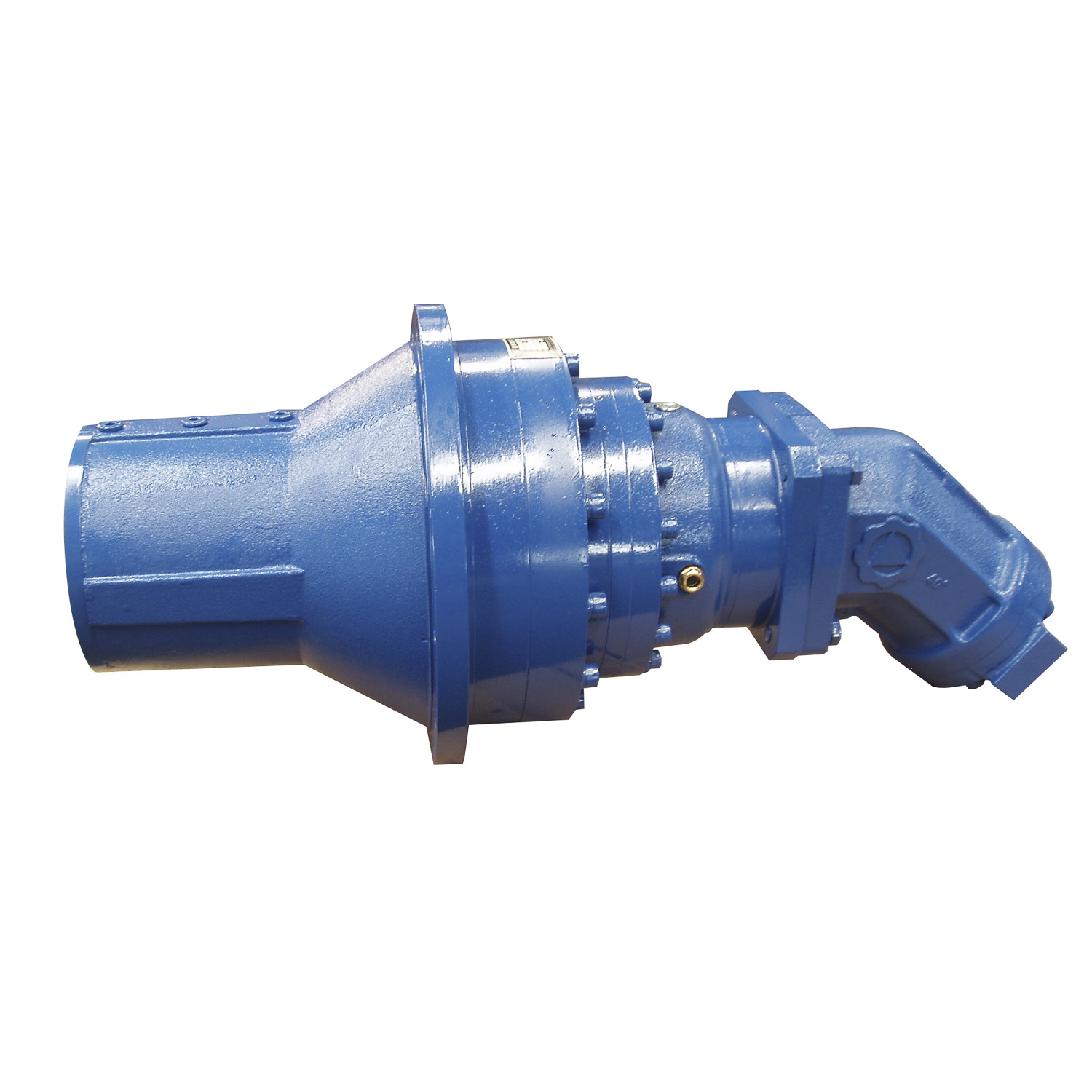
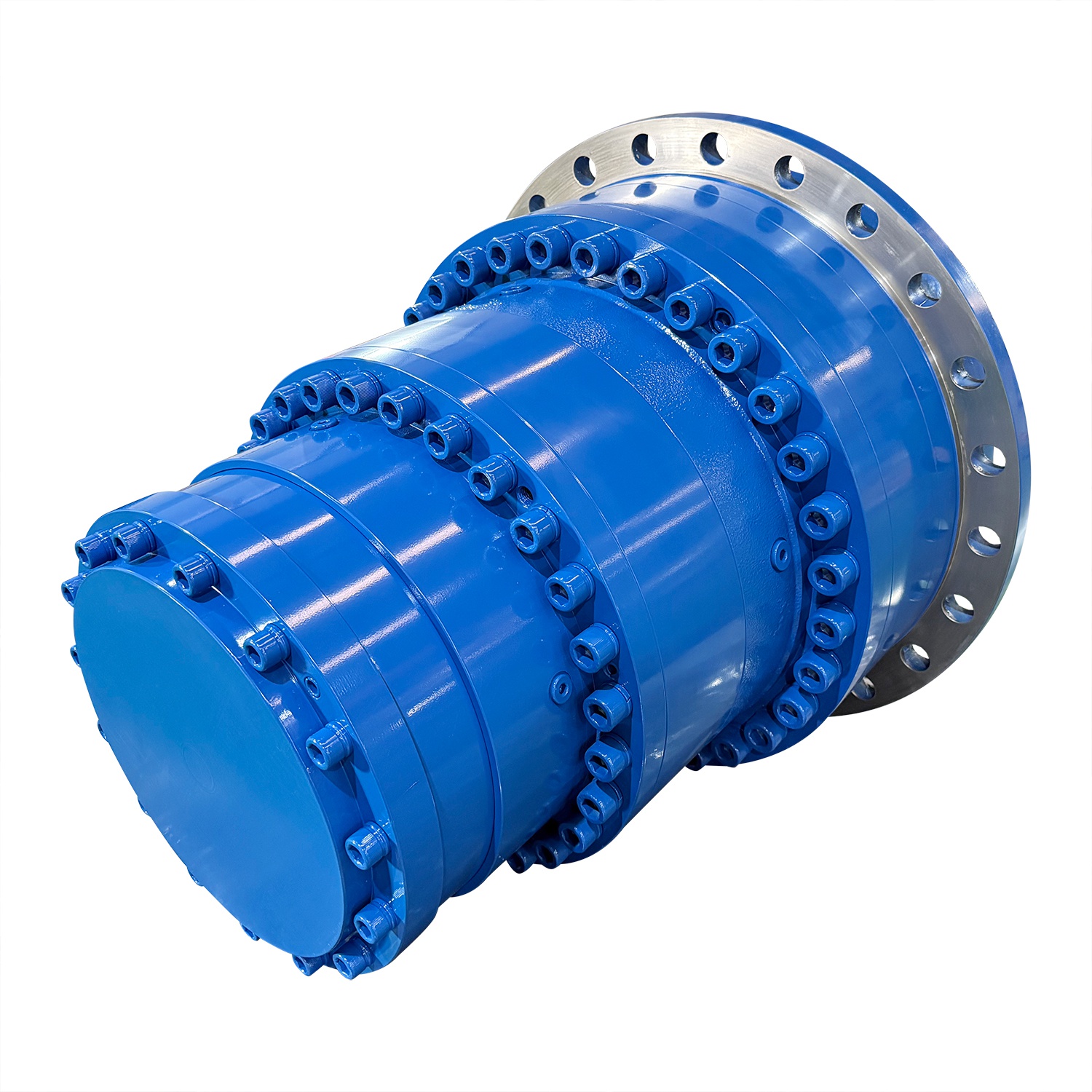
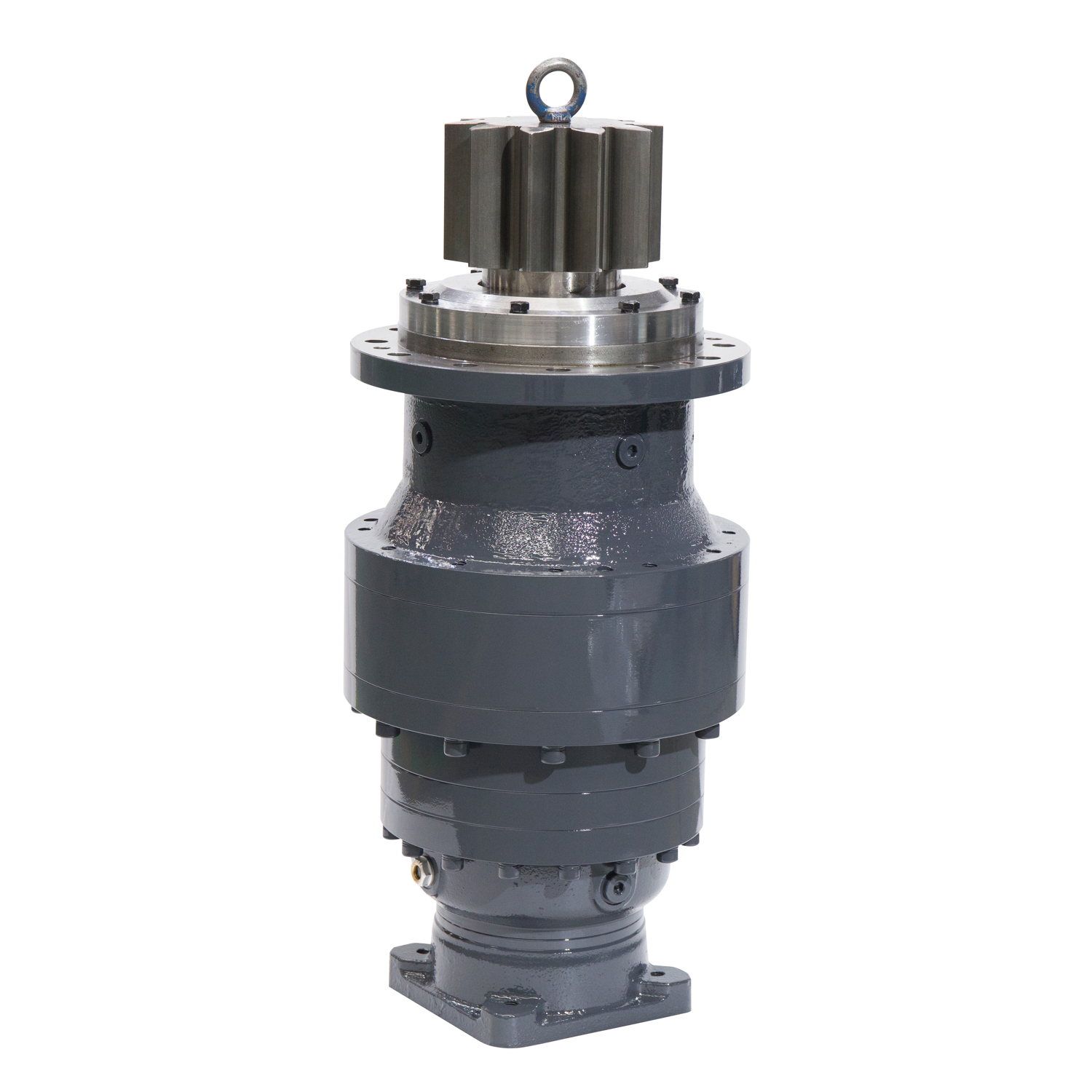
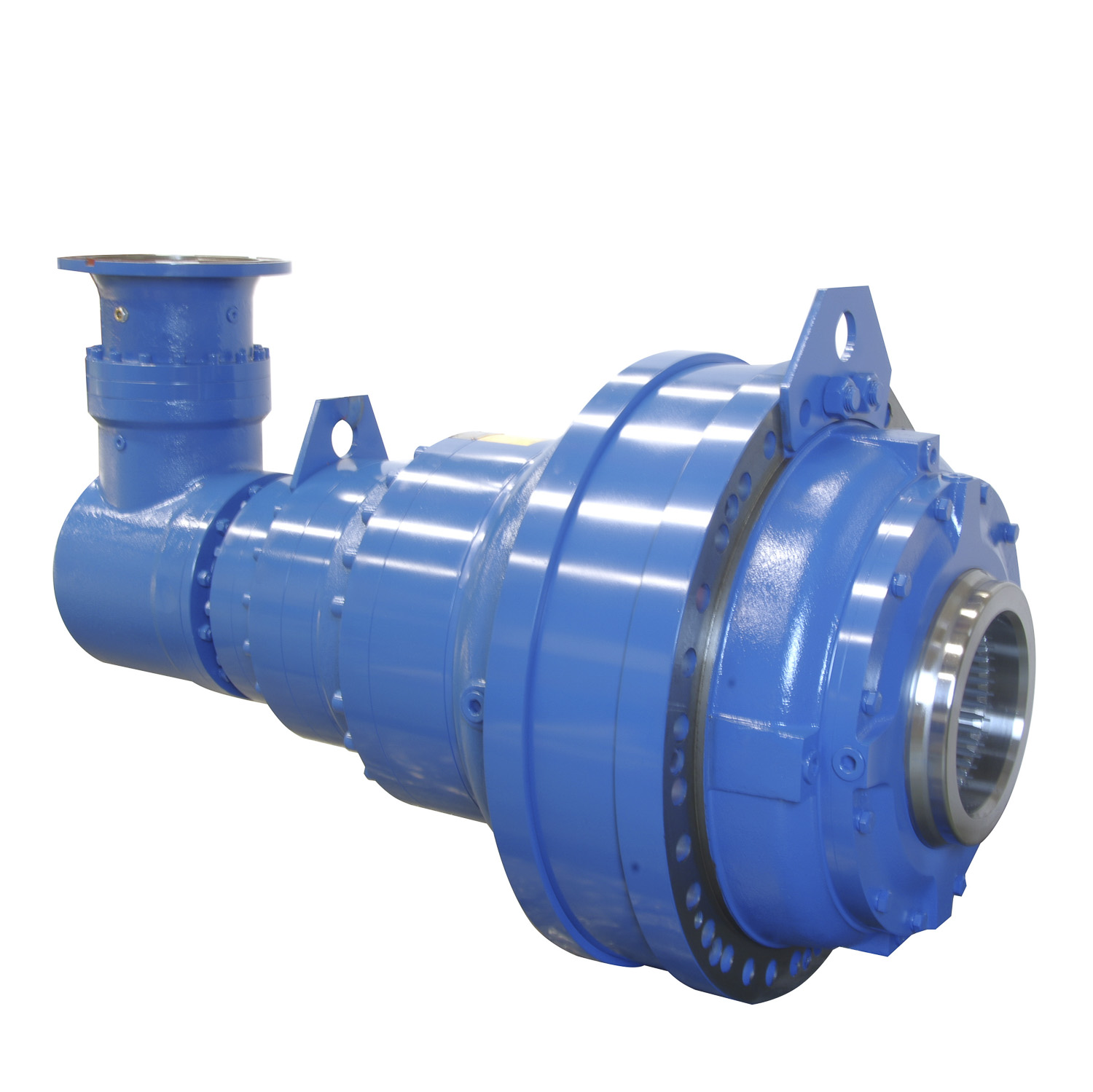
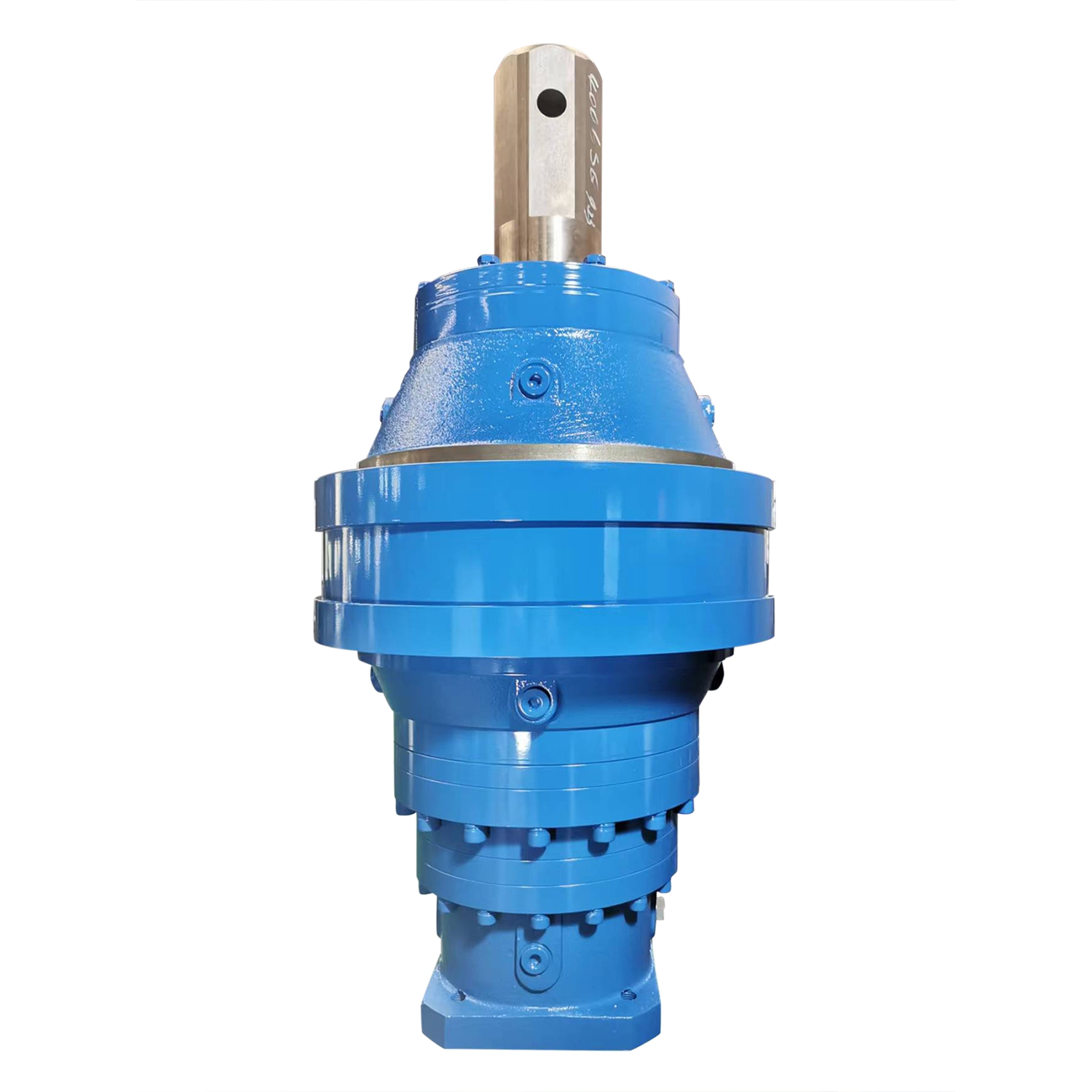
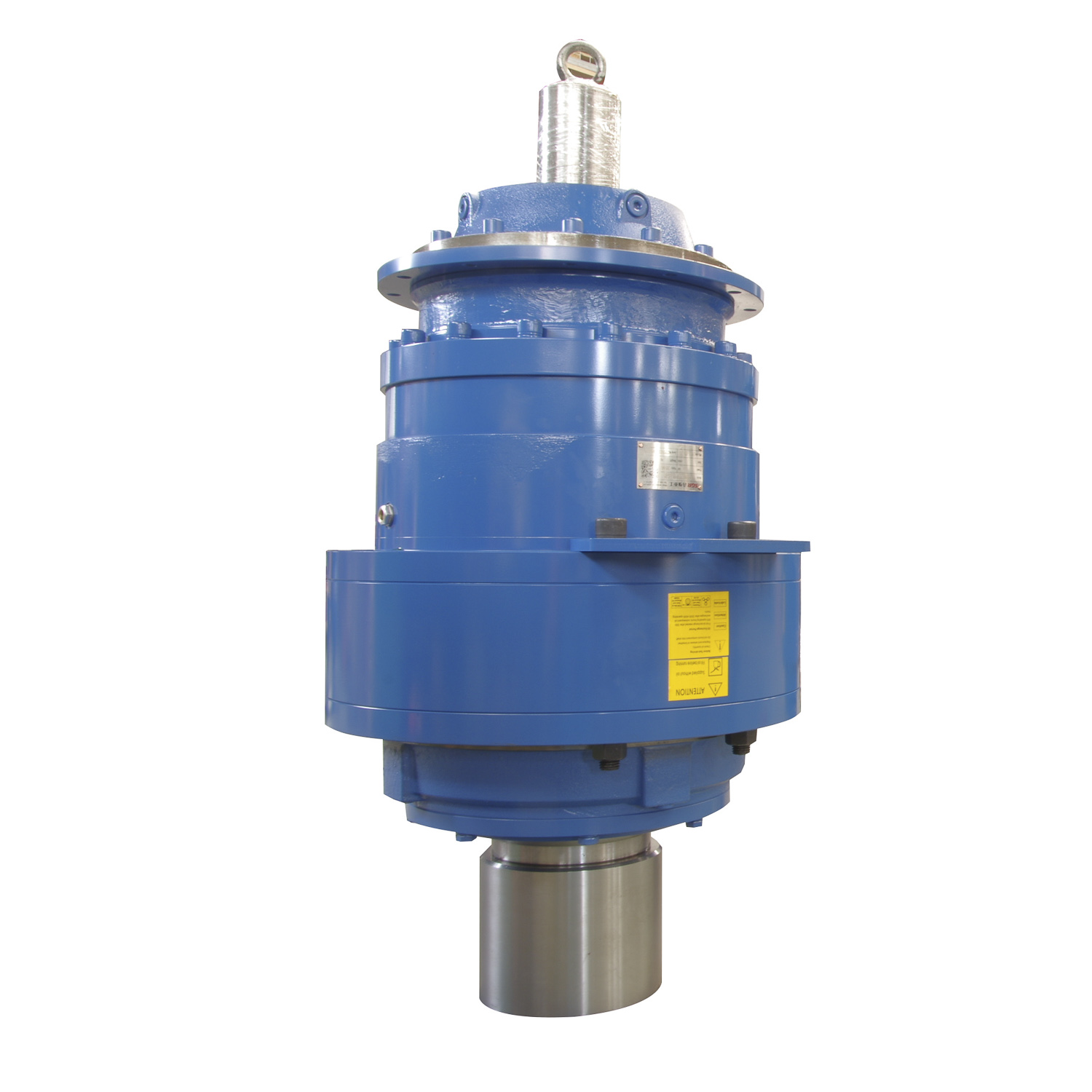
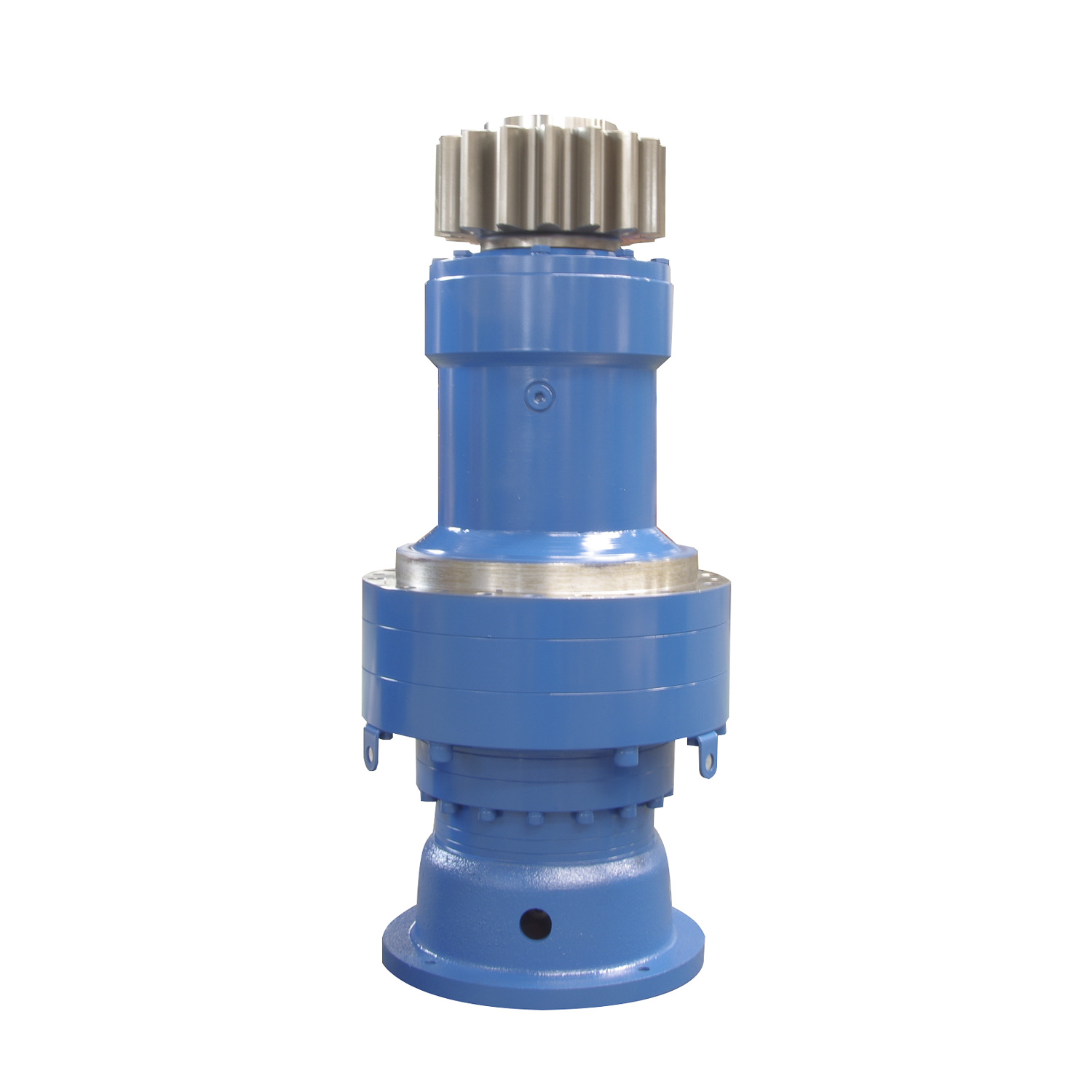
A planetary gearbox is a compact, high-efficiency gear system consisting of a sun gear, planet gears, a ring gear, and a carrier. It delivers high torque density, multiple reduction ratios in a small footprint, and coaxial input/output alignment — making it the preferred choice in robotics, automotive transmissions, wind turbines, and industrial machinery.
Whether you need to understand back-driving behavior, torque calculations, or why automatic transmissions rely on this architecture, this guide covers everything with real data and practical context.
What Is a Planetary Gearbox? Core Architecture Explained
The planetary gearbox takes its name from the solar system analogy: a central sun gear meshes with multiple planet gears that orbit around it, all enclosed within a toothed ring gear (also called annulus). A planet carrier connects the planet gear axles and serves as either the input or output member depending on the configuration.
Three key elements can each act as input, output, or fixed member, giving the system enormous flexibility:
| Member | Role | Effect When Fixed |
|---|---|---|
| Sun Gear | High-speed input | Carrier output, ring output |
| Ring Gear | Low-speed output | Sun input drives carrier |
| Planet Carrier | Torque output | Creates reverse or direct drive |
A standard single-stage planetary gearbox achieves gear ratios between 3:1 and 10:1. Multi-stage configurations stack these stages to reach ratios of 100:1 or higher, as commonly seen in servo-drive applications and robotic joint actuators.
Can a Planetary Gearbox Be Back Driven?
Yes — a planetary gearbox can be back driven, but whether it actually will depends on its gear ratio, helix angle, lubrication, and bearing friction.
Back driving (also called back-drivability) means the output shaft can push the input shaft in reverse — i.e., torque flows from output to input. This is a critical factor in applications like collaborative robots (cobots), exoskeletons, and servo positioning systems where force feedback or zero-backdrive-force is needed.
What Determines Back-Drivability?
- Gear Ratio: Lower ratios (below ~50:1) are generally back-drivable. Above 100:1, friction losses typically prevent back driving.
- Efficiency: Gearboxes with efficiency above ~50% in the forward direction can usually be back driven. Below that threshold, the system tends toward self-locking.
- Helix Angle: Helical planet gears introduce axial forces that increase friction, reducing back-drivability compared to spur gear variants.
- Lubrication: Grease-packed units with higher viscosity resist back driving more than oil-bath systems at temperature.
Practical Example: Robotics vs. Lifting Equipment
In a robotic joint actuator using a 10:1 ratio planetary gearbox, back driving is intentional — it allows the arm to be manually repositioned and enables compliant control. In a hoist or vertical lifting system using a 50:1 ratio unit, back driving would be dangerous, so the gearbox is selected or designed to be self-locking, often with an added backstop or brake.
Why Are Planetary Gears Used in Automatic Transmissions?
Automatic transmissions in passenger vehicles rely almost exclusively on planetary gearbox sets because they allow multiple gear ratios to be achieved through the same coaxial assembly by simply changing which member is held fixed or driven — without disengaging the gear train.
Key Reasons for Planetary Gear Adoption in Automatics
- Coaxial Design: Input and output shafts are on the same axis, enabling compact longitudinal or transverse layouts that fit modern engine bays.
- Continuous Power Flow: Unlike manual transmissions with synchromesh, planetary sets never fully disengage. Gear changes are made by engaging clutches or bands, maintaining torque during shifts.
- Multiple Ratios, One Assembly: A single Ravigneaux planetary set (a compound planetary arrangement) can deliver four forward ratios. A Simpson gear set provides three. Most 6-speed to 10-speed automatics combine two or three planetary sets.
- High Torque Capacity: Load is shared across multiple planet gears simultaneously. A 3-planet configuration splits the load three ways, dramatically increasing torque capacity for a given unit volume.
- Smooth Ratio Changes: Clutch-to-clutch shifting with hydraulic or electronic controls delivers seamless transitions imperceptible to the driver.
Transmission Evolution: 4-Speed to 10-Speed
| Generation | Planetary Sets Used | Forward Ratios | Typical Application |
|---|---|---|---|
| Early Automatic (1950s–80s) | 1 Simpson set | 3 | RWD sedans, trucks |
| 4-Speed Overdrive | 2 sets | 4 | Most vehicles 1990–2005 |
| 6-Speed Modern | 2–3 sets | 6 | Passenger cars, SUVs |
| 8/9/10-Speed | 3–4 sets | 8–10 | High-efficiency vehicles |
The ZF 8HP 8-speed automatic, used in BMW, Audi, and RAM vehicles, achieves a wide ratio spread of 7.0 using just four planetary sets and five shift elements — a benchmark of planetary gearbox engineering efficiency.
How to Calculate the Torque of a Planetary Gearbox
Torque calculation for a planetary gearbox follows from the gear ratio and mechanical efficiency. Here is the complete methodology.
Step 1 — Determine the Gear Ratio
The gear ratio depends on which member is fixed. For the most common configuration (ring gear fixed, sun gear as input, carrier as output):
Where Zring is the number of teeth on the ring gear and Zsun is the number of teeth on the sun gear.
Example: Zring = 72 teeth, Zsun = 24 teeth → i = 1 + (72/24) = 1 + 3 = 4:1 ratio
Step 2 — Calculate Output Torque
- Tinput — Input torque (Nm)
- i — Gear ratio
- η — Mechanical efficiency (typically 0.95–0.98 per stage for planetary units)
Example: Input torque = 50 Nm, gear ratio = 5:1, efficiency = 0.97
Step 3 — Account for Multi-Stage Efficiency
For a 2-stage planetary gearbox where each stage has efficiency η = 0.97:
This is why single-stage solutions are preferred when ratio requirements allow — each additional stage introduces compounding efficiency loss.
Torque Capacity Quick Reference
| Frame Size (mm) | Typical Ratio Range | Peak Output Torque | Common Application |
|---|---|---|---|
| 60 | 3:1 – 100:1 | Up to 40 Nm | Small servo axes, lab equipment |
| 90 | 3:1 – 100:1 | Up to 120 Nm | Conveyor drives, packaging |
| 120 | 3:1 – 100:1 | Up to 300 Nm | CNC rotary axes, AGVs |
| 160 | 3:1 – 512:1 | Up to 800 Nm | Heavy automation, presses |
| 220+ | 3:1 – 512:1 | 2000+ Nm | Wind turbines, marine drives |
Advantages of Planetary Gearboxes Over Other Gear Types
Compared to parallel-shaft (helical) or worm gearboxes, the planetary gearbox offers a unique combination of attributes that justify its premium cost in demanding applications.
| Attribute | Planetary | Helical Parallel-Shaft | Worm Gear |
|---|---|---|---|
| Power Density | Very High | Moderate | Low |
| Efficiency per Stage | 95–98% | 96–99% | 50–90% |
| Coaxial I/O | Yes | No | No (90 deg offset) |
| Back-Drivable | Ratio-dependent | Generally yes | Rarely |
| Torsional Stiffness | Very High | Moderate | Low–Moderate |
| Noise Level | Low (precision grade) | Low–Moderate | Low |
The high torsional stiffness of the planetary gearbox — typically 5–20 Nm/arcmin in precision servo grades — makes it the default choice for CNC machine tool axes, where positioning accuracy is paramount.
Key Selection Criteria When Specifying a Planetary Gearbox
- Gear Ratio: Match the ratio to your motor speed and required output speed. Oversizing the ratio wastes efficiency; undersizing it overloads the motor.
- Output Torque Rating: Always verify peak torque (T2peak) against your application's worst-case load, not just nominal torque.
- Backlash: Standard units offer 15–25 arcmin. Precision servo grades offer 1–5 arcmin. Ultra-precision zero-backlash versions use preloaded rolling elements.
- Input Interface: Ensure compatibility with your motor flange (IEC, NEMA, servo clamp collar) to avoid costly adapter plates.
- Duty Cycle and Thermal Rating: Continuous-duty applications require adequate housing surface area or forced cooling above certain power dissipation thresholds.
- IP Rating: Washdown, outdoor, or dusty environments demand IP65 or higher sealing on all shaft and housing interfaces.
Common Applications of Planetary Gearboxes
- Industrial Robots: Compact arm joints using 50:1–100:1 ratio units with backlash below 3 arcmin.
- Automatic Transmissions: 6–10 speed units in passenger vehicles using Simpson or Ravigneaux compound planetary sets.
- Wind Turbines: 3-stage planetary plus helical gearboxes increasing rotor speed from 10–20 RPM to 1500–1800 RPM generator speed.
- Electric Vehicles: Single-speed 8:1–12:1 planetary reductions between motor and drive wheels (e.g., Tesla, Rivian single-speed drive units).
- CNC Machine Tools: High-stiffness precision planetary units on rotary and linear servo axes.
- Aerospace Actuators: Lightweight titanium or aluminium-housed planetary stages in flight control surfaces and landing gear systems.
- Conveyors and Hoists: High-ratio, self-locking configurations for safe vertical load handling.