Global
  English
 中文简体
中文简体 русский
 Español
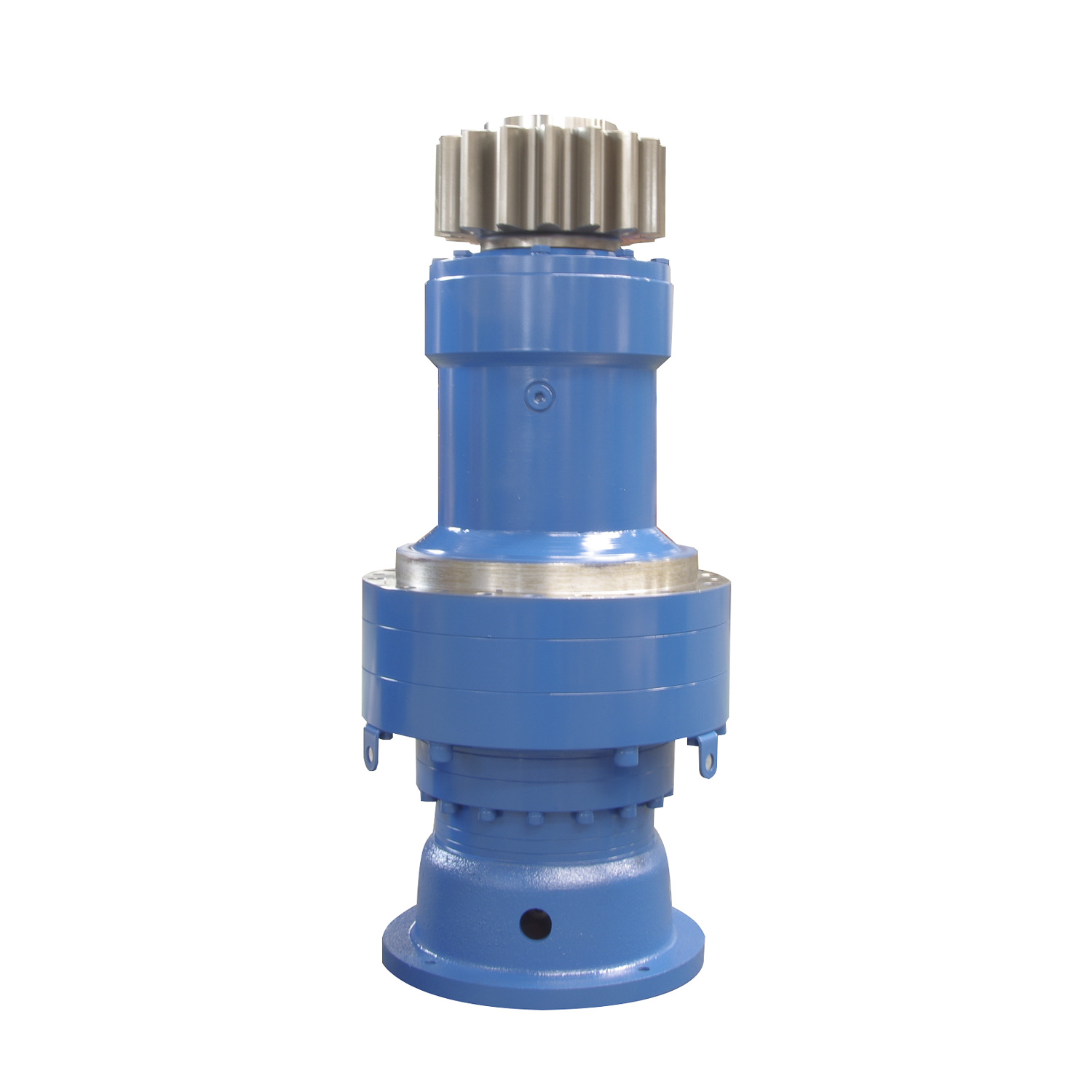
Model: 200-885 Ratio: 3.15-7800 Output Torque :1500Nm-540000Nm Rating Power :0.25KW-200kw Descripti...
See Details
News Directory
A mining conveyor runs 24/7 under full load. A mixer in a chemical plant handles viscous slurry with frequent start-stop cycles. A tablet press needs precise, repeatable indexing with minimal backlash. In each case, the gearbox's material set—not just its ratio or frame size—largely determines whether the unit survives the application or fails prematurely. Material selection affects load capacity, wear resistance, efficiency, noise, and even the total cost of ownership over the machine's life. Understanding how gearbox materials affect performance helps you specify the right unit the first time, avoid field failures, and reduce long-term maintenance expense.
Many buyers focus on torque rating, reduction ratio, and mounting dimensions when selecting a gearbox. Those parameters matter, but they only describe what the gearbox does under ideal conditions. Material selection determines how long it can do it under real operating loads, temperature swings, and contamination exposure. Two gearboxes with identical ratios and center distances can have dramatically different service lives if one uses through-hardened carbon steel gears and the other uses carburized alloy steel gears.
Material choice also affects how the gearbox behaves in the system. A case-hardened gear pair runs more efficiently than a soft-steel pair because the harder surface maintains its profile under load, reducing friction losses. A ductile iron housing absorbs vibration better than a thin fabricated steel housing, which changes the noise signature of the driven equipment. These differences show up early in operation, not just after years of service.
A gearbox contains three main material groups: gearing materials, shaft materials, and housing materials. Each group has its own performance trade-offs. The table below summarizes the most common options and their typical applications.
| Material Group | Common Grades | Strength / Hardness | Wear Resistance | Typical Use |
|---|---|---|---|---|
| Gear steels | 20CrMnTi, 20CrNi2MoA, 42CrMo | Carburized surface 58–62 HRC; core 30–42 HRC | High, with proper case depth | Planetary gears, helical gears, bevel gears |
| Worm gear materials | ZCuSn10P1 bronze, ZCuAl10Fe3 aluminum bronze | Bronze is softer than steel; strength 250–450 MPa | Good anti-scuffing against hardened worm | Worm wheel rims for double-enveloping and cylindrical worm reducers |
| Shaft steels | 45# steel, 40Cr, 42CrMo | Quenched and tempered 28–36 HRC | Moderate; depends on keyways and fits | Input shafts, output shafts, planet carriers |
| Housing materials | HT250 gray iron, QT450 ductile iron, cast steel | Gray iron 180–220 HB; ductile iron 160–210 HB | High for damping; moderate for impact | Gearbox housings and bearing supports |
For planetary and helical gears, the dominant material approach is case carburizing. Low-carbon alloy steels such as 20CrMnTi or 20CrNi2MoA are carburized at high temperature, then quenched and tempered. This produces a hard, wear-resistant case around a tough, shock-absorbing core. The combination allows the gear tooth to resist bending fatigue at the root while resisting pitting and wear at the flank. For high-torque planetary reducers, the carburized gear set is a practical necessity rather than a premium upgrade.
Through-hardened gears, typically made from 42CrMo or similar medium-carbon alloy steel, are quenched and tempered to a moderate hardness range of about 28–36 HRC. They are easier to manufacture and less expensive, but they cannot sustain the same surface contact stress as carburized gears. For continuous heavy-duty operation, the difference in service life is significant. SGR uses carburized and ground gearing in its planetary gearbox ranges to support high torque density and long operating hours.
Worm gearboxes are a special case because the worm wheel and worm use different materials by design. The worm is typically a hardened and ground alloy steel, while the worm wheel uses a bronze alloy. The bronze-steel pairing gives a low coefficient of friction and resists scuffing, which is especially important for double-enveloping worm gearboxes where the contact area is larger than in cylindrical worm designs.
The most common worm wheel alloy is tin bronze (ZCuSn10P1), which offers excellent anti-scuffing properties and conformability. Aluminum bronze (ZCuAl10Fe3) provides higher strength and better wear resistance in some heavy-load conditions, but it requires careful lubrication and alignment. The choice between these bronzes affects the unit's peak torque capacity and its resistance to shock loads. For applications like mixers and agitators that impose continuous, high-torque operation, the worm wheel material needs to handle both sliding friction and momentary overloads.
Material selection affects more than just peak torque. The following performance indicators matter most in industrial applications.
Harder gear surfaces allow higher surface contact stress without pitting. This is why carburized gears are standard for heavy-duty planetary reducers. A gearbox with case-hardened gears can use a smaller center distance for the same torque rating, which reduces weight and envelope size. In practice, this means you can often select a smaller frame size when the manufacturer uses quality materials and proper heat treatment.
But be careful about comparing ratings across manufacturers. One supplier's "high torque" rating may come from a larger center distance with softer gearing, while another uses a smaller unit with carburized gears. The latter is usually preferable for space-constrained installations. For especially demanding applications, SGR's high-torque planetary gear reducers are designed with material selection as a core part of the sizing process, ensuring the gear teeth, shafts, and bearings are matched to the application's duty cycle.
Material hardness affects the gear tooth surface finish over time. A softer gear surface wears in, but that wear can change the tooth profile, increasing sliding friction and reducing efficiency. A carburized and ground gear surface maintains its geometry much longer, which keeps efficiency stable over the gearbox's life. This is particularly relevant for applications that run 24/7, where even a 1% efficiency loss translates into significant energy costs.
For worm gearboxes, efficiency is also influenced by the bronze-steel material pair and the lubricant. A high-quality double-enveloping worm gearbox uses a large contact area between worm and wheel, which distributes load better. This reduces localized heating and allows the unit to run at higher efficiencies than a conventional worm set of comparable size. However, the material quality of the bronze rim is critical: cheap bronze with porosity or incorrect composition can lead to premature scuffing and rapid wear.
Material stiffness and damping capacity affect the noise signature of a gearbox. Cast iron and ductile iron housings have better damping characteristics than welded steel fabrications. They absorb the vibration energy from gear meshing instead of radiating it as noise. This is why many industrial gearbox manufacturers, including SGR, use cast housings for their planetary and worm gearbox ranges.
Within the gearing itself, the combination of material hardness and manufacturing quality determines the noise level. Ground and carburized gears generate less noise than hobbed and through-hardened gears because the tooth form accuracy is better and the surface finish is smoother. For applications with strict noise limits, such as indoor production lines, this distinction matters during the selection process.
The fatigue life of a gearbox is determined by the bending stress at the tooth root and the contact stress at the tooth flank. Both are directly influenced by material hardness and the residual stress state after heat treatment. Carburized gears have compressive residual stresses at the surface, which resists crack initiation. This is why a carburized gear can survive many more load cycles than a soft gear of the same geometry.
For double-enveloping worm gear reducers, the worm thread surface must be hard and ground to minimize wear, while the bronze wheel must be free of internal defects. The combination controls the unit's long-term reliability in continuous service, such as in mixers or agitators that run around the clock.
The operating environment and load profile matter as much as the peak torque. Materials that work well in a clean, temperature-controlled environment may not survive in dusty or high-temperature conditions.
Mixers and agitators impose a steady, high-torque load with minimal shock. The gearbox runs continuously, often at constant speed, and the main risk is thermal aging and lubricant degradation rather than impact damage. For these applications, a double-enveloping worm gearbox with a properly matched bronze worm wheel and hardened steel worm is a solid choice. The large contact area of the double-enveloping design reduces contact stress, which suits the constant load condition. SGR manufactures a specifically designed double-enveloping worm gearbox for mixer applications, with material specifications chosen for sustained operation.
Crushers and mining conveyors subject the drive train to shock loads and occasional overloads. The gearbox material set must absorb these impacts without tooth breakage. This favors carburized planetary gears with a tough core and a ductile iron housing. Planetary gearboxes are well suited to shock load environments because the load is shared across multiple planet gears, reducing the stress on each tooth. SGR's planetary gear reducers designed for heavy machinery use case-carburized gears and rugged cast housings to handle this load regime.
Applications like tablet presses need accurate angular positioning and low backlash. Here, the gearbox material must maintain dimensional stability during operation. Hardened and ground gears with minimal elastic deformation are necessary. The annular worm gear reducer used in tablet presses is a good example: the worm gear set is designed for smooth indexing, and the material pair resists wear to keep backlash from growing over time. SGR offers a top annular worm gear reducer for tablet presses, where the bronze-steel pair and precise grinding are both critical to the final product quality.
When the motor and reducer are integrated into a gear motor unit, the gearbox must deliver high torque in a compact envelope. Planetary gear sets provide the highest torque density among common gearbox types. Carburized planet gears and a hardened ring gear are standard in these units. The material selection directly determines how small the unit can be while still meeting the torque and life requirements. SGR's planetary gearboxes for gear motors are designed with this trade-off in mind.
Material grade alone does not guarantee performance. The heat treatment process must be correctly controlled. Case depth, surface hardness, core hardness, and the absence of grain boundary oxidation are all critical parameters. A gear made from the correct steel grade but with a shallow case depth will fail early by pitting or spalling. A gear with too high a surface hardness and no toughness at the core can fracture under shock load.
When evaluating a gearbox supplier, ask about their heat treatment capability and quality control. A manufacturer that controls its own heat treatment process is generally better positioned to deliver consistent material quality than one that outsources to a third party. SGR's production system includes a dedicated approach to heat treatment and gear grinding, verified by in-house measuring instruments and gearbox testing equipment. This matters because material performance is only as good as the consistency of the process.
Material performance is closely tied to lubrication. The correct lubricant keeps the oil film between gear teeth and prevents metal-to-metal contact, which is especially important for worm gear sets with a sliding contact pattern. Using the wrong viscosity or an incompatible additive package can cause scuffing even with correctly specified materials.
Maintenance also interacts with material selection. A gearbox with softer gears may require more frequent oil changes because wear particles accumulate in the oil. A carburized gearbox with proper filtration can run much longer between service intervals. For operators, the total cost of ownership includes these maintenance costs, not just the initial purchase price. When comparing gearboxes from different suppliers, it is worth asking how their material choices influence recommended service intervals.
When you are specifying a gearbox, consider the following practical points rather than relying only on the nameplate rating.
Finally, treat material specifications as part of the application engineering discussion, not just a technical footnote. A reputable gearbox manufacturer will explain how the material set was selected for your operating conditions and provide supporting test data. If a supplier cannot discuss the materials in their product, that is a warning sign about the level of engineering depth behind the product.
Gearbox materials directly determine load capacity, efficiency, noise, fatigue life, and maintenance intervals. A robust material strategy is the foundation of gearbox performance; it is not merely a hidden cost factor. By specifying carburized gears for heavy-duty planetary drives, a suitable bronze-steel pair for worm gear sets, and quality cast housings, you align the gearbox with the actual demands of the equipment. When comparing options, evaluate the material package as part of the proposal, and confirm that the manufacturer has the production and testing capability to deliver the promised material quality consistently.
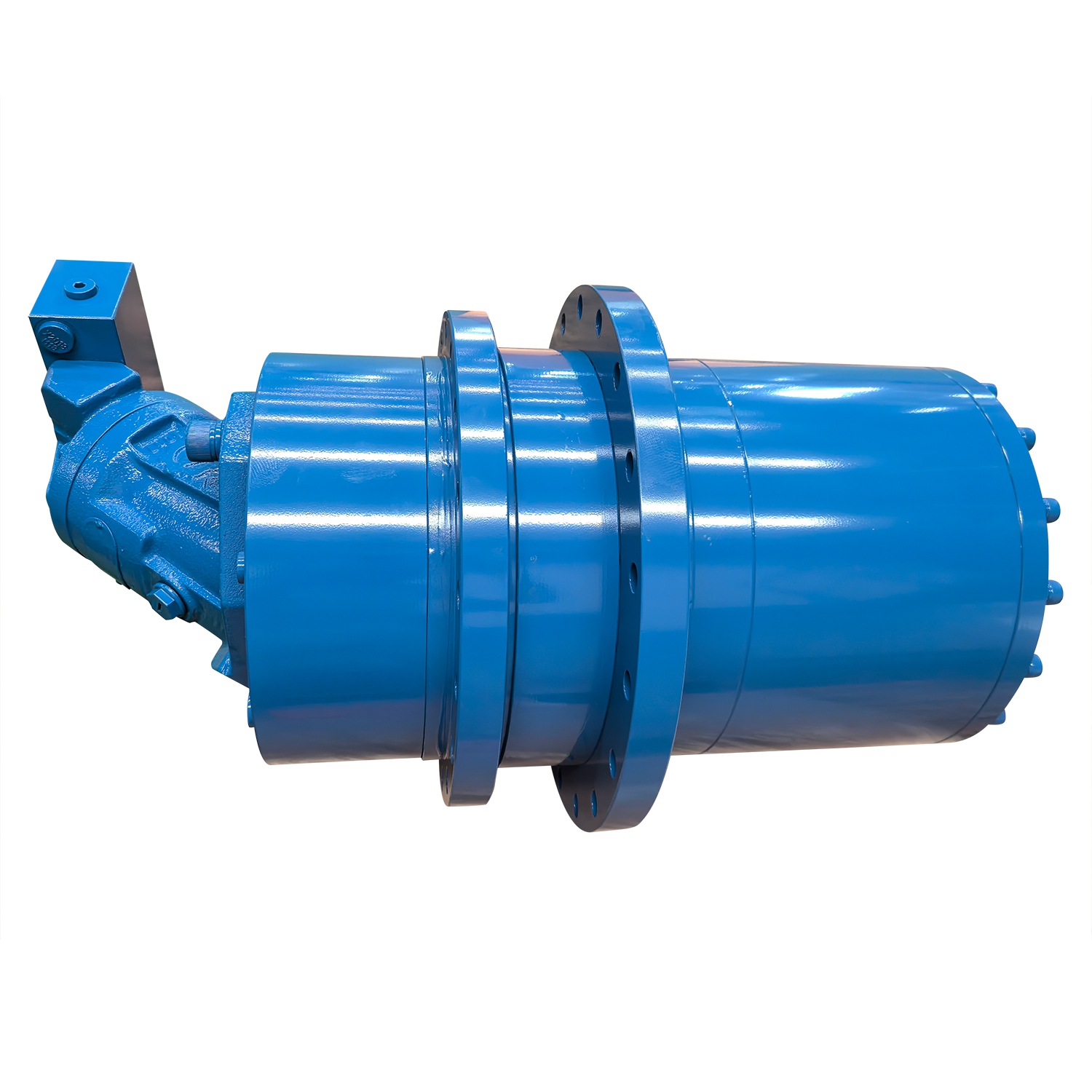
Model: 200-885 Ratio: 3.15-7800 Output Torque :1500Nm-540000Nm Rating Power :0.25KW-200kw Descripti...
See Details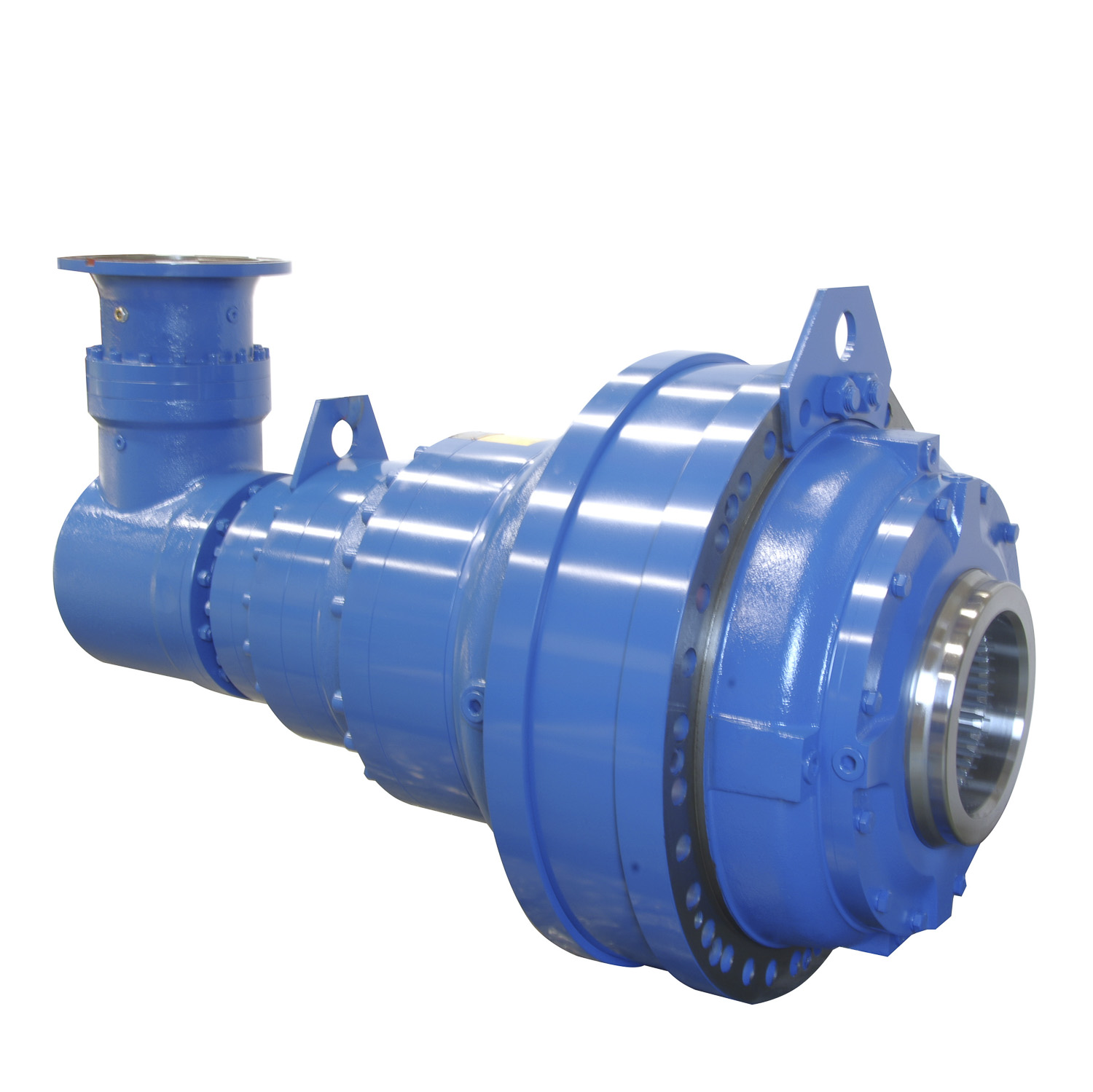
Planetary gearbox is produced by modular design, and can be combined according to client's request H...
See Details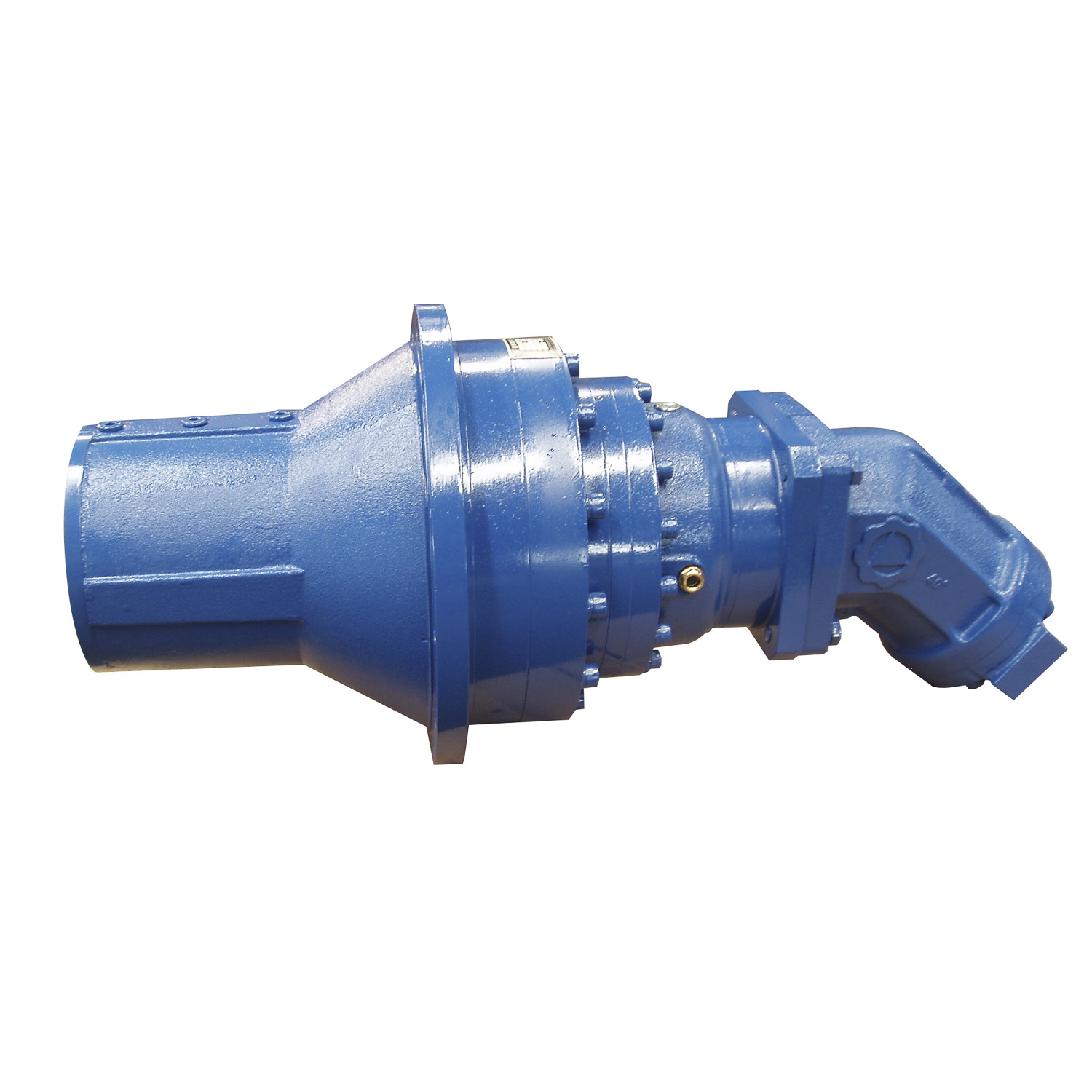
Key feature:Planetary gearbox is produced by modular design, and can be combined according to client...
See Details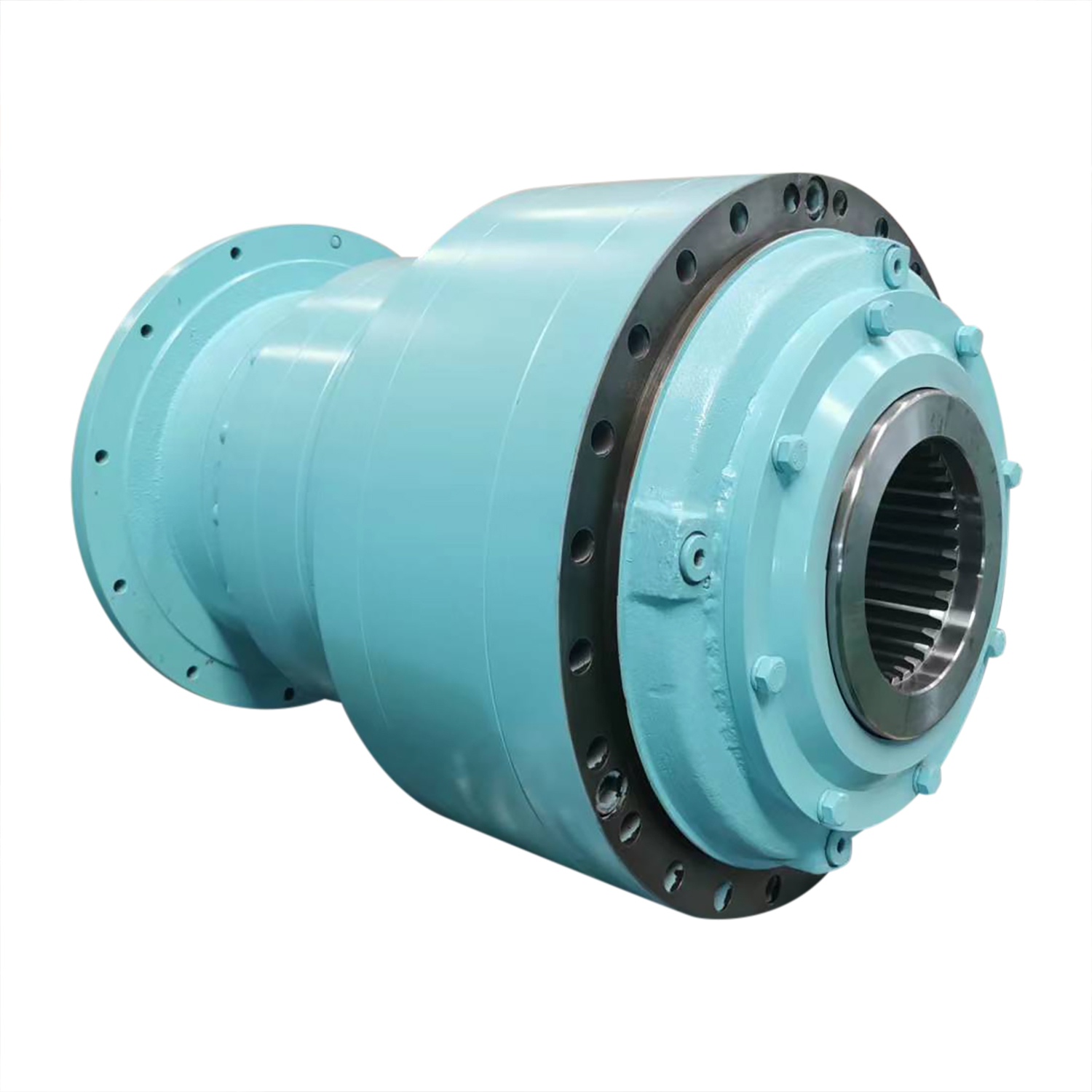
Planetary Gearbox Application For In Electric Drive Model: 200-885Ratio: 3.15-7800Output Torque :15...
See Details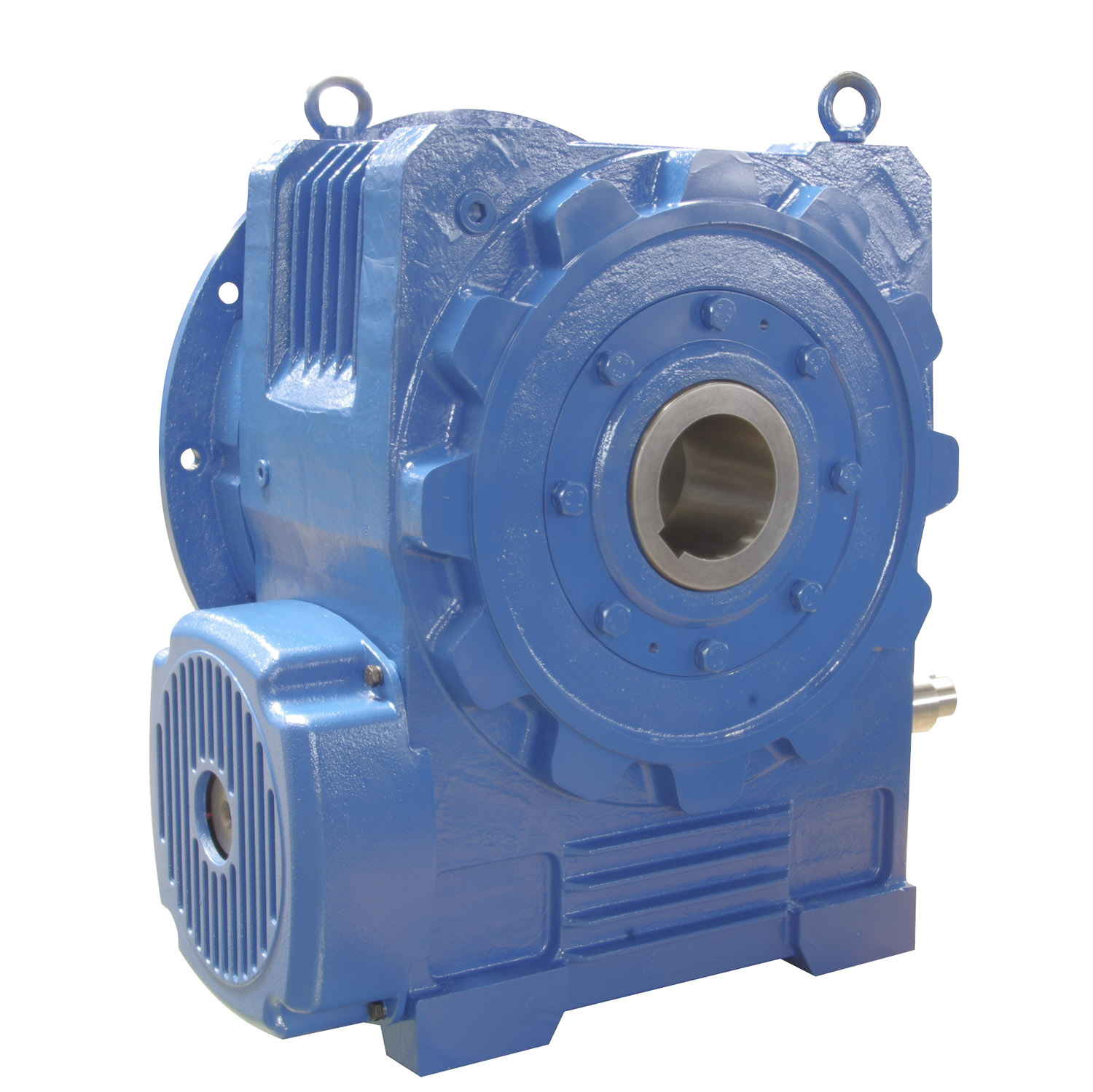
Product Description Series C double enveloping worm gearModel: 100 - 500Ratio: 10 -63Output Torque ...
See Details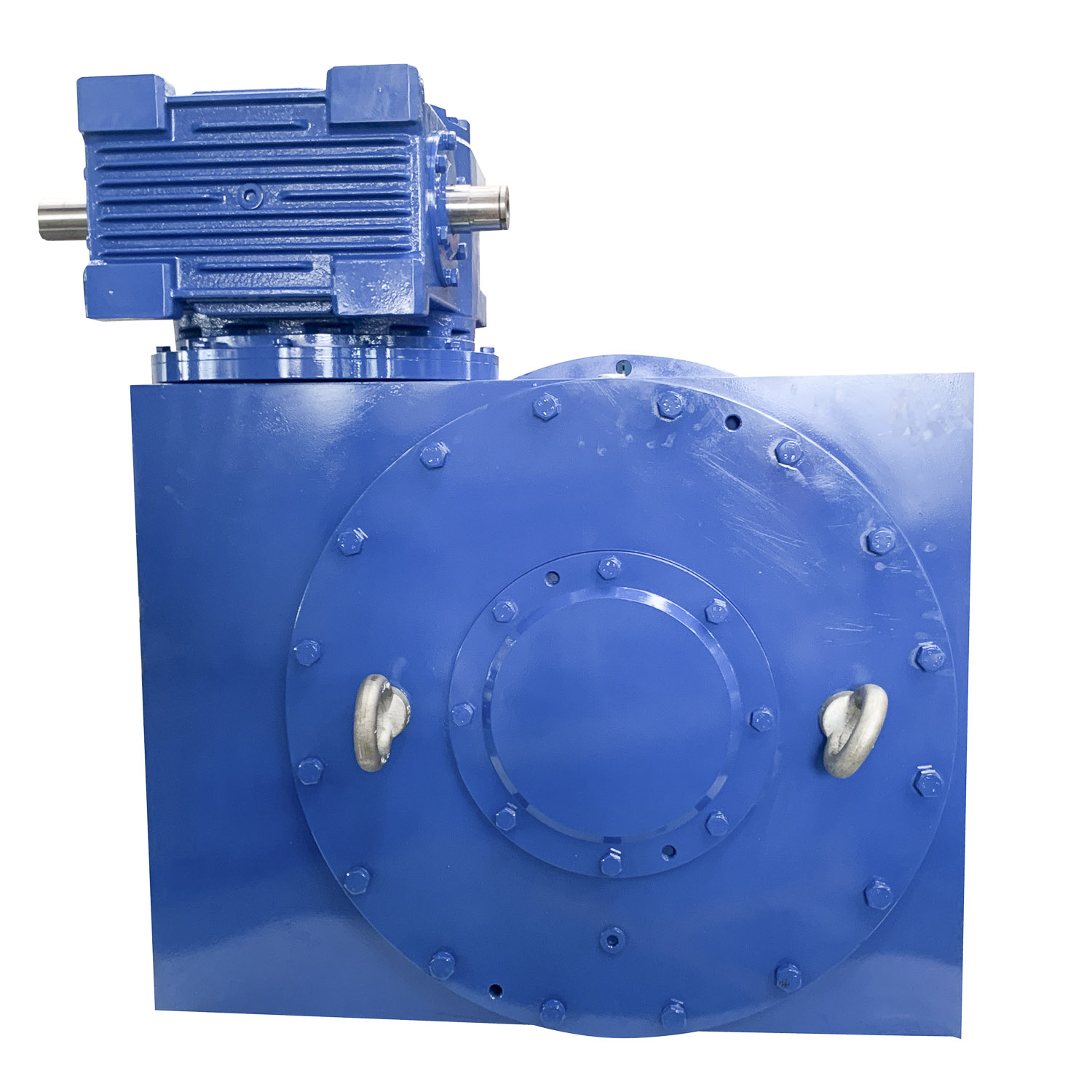
As one of famous double enveloping worm gear manufacturers,SGR's double throated worm gear has adva...
See Details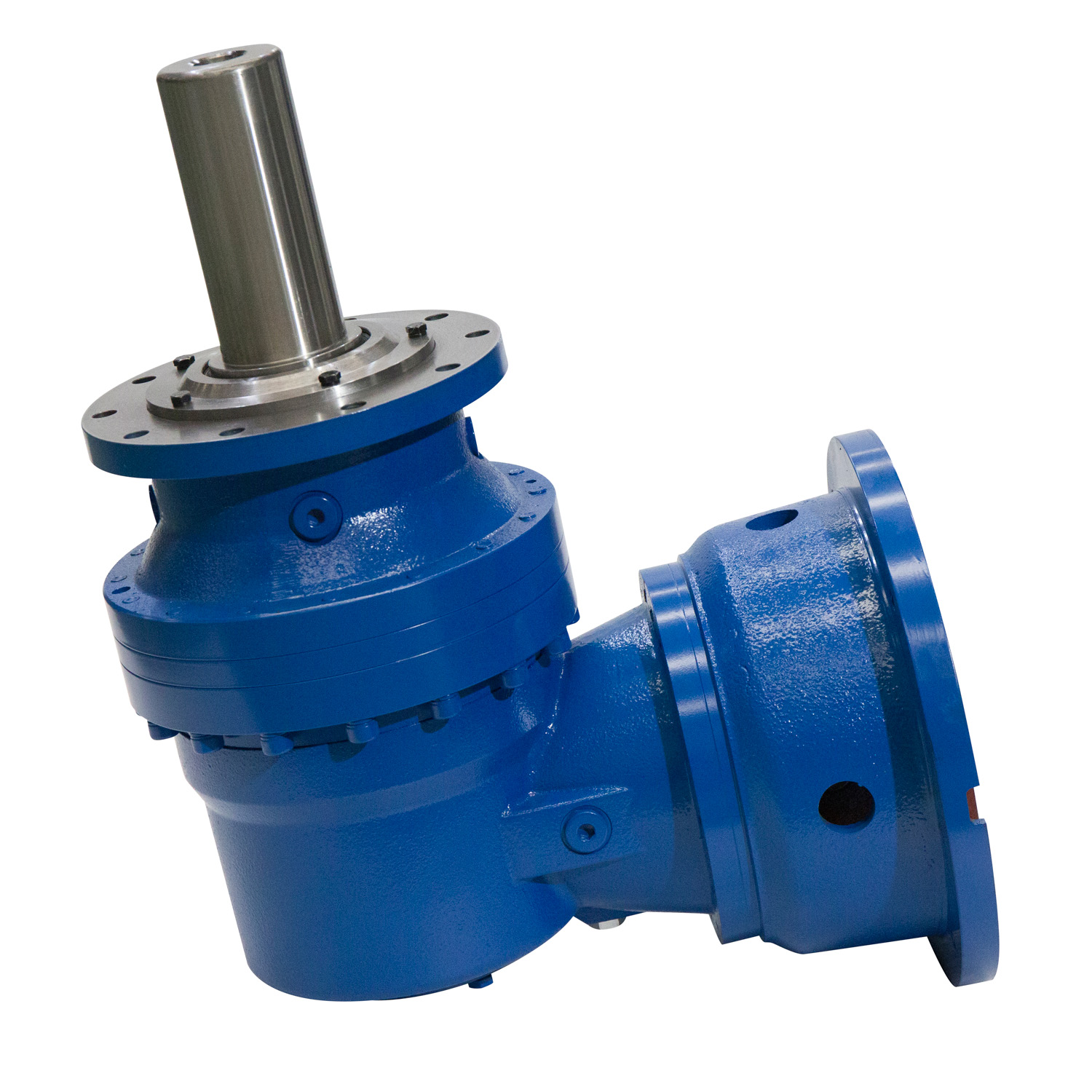
Technical data: 1. Ratio range: 3.15-90002. Input power: 0.25-55KW3. Permit torque rang: ≤ 800000N. ...
See Details
SGR is an ISO 9001 certified, DNV-accredited industry gearbox manufacturer since 1996. We supply different gear reducers to brands worldwide.