 Global
  English
 中文简体
中文简体 русский
 Español
In term of difference of double enveloping worm gear design and traditional worm gear design , do...
See Details
News Directory
In high-torque, low-speed industrial applications, the double reduction worm gearbox is a critical component for achieving massive reduction ratios within a compact footprint. However, the inherent sliding friction between the worm and the worm wheel often leads to lower mechanical efficiency compared to other gear types. Shanghai SGR Heavy Industry Machinery Co., Ltd., a recognized high-tech enterprise, specializes in gear transmission innovation. By utilizing our proprietary Planar Double-Enveloping Worm Gear Optimization Design System and PhD-led R&D, we focus on engineering solutions that minimize vibration and maximize energy throughput for global B2B procurement needs.
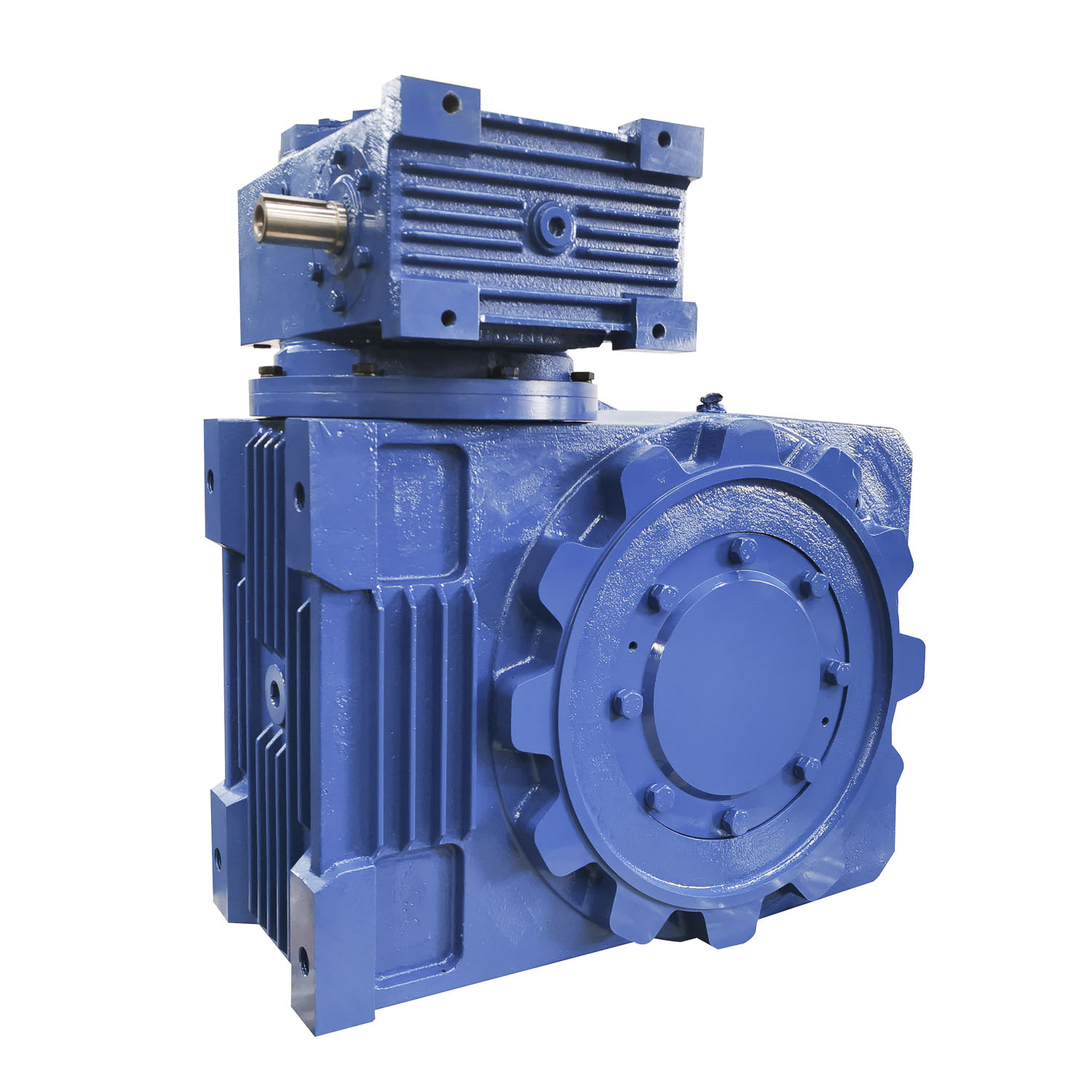
The fundamental challenge in a double reduction worm gearbox is the sliding friction generated at the mesh. Traditional cylindrical worm gears have limited line contact, which increases local pressure and heat. In contrast, adopting a planar double-enveloping worm gear design increases the contact area and allows for a thicker hydrodynamic oil film. This reduces the friction coefficient significantly, which is vital when sourcing high torque double reduction gearboxes for heavy industry.
While standard single-enveloping gears rely on point or line contact, double-enveloping systems provide area contact, resulting in lower surface stress and enhanced thermal capacity.
| Design Metric | Single-Enveloping Worm Gear | Planar Double-Enveloping Worm Gear |
| Contact Type | Line Contact | Area Contact |
| Load Distribution | Concentrated on few teeth | Distributed across multiple teeth |
| Mechanical Efficiency | Lower (Approx. 40% - 70% in double reduction) | Higher (Improved by 10% - 15%) |
Efficiency is heavily dependent on the precision of the assembly. Even minor misalignments in a double reduction worm gearbox can lead to uneven wear and parasitic power loss. Utilizing advanced CNC machinery and 3D measuring machines, we ensure that the axial and radial clearances are within micron-level tolerances. For industries requiring low noise double reduction worm gear units, precise grinding of the worm profile is essential to eliminate the micro-vibrations that signal energy waste.
Recent industry standards released in 2024 emphasize that a 1% improvement in gear surface finish can lead to a measurable 0.5% increase in overall system efficiency in multi-stage gearboxes.
Source: ISO 6336-1:2024 Calculation of load capacity of spur and helical gears
Lubrication is the lifeblood of gear transmission efficiency. In a double reduction worm gearbox, the two stages of reduction accumulate heat rapidly. Switching from standard mineral oils to high-performance synthetic polyalphaolefin (PAO) or polyalkylene glycol (PAG) lubricants can reduce friction in industrial worm gear reducers with high reduction ratios. Furthermore, the viscosity must be carefully balanced; oil that is too thick increases churning losses, while oil that is too thin fails to protect the mesh.
Synthetic lubricants provide a lower coefficient of friction and better thermal stability compared to conventional mineral oils, which is a key factor in customized double reduction gearbox manufacturing for extreme environments.
| Lubricant Property | Mineral Oil | Synthetic (PAG/PAO) |
| Coefficient of Friction | Higher | Lower (Reduces sliding friction) |
| Operating Temp Range | -10°C to 80°C | -40°C to 120°C |
| Service Life | Standard | Up to 3x longer |
For applications where efficiency is the top priority but high ratios are still required, engineers are increasingly looking at hybrid designs. Incorporating a planetary gearbox as the first stage of reduction followed by a worm stage can improve the overall efficiency of the drive system. This setup captures the high-efficiency benefits of planetary gearing while utilizing the worm stage for the final torque multiplication and self-locking capabilities.
Market data from 2025 indicates that the global industrial gearbox market is trending toward modular hybrid designs to meet new energy efficiency regulations, with a projected shift of 20% in the heavy machinery sector toward high-efficiency gear units.
Source: AGMA 2025 Market Trends in Gearbox Efficiency and Modular Design
Optimizing a double reduction worm gearbox requires a multi-faceted approach involving advanced tooth geometry, precision manufacturing, and superior lubrication. At Shanghai SGR Heavy Industry Machinery Co., Ltd., we apply our expertise in modular design and specialized technical services to ensure every unit provides safe, reliable, and durable performance. Our commitment to innovation allows us to provide B2B clients with gearboxes that minimize power loss while maximizing operational longevity.
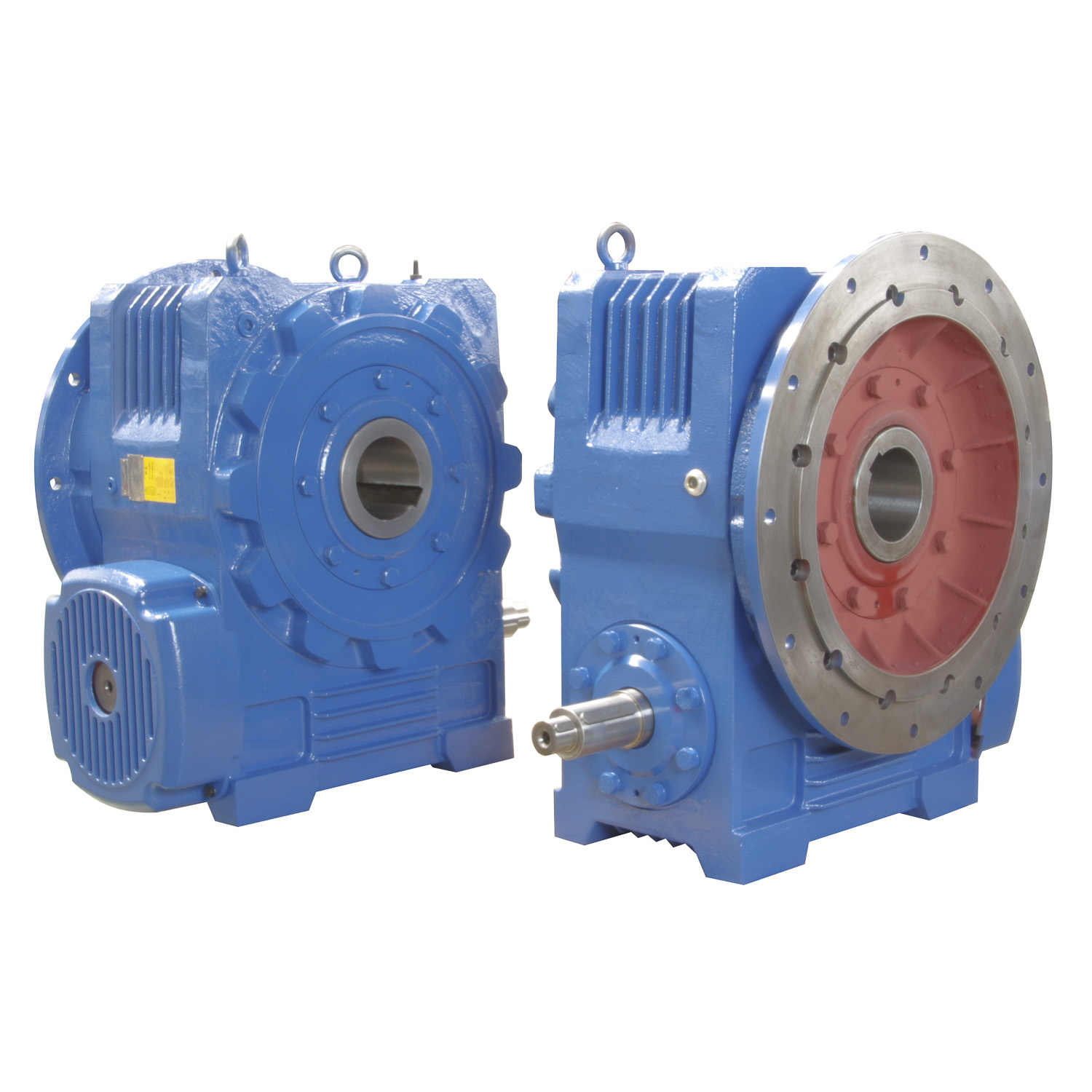
In term of difference of double enveloping worm gear design and traditional worm gear design , do...
See Details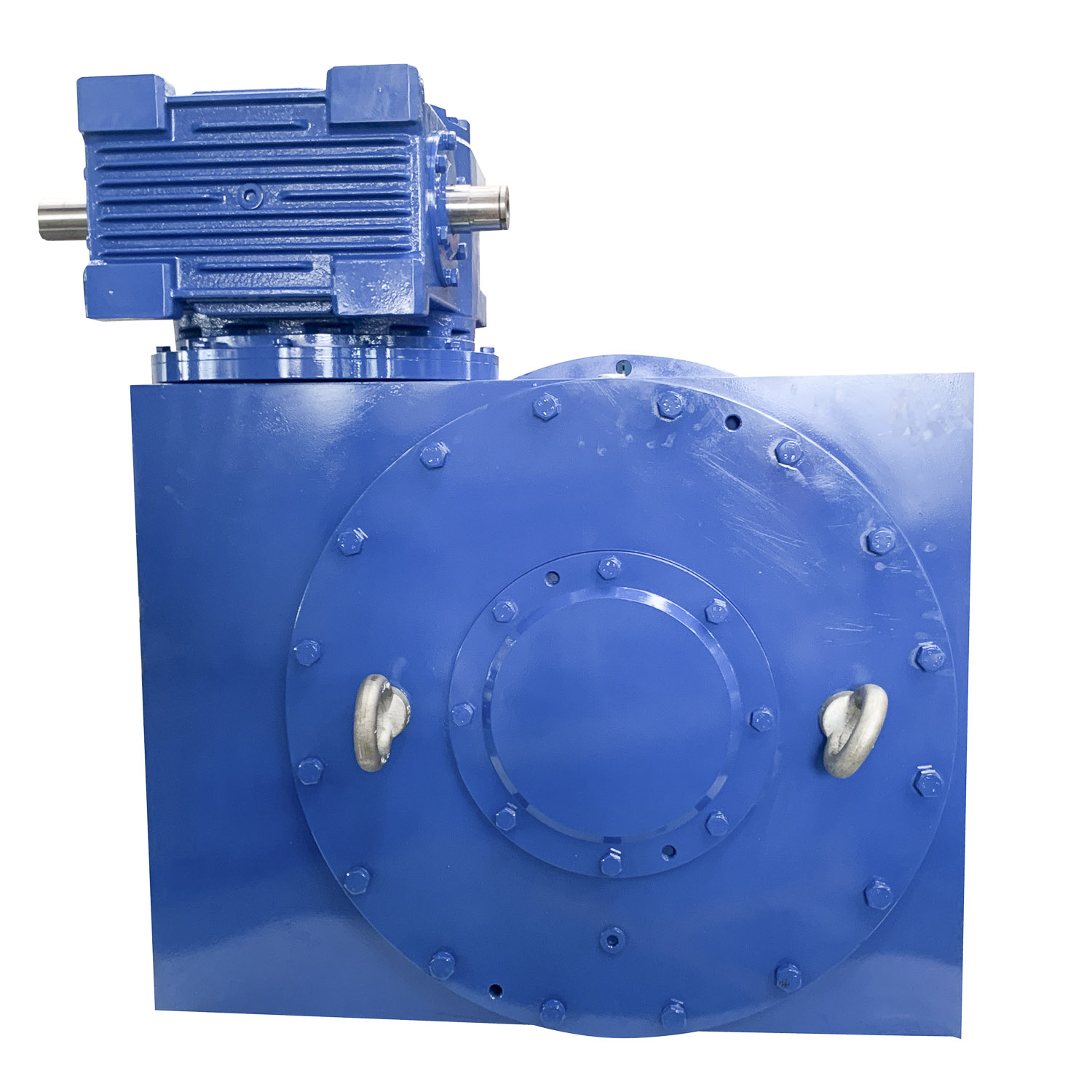
As one of famous double enveloping worm gear manufacturers,SGR's double throated worm gear has adva...
See Details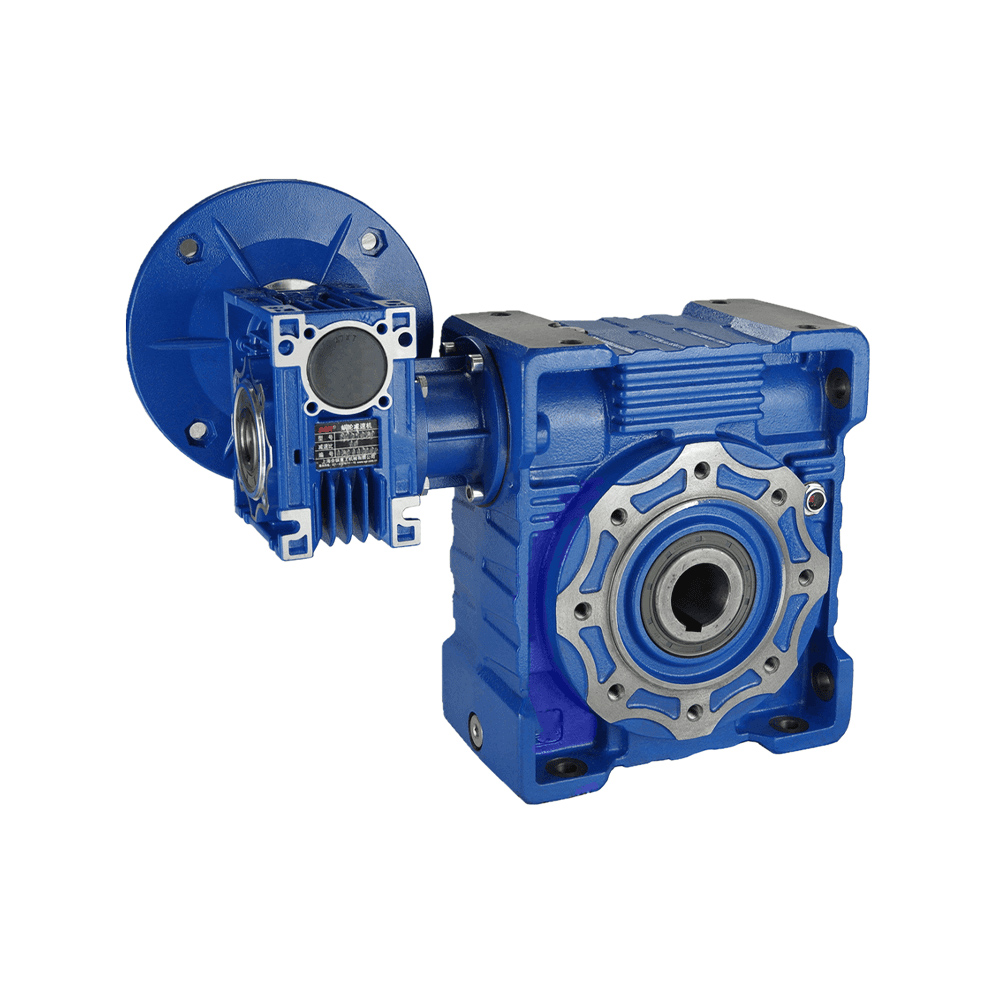
SGR develops and manufactures specialized worm gear reducers for logistics machinery attachments. T...
See Details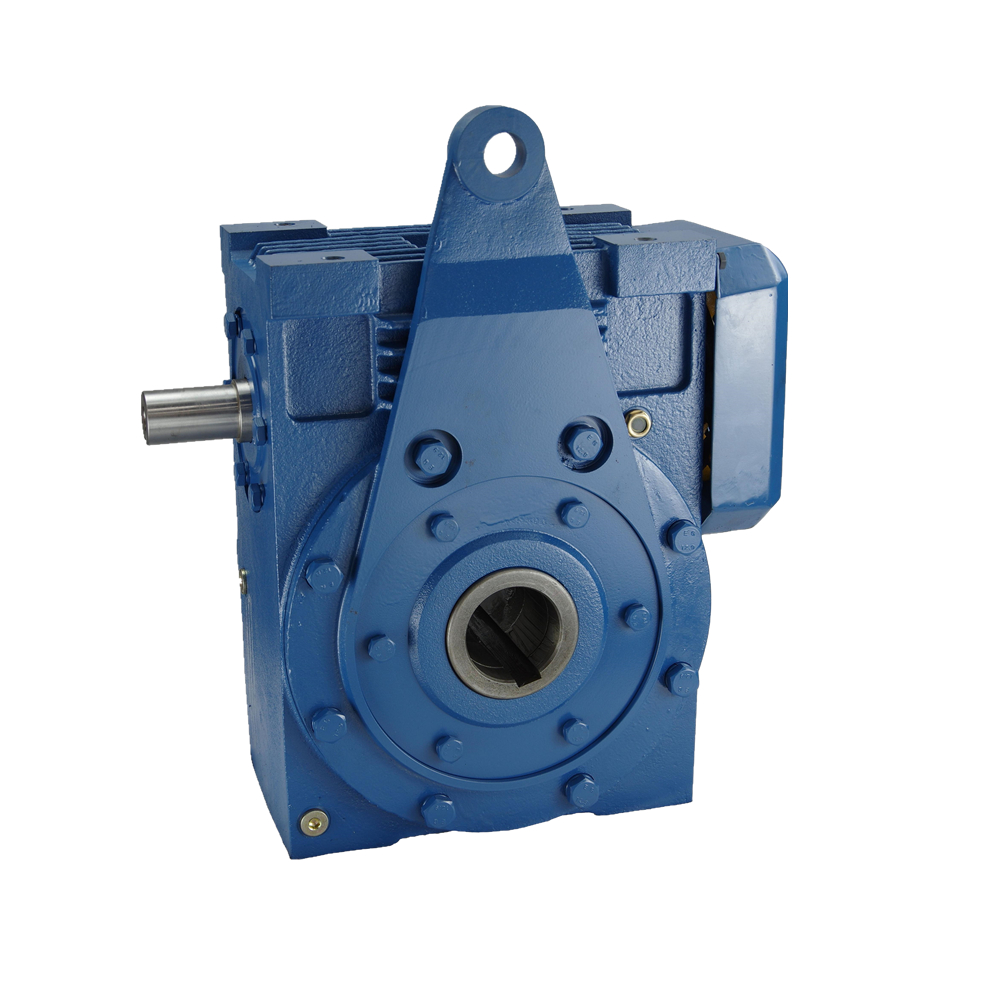
Product Description 1, High torque double enveloping worm gear adjust toughest working condition .2,...
See Details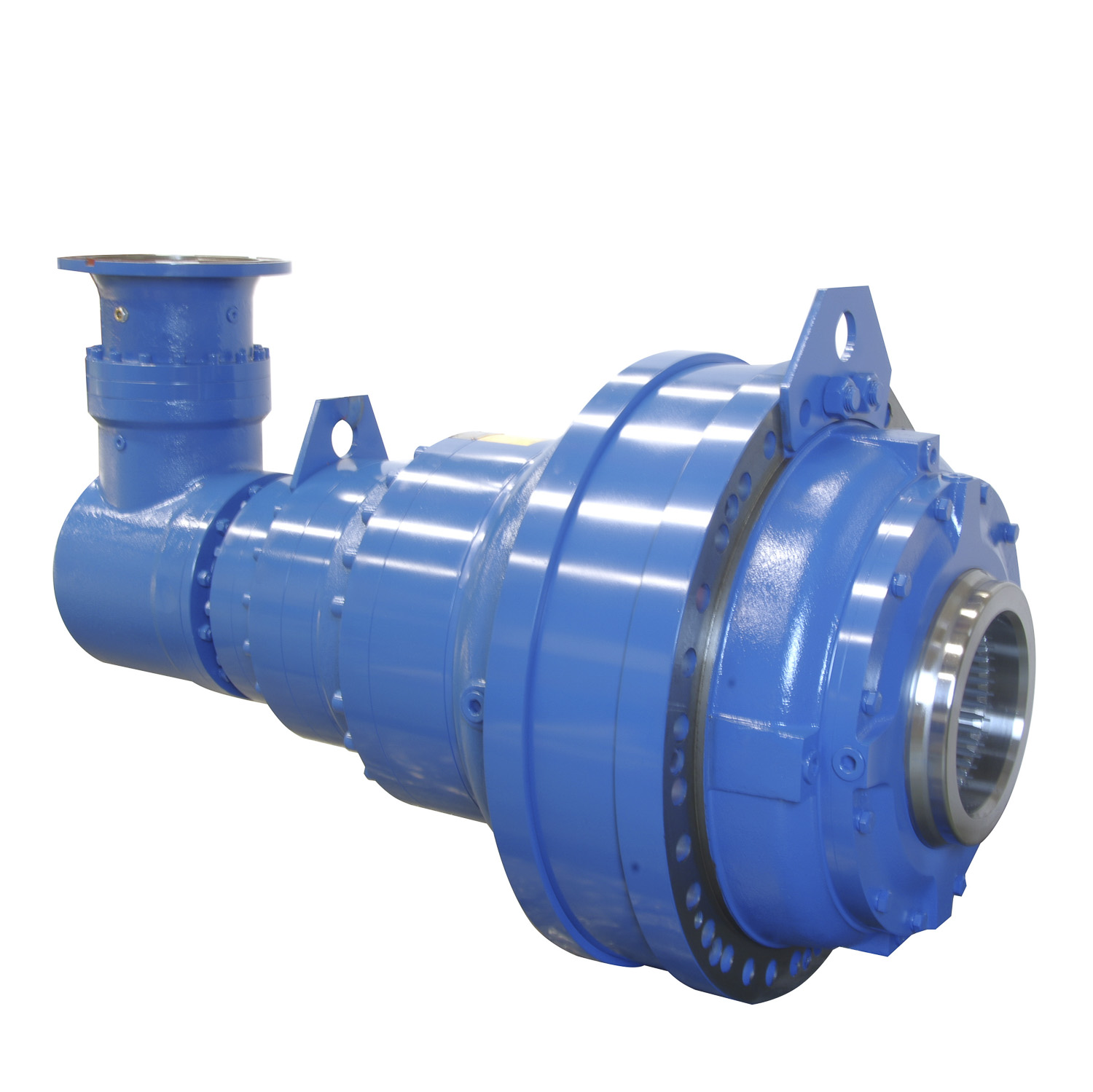
Planetary gearbox is produced by modular design, and can be combined according to client's request H...
See Details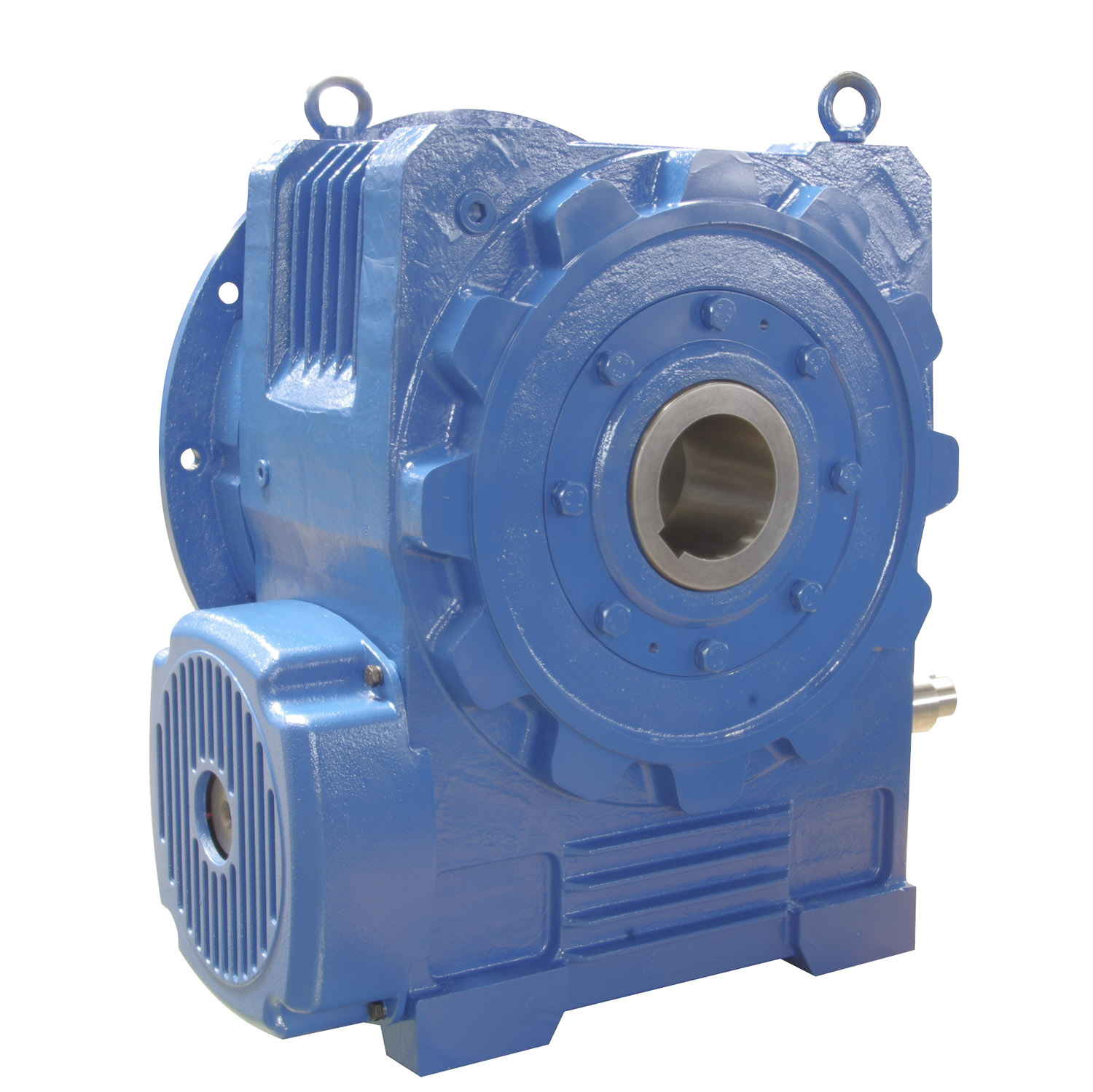
Product Description Series C double enveloping worm gearModel: 100 - 500Ratio: 10 -63Output Torque ...
See Details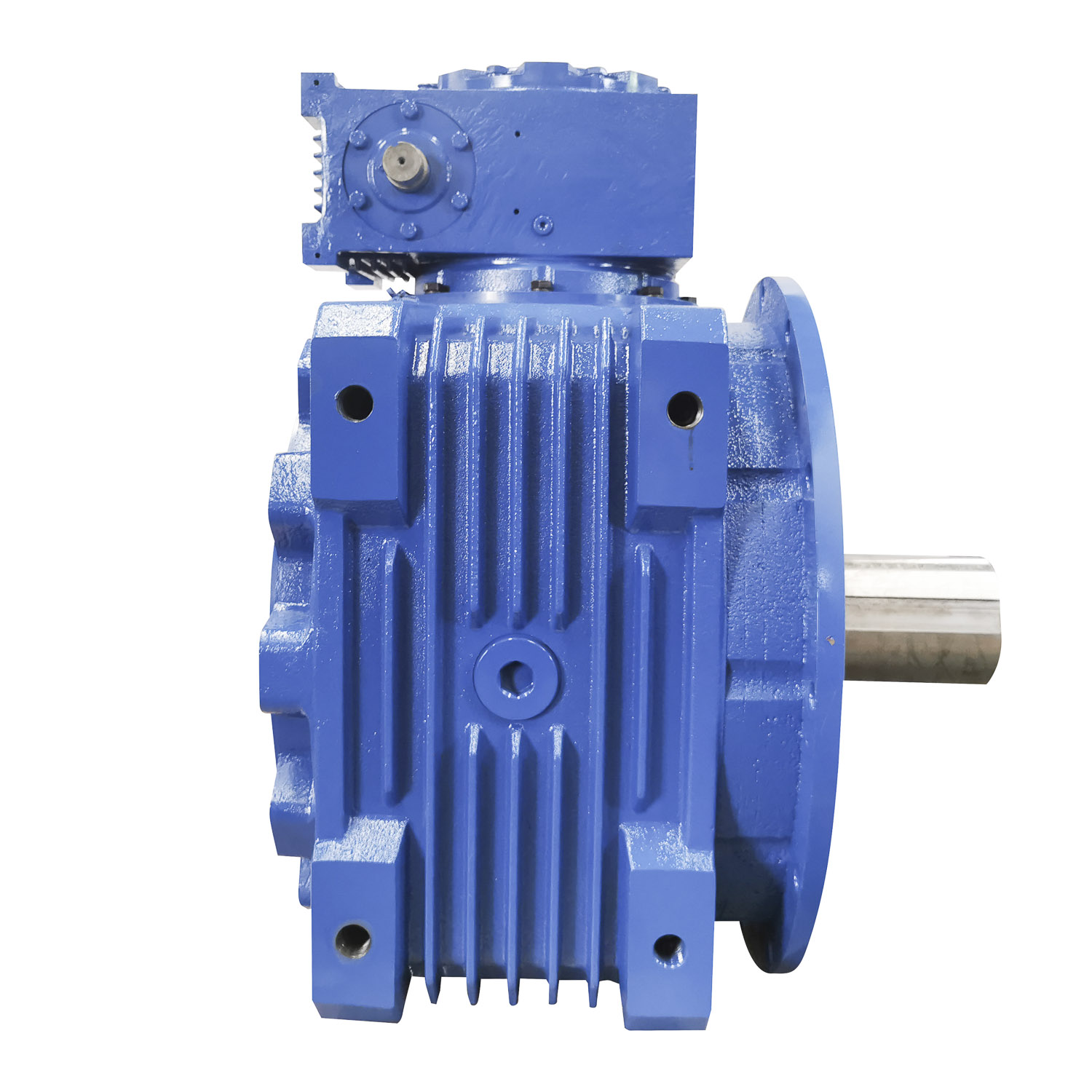
Description :1, High torque double enveloping worm gear adjust toughest working condition .2,Univers...
See Details
Model: 200-885 Ratio: 3.15-7800 Output Torque :1500Nm-540000Nm Rating Power :0.25KW-200kw Descripti...
See Details
SGR is an ISO 9001 certified, DNV-accredited industry gearbox manufacturer since 1996. We supply different gear reducers to brands worldwide.

