 Global
  English
 中文简体
中文简体 русский
 Español
SGR's C Series double enveloping worm gear reducerModel: 100 - 500Ratio: 10 -63Output Torque : 683...
See Details
News Directory
In the field of heavy-duty material handling, the Cylindrical Reducer serves as the mechanical heart of the conveyor system. Selecting the optimal transmission ratio is not merely a matter of speed matching; it is a complex engineering decision that directly impacts the system's power consumption and operational lifecycle. Shanghai SGR Heavy Industry Machinery Co., Ltd., a high-tech enterprise specializing in professional gear transmission, leverages a team of PhDs and senior engineers to tackle these challenges. Our focus on compact, modular, and low-vibration designs ensures that our heavy duty cylindrical gear reducer units meet the highest standards of energy efficiency. Utilizing advanced Power and Efficiency Test Systems, we provide technical services that bridge the gap between design theory and industrial performance.
The transmission ratio ($i$) of a Cylindrical Reducer is defined by the ratio of the input speed to the output speed. Selecting an appropriate ratio ensures that the motor operates within its peak efficiency zone, typically between 75% and 95% of its rated load. A ratio that is too low forces the motor to operate at high torque and low efficiency, while a ratio that is too high leads to excessive frictional losses within the gear stages. According to the 2024 technical standards from the American Gear Manufacturers Association (AGMA), optimizing the mesh stiffness and tooth profile—such as those processed on our Four-Axis Linkage Complex Profile Grinding Machine—can reduce internal power loss by up to 15% in multi-stage transmissions.
Source: AGMA 6013-B24: Standard for Industrial Enclosed Gear Drives
While a single-stage transmission offers higher mechanical efficiency due to fewer contact points, a multi-stage industrial conveyor gearbox ratio configuration is often necessary to reach high ratios while keeping the motor in its most efficient RPM range.
| Performance Factor | Single-Stage Cylindrical Gear | Multi-Stage Cylindrical Gear |
| Mechanical Efficiency | Typically 97% - 98% | Typically 94% - 96% (Total) |
| Ratio Capability | Limited (Usually < 6.3:1) | High (Can exceed 100:1) |
| Motor Load Optimization | Difficult for high-torque needs. | Excellent for heavy start-up loads. |
For B2B procurement, understanding cylindrical reducer torque calculation is vital. The transmission ratio must be selected based on the conveyor's peak starting torque and continuous running resistance. In 2025, industry research emphasized the transition toward "intelligent sizing," where dynamic simulation tools—similar to our Planar Double-Enveloping Worm Gear Optimization Design System—are used to calculate the inertia match between the load and the motor. An inertia ratio close to 1:1 is ideal for stability, but for energy-efficient conveyor drives, a higher transmission ratio can reduce the required motor size, thereby lowering idle current losses. Recent data suggests that global demand for high-efficiency gearboxes is rising by 6% annually as infrastructure projects prioritize carbon footprint reduction.
Source: ISO 10300-1:2025 Calculation of Load Capacity of Bevel and Cylindrical Gears
Energy loss in a Cylindrical Reducer is frequently manifested as heat. Selecting a custom cylindrical reducer for mining requires materials with high thermal conductivity and low-friction finishes. At SGR Heavy Industry, our domestically innovated Toroidal Worm and Hob Measuring Instruments allow for sub-micron precision, reducing the sliding friction coefficient at the gear teeth. Low-vibration and low-noise designs are not just environmental preferences; they are indicators of high mechanical efficiency. Every decibel reduced represents energy that is transmitted as torque rather than lost as sonic energy or vibration-induced heat.
Precision-ground gears, processed on advanced CNC machines, provide a significantly more stable transmission ratio under variable loads, resulting in lower energy waste over long-distance conveyors.
| Technical Metric | Standard Hobbed Gears | CNC Ground Precision Gears |
| Transmission Accuracy | Grade 8-9 (ISO) | Grade 5-6 (ISO) |
| Energy Loss (Heat) | Higher due to surface roughness. | Minimal due to optimized profile. |
| Lubrication Requirements | Frequent cooling required. | Standard modular maintenance. |
Choosing a high efficiency parallel shaft reducer involves analyzing the entire drive train. SGR's specialized system integrates design and technical services to assist clients in selecting the right modular components. By utilizing 3D Measuring Machines and specialized efficiency test rigs, we can simulate real-world conveyor conditions before the product leaves the factory. This specialized approach ensures that the Cylindrical Reducer is not just a component, but an optimized energy-saving solution tailored to specific industrial link-complex profile requirements.
The selection of the transmission ratio in a Cylindrical Reducer is a pivotal factor in achieving industrial energy efficiency. By balancing the industrial conveyor gearbox ratio with motor performance and utilizing a heavy duty cylindrical gear reducer with high-precision grinding, operators can achieve significant operational cost savings. Shanghai SGR Heavy Industry Machinery Co., Ltd. remains dedicated to innovation and technical excellence, providing the PhD-led expertise needed to optimize the gear transmissions of the future.
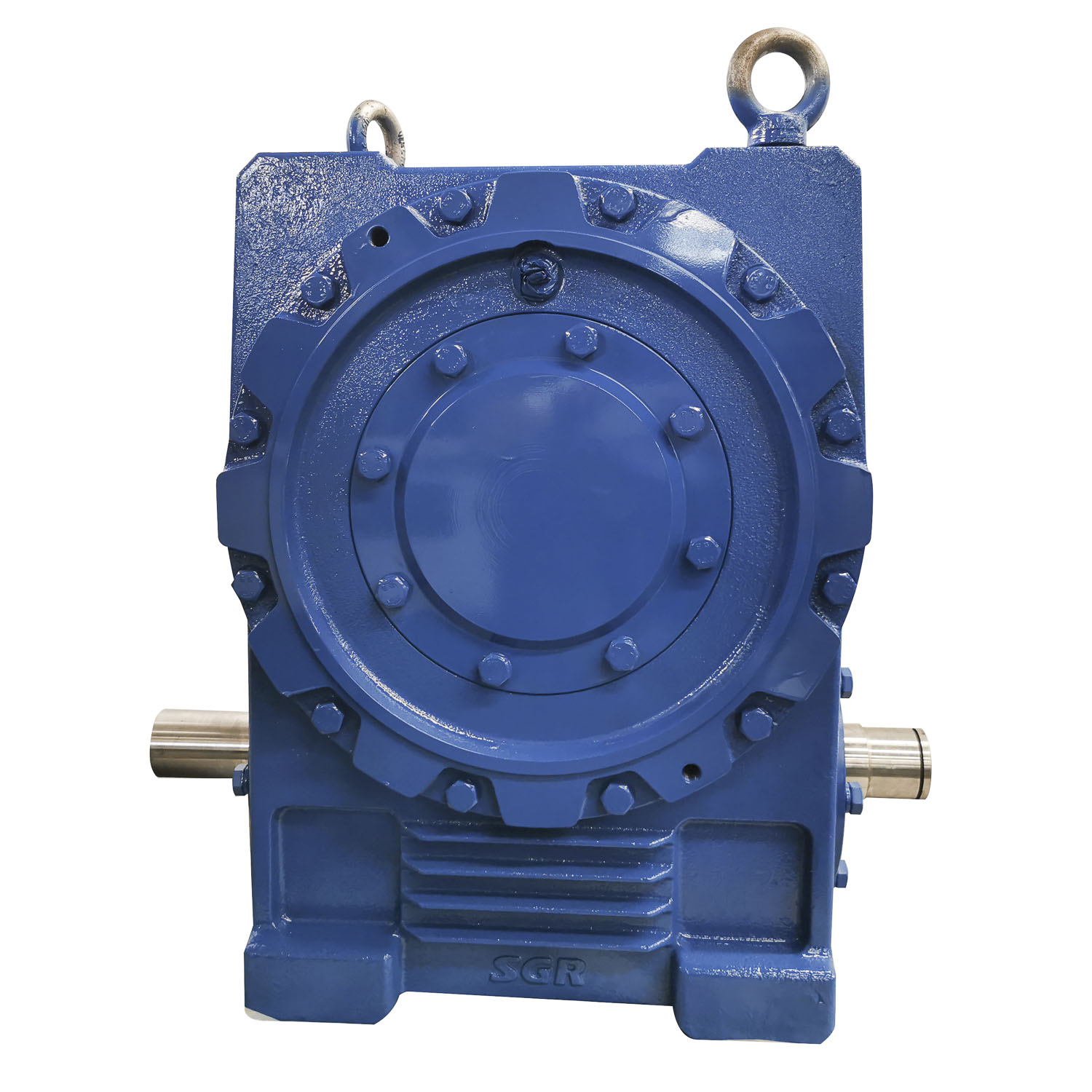
SGR's C Series double enveloping worm gear reducerModel: 100 - 500Ratio: 10 -63Output Torque : 683...
See Details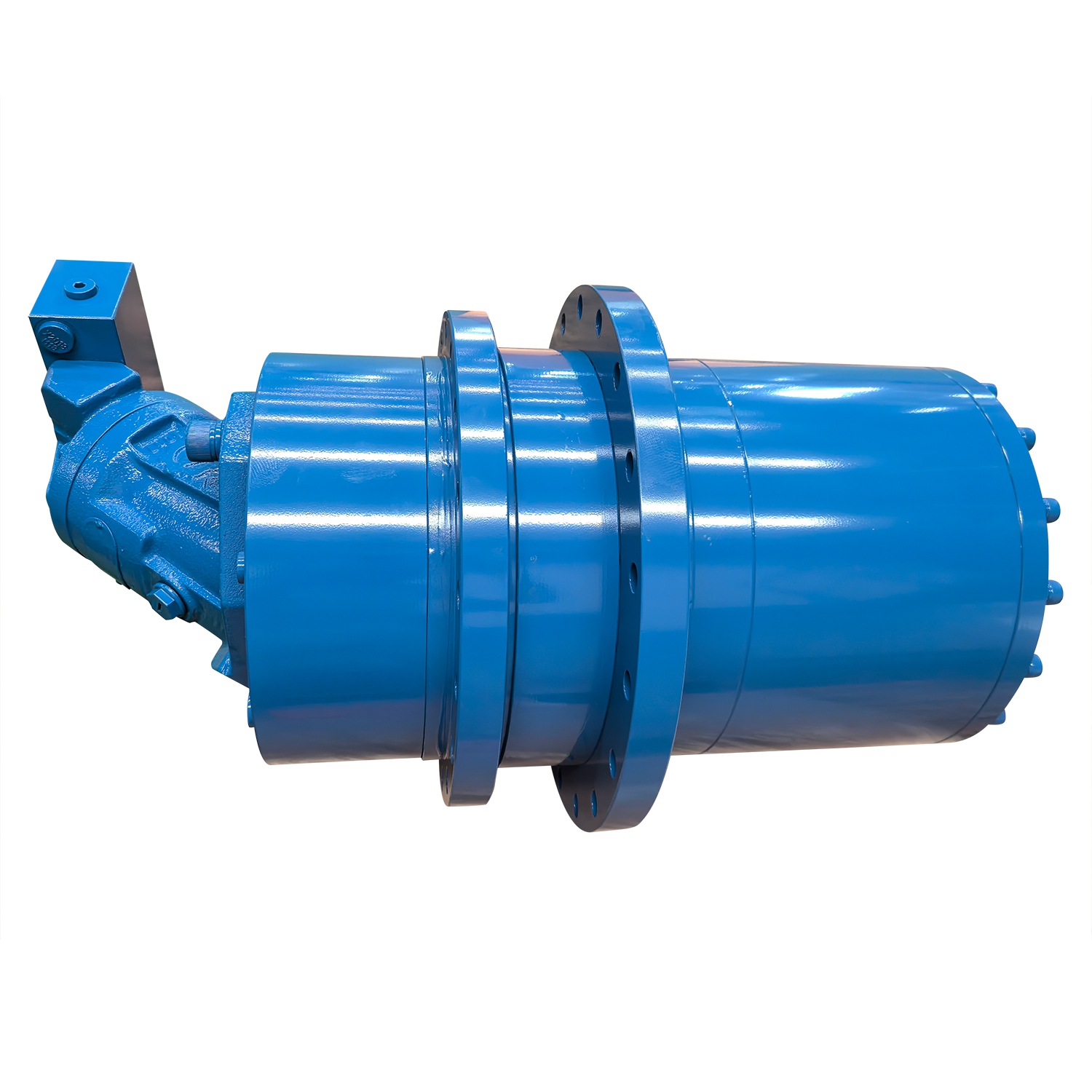
Model: 200-885 Ratio: 3.15-7800 Output Torque :1500Nm-540000Nm Rating Power :0.25KW-200kw Descripti...
See Details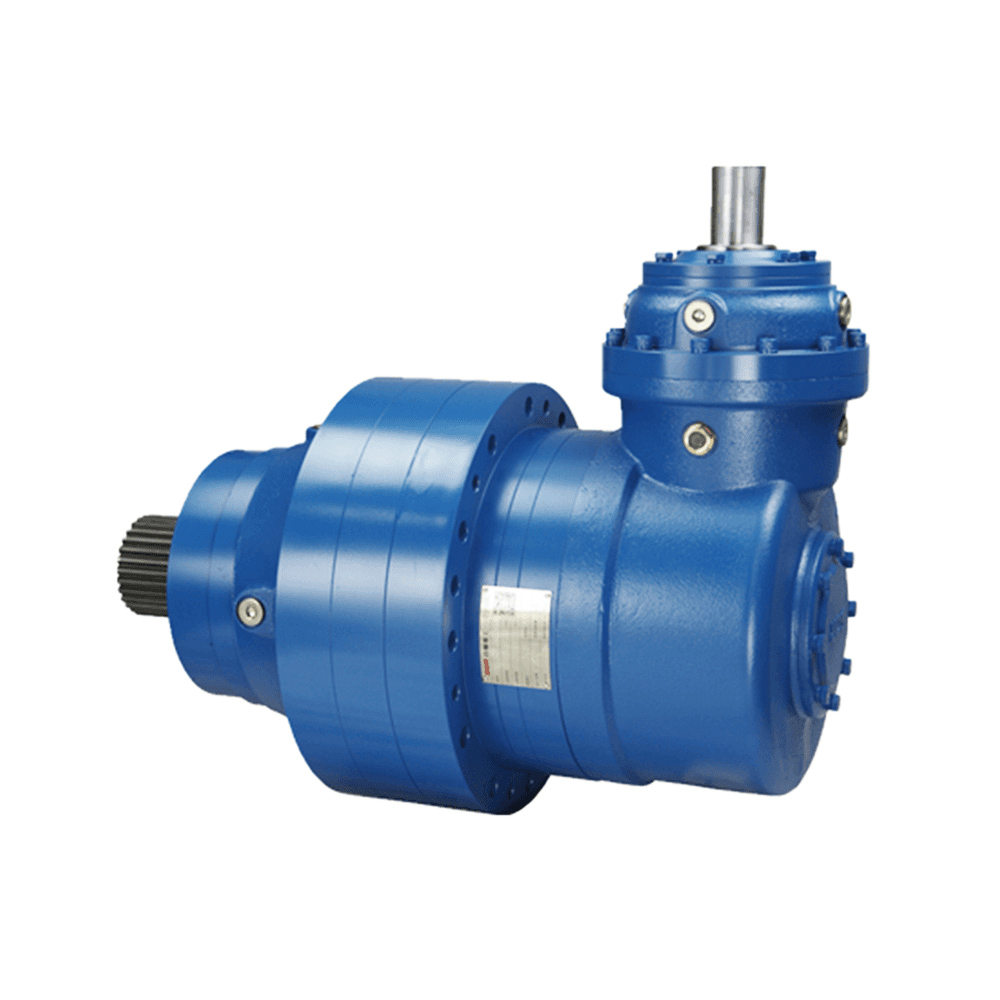
Product Info: The MNC3E400 series high speed and high torque industrial planetary gear reducers are ...
See Details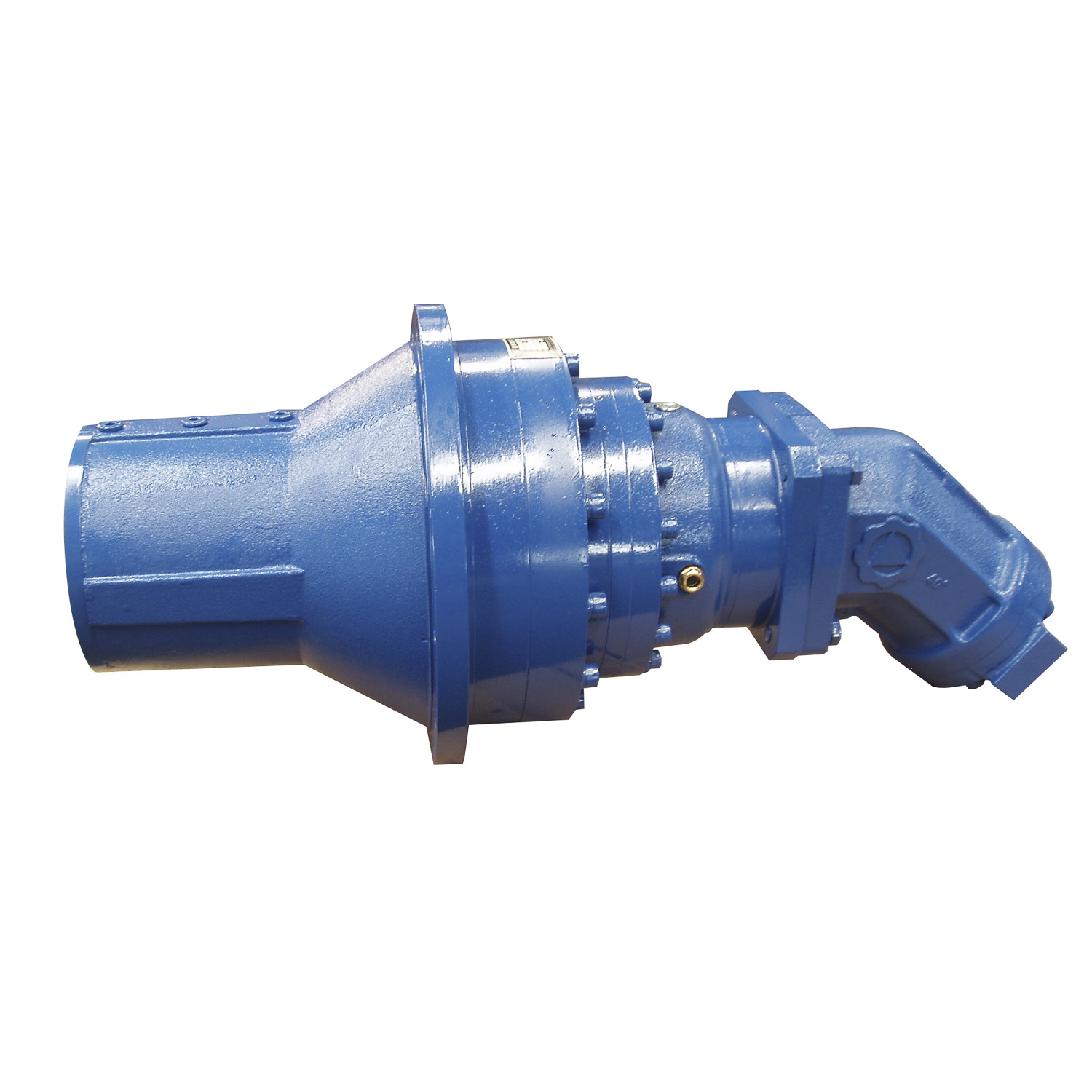
Key feature:Planetary gearbox is produced by modular design, and can be combined according to client...
See Details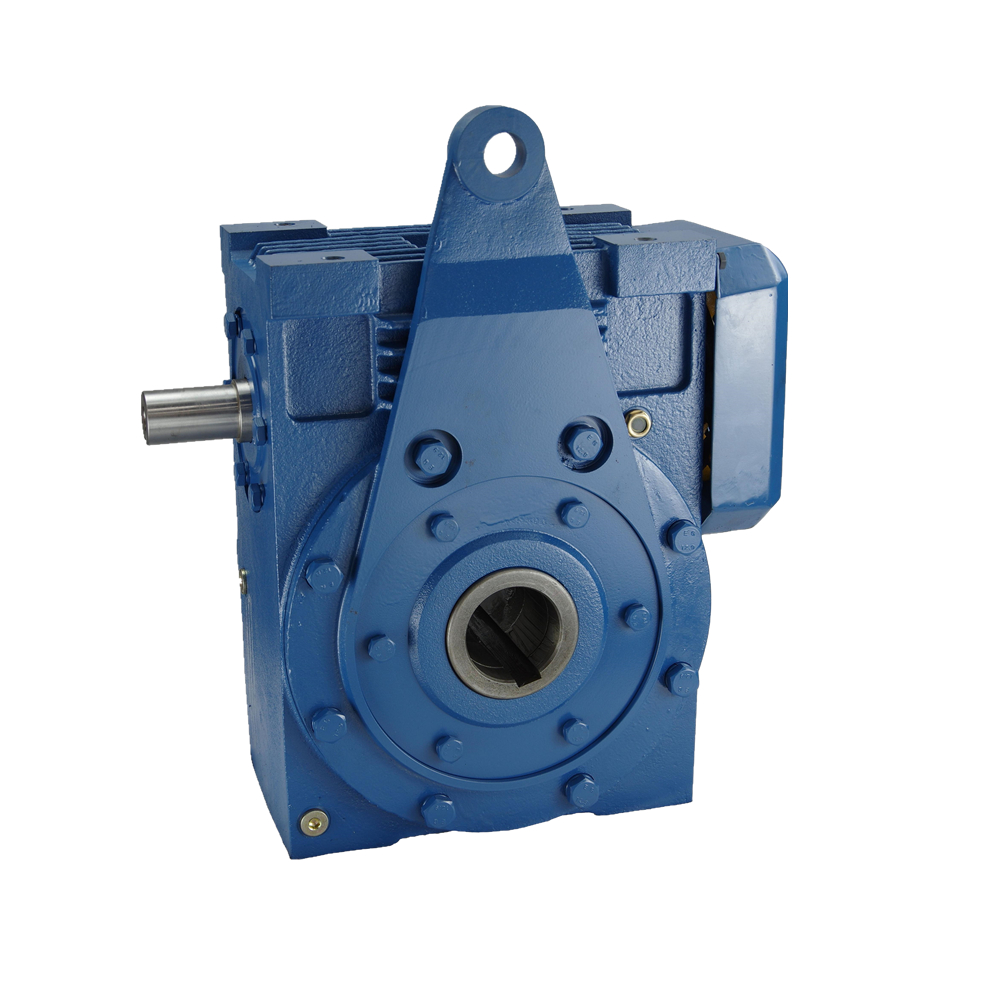
Product Description 1, High torque double enveloping worm gear adjust toughest working condition .2,...
See Details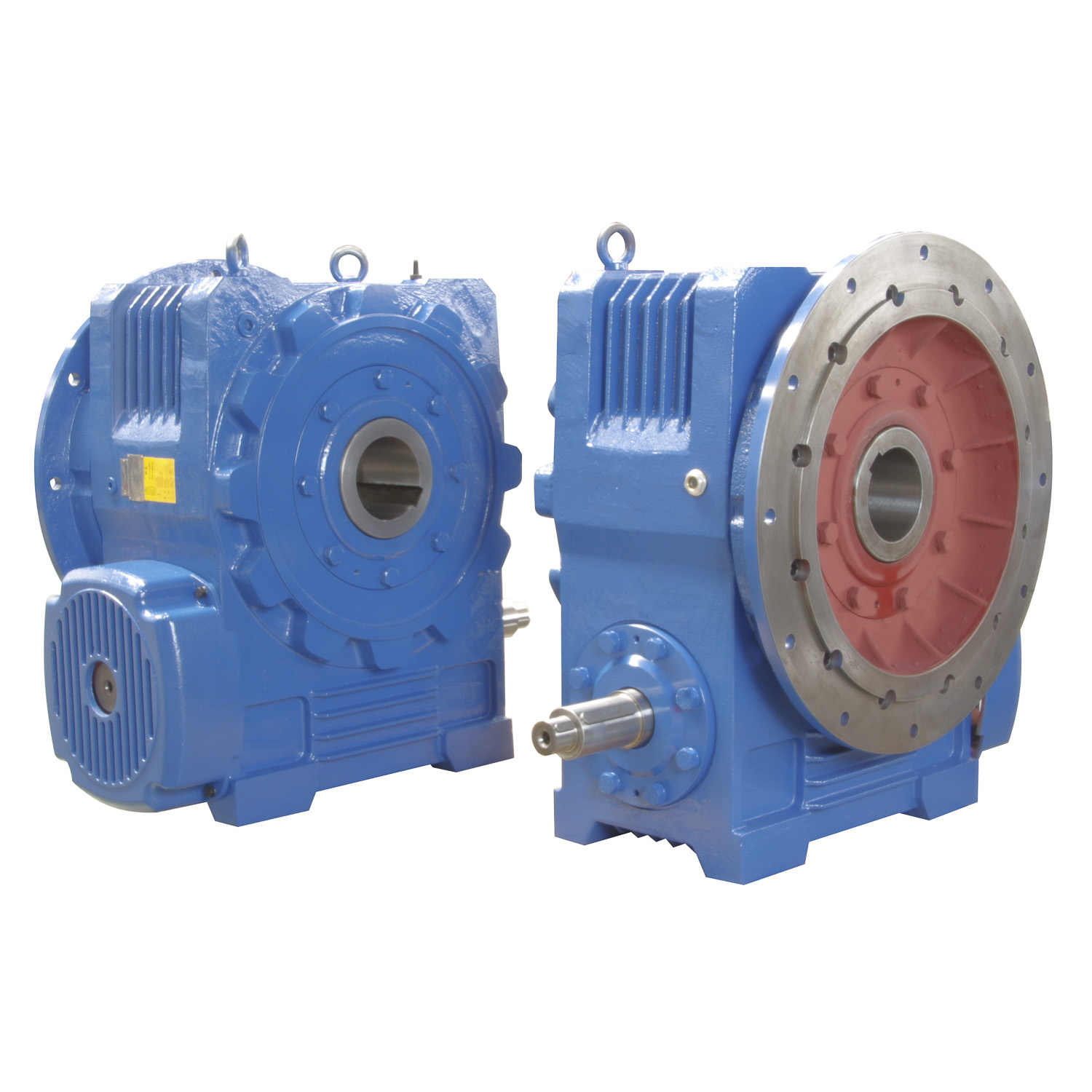
In term of difference of double enveloping worm gear design and traditional worm gear design , do...
See Details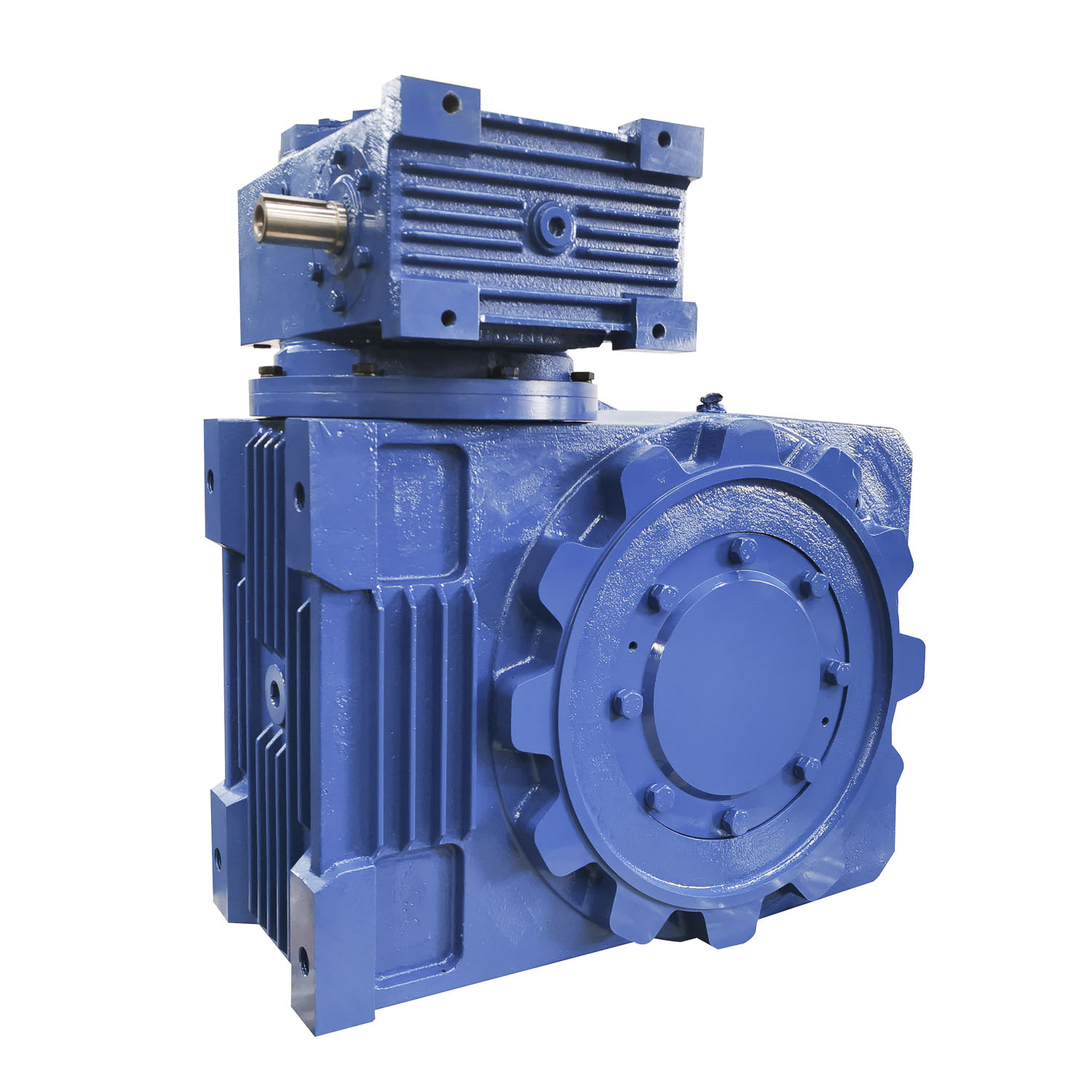
Parameters of SGR's Cast Iron Reducer Double Enveloping Worm Gearbox: Output Torque : 683 - 51180 N....
See Details
Planetary gearbox is produced by modular design, and can be combined according to client's request H...
See Details
SGR is an ISO 9001 certified, DNV-accredited industry gearbox manufacturer since 1996. We supply different gear reducers to brands worldwide.

