Global
  English
 中文简体
中文简体 русский
 Español
News Directory
Industrial machinery, robotics, and automotive systems all rely on components that can transmit high torque within a compact footprint, and few mechanical assemblies do this as effectively as a planet gearbox. This guide walks through how these gear systems work, the types available, and what to weigh when selecting one for a demanding application.
A planet gearbox, also called a planetary gearbox, is a gear reduction or gear increase mechanism built around three core components: a central sun gear, a set of planet gears that orbit around it, and an outer ring gear with internal teeth that the planet gears mesh against. The planet gears are held in place by a rotating carrier, and depending on which component is fixed, which is driven, and which is the output, the assembly can produce a wide range of reduction ratios within a very compact housing.
The planetary gear system structure is what gives this design its defining characteristics. Because multiple planet gears share the transmitted load simultaneously, rather than a single pair of gears carrying the entire torque as in a simple gear train, the load is distributed across several contact points at once. This sun gear planet gear ring gear arrangement is central to how torque transmission gearbox systems achieve high capacity without requiring a proportionally large housing. The result is a compact gear reduction mechanism that fits into applications where space is limited but torque demands are high.
Planet gearboxes are categorized primarily by the number of reduction stages, their shaft orientation, and the precision level required for the application.
A single stage planetary gearbox uses one set of sun, planet, and ring gears to achieve a moderate reduction ratio. This configuration is compact and efficient, and it is typically chosen when the required ratio falls within the range a single gear set can practically deliver.
A multi stage planetary gearbox connects two or more planetary gear sets in series, with the output of one stage driving the input of the next. This allows for much higher overall reduction ratios than a single stage design, though it adds length and some additional backlash at each added stage.
An inline planetary reducer keeps the input and output shafts on the same axis, which simplifies coupling to motors and driven equipment and is one of the most common configurations in industrial automation.
A right angle planetary gearbox incorporates a bevel or hypoid gear stage to redirect power transmission by ninety degrees, which is useful when space constraints or layout requirements do not allow for an inline arrangement.
A precision planetary gear unit is manufactured to tighter tolerances specifically to minimize backlash and positioning error, making it suitable for motion control and robotics applications where accuracy matters as much as torque capacity.
Planet gearboxes appear across a wide range of industries wherever a combination of high torque, compact size, and reliable power transmission is required.
Industrial automation machinery uses planetary gearboxes extensively in servo-driven axes, indexing tables, and packaging equipment, where precise motion control and repeatable positioning are essential. Robotics drive systems depend on planetary gearboxes for joint actuation, since robotic arms need high torque density in a small housing to keep the overall arm lightweight and responsive. Conveyor belt systems gearbox applications favor planetary designs when a compact drive unit needs to handle variable loads over long operating hours. Automotive transmission systems use planetary gear sets inside automatic transmissions to achieve multiple gear ratios without a large number of separate gear pairs. Construction machinery drive units, including those in excavators and cranes, rely on planetary final drives to deliver the high torque needed for heavy lifting and movement in compact housings mounted directly at the wheel or track.
| Application Area | Typical Use | Primary Requirement |
| Industrial automation | Servo axes, indexing tables | Repeatable positioning |
| Robotics | Joint actuation | High torque density, low weight |
| Conveyor systems | Belt drive units | Durability under variable load |
| Automotive | Automatic transmissions | Multiple ratios in compact space |
| Construction machinery | Final drives | High torque, heavy duty operation |
A well-engineered planet gearbox needs to balance torque capacity, precision, and mechanical efficiency depending on what the application demands most.
High torque density gearbox performance comes directly from the load-sharing nature of the planetary arrangement, where multiple gear meshes work in parallel rather than a single pair carrying the full load. Low backlash precision gear design matters most in motion control applications, where any rotational play between input and output translates directly into positioning error. High efficiency power transmission is influenced by gear tooth quality, lubrication, and bearing selection, since each additional stage or mesh point introduces some mechanical loss. Smooth rotation gear system behavior, meaning minimal vibration and consistent output speed, depends on manufacturing precision and proper alignment between the sun, planet, and ring gears.
Manufacturing a planet gearbox involves a sequence of precision machining, heat treatment, and assembly steps designed to achieve tight tolerances across all gear components.
The gear hobbing process cuts the tooth profiles into the sun, planet, and ring gear blanks, establishing the basic gear geometry.
Precision CNC machining gears refine tooth profiles, bores, and mounting surfaces to the tolerances required for smooth meshing.
Heat treatment gear hardening increases surface hardness and fatigue resistance so the gear teeth can withstand repeated high-torque loading.
The planetary carrier assembly step positions the planet gears on their pins or bearings and secures them within the carrier structure.
Gear alignment calibration process checks confirm correct meshing, backlash, and concentricity between the sun, planet, and ring gears.
Assembled units undergo running tests to verify smooth rotation, noise levels, and torque transmission before release.
Each of these stages contributes to the final performance of the gearbox, and skipping or rushing any step, particularly heat treatment or alignment calibration, tends to show up later as premature wear or excessive backlash in service.
Planet gearboxes are one of several gear reduction approaches, and comparing them against alternative designs helps clarify when a planetary configuration is the better choice.
A planetary vs worm gearbox comparison generally comes down to torque density and efficiency versus self-locking capability. Worm gearboxes offer strong self-locking behavior at the cost of lower efficiency, since the sliding contact between worm and wheel generates more friction than the rolling contact in a planetary gear set. A planetary vs helical gearbox comparison is somewhat different, since helical gearboxes can also achieve high efficiency, but planetary designs typically offer a smaller footprint for an equivalent torque rating because of their load-sharing gear arrangement.
Gear reducer comparison across these systems ultimately depends on the priority of the application. Where torque density comparison favors planetary designs is in space-constrained installations such as robotic joints or in-wheel drives, while worm and helical gearboxes remain common in applications where cost, simplicity, or self-locking behavior outweigh the benefits of a compact planetary layout.
Planet gearboxes are mechanically robust, but they are not immune to wear and operational issues, particularly under demanding duty cycles.
Bearing wear gearbox issues develop over time as the planet gear bearings or needle rollers experience repeated cyclic loading, and this wear can eventually increase backlash and reduce positioning accuracy. Lubrication failure gear system problems are a common root cause of premature wear, since inadequate or degraded lubricant increases friction and heat at the gear mesh points and bearing surfaces. Noise and vibration gearbox symptoms often indicate developing problems such as gear tooth wear, bearing damage, or lubrication breakdown, and monitoring these symptoms can help catch issues before a failure occurs. Misalignment planetary gears conditions, whether from installation error or shaft deflection under load, can cause uneven load distribution across the planet gears and accelerate wear on specific teeth. Overload damage gearbox situations occur when torque demands exceed the rated capacity of the unit, which can lead to tooth breakage, bearing failure, or carrier deformation in severe cases.
Selecting the right planet gearbox requires matching several technical parameters to the specific demands of the application rather than choosing based on size or cost alone.
A methodical selection process typically starts with defining the required output torque and speed, then narrowing down ratio options, and finally confirming that the mounting configuration and environmental rating suit the installation. Skipping any of these steps increases the risk of selecting a gearbox that is undersized for peak loads or mismatched to the driving motor's speed range.
Planetary gearbox technology continues to evolve alongside broader trends in automation, precision manufacturing, and materials engineering.
Compact automation drives increasingly integrate motor, gearbox, and control electronics into a single housing, reducing installation complexity while maintaining the torque density advantages of planetary designs. Smart condition monitoring gearbox systems use embedded sensors to track vibration, temperature, and lubrication condition, allowing maintenance teams to identify developing issues before they cause unplanned downtime. Low noise gear design has become a growing priority as automated equipment moves into environments shared with human workers, driving refinements in tooth profile design and manufacturing precision. Advanced material gear engineering, including improved alloy selection and surface treatments, is extending gear life and allowing higher torque ratings within the same physical envelope. Together, these developments point toward planetary gearboxes that are more intelligent, more compact, and better suited to the demands of modern automated systems.
 |
 |
A planet gearbox is a gear reduction mechanism built around a central sun gear, orbiting planet gears, and an outer ring gear, designed to transmit high torque within a compact housing.
A planetary gearbox is used to reduce speed and increase torque between a motor and driven equipment, commonly in robotics, industrial automation, automotive transmissions, and heavy machinery.
A planetary gear system works by having planet gears mesh simultaneously with a central sun gear and an outer ring gear, with the carrier, sun gear, or ring gear serving as input, output, or fixed element depending on the configuration.
Advantages of a planetary gearbox include high torque density, compact size relative to torque capacity, coaxial shaft alignment, and load sharing across multiple gear meshes.
Neither is universally better, since planetary gearboxes generally offer higher efficiency and torque density, while worm gearboxes provide self-locking behavior that is useful in specific holding applications.
The service life of a planetary gearbox depends on factors such as load conditions, lubrication maintenance, and alignment, with properly maintained units generally providing long operational life under rated conditions.
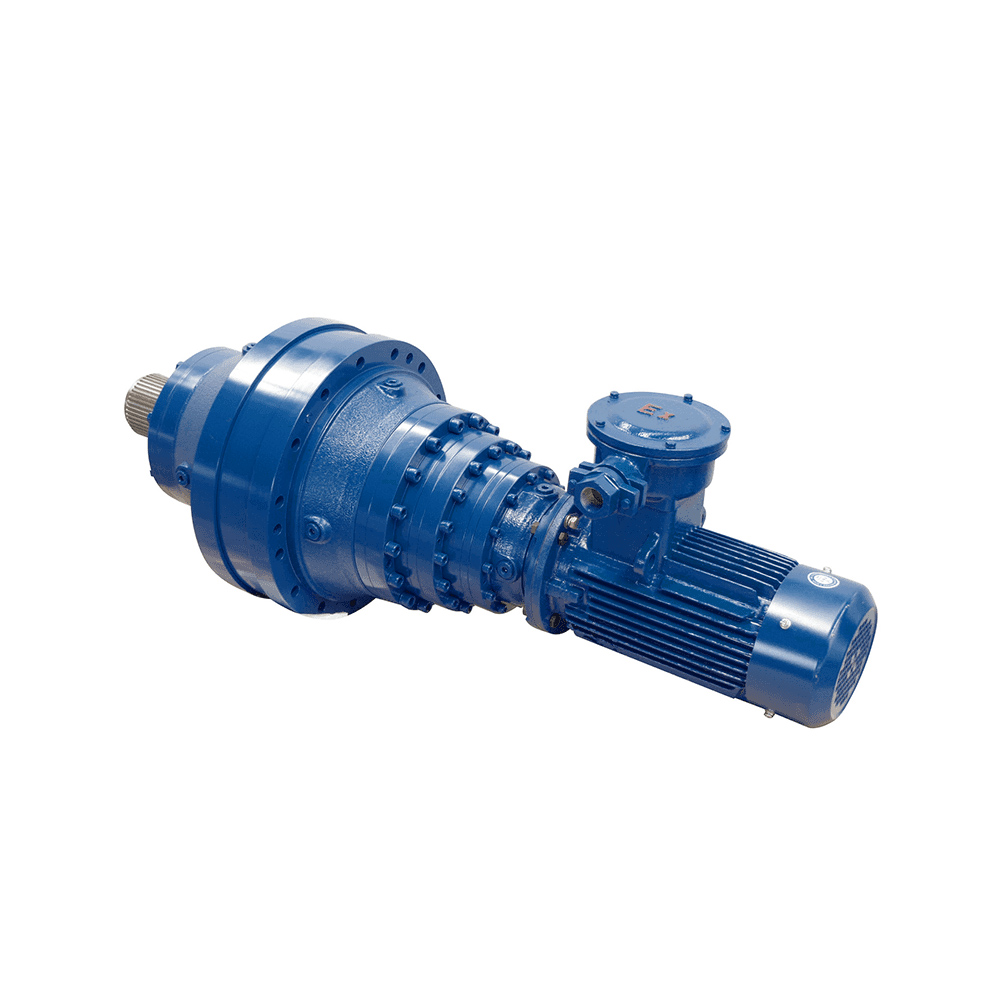
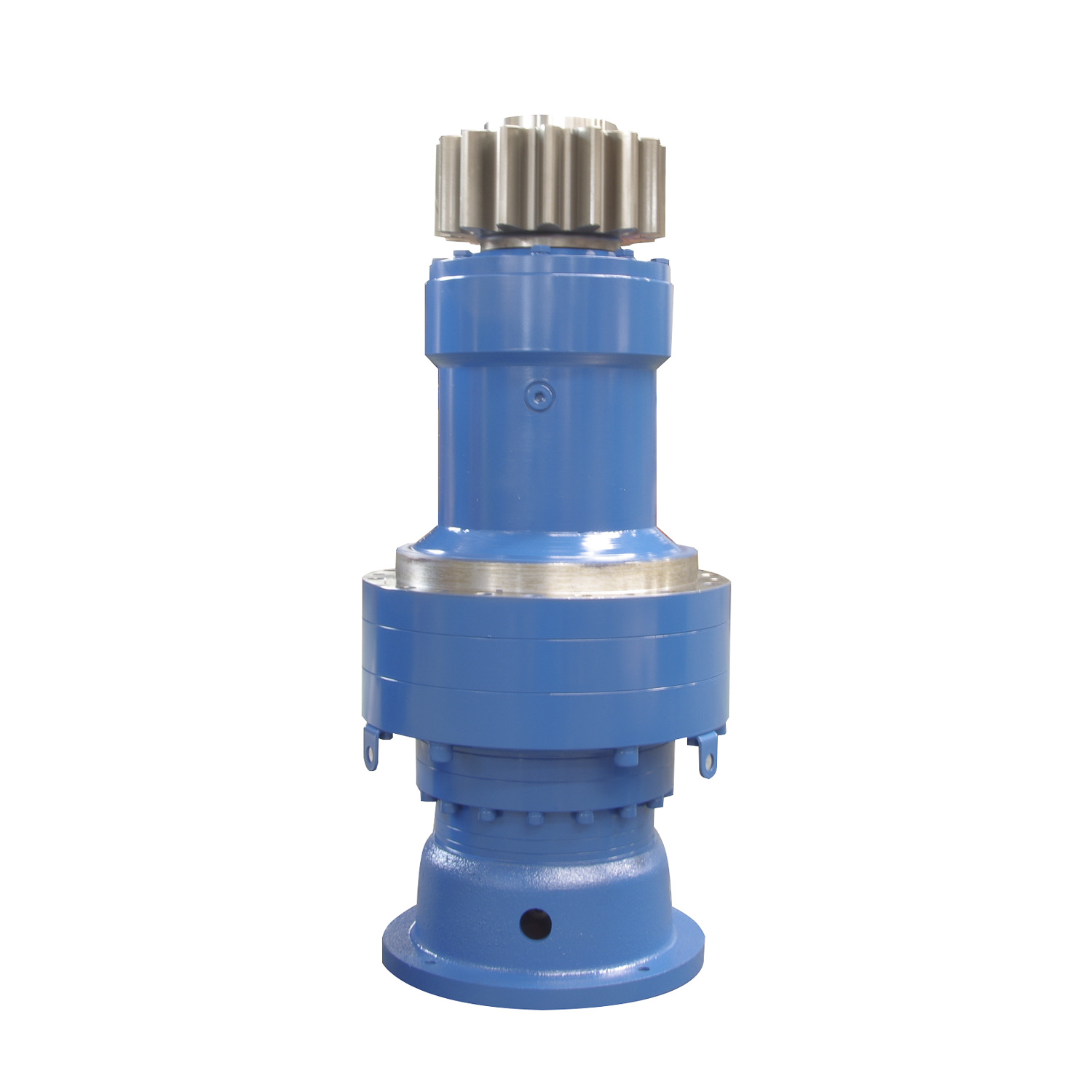
SGR's N Series high torque coaxial planetary gearbox Input forms: N standard shaft input, MN flange ...
See Details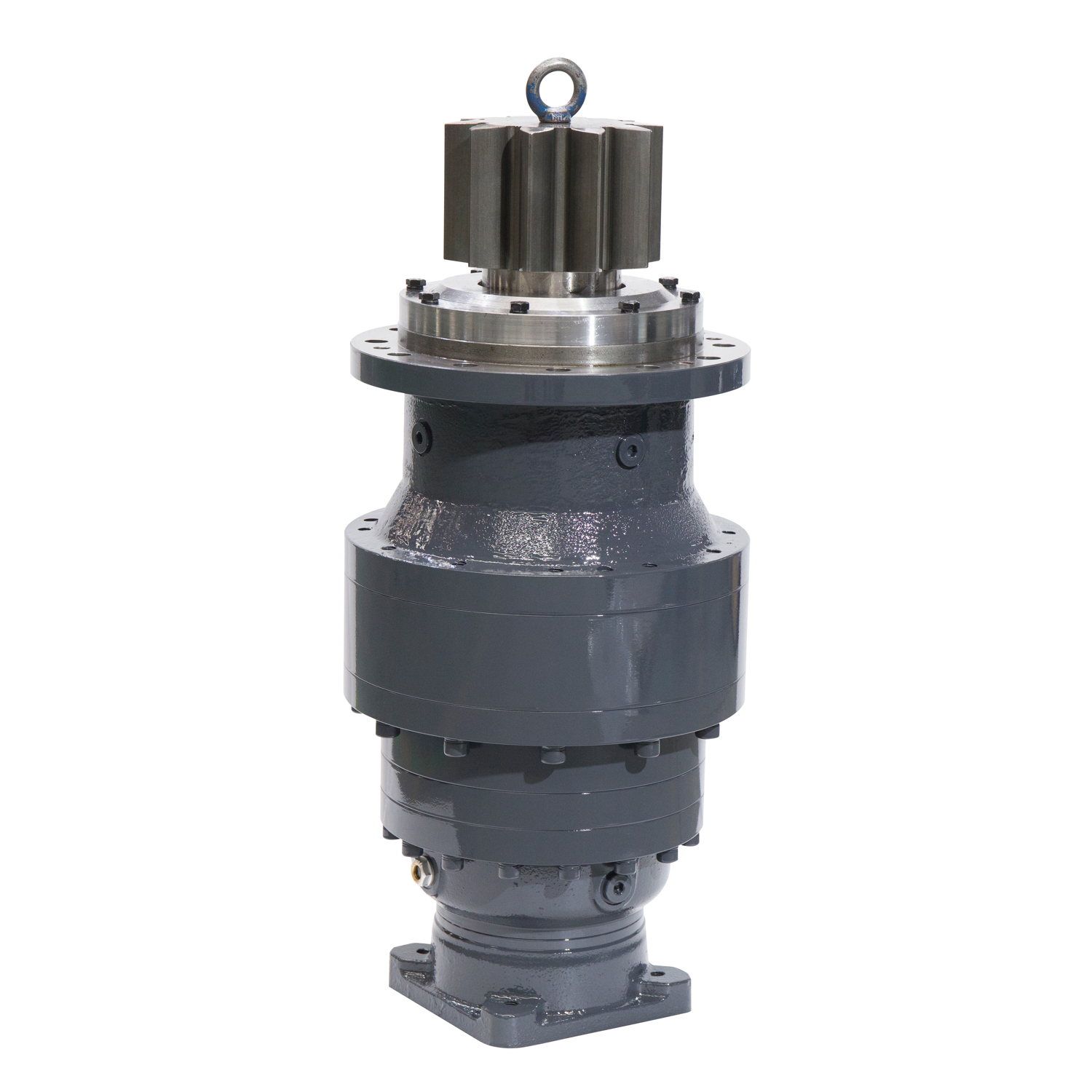
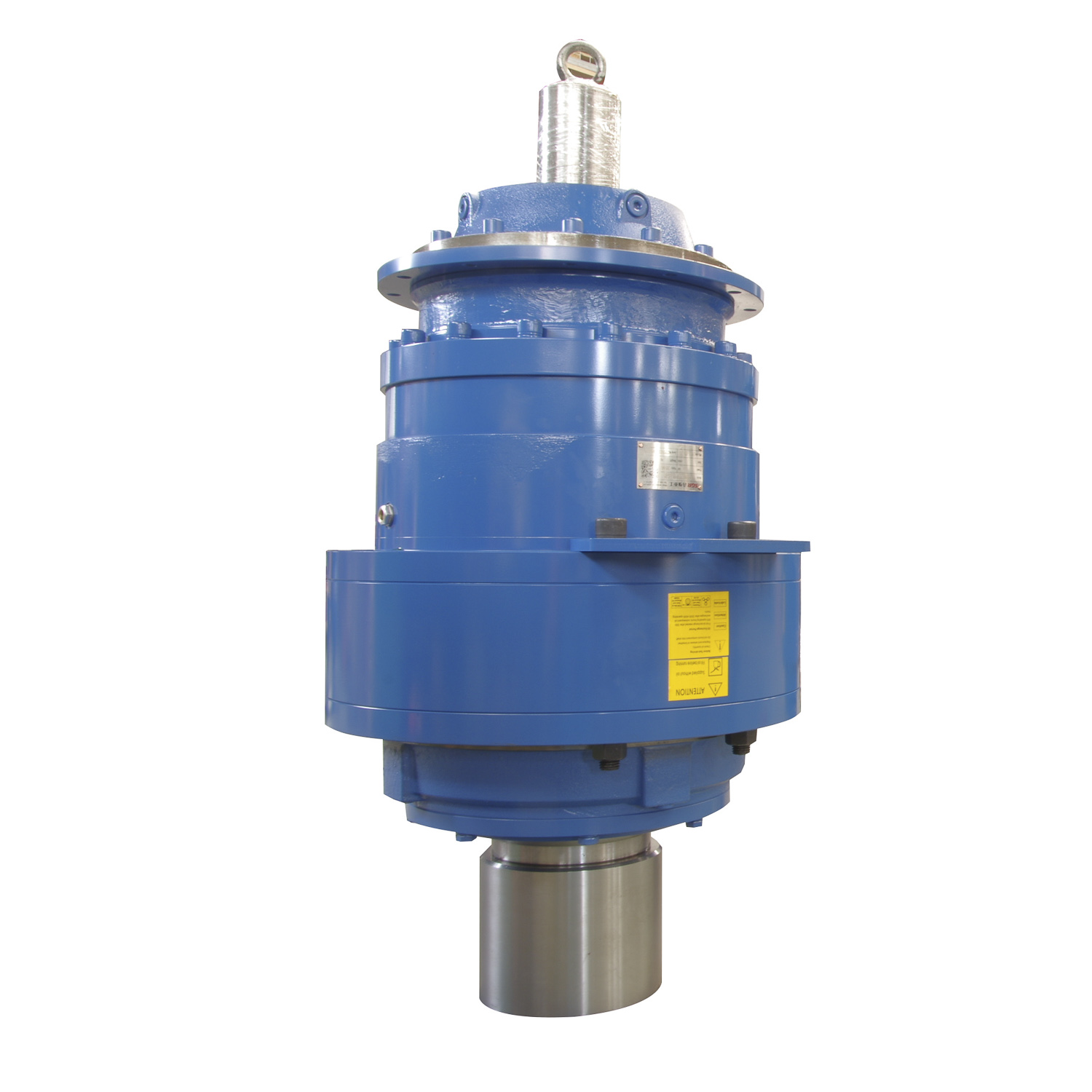
Model: 200-885Ratio: 3.15-7800Output Torque :1500Nm-540000NmRating Power :0.25KW-200kwDescription : ...
See Details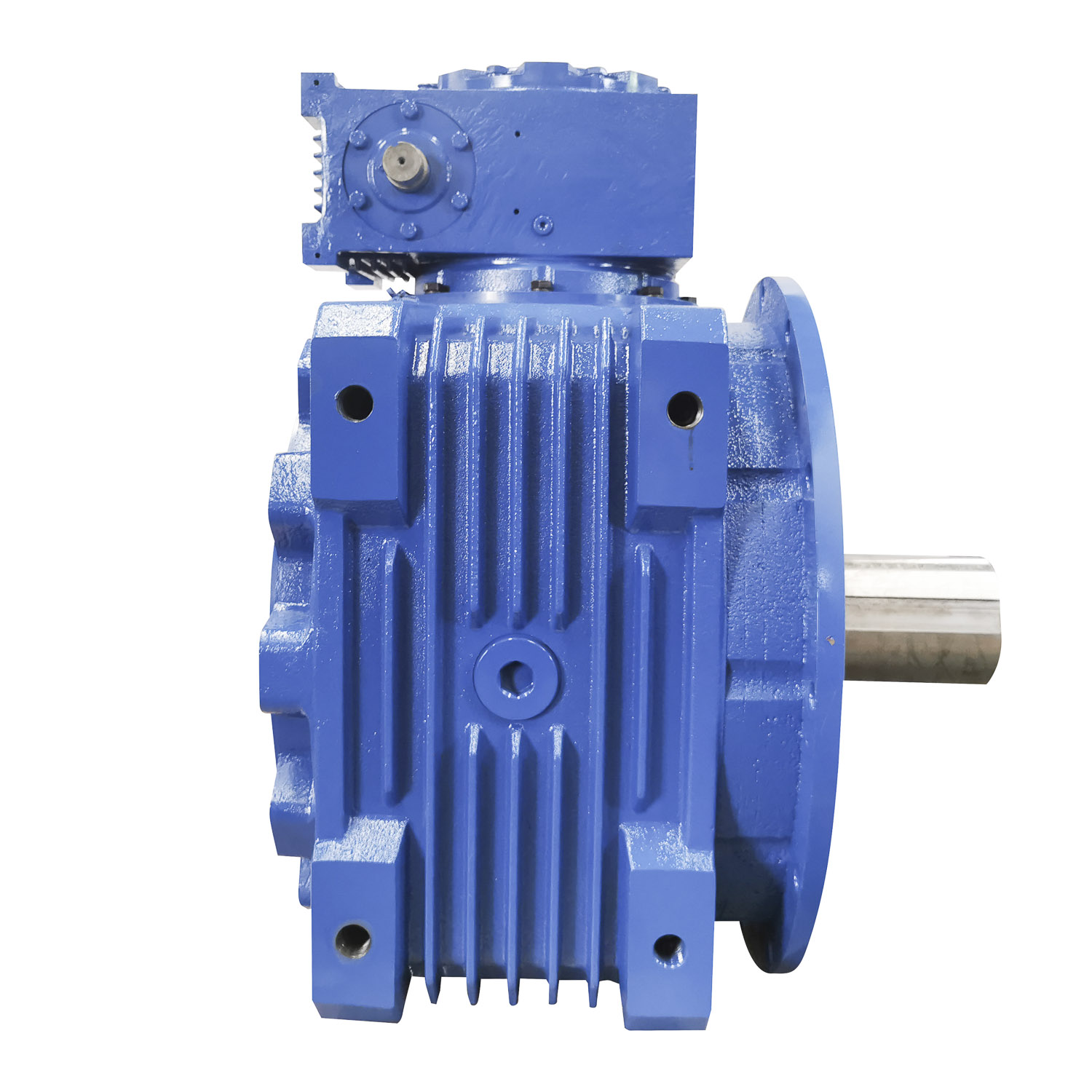
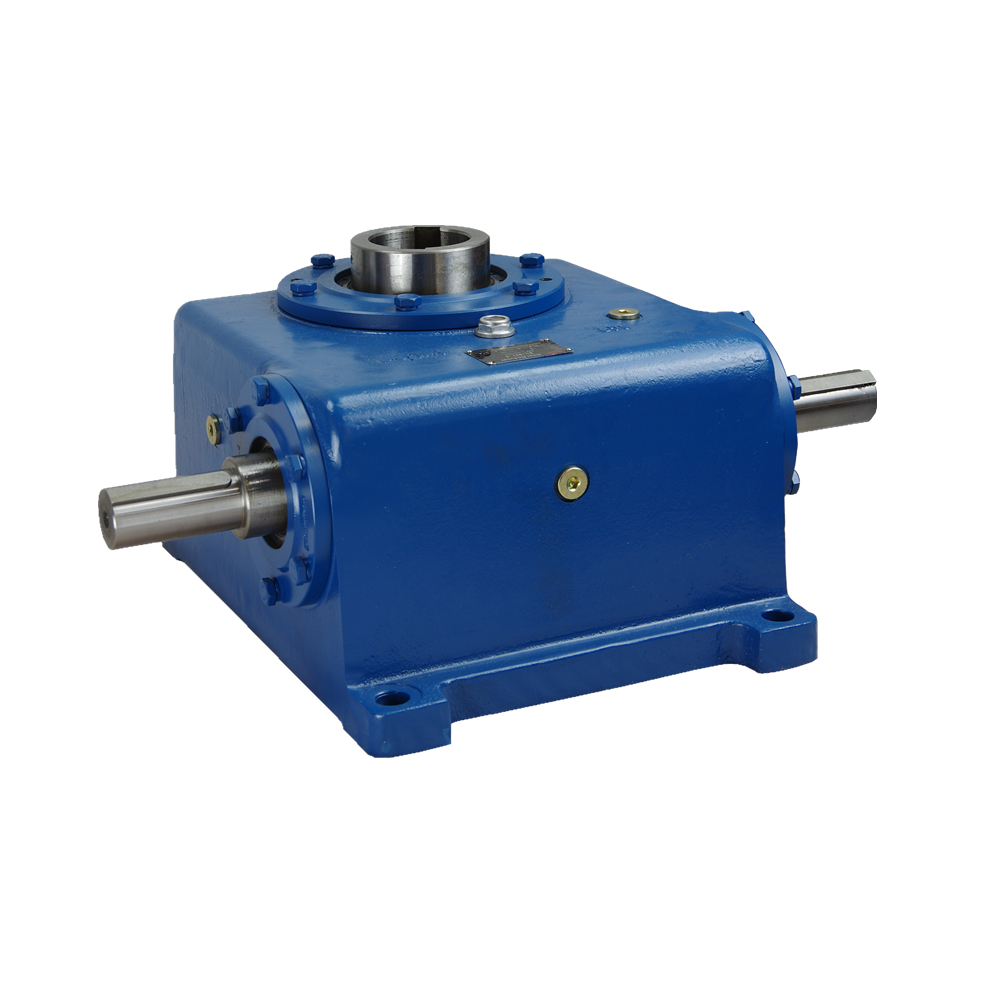
Description :1, High torque double enveloping worm gear adjust toughest working condition .2,Univers...
See Details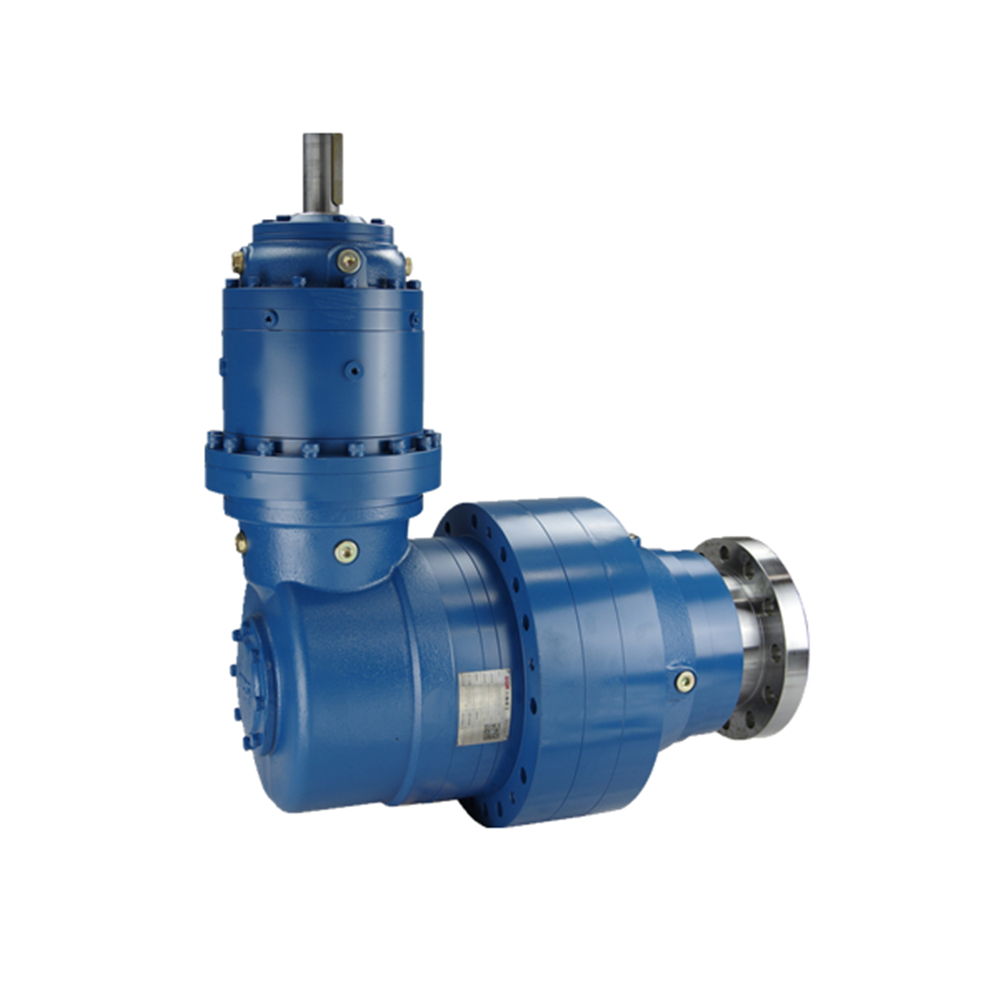
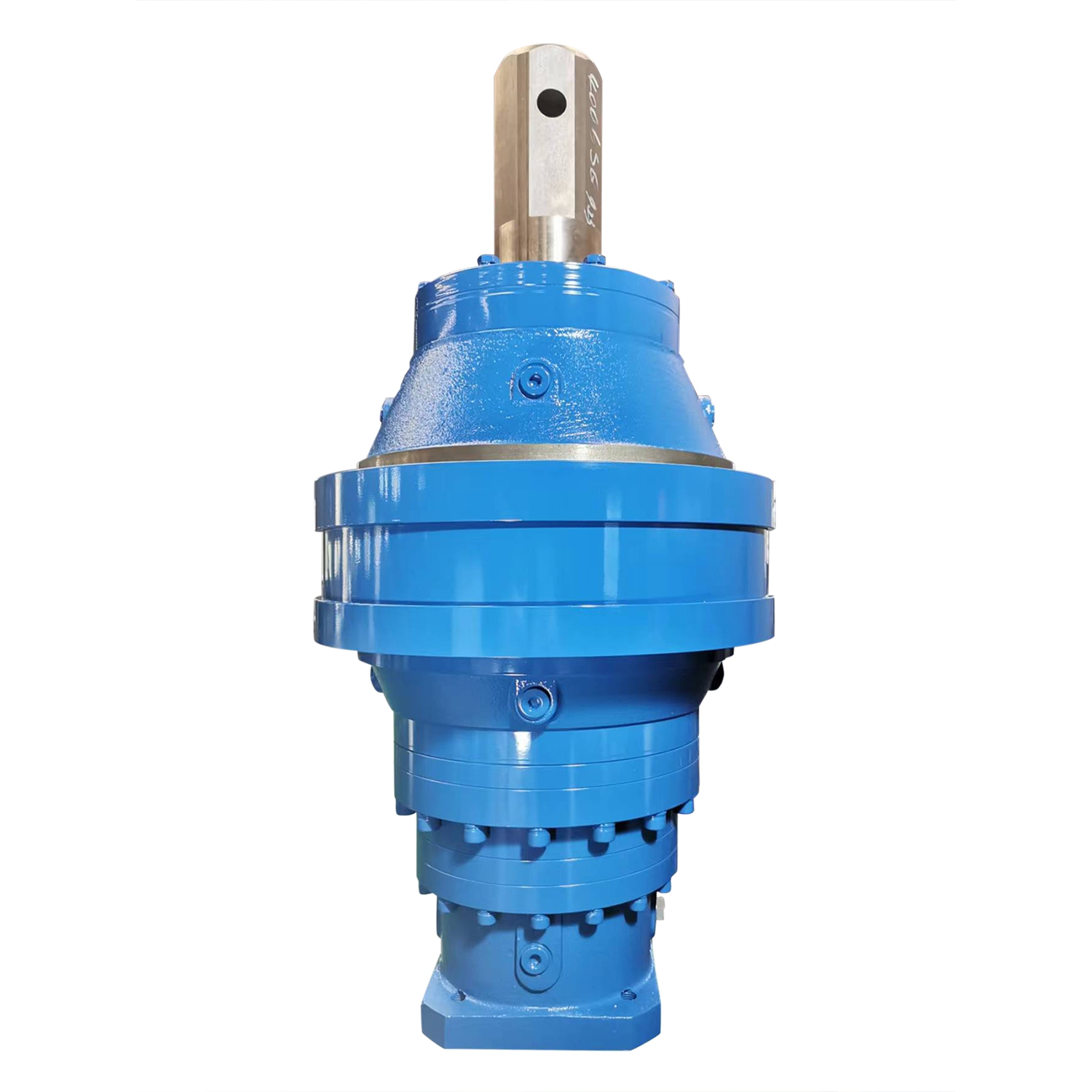
Technical data: 1. Ratio range: 3.15-30002. Input power: 0.25-55KW3. Permit torque rang: ≤ 200000N. ...
See Details
SGR is an ISO 9001 certified, DNV-accredited industry gearbox manufacturer since 1996. We supply different gear reducers to brands worldwide.