Global
  English
 中文简体
中文简体 русский
 Español
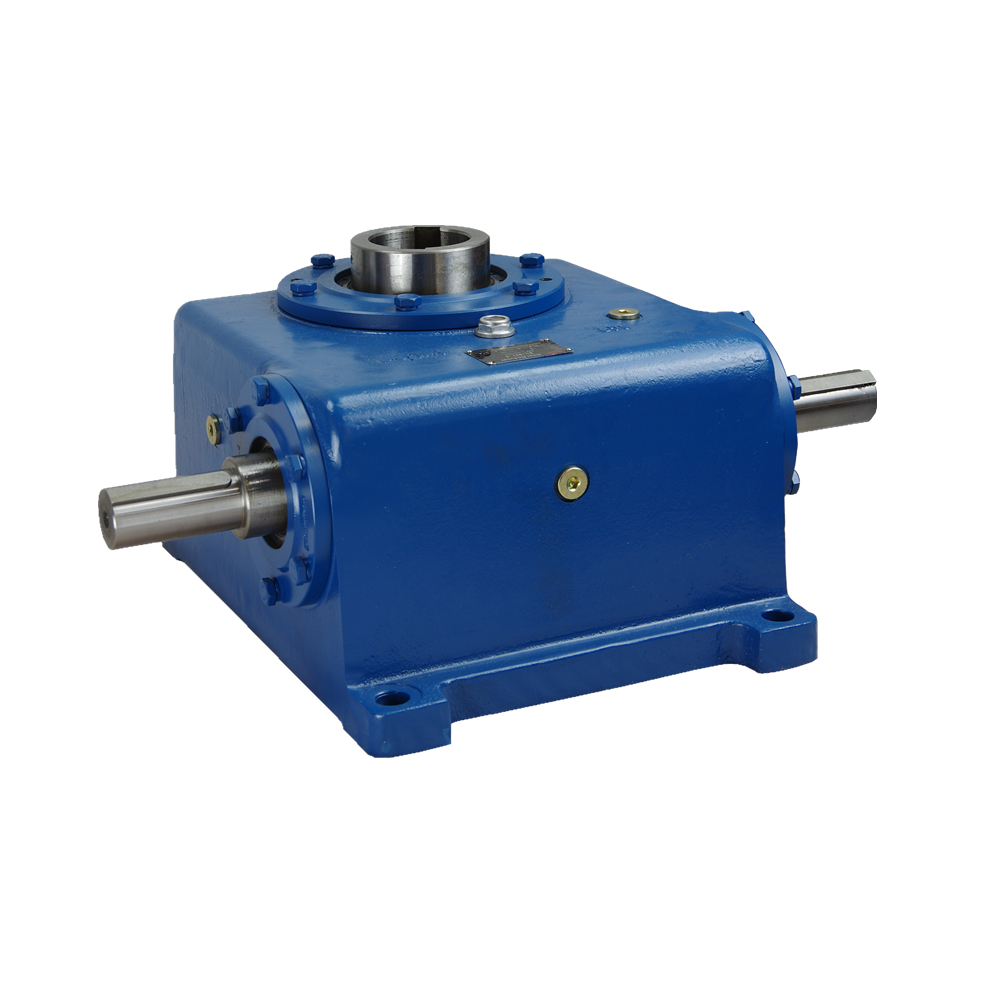
Product Description Series C double enveloping worm gearModel: 100 - 500Ratio: 10 -63Output Torque ...
See Details
News Directory
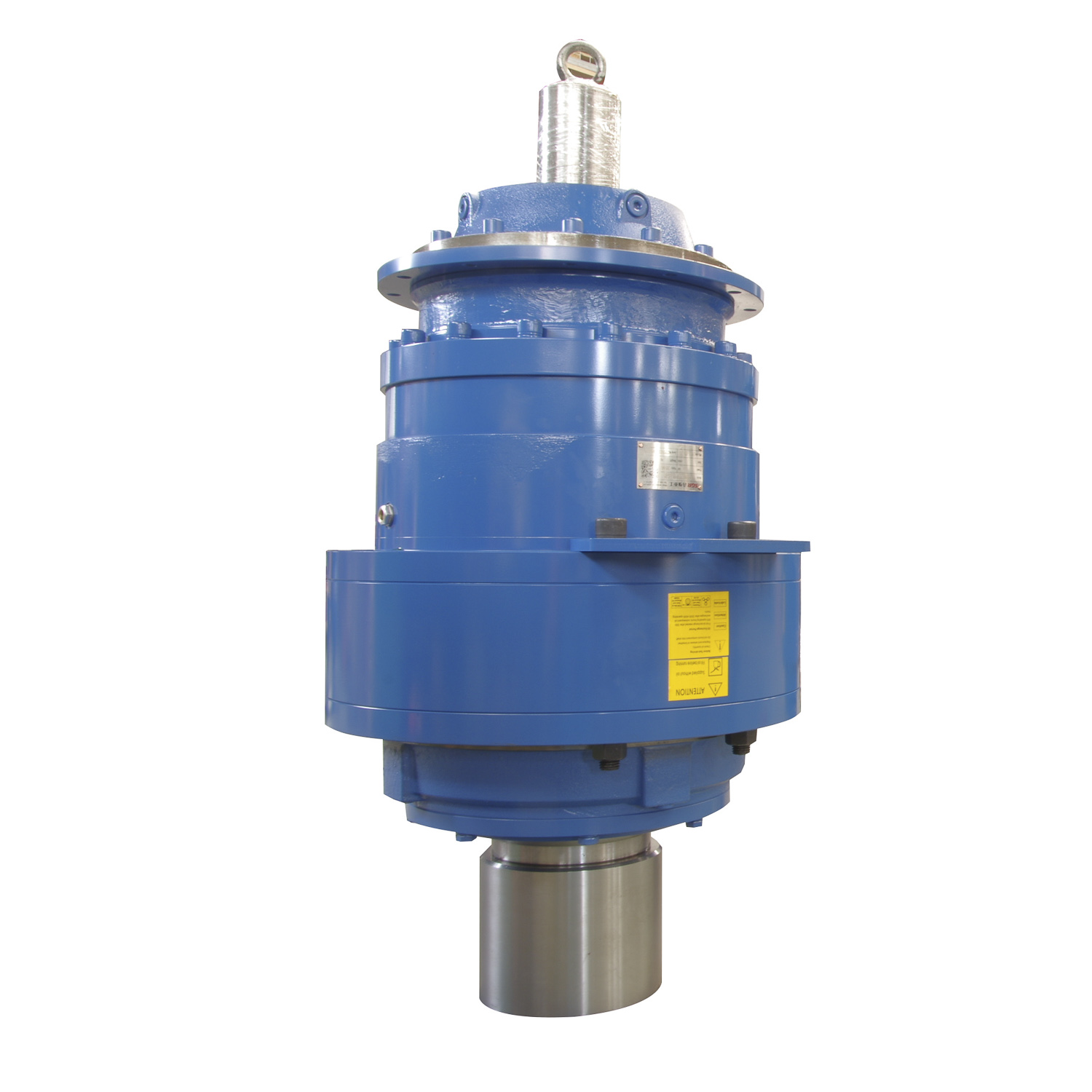
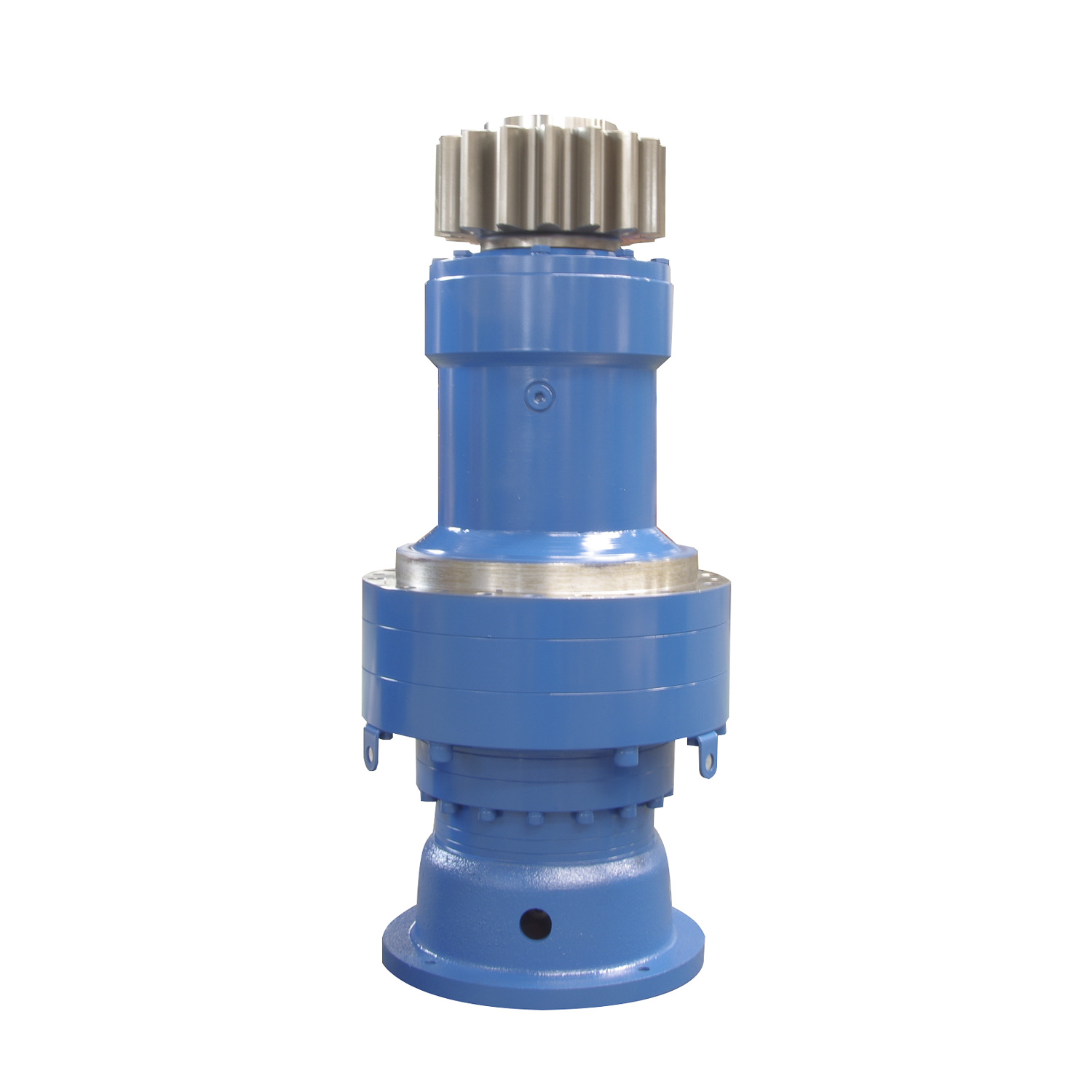
As industries push toward higher efficiency, greater power density, and more demanding operational environments, the role of the high-speed reduction gearbox has become increasingly critical.
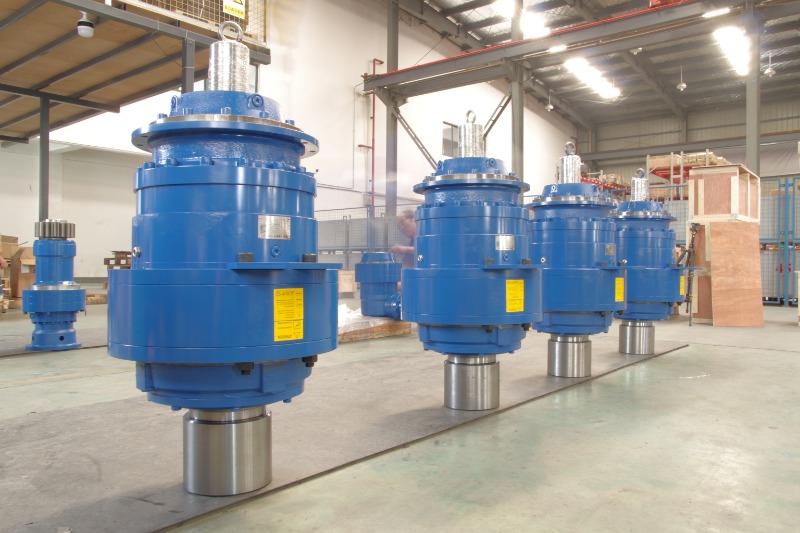
At SGR , we have specialized in the design and manufacture of high-performance high-speed reduction gearboxes for over 15 years. Our solutions are trusted across global markets—from drilling rigs in Argentina to wind turbines in Germany and mining equipment in Australia.
This article outlines the core functions, technical advantages, selection criteria, and maintenance best practices for high-speed reduction gearboxes, with insights drawn from SGR’s two decades of engineering experience.
A high-speed reduction gearbox is engineered to reduce input speed while significantly increasing output torque, enabling heavy machinery to operate efficiently under extreme loads. Unlike standard gearboxes, high-speed variants are optimized for applications where the input shaft rotates is high, yet must deliver stable, controlled output—often in compact spaces.Key functional characteristics include:
These gearboxes are commonly deployed in electric-drive drilling rigs, hydraulic motor systems, wind turbine pitch/yaw drives, tracked construction machinery, agricultural harvesters, and mining conveyors—all environments where reliability under stress is non-negotiable.
SGR’s N-series high-speed reduction gearbox stands out in the global market due to its robust engineering and application-specific optimization:
Choosing the right high-speed reduction gearbox requires more than matching torque and speed specs. Consider these critical factors:
Assess duty cycle, peak vs. continuous load, ambient temperature, and exposure to contaminants. A gearbox rated for “continuous” duty in a lab may fail in a dusty mine without proper sealing.
Always apply an appropriate service factor (typically 1.2–2.0) based on load type (uniform, moderate shock, heavy impact). Under-sizing leads to premature failure.
Not all gearboxes handle >3,000 RPM reliably. Verify the manufacturer’s max input speed rating—especially for direct-coupled electric or hydraulic motors.
Ensure compatibility with motor flanges (IEC/NEMA), output interfaces (hollow shaft, solid shaft, splined), and spatial constraints. SGR offers modular configurations for seamless integration.
For marine, energy, or safety-critical applications, verify relevant certifications (e.g., DNV, RS, ATEX). Also evaluate the supplier’s technical support and spare parts availability—especially for overseas projects.
Even the highest-quality gearbox requires proper care. SGR recommends the following maintenance protocol:
Use only high-grade synthetic gear oils. Check oil level monthly; change oil after 500 hours (initial run), then every 3,000–5,000 hours. Monitor for discoloration, water ingress (milky appearance), or metal particles.
Bearing temperature should not exceed 40°C above ambient. Use infrared thermometers or installed sensors. Unusual vibration (>4.5 mm/s RMS) often signals misalignment, bearing wear, or gear damage.
Clean or replace air breathers every 6 months to prevent pressure buildup and moisture ingress. Inspect shaft seals for leaks—especially in washdown or outdoor environments.
For critical applications,for example, offshore drilling, schedule a full inspection every 20,000 operating hours, including gear backlash measurement, bearing clearance checks, and housing integrity tests.
SGR provides detailed maintenance manuals, training, and remote diagnostic support to help clients maximize uptime.
The shift toward high-efficiency, high-reliability industrial systems has made the high-speed reduction gearbox a mission-critical component. At SGR, we combine two decades of mechanical expertise, rigorous manufacturing standards, and global application experience to deliver gearboxes that don’t just meet specifications—but exceed expectations in the field.Whether you’re designing a next-gen drilling rig or upgrading a wind farm’s pitch system, partnering directly with a capable manufacturer like SGR ensures lower total cost of ownership, faster customization, and long-term operational confidence.(Author,SGR, Angie Zhang)
WhatsApp: +86 188 1807 0282
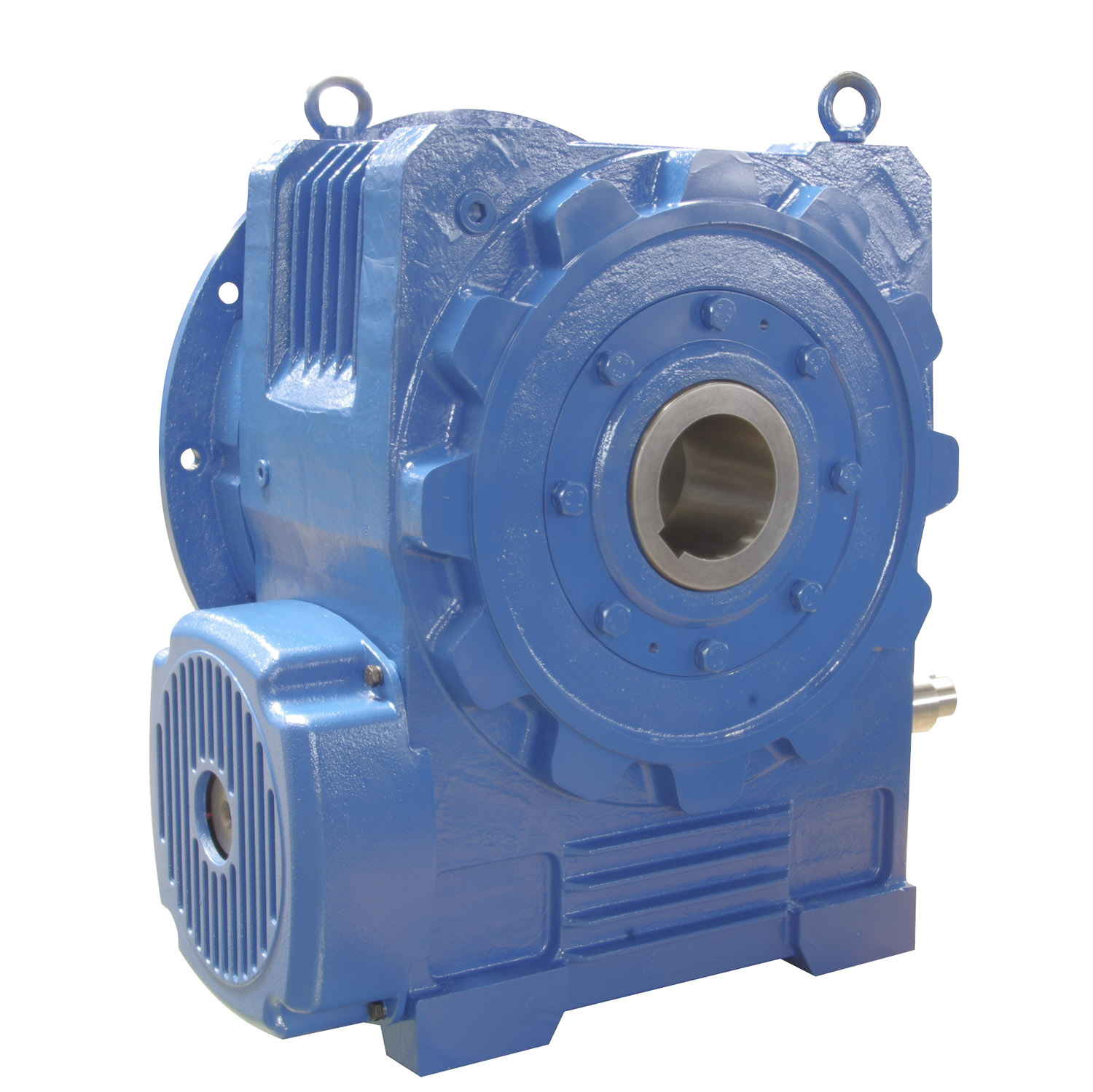
Product Description Series C double enveloping worm gearModel: 100 - 500Ratio: 10 -63Output Torque ...
See Details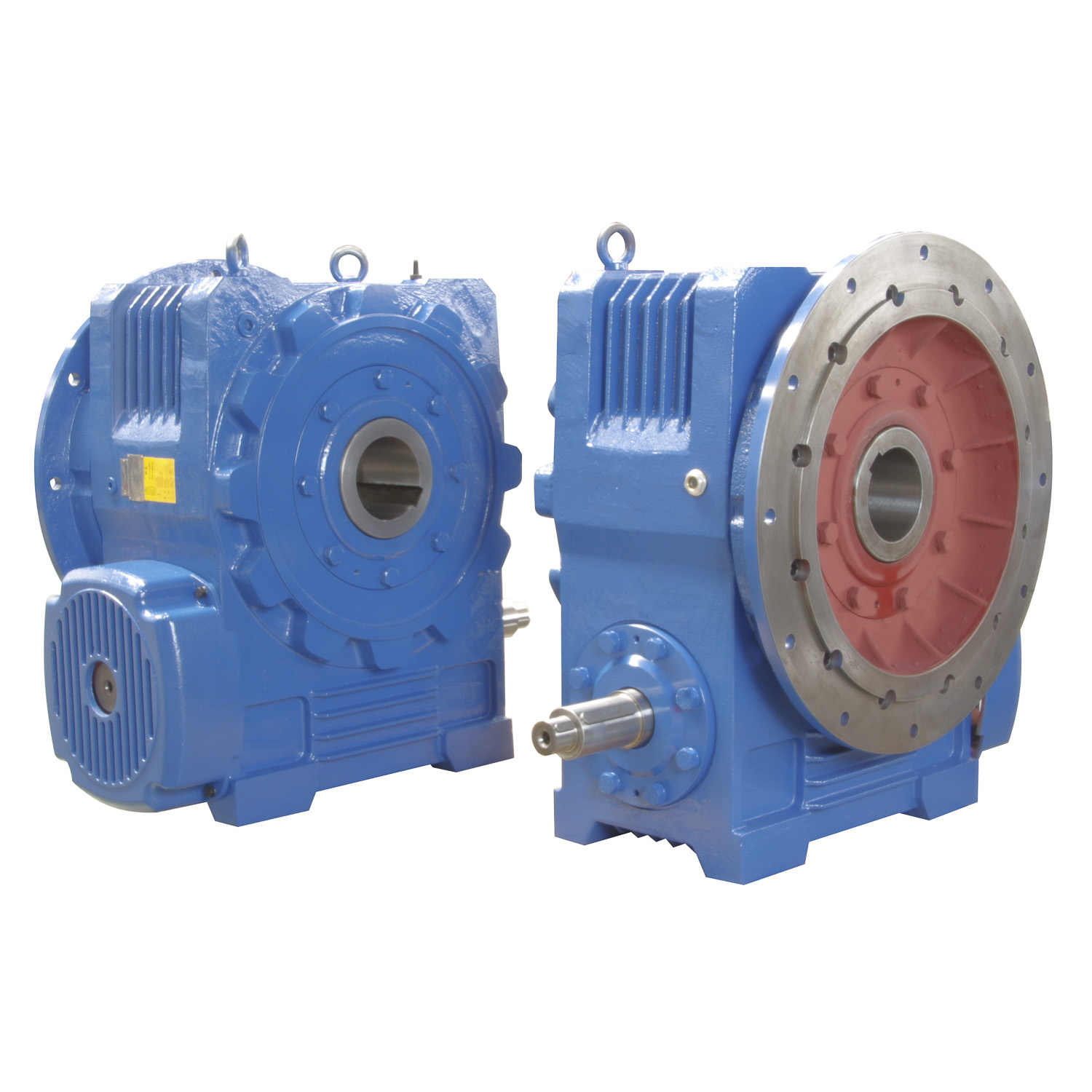
In term of difference of double enveloping worm gear design and traditional worm gear design , do...
See Details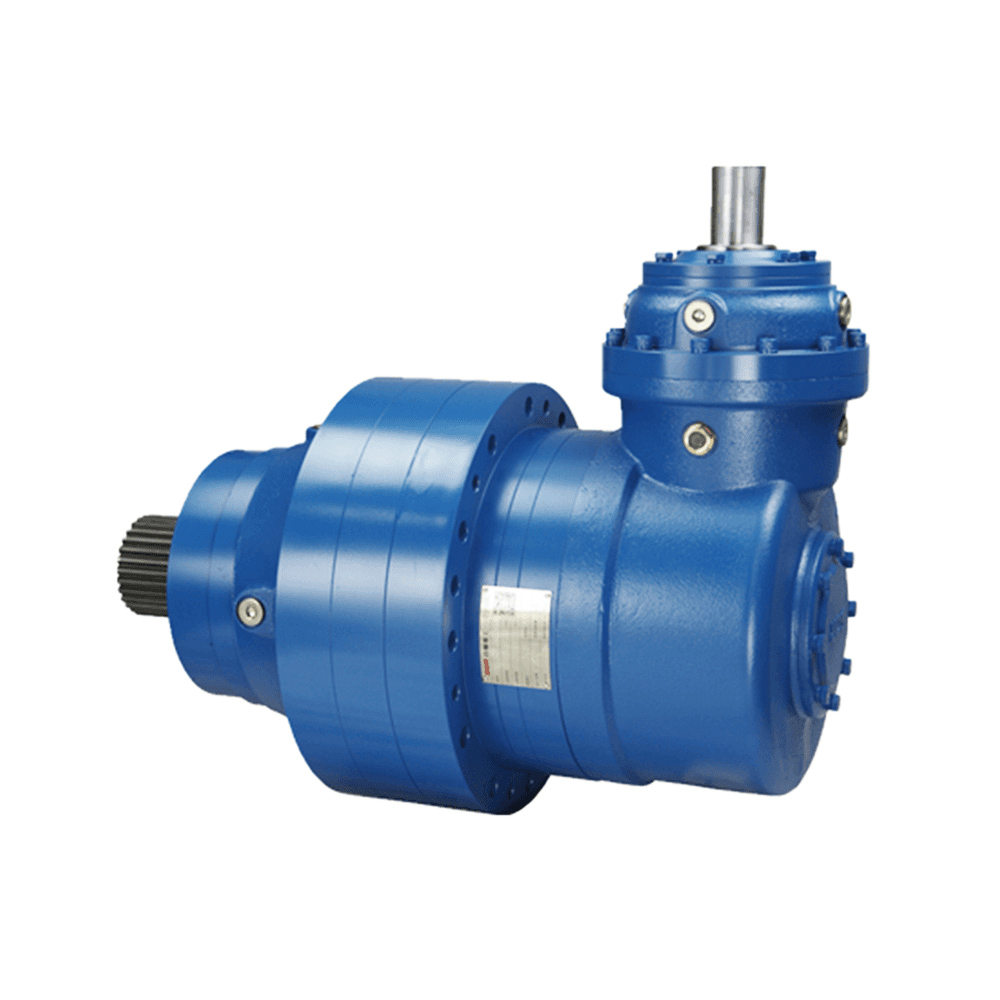
Product Info: The MNC3E400 series high speed and high torque industrial planetary gear reducers are ...
See Details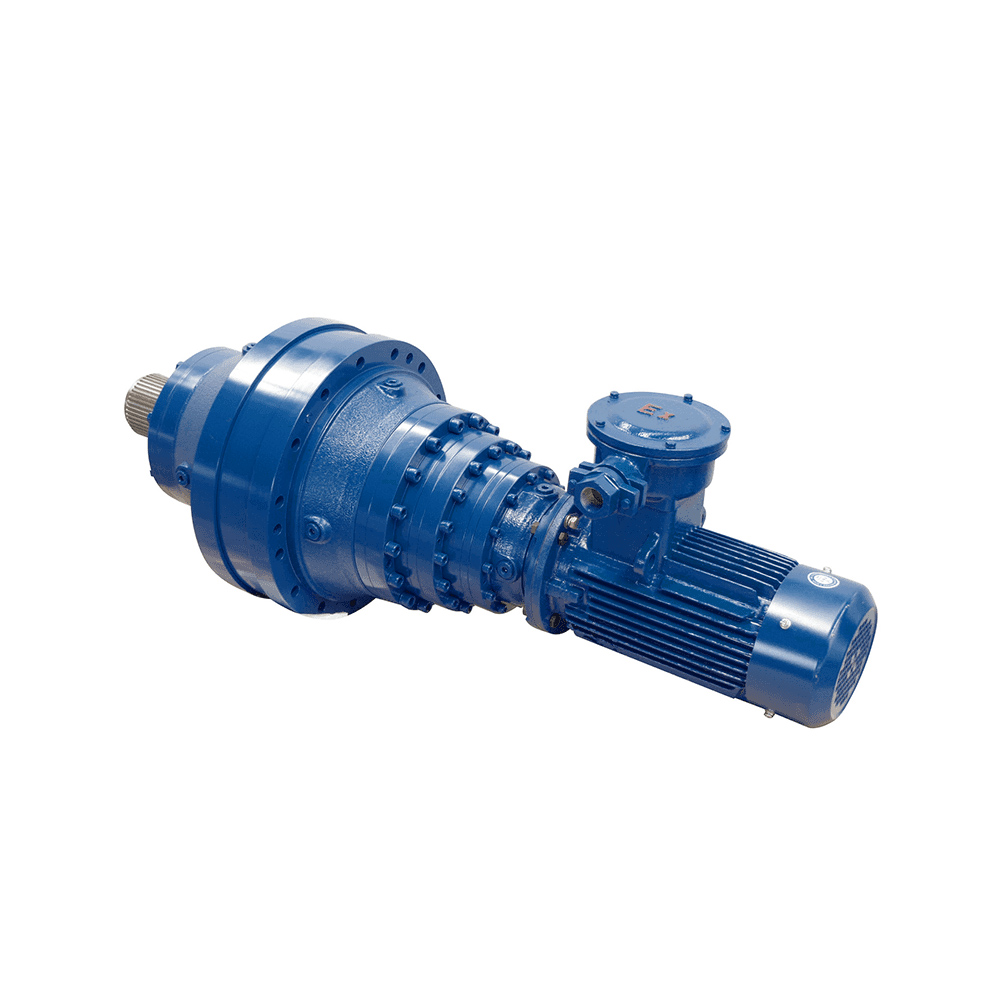
SGR's N Series high torque coaxial planetary gearbox Input forms: N standard shaft input, MN flange ...
See Details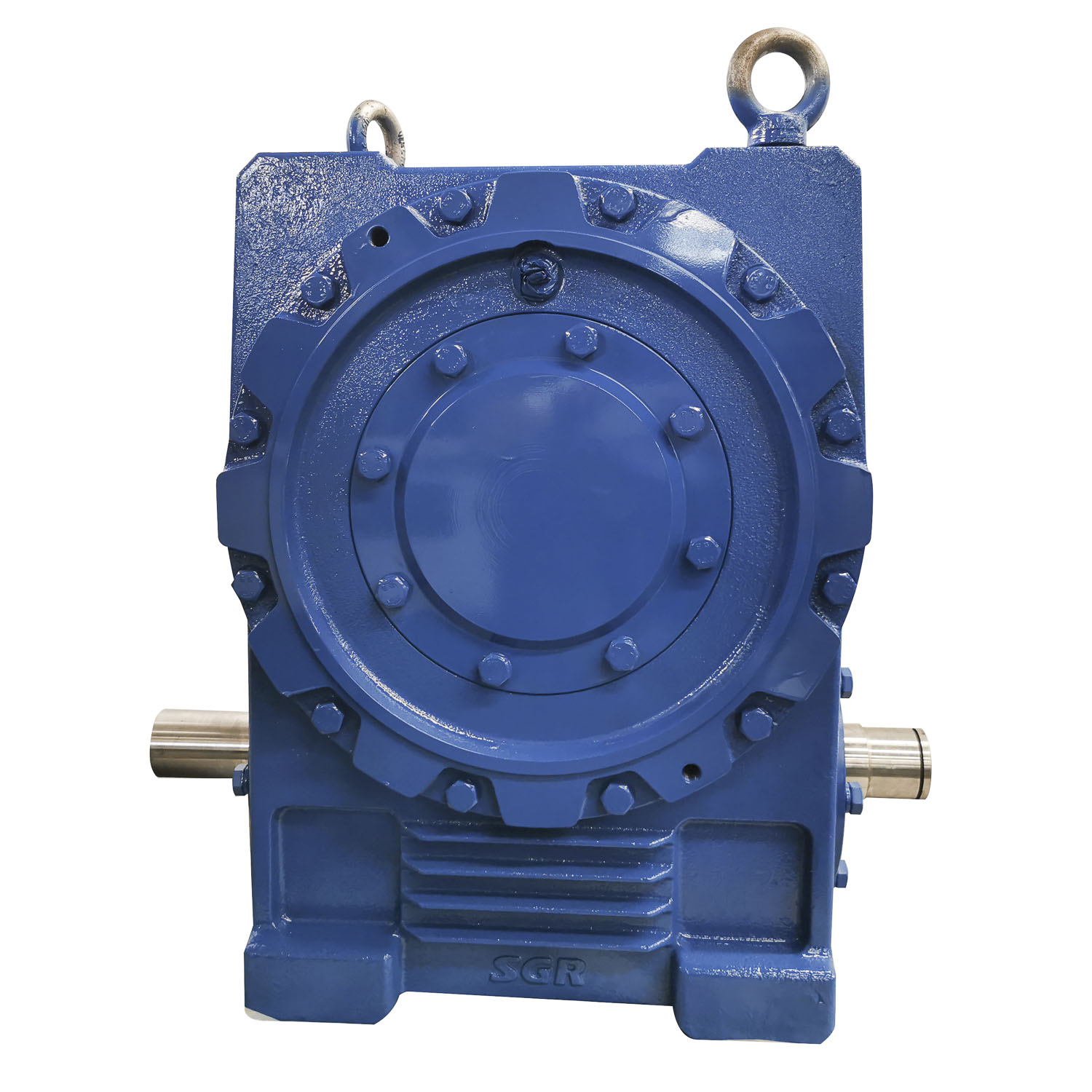
SGR's C Series double enveloping worm gear reducerModel: 100 - 500Ratio: 10 -63Output Torque : 683...
See Details
SGR is an ISO 9001 certified, DNV-accredited industry gearbox manufacturer since 1996. We supply different gear reducers to brands worldwide.