 Global
  English
 中文简体
中文简体 русский
 Español
As one of famous double enveloping worm gear manufacturers,SGR's double throated worm gear has adva...
See Details
News Directory
In the realm of heavy-duty industrial transmission, the double reduction worm gearbox is a cornerstone for achieving high torque density and extreme reduction ratios within a compact footprint. However, the inherent sliding action of worm gearing—as opposed to the rolling contact in helical gears—generates significant frictional heat. Shanghai SGR Heavy Industry Machinery Co., Ltd., a high-tech enterprise specializing in modular and low-noise gear transmission, understands the engineering complexities involved. With our PhD-led R&D team and the proprietary Planar Double-Enveloping Worm Gear Optimization Design System, we have optimized the double reduction worm gearbox to maximize efficiency. Nevertheless, preventing overheating and premature wear requires a rigorous maintenance protocol. This article explores the essential maintenance for double reduction worm gears from an engineering perspective, focusing on lubrication dynamics, thermal management, and structural alignment.
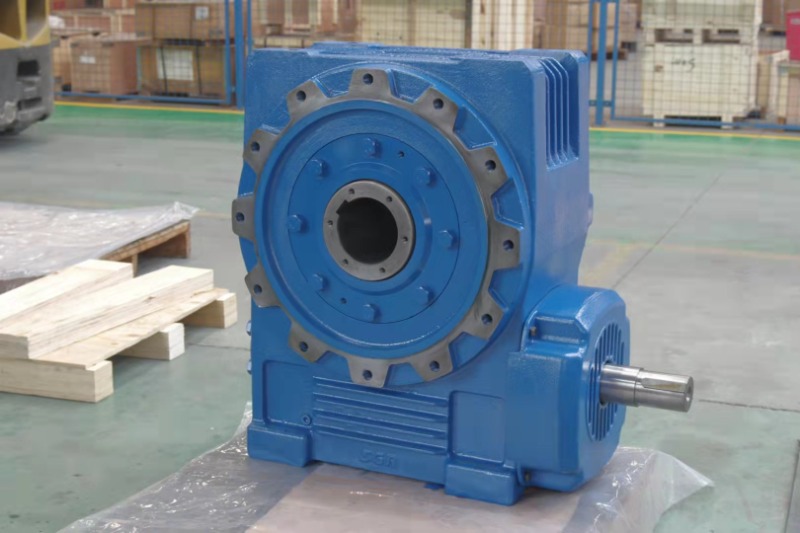
Lubrication is the single most critical factor in preventing overheating in worm gear reducers. Because a double reduction worm gearbox utilizes two stages of reduction, the cumulative friction can lead to rapid oil degradation if the lubricant is not monitored. For high-load applications, choosing synthetic vs mineral oil for worm gearboxes is a decisive factor; synthetic PAG (Polyalkylene Glycol) oils offer superior thermal stability and lower friction coefficients compared to traditional mineral oils. A common worm gearbox oil change frequency guide suggests initial changes after 500 hours of "run-in" and subsequently every 2,500 to 5,000 hours depending on the ambient temperature. Proper lubrication tips for double reduction gearboxes include verifying that the oil level is sufficient for the primary stage to splash-lubricate the second stage effectively.
| Property | Mineral-Based Gear Oil | Synthetic (PAG/PAO) Oil |
| Viscosity Index | Moderate (approx. 95) | High (150 - 250+) |
| Operating Temp Range | -10°C to 80°C | -40°C to 120°C |
| Efficiency Impact | Standard | 3% - 8% improvement |
If a double reduction worm gearbox exceeds its thermal power rating, the oil film thickness decreases, leading to metal-to-metal contact and premature wear signs in worm gears like pitting or "scoring." Engineers must perform troubleshooting worm gearbox overheating by checking the ventilation and housing cleanliness. Dust accumulation on the fins acts as insulation, trapping heat. In systems utilizing a toroidal worm gear reducer, the increased contact area further necessitates effective heat dissipation. Integrating a worm gearbox temperature monitoring system allows for real-time data collection, preventing catastrophic failure by triggering alerts before the oil reaches its flash point.
Premature wear is often a symptom of double reduction worm gearbox alignment issues. Even a minor axial misalignment can concentrate loads on the edge of the gear teeth rather than the center, negating the benefits of a planar double-enveloping worm gear design. Using advanced tools like our 3D Measuring Machines, SGR ensures perfect tooth contact during production; however, field installation must be equally precise. Adjusting backlash in double reduction gearboxes is a delicate procedure; too tight, and the heat increases exponentially; too loose, and the impact loads during start/stop cycles will cause tooth breakage. Understanding how to calculate worm gear reduction efficiency loss due to misalignment is vital for maintaining the best double reduction worm gearbox for industrial use.
| Alignment Factor | Correct Alignment | Misaligned State |
| Load Distribution | Even across the contact line | Localized (Edge Loading) |
| Vibration Level | Low (Standardized design) | High (Accelerates bearing failure) |
| Wear Pattern | Uniform Polishing | Scuffing and Plastic Deformation |
A double reduction worm gearbox is a highly engineered asset that requires professional-grade maintenance. By prioritizing synthetic lubrication, maintaining thermal pathways, and ensuring precise mechanical alignment, operators can significantly extend the lifespan of their gear transmission systems. Shanghai SGR Heavy Industry Machinery Co., Ltd. remains committed to the "specialization and innovation" path, providing the gear industry with standardized, low-vibration designs backed by PhD-level technical services. Prevention today ensures the high efficiency of your heavy industry machinery tomorrow.
Overheating is typically caused by insufficient lubrication, the use of incorrect oil viscosity, or an overload exceeding the thermal power rating. Preventing overheating in worm gear reducers requires checking the oil levels and ensuring cooling fins are clean.
Early signs include a metallic "shimmer" in the oil (indicating bronze particles), increased operating noise, and a rise in housing temperature. Regular oil analysis can detect these signs before mechanical failure occurs.
While synthetic oil has a higher initial cost, it provides better energy efficiency and longer change intervals. This reduces the Total Cost of Ownership (TCO) by minimizing labor and downtime for the double reduction worm gearbox.
Backlash should be checked during annual essential maintenance for double reduction worm gears. Adjustments are generally needed only if there is a noticeable increase in play or after a gearbox rebuild.
If the scoring is deep, the worm wheel (bronze) usually requires replacement. Minor scuffing can sometimes be addressed by switching to a high-EP (Extreme Pressure) lubricant, but this is a temporary fix for troubleshooting worm gearbox overheating.
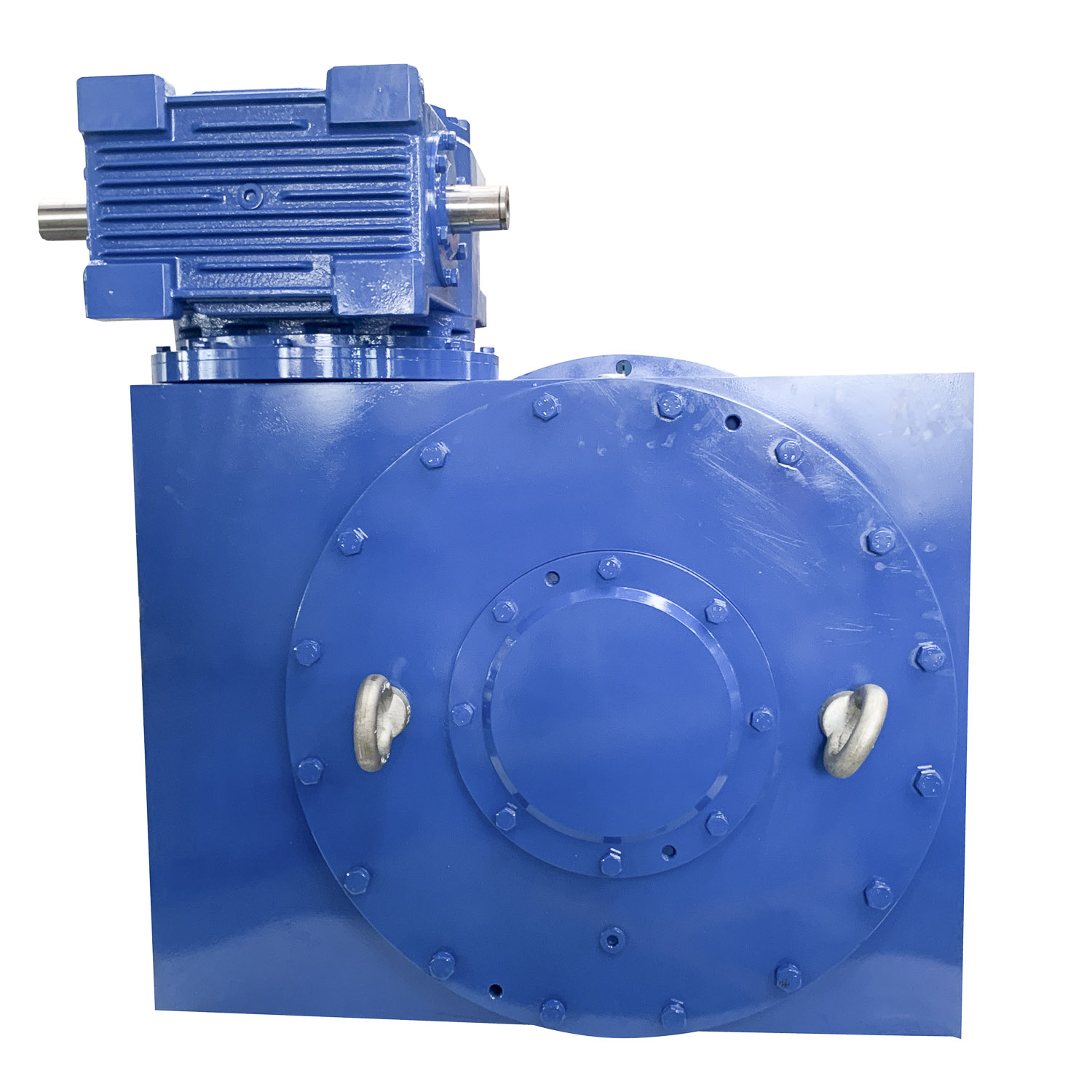
As one of famous double enveloping worm gear manufacturers,SGR's double throated worm gear has adva...
See Details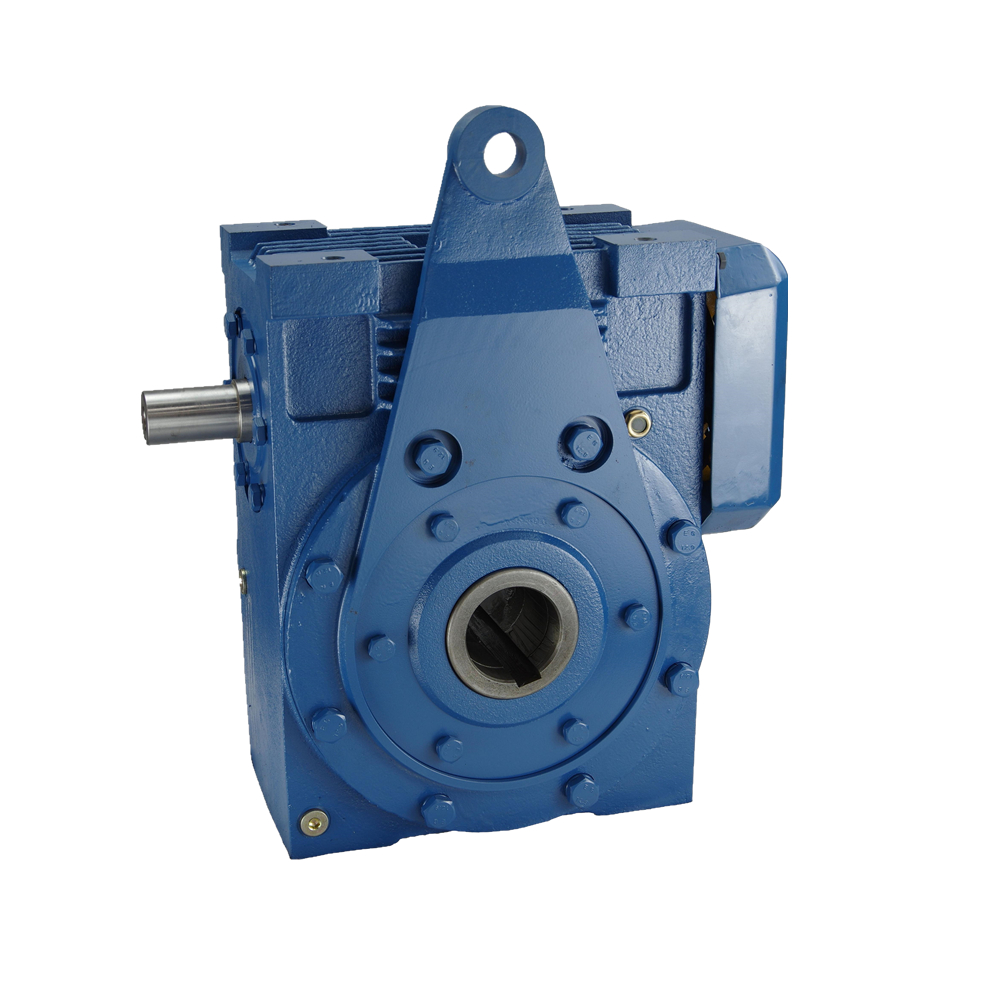
Product Description 1, High torque double enveloping worm gear adjust toughest working condition .2,...
See Details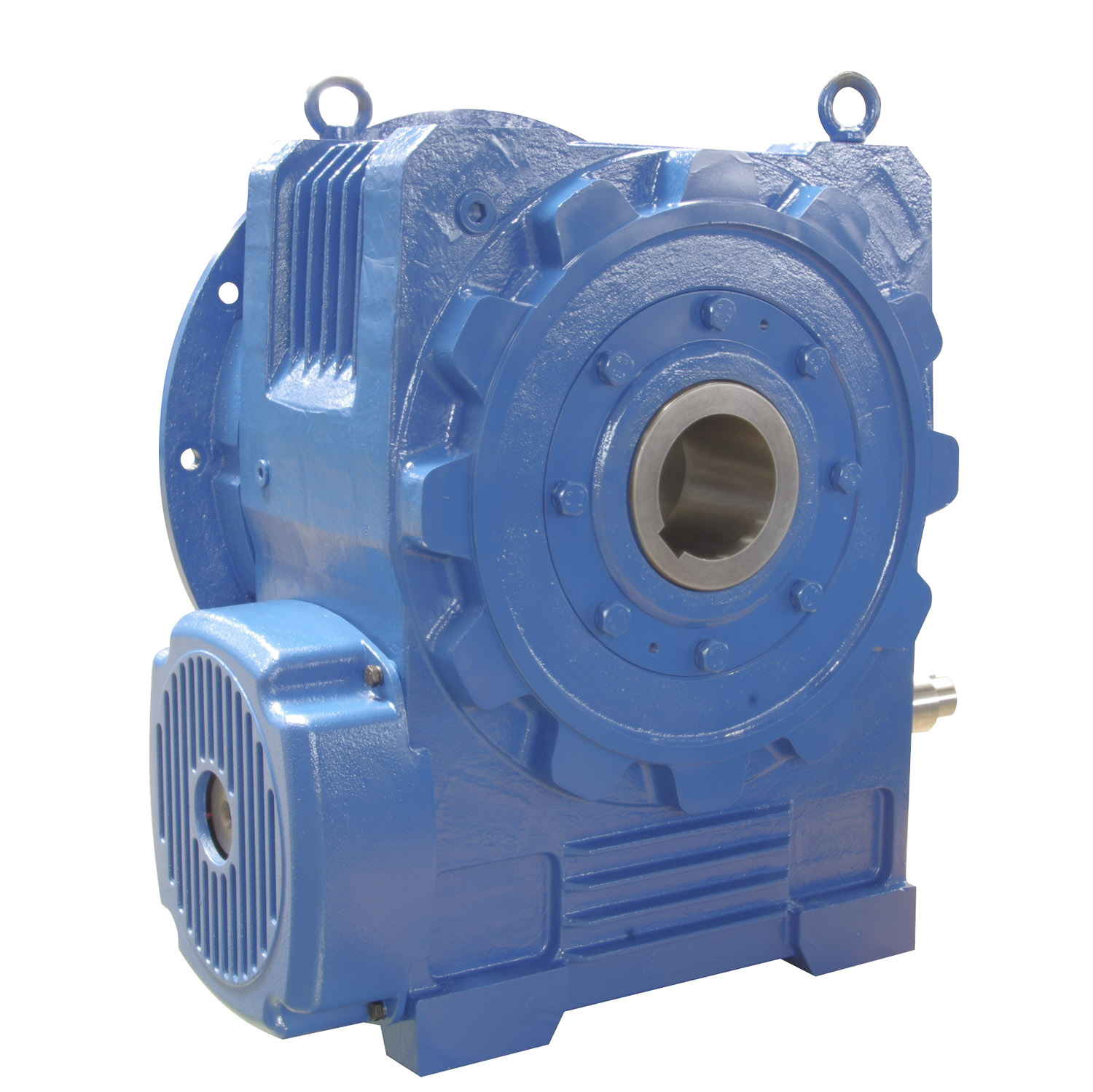
Product Description Series C double enveloping worm gearModel: 100 - 500Ratio: 10 -63Output Torque ...
See Details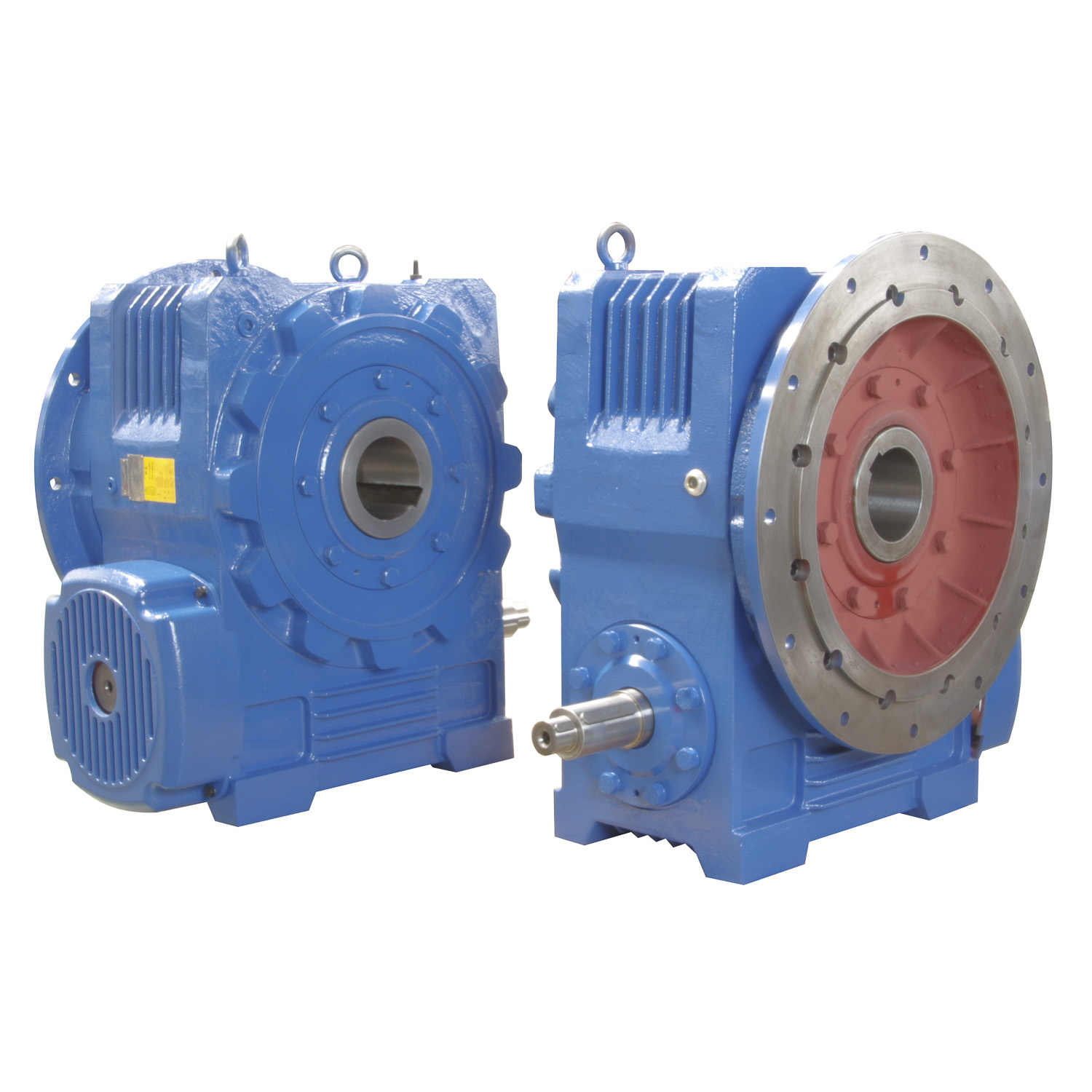
In term of difference of double enveloping worm gear design and traditional worm gear design , do...
See Details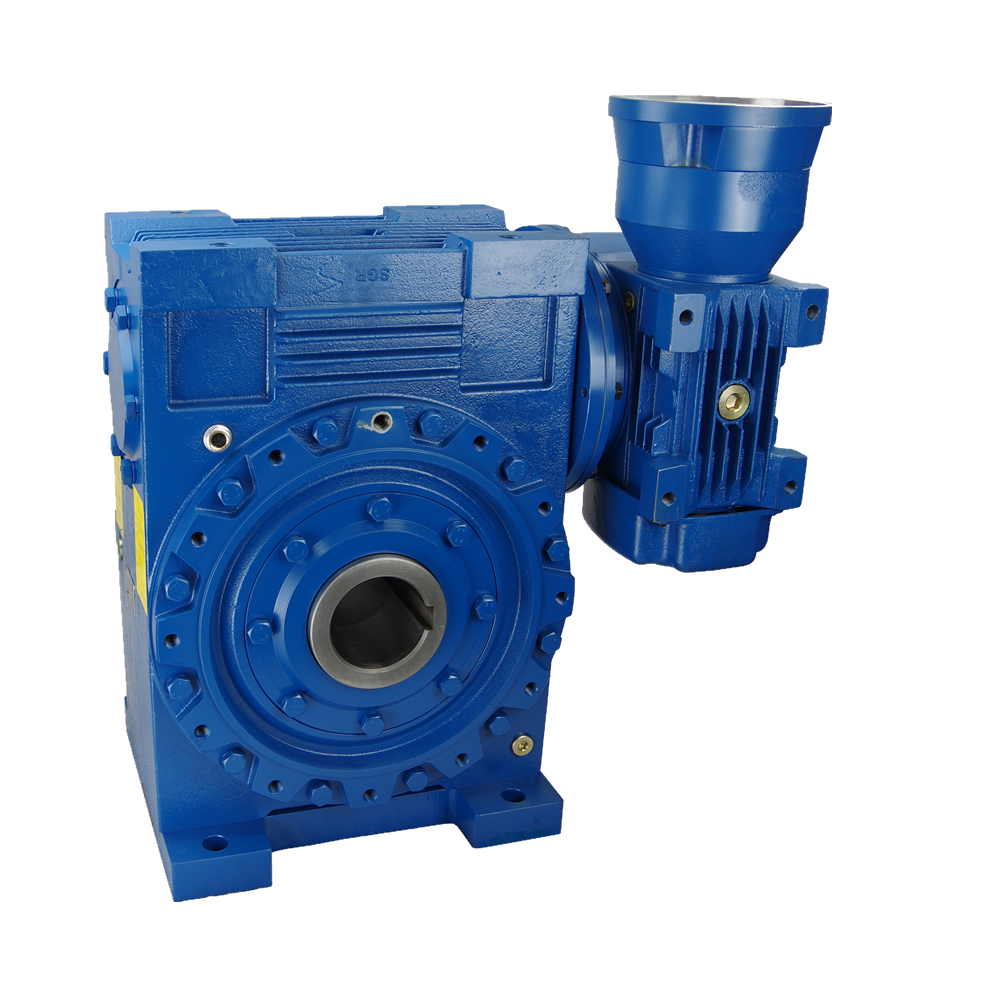
Product Description Series C double enveloping worm gearModel: 100 - 500Ratio: 10 -63Output Torque ...
See Details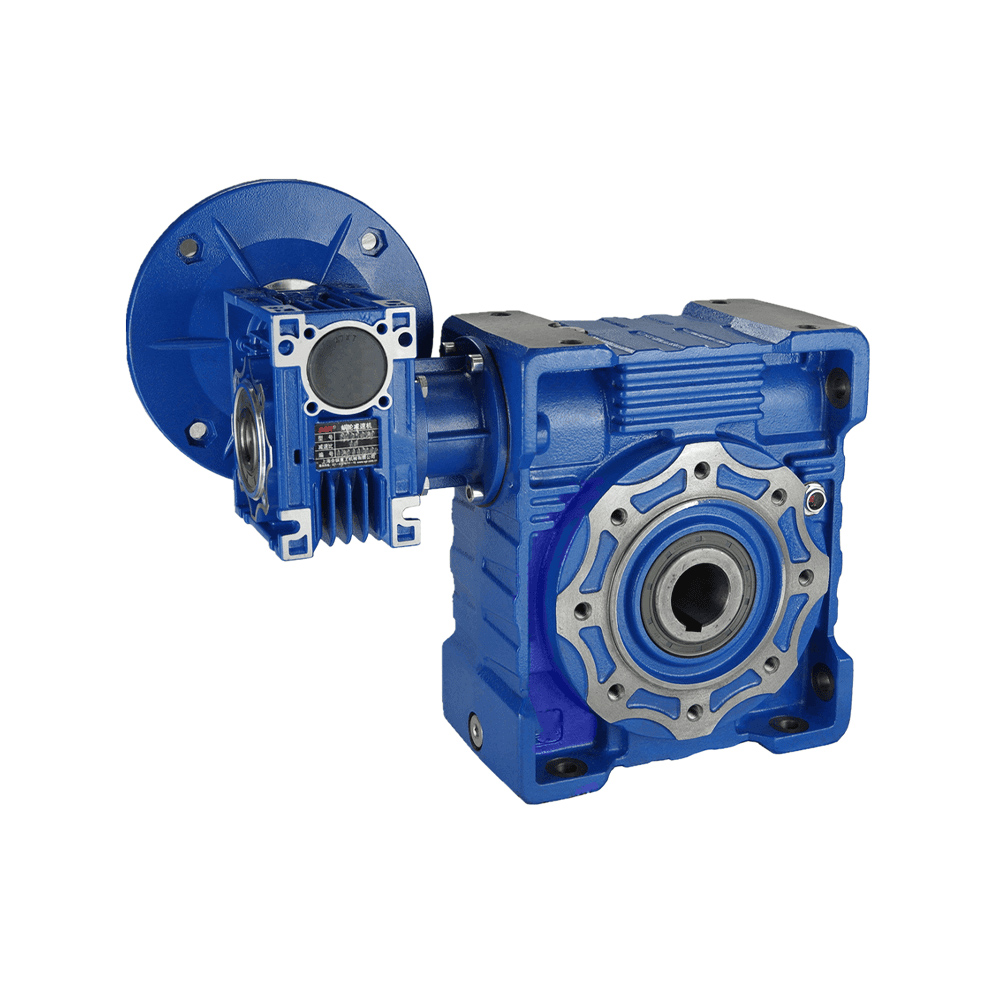
SGR develops and manufactures specialized worm gear reducers for logistics machinery attachments. T...
See Details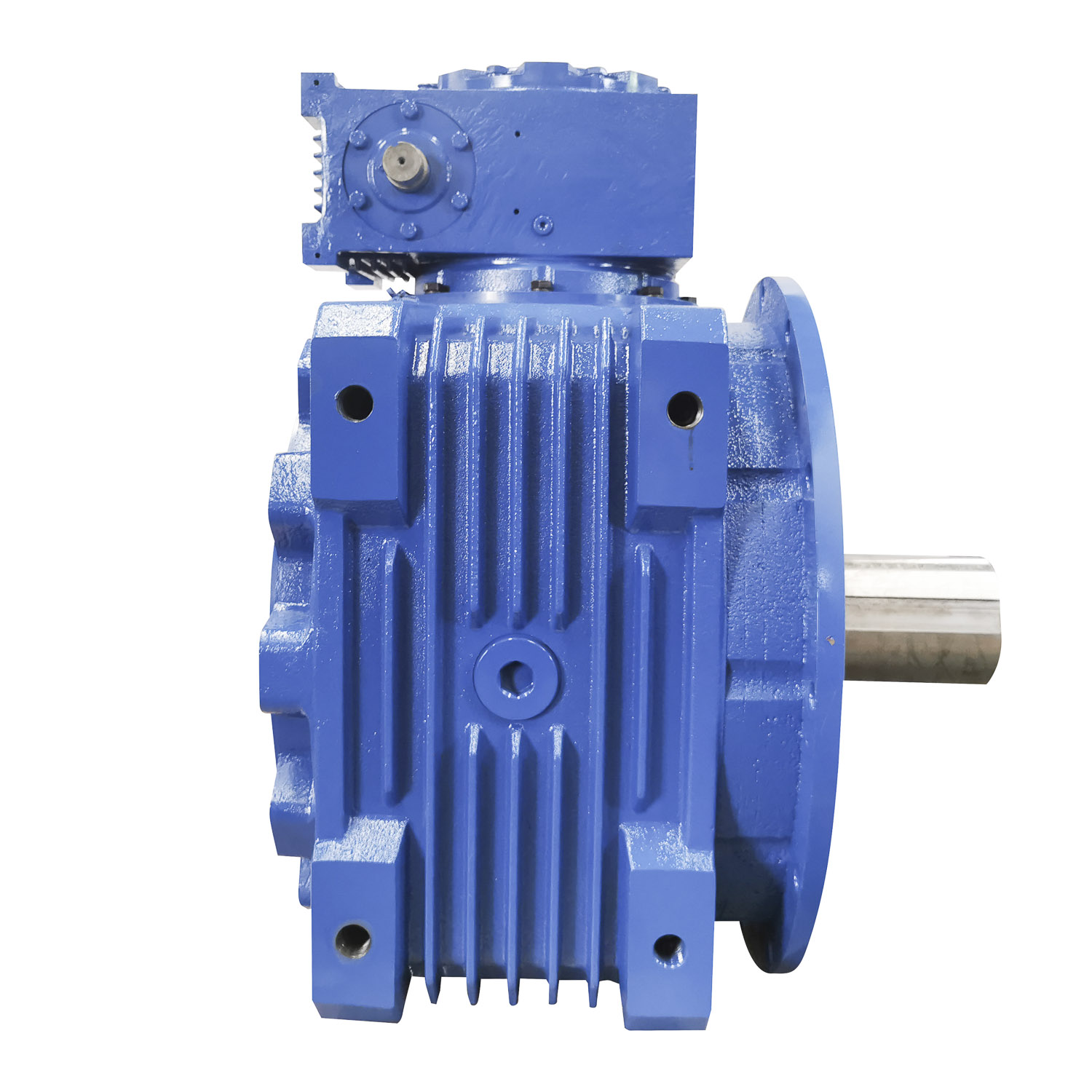
Description :1, High torque double enveloping worm gear adjust toughest working condition .2,Univers...
See Details
Model: 200-885Ratio: 3.15-7800Output Torque :1500Nm-540000NmRating Power :0.25KW-200kwDescription : ...
See Details
SGR is an ISO 9001 certified, DNV-accredited industry gearbox manufacturer since 1996. We supply different gear reducers to brands worldwide.

